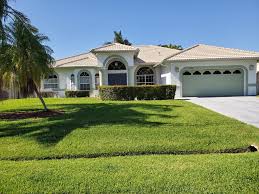
7 Things To Know About Investing in Vacation Property
Investing in vacation property can be both exciting and profitable, but it comes with responsibilities alongside the perks. From personal enjoyment to rental income, owning a second home can offer a unique lifestyle and financial opportunity. However, before diving in, it’s important to understand the key considerations that make a vacation property a worthwhile investment.
If you’re thinking about purchasing a vacation home—whether in Wellington, Florida, or another desirable location—here are 7 things you should know before investing.
See What’s on the Market Right Now
If you're researching homes in Palm Beach County or anywhere in South Florida, explore current listings by city and see what’s available right now.
Explore Homes by City1. Determine Your Purpose
The first step in purchasing a vacation property is to clearly define your goals.
-
Personal Use: Some buyers want a getaway for family and friends, providing a home away from home whenever needed.
-
Rental Income: Others aim to generate revenue by renting the property to vacationers.
-
Hybrid Approach: Many investors want both—a place to enjoy themselves and a source of income when the property is not in use.
Understanding your purpose will guide your property selection, location, and budgeting decisions. A home that balances personal enjoyment and income potential is ideal for many vacation property investors.
2. Understand the 1% Rule
For investors, the 1% rule is a helpful guideline for evaluating rental properties. It asks: Will the monthly rental income exceed 1% of the property’s purchase price?
-
If the answer is yes, the property is likely to generate positive cash flow.
-
Tools like vacation property investment calculators can help estimate potential income and expenses, ensuring that the property meets your financial goals.
This simple calculation can save investors from purchasing properties that won’t be profitable.
3. Consider the Condition of the Property
The condition of a vacation home is critical, especially if you won’t be there to oversee repairs.
-
Maintenance-Friendly: Choose a property that doesn’t require extensive renovations.
-
Fixer-Uppers: If you buy a property needing upgrades, ensure that improvements can be made gradually without disrupting rental potential.
-
Rent-Ready: Ideally, your property should be capable of generating income from day one.
A property in good condition allows you to focus on rental income and personal enjoyment rather than constant repairs.
Curious What Your Home Might Be Worth?
Home values across Palm Beach County and South Florida change constantly. See what buyers may currently be willing to pay for homes in your neighborhood.
Check Your Home Value →4. Account for Upkeep Costs
Owning a vacation property involves more than just the purchase price. Consider ongoing expenses such as:
-
Property taxes and homeowners insurance
-
Regular maintenance and repairs
-
HOA fees, if applicable
-
Cleaning and turnover costs for rental guests
Understanding these costs upfront ensures that your investment remains financially viable and that surprises don’t eat into your profits.
5. Furnishings Matter
A vacation rental property often needs to be fully furnished and functional for renters.
-
Check if the property is already furnished, and assess the condition of furniture, appliances, and kitchenware.
-
If furnishings are required, budget for essentials like beds, tables, kitchen utensils, and linens.
-
Consider aesthetic appeal—modern, comfortable, and neutral decor attracts more renters.
Well-furnished properties are more appealing to renters and can command higher rental rates.
6. Plan for Property Management
If you don’t live near your vacation property, professional property management is essential.
-
Management companies handle bookings, maintenance, cleaning, and emergency issues.
-
Some condos and vacation communities provide in-house management, while others require independent arrangements.
-
Reliable management ensures that your property remains in top condition, guests are satisfied, and rental income is maximized.
Having a plan in place for remote management protects your investment and minimizes stress.
7. Location is Key
The location of your vacation property is one of the most important factors influencing both enjoyment and rental potential.
-
Personal Use: Choose a location that suits your lifestyle and interests. Privacy, scenery, and proximity to favorite activities may be priorities.
-
Income Potential: High-demand areas, such as beach communities, ski resorts, or other popular destinations, attract more renters and higher rental rates.
-
Accessibility: Consider travel time, local amenities, and attractions that draw visitors.
A strategic location enhances your property’s value, rental potential, and personal enjoyment.
Additional Tips for Vacation Property Investors
Investing in a vacation property requires research and preparation. Here are a few extra considerations:
-
Research the Market: Understand seasonal rental trends, occupancy rates, and typical rental income in your target area.
-
Financing: Explore financing options and ensure you have a mortgage plan that works for investment purposes.
-
Insurance Coverage: Vacation homes may require specialized insurance policies to cover rental activities, natural disasters, and liability.
-
Legal Compliance: Check local zoning laws, HOA rules, and short-term rental regulations. Compliance is essential to avoid fines and disruptions.
Being thorough in your research and planning ensures a smooth investment process and protects your financial interests.
Why Vacation Property Can Be a Smart Investment
Vacation homes offer unique advantages:
-
Dual Use: Enjoy personal getaways while generating rental income.
-
Appreciation: Desirable locations often see property values increase over time.
-
Tax Benefits: Certain expenses related to a rental property may be tax-deductible, including mortgage interest, property taxes, and management fees.
-
Lifestyle: Owning a vacation property provides flexibility, comfort, and convenience for family and friends.
With careful planning and consideration, a vacation property can be both a profitable investment and a source of enjoyment.
Final Thoughts
Investing in a vacation property requires careful thought, research, and planning. From determining your purpose and analyzing potential rental income to assessing property condition and location, each factor plays a crucial role in your success.
By considering these 7 essential tips—purpose, the 1% rule, property condition, upkeep costs, furnishings, property management, and location—you can make an informed decision that balances personal enjoyment with financial return.
Whether you’re looking to create lasting memories for your family or generate additional income, owning a vacation home can be a rewarding experience. With the right preparation, your vacation property can become both a profitable investment and a cherished retreat.
Contact us today to explore vacation properties in South Florida, one of the best regions for rental potential and personal enjoyment. Let us help you find the perfect vacation home that suits your lifestyle and investment goals.
Real Estate Resources for South Florida
If you're researching homes or following the South Florida real estate market, exploring listings and property values can provide helpful context for understanding local neighborhoods and housing trends across Palm Beach County.
About the Authors
Chris and Sue Kull are South Florida real estate professionals with more than three decades of experience helping buyers, sellers, and property owners navigate the housing market throughout Palm Beach County and surrounding communities.
Their work focuses on providing clear information, local market insight, and practical guidance so clients can make confident real estate decisions. Over the years they have built a trusted network of industry professionals—including lenders, inspectors, contractors, and legal specialists—to support every stage of the real estate process.
You can explore additional resources, community guides, and real estate tools at www.TheKullGroup.com.
If you have questions about buying, selling, or understanding the local real estate market, you can reach out through our contact page.