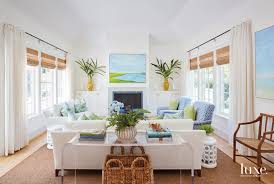
8 Valuable Lessons I Learned From an Interior Designer
Have you ever walked into a beautifully designed room and wondered what makes it look so effortlessly elegant? Recently, I had the opportunity to work with a professional interior designer, and the experience taught me a wealth of practical and inspiring lessons about creating a functional and visually appealing living space.
In this article, I’ll share 8 valuable lessons I learned from an interior designer that can help elevate your home’s style, comfort, and harmony.
Curious What Your Home Might Be Worth?
Home values across Palm Beach County and South Florida change constantly. See what buyers may currently be willing to pay for homes in your neighborhood.
Check Your Home Value →XXXXXXXXXXXXXXXXXXXXXXXXXXXXXXXXXXXXX
1. Rug Size Matters
One of the first insights I gained was that rug size can dramatically influence the look and feel of a room. A properly sized rug anchors the furniture and creates a cohesive seating area.
-
Ensure the rug is large enough to extend under the front legs of sofas and chairs.
-
Avoid rugs that are too small, as they can make furniture appear disconnected or floating.
-
Consider layering rugs for texture and warmth while maintaining proportion with the space.
A correctly sized rug creates balance, ties the room together, and instantly elevates its design.
2. Curtain Placement and Rods Are Key
Curtains do more than cover windows—they frame them and enhance the room’s overall aesthetic. Here’s what I learned:
-
Hang curtains higher: Install rods at least six inches above the window frame to create the illusion of height.
-
Extend the rod beyond the window: Curtains should flank the window when open, allowing maximum natural light.
-
Floor-length drapes: Ensure curtains reach the floor for a clean, polished look.
-
Complement the style: Select curtain rods that match the room’s decor and materials.
Proper curtain placement can make a room feel taller, wider, and more sophisticated.
3. TV and Art Placement Matters
When arranging televisions and artwork on walls, placement is crucial for both function and style.
-
TV placement: Consider viewing angles from all seating areas. Avoid hanging the TV too high or too low, which can make viewing uncomfortable or create a floating effect.
-
Artwork placement: Hang art at eye level, approximately 57–60 inches from the floor to the center. This ensures it’s visually accessible and complements the room’s scale.
-
Balance: Artwork and TV placement should maintain harmony in the space without crowding the walls.
Correct placement allows both functional viewing and aesthetic enjoyment.
4. Plank Flooring Direction Matters
Even the direction of plank flooring can affect the perception of a room’s size and shape.
-
Planks laid perpendicular to the main entrance can make the space appear wider.
-
Planks laid parallel can elongate the room, creating a sense of depth.
-
Always consider the room’s dimensions, ceiling height, and natural light to determine the best orientation.
Strategically laid flooring subtly enhances the room’s visual flow and overall design.
See What’s on the Market Right Now
If you're researching homes in Palm Beach County or anywhere in South Florida, explore current listings by city and see what’s available right now.
Explore Homes by City5. Avoid Matchy-Matchy Items
Gone are the days of perfectly coordinated furniture sets. One of the designer’s key lessons: embrace diversity.
-
Mix styles, colors, and materials for a dynamic, interesting space.
-
Vary shapes and furniture legs—avoid a room full of identical rectangular pieces.
-
Example: Swap a wooden bed frame for a fabric one, or mix different side tables and chairs.
A thoughtfully mismatched combination creates a curated, intentional look rather than a cookie-cutter feel.
6. Keep Major Elements Neutral
A fundamental principle of interior design is neutrality in walls, large furniture, and window treatments.
-
Neutrals provide a timeless backdrop and flexibility in decorating.
-
Add personality with accessories: throw pillows, blankets, rugs, or art can bring color and character.
-
Accessories can be updated seasonally or when trends change without major renovations.
This approach allows you to refresh a room easily while keeping the main design elements versatile.
7. Less Is More
The mantra “less is more” is central to creating a balanced and serene environment.
-
Avoid overcrowding rooms with furniture or decor items.
-
Not every wall needs artwork, and not every surface needs to be filled.
-
Clutter-free spaces feel larger, more tranquil, and inviting.
Embracing minimalism enhances both functionality and visual appeal, making your home feel more open and organized.
8. Add Plants for Life and Energy
Finally, one of the simplest yet most impactful lessons: incorporate plants.
-
Plants, greenery, or even faux stems bring vitality and freshness to a space.
-
They improve air quality, add texture, and soften harsh architectural lines.
-
Position plants strategically to complement furniture layouts, brighten corners, and create focal points.
Adding greenery is a low-cost way to breathe life into your home while enhancing the atmosphere.
Final Thoughts
Working with a professional interior designer provided me with invaluable insights into the art and science of creating a harmonious living environment. From proper rug sizing to strategic flooring, neutral backdrops, and the power of plants, each lesson contributes to a home that is both beautiful and functional.
By applying these 8 interior design principles, you can transform your space into a welcoming, aesthetically pleasing home that reflects your personality and lifestyle. Whether you’re redecorating a single room or updating your entire home, these lessons will help you approach design with intention and confidence.
Elevate your home’s style, create harmony, and enjoy the process of curating a space that truly feels like yours.
Real Estate Resources for South Florida
If you're researching homes or following the South Florida real estate market, exploring listings and property values can provide helpful context for understanding local neighborhoods and housing trends across Palm Beach County.
About the Authors
Chris and Sue Kull are South Florida real estate professionals with more than three decades of experience helping buyers, sellers, and property owners navigate the housing market throughout Palm Beach County and surrounding communities.
Their work focuses on providing clear information, local market insight, and practical guidance so clients can make confident real estate decisions. Over the years they have built a trusted network of industry professionals—including lenders, inspectors, contractors, and legal specialists—to support every stage of the real estate process.
You can explore additional resources, community guides, and real estate tools at www.TheKullGroup.com.
If you have questions about buying, selling, or understanding the local real estate market, you can reach out through our contact page.