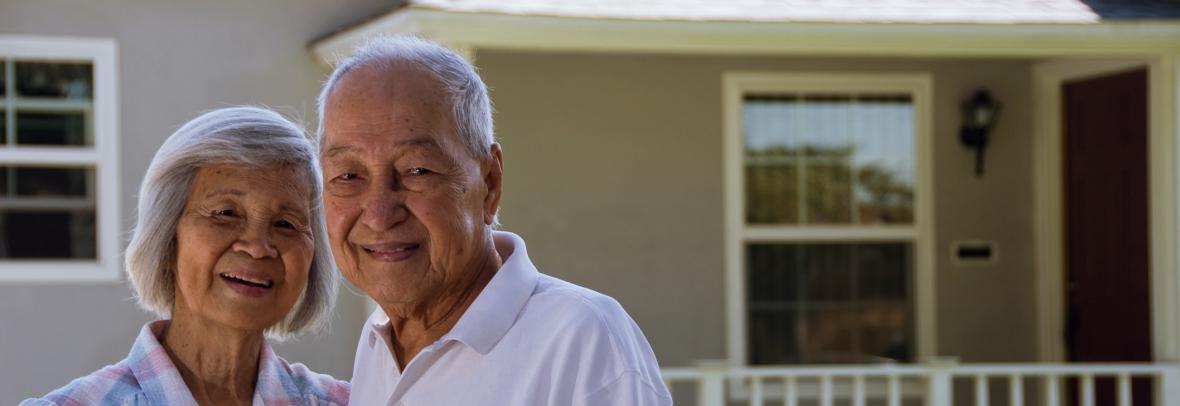
Aging in Place: Why More Seniors Want to Stay in Their Homes
Across the United States, one housing trend continues to shape the way communities develop, homes are designed, and families plan for the future: aging in place. The term refers to the ability for individuals to remain in their own homes as they grow older, rather than relocating to assisted living or institutional care settings.
Research from the Pew Research Center highlights how strongly older adults prefer this option. According to a recent survey, 93% of Americans age 65 and older currently live in their own home or apartment, and many hope to continue doing so for as long as possible. When asked about future living arrangements, most seniors indicated that their ideal situation would involve remaining in their home with support from caregivers if needed.
For homeowners, families, and communities in South Florida and Palm Beach County, the aging-in-place trend has meaningful implications. It influences housing supply, renovation decisions, multigenerational living arrangements, and long-term real estate planning. Understanding this shift can help homeowners and families prepare for the future while making informed housing decisions.
Curious What Your Home Might Be Worth?
Home values across Palm Beach County and South Florida change constantly. See what buyers may currently be willing to pay for homes in your neighborhood.
Check Your Home Value →What Does “Aging in Place” Mean?
Aging in place describes a living arrangement where individuals continue residing in their own home safely and independently as they age. Rather than relocating to assisted living facilities or nursing homes, many older adults prefer to remain in familiar surroundings where they feel comfortable and connected to their community.
This approach often requires thoughtful planning. Homes may need modifications that support mobility, accessibility, and safety. In some cases, family members or professional caregivers provide assistance to help older adults maintain independence.
For many homeowners, the goal is simple: remain in a place that feels like home while adapting to changing needs over time.
Where Older Adults Currently Live
The Pew Research Center survey found that the overwhelming majority of adults age 65 and older live in their own homes.
Among surveyed older adults:
-
93% live in their own home or apartment
-
9% receive care from someone while remaining at home
-
2% live in the home of an adult child
-
1% live with another family member
-
1% live in an assisted living facility
-
1% live in a nursing home
These figures highlight how strongly older Americans prefer to maintain independent living arrangements.
It is also worth noting that only a small portion of older adults live in institutional settings. According to the 2020 U.S. Census, about 3% of Americans age 65 and older live in group housing environments such as nursing homes.
Preferred Living Arrangements as People Age
The Pew study also explored what older adults would prefer if they eventually needed assistance with daily living.
Among seniors currently living independently:
-
60% said they would prefer to stay in their home with help from a caregiver
-
18% said they would choose an assisted living facility
-
11% said they would prefer moving in with family
-
1% said they would move to a nursing home
-
8% preferred other living arrangements
These results illustrate the powerful emotional connection many people have with their homes. Familiar environments, established routines, and neighborhood relationships often play a significant role in quality of life.
For homeowners in Palm Beach County and throughout South Florida, this trend reinforces the importance of housing options that support long-term livability.
See What’s on the Market Right Now
If you're researching homes in Palm Beach County or anywhere in South Florida, explore current listings by city and see what’s available right now.
Explore Homes by CityWhy Aging in Place Is So Appealing
Several factors explain why so many older adults prefer to remain in their homes.
Emotional Connection to Home
Homes often represent decades of memories, family gatherings, and personal milestones. Leaving that environment can be emotionally difficult, particularly for individuals who have lived in the same place for many years.
Remaining in a familiar setting can provide comfort and stability during a stage of life when other changes may be occurring.
Community and Social Networks
Neighborhood connections can also play an important role. Longtime residents often have established relationships with neighbors, friends, and local organizations.
Staying in the same community allows seniors to maintain those relationships and continue participating in familiar activities.
Independence and Personal Control
Aging in place also allows older adults to maintain a sense of independence. Rather than adapting to the structure and rules of institutional settings, homeowners can continue managing their daily routines in ways that feel natural.
This independence can contribute significantly to emotional well-being.
The Financial Considerations
While aging in place is widely preferred, financial realities sometimes influence whether it becomes possible.
The Pew survey revealed that only 21% of adults age 65 and older have long-term care insurance, which can help cover the cost of ongoing care services.
Without this type of insurance, families often need to explore alternative ways to fund assistance, such as:
-
Hiring part-time caregivers
-
Relying on family support
-
Using personal savings or retirement income
-
Exploring community-based programs
The cost of in-home care or assisted living can vary widely depending on location and level of care required. These financial considerations often play a role in determining future housing decisions.
How Aging in Place Is Shaping Housing Trends
The growing preference for aging in place is influencing several aspects of the housing market.
Increased Demand for Accessible Homes
Many homeowners are modifying their properties to support mobility and safety as they age.
Common accessibility improvements include:
-
Step-free entryways
-
Wider doorways and hallways
-
Walk-in showers
-
Grab bars in bathrooms
-
Improved lighting throughout the home
These upgrades can make homes more comfortable and functional for older adults while also appealing to a broader range of buyers.
Growth in Multigenerational Living
Another response to the aging-in-place trend is the rise of multigenerational households.
In these arrangements, older adults live with children or other relatives while maintaining some level of independence. Homes may include features such as:
-
Separate living suites
-
Guest houses or accessory dwelling units
-
Converted garages or private entrances
This approach allows families to provide support while keeping loved ones close.
In South Florida communities, where many homes include flexible floor plans and guest accommodations, multigenerational living has become an increasingly practical option.
Renovation and Remodeling Activity
The aging-in-place trend is also contributing to rising renovation activity.
Homeowners may invest in improvements that make their homes easier to navigate and maintain over time. These projects often focus on functionality and safety rather than purely cosmetic upgrades.
Examples include:
-
First-floor bedroom additions
-
Bathroom accessibility modifications
-
Smart home technology for security and monitoring
-
Improved lighting and visibility
These improvements not only benefit current homeowners but can also increase a home’s appeal to future buyers.
Aging in Place in South Florida
The aging-in-place trend carries particular significance in South Florida, where many retirees choose to settle. Palm Beach County and surrounding communities attract residents seeking warm weather, outdoor recreation, and an active lifestyle.
Because many retirees move to the region later in life, the design and adaptability of homes can become especially important.
Homes that support long-term living often include features such as:
-
Single-story layouts
-
Open floor plans
-
Accessible bathrooms
-
Outdoor spaces that encourage relaxation and social activity
In addition, South Florida communities often provide amenities that support aging in place, including healthcare facilities, recreation programs, and transportation services.
Planning for Future Housing Needs
Although many seniors hope to remain in their homes, the Pew survey revealed some uncertainty about whether that goal will be achievable.
Among those who prefer to stay in their homes with caregiver assistance:
-
37% believe it is highly likely to happen
-
18% believe it is unlikely
Similar uncertainty exists for those considering assisted living or other arrangements.
These findings highlight the importance of early planning. Evaluating housing options before they become urgent can give homeowners greater flexibility and control over future decisions.
A Housing Trend That Will Continue to Grow
As the U.S. population ages, the aging-in-place trend is expected to remain a significant influence on housing markets nationwide.
For homeowners and families, this trend reinforces the value of homes that support long-term livability and adaptability. For communities and developers, it underscores the importance of designing housing that accommodates a wide range of needs.
Across Palm Beach County and South Florida, housing decisions increasingly reflect a desire for comfort, independence, and community connection throughout every stage of life.
By understanding how aging in place is shaping housing trends, homeowners and families can better prepare for the future while making thoughtful real estate decisions today.
Real Estate Resources for South Florida
If you're researching homes or following the South Florida real estate market, exploring listings and property values can provide helpful context for understanding local neighborhoods and housing trends across Palm Beach County.
About the Authors
Chris and Sue Kull are South Florida real estate professionals with more than three decades of experience helping buyers, sellers, and property owners navigate the housing market throughout Palm Beach County and surrounding communities.
Their work focuses on providing clear information, local market insight, and practical guidance so clients can make confident real estate decisions. Over the years they have built a trusted network of industry professionals—including lenders, inspectors, contractors, and legal specialists—to support every stage of the real estate process.
You can explore additional resources, community guides, and real estate tools at www.TheKullGroup.com.
If you have questions about buying, selling, or understanding the local real estate market, you can reach out through our contact page.