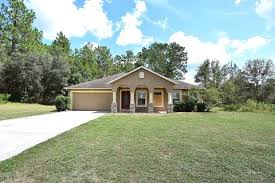
Can Multiple Offers be Submitted on a Short Sale?
If you’re new to the world of real estate, you might have questions about short sales. A short sale occurs when a property is sold for less than what is owed on the mortgage. Common questions include how short sales work, what impact they have on a seller’s credit, and whether buyers can secure a good deal. These are crucial queries that are often addressed in resources like our Short Sale Series | Buying a Short Sale. However, one popular question that often remains unanswered is: “Can multiple offers be submitted on a short sale?” Let’s delve into that topic now!
See What’s on the Market Right Now
If you're researching homes in Palm Beach County or anywhere in South Florida, explore current listings by city and see what’s available right now.
Explore Homes by CityDebunking Short Sale Misconceptions
One of the most prevalent misconceptions about short sales is that the seller has little to no say in the process, which is entirely false. While the seller may owe more than their home is currently worth and cannot sell without the approval of the lienholder(s), they still retain ownership of the property. This means that negotiations primarily occur between the seller and the potential buyer, not directly with the lienholder(s). In essence, aside from requiring third-party approval, short sales aren’t fundamentally different from traditional sales.
In any real estate transaction, including short sales and bank-owned properties, both buyer and seller must agree to all terms in writing for the sale to be enforceable. While verbal agreements on terms are possible, they hold no legal weight unless formalized in writing and signed by all parties involved. This flexibility allows sellers to negotiate verbally with multiple buyers simultaneously, as long as they refrain from committing to any formal agreements prematurely.
Another significant misconception regarding short sales is that the sale price is inconsequential. On the contrary, price matters immensely, especially to the lienholder(s) seeking to recover as much of the outstanding debt as possible. A seller looking to conduct a short sale should strive to secure offers that reflect the property’s market value. Lienholders typically conduct a Broker Price Opinion (BPO), akin to a home appraisal, to ascertain the property’s true market worth. Accepting an offer well below this value not only jeopardizes short sale approval but also increases the risk of foreclosure if mortgage payments are neglected.
Therefore, the key to securing short sale approval lies in negotiating an offer that aligns with realistic market terms and conditions. Sellers are advised to engage an experienced short sale team proficient in navigating and securing approvals for such transactions.
Can Multiple Offers Be Submitted on a Short Sale?
While sellers can entertain multiple offers from potential buyers, they are unable to accept or submit multiple signed or unsigned offers to their lienholders. Doing so would complicate the process and potentially delay approval. Hence, the answer is no—multiple offers cannot be submitted on a short sale. Ultimately, the seller has only one property to sell and can only formalize one offer.
What Type of Offer Should a Short Sale Seller Accept?
The likelihood of short sale approval increases substantially when the seller accepts the strongest possible offer. So, what constitutes an ideal short sale offer?
1. Strong Offer: A strong offer typically includes a price that aligns with the property’s market value, coupled with robust secondary terms. These may include a substantial escrow deposit, minimal contingencies, short contingency periods, and a quick closing timeline if approval is granted.
2. Strong Buyer: Given that short sale approvals (or denials) may take several months to materialize—without a fixed timeframe—buyers must remain patient throughout the lienholder’s decision-making process. If the short sale is approved, the approval itself is generally valid for a limited duration, typically 30 days. During this period, the buyer must conduct inspections, obtain appraisals, secure financing if necessary, and finalize the transaction promptly.
Curious What Your Home Might Be Worth?
Home values across Palm Beach County and South Florida change constantly. See what buyers may currently be willing to pay for homes in your neighborhood.
Check Your Home Value →Consequently, sellers should seek out buyers who possess the financial qualifications, patience, and readiness to act swiftly should approval be granted.
Final Thoughts
A comprehensive understanding of the short sale process is crucial when navigating the complexities of real estate transactions. Addressing common queries in advance equips all parties involved with a clearer perspective, thereby setting realistic expectations for a successful transaction. Remember, well-informed decisions are pivotal when buying or selling real estate.
Real Estate Resources for South Florida
If you're researching homes or following the South Florida real estate market, exploring listings and property values can provide helpful context for understanding local neighborhoods and housing trends across Palm Beach County.
About the Authors
Chris and Sue Kull are South Florida real estate professionals with more than three decades of experience helping buyers, sellers, and property owners navigate the housing market throughout Palm Beach County and surrounding communities.
Their work focuses on providing clear information, local market insight, and practical guidance so clients can make confident real estate decisions. Over the years they have built a trusted network of industry professionals—including lenders, inspectors, contractors, and legal specialists—to support every stage of the real estate process.
You can explore additional resources, community guides, and real estate tools at www.TheKullGroup.com.
If you have questions about buying, selling, or understanding the local real estate market, you can reach out through our contact page.