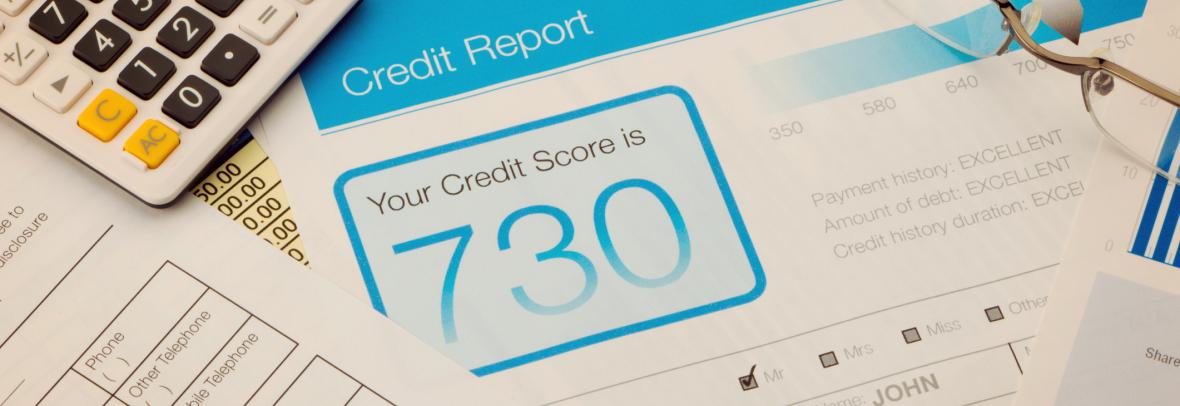
The Credit Score Advantage: Why Buyers With Strong Credit Unlock More Home Options
For anyone planning to purchase a home in South Florida, understanding how credit works is one of the most important financial steps in the process. Credit scores and home buying power are closely connected, influencing everything from mortgage approval to the interest rate attached to your loan. While many buyers focus primarily on home prices or mortgage rates, lenders often begin with one key question: how strong is the borrower’s credit profile?
A credit score functions as a financial snapshot that helps lenders determine the likelihood that a borrower will repay a loan. Higher scores signal lower risk, which typically results in better loan terms, lower interest rates, and a smoother approval process. Lower scores, on the other hand, may limit loan options or increase borrowing costs.
In today’s housing market — where affordability and financing strategies matter more than ever — maintaining a healthy credit score can dramatically influence what buyers can afford. Whether you’re a first-time buyer, relocating to Palm Beach County, or preparing to upgrade to a larger home, understanding how credit affects buying power can help you approach the market with confidence and clarity.
See What’s on the Market Right Now
If you're researching homes in Palm Beach County or anywhere in South Florida, explore current listings by city and see what’s available right now.
Explore Homes by CityWhat a Credit Score Really Measures
At its core, a credit score predicts how reliably someone manages borrowed money. Financial institutions rely on these scores because they provide a standardized way to assess risk. If a borrower has consistently paid debts on time and maintained responsible credit habits, lenders are more comfortable extending larger loans at lower interest rates.
The most widely used scoring model is the FICO score, which ranges from 300 to 850. While different lenders may use slightly different thresholds, scores generally fall into several categories:
-
Excellent: 800 and above
-
Very Good: 740–799
-
Good: 670–739
-
Fair: 580–669
-
Poor: Below 580
For home buyers, the difference between these ranges can translate into thousands of dollars over the life of a mortgage.
For example, someone with a higher credit score may qualify for a lower interest rate. Even a small difference in rates can significantly reduce monthly mortgage payments and total interest paid over time. That’s why many financial advisors encourage buyers to review and strengthen their credit profiles well before applying for a home loan.
The Five Key Factors That Shape Your Credit Score
Although credit scoring models may vary slightly, most rely on the same general factors. Understanding these components can help buyers maintain strong credit habits.
Payment History
Payment history is the single most important element of a credit score. Lenders want to know whether borrowers pay their bills on time. Late payments, collections accounts, and defaults can quickly damage a credit profile.
Consistent on-time payments demonstrate reliability, which lenders reward with better loan terms.
Credit Utilization
Credit utilization measures how much of your available credit you are currently using. For example, if a borrower has a credit card limit of $10,000 and carries a $3,000 balance, their utilization rate is 30%.
Experts generally recommend keeping utilization below 30%, and even lower if possible. High balances relative to credit limits can signal financial stress to lenders.
Length of Credit History
The longer a borrower has maintained credit accounts, the more data lenders have to evaluate. Older accounts often contribute positively to credit scores because they show a longer track record of financial behavior.
New Credit Applications
Each time someone applies for credit, a lender performs a hard inquiry on the borrower’s credit report. Multiple inquiries within a short period may suggest financial instability and can slightly reduce a credit score.
Credit Mix
Lenders like to see a variety of credit types managed responsibly. This may include credit cards, auto loans, student loans, or mortgages. A diverse credit mix shows borrowers can handle different types of debt.
How Credit Scores Affect Mortgage Rates
One of the most significant ways credit impacts home buying is through mortgage interest rates.
Mortgage lenders use credit scores to determine how risky a loan might be. Borrowers with higher scores typically qualify for lower interest rates because they are considered less likely to default.
Even a modest difference in interest rates can have a major impact on affordability. For instance, two borrowers purchasing similarly priced homes could end up with very different monthly payments depending on their credit scores.
Lower rates translate into:
-
Lower monthly mortgage payments
-
Reduced total interest over the life of the loan
-
Greater purchasing power
In practical terms, this means buyers with stronger credit may qualify for more expensive homes while maintaining similar monthly payments.
Credit Scores and Buying Power
Beyond interest rates, credit scores influence overall buying power. Lenders evaluate several financial metrics when determining how much someone can borrow, including income, existing debt, and credit history.
A stronger credit score can:
-
Expand mortgage options
-
Reduce required down payments
-
Improve approval odds
-
Speed up underwriting
Buyers with lower credit scores may still qualify for certain loan programs, but they may face higher interest rates, stricter lending requirements, or larger down payment expectations.
That’s why many real estate professionals encourage buyers to check their credit several months before beginning the home search. Addressing small issues early can make a meaningful difference when it comes time to apply for financing.
Why Maintaining Credit Is Easier Than Rebuilding It
One of the most important lessons about credit is that maintaining a good score is far easier than repairing a damaged one.
Negative events such as missed payments, collections accounts, or bankruptcies can remain on credit reports for years. Even a single late payment may impact a credit score for an extended period.
Because of this, prevention is often the best strategy. Consistent financial habits — paying bills on time, managing balances responsibly, and avoiding excessive borrowing — help protect credit scores from unexpected declines.
Buyers planning to enter the housing market should treat credit management as part of their overall home buying preparation.
Curious What Your Home Might Be Worth?
Home values across Palm Beach County and South Florida change constantly. See what buyers may currently be willing to pay for homes in your neighborhood.
Check Your Home Value →Strategies to Improve Your Credit Score
For buyers looking to strengthen their credit before purchasing a home, several practical steps can make a difference.
Pay Bills on Time
Payment history carries the greatest weight in credit scoring models. Setting up automatic payments or reminders can help ensure that bills are paid consistently.
Reduce Credit Card Balances
Lower balances relative to available credit limits can improve credit utilization ratios. Paying down existing balances often results in quick improvements to credit scores.
Avoid Frequent Credit Applications
Applying for multiple credit accounts within a short timeframe can temporarily reduce credit scores. Buyers preparing for a mortgage should avoid opening unnecessary new accounts.
Review Credit Reports Regularly
Errors on credit reports are more common than many people realize. Checking reports periodically allows consumers to identify mistakes and dispute inaccurate information.
Establish Credit if You’re New
Individuals with limited credit histories may consider options like secured credit cards or becoming an authorized user on a trusted family member’s account. Some programs also report rent and utility payments to credit bureaus, helping build a positive history.
Checking Your Credit Report
Consumers are entitled to review their credit reports from the three major credit bureaus — Equifax, Experian, and TransUnion — each year at no cost.
Regular monitoring allows borrowers to track progress and ensure that credit information remains accurate.
Many banks and financial apps also offer free credit monitoring tools, making it easier than ever to stay informed about credit health.
The Role Credit Plays in the Home Buying Process
For buyers in South Florida, credit often influences the first step in the home buying journey: mortgage pre-approval.
During pre-approval, lenders review financial information including income, debts, assets, and credit history. This process helps determine how much a buyer may be eligible to borrow.
A stronger credit profile can streamline this stage and provide buyers with greater negotiating confidence once they begin viewing homes.
From the lender’s perspective, credit provides insight into long-term financial reliability. From the buyer’s perspective, it opens doors to better financing options.
Final Thoughts
Buying a home is one of the largest financial decisions most people will make, and credit scores play a significant role in shaping that process. Strong credit can unlock better mortgage rates, expand purchasing power, and simplify the path to homeownership.
The habits that support healthy credit — consistent payments, responsible borrowing, and careful financial planning — are also the habits that strengthen long-term financial stability.
For buyers preparing to enter the South Florida housing market, reviewing and improving credit well in advance of a home purchase can make a meaningful difference. By understanding how credit scores influence borrowing power, buyers can approach the market with clearer expectations and stronger financial footing.
In real estate, preparation often determines opportunity. A well-managed credit profile ensures that when the right home appears, buyers are ready to move forward confidently.
Real Estate Resources for South Florida
If you're researching homes or following the South Florida real estate market, exploring listings and property values can provide helpful context for understanding local neighborhoods and housing trends across Palm Beach County.
About the Authors
Chris and Sue Kull are South Florida real estate professionals with more than three decades of experience helping buyers, sellers, and property owners navigate the housing market throughout Palm Beach County and surrounding communities.
Their work focuses on providing clear information, local market insight, and practical guidance so clients can make confident real estate decisions. Over the years they have built a trusted network of industry professionals—including lenders, inspectors, contractors, and legal specialists—to support every stage of the real estate process.
You can explore additional resources, community guides, and real estate tools at www.TheKullGroup.com.
If you have questions about buying, selling, or understanding the local real estate market, you can reach out through our contact page.