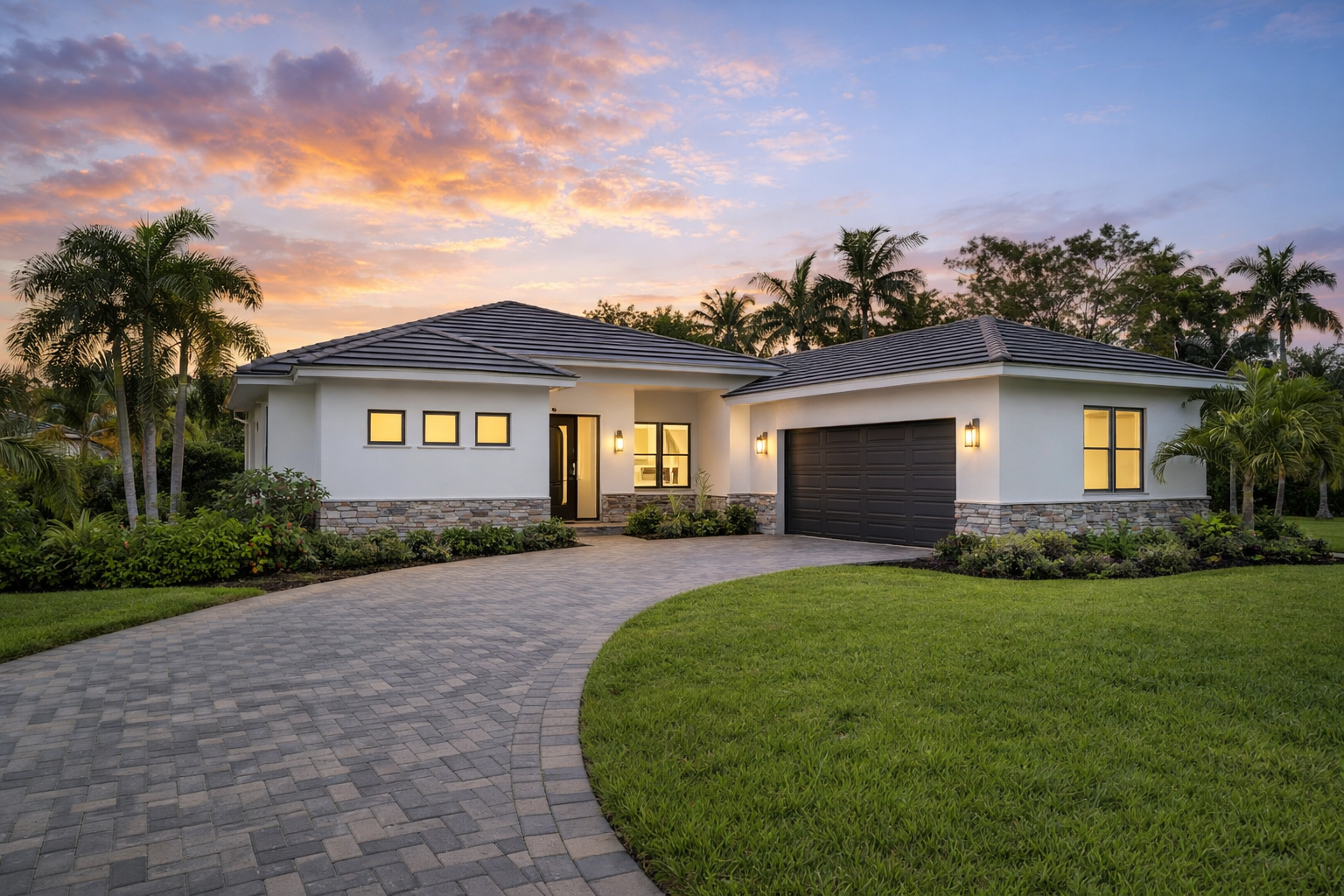
Why Curb Appeal Isn’t Just Cosmetic — How First Impressions Shape Home Sales in South Florida
In a market like Palm Beach County, where buyers are constantly comparing homes online before ever stepping foot inside, curb appeal has become more than just a nice-to-have—it’s a deciding factor. The exterior of your home is often the first and sometimes only chance to make a strong impression. In communities like Wellington and throughout South Florida, where landscaping, light, and architectural style all play a role, the difference between “just another listing” and “must-see” often starts at the curb. Sellers who overlook this are unknowingly limiting their pool of buyers, while those who get it right create momentum before a showing even begins. Understanding how curb appeal actually impacts buyer psychology and pricing is key if you want to position your home effectively in today’s market.
The Real Role of Curb Appeal in Today’s Market
Curb appeal isn’t about impressing people for the sake of aesthetics—it’s about setting expectations. When a buyer pulls up to a home, they’re subconsciously deciding how the rest of the property will feel before they even open the front door. In South Florida, where outdoor presentation is part of the lifestyle, this effect is even stronger.
A clean, well-maintained exterior suggests that the home has been cared for overall. On the other hand, overgrown landscaping, faded paint, or a worn driveway can immediately create doubt. Buyers begin to wonder what else hasn’t been maintained, even if the interior is in great condition.
This matters because hesitation at the front door often translates into lower offers—or no offers at all. Strong curb appeal doesn’t just attract attention; it reduces resistance.
Start Comparing Homes That Actually Fit Your Criteria
If you're evaluating options in Palm Beach County or South Florida, browsing homes by city can help you quickly understand pricing, condition, and location tradeoffs.
Explore Homes by CityWhat Buyers Actually Notice (And What They Ignore)
Many sellers assume curb appeal means expensive upgrades, but that’s rarely what moves the needle. Buyers are paying attention to condition and consistency, not luxury.
What stands out immediately
Fresh landscaping, trimmed hedges, clean walkways, and a well-maintained entryway signal care. Lighting, front doors, and paint condition also play a major role in how inviting the home feels.
What matters less than you think
High-end plants, elaborate water features, or overly customized exterior elements often don’t deliver a return. In fact, they can limit appeal if they feel too specific to one taste.
The goal is not to impress—it’s to remove doubt. A clean, neutral, well-kept exterior allows buyers to focus on the home itself rather than distractions.
Common Mistakes Sellers Make With Curb Appeal
This is where most opportunities are lost. Sellers either overinvest in the wrong areas or underestimate how much small details matter.
Over-improving before listing
Spending heavily on new landscaping or exterior renovations rarely produces a full return. Buyers don’t pay dollar-for-dollar for upgrades—they respond to overall presentation.
Ignoring maintenance issues
Things like cracked driveways, dirty roofs, faded paint, or broken fixtures send a message that the home hasn’t been properly cared for. These are often more damaging than outdated design.
Forgetting the approach to the home
The path from the street to the front door is critical. If that experience feels neglected, buyers carry that impression inside with them.
Before making any major changes, it’s often smarter to step back and evaluate how the home feels from the street rather than focusing on individual upgrades.
Misconceptions About Curb Appeal That Cost Sellers Money
There are a few persistent myths that lead sellers in the wrong direction.
“More upgrades mean a higher price”
Not necessarily. Buyers compare homes within a range. If your home looks clean and well-kept, it competes. Over-upgrading can push your costs up without increasing perceived value.
“Buyers can look past the exterior”
In reality, many buyers decide not to even schedule a showing based on exterior photos alone. If curb appeal isn’t there, the home may never get the chance to impress.
“It’s just about landscaping”
Curb appeal is the full package—paint, lighting, entryway, driveway, roof condition, and overall symmetry all contribute to how the home is perceived.
Understanding these misconceptions helps sellers focus on what actually influences buyer decisions instead of chasing unnecessary upgrades.
What Actually Happens During Real Showings
There’s a difference between theory and what happens in real transactions. In practice, curb appeal directly impacts how buyers behave during showings.
When a home presents well from the outside, buyers enter with a positive mindset. They’re more forgiving of minor interior imperfections and more likely to see the home as “move-in ready.”
When curb appeal is lacking, the opposite happens. Buyers start looking for problems. They question condition, value, and maintenance. Even small issues feel bigger because the initial impression wasn’t strong.
This shift in mindset can influence everything from how long buyers stay in the home to how aggressive their offer is.
Pricing Strategy and Exterior Presentation
Curb appeal and pricing are directly connected. A home that looks strong from the outside supports its price point. A home that doesn’t often has to compensate with price reductions.
In competitive South Florida markets, where buyers are comparing multiple properties quickly, presentation becomes part of pricing strategy. If your home looks better than others in its range, it can justify stronger offers. If it looks worse, buyers expect a discount.
If you’re unsure where your home stands in today’s market, it’s worth taking a moment to check your home’s current value and see how it compares to similar properties in your area.
Get a Better Sense of What Your Home Could Command
If you’re starting to think about selling, checking your home’s current value can help you understand pricing expectations and how your property may fit today’s market.
Check Your Home ValueWhat This Means for Buyers and Sellers in South Florida
For sellers, curb appeal is one of the simplest ways to strengthen your position in the market without overinvesting. It’s about preparation, not renovation. Clean, consistent presentation creates confidence, which translates into stronger offers.
For buyers, curb appeal can be a signal—but it shouldn’t be the only factor. A well-presented home may still need interior updates, and a less impressive exterior may hide strong fundamentals. The key is knowing when curb appeal reflects true condition and when it’s simply surface-level.
In Palm Beach County and surrounding areas, where lifestyle and presentation play a major role in home values, understanding this balance gives both buyers and sellers a meaningful advantage.
Frequently Asked Questions
Does curb appeal really affect home value?
Yes, but indirectly. It influences buyer perception, which impacts demand and ultimately the price buyers are willing to offer.
What’s the most important curb appeal improvement?
Cleanliness and maintenance. A tidy yard, clean driveway, and well-kept exterior matter more than expensive upgrades.
Should I repaint the exterior before selling?
Only if it’s noticeably worn or outdated. Minor touch-ups often provide better return than full repainting.
How important is landscaping in South Florida?
Very important. Tropical landscaping is part of the lifestyle, but it should feel clean and manageable—not overgrown or overly customized.
Can poor curb appeal prevent my home from selling?
It can reduce showings and buyer interest, which can lead to longer time on market and lower offers.
Do buyers judge a home before entering?
Almost always. First impressions set the tone for how they experience the rest of the home.
Is it worth hiring professionals for curb appeal?
In many cases, yes—especially for landscaping, pressure washing, and minor repairs that improve overall presentation.
Keep Exploring South Florida Real Estate
If you're comparing communities, researching home values, or trying to better understand the South Florida market, reviewing local resources can help put each city and neighborhood into context.
About the Authors
Chris and Sue Kull are South Florida real estate professionals with more than three decades of experience helping buyers, sellers, and property owners navigate real estate decisions throughout Palm Beach County and surrounding communities.