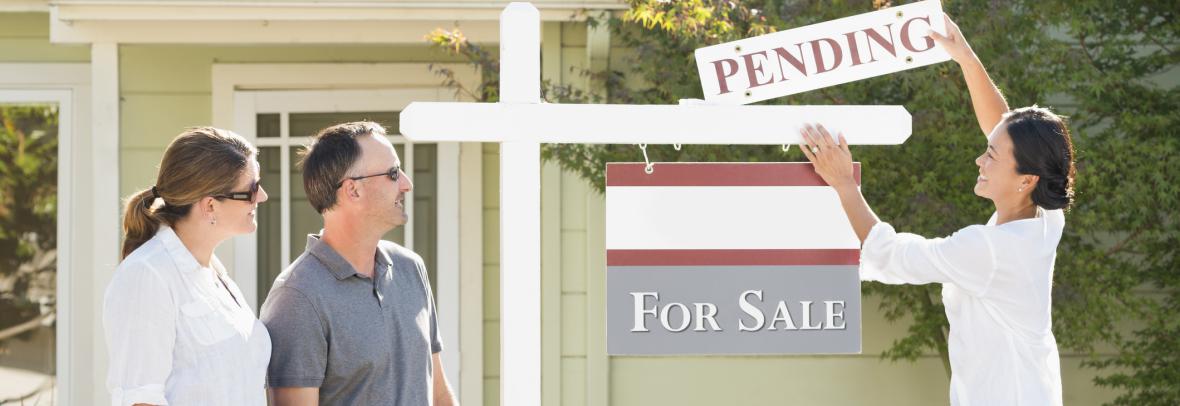
Home Contracts Slip Modestly Nationwide: What Pending Sales Mean for Florida Buyers and Sellers
The housing market rarely moves in a straight line. Some months bring surges in activity. Others bring modest pullbacks. The latest national data shows a slight cooling in home contracts, but the story beneath the surface is more nuanced — especially for Florida.
According to the most recent Pending Home Sales Report, contracts to purchase homes slipped slightly month over month nationwide. In the South, which includes Florida, pending sales declined compared to the previous month but showed improvement year over year. That combination signals uneven momentum — not collapse, not boom, but transition.
For buyers and sellers across South Florida, understanding what pending home sales mean — and how they differ from closed sales — can provide valuable insight into what may unfold in the months ahead.
See What’s on the Market Right Now
If you're researching homes in Palm Beach County or anywhere in South Florida, explore current listings by city and see what’s available right now.
Explore Homes by CityWhat Are Pending Home Sales and Why Do They Matter?
Pending home sales measure contracts signed on existing homes. These are not closed transactions yet — they are homes under contract. Most will close within 30 to 60 days, making pending data a leading indicator of future sales activity.
When pending sales rise, it usually signals strengthening buyer demand. When they fall, it may indicate hesitation due to interest rates, affordability concerns, inventory shifts, or seasonal factors.
In January, nationwide pending sales dipped slightly compared to the previous month and were essentially flat year over year. Regionally, the Midwest and West saw monthly increases, while the Northeast and South saw declines. Year over year, however, the South and West posted gains.
For Florida markets, this mix suggests a market that is stabilizing — not accelerating dramatically, but not deteriorating either.
Mortgage Rates and Buyer Qualification
One of the most significant factors influencing pending sales is mortgage rates. With rates hovering near 6%, affordability remains stretched compared to the ultra-low rate era of 2020–2021.
However, lower rates compared to last year have expanded qualification for many households. Economists estimate that millions of additional households now qualify for a mortgage who did not qualify one year ago. Historically, when qualification improves, a portion of those households enter the market.
The key word is portion.
Not everyone who newly qualifies rushes out immediately. In past cycles, about 10% of newly qualified buyers eventually entered the market. That potential influx could create meaningful demand in 2026 — particularly in supply-constrained areas like parts of South Florida.
Why the South Shows Uneven Momentum
Florida remains one of the most watched housing markets in the country. Migration trends, tax advantages, lifestyle appeal, and job growth continue to attract buyers from other states and internationally.
At the same time, Florida faces unique affordability challenges:
-
Higher homeowners insurance premiums
-
Rising property taxes
-
Increased HOA and condo association fees
-
Elevated home prices in desirable coastal markets
These factors can slow contract activity month to month, especially when buyers feel uncertain about economic signals or federal policy shifts.
Yet year-over-year improvement in pending sales across the South indicates underlying resilience. Buyers are still active — just more selective.
Supply: The Pressure Point
If more qualified buyers re-enter the market and housing supply does not expand, pricing pressure could return quickly.
Supply remains the long-term issue.
Without additional new construction and zoning reform, inventory shortages can keep prices elevated. Federal legislation aimed at expanding housing supply signals recognition of the problem, but supply solutions take time.
In Florida, new construction has increased in certain regions, particularly in suburban and inland markets. However, coastal and established areas often face limited land availability.
If buyer demand increases even modestly while inventory remains tight, price stabilization may give way to renewed upward pressure.
What This Means for Florida Buyers
For buyers in South Florida, the current environment presents both opportunity and caution.
Opportunity
-
Slight moderation in contract activity can reduce bidding wars.
-
Sellers may be more open to negotiation.
-
Homes may remain on market slightly longer than during peak frenzy years.
-
Financing conditions are improving compared to last year.
Caution
-
If rates drop further, competition could increase quickly.
-
Supply constraints could re-tighten pricing.
-
Insurance and carrying costs must be factored carefully.
The key for buyers is preparation. Understanding your budget, securing lender pre-approval early, and identifying target neighborhoods in advance allows you to act decisively when the right property appears.
Curious What Your Home Might Be Worth?
Home values across Palm Beach County and South Florida change constantly. See what buyers may currently be willing to pay for homes in your neighborhood.
Check Your Home Value →What This Means for Florida Sellers
For sellers, modest national pullbacks in pending sales should not trigger alarm — but they should encourage strategy.
Buyers are more analytical today. They compare properties closely. They factor total monthly cost, not just price.
Successful sellers in this environment focus on:
-
Realistic pricing
-
Strong presentation
-
Updated maintenance
-
Insurance-friendly upgrades
-
Clear documentation of improvements
With inventory improving in some segments, overpricing can lead to stagnation. Proper positioning remains critical.
The Psychology of a Transitional Market
Markets that are neither overheated nor collapsing often create the most confusion. Buyers hesitate, thinking prices may drop further. Sellers hesitate, hoping for renewed acceleration.
Yet transitional markets often provide the healthiest environment for long-term stability.
Moderate contract activity can mean:
-
Fewer rushed decisions
-
More thoughtful negotiations
-
Balanced inspections
-
Sustainable price movement
Florida’s year-over-year gains in pending sales suggest demand remains present. The modest monthly dip signals normalization rather than crisis.
South Florida Market Dynamics
While national reports provide context, local markets tell the real story.
In Southeast Florida, key drivers include:
-
Continued domestic migration
-
International buyer interest
-
Luxury market resilience
-
Condominium regulatory changes
-
Insurance reform efforts
Certain segments may experience more volatility than others. Condos, for example, have faced regulatory adjustments impacting association reserves and buyer underwriting.
Single-family homes in desirable school zones and lifestyle-driven communities continue to see steady interest.
Understanding submarket trends is essential — national data alone does not define local outcomes.
Looking Ahead to the 2026 Selling Season
The spring season traditionally brings increased activity. If consumer confidence improves and rates remain stable or decline modestly, contract activity could strengthen.
However, affordability remains the defining theme.
Even if more households qualify for mortgages, high home prices combined with insurance and tax considerations will shape buyer decisions.
If supply expands meaningfully, pricing may stabilize. If supply remains constrained, renewed buyer activity could create upward pressure.
The housing market remains sensitive to both economic signals and legislative shifts.
Practical Guidance for 2026
Whether you are buying or selling in South Florida, here are key considerations:
For Buyers:
-
Lock rate options strategically.
-
Factor insurance and taxes into total monthly payment.
-
Monitor neighborhood-level inventory.
-
Move decisively when value aligns with budget.
For Sellers:
-
Price based on current comparable data, not peak-era pricing.
-
Invest in minor repairs that strengthen inspection confidence.
-
Highlight upgrades and energy efficiency.
-
Prepare for negotiation flexibility.
The goal is not timing the market perfectly. It is aligning your strategy with present conditions.
Final Thoughts
Home contracts slipping modestly nationwide does not signal collapse. It reflects a market adjusting to affordability realities and shifting consumer sentiment.
Florida remains uniquely positioned due to its migration patterns, tax structure, and lifestyle appeal. Year-over-year gains in pending sales across the South suggest continued interest beneath short-term fluctuations.
As we move through 2026, watch three forces closely: mortgage rate trends, consumer confidence, and housing supply.
In transitional markets, preparation matters more than prediction.
Understanding where the momentum lies — both nationally and locally — allows buyers and sellers to move with clarity instead of emotion.
Real Estate Resources for South Florida
If you're researching homes or following the South Florida real estate market, exploring listings and property values can provide helpful context for understanding local neighborhoods and housing trends across Palm Beach County.
About the Authors
Chris and Sue Kull are South Florida real estate professionals with more than three decades of experience helping buyers, sellers, and property owners navigate the housing market throughout Palm Beach County and surrounding communities.
Their work focuses on providing clear information, local market insight, and practical guidance so clients can make confident real estate decisions. Over the years they have built a trusted network of industry professionals—including lenders, inspectors, contractors, and legal specialists—to support every stage of the real estate process.
You can explore additional resources, community guides, and real estate tools at www.TheKullGroup.com.
If you have questions about buying, selling, or understanding the local real estate market, you can reach out through our contact page.