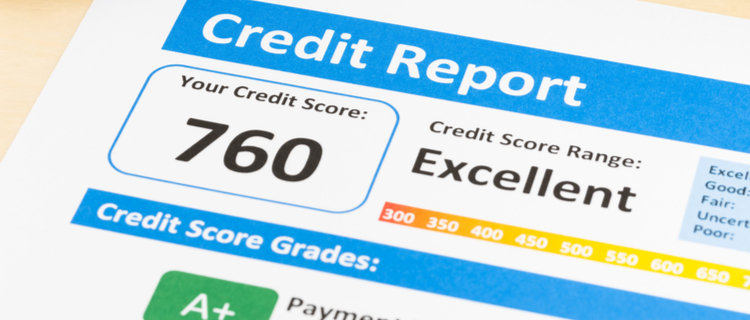
How to Improve Your Credit Score | 8 Easy Tips
Having excellent credit opens doors. From lower interest rates on mortgages and auto loans to better credit card offers and financial security, a strong credit score benefits nearly every aspect of your financial life. On the other hand, poor credit can create roadblocks, limiting opportunities and adding unnecessary stress.
Even if your credit score is below 800, there’s good news: with consistent effort and the right strategies, you can improve your score over time. In this guide, we’ll explore 8 easy tips to improve your credit score, why they matter, and some frequently asked questions about the credit-building process.
See What’s on the Market Right Now
If you're researching homes in Palm Beach County or anywhere in South Florida, explore current listings by city and see what’s available right now.
Explore Homes by CityWhat is a Credit Score?
A credit score is a number ranging from 350 to 850 that represents your creditworthiness based on your credit history. Lenders, landlords, and other financial institutions use it to evaluate risk when approving loans, credit cards, or rental applications.
Credit scores are primarily based on five factors:
-
Payment History (35%) – Making payments on time is the most influential factor.
-
Amount Owed (30%) – High balances relative to credit limits can lower your score.
-
Length of Credit History (15%) – Older credit accounts help establish reliability.
-
Types of Credit (10%) – A mix of credit cards, installment loans, and mortgages is beneficial.
-
New Credit (10%) – Opening multiple accounts quickly can reduce your score temporarily.
Scores are calculated using data from the three major credit bureaus: Equifax, Experian, and TransUnion. Understanding your credit score and how it’s calculated is the first step toward improving it.
8 Easy Tips to Improve Your Credit Score
1. Review Your Credit Report
Before you can improve your credit score, you need to know what’s on your credit report. Obtain a copy from each of the three major bureaus and review every entry carefully.
Why it matters:
-
Errors or outdated information can lower your score.
-
Disputing inaccuracies may lead to an immediate increase in your score once corrected.
-
You’ll have a clear picture of what needs improvement.
Tip: If you notice mistakes, follow the bureaus’ official dispute process. This may take some time, but correcting errors is crucial for accurate scoring.
Curious What Your Home Might Be Worth?
Home values across Palm Beach County and South Florida change constantly. See what buyers may currently be willing to pay for homes in your neighborhood.
Check Your Home Value →2. Pay On Time
Your payment history is the most important factor in your credit score. Making all payments on time, and preferably in full, establishes reliability in the eyes of lenders.
Strategies to avoid late payments:
-
Set up automatic payments for bills or credit cards.
-
Schedule reminders a few days before due dates.
-
Pay more than the minimum whenever possible.
Even one late payment can have a negative impact, so staying on top of due dates is essential.
3. Catch Up on Past Due Accounts
If you’ve fallen behind on any payments, it’s important to catch up as soon as possible. While paying late balances may not immediately increase your credit score, it will prevent further damage and show creditors that you’re taking responsibility.
Tips:
-
Contact creditors to set up a payment plan if needed.
-
Prioritize accounts that are closest to default.
-
Keep documentation of any arrangements in case of disputes.
Catching up stabilizes your credit and prevents it from dropping further.
4. Pay Off Debt
High balances relative to your credit limits can lower your score. Paying off debt, especially credit cards, demonstrates responsible credit usage.
Effective strategies:
-
Snowball Method: Pay off smaller balances first to gain momentum.
-
Avalanche Method: Pay off higher-interest accounts first to save money in interest.
-
Avoid maxing out credit cards. Keeping balances below 30% of your available credit is ideal.
Paying off debt improves your credit utilization ratio, which can boost your score over time.
5. Clear Up Collection Accounts
Collection accounts can significantly damage your credit score. Resolving these accounts may improve your score, though sometimes settling a debt can cause a temporary dip.
What to do:
-
Verify the debt is accurate. Dispute any incorrect claims.
-
Negotiate a payment or settlement with the collection agency.
-
Consider professional assistance for complex cases.
Although hiring help may cost money, it can be worthwhile for long-term credit improvement.
6. Limit New Credit Inquiries
Every time you apply for new credit, a hard inquiry is recorded on your credit report. Multiple inquiries in a short time can lower your score.
Tips:
-
Apply for new credit only when necessary.
-
Avoid “shopping” for credit excessively, such as multiple store cards or loan applications in a short period.
-
Focus on improving existing accounts rather than opening new ones.
7. Keep Old Accounts Open
The length of your credit history affects your score. Even if you no longer use old accounts, keeping them open with a $0 balance can positively impact your credit.
Benefits:
-
Maintains a longer average account age.
-
Shows a stable credit history to lenders.
-
Provides available credit without increasing debt risk.
8. Use Credit Strategically
If you primarily use cash for purchases and lack credit accounts, your credit score may not reflect responsible financial behavior. A few tips:
-
Maintain two to three credit cards with low balances.
-
Make consistent, on-time payments.
-
Avoid overextending your credit limit.
-
Diversify credit types if possible, like a small installment loan or a credit builder loan.
Strategic use of credit builds a positive payment history and demonstrates responsible borrowing.
FAQs About Credit Scores
Can I improve my credit score in 30 days?
Significant improvement in 30 days is challenging but possible. Steps include:
-
Reviewing and disputing errors on your credit report.
-
Paying off outstanding balances.
-
Reducing credit utilization.
-
Paying all bills on time.
Long-term habits, however, are essential for sustained improvement.
Why are my credit scores different?
Scores vary between credit bureaus due to:
-
Different scoring models (FICO vs. VantageScore).
-
Variations in reported account information.
-
Timing of updates and reporting.
How can I improve my credit without a credit card?
-
Make all payments on time to build positive history.
-
Consider a secured credit card with a cash deposit.
-
Become an authorized user on a trusted individual’s credit card.
-
Use credit builder loans or rent reporting services.
Can a short sale affect my credit score?
Yes, but less severely than foreclosure or bankruptcy. Understanding the impact beforehand is important for future financial planning.
How can I improve my score with collections?
-
Verify accuracy of the debt.
-
Dispute incorrect or outdated collections.
-
Negotiate payments or settlements with the creditor.
-
Maintain on-time payments on all other accounts.
Final Thoughts
Improving your credit score takes time, patience, and consistent effort. There are no instant fixes, but by following these 8 tips, you can start building better credit today:
-
Review your credit report for accuracy
-
Pay all bills on time
-
Catch up on past-due accounts
-
Reduce debt balances
-
Resolve collections carefully
-
Limit new credit inquiries
-
Keep old accounts open
-
Use credit strategically
Monitoring your credit regularly, making timely payments, and practicing responsible financial habits will lead to sustained improvements. Whether your goal is to qualify for a mortgage, reduce interest rates, or simply gain financial confidence, these steps are the foundation for long-term credit health.
Remember, excellent credit isn’t just a number—it’s a tool that helps you achieve your financial goals and unlocks opportunities for homeownership, loans, and more.
Real Estate Resources for South Florida
If you're researching homes or following the South Florida real estate market, exploring listings and property values can provide helpful context for understanding local neighborhoods and housing trends across Palm Beach County.
About the Authors
Chris and Sue Kull are South Florida real estate professionals with more than three decades of experience helping buyers, sellers, and property owners navigate the housing market throughout Palm Beach County and surrounding communities.
Their work focuses on providing clear information, local market insight, and practical guidance so clients can make confident real estate decisions. Over the years they have built a trusted network of industry professionals—including lenders, inspectors, contractors, and legal specialists—to support every stage of the real estate process.
You can explore additional resources, community guides, and real estate tools at www.TheKullGroup.com.
If you have questions about buying, selling, or understanding the local real estate market, you can reach out through our contact page.