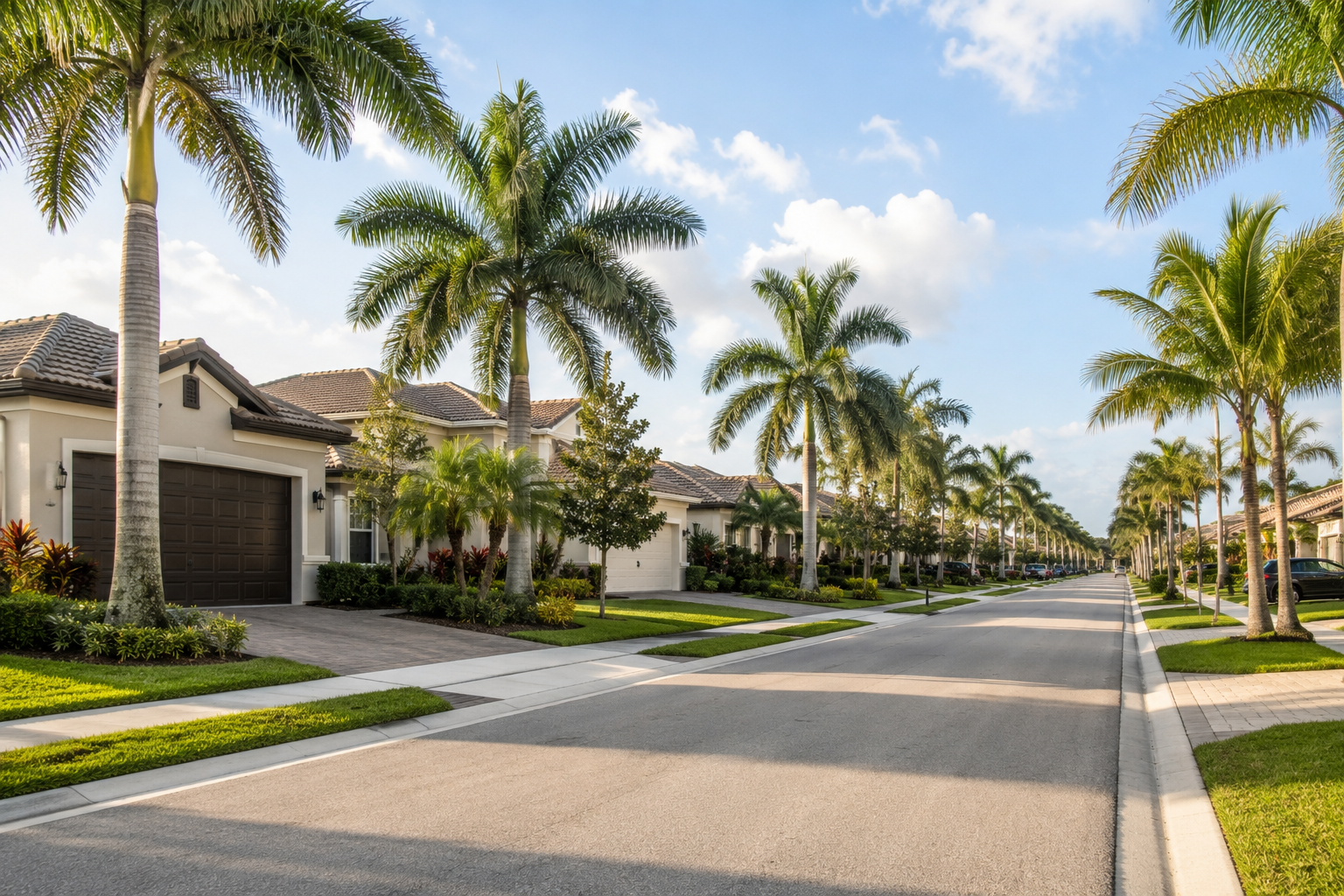
What It Is Like to Live in Lake Worth FL Over Time
Understanding what is it like to live in Lake Worth FL requires more than deciding whether the city looks interesting, affordable, convenient, or close enough to the coast. Lake Worth is one of those Palm Beach County communities where the answer depends heavily on how someone actually lives.
Some buyers are drawn to the older neighborhoods, local personality, coastal access, and less uniform feel. Others need time to understand the tradeoffs that come with that same variety. Daily life can feel connected, practical, creative, imperfect, and highly location-specific.
That is why Lake Worth should not be evaluated only by price, commute distance, or beach proximity. The better question is whether the city’s rhythm matches a person’s routines, ownership tolerance, and long-term expectations. In that sense, Lake Worth is not simply a place to compare. It is a place to interpret carefully.
Lake Worth Rewards People Who Understand Variety
Lake Worth does not behave like a neatly packaged suburb. That is one of the first things buyers need to understand.
The city has older homes, established streets, varied architecture, denser pockets, quieter residential areas, coastal influence, local businesses, and neighborhoods that can feel very different from one another within a short drive. For some buyers, that variety is exactly the appeal. It feels more real. Less manufactured. More connected to the older fabric of Palm Beach County.
For others, the same variety creates hesitation.
After years of helping buyers compare South Florida communities, one pattern becomes clear: Lake Worth decisions rarely fail because buyers misunderstood a listing. They fail when buyers misunderstood their own tolerance for variety.
A buyer may love the idea of character but still want predictable streets. They may want an older home but not older-home maintenance. They may like the energy of an established area but prefer quieter routines. They may want coastal access but still need parking, convenience, insurance confidence, and a home that does not require constant attention.
That is where Lake Worth becomes a fit question rather than a simple search question.
Looking at Lake Worth homes for sale is most useful when buyers study the home and the setting together. The property matters, but so does the street, the surrounding homes, the parking pattern, the distance to daily errands, and the feeling of the neighborhood at different times of day.
Lake Worth often works best for people who are comfortable with a city that has texture. It may feel less natural for someone who wants every part of the community to feel polished, uniform, and predictable.
The Daily Experience Changes by Location More Than People Expect
One misconception about Lake Worth is that it can be understood as one lifestyle.
It cannot.
Daily life east of I-95 can feel different from daily life farther west. Areas closer to downtown and the coastal side may appeal to someone who values local movement, older streets, beach access, restaurants, and a stronger sense of place. Other parts of Lake Worth feel more suburban, more practical, or more connected to everyday Palm Beach County routines than to a coastal lifestyle image.
That distinction matters because many buyers begin with a broad idea of Lake Worth before they understand the internal differences.
Someone may say they want Lake Worth because they like the idea of local personality. But what they actually need may be a quiet street, a one-story home, easier access to work, and a property that will not overwhelm them with repairs. Another buyer may care less about uniformity and more about being near activity, older architecture, and a community that feels less controlled.
Both buyers may be looking in Lake Worth.
They should not be looking at Lake Worth the same way.
This is where comparison fatigue begins. The city name stays the same, but the ownership experience changes. A home can feel connected and lively. Another can feel more tucked away. Another can feel convenient but less emotionally distinct. None of those experiences are automatically better. They are simply different versions of what Lake Worth can be.
People who make stronger decisions usually begin by understanding their routines. Where do they drive every day? How often will they actually go east? How much neighborhood activity feels comfortable? How much home maintenance are they willing to accept? Do they want older-home character, or do they mainly want value and location?
Explore Homes by City
If you're comparing areas, home types, or neighborhood environments, browsing homes by city can help put pricing and location tradeoffs into perspective.
Explore Homes by CityOlder-Home Appeal Comes With Ownership Reality
Lake Worth can be appealing because it has homes with personality. That is also why ownership expectations matter so much.
In many Palm Beach County communities, buyers are mostly comparing floor plans, lot sizes, school zones, community fees, and commute routes. In Lake Worth, especially in older areas, the conversation often goes deeper. Roof age, electrical updates, plumbing, windows, drainage, insurance history, permitted improvements, and long-term maintenance all deserve attention.
That does not mean older homes should be avoided.
It means they should be understood.
One recurring buyer pattern is easy to recognize. At first, people focus on charm, price, and location. The deeper questions usually arrive later, sometimes after they have already become emotionally attached to the house.
What will this property ask for over the next five years?
How much updating has already been done?
Will insurance be straightforward or complicated?
Is the buyer comfortable managing the home’s age, systems, and ongoing maintenance?
Does the appeal of the home outweigh the responsibility attached to it?
Those questions are not meant to make the decision feel negative. They make the decision more honest.
Lake Worth’s housing variety creates opportunity, but opportunity without interpretation can lead to mismatch. A home may look like a smart buy because the price feels attractive compared with nearby areas. But if the ownership experience does not match the buyer’s tolerance for repairs, updates, or uncertainty, the value may not feel as comfortable after closing.
The strongest Lake Worth decisions usually happen when buyers separate attraction from readiness. Liking the home is one part of the decision. Understanding what it will require is another.
The Lake Worth Fit Test Is Really About Tolerance
A useful way to evaluate Lake Worth is to ask three questions before getting too focused on any single home.
How much variety do I actually want around me?
Lake Worth can feel expressive, established, and locally textured. Some buyers love that because it feels different from newer master-planned areas. Others realize they prefer consistency more than they expected. The city rewards people who are comfortable with neighborhood variation, older surroundings, and a less uniform daily environment.
How much ownership responsibility am I willing to manage?
This question matters in South Florida generally, but it matters more when buyers are considering homes with age, prior renovations, or varying levels of maintenance. A buyer who wants low stress may still find the right fit in Lake Worth, but they need to be honest about condition, insurance, systems, and future upkeep.
Does this location support my real routine?
Many buyers like the idea of being near activity, coastal access, or central Palm Beach County routes. The better test is daily use. If work, errands, family, schools, healthcare, recreation, and weekend habits align with the location, Lake Worth can feel very practical. If those routines pull in a different direction, the city may feel less convenient than it looked on a map.
This fit test matters because Lake Worth often creates emotional interest before it creates complete clarity.
People may feel drawn to the city. The harder and more useful question is whether they are drawn to the lifestyle that comes with the specific home, street, and ownership profile they are considering.
Lake Worth Is Not the Same Decision as a Western Suburb
Lake Worth often gets compared with nearby Palm Beach County communities because buyers are trying to balance budget, location, home condition, and daily comfort. Those comparisons can be useful, but only if they are made honestly.
A buyer comparing Lake Worth with a more western suburban area may not be choosing only between two sets of houses. They may be choosing between two different kinds of daily life.
Lake Worth may offer more local texture, older neighborhoods, coastal access, and a stronger sense of established place. A western community may offer more uniform residential surroundings, larger planned neighborhoods, different lot patterns, and a quieter suburban rhythm.
That is why buyers also reviewing Royal Palm Beach homes for sale are often not just comparing prices. They are comparing how they want everyday life to feel.
Neither choice is automatically better.
Lake Worth may fit someone who wants proximity, personality, access, and older-neighborhood character. Royal Palm Beach may fit someone who wants more suburban predictability, a different pace, and a community layout that feels easier to read quickly. Other nearby cities may create still different tradeoffs.
The mistake is assuming the best choice is the one with the better listing.
In real life, the better choice is usually the one where the buyer’s routines, tolerance, budget, and ownership expectations line up most naturally.
What This Means for Buyers and Sellers in South Florida
For buyers, Lake Worth requires a different kind of attention than a simple home search provides. Price matters, but price does not explain daily fit. Location matters, but location alone does not explain neighborhood rhythm. Character matters, but character does not remove the need to evaluate condition.
Buyer caution often appears when one part of the decision feels strong and another part remains unclear. A buyer may like the price but hesitate over repairs. They may like the neighborhood personality but wonder about noise or parking. They may like the home’s charm but need more confidence about insurance, roof age, or long-term maintenance.
Those hesitations are not necessarily objections. Often, they are signals that the buyer needs clearer interpretation.
For sellers, Lake Worth positioning should be specific. A home should not be presented as if it fits every buyer. Some homes appeal because they are updated and easier to manage. Some appeal because they offer character, location, lot utility, or access to local activity. Others need careful explanation because the right buyer must understand both the appeal and the ownership requirements.
Sellers sometimes assume buyers will automatically value the same things they have appreciated for years. Sometimes they will. But buyers also need confidence. They want to understand what has been maintained, what may need attention, how the home compares with alternatives, and what kind of lifestyle the property realistically supports.
That is why calm positioning is stronger than hype. Lake Worth does not need exaggerated language. It needs accurate interpretation.
Long-Term Livability Depends on Routine Alignment
Many buyers begin with preference.
They want charm. They want convenience. They want value. They want access. They want something with more personality than a newer suburban subdivision. Those preferences are useful, but they are not enough.
Long-term livability depends on routine alignment.
That means asking how the city will feel on ordinary days, not just during a showing. Where will someone park? Which roads will they use most? How far are the places they actually visit? Will the property feel manageable after the first year? Does the neighborhood feel right at night, on weekends, during season, and during normal weekday routines?
This is where Lake Worth can either become a very strong fit or a slow source of friction.
For people who value character, access, and local identity, the city may feel more rewarding over time. It can provide a sense of place that some newer areas do not offer in the same way. For people who need uniformity, quiet predictability, and newer-home simplicity, parts of Lake Worth may feel more complicated than expected.
Area mismatch usually does not happen because someone made an irrational choice.
It happens because they chose based on one attractive feature and underestimated the daily experience attached to it.
After decades of helping people evaluate Palm Beach County communities, one lesson remains consistent: the right city is not always the one that looks best in a search. It is the one that keeps making sense after normal life begins.
Lake Worth can be a strong choice. It can also be the wrong choice for the wrong buyer. The difference usually comes down to whether the person understands not only the city, but themselves.
FAQ
How do I know if Lake Worth FL fits my daily lifestyle?
Lake Worth FL may fit your lifestyle if you value local character, established neighborhoods, coastal access, and practical Palm Beach County convenience. The important question is whether the specific location matches your routines. Buyers should consider commute routes, parking, neighborhood rhythm, home condition, maintenance expectations, and how the area feels at different times of day before deciding.
What should Lake Worth sellers understand before listing?
Lake Worth sellers should understand which buyers their home naturally serves. Some properties appeal because of updates, location, character, access, or lot utility. Others need careful explanation around age, maintenance, or improvement history. Strong positioning does not make the home sound right for everyone. It helps the right buyers understand the lifestyle fit and ownership value clearly.
Keep Exploring South Florida Real Estate
If you're comparing communities, evaluating lifestyle tradeoffs, or trying to better understand how different parts of South Florida align with your long-term goals, reviewing additional local resources can help create clearer perspective.
About the Authors
Chris and Sue Kull are South Florida real estate professionals with more than three decades of experience helping buyers, sellers, and property owners navigate real estate decisions throughout Palm Beach County and surrounding communities.