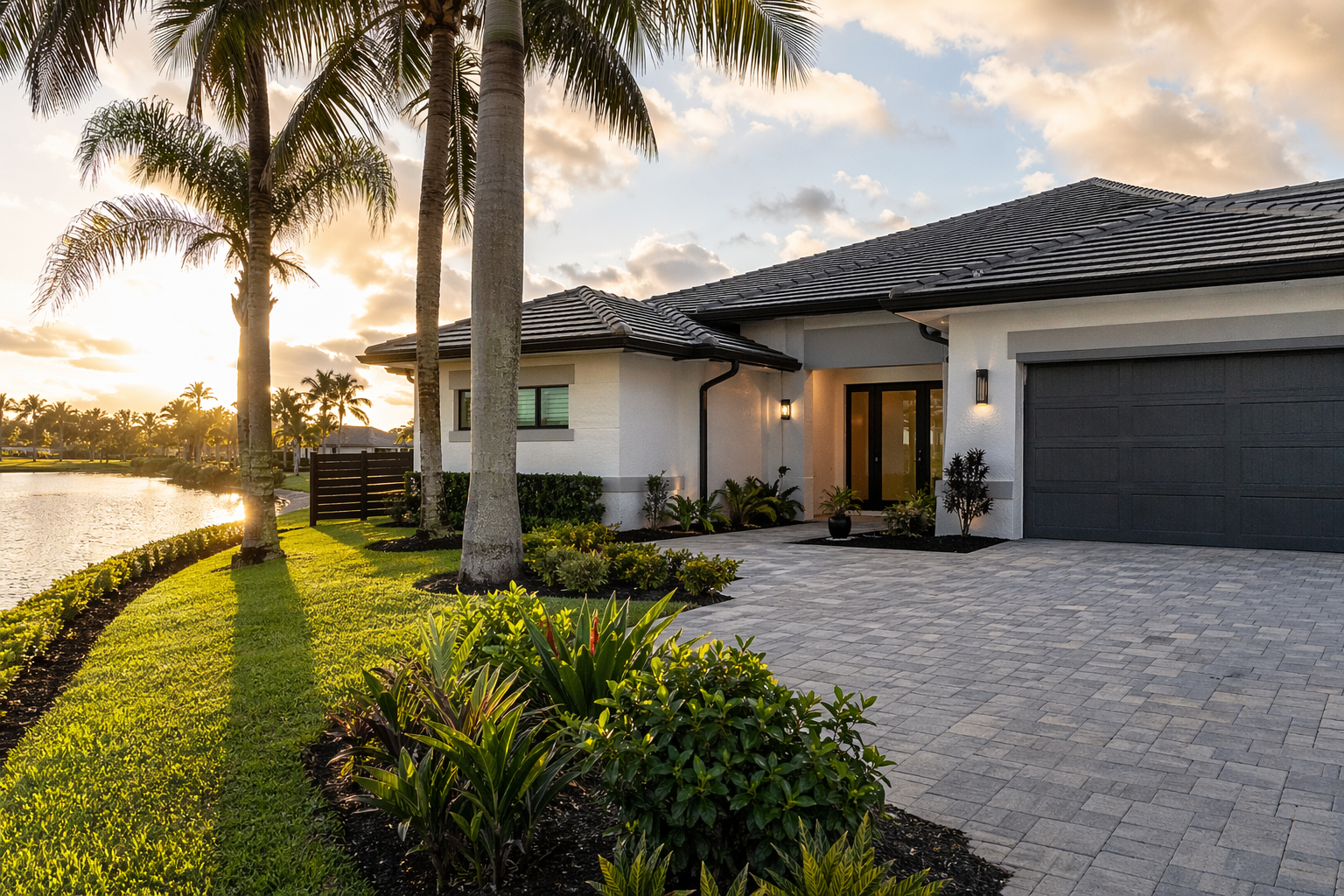
 Is It Time to Move Into a Lower-Maintenance Home in South Florida?
At some point, many South Florida homeowners start asking a quieter question: not “Can I move?” but “Should I keep living this way?” The house still works, but it may not feel as easy as it once did. Maintenance takes longer, repairs feel more frequent, and the idea of something simpler starts to carry more weight. If you’re wondering whether it’s time to move into a lower-maintenance home in South Florida, you’re not alone—and more importantly, you’re not early. This question usually shows up after patterns have already started shifting.
In Palm Beach County, this decision isn’t just about downsizing. It’s about rebalancing your time, your expenses, and how you want your home to function moving forward. For many homeowners, the goal isn’t less—it’s easier. And that’s a very different kind of decision.
When a Home Starts Taking More Than It Gives Back
Most people don’t wake up one day and decide their home is too much. It builds gradually. A repair here, a weekend project there, a growing list of things that need attention. Over time, what used to feel manageable begins to feel like something you have to stay on top of instead of something that simply works for you.
In communities like Wellington homes for sale, the appeal often starts with space and flexibility. Larger homes, outdoor areas, and established neighborhoods create a strong long-term living environment. But those same features can shift in meaning over time. More space means more upkeep. More systems mean more maintenance. What once felt like an advantage can quietly become a responsibility.
For some homeowners, it’s not even about the size of the home anymore—it’s the ongoing effort of keeping everything running. When that starts to feel familiar, it’s usually not a one-time frustration. It’s a pattern. If that’s where you are, understanding when your home starts feeling like too much to manage can help you recognize whether this is just a phase or a signal that something needs to change.
If You’re Thinking About Moving, It Usually Starts Here
Most homeowners don’t randomly decide to move. It builds over time. If you’re starting to think about selling and moving into something newer or easier to maintain, it usually comes down to one of these situations. Choose the one that feels closest to you.
Maintenance, repairs, or simply keeping up with everything may be taking more time and energy than you want to keep giving.
You’re trying to make a smarter financial move →You may be thinking about reducing expenses, using your equity differently, or moving into a home that fits your long-term plans better.
You want something newer, simpler, and easier to live in →Many homeowners reach a point where they want less maintenance, a more efficient layout, and a home that feels easier day to day.
The Hidden Cost of Staying the Same
Choosing not to move often feels like the easiest decision. There’s no disruption, no major transition, and no need to rethink your current setup. But over time, staying put can carry its own kind of cost—one that builds slowly and often goes unnoticed until it becomes significant.
Maintenance expenses don’t usually spike all at once. They increase gradually. Systems age, repairs become more frequent, and projects that used to be optional start becoming necessary. Even when each individual cost seems manageable, the overall impact can shift your financial picture in ways that aren’t immediately obvious.
Beyond the numbers, there’s also the question of time and energy. If more of your attention is going toward maintaining your home rather than enjoying it, that tradeoff becomes harder to ignore. What once felt like a stable decision can begin to feel like a default that hasn’t been reevaluated in a while.
That’s why understanding your position matters. Looking at your home value is often the first step in turning a vague idea into something concrete. It gives you a clearer sense of what options might actually be available if you decide to make a change.
What “Easier” Looks Like in Today’s Market
Moving into a lower-maintenance home isn’t just about reducing responsibility—it’s about changing how your home supports your lifestyle. In today’s market, “easier” often shows up through design, efficiency, and long-term usability rather than just size.
Newer homes and updated properties tend to reflect how people want to live now. Open layouts, simplified outdoor spaces, and more efficient systems all contribute to reducing the daily demands of ownership. The goal isn’t to give something up—it’s to remove the friction that has built up over time.
In nearby areas like Boynton Beach homes for sale, many buyers notice this shift clearly. Properties are often designed with a focus on ease—less upkeep, more functionality, and a layout that aligns with everyday living rather than long-term maintenance commitments.
For homeowners considering a move, this isn’t about finding something smaller or less valuable. It’s about finding something that works better for where you are now.
The Turning Point Most Homeowners Recognize
There’s usually a moment when the idea of moving stops feeling abstract. It might come after a repair that feels like one too many. Or when you realize that parts of your home aren’t being used the way they once were. At that point, staying becomes a decision rather than a default.
This is where clarity starts to matter. Instead of thinking about moving in general terms, many homeowners begin to focus on what they actually want to change. Less maintenance. More efficiency. A layout that fits how they live today instead of how they lived years ago.
When that realization becomes clear, exploring a path toward moving into a simpler, lower-maintenance home can help turn that idea into something actionable. It doesn’t mean you have to move right away—but it does mean you’re starting to understand what the next step could look like.
What This Means for Buyers and Sellers in South Florida
South Florida offers a wide range of housing options, but not all of them align with the same stage of life. For homeowners considering a move, the key is understanding how your current home fits into your future plans.
Buyers who approach this decision thoughtfully tend to focus less on features and more on function. They look for homes that reduce maintenance, improve daily usability, and support a more manageable lifestyle. That shift in focus often leads to better long-term satisfaction.
For sellers, the opportunity lies in recognizing how their home fits into the current market. Buyers are increasingly drawn to properties that feel efficient, updated, and easy to maintain. Positioning your home in a way that reflects those priorities can make a meaningful difference in how it’s received.
Ultimately, this isn’t just a real estate decision. It’s a lifestyle decision. And understanding that distinction is what allows both buyers and sellers to move forward with more clarity and confidence.
Frequently Asked Questions
How do I know if it’s really time to move to a lower-maintenance home?
Most homeowners recognize the shift gradually. Maintenance becomes more frequent, costs increase, or parts of the home go unused. If your home starts to feel like it requires more effort than it gives back in comfort or usability, that’s usually the signal. It doesn’t mean you need to act immediately, but it does mean it’s worth exploring what your options might look like.
Will moving to a lower-maintenance home actually make a difference?
For many homeowners, the difference shows up in day-to-day living. Less time spent on upkeep, fewer unexpected repairs, and a layout that better fits current needs can all contribute to a more manageable lifestyle. While financial benefits vary depending on the situation, the overall shift often comes down to simplicity and predictability rather than just cost savings.