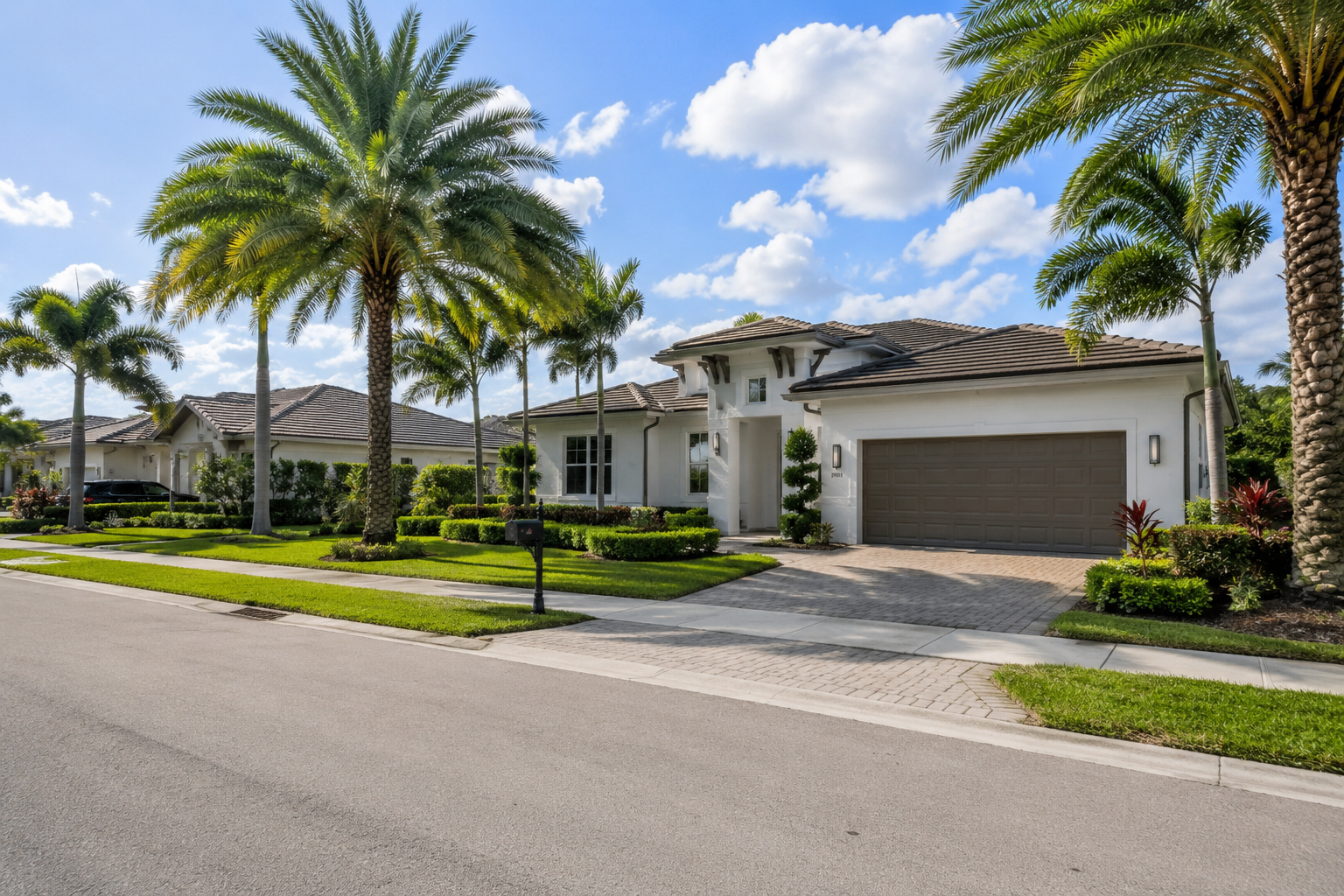
Newer Homes vs Older Homes: What Actually Changes Day to Day
For many South Florida homeowners, the thought of moving does not begin with a dramatic decision. It often starts with smaller moments: another repair appointment, another weekend spent handling maintenance, another reminder that the home takes more coordination than it used to. Older homes can have character, space, location, and memories, but they can also bring routines that quietly become heavier over time. Newer homes are not automatically better for every homeowner, yet they can change the way daily life feels. Less repair uncertainty. More efficient layouts. Fewer surprises. In Palm Beach County and surrounding areas, the question is not only whether a newer home looks appealing. The deeper question is whether your current home still fits the way you want to live day to day.
The Difference Is Often Felt in the Ordinary Parts of the Week
Most homeowners do not compare older homes and newer homes through a spreadsheet first. They feel the difference in the ordinary rhythm of life.
An older home may require more attention before a storm. The air conditioning may work, but feel less predictable. Windows, plumbing, roofing, electrical components, irrigation, flooring, drainage, and exterior surfaces may all carry some level of ongoing concern. None of these issues may be urgent on their own. Together, they can create a background layer of responsibility that follows the homeowner through the week.
Newer homes often reduce that background noise. The benefit is not just cosmetic. It may show up in fewer contractor calls, simpler upkeep, better storage, more functional kitchens, improved energy efficiency, and floor plans that match how people actually live now.
For homeowners comparing older areas with newer options, browsing West Palm Beach homes for sale can make the contrast more visible. Some homes offer location and established character. Others offer newer systems and a simpler daily routine. The right answer depends on what the homeowner is trying to reduce.
Older Homes Can Be Comfortable and Still Feel Complicated
A home does not need to be in poor condition to feel like too much. That is one of the most overlooked parts of this decision.
Many South Florida homeowners live in homes they have maintained well. The property may be attractive, functional, and valuable. Friends may even tell them they would be crazy to sell. But the homeowner knows the truth of the day-to-day experience. They know how often something needs attention. They know which systems are aging. They know what gets checked before heavy rain. They know which repair they postponed because another one came first.
That creates a different kind of fatigue.
It is not always emotional exhaustion. Sometimes it is simply operational drag. The house still works, but it asks for more planning, more phone calls, more upkeep, and more patience than the homeowner wants to keep giving. For some owners, reviewing a current home value estimate becomes the first practical step because it turns a vague feeling into a clearer decision framework.
If You’re Thinking About Moving, It Usually Starts Here
Most homeowners don’t randomly decide to move. It builds over time. If you’re starting to think about selling and moving into something newer or easier to maintain, it usually comes down to one of these situations. Choose the one that feels closest to you.
Maintenance, repairs, or simply keeping up with everything may be taking more time and energy than you want to keep giving.
You’re trying to make a smarter financial move →You may be thinking about reducing expenses, using your equity differently, or moving into a home that fits your long-term plans better.
You want something newer, simpler, and easier to live in →Many homeowners reach a point where they want less maintenance, a more efficient layout, and a home that feels easier day to day.
Newer Homes Often Change the Maintenance Conversation
The appeal of a newer home is not only the finishes. Counters, floors, cabinets, and lighting matter, but they are not the whole story. The larger shift is predictability.
A newer roof, newer impact windows, newer mechanical systems, newer electrical components, and more current building standards can reduce the number of open questions a homeowner carries. That does not mean there is no maintenance. Every home requires care. But the nature of the care may feel different.
Instead of reacting to one aging system after another, the homeowner may be able to plan more calmly. Instead of wondering what large repair is coming next, they may have a longer runway before major replacements become likely. Instead of feeling tied to a list of projects, they may have more room to enjoy the home without constantly managing it.
That is where simplification becomes real. It is not about avoiding responsibility. It is about choosing a home where the responsibility feels more proportionate to the life the homeowner wants now.
The Layout Can Matter as Much as the Age
Some older South Florida homes were built for a different version of daily life. Formal rooms may not get used. Storage may be limited. Laundry areas may feel inconvenient. Kitchens may be separated from living spaces. Primary suites may lack the privacy, closet space, or bathroom layout homeowners now prefer.
These are not always deal breakers when someone first buys a home. Over time, they can become friction points.
A newer home may offer wider living areas, better indoor-outdoor flow, more efficient storage, larger closets, improved natural light, and layouts that make everyday movement easier. For homeowners who feel like they are constantly working around the house instead of living comfortably inside it, layout becomes more than a design preference.
In nearby areas, reviewing Greenacres homes for sale can help homeowners see how different floor plans, price points, and property types compare without assuming that newer automatically means larger or more expensive.
The Real Question Is What You Want Your Home to Stop Requiring
At some point, the decision becomes less about age and more about relief.
What do you want the home to stop requiring from you? Less weekend maintenance? Fewer repair decisions? Less storm-season preparation? Less space to clean? Fewer aging systems to monitor? A layout that does not require constant compromise?
That question can be clarifying because it moves the homeowner away from vague dissatisfaction and toward a practical decision. A newer home may make sense if the current property still has value but no longer supports the lifestyle the owner wants. Staying may make sense if the concerns are manageable, the location still fits, and the cost of moving does not create enough benefit.
The realization often sounds simple: the house may still be a good house, but it may no longer be the easiest house for this season of life.
When that realization becomes hard to ignore, the next step is usually not to rush. It is to compare options carefully, understand equity, and explore whether a newer, simpler South Florida move would actually improve daily life.
What This Means for Buyers and Sellers in South Florida
For sellers, this topic matters because many buyers are not only looking at price and square footage. They are also evaluating risk, ease, condition, insurance concerns, and how much work the home may require after closing. An older home can still sell strongly, but presentation, maintenance clarity, and realistic positioning become important.
For buyers, the same issue works in reverse. A newer home may feel easier, but it still needs to be evaluated carefully. Monthly costs, location, association rules, taxes, commute patterns, insurance, and long-term flexibility all matter. Simpler does not always mean cheaper. Newer does not always mean better. Older does not always mean burdensome.
The best decision usually comes from comparing the full experience of ownership, not just the purchase price or the list of upgrades.
Clarity Comes From Comparing the Life, Not Just the House
Many homeowners delay this decision because they believe they need to be certain before they begin exploring. In reality, clarity often comes from comparison.
What would your current home require over the next five years? Which repairs are likely? Which improvements would you need to make if you stayed? How much time, energy, and money would that involve? Then compare that with what a newer home might offer: different maintenance expectations, different monthly costs, different location tradeoffs, and a different daily routine.
That process does not force a move. It simply makes the decision more honest.
Some homeowners discover that staying makes sense once they understand the numbers. Others realize they have been tolerating complexity because they had not clearly defined what an easier home would change. Either outcome is useful. The goal is not movement for its own sake. The goal is alignment.
FAQ
Is a newer home always easier to maintain than an older home?
Not always, but newer homes often reduce certain kinds of maintenance uncertainty. A newer roof, newer mechanical systems, updated windows, and more current construction can make daily ownership feel more predictable. That said, every home still needs care, and newer communities may have association rules, fees, or location tradeoffs to evaluate. The better question is whether the newer home reduces the specific responsibilities that are making your current home feel harder to manage.
How do I know if moving into a newer home is worth it?
Start by comparing your current home’s likely costs, repairs, upkeep, and lifestyle friction against what a newer home would actually change. If the move only improves appearances, it may not be enough. If it reduces maintenance pressure, improves daily function, supports better long-term planning, and fits your financial comfort zone, it may be worth exploring seriously. The decision should be based on practical relief, not pressure or impulse.
Keep Exploring South Florida Real Estate
If you're trying to better understand whether staying, selling, or simplifying makes sense, exploring more South Florida real estate guidance can help create clarity before making a major decision.
About the Authors
Chris and Sue Kull are South Florida real estate professionals with more than three decades of experience helping homeowners, buyers, sellers, and relocating families navigate real estate decisions throughout Palm Beach County and surrounding communities.