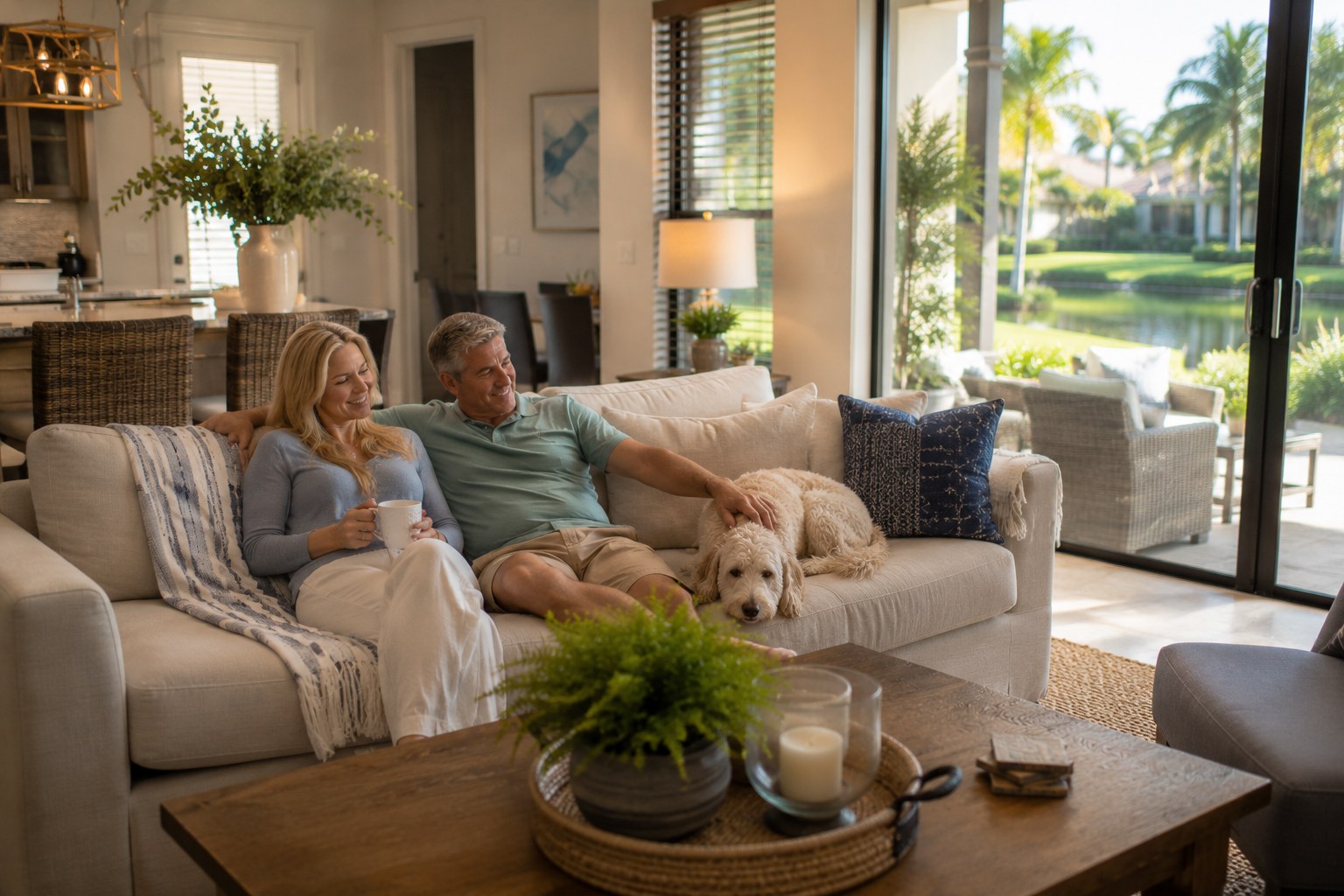
Your Real Estate Decision Doesn't End at Closing—and Neither Should the Advisor Relationship
Closing day tends to feel like the finish line of a real estate transaction — documents signed, keys exchanged, the process officially complete. Some clients find that communication naturally decreases after closing, while others continue to rely on the professional relationship when later questions arise, sometimes years after the original transaction. Choosing the right advisor from the start matters partly because of what happens after closing, not just how smoothly the transaction itself goes. This is closely connected to what a trusted advisor actually does. A strong advisor relationship may remain useful after closing, even though the original transaction and formal representation have ended.
What Actually Continues After Closing
A number of questions connected to a transaction don't resolve the moment it closes, even once the paperwork is finished and the keys have changed hands. A new owner may have questions about the property that only become relevant once they've actually lived in it for a season, and an advisor may help locate prior disclosures, inspection reports, or warranty information, or connect the owner with the appropriate inspector or contractor — rather than evaluating the system or feature directly. A seller may want help locating closing documents that they or a tax professional may need, or want a referral for their next move. None of these require a new transaction, but they can benefit from the same professional relationship that helped with the first one. The value isn't that the advisor becomes an expert in every one of these areas — it's that they already understand the context well enough to help point someone toward the right answer more efficiently than starting from scratch.
Continued contact can make an advisor's post-closing role more visible and easier for clients to evaluate. That familiarity — someone who already understands the property and the transaction history — is part of what a continued advisor relationship can offer that starting over with someone new can't. This is especially relevant for owners who eventually consider preparing to sell the same property years down the line, since the original advisor already has meaningful context a new professional would need to rebuild from scratch.
What Post-Closing Support Can Actually Look Like
Post-closing support isn't the same as staying in touch for its own sake. It tends to show up in specific, practical moments: helping identify or locate transaction documents that may be relevant to a later question, or offering a referral when a related need comes up that falls outside real estate itself. An advisor who remains available for these moments is providing something distinct from the transaction work itself — a resource that doesn't require restarting a professional relationship from zero every time a question arises.
Insurance, taxes, and homestead questions are good examples of where this can matter without the advisor stepping outside their own scope. Insurance requirements and costs can change after a purchase, and an advisor isn't expected to answer insurance questions directly — but identifying the appropriate licensed insurance professional to contact is a genuinely useful form of continued support. The same is true of tax and homestead questions: an advisor can help identify the appropriate county office, tax professional, or other resource, without interpreting eligibility, deadlines, or tax treatment directly. In each case, the value is in recognizing the question quickly and pointing toward the right specialist — not in the advisor becoming that specialist.
Already Worked With Us and Have a Question?
Past clients are welcome to reach out with questions — a quick conversation is often all it takes to point you in the right direction.
Talk With an AdvisorWhat to Expect From Post-Closing Support
We call this framework The After-Closing Checklist — a few forms of post-closing support worth discussing before choosing a professional, since not every advisor approaches this part of the relationship the same way:
- Availability for general questions — clarity about whether and how the advisor remains available for routine real estate questions after closing.
- Document-location support — helping identify where transaction documents may be found, or directing the client to the closing agent, lender, attorney, insurer, or other custodian.
- Referrals when needed — connections to specialists for needs that come up after closing, without pressure to use a specific provider.
- Future market and property-planning conversations — a willingness to give a genuine opinion if a client asks about a future move, even if that opinion is "not yet" or "this may not be the right time."
Many routine post-closing questions can be handled informally, although future transactions, extensive analysis, document retrieval, or services outside the original engagement may require a new agreement or involve third-party costs. Post-closing support may include helping locate transaction information, identifying the right specialist, or discussing future real estate options — legal, tax, lending, insurance, title, construction, maintenance, and property-assessment questions should be handled by the appropriate professional or agency.
What Post-Closing Support Does Not Replace
A continued advisor relationship doesn't replace the professionals whose expertise a specific question actually requires — attorneys, tax professionals, lenders, insurers, title and closing professionals, inspectors, contractors, or county agencies. An advisor's role after closing is largely the same as during the transaction: recognizing which of these a question calls for, and helping the client reach the right one, rather than attempting to answer every kind of question personally, regardless of how confident the answer might feel in the moment.
Frequently Asked Questions
Is it reasonable to reach out to my real estate advisor years after closing?
Yes — it is entirely reasonable to reach out, and a genuinely client-focused advisor generally welcomes it. Whether the question is about the property itself, a future move, or something adjacent like a referral, reaching back out doesn't require a new transaction to be underway.
What if I want to sell the same property I bought with this advisor's help?
Past clients sometimes return to the professional who helped them purchase the property, and prior familiarity with the property and the original purchase context may provide useful background. Current pricing, condition, disclosures, inspections, market conditions, and representation options should still be evaluated afresh, though, rather than relying on information from years earlier — the market and the property itself can both change meaningfully over time, even when the underlying relationship hasn't.
Most people don't think much about what happens after closing until a question comes up, sometimes long after the transaction is finished. A conversation with The Kull Group is a reasonable place to start, whether you're a past client or considering working with us for the first time.
About the Authors
Chris and Sue Kull are South Florida real estate professionals with more than 30 years of combined experience helping buyers, sellers, and property owners throughout Palm Beach County during transactions and with real estate questions that may arise afterward.
Google Business Profile Post
Closing day tends to feel like the finish line — but many real estate questions don't actually end there. We stay available to past clients across Wellington, Boca Raton, Boynton Beach, Lake Worth, Royal Palm Beach, and throughout Palm Beach County long after the transaction closes. Schedule a consultation at https://www.thekullgroup.com/real-estate-advisor-consultation/