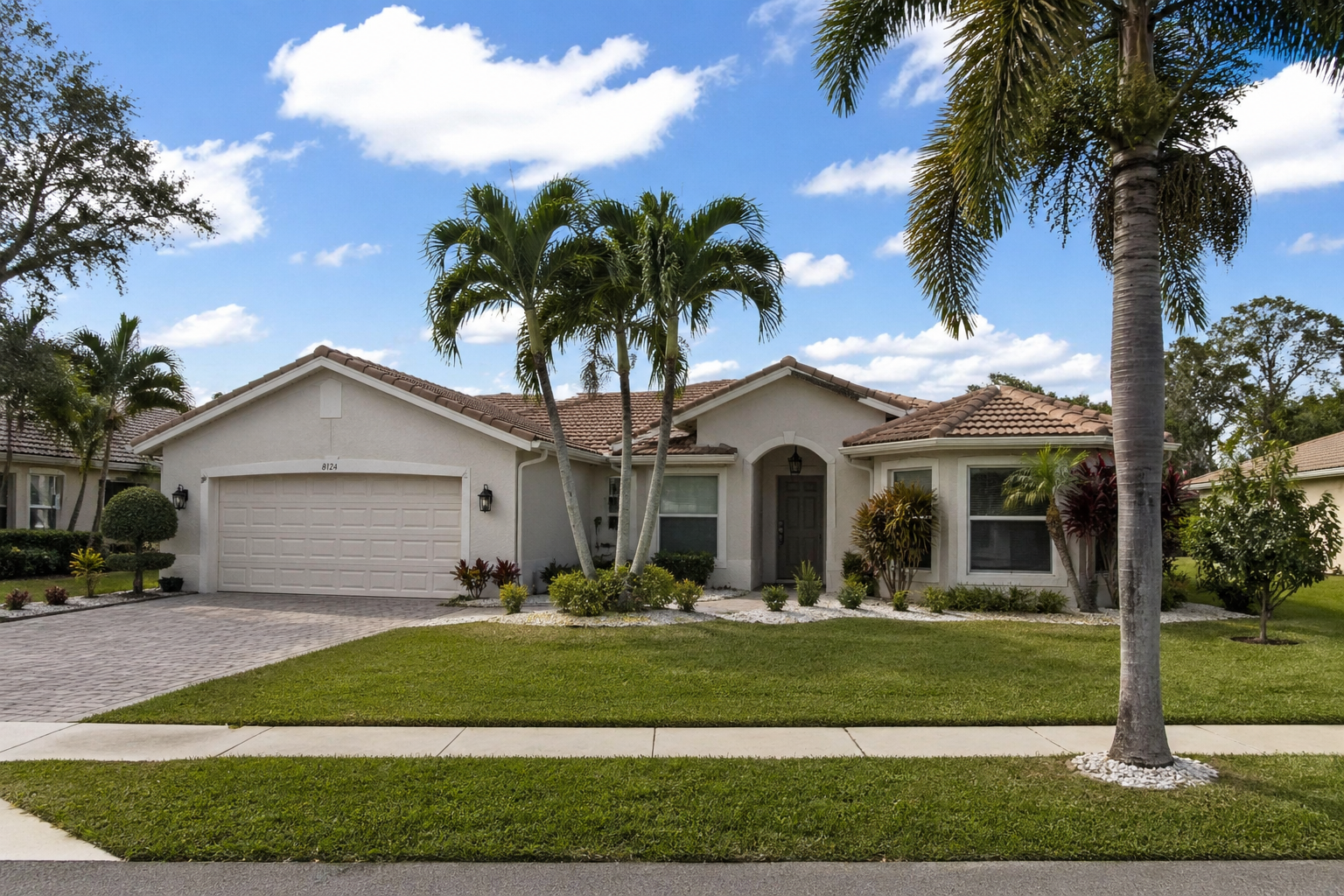
Wellington, FL: Ownership Strategy in a Market Built for Stability
There are markets that reward speed, and there are markets that reward patience. Wellington falls squarely into the latter. When people start thinking about selling a home in Wellington FL, the conversation usually isn’t about urgency—it’s about positioning. Timing matters here, but not in the short-term sense most sellers expect. It’s about aligning lifestyle shifts, equity cycles, and buyer demand that tends to move with purpose rather than emotion.
Compared to nearby coastal markets, Wellington operates on a different rhythm. It’s less volatile than areas like Delray Beach, yet more structured than purely suburban alternatives. The result is a place where ownership decisions tend to be deliberate, and outcomes often reward those who think beyond immediate conditions. Whether you're evaluating your next move or simply assessing long-term value, Wellington offers a version of South Florida that is built around continuity, not fluctuation.
How Wellington Balances Daily Life With Long-Term Stability
Wellington’s appeal isn’t rooted in trend cycles. It’s rooted in consistency. The neighborhoods are designed around usability—schools, green space, and residential planning that supports routine rather than disruption. That matters more than it might seem. Markets that are easy to live in tend to be easier to hold, and properties that are easier to hold often perform more predictably over time.
There’s a reason many homeowners stay here longer than expected. The layout of the community reduces friction in daily life. Commutes are manageable. Amenities are embedded into neighborhoods rather than requiring travel. Over time, that creates a form of stability that translates directly into ownership behavior—less turnover, fewer forced sales, and a more measured pace of inventory entering the market.
That structure is a key factor behind Wellington home values and ownership trends. When fewer homeowners feel pressure to sell, pricing tends to hold more consistently. Not necessarily faster growth, but steadier ground.
Explore Homes in This Area
If you're considering a move, browsing available homes can help you understand pricing, layouts, and what’s currently on the market in this area.
Search Homes by CityThe Market Structure Behind Wellington Home Values and Ownership
Wellington doesn’t typically behave like a momentum-driven market. It’s less influenced by rapid swings and more influenced by layered demand. Families, seasonal residents, and equestrian buyers all interact with the market differently—and at different times. That segmentation creates a stabilizing effect.
Compare that to a market like Boynton Beach homes for sale, where pricing and turnover can be more sensitive to broader buyer trends. Wellington, by contrast, absorbs changes more gradually. That doesn’t mean values don’t move—it means they tend to move with more resistance in both directions.
For owners, this creates a specific kind of advantage. You’re less exposed to abrupt shifts, but you also need to be more intentional when positioning a sale. Buyers here are typically informed. They’re comparing lifestyle fit, not just price per square foot. That changes how homes compete.
If you’re evaluating your current position, understanding your property’s place within that structure is more useful than watching headline trends. A well-timed valuation can give you a clearer picture of where you stand relative to current demand. You can start that process here: home value estimate.
Buying Into Wellington: A Decision Built Around Longevity
Buyers entering Wellington tend to have a longer time horizon than in many surrounding markets. They’re not just looking for access—they’re looking for alignment. That affects how homes are evaluated and, ultimately, how pricing holds over time.
Properties that support long-term living—functional layouts, stable neighborhoods, proximity to core amenities—tend to outperform those that are more dependent on short-term appeal. That’s not always obvious in listing photos, but it becomes clear in how quickly homes move and how consistently they maintain value.
When compared to options like Wellington homes for sale, buyers often recognize that they’re not just purchasing a home—they’re buying into a system that supports continuity. That’s part of what sustains the ownership patterns seen here.
This also means that buyers who stretch beyond what fits their long-term plan can feel pressure later. The market doesn’t always provide quick exits at premium pricing. It rewards alignment more than speculation.
Selling Strategy: Positioning Within a Thoughtful Market
Selling a home in Wellington FL is less about catching a moment and more about presenting clarity. Buyers here tend to move forward when they understand how a property fits into their long-term plan. That means pricing, presentation, and timing need to work together—not just independently.
Homes that are positioned correctly tend to attract serious buyers quickly. Not necessarily large numbers of them, but the right ones. Overpricing, on the other hand, tends to stall momentum more noticeably here than in faster-moving markets. The buyer pool is selective, and once a property loses its initial positioning advantage, it can take longer to recover.
Preparation plays a larger role than many sellers expect. Small adjustments—layout flow, condition, and how the home is presented—can have a disproportionate impact on outcome. Because buyers are evaluating for long-term fit, they’re often more sensitive to details that affect livability rather than just aesthetics.
The sellers who achieve the strongest results are usually the ones who treat the process as a strategic transition, not a transaction. They understand that the goal isn’t just to sell—it’s to align timing, pricing, and next steps in a way that supports the broader move.
Understand What Your Home Might Sell For
If you're thinking about selling in this area, knowing your home’s current value is the first step toward understanding your options.
Check Your Home ValueWhat This Means for Buyers and Sellers in South Florida
Wellington represents a specific kind of opportunity within the broader South Florida landscape. It doesn’t always lead in price acceleration, but it often leads in stability. For buyers, that means entering a market where decisions tend to hold up over time. For sellers, it means working within a structure that rewards preparation and clarity rather than urgency.
In a region where some markets are driven by momentum and others by affordability, Wellington sits in a middle position—one that prioritizes livability and long-term ownership. That positioning won’t appeal to every buyer or seller, but for those aligned with it, the outcomes tend to be more predictable.
Understanding that distinction is what allows both sides of the market to make stronger decisions. It shifts the focus from reacting to conditions toward planning around them.
Conclusion: A Market That Rewards Alignment Over Timing
Wellington isn’t a market where short-term moves define outcomes. It’s a market where alignment—between lifestyle, property, and timing—shapes results. Whether you’re entering or exiting, the advantage comes from understanding how the market functions beneath the surface.
That’s what separates a good decision from a durable one. And in Wellington, durability is often where the real value shows up.
Keep Exploring South Florida Real Estate
If you're comparing communities, reviewing local real estate trends, or exploring where you might want to live next, continue exploring to better understand your options.
Frequently Asked Questions About Wellington Real Estate
Is Wellington a good market for long-term homeownership?
Wellington tends to favor long-term ownership due to its stable demand and community structure. Buyers often choose the area for lifestyle consistency rather than short-term gains, which supports more predictable home values. While appreciation may not spike as quickly as in trend-driven markets, the steadier trajectory can reduce volatility and create a more reliable ownership experience over time.
How do Wellington home values compare to nearby cities?
Wellington home values often sit in a balanced position relative to surrounding markets. They typically don’t fluctuate as aggressively as coastal areas but maintain strong stability due to consistent demand. This makes the market less reactive to short-term changes while still benefiting from broader regional growth patterns.
What should sellers focus on when listing a home in Wellington?
Sellers should focus on positioning rather than speed. Pricing accuracy, property condition, and clear presentation are critical. Buyers in Wellington tend to evaluate homes for long-term livability, so small details that impact usability can influence decisions more than cosmetic upgrades alone.
Are buyers in Wellington typically primary residents or seasonal?
The buyer pool in Wellington is a mix, but many are primary residents seeking stability and lifestyle alignment. There is also a seasonal and equestrian-driven segment that contributes to demand. This diversity helps create a layered market that doesn’t rely on a single buyer type.
Is it harder to sell a home in Wellington compared to faster-moving markets?
It’s not necessarily harder, but it requires a different approach. Wellington buyers tend to be more deliberate, so homes that are not priced or presented correctly can take longer to sell. However, well-positioned properties often attract serious buyers quickly, leading to strong outcomes when strategy is aligned.