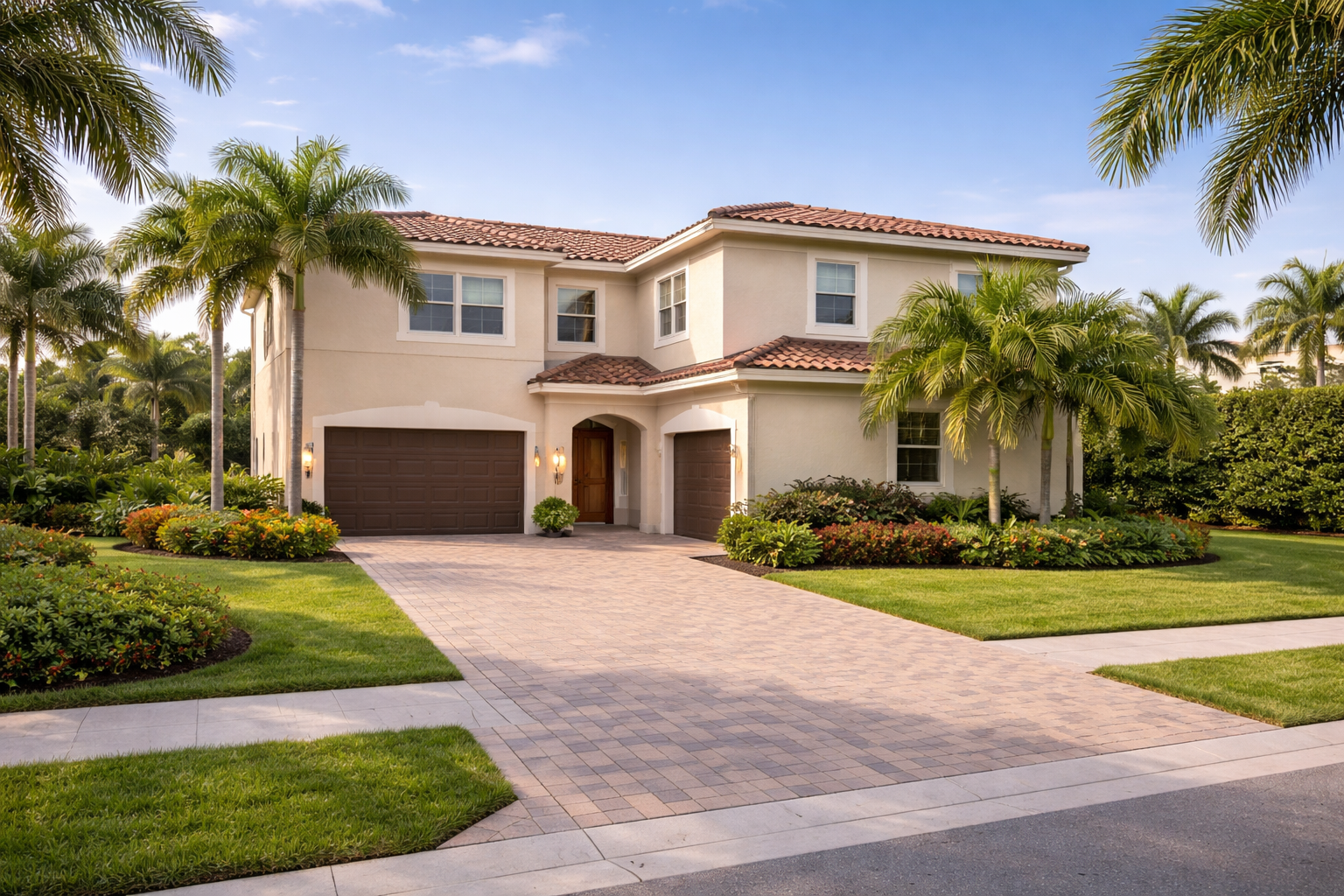
Selling a Tenant-Occupied Property in South Florida: What Actually Happens and What Most Owners Get Wrong
For many South Florida property owners, selling a tenant-occupied home sounds straightforward on paper—but in reality, it’s one of the more complex situations you can navigate. Whether you own an investment property in Palm Beach County or a former primary residence now being rented out, the process involves legal considerations, timing challenges, and strategic decisions that can directly impact your bottom line. In today’s market, where buyers expect flexibility and clean presentation, having a tenant in place can either work in your favor—or create unexpected friction. Understanding how this actually plays out in real transactions is the difference between a smooth sale and a frustrating experience.
The Reality of Selling a Tenant-Occupied Home
On the surface, having a tenant in place can seem like a benefit—especially for investors looking for immediate rental income. However, the reality is more nuanced. Most buyers in South Florida fall into two categories: end users (primary residence buyers) and investors. Each group views a tenant very differently.
End users typically want a clean, vacant property they can move into without complications. A tenant can create hesitation, especially if lease terms extend beyond closing. Investors, on the other hand, may see value in an occupied property—but only if the rent, condition, and lease structure make sense.
This creates a narrower buyer pool compared to vacant homes. That doesn’t mean you can’t sell successfully—but it does mean strategy matters more.
Start Comparing Homes That Actually Fit Your Criteria
If you're evaluating options in Palm Beach County or South Florida, browsing homes by city can help you quickly understand pricing, condition, and location tradeoffs.
Explore Homes by CityCommon Mistakes Sellers Make With Tenant-Occupied Properties
One of the biggest mistakes sellers make is assuming the process will mirror a traditional home sale. It won’t. Tenant-occupied homes require coordination, communication, and often compromise.
Another common misstep is failing to align with the tenant early. If tenants are not cooperative, showing access becomes difficult, which directly impacts buyer interest. Limited showing availability often leads to fewer offers and longer time on market.
Pricing is another area where sellers go wrong. Many owners price based on emotional value or previous market highs without accounting for the reduced buyer pool. A tenant-occupied home may need to be positioned differently to generate traction.
Lastly, overlooking lease terms can create legal and logistical issues. Buyers will scrutinize lease agreements, and unclear or unfavorable terms can derail deals late in the process.
Misconceptions About Selling With Tenants in Place
There’s a widespread belief that having a tenant automatically makes a property more attractive to investors. That’s only partially true. Investors are highly numbers-driven. If the rent is below market value, the tenant becomes a liability—not an asset.
Another misconception is that tenants will naturally cooperate during the sale. In reality, tenants may feel inconvenienced or uncertain about their future, which can lead to resistance.
Some sellers also assume they can easily remove a tenant if needed. In Florida, lease agreements and tenant rights must be respected. You can’t simply ask a tenant to leave without following proper procedures.
Understanding these realities upfront helps avoid surprises once the property hits the market.
What Actually Happens During Real Transactions
In real-world South Florida transactions, tenant-occupied sales often involve negotiation layers beyond price. Buyers may request lease modifications, credits, or delayed occupancy terms. Some may want the tenant to remain, while others require the property to be vacant before closing.
Showings tend to be more structured, often requiring advance notice and limited time windows. This can slow down buyer activity compared to vacant homes.
Inspections also take on added complexity. Tenants may still be living in the property during inspections, which can impact access and condition presentation.
If you're unsure where your property stands in today’s market, it’s worth taking a moment to check your home’s current value so you can align pricing and expectations before going live.
Ultimately, successful transactions in these scenarios come down to preparation, communication, and having a clear plan before listing.
Pricing and Strategy Considerations for Sellers
Pricing a tenant-occupied home requires a different lens. You’re not just selling the property—you’re selling the situation that comes with it.
If the tenant is paying strong rent and maintaining the property well, that can be positioned as a benefit to investors. If not, the pricing may need to reflect the added friction.
Presentation also plays a role. While you can’t control everything, setting expectations with tenants and coordinating basic upkeep can make a noticeable difference.
Timing is another strategic decision. Some sellers choose to wait until a lease ends to maximize appeal, while others move forward immediately depending on their goals.
Get a Better Sense of What Your Home Could Command
If you’re starting to think about selling, checking your home’s current value can help you understand pricing expectations and how your property may fit today’s market.
Check Your Home ValueWhat This Means for Buyers and Sellers in South Florida
For buyers, tenant-occupied properties can present both opportunity and risk. Investors may find income-producing properties, while end users need to evaluate timing and flexibility.
For sellers, the key is understanding that this is not a standard transaction. The more you prepare upfront—legally, financially, and strategically—the smoother the process will be.
In Palm Beach County and surrounding areas, where demand remains strong but buyers are selective, positioning your property correctly from day one is critical.
Frequently Asked Questions
Can I sell my home with a tenant still living in it?
Yes, but the lease must be honored unless otherwise negotiated. Buyers will review the lease carefully before proceeding.
Do tenants have to allow showings?
Typically yes, but reasonable notice is required. Cooperation levels can vary and impact the sale.
Will having a tenant lower my home’s value?
Not always, but it can limit your buyer pool, which may influence pricing strategy.
Should I wait until the lease ends before selling?
It depends on your goals. Waiting can open the property to more buyers, but timing the market also matters.
Can I ask the tenant to leave early?
Only if both parties agree or if lease terms allow it. Otherwise, legal requirements must be followed.
Are tenant-occupied homes harder to sell?
They can be, primarily due to showing limitations and buyer preferences.
Do investors prefer tenant-occupied properties?
Only if the numbers make sense—rent amount, lease terms, and condition all matter.
What’s the biggest risk in selling with a tenant?
Misalignment between seller expectations, tenant cooperation, and buyer requirements.
Selling a tenant-occupied property isn’t inherently difficult—but it is different. With the right preparation and strategy, it can be handled smoothly while still achieving strong results.
Keep Exploring South Florida Real Estate
If you're comparing communities, researching home values, or trying to better understand the South Florida market, reviewing local resources can help put each city and neighborhood into context.
About the Authors
Chris and Sue Kull are South Florida real estate professionals with more than three decades of experience helping buyers, sellers, and property owners navigate real estate decisions throughout Palm Beach County and surrounding communities.