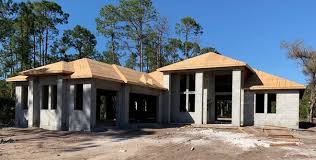
Steps to Qualify for a VA Construction Loan with Bad Credit
1. Verify Your VA Loan Eligibility
The first step is obtaining a Certificate of Eligibility (COE). This confirms that you meet the VA’s service requirements. You can request your COE:
-
Online: via the VA eBenefits portal
-
Through your lender
-
By mail
Having your COE ready is crucial before applying for a construction loan.
See What’s on the Market Right Now
If you're researching homes in Palm Beach County or anywhere in South Florida, explore current listings by city and see what’s available right now.
Explore Homes by City2. Understand Credit Requirements
The VA itself does not mandate a minimum credit score. However, individual lenders often set their own thresholds—commonly around 620. Some lenders specialize in working with borrowers who have lower scores or unique financial circumstances. Research lenders to find those with experience handling VA construction loans and credit challenges.
3. Improve Your Credit Profile
Even small improvements can make a difference in approval chances and loan terms. Consider:
-
Lowering credit balances: Reducing your credit utilization improves your credit score.
-
Disputing errors: Check your credit reports from Experian, Equifax, and TransUnion for inaccuracies.
-
Avoiding new credit: Don’t open new accounts or take on new debt before applying.
-
Establishing consistent payment history: Pay bills on time.
-
Increasing income: Side jobs or additional freelance work can demonstrate financial stability.
4. Work with a VA-Approved Lender
Not all lenders offer VA construction loans, and even fewer specialize in assisting borrowers with bad credit. Choose a VA-approved lender experienced in construction financing. Ask for references and past success stories of helping borrowers with credit challenges.
5. Secure a Builder and Construction Plan
Lenders require a licensed, VA-approved builder and detailed construction plans. Documentation should include:
-
Timelines
-
Cost estimates
-
Building permits
-
Architectural drawings
A comprehensive plan gives lenders confidence that the project is feasible, even if your credit score is lower than ideal.
6. Save for Closing Costs and Reserves
While VA loans do not require a down payment, closing costs still exist. Lenders may also want to see cash reserves to ensure you can manage unexpected expenses during construction. Demonstrating financial stability can strengthen your application.
Curious What Your Home Might Be Worth?
Home values across Palm Beach County and South Florida change constantly. See what buyers may currently be willing to pay for homes in your neighborhood.
Check Your Home Value →7. Consider Alternative Lenders or Programs
If traditional VA-approved lenders deny your application due to credit, explore:
-
Credit unions
-
Community banks
-
Specialized mortgage lenders
These institutions may offer more flexibility and personalized guidance for borrowers with less-than-perfect credit.
8. Provide Compensating Factors
Lenders often consider additional factors to offset credit risk:
-
Stable income and employment history
-
Low debt-to-income (DTI) ratio
-
Significant savings or other assets
Highlighting these elements can improve your chances of approval despite a low credit score.
9. Explore VA Loan Refinancing Options
If you receive a higher interest rate due to your credit, you may refinance later through the VA Interest Rate Reduction Refinance Loan (IRRRL) program. This allows you to take advantage of improved credit and lower interest rates, saving money over the long term.
Overcoming Credit Challenges
Work on Rebuilding Credit Before Applying
If time allows, spend a few months improving your credit score. Even incremental improvements can help secure better loan terms. Consider professional credit counseling if needed.
Explain Your Credit History
Prepare to explain negative marks, such as medical bills or temporary job loss. Lenders may be more forgiving if you can demonstrate consistent financial recovery.
Offer a Co-Signer
A co-signer with strong credit can provide added security to the lender. This does not absolve you of responsibility for the loan, but it can enhance your application.
Consider a Voluntary Down Payment
Though VA loans do not require a down payment, offering one voluntarily reduces lender risk and may result in better interest rates.
Benefits of a VA Construction Loan
Even with bad credit, VA construction loans provide numerous advantages:
-
No Down Payment: Access homeownership without upfront costs.
-
Competitive Interest Rates: Typically lower than conventional loans.
-
Flexible Credit Requirements: VA backing encourages lenders to approve borrowers with lower scores.
-
No PMI: Saves thousands compared to conventional loans with low down payments.
-
One-Time Close Option: Some VA loans combine construction and permanent financing into one seamless process.
-
Government Backing: The VA guarantees a portion of the loan, instilling lender confidence.
Common Challenges and Solutions
Finding a Suitable Lender
Many lenders avoid VA construction loans due to complexity. Solution: Shop around and contact multiple VA-approved lenders experienced in construction financing.
Navigating the Approval Process
VA construction loans often require more paperwork due to dual financing (construction + permanent mortgage). Solution: Work closely with your lender to ensure all documentation is complete.
Dealing with Higher Interest Rates
Bad credit may result in higher rates, even on VA loans. Solution: Compare multiple lenders and improve your credit over time to refinance later at better terms.
Final Thoughts
Securing a VA construction loan with bad credit is challenging but achievable. Key steps include:
-
Understanding the VA loan program
-
Improving your credit profile
-
Working with experienced VA-approved lenders
-
Demonstrating financial stability with compensating factors
With persistence, preparation, and the right resources, you can overcome credit challenges and achieve your dream of building a home. Bad credit doesn’t have to prevent homeownership—the VA construction loan program is designed to help those who have served our country.
Real Estate Resources for South Florida
If you're researching homes or following the South Florida real estate market, exploring listings and property values can provide helpful context for understanding local neighborhoods and housing trends across Palm Beach County.
About the Authors
Chris and Sue Kull are South Florida real estate professionals with more than three decades of experience helping buyers, sellers, and property owners navigate the housing market throughout Palm Beach County and surrounding communities.
Their work focuses on providing clear information, local market insight, and practical guidance so clients can make confident real estate decisions. Over the years they have built a trusted network of industry professionals—including lenders, inspectors, contractors, and legal specialists—to support every stage of the real estate process.
You can explore additional resources, community guides, and real estate tools at www.TheKullGroup.com.
If you have questions about buying, selling, or understanding the local real estate market, you can reach out through our contact page.