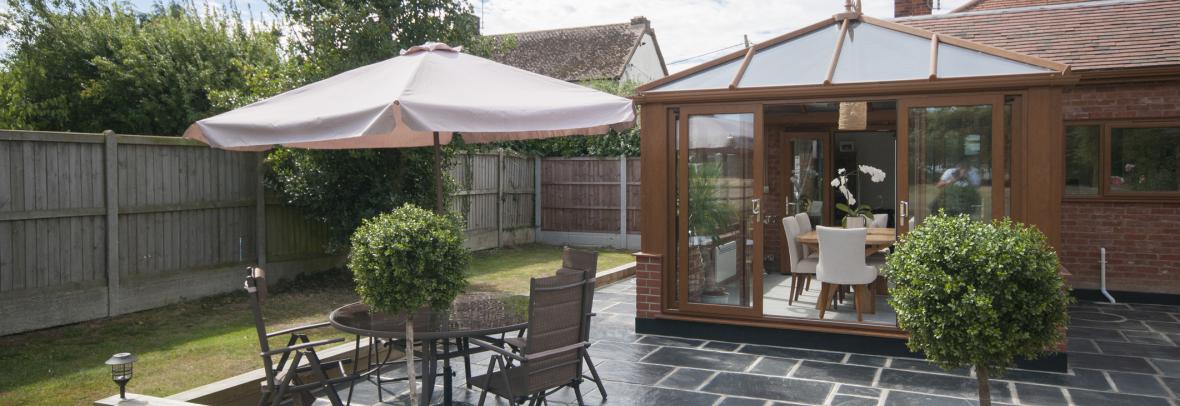
The Return of the Sunroom: Why This Classic Home Feature Is Making a Comeback
Home design trends tend to move in cycles. Features that were once standard in residential construction often fade for a time before returning with renewed popularity as homeowners rediscover their value. One feature currently experiencing that kind of resurgence is the sunroom.
Once a common element in many homes, sunrooms are again attracting attention from homeowners who want to expand their living space while maintaining a strong connection to the outdoors. Market research from Business Research Insights suggests the three-season sunroom market could nearly double between 2025 and 2035, reflecting growing demand for versatile living spaces that blend indoor comfort with natural light.
For homeowners in South Florida and Palm Beach County, the appeal of sunrooms is particularly easy to understand. With a warm climate, lush landscaping, and year-round sunshine, adding a space that bridges the indoors and outdoors can create a functional extension of the home.
Understanding why sunrooms are returning—and how they influence home value and livability—can help homeowners, buyers, and sellers better interpret current housing trends.
See What’s on the Market Right Now
If you're researching homes in Palm Beach County or anywhere in South Florida, explore current listings by city and see what’s available right now.
Explore Homes by CityWhat Exactly Is a Sunroom?
A sunroom is an enclosed living space designed to maximize natural light and views of the surrounding environment. Unlike a traditional patio or deck, sunrooms are typically enclosed with large windows or glass panels, allowing homeowners to enjoy outdoor scenery while remaining protected from weather and insects.
Sunrooms are generally categorized into two primary types:
Three-Season Sunrooms
Three-season sunrooms are designed for use during warmer months and moderate weather conditions. They often include large windows, screens, and insulation but may not be connected to the home’s central heating and cooling system.
Because of their simpler construction, three-season sunrooms are often more affordable to build and maintain.
Four-Season Sunrooms
Four-season sunrooms are fully integrated into the home’s heating and cooling system, allowing them to function as year-round living spaces. These rooms typically include higher levels of insulation, energy-efficient windows, and climate control.
In regions like South Florida, where temperatures remain relatively warm throughout the year, both types of sunrooms can be practical additions depending on the homeowner’s needs.
Why Sunrooms Are Becoming Popular Again
Several lifestyle and housing trends are contributing to the renewed interest in sunrooms.
A Desire for More Usable Living Space
In recent years, homeowners have placed greater value on maximizing the usable space within their homes. Instead of moving immediately when they need more room, many homeowners are exploring ways to expand their current property.
Sunrooms provide a relatively cost-effective way to increase functional living space without the expense of a full home addition.
According to research from Business Research Insights, 65% of homeowners prefer cost-effective sunroom additions when looking to extend their living area.
These spaces can serve multiple purposes, including:
-
Casual sitting rooms
-
Reading or relaxation areas
-
Indoor garden spaces
-
Informal dining areas
-
Home offices with natural light
The versatility of sunrooms makes them appealing for households seeking flexible space.
Curious What Your Home Might Be Worth?
Home values across Palm Beach County and South Florida change constantly. See what buyers may currently be willing to pay for homes in your neighborhood.
Check Your Home Value →Stronger Connections to Outdoor Living
Home design has increasingly emphasized the relationship between indoor and outdoor environments. Many homeowners want living spaces that allow them to enjoy natural surroundings while still maintaining comfort.
Sunrooms accomplish this by providing:
-
Wide views of outdoor landscapes
-
Natural sunlight throughout the day
-
Protection from insects and weather
-
Climate-controlled comfort when needed
For homeowners in Palm Beach County, where tropical landscaping and outdoor scenery are part of daily life, sunrooms can offer a comfortable vantage point for enjoying the environment year-round.
Weather Protection Without Losing Outdoor Views
Outdoor living spaces such as patios, decks, and screened porches remain popular throughout South Florida. However, these spaces can sometimes be limited by weather conditions.
For example:
-
Heavy rain can make patios unusable.
-
Strong sun exposure can make outdoor seating uncomfortable during summer afternoons.
-
Insects can interfere with outdoor relaxation in certain seasons.
Sunrooms provide a sheltered environment that still captures outdoor views and natural light.
For homeowners who enjoy spending time outside but want additional protection from the elements, sunrooms offer a practical compromise.
Sunrooms and South Florida Homes
While sunrooms have long been associated with colder climates where homeowners seek sunlight during winter months, they are also becoming increasingly common in warmer regions.
In South Florida, the appeal of sunrooms often centers around comfort and flexibility rather than warmth.
Protection from Heat and Rain
Large glass windows allow homeowners to enjoy outdoor scenery without direct exposure to intense sun or sudden rain showers. Air-conditioned sunrooms can offer a comfortable retreat while still providing views of gardens, lakes, or backyard spaces.
Extended Living Space
In many Palm Beach County homes, sunrooms function as transitional spaces connecting indoor areas to outdoor patios, pools, or gardens.
These rooms can serve as:
-
Breakfast areas overlooking a backyard
-
Relaxation spaces near a pool
-
Indoor-outdoor entertaining areas
Because they often receive abundant natural light, sunrooms can also create a bright and inviting atmosphere throughout the home.
Design Trends in Modern Sunrooms
Today’s sunrooms often incorporate design features that make them feel like natural extensions of the home rather than separate additions.
Common modern sunroom features include:
Large Glass Panels
Floor-to-ceiling windows or sliding glass doors maximize views and natural light.
Energy-Efficient Materials
High-performance windows and insulated frames help regulate temperature and reduce energy costs.
Indoor-Outdoor Transitions
Sunrooms are often designed to connect directly with patios, pools, or landscaped yards.
Flexible Furnishings
Homeowners frequently use sunrooms as multi-purpose spaces that can shift between relaxation, dining, and work areas.
In some homes, sunrooms even function as casual family rooms or reading spaces due to their bright and open atmosphere.
Do Sunrooms Add Value to a Home?
Sunrooms can contribute to a property’s appeal, but their effect on home value varies depending on how they are designed and integrated.
Factors That Influence Value
Several elements affect how buyers perceive sunrooms:
Quality of construction – A well-built sunroom that feels like part of the home may add greater appeal than a basic enclosure.
Climate control – Four-season sunrooms that are heated and cooled often provide more year-round usability.
Design integration – Sunrooms that match the architectural style of the home typically feel more cohesive.
In South Florida markets where outdoor living is highly valued, a thoughtfully designed sunroom can enhance a home’s lifestyle appeal.
Considerations Before Adding a Sunroom
Homeowners considering a sunroom addition should evaluate several factors before beginning construction.
Local Building Codes
Municipal building regulations and permit requirements vary by location. In Palm Beach County and surrounding communities, permits are typically required for structural additions.
HOA Guidelines
Homes located within homeowners associations may need approval before exterior additions are constructed.
Structural Design
Sunrooms must be designed to meet local building standards, including wind resistance requirements in hurricane-prone regions like South Florida.
Long-Term Maintenance
Large glass areas may require periodic cleaning and maintenance to maintain their appearance and energy efficiency.
Consulting with experienced contractors and design professionals can help ensure the addition meets local standards.
A Flexible Space for Modern Living
The renewed popularity of sunrooms reflects broader changes in how homeowners view their living spaces. Today’s homeowners often prioritize flexibility, comfort, and a connection to natural surroundings.
Sunrooms provide an opportunity to create a bright and inviting environment that enhances everyday living without requiring a full home expansion.
Whether used for relaxation, entertaining, or simply enjoying a morning cup of coffee with natural light, sunrooms represent a design feature that blends traditional charm with modern functionality.
As housing trends continue to evolve, this classic feature appears poised to remain an appealing option for homeowners seeking to maximize both space and lifestyle.
Real Estate Resources for South Florida
If you're researching homes or following the South Florida real estate market, exploring listings and property values can provide helpful context for understanding local neighborhoods and housing trends across Palm Beach County.
About the Authors
Chris and Sue Kull are South Florida real estate professionals with more than three decades of experience helping buyers, sellers, and property owners navigate the housing market throughout Palm Beach County and surrounding communities.
Their work focuses on providing clear information, local market insight, and practical guidance so clients can make confident real estate decisions. Over the years they have built a trusted network of industry professionals—including lenders, inspectors, contractors, and legal specialists—to support every stage of the real estate process.
You can explore additional resources, community guides, and real estate tools at www.TheKullGroup.com.
If you have questions about buying, selling, or understanding the local real estate market, you can reach out through our contact page.