Water Damage and Mold in a Palm Beach County Purchase: The Second Inspection That Decides Everything
Most guidance on this subject stops at the home inspection. Find the damage, negotiate the repair, close the deal. That sequence is fine in most of the country, and it is incomplete in Florida — because your home inspector is not the party whose opinion determines whether this purchase can happen.
There is a second inspection here, applied by a different party, using different criteria, on a different timeline. It is the one that can end a deal outright, and buyers routinely do not learn it exists until it is already a problem.
Two Inspections, Two Verdicts
Understanding the difference between these is the single most useful thing a Florida buyer can carry into a purchase where moisture is involved.
The consequence is the part buyers miss. Inspectors do not formally pass or fail a home; they document system condition, and an underwriter decides eligibility from it. Which means you can negotiate a water repair successfully, satisfy your inspector completely, and still arrive at closing unable to obtain affordable coverage — and without insurance, your lender will not fund. The deal does not die because of the damage. It dies because of what the damage says about the systems behind it.
Sequence These Correctly, Because Order Matters More Than Effort
Most buyers run the home inspection, negotiate repairs, and address insurance afterward. In this market that order is backwards on older properties.
If the home is roughly twenty years old or more, start the insurance conversation as soon as you are under contract — before your inspection period closes, not after. An agent can tell you quickly whether the plumbing type, roof age, or a visible water history is going to narrow your carrier options. If the home is newer, the conventional sequence is fine. What you are protecting against is the specific failure of discovering at day twenty-five that the property is insurable only at a price that changes what you can afford — a cost that behaves like the other carrying costs reshaping South Florida housing decisions and belongs in your budget from the start.
What Actually Triggers Underwriting Trouble
Water damage matters to a carrier mostly as evidence about the plumbing. Several specific findings narrow carrier options in Florida homes, and they are worth knowing by name because they are common in this county's older housing stock.
- Polybutylene supply plumbing. Widely installed for a period and now a significant underwriting flag. Many carriers decline outright, and others will write the policy with a water damage exclusion — which is to say, coverage for everything except the thing most likely to happen.
- Cast iron drain lines. Homes built before the mid-1970s often have them, and they corrode from the inside out over decades. Inspectors note them, and carriers flag them, particularly on older properties where they have never been replaced.
- Galvanized steel supply lines. They rust internally, restrict flow, and eventually leak. Not an automatic decline everywhere, but they narrow the field.
- Aging water heaters. Units well past their expected service life draw scrutiny on their own.
- Active leaks or visible water damage. Staining, soft flooring, and rusted fittings are consistent flags, because they suggest a condition rather than an event.
That last distinction is the one that governs everything else. Insurance is designed for sudden and accidental loss. A slow leak that ran for months is, in underwriting terms, deferred maintenance rather than a covered event — the same category of problem that shapes how deferred maintenance is treated before a sale. When you evaluate a water finding as a buyer, the question is not only what it costs to repair. It is which side of that line it falls on.
The Finding That Follows the House
Here is the consequence almost no buyer anticipates, and it argues for handling a mold finding thoroughly rather than quickly.
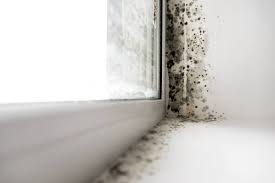
When a home is flagged for mold in an inspection or during a sale, that becomes part of the property's history. Carriers scrutinize later mold claims on that property more heavily as a result. The finding does not disappear when you close, and it does not belong only to the seller who disclosed it.
Which means a documented, professionally completed remediation is worth substantially more than a quiet repair and a price reduction. The paperwork — scope of work, licensed remediator invoices, post-remediation verification — is what lets you demonstrate later that the problem was resolved rather than papered over. Take the credit and skip the documentation and you have inherited a history with nothing to set against it.
Worth noting for context: Florida licenses mold assessors and remediators by statute, and the same company generally cannot both assess and remediate the same property within a twelve-month period. If a seller offers to handle a mold issue through a company doing both, that is worth questioning.
Where the Damage Actually Comes From Here
The original version of this article listed basement seepage, crawl space moisture, and overflowing rivers among the causes to watch for. None of those describe Palm Beach County. Homes here are overwhelmingly slab-on-grade without basements, and our flooding comes from storm surge, intense rainfall, drainage and canal capacity, and tidal influence rather than rivers cresting.
The sources that actually matter locally:
- Roof. Damaged coverings and deteriorated flashing, accelerated by UV exposure and storm activity. Roof age is separately one of the biggest factors in whether a Florida home can be insured at all.
- Plumbing. Supply and drain line failures, especially in the pipe types listed above. Slow leaks inside walls and under slab are the expensive version because nothing announces them.
- Air conditioning. In a climate where systems run nearly year-round, condensate drain blockages and pan overflows are a leading and frequently overlooked moisture source. A blocked condensate line also draws underwriter attention on its own.
- Storm intrusion. Wind-driven rain through openings, roof damage, and surge in exposed areas.
- Appliances. Water heaters, washing machines, dishwashers, and refrigerator lines.
- Grading and drainage. Water pooling against the slab, clogged gutters, and downspouts discharging too close to the structure.
- Envelope and construction quality. Inadequate waterproofing and gaps that let humidity and rain in over time.
Detection advice from the original holds up and is worth keeping: look for staining, discoloration, and peeling paint; treat a musty odor with no visible source as a real signal; read the seller's disclosure carefully; and use a licensed inspector, ideally one with infrared moisture detection. These are among the things buyers notice during home inspections for good reason.
Handling It Once You Have Found Something
A moisture finding is not automatically a reason to walk. Most are manageable. The sequence that works:
- Establish whether it is historical or active. A repaired twenty-year-old roof leak and an ongoing supply line failure are different transactions.
- Find the source, not just the symptom. Remediation without repair produces the same problem on a schedule.
- Get the insurance read early. Before committing to a negotiating position, know whether a carrier will write the home and at what price.
- Negotiate repair or credit — but weigh documentation. A seller-completed, licensed remediation with paperwork is often worth more to you than a larger credit, because of the record it creates.
- Verify and keep everything. Post-remediation verification, invoices, permits, and scope of work. Store them; you will want them when you sell or file a claim.
A necessary boundary: we are real estate professionals, not inspectors, remediators, insurance agents, or physicians. Underwriting decisions belong with a licensed insurance agent, remediation scope with a licensed Florida remediator, and any question about how an exposure might affect a particular person's health with a doctor. Health responses to mold vary considerably between individuals, and that is not a question a real estate article can answer for you. What we can do is help you read what a finding means for the transaction and decide what to do about it.
How This Varies Across the County
Housing age is the variable that matters most, and it maps onto geography.
Lake Worth Beach, West Palm Beach, and older sections of Boynton Beach and Delray Beach contain much of the housing stock old enough for cast iron drains and dated supply plumbing, and old enough to require a 4-point inspection as a matter of course. Boca Raton's coastal exposure adds roof and wind considerations on top. Wellington and Royal Palm Beach mix newer construction with properties whose original systems are now reaching an age where carriers look closely. Buyers extending north along the corridor toward Port St. Lucie generally encounter newer inventory, which often means an easier insurance path — a real advantage that rarely appears in the price comparison people run when weighing that move.
Something we see often enough to treat as a pattern: buyers who walk away over water damage findings frequently walk away from the wrong houses. A documented, repaired issue on a well-maintained property is a better risk than an untouched home of the same age where nothing has surfaced yet, because in the second case the systems are the same age and nobody has looked. What you want is not a house with no history. It is a house whose history you can read.
Explore South Florida Real Estate by City
Because housing age drives so much of this — plumbing type, roof condition, whether a 4-point inspection applies at all — comparing what is available community by community gives a clearer picture than price alone.
Talk Through Your South Florida Real Estate Options
Sometimes the hardest part of a real estate decision is simply understanding which direction makes the most sense before committing to anything. A conversation can often help create clarity around timing, strategy, and next steps.
Frequently Asked Questions
My inspector says the water damage was repaired. Am I clear?
Not necessarily, because your inspector and your insurance carrier are answering different questions. The inspector assesses condition; the carrier decides whether to write the risk, and on homes roughly twenty years and older it does that through a 4-point inspection covering roof, electrical, plumbing, and HVAC. A repair that satisfies an inspector can still sit alongside plumbing that narrows your carrier options considerably. Get an insurance quote on the specific property while your inspection period is still open, not after.
The seller offered a credit instead of fixing the mold. Should I take it?
Consider what each option leaves you holding. A credit gives you money and full control over the work. Seller-completed remediation by a licensed Florida remediator gives you documentation — scope, invoices, and post-remediation verification — and because a mold finding becomes part of the property's history, that paperwork has lasting value for future claims and for your own eventual resale. If you take the credit, complete the work through a licensed remediator and keep the records as though the seller had. The mistake is taking a credit and treating the issue as closed.
Can water damage or mold actually stop my mortgage?
Indirectly, and it is a real risk. Lenders require insurance, so if the property cannot be insured at a price you can carry, financing fails regardless of your qualification. Appraisers may also flag active damage affecting habitability, and government-backed loan programs apply property condition standards that active moisture problems can fail. This is why the insurance conversation belongs early. The question is not only whether you qualify for the loan; it is whether the house qualifies.
About the Authors
Chris and Sue Kull are South Florida real estate professionals with more than three decades of experience helping buyers, sellers, and property owners navigate the housing market throughout Palm Beach County and surrounding communities.
Their work focuses on providing clear information, local market insight, and practical guidance so clients can make confident real estate decisions. Over the years they have built a trusted network of industry professionals—including lenders, inspectors, contractors, and legal specialists—to support every stage of the real estate process.
You can explore additional resources, community guides, and real estate tools at www.TheKullGroup.com, or reach out through our contact page. If you currently own and are weighing a move, understanding what your home is worth is a useful starting point.