 What Insurance and Ownership Costs Can Change About a Move
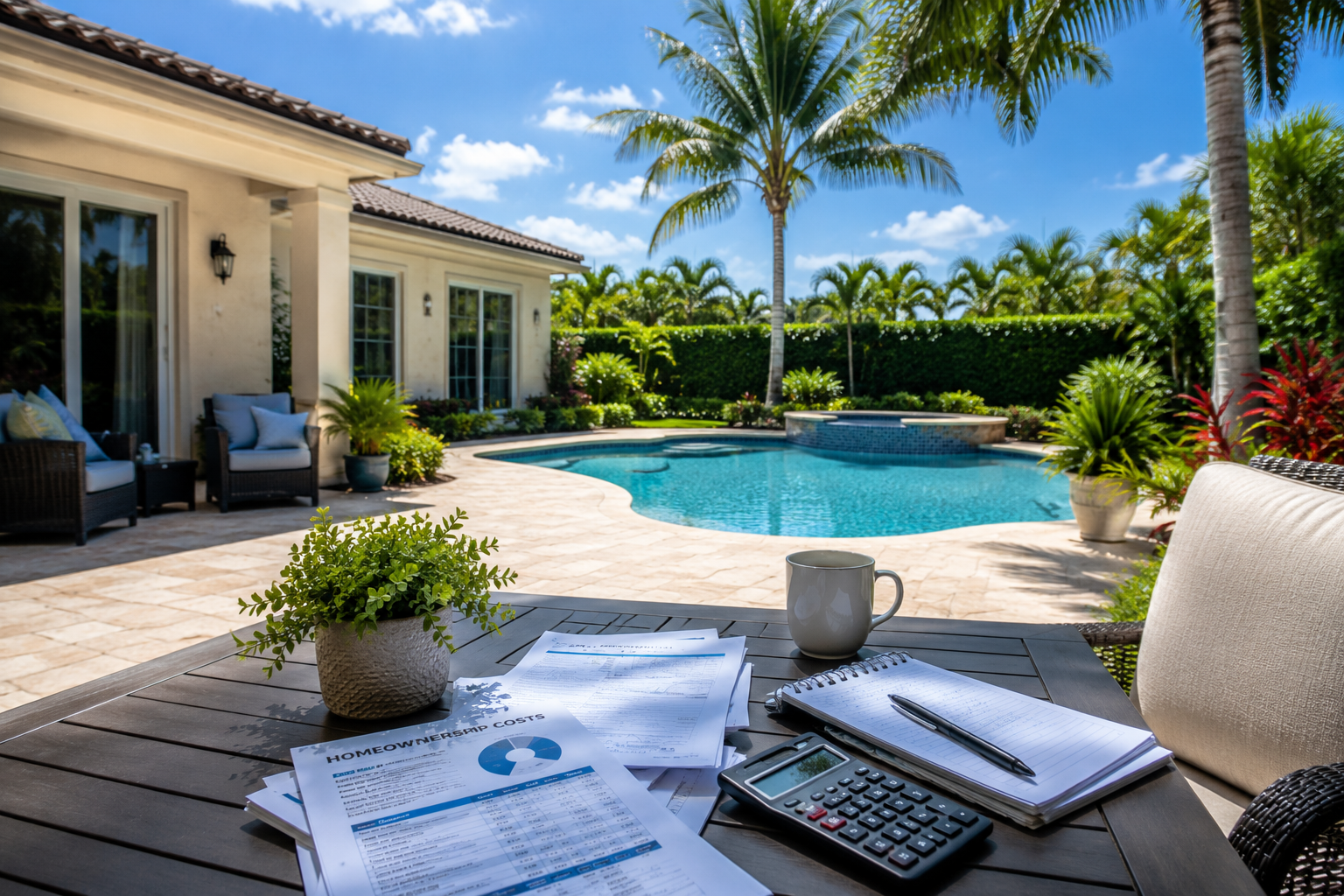
In South Florida, the cost of owning a home can change the way a person feels about staying long before they decide to leave. The mortgage may be familiar. The neighborhood may still feel right. The memories may still matter. But insurance renewals, tax changes, HOA increases, roof concerns, storm preparation, and repair expectations can slowly alter the experience of ownership. That is the part many people underestimate. A moving decision is not always triggered by wanting something bigger, newer, or more impressive. Sometimes the home simply begins to require more attention, more money, and more emotional bandwidth than the owner wants to keep giving it. In Palm Beach County and surrounding communities, that pressure carries a different weight because homes are affected by weather exposure, property age, association rules, coastal risk, and rising maintenance expectations. Eventually, the question changes from whether someone likes the home to whether the home still feels manageable.
The House Payment Is Only One Part of the Decision
Most people know their mortgage payment. They may even know their taxes and insurance off the top of their head. What is harder to measure is the way those costs feel when they stop behaving predictably.
A homeowner can absorb one increase. Maybe two.
Then the roof needs attention. The insurance renewal arrives higher than expected. The HOA discusses another budget adjustment. A repair that used to feel optional starts to feel like something a buyer, lender, or insurer may care about later.
That is when the home begins to feel different.
The issue is not always affordability in the strict sense. Many South Florida homeowners can still afford the property they own. The deeper issue is whether the property still supports the lifestyle they expected it to provide. A home that once felt stable can begin to feel administratively heavy. More decisions. More documents. More contractors. More uncertainty before storm season.
Ownership fatigue usually builds quietly. It rarely announces itself as a single dramatic moment.
Why Insurance Pressure Changes the Feeling of Staying
Insurance is different from other housing costs because it changes the emotional relationship a person has with the home. A higher electric bill is frustrating. A higher insurance premium can feel like a warning.
In South Florida, insurance connects directly to roof age, wind mitigation, flood exposure, hurricane preparation, and the broader condition of the property. That makes it feel personal. The house is not just a place to live. It becomes something that must be defended, documented, maintained, and justified.
For some owners, this creates a subtle kind of tension. They still like the location. They may not want to move. But they start wondering whether staying means accepting a future of rising costs and recurring property decisions.
That thought can be enough to shift timing.
A homeowner who planned to wait three more years may begin evaluating the market sooner. A buyer who once focused mainly on price may start asking harder questions about roof condition, flood zones, association fees, insurance history, and the total cost of ownership after closing.
Understand What Your Home May Be Worth
If this topic is making you think about your own property, checking your home’s current value can help put the local market into perspective.
Check Your Home ValueWhat This Means for Buyers and Sellers in South Florida
For buyers, the real comparison is no longer just one home against another. It is one ownership environment against another.
A lower purchase price may not mean a better fit if the home brings higher insurance exposure, older systems, unclear maintenance history, or association costs that make the monthly picture less comfortable. Buyers are becoming more sensitive to the difference between buying a home and living with it.
For sellers, this changes how value is interpreted. Presentation still matters. Pricing still matters. But clarity matters more than many owners realize. Buyers want to understand what they are inheriting when they purchase the home: the roof, the systems, the association environment, the likely maintenance path, and the financial texture of ownership.
A well-prepared South Florida listing does not simply look attractive. It reduces uncertainty.
That matters because uncertainty has become expensive. If a buyer senses too many unanswered questions, they may discount the property emotionally before they ever make an offer. If a seller understands that dynamic early, they can make better decisions about preparation, documentation, pricing, and timing.
The Hidden Pressure Is Often Routine Disruption
Housing costs are usually discussed in financial terms, but the daily-life effect is often more revealing.
When ownership becomes more complicated, routines change. Homeowners spend more time monitoring bills, calling contractors, reviewing association notices, preparing for storms, or wondering whether the next renewal will bring another surprise.
That mental load matters.
A home may still be beautiful and still feel burdensome. A property may still have equity and still feel misaligned with the owner’s next chapter. This is especially common when the house was a good fit for one season of life but begins to feel oversized, aging, expensive, or maintenance-heavy in another.
South Florida adds its own layers. Storm season has a rhythm. Seasonal demand affects timing. Older homes may carry different repair expectations. Coastal and inland properties can create different ownership concerns. Even two homes with similar prices can feel very different once insurance, upkeep, and daily management enter the picture.
Moving Can Become a Strategy for Regaining Control
Not every homeowner facing higher costs should sell. That would be too simplistic. Some owners are better served by improving the property, adjusting budgets, reviewing insurance options, or waiting for a more favorable moment.
But for others, moving becomes less about escape and more about control.
Control over monthly exposure. Control over maintenance responsibilities. Control over storm preparation. Control over how much of daily life the home is allowed to consume.
That is why newer construction, lower-maintenance properties, different communities, or more manageable layouts can become appealing even when the current home still has emotional value. The decision is not always about rejecting the old home. Sometimes it is about choosing a simpler ownership experience.
In practical terms, rising ownership costs can shorten a homeowner’s timeline, narrow a buyer’s choices, and make property condition more important than it appeared a few years ago. The market is not only responding to prices. It is responding to the lived experience of owning real estate in a more expensive environment.
Frequently Asked Questions
How do rising insurance costs affect whether someone decides to move?
Rising insurance costs can make a home feel less predictable, especially when they combine with repairs, roof concerns, taxes, or association fees. In South Florida, that pressure often affects timing before it creates an urgent financial problem. Homeowners may begin exploring options earlier because they want to reduce uncertainty, avoid future repair exposure, or move into a property that feels easier to manage over time.
Should buyers look beyond the mortgage payment when comparing homes?
Yes. Buyers should look at the full ownership picture, including insurance, taxes, HOA fees, roof age, flood considerations, maintenance history, and likely future repairs. A home with a lower price can still be more expensive or stressful to own if the carrying costs are higher. In South Florida, the best comparison is often not just purchase price, but how manageable the home feels after closing.
Keep Exploring South Florida Real Estate
If you're researching market trends, comparing communities, or trying to better understand how broader real estate topics affect local decisions, reviewing more South Florida resources can help put the market into context.
About the Authors
Chris and Sue Kull are South Florida real estate professionals with more than three decades of experience helping buyers, sellers, and property owners navigate real estate decisions throughout Palm Beach County and surrounding communities.