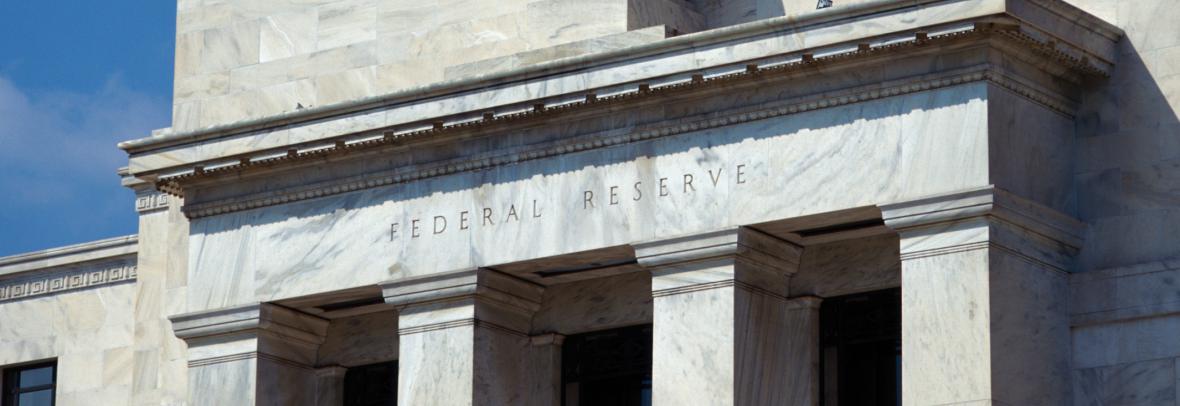
Why Interest Rate Uncertainty Is Reshaping Real Estate Decisions in 2026
Interest rates influence nearly every major financial decision people make, from buying homes and cars to expanding businesses and investing in the economy. When interest rate direction becomes uncertain, those decisions often become more complicated. That is the situation many economists believe the United States faces right now.
Recent economic analysis from researchers at Florida Atlantic University suggests the Federal Reserve is proceeding cautiously as it evaluates when—or whether—to cut interest rates again. While inflation has slowed compared with the sharp spikes of recent years, it remains above the Federal Reserve’s long-term target. That leaves policymakers balancing two competing risks: cutting rates too soon and reigniting inflation, or holding rates too high for too long and slowing economic growth.
For buyers, sellers, homeowners, and investors, this uncertainty matters. Mortgage rates tend to move in response to broader interest rate expectations. When the Federal Reserve signals caution, it can create hesitation across financial markets and influence how consumers approach major purchases—including real estate.
Understanding why the Federal Reserve is being cautious, and how those decisions ripple through the housing market, can help buyers and sellers make more informed decisions during a period of economic transition.
See What’s on the Market Right Now
If you're researching homes in Palm Beach County or anywhere in South Florida, explore current listings by city and see what’s available right now.
Explore Homes by CityWhy the Federal Reserve’s Decisions Matter
The Federal Reserve’s primary responsibility is maintaining economic stability. To do that, it focuses on two major goals: controlling inflation and supporting employment.
One of the most important tools the Fed uses to manage the economy is the federal funds rate, which influences borrowing costs throughout the financial system. When the Fed raises rates, borrowing becomes more expensive, which can slow economic activity and reduce inflation. When the Fed lowers rates, borrowing becomes cheaper, encouraging spending and investment.
Mortgage rates, while not directly set by the Federal Reserve, often follow the broader trend of interest rate expectations. When the Fed signals future rate cuts, mortgage rates tend to move lower. When the Fed indicates caution or signals that rates may stay higher for longer, mortgage rates often remain elevated.
For the housing market, this relationship between interest rates and mortgage rates is critical. Even small changes in borrowing costs can significantly affect affordability for homebuyers.
Inflation Remains Above Target
One of the main reasons the Federal Reserve has hesitated to reduce interest rates is that inflation, while cooling, has not fully returned to desired levels.
Economists closely monitor the Personal Consumption Expenditures Price Index (PCEPI), which is the Federal Reserve’s preferred measure of inflation. Recent data indicates that inflation has slowed compared to previous years but still exceeds the Fed’s long-term target of 2 percent.
Persistent inflation can create long-term challenges for the economy. If prices rise too quickly, purchasing power declines, and households may struggle to keep up with higher living costs.
Because of this, policymakers must ensure inflation is firmly under control before loosening monetary policy. Cutting rates too early could potentially trigger another wave of price increases.
That risk helps explain why the Federal Reserve has adopted a cautious approach.
Why the Fed Is Moving Carefully
Interest rate decisions are rarely simple. Economic data often sends mixed signals, forcing policymakers to weigh competing risks.
Economists note several factors contributing to the Federal Reserve’s cautious stance.
First, economic data often arrives with delays. Inflation, employment, and economic growth indicators can take months to fully reflect changing conditions. Acting too quickly based on incomplete data could lead to policy mistakes.
Second, inflation pressures remain uneven across sectors of the economy. While some categories have stabilized, others—such as housing costs and services—continue to rise more slowly but steadily.
Third, policymakers themselves sometimes disagree about the correct path forward. Within the Federal Open Market Committee (FOMC), which sets monetary policy, members may hold different views about how aggressively to adjust rates.
These differences can lead to extended debates about when to begin rate cuts or whether current policy should remain unchanged.
How Interest Rate Uncertainty Affects the Economy
Uncertainty around interest rates can have broad economic effects beyond the financial markets.
Businesses often rely on borrowing to fund expansion, equipment purchases, or hiring. When interest rate direction is unclear, companies may delay major investments until conditions become more predictable.
This hesitation can slow productivity growth and reduce job creation, even if the broader economy remains relatively stable.
Consumers face similar decisions. Large purchases—such as homes, vehicles, and education—often depend on financing. If buyers believe borrowing costs may fall in the near future, they may postpone purchases.
In this way, uncertainty itself can influence economic behavior, even before interest rates actually change.
The Connection Between Interest Rates and Housing
The housing market is particularly sensitive to changes in interest rates.
Mortgage payments are directly affected by borrowing costs. When mortgage rates rise, monthly payments increase, reducing purchasing power for many buyers. When rates decline, buyers can afford higher-priced homes without increasing their monthly payments.
Because of this relationship, housing activity often responds quickly to interest rate expectations.
Periods of falling rates tend to stimulate homebuying activity as affordability improves. Conversely, higher or uncertain rates may cause buyers to pause their search while waiting for clearer signals from the market.
This dynamic has played out repeatedly over the past several years as mortgage rates fluctuated alongside inflation and Federal Reserve policy decisions.
What Buyers Should Understand Right Now
For prospective homebuyers, interest rate uncertainty can make the timing of a purchase feel complicated.
Some buyers may wait in hopes that mortgage rates will decline further. Others may choose to proceed with their purchase if they find the right property and can comfortably afford the monthly payment.
It is important to remember that mortgage rates fluctuate continuously and are influenced by many factors beyond Federal Reserve policy. Economic growth, inflation trends, global financial markets, and investor expectations all play roles.
Because predicting exact rate movements is extremely difficult, many real estate professionals advise buyers to focus on affordability rather than timing the market.
If a home fits a buyer’s financial situation and long-term goals, the precise timing of interest rate changes may become less important over time.
What Sellers Should Consider
Home sellers also pay close attention to interest rates because they affect buyer demand.
Higher borrowing costs can reduce the pool of qualified buyers for certain price ranges. Lower rates, on the other hand, often increase purchasing power and stimulate housing activity.
In periods of uncertainty, sellers may notice slightly longer listing times or more cautious buyer behavior.
However, housing markets are influenced by many local factors beyond interest rates alone. Population growth, job markets, and migration trends can all affect housing demand.
In regions experiencing strong population growth—such as many areas in Florida—buyer interest may remain steady even when rates fluctuate.
Curious What Your Home Might Be Worth?
Home values across Palm Beach County and South Florida change constantly. See what buyers may currently be willing to pay for homes in your neighborhood.
Check Your Home Value →The Risk of Acting Too Soon or Too Late
Federal Reserve policymakers face a delicate balancing act when adjusting interest rates.
If rates are lowered too soon, inflation could accelerate again, undoing the progress made in recent years.
If rates remain elevated for too long, borrowing costs could slow economic growth and potentially increase the risk of recession.
Economists sometimes refer to this challenge as navigating between a “soft landing” and a “hard landing.” A soft landing occurs when inflation declines without triggering significant economic slowdown. A hard landing occurs when aggressive rate policy leads to economic contraction.
Because these outcomes depend on many complex variables, policymakers tend to move cautiously.
Long-Term Perspective for the Housing Market
While interest rate uncertainty can influence short-term housing activity, long-term real estate trends are shaped by broader forces.
Population growth, housing supply, demographic changes, and economic development all influence housing demand over extended periods.
Interest rate cycles come and go. Over the past several decades, mortgage rates have fluctuated dramatically—from double-digit levels in the early 1980s to record lows during the pandemic years.
Today’s interest rate environment sits somewhere between those historical extremes.
For homeowners and long-term buyers, real estate decisions are often best evaluated over years rather than months.
Final Thoughts
Interest rate uncertainty may dominate financial headlines, but it is part of a larger economic cycle that unfolds gradually over time.
The Federal Reserve’s cautious approach reflects the challenge of balancing inflation control with economic stability. While inflation has moderated, it has not yet returned fully to target levels, leading policymakers to move carefully.
For consumers, this uncertainty may influence the timing of large purchases and investments. In the housing market, mortgage rate expectations can shape buyer demand, seller strategy, and overall market activity.
However, real estate decisions rarely hinge on a single economic factor. Buyers and sellers who focus on long-term financial goals rather than short-term market fluctuations are often better positioned to navigate periods of uncertainty.
As the economy continues adjusting in the years ahead, interest rate policy will remain one of many factors shaping the housing market—but not the only one.
Real Estate Resources for South Florida
If you're researching homes or following the South Florida real estate market, exploring listings and property values can provide helpful context for understanding local neighborhoods and housing trends across Palm Beach County.
About the Authors
Chris and Sue Kull are South Florida real estate professionals with more than three decades of experience helping buyers, sellers, and property owners navigate the housing market throughout Palm Beach County and surrounding communities.
Their work focuses on providing clear information, local market insight, and practical guidance so clients can make confident real estate decisions. Over the years they have built a trusted network of industry professionals—including lenders, inspectors, contractors, and legal specialists—to support every stage of the real estate process.
You can explore additional resources, community guides, and real estate tools at www.TheKullGroup.com.
If you have questions about buying, selling, or understanding the local real estate market, you can reach out through our contact page.