


How Florida Probate Timelines Affect Real Estate Case Strategy
For attorneys managing Florida probate cases that include real property, the timeline is never just a legal sequence. It is a coordination pressure system — one where real estate variables operate on their own calendar, often indifferent to court scheduling. The practical challenge is not understanding Florida probate law. It is understanding how the real estate dimension interacts with that law in ways that can compound delay, create heir conflict, and occasionally complicate cases that appeared straightforward at intake. What follows is not a general overview of the Florida probate process. It is a field-level interpretation of where the real estate component tends to create case pressure — and how attorneys we work alongside are building their strategy around it.
For attorneys who want a fuller picture of how The Kull Group supports probate cases from a real estate coordination standpoint, the probate real estate support overview provides operational context that is directly relevant to the coordination challenges described here.
The Court Calendar and the Property Calendar Are Not the Same Thing
Florida Statute §733.901 sets twelve months as the statutory target for closing formal administration under Chapter 733. Attorneys who handle these cases often describe six to twelve months as a realistic working range for an uncomplicated formal administration, though cases involving contested matters, creditor disputes, or complicated asset structures can extend well beyond that. Most attorneys plan case timelines around the legal sequence: petition, notice to creditors, inventory, accounting, order of discharge. That sequence is well understood.
What can get underestimated is how the property itself operates on a parallel timeline — one that doesn't pause for procedural steps, doesn't wait for PR authority to be confirmed, and doesn't slow down because heirs are still in disagreement about disposition intent.
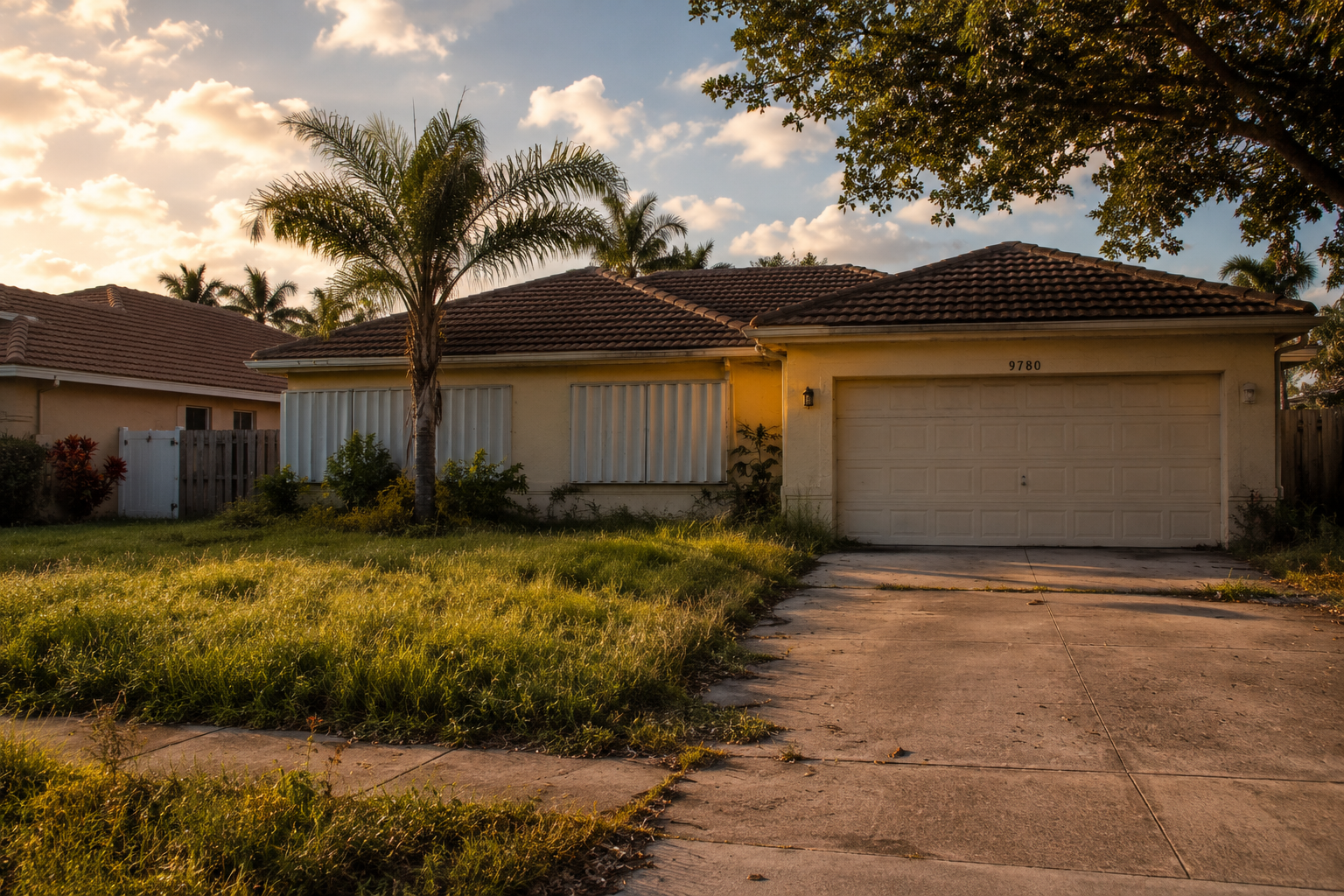
In Palm Beach County, the carrying cost of a vacant probate property accumulates in specific ways worth planning around. Homeowners insurance on a vacant property — where coverage can be obtained at all — is typically more expensive than occupied coverage. HOA fees continue regardless of estate status, and communities in areas like Boynton Beach and Lake Worth carry enforcement timelines that don't extend deference to probate proceedings. Lawn maintenance, pool service, and pest control don't pause. And South Florida's climate places ongoing pressure on structures — humidity, heat, and salt air can accelerate deterioration — so a property left unmanaged for an extended period can develop condition issues that affect value.
The attorneys who plan most effectively around this treat the property's operational calendar as a case variable from day one — not something to address after legal authority is confirmed.
Where the Timeline Slippage Actually Occurs
After working alongside Palm Beach County probate attorneys for more than three decades, one pattern appears often: the cases that experience the most significant timeline slippage are frequently not delayed by the court. In our experience, they're delayed by real estate coordination gaps that weren't identified at intake.
Three conditions we've learned to look for early tend to distinguish cases that will require more coordination from ones that resolve more smoothly.
The first is out-of-state heirs who haven't seen the property recently. This isn't a criticism of heirs — it's a description of what can happen when people form value expectations based on memory rather than current condition. Properties in Wellington or Royal Palm Beach that were well-maintained a decade ago may carry deferred maintenance, aging mechanical systems, and HOA compliance issues that are invisible from a distance. When heir expectations and property reality diverge significantly, disposition decisions can stall. Early condition clarity tends to help more than later negotiation.
The second is delinquent HOA fees in communities with active enforcement postures. Under Florida Statute §720.30851, an association generally must issue an estoppel certificate — a standard closing requirement — within ten business days of a request, regardless of whether the account is delinquent. What creates the closing risk isn't a refusal to issue the document; it's that the certificate discloses the delinquent balance, and that balance typically has to be satisfied — often from sale proceeds — before clear title can pass. If that balance isn't identified early, it can still add weeks to a closing timeline at exactly the moment the legal process is ready to conclude.
The third is estates with multiple personal representatives who aren't in regular communication with each other. Real estate decisions in a co-PR structure typically require the personal representatives to coordinate and agree — the exact requirements depend on the estate documents, the will, and the court's order, so this is worth confirming with the handling attorney on any given case. Agreement requires communication. When co-PRs are in different states, have different emotional relationships to the property, and different financial timelines, the gap between legal authority and operational decision-making can become substantial. Identifying this dynamic early — and building a communication structure around it — tends to be more effective than managing the friction after it has already delayed the case.
A question worth asking at intake: Has the real estate component of this estate been assessed for early complexity signals — condition, HOA status, heir alignment, and carrying cost exposure? If not, the timeline you are planning around may need to be revised before the first court date.
What Florida's Specific Market Conditions Add to the Coordination Problem
Florida's real estate and insurance conditions bring specific factors into probate case management, and attorneys who manage cases across jurisdictions sometimes underestimate how local market conditions affect the real estate timeline specifically.
The insurance environment in Palm Beach County has shifted in recent years, and current coverage on a vacant property — where it's available at all — often costs more than a seller or estate might expect based on older policy figures. Getting a current, property-specific insurance quote early is worth doing precisely because that number can meaningfully change the heir conversation about how long to hold the property before listing.
The housing stock in many established communities — Boca Raton neighborhoods built in the 1980s, Boynton Beach properties from the early 2000s — can produce simultaneous system replacement cycles when properties reach a certain age. Roof, HVAC, water heater, and pool equipment installed at the same time can approach the point of needing replacement around the same time. When a probate property falls into this category, the disposition decision often carries an implicit question: does the estate invest in pre-sale repairs, sell as-is and accept a price adjustment, or navigate the buyer negotiation process with condition issues disclosed? That's not a legal question, but it can affect the legal timeline if heirs disagree.
What we observe often in South Florida probate cases is that significant delays are frequently not created by the court — they're created by real estate decisions that were deferred because no one was specifically accountable for moving them forward.
What This Means for Probate Case Strategy
The practical implication for attorneys is not that real estate complexity should drive legal strategy. It's that real estate complexity should be mapped early enough that it doesn't surprise the legal timeline.
In cases where real property is a significant asset — which describes many Palm Beach County probate matters — the questions worth asking in the first week are operational, not just legal. What is the property's current condition? Are there HOA delinquencies? Who among the heirs has decision-making authority and how aligned are they? What are the actual monthly carrying costs given current insurance rates and South Florida maintenance requirements?
One thing that surfaces in almost every conversation with probate counsel is that the referral relationship works best when the real estate advisor removes the property from the attorney's attention — not adds to it. That means documented communication, proactive issue identification, and no surprises at the closing table. The attorney's job is the legal administration. The real estate advisor's job is to make the property dimension as low-friction as possible until it's resolved.
For attorneys managing cases where the real estate coordination is creating timeline pressure — or where early signals suggest it may — having a clear picture of current property value is a useful starting point. The Palm Beach County home value assessment can provide that baseline without requiring formal engagement. And for attorneys navigating the broader question of who holds authority to act on behalf of the estate, this resource on authority to sell probate property in Florida addresses that question with the operational specificity that makes it useful in actual case management.
Questions Probate Attorneys Ask About Real Estate Coordination
At what point in the probate process should real estate coordination begin?
Often earlier than many cases currently start it. Useful coordination doesn't require that the personal representative have full legal authority to sell — it requires enough information to plan accurately. Condition assessments, carrying cost projections, HOA status reviews, and heir alignment conversations can often begin before letters of administration are issued, though the appropriate scope of any pre-authority activity should be confirmed with the handling attorney. In our experience, cases where coordination begins at or before the inventory stage tend to experience fewer timeline disruptions than cases where real estate is addressed only after legal authority is confirmed.
How does the current insurance environment in Palm Beach County affect estate planning around real property?
In ways that have shifted since many practitioners developed their standard approach to estate carrying costs. Vacant property insurance in South Florida now carries premiums that can materially affect the economic analysis of how long to hold before listing, though the specific figures vary by property and should be confirmed with a current quote. This is worth surfacing early in the heir conversation — not because it drives the legal decision, but because it changes the financial context in which that decision is made.
What is a common source of closing delay in Palm Beach County probate real estate transactions?
HOA estoppel and clearance in communities with delinquent balances is a frequent and often preventable source of delay. Under Florida law, an association generally has to issue the estoppel certificate within ten business days of a request even if the account is delinquent — the certificate itself discloses the outstanding balance. What actually creates delay is that the disclosed balance typically has to be satisfied, often from sale proceeds, before clear title can pass. Identifying HOA status in the first week of case management allows that process to run concurrently with the legal administration rather than sequentially after it.
---
For attorneys managing Palm Beach County probate cases that include real property, The Kull Group's approach is built around removing the real estate dimension from the attorney's attention — not adding to it. The probate real estate support overview describes how that coordination works in practice. For case-specific consultation, this is the appropriate starting point.