Who Has the Authority to Sell a Probate Property in Florida?
One of the first problems families run into with inherited property is not the condition of the home. It is uncertainty around who is actually allowed to make decisions.
A family member may begin discussing repairs. Someone else may want to sell quickly. Another heir may believe nothing can happen until everyone agrees. Meanwhile, the property continues sitting, expenses continue accumulating, and the probate process keeps moving forward whether the family feels organized or not.
That confusion is common because probate real estate decisions do not automatically follow family assumptions. They follow the legal structure established through the estate process.
Understanding who has authority early can prevent delays, reduce conflict, and help the property side of the process move more smoothly once important decisions need to happen.
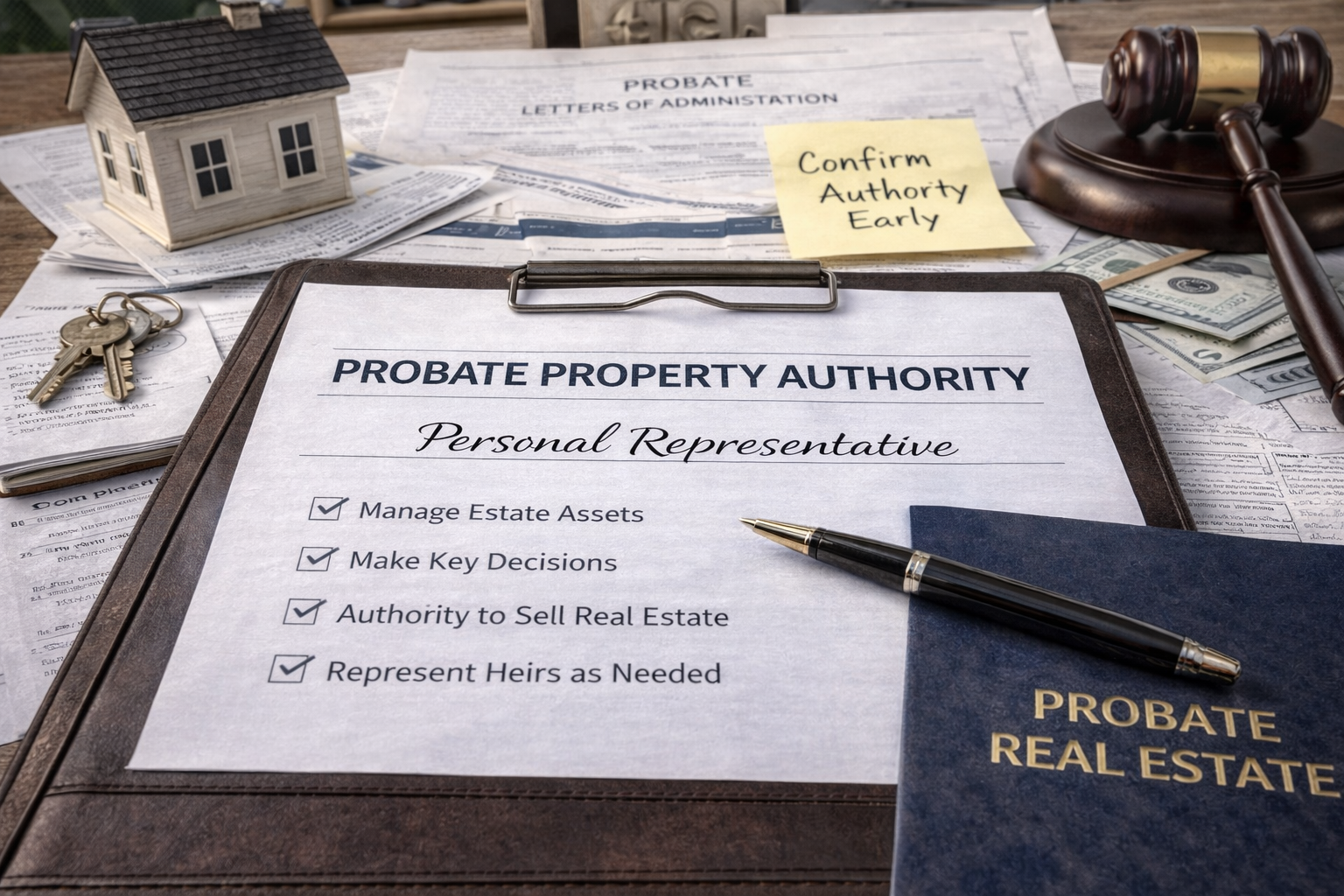
In Most Florida Probate Cases, the Personal Representative Holds Authority
In Florida, the person typically responsible for handling estate matters is the personal representative, sometimes referred to as the executor.
This individual is formally appointed through probate and is generally responsible for managing estate-related decisions, including the sale of inherited real estate when authorized.
That matters because a probate property cannot move through a normal transaction process until the estate structure is clear enough for decisions to happen properly.
Before listing the home, coordinating repairs, accepting offers, preparing the property, or negotiating terms, the family should understand what authority exists and what approvals may still be required through the probate process.
That does not mean preparation must stop entirely. Many families still begin organizing the property, reviewing condition issues, arranging clean-outs, coordinating inspections, or evaluating timing while the probate process continues moving forward.
Why Authority Issues Create Delays So Quickly
Inherited-property situations often begin emotionally before they become operational.
Family members are discussing memories, fairness, timing, financial concerns, and what they believe should happen with the property. At the same time, probate is trying to establish legal clarity around who can actually make decisions.
Those two realities rarely move at the same pace.
That is why inherited-property situations often become disorganized early:
- Multiple people begin directing the process at once
- No one confirms what authority currently exists
- Repair discussions start before the property strategy is clear
- One heir assumes decisions require unanimous agreement
- The property remains untouched while everyone waits for clarity
As carrying costs, insurance concerns, maintenance issues, or vacant-property risks continue building, the lack of structure usually becomes more expensive.
What Heirs Usually Control — and What They Typically Do Not
Heirs are deeply connected to the outcome of the estate, but involvement and authority are not always the same thing.
In many probate situations, heirs:
- receive updates regarding the estate
- participate in conversations about timing and goals
- share opinions regarding repairs, pricing, or preparation
- benefit financially from the eventual outcome
But disagreements between heirs do not necessarily prevent the process from moving forward once authority is clearly established.
This becomes especially important when one person wants to sell quickly while another wants to hold the property, invest money into repairs, or delay decisions until emotions settle.
Those situations often become more manageable once the family understands both the legal structure and the operational realities attached to the home itself.
Do all heirs have to agree to sell a property in Florida?
Authority Questions Often Turn Into Property Problems
Most probate property delays do not happen because the home cannot sell.
They happen because the process becomes operationally unclear.
One person may authorize contractor estimates while another objects to spending money. A clean-out may begin before personal property decisions are resolved. Repairs may be discussed before anyone understands whether preparing the home would actually improve the final outcome.
Meanwhile, the property itself may still need:
- junk removal or clean-out coordination
- estate sale planning
- handyman repairs
- contractor estimates
- roof or insurance review
- landscaping or exterior maintenance
- a pre-listing inspection
- property valuation guidance
Without decision clarity, even simple next steps tend to stall.
The smoother inherited-property situations are usually the ones where authority, communication, attorney coordination, and property planning become organized before pressure forces rushed decisions later.
Authority and Timing Are Closely Connected
Many families assume they cannot do anything with the property until probate is fully complete.
That is not always how inherited-property situations unfold.
While final sale authority depends on the probate structure, families can often begin organizing the property side much earlier. That may include inspections, clean-outs, contractor walkthroughs, repair evaluations, handyman work, inventory assistance, or preparation planning.
That distinction matters because timing affects almost every inherited-property outcome:
- vacant homes continue aging
- insurance and utility costs continue
- market conditions can shift
- maintenance issues rarely improve by waiting
- family communication often becomes harder over time
Understanding what can move forward now versus what requires additional probate authority can prevent avoidable delays later.
Review the timeline for selling probate property in Florida
It may also help to understand how probate timing affects listing preparation and sale planning.
Can you sell a probate home before probate is complete?
How Authority Questions Commonly Appear in Palm Beach County
In Palm Beach County, authority-related delays often become more noticeable when the inherited property is vacant, outdated, owned by heirs in multiple states, or carrying substantial ongoing costs.
A larger home in Wellington or Boca Raton may involve insurance requirements, landscaping obligations, deferred maintenance, or preparation decisions that become expensive if no one is clearly coordinating the process.
In other situations, the property may contain years of personal belongings, unresolved repairs, or occupancy concerns that make quick decisions unrealistic.
Local buyer expectations also matter. Some inherited homes benefit from selective preparation before listing, while others are better suited for a simpler as-is strategy depending on condition, location, and timing pressure.
If the property is located locally, these city-specific inherited-property guides may help explain how preparation and buyer expectations vary by market.
Boca Raton inherited property guidance
Boynton Beach inherited property guidance
Talk Through the Property Structure Before Decisions Become Pressured
If your family is still determining who can authorize decisions, what preparation makes sense, or how the inherited property should be handled moving forward, a structured conversation can help separate legal authority from property logistics.
- Review what preparation may help the property most
- Identify issues that could delay the process later
- Compare as-is, preparation, and timing considerations clearly
- Coordinate real estate questions alongside the probate attorney
The goal is to understand the property, the process, and the available options before pressure builds.
Continue With the Questions That Affect the Next Step
Authority is only one part of the inherited-property process. These guides explain how timing, family coordination, costs, and preparation decisions often connect together once probate real estate begins moving forward.
- Do all heirs have to agree to sell a property in Florida?
- How long does probate property usually take to sell?
- What costs should families expect when selling inherited property?
For a broader overview of inherited-property decisions, attorney coordination, preparation strategy, and local market considerations, you can also return to the main inherited-property guidance hub.
Back to the Inherited Property Guidance Hub
Frequently Asked Questions
Can multiple heirs make decisions about a probate property together?
Family members may communicate and collaborate throughout the process, but probate authority is typically connected to the personal representative appointed through the estate process. Problems often begin when several people start directing repairs, pricing, vendor coordination, or timing decisions before the authority structure is clearly established.
Can inherited-property preparation begin before probate is fully complete?
In many situations, families can still organize inspections, clean-outs, contractor walkthroughs, handyman work, inventory coordination, estate sale planning, or property evaluations while probate is progressing. The important distinction is understanding which activities require final legal authority and which ones help prevent delays later.