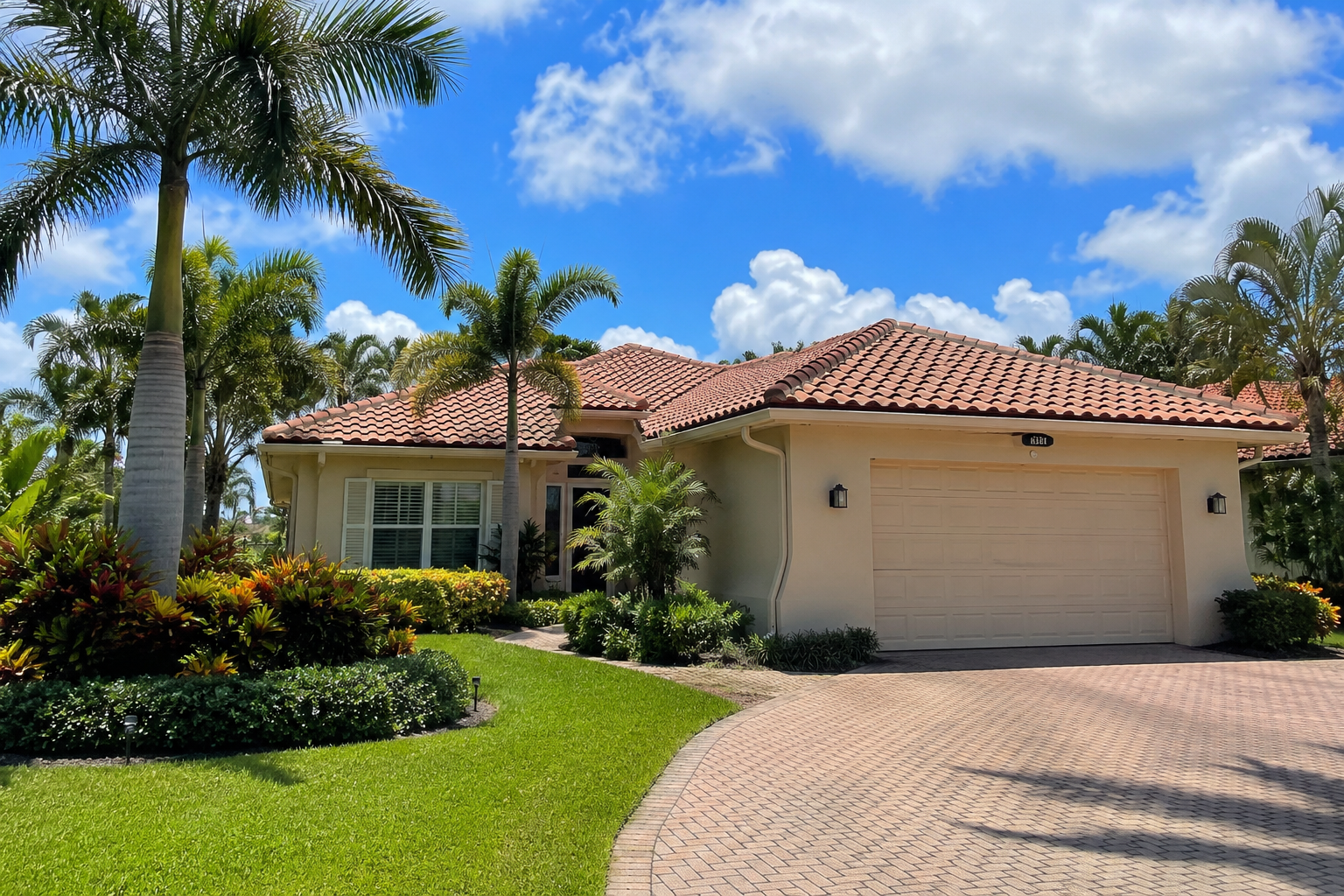
Why Homeowners Move Sooner Than They Planned
Most homeowners do not wake up one morning and decide the house is too much. It usually starts smaller than that. A repair gets delayed. A storm prep list feels heavier than it used to. The yard, roof, windows, insurance notices, service appointments, and weekend maintenance begin taking up more mental space than expected.
In South Florida, that feeling can build quietly because ownership here asks more from a homeowner than many people realize. Heat, humidity, storms, aging systems, rising costs, and changing lifestyle needs can turn a once-comfortable home into something that feels harder to carry.
That does not always mean selling is the right move. But it does mean the question deserves attention before frustration turns into urgency.
The Decision Often Starts Before Anyone Says It Out Loud
Many homeowners begin evaluating a move long before they tell family, neighbors, or even themselves. They may still like the home. They may still feel attached to the street, the memories, and the familiar routines. That is what makes the decision complicated.
The tension is not always about dislike. More often, it is about mismatch.
A home that worked well ten or fifteen years ago may now require more energy, more coordination, and more patience than the homeowner wants to keep giving. The layout may feel less convenient. The second floor may feel less useful. The pool may feel more like a responsibility than a pleasure. Small repairs may no longer feel small.
For homeowners in communities like Wellington, that realization can be especially subtle because many properties offer space, privacy, and lifestyle benefits that are hard to replace. But space also has to be maintained. Larger lots, older systems, seasonal preparation, and exterior upkeep can slowly change how a home feels day to day.
Ownership Fatigue Usually Builds Through Repetition
One repair is manageable. Three in a year feels different. A single insurance increase is frustrating. Repeated cost pressure changes how people think about the house. Preparing once for storm season is normal. Doing it year after year while also managing roof age, shutters, trees, drainage, generators, and contractors can wear people down.
That is ownership fatigue.
It is not laziness. It is not panic. It is the slow realization that the home now requires more physical, emotional, and financial attention than it once did. Homeowners often keep pushing through because they are responsible people. They handle the repairs. They make the calls. They maintain the property. They absorb the stress.
Eventually, though, the question changes from “Can we keep doing this?” to “Do we want to keep doing this?”
If You’re Thinking About Moving, It Usually Starts Here
Most homeowners don’t randomly decide to move. It builds over time. If you’re starting to think about selling and moving into something newer or easier to maintain, it usually comes down to one of these situations. Choose the one that feels closest to you.
Maintenance, repairs, or simply keeping up with everything may be taking more time and energy than you want to keep giving.
You’re trying to make a smarter financial move →You may be thinking about reducing expenses, using your equity differently, or moving into a home that fits your long-term plans better.
You want something newer, simpler, and easier to live in →Many homeowners reach a point where they want less maintenance, a more efficient layout, and a home that feels easier day to day.
When the House Still Has Value but No Longer Fits
One of the hardest parts of this decision is that the home may still be a good home. It may be well located, desirable, and valuable. That can make homeowners feel guilty for questioning whether they still want to live there.
But market value and lifestyle fit are not the same thing.
A home can be worth a significant amount and still feel exhausting. It can have equity, location strength, and buyer appeal while no longer supporting the way the owner wants to live. That is why understanding value matters before making assumptions. A realistic estimate from a local source such as a Palm Beach County home value review can help separate emotion from practical options.
Some homeowners discover they have more flexibility than they expected. Others realize the numbers do not yet support a move. Both answers are useful. Clarity is the point.
The South Florida Layer Makes the Decision More Personal
South Florida ownership has its own rhythm. Roof condition matters. Insurance underwriting matters. HVAC age matters. Impact glass, shutters, drainage, landscaping, pool systems, and exterior maintenance all affect how manageable a home feels.
In areas like Boynton Beach, where homeowners may be comparing older established neighborhoods with newer, lower-maintenance options nearby or farther north, the decision is rarely just about square footage. It is about how much house-related friction they want in daily life.
That is why some people move sooner than planned. Not because the home failed them. Because the season of life changed.
For one homeowner, the turning point may be another major repair. For another, it may be the realization that weekends are being spent managing the property instead of enjoying life. For someone else, it may be watching costs rise while the home feels less aligned with future plans.
What This Means for Buyers and Sellers in South Florida
For sellers, ownership fatigue can affect timing, preparation, and decision quality. A homeowner who waits until they are completely overwhelmed may rush repairs, accept incomplete advice, or make decisions from frustration rather than strategy.
A calmer approach starts earlier. It looks at condition, likely buyer expectations, market timing, property presentation, equity position, and realistic next-step options before pressure takes over.
For buyers, this same pattern matters because many homes coming to market are not being sold simply because someone wants a change. They may be sold because the owner is ready to release the burden of maintenance, cost, or lifestyle mismatch. Understanding that can shape negotiations, repair conversations, and expectations around older South Florida homes.
This is where experienced local guidance matters. The Kull Group often helps homeowners interpret the practical side of these decisions without forcing the answer. Sometimes the best move is to prepare now and sell later. Sometimes it is to simplify sooner. Sometimes it is simply to understand the options clearly enough to stop carrying the uncertainty alone.
The Realization Moment Usually Feels Quiet
There is often a moment when a homeowner stops asking whether they can keep up and starts admitting that they may not want to.
That moment does not need to become a rushed listing decision. It can become a planning decision. Homeowners who are beginning to feel that the house has become too much can explore what it means when a home starts to feel harder to manage before deciding whether a move actually makes sense.
That distinction matters. Selling from exhaustion can create regret. Planning from awareness can create control.
The goal is not to convince yourself to move. The goal is to understand whether staying still feels sustainable, whether simplifying would reduce pressure, and whether your current home still supports the life you are trying to build now.
Frequently Asked Questions
How do I know if I am truly ready to move or just tired of maintenance?
Start by separating temporary frustration from repeated patterns. If one repair or expense caused the feeling, you may simply need a plan for the house. If the home consistently feels draining, expensive, inconvenient, or harder to manage than you want, it may be worth exploring options. You do not need to decide immediately. A practical review of condition, value, costs, and lifestyle fit can help you understand whether staying, improving, or moving is the more reasonable path.
Should I wait until the house needs major repairs before deciding?
Waiting can feel easier emotionally, but it may reduce your control. In South Florida, roof age, insurance concerns, storm preparation, and deferred maintenance can influence buyer confidence and sale timing. Reviewing your options before major repairs become urgent gives you more room to think clearly. You may still decide to stay. But knowing the likely value, repair exposure, and next-step choices can prevent a rushed decision later.
Keep Exploring South Florida Real Estate
If you're trying to better understand whether staying, selling, or simplifying makes sense, exploring more South Florida real estate guidance can help create clarity before making a major decision.
About the Authors
Chris and Sue Kull are South Florida real estate professionals with more than three decades of experience helping homeowners, buyers, sellers, and relocating families navigate real estate decisions throughout Palm Beach County and surrounding communities.