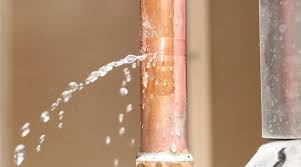
4 Tips to Minimize Potential Water Damage in Your Home
Water damage remains one of the most common and costly issues homeowners face, often beginning subtly but escalating to significant repairs or even property replacement if ignored. While natural disasters like floods or hurricanes can cause severe damage, many instances of water damage start from preventable issues such as clogged gutters, small leaks, or improperly graded soil. Addressing these early can prevent expensive repairs and health hazards like mold growth. Here are essential tips to help you safeguard your home against potential water damage.
Curious What Your Home Might Be Worth?
Home values across Palm Beach County and South Florida change constantly. See what buyers may currently be willing to pay for homes in your neighborhood.
Check Your Home Value →Tips to Minimize Potential Water Damage
Tip 1: Keep Your Gutters Clean
One of the simplest yet most effective ways to prevent water damage is by maintaining clean gutters. Gutters and downspouts play a critical role in directing water away from your home's foundation and roof. When they become clogged with leaves, debris, or other obstructions, water can overflow and seep into the foundation, causing structural damage over time. Regularly cleaning gutters—ideally twice or thrice a year—helps ensure they function properly and protect your home from water intrusion.
Tip 2: Regularly Inspect Your Roof
A well-maintained roof is essential for protecting your home from water damage. Inspect your roof periodically for signs of damage, such as missing or damaged shingles, cracked flashing, or sagging areas. These issues can lead to roof leaks, which, if left unchecked, can result in extensive water damage to ceilings, walls, and insulation. Prompt repairs and maintenance can prevent costly repairs and preserve the integrity of your home's structure.
Tip 3: Look for Areas with Mold
Mold growth is often a visible sign of water damage and can indicate hidden leaks or excessive moisture in your home. Check areas prone to mold growth, such as bathrooms, basements, and attics, for signs of mold or mildew. Addressing mold promptly not only improves indoor air quality but also helps identify and rectify underlying water issues before they escalate. Proper ventilation and moisture control are key to preventing mold growth and maintaining a healthy home environment.
Tip 4: Set Up a Water Detection System
Investing in a water detection system adds an extra layer of protection against water damage. These systems use sensors to detect moisture or leaks in areas prone to water damage, such as basements, kitchens, and bathrooms. When moisture is detected, the system triggers an alert, allowing homeowners to take immediate action to mitigate damage and prevent further issues. Some advanced systems can even automatically shut off the main water supply to prevent extensive flooding in case of a major leak or malfunction.
Importance Of An Emergency Plan For Water Damage
In addition to proactive measures to prevent water damage, having an emergency plan in place is crucial for minimizing potential harm and ensuring a swift response in case of water-related incidents. Water damage can result from various sources, including burst pipes, plumbing leaks, appliance malfunctions, or natural disasters like floods. A well-prepared emergency plan outlines procedures for evacuating occupants safely, mitigating damage, and initiating recovery efforts promptly.
Accelerate Insurance Claims
In the event of water damage, a detailed emergency plan can expedite the insurance claim process by documenting the extent of damage, mitigation efforts undertaken, and the cost of repairs. This documentation helps insurers process claims more efficiently, ensuring homeowners receive timely compensation for covered damages.
Coverage for Personal Property
Homeowners insurance typically covers damage to personal property caused by covered perils, such as burst pipes or plumbing leaks. Personal property coverage may reimburse homeowners for the repair or replacement of damaged items, helping mitigate financial losses associated with water damage incidents.
See What’s on the Market Right Now
If you're researching homes in Palm Beach County or anywhere in South Florida, explore current listings by city and see what’s available right now.
Explore Homes by CityDwelling Coverage
Dwelling coverage protects the structure of your home from damage caused by covered perils, such as roof leaks or structural damage from water intrusion. This coverage may include the cost of repairing or rebuilding damaged areas of your home, ensuring comprehensive protection against water-related damage.
Final Thoughts
Water damage poses significant risks to homeowners, both in terms of property damage and potential health hazards like mold growth. By implementing these tips to minimize potential water damage and preparing an emergency plan, homeowners can protect their investment and ensure a safe living environment for their families. Remember, early detection and proactive maintenance are key to preventing water damage and preserving the integrity of your home.
Real Estate Resources for South Florida
If you're researching homes or following the South Florida real estate market, exploring listings and property values can provide helpful context for understanding local neighborhoods and housing trends across Palm Beach County.
About the Authors
Chris and Sue Kull are South Florida real estate professionals with more than three decades of experience helping buyers, sellers, and property owners navigate the housing market throughout Palm Beach County and surrounding communities.
Their work focuses on providing clear information, local market insight, and practical guidance so clients can make confident real estate decisions. Over the years they have built a trusted network of industry professionals—including lenders, inspectors, contractors, and legal specialists—to support every stage of the real estate process.
You can explore additional resources, community guides, and real estate tools at www.TheKullGroup.com.
If you have questions about buying, selling, or understanding the local real estate market, you can reach out through our contact page.