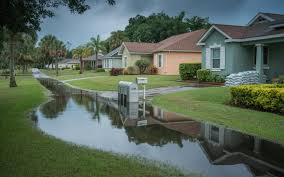
Flood Risk Awareness: A Helpful Guide for Florida Homeowners
Introduction
Florida is known for its sunshine, beautiful beaches, and vibrant communities, but it’s also one of the most flood-prone states in the U.S. With hurricanes, heavy rainfall, storm surges, and occasional tornadoes, homeowners in the Sunshine State face unique challenges when it comes to protecting their property. Whether you are purchasing a new home, renovating your current property, or simply planning ahead, understanding flood risks and taking preventative measures is crucial. As the saying goes, prevention is better than cure—especially when it comes to protecting your home and family.
This guide will equip Florida homeowners with the knowledge and strategies needed to mitigate flood-related risks, preserve property value, and ensure peace of mind during hurricane season or unexpected weather events.
Curious What Your Home Might Be Worth?
Home values across Palm Beach County and South Florida change constantly. See what buyers may currently be willing to pay for homes in your neighborhood.
Check Your Home Value →What to Consider When Buying a Home in Florida
Buying a home is more than choosing the right floor plan or selecting a neighborhood with great amenities. Your property’s location plays a vital role in determining flood risk. Before purchasing, consider the following factors:
1. Location and Elevation
Low-lying areas and properties near rivers, lakes, or the coastline are naturally more prone to flooding. Homes built on elevated land or with higher foundations have a lower risk of flood damage. Check FEMA flood maps and local zoning regulations to assess your potential property’s risk.
2. Proximity to Amenities
During emergencies, access to hospitals, schools, supermarkets, and essential services is critical. Being close to resources can make evacuations easier and provide quick access to help if a flood occurs.
3. Structural Suitability and Modifications
Some homes are better designed to withstand floods than others. Properties with basements or older foundations may require modifications to prevent water intrusion. Engaging a qualified inspector or contractor can help identify potential vulnerabilities.
4. Expert Guidance
Enlisting the help of a knowledgeable estate agent familiar with flood zones and local building codes can make a significant difference. Their expertise will help you navigate the complexities of buying a home in a flood-prone area and ensure that you make an informed, confident decision.
The Importance of Risk Assessments
A comprehensive risk assessment is a key step for any Florida homeowner, whether buying a new home or safeguarding an existing property. Risk assessments identify potential hazards, allowing you to take proactive steps to mitigate them.
Benefits of a Risk Assessment:
-
Identifies flood-prone areas around your home and neighborhood
-
Highlights vulnerabilities in your home’s structure or systems
-
Provides recommendations for preventative measures, including drainage improvements and reinforcement of foundations
-
Helps determine appropriate insurance coverage to protect against potential losses
Ultimately, a risk assessment empowers homeowners to make informed decisions, reduce potential damages, and enhance safety and resilience against floods and other natural disasters.
See What’s on the Market Right Now
If you're researching homes in Palm Beach County or anywhere in South Florida, explore current listings by city and see what’s available right now.
Explore Homes by CityNatural Disaster Risks in Florida
Florida’s unique geography comes with a variety of natural disaster risks. Understanding these threats helps homeowners prepare more effectively:
1. Hurricanes
Florida is situated in the heart of hurricane territory. Hurricanes bring high winds, torrential rainfall, and storm surges that can inundate coastal communities. Hurricane season runs from June 1st to November 30th, keeping residents alert each year.
2. Flooding
Heavy rainfall, combined with Florida’s flat terrain and sometimes inadequate drainage systems, can result in flash floods and riverine floods. These floods can affect both coastal and inland areas.
3. Tornadoes
While less frequent than hurricanes, tornadoes can cause localized destruction, posing risks to homes and property.
Being aware of these natural hazards and their seasonal patterns allows homeowners to take timely precautions, such as installing flood barriers or creating an evacuation plan.
Types of Floods in Florida
Floods in Florida can be categorized as either natural or non-natural. Understanding these distinctions is critical for effective prevention and mitigation.
Natural Floods
Natural floods occur due to environmental factors:
-
Heavy Rainfall: Intense or prolonged rainfall can overwhelm drainage systems and saturate soil, leading to surface runoff.
-
Overflowing Rivers and Lakes: Rivers and lakes can overflow their banks during heavy rains, inundating surrounding properties.
-
Storm Surges: Hurricanes or tropical storms push seawater inland, flooding coastal areas.
-
Inadequate Drainage: Aging or poorly maintained drainage infrastructure can exacerbate flooding, particularly in urban areas.
Non-Natural Floods
Non-natural floods, also called indoor or artificial flooding, result from issues inside the home or property:
-
Plumbing Failures: Leaking or burst pipes, faulty fixtures, or damaged connections can cause significant water damage.
-
Appliance Malfunctions: Dishwashers, washing machines, and water heaters may malfunction, leading to water accumulation.
-
Roof Leaks: Damaged roofs can allow water to enter, causing interior flooding.
-
Basement Seepage: Poor foundation drainage or cracks in walls can allow groundwater to seep inside.
Preventing non-natural floods involves regular maintenance, inspections, and the installation of water detection systems or backflow valves.
How to Prepare Your Home for a Flood
Even with local government measures in place, homeowners must take proactive steps to protect their property. Here’s how:
1. Elevate Essential Items
Raise appliances, electrical outlets, and valuables off the ground. Consider shelving or platforms for items in low-lying areas to prevent water damage.
2. Secure Utilities
Elevate electrical panels, heating systems, and HVAC units above potential flood levels. Install backflow valves on sewer lines to prevent sewage backups.
3. Create a Flood Emergency Kit
Assemble supplies including non-perishable food, water, flashlights, batteries, first aid supplies, and important documents. Store them in a waterproof container and keep them easily accessible.
4. Develop an Evacuation Plan
Plan routes and designate a meeting point outside flood zones. Know your local emergency shelters and evacuation procedures.
5. Install Flood Barriers
Sandbags, flood gates, and door seals can help keep water out. Check for gaps or cracks in walls and foundations and seal them as needed.
6. Review Insurance Coverage
Standard homeowners’ insurance policies often exclude flood damage. Purchase flood insurance if you live in a flood-prone area to protect your property and belongings.
7. Stay Informed
Monitor weather forecasts, flood warnings, and emergency alerts. Staying informed allows you to act quickly if a flood is imminent.
Final Thoughts
Florida’s natural beauty comes with inherent risks. Floods are unpredictable and can have devastating consequences if not planned for. Conducting a risk assessment, preparing your home, and staying informed are crucial steps to minimize potential damage and safeguard your family.
Taking these precautions not only ensures safety but can also enhance your home’s value and resale potential. By being proactive, Florida homeowners can navigate hurricane season and unexpected weather events with confidence, knowing their homes and families are better protected.
Real Estate Resources for South Florida
If you're researching homes or following the South Florida real estate market, exploring listings and property values can provide helpful context for understanding local neighborhoods and housing trends across Palm Beach County.
About the Authors
Chris and Sue Kull are South Florida real estate professionals with more than three decades of experience helping buyers, sellers, and property owners navigate the housing market throughout Palm Beach County and surrounding communities.
Their work focuses on providing clear information, local market insight, and practical guidance so clients can make confident real estate decisions. Over the years they have built a trusted network of industry professionals—including lenders, inspectors, contractors, and legal specialists—to support every stage of the real estate process.
You can explore additional resources, community guides, and real estate tools at www.TheKullGroup.com.
If you have questions about buying, selling, or understanding the local real estate market, you can reach out through our contact page.