Home Automation in South Florida: Making Your Home Smarter, Safer, and More Efficient
Home automation has moved well past novelty. For a lot of Palm Beach County homeowners, it's become part of how they manage a property they're not always standing in front of — whether that's a seasonal resident splitting time between Wellington and somewhere up north, or a full-time Boca Raton homeowner who just wants to know the AC didn't run all day while nobody was home. Smart thermostats, lighting, appliances, and security systems all do a version of the same thing: they let you manage a home remotely instead of hoping everything's fine until you get back.
In our experience working with owners across Boynton Beach, Lake Worth, and Royal Palm Beach, the homeowners who get the most out of automation aren't necessarily the ones with the most devices — they're the ones who started with the one or two systems that actually matched a real problem they had, rather than trying to automate everything at once. That's the lens we'll use throughout: not what a device can do, but what specific ownership problem it actually solves for a South Florida homeowner.
Smart Thermostats: The Gateway to Home Automation
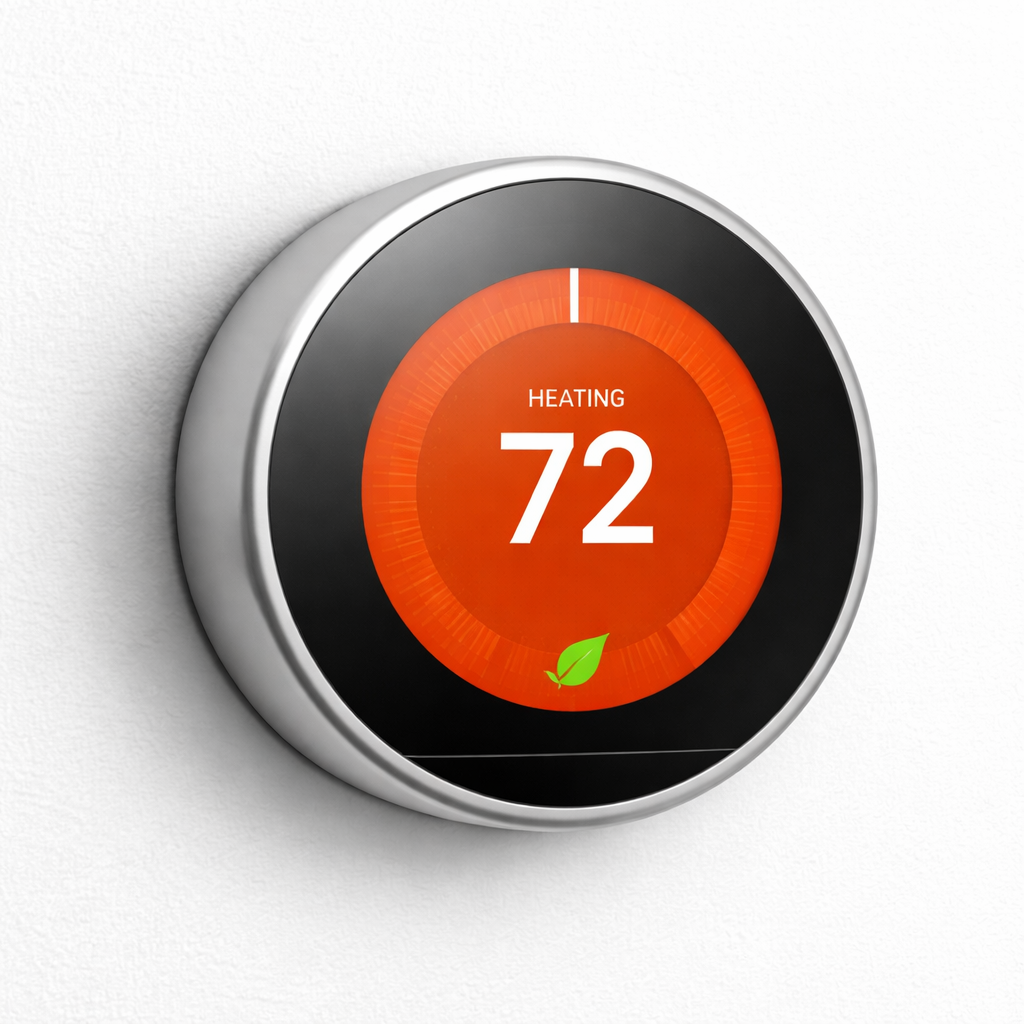
The real problem a smart thermostat solves for a lot of owners here isn't comfort — it's the cost of conditioning a home nobody's using. A seasonal resident who's away five or six months a year is often still paying to keep a property cooled to full-occupancy standards the entire time, simply because there's no easy way to dial it back without arriving to a hot, humid house. That's the gap a smart thermostat actually closes: temperature control from a phone, tablet, or voice assistant, with the ability to pre-cool before you arrive instead of running full cooling year-round out of habit.
Energy Savings and Comfort
Air conditioning is typically the largest single line item in a South Florida home's energy use, so scaling it back during genuinely unoccupied stretches — not just an afternoon, but weeks or months at a time for seasonal owners — is where the savings actually accumulate. Reported figures vary by household and system, so we won't put a number on it, but the mechanism is straightforward: less runtime while nobody's there, ramped back up before you're back. It also matters for a reason beyond the utility bill — running the AC at some baseline level while a home sits empty is part of what keeps humidity low enough to protect the structure itself, which is a separate and, in this climate, arguably more important reason not to just shut it off entirely.
Learning Your Habits for Optimal Climate Control
Many smart thermostats build a rough model of your routine over the first few weeks of use — when you tend to leave, when you're back, which rooms actually get used — and adjust automatically from there. It's not perfect out of the box, but for households with a fairly consistent schedule, it tends to reduce the need for manual adjustments over time.
Smart Appliances: Convenience at Your Fingertips
Automation has extended well into the kitchen and utility areas. Refrigerators, ovens, washers, and coffee makers with smart capability can generally be checked or controlled remotely through an app — a minor convenience for a full-time resident, but a genuinely practical one for owners managing a property from a distance, or coordinating with a property manager who's checking in on their behalf between visits.
Remote Monitoring and Control
Depending on the model, a smart refrigerator can flag when certain staples are running low or let you check its contents from the grocery store, and an oven can often be preheated on your way home. Higher-end appliances sometimes include built-in cameras or touchscreens, though the practical value of those extras varies a lot by household.
Safety and Peace of Mind
The more consistently useful feature, in our experience, isn't the flashy stuff — it's the ability to confirm a stove or oven is actually off from your phone. For anyone who travels frequently or manages a second property in the area, that single feature tends to do more for peace of mind than the rest of the smart-kitchen ecosystem combined.
Smart Lighting: Security and Ambiance
Lighting automation solves two fairly different problems: making an unoccupied home look occupied, and separately, making an occupied one more comfortable to live in day to day.
Automated Lighting for Security
Many homeowners in this market use scheduled or randomized lighting specifically to avoid the telltale signs of a vacant house — especially seasonal residents whose homes sit empty for stretches during the year. We see the same logic show up on the real estate side, too: when we're preparing a vacant listing for showings, scheduled lighting is one of the simplest ways to keep a property from reading as empty to buyers walking the neighborhood or driving by after hours, well before anyone sets foot inside.
Voice Control and Customization
Beyond security, lighting can be adjusted by voice or app for brightness, color, or zones, and many systems tie into motion sensors or cameras to respond automatically to activity rather than requiring a manual trigger every time.
Centralized Integration: Making Your Home Truly Smart
Individual smart devices are useful on their own, but the real shift happens once they're on a shared platform. Amazon Alexa, Google Home, and Apple HomeKit are the main hubs most homeowners land on, and each lets you manage multiple brands and device types from a single interface instead of juggling separate apps. It's also increasingly a question buyers ask directly during showings in this market — not as a dealbreaker, but as a genuine part of how they're evaluating whether a home fits how they actually want to live in it.
Choosing the Right Platform
Compatibility is the practical constraint here — not every device works cleanly with every hub, so it's worth checking before buying rather than after. A well-integrated setup can chain a single command like "good night" into several actions at once: thermostat down, lights off, doors locked.
Seamless Device Management
Once integrated, the home responds to routines instead of requiring you to manage each device individually — which is really the point of automation in the first place, rather than an afterthought.
Smart Security and Monitoring
Security is where automation solves the clearest, highest-stakes problem for owners in this market: knowing what's actually happening at a property you're not standing in front of — including during and immediately after a storm, when checking on a home in person isn't always possible right away. Smart locks, cameras, and motion sensors provide a level of real-time visibility that simply wasn't available a decade ago, and for owners managing a second property here, that visibility often matters most in exactly the weeks around hurricane season, not just day-to-day.
Real-Time Alerts and Remote Access
Being able to see who's at the door, grant temporary access to a contractor or guest, and get notified of unusual activity — all from a phone — has become a fairly standard expectation rather than a luxury feature.
Integration with Lighting and Alarms
Security systems increasingly talk to lighting and alarms directly, so motion detection can trigger lights or an alert without a separate manual step. For homeowners managing a second property in the area, that kind of layered response is often the actual reason they invested in security automation in the first place, more than the cameras themselves.
Energy Efficiency and Sustainability
Beyond comfort and security, automation tends to reduce waste simply by removing the human error factor — lights left on in empty rooms, appliances running longer than needed. For a property that sits vacant part of the year, that's less about a smaller carbon footprint and more about not paying, month after month, to run a home at full capacity for nobody. Some platforms also provide usage reports that make it easier to see where energy is actually going, which is useful information on its own regardless of what you do with it.
Wondering What Smart Home Upgrades Mean for Your Home's Value?
Whether you're upgrading to stay or thinking ahead to a future sale, it's worth understanding where your home actually stands today.
See Your Home ValueWhat This Means If You're Weighing These Upgrades
Not every smart home feature is worth the investment for every household, and that's worth saying plainly. A full-time Wellington family with a predictable schedule gets less out of remote thermostat control than a part-time owner who's away for months at a stretch. Security automation tends to matter most for exactly that second group — seasonal residents and second-home owners — where the property sits unattended long enough that real-time visibility isn't a convenience, it's practical risk management. The thread running through all of it is the same one from the start of this article: the automation worth paying for is the kind that solves a real problem you actually have, not the kind that simply adds another device to manage.
It's also worth a conversation with your insurance carrier before assuming automation changes your coverage or premium — some insurers do offer discounts for monitored security systems, but terms vary enough by carrier that it's not something to assume without checking. The same goes for hurricane season specifically: automated systems can help you monitor a property remotely during and after a storm, but they don't replace the physical preparation South Florida homes need heading into that annual cycle.
The Future of Home Automation in South Florida
The technology keeps getting better at anticipating routines rather than just responding to commands, and that trend seems likely to continue. For homeowners across Boca Raton, Lake Worth, and the rest of Palm Beach County, the practical upside isn't really about having the newest gadget — it's about a home that requires less active management from you, whether you're across town or across the country.
Frequently Asked Questions
Do smart home features actually affect a home's resale value?
They can be a modest positive, particularly security and lighting systems that buyers can see the practical value in immediately, but they're rarely a primary driver of price the way location, condition, or square footage are — and the effect depends a fair amount on buyer expectations, the quality of the installation, and the neighborhood itself. In our experience, well-integrated systems tend to help a home show better and feel more move-in ready, which matters more at the showing stage than in a formal appraisal.
Is it worth automating a home I'm only in part of the year?
Often, yes — this is where automation tends to deliver the clearest value. Remote monitoring, scheduled lighting, and thermostat control address real risks that come with extended vacancy — energy waste, undetected issues, and the appearance of an empty house — in a way that's harder to manage from a distance without it.
Real Estate Resources for South Florida
If you're researching homes or following the South Florida real estate market, exploring listings and property values can provide helpful context for understanding local neighborhoods and housing trends across Palm Beach County.
About the Authors
Chris and Sue Kull are South Florida real estate professionals with more than three decades of experience helping buyers, sellers, and property owners navigate the housing market throughout Palm Beach County and surrounding communities.
Their work focuses on providing clear information, local market insight, and practical guidance so clients can make confident real estate decisions. Over the years they have built a trusted network of industry professionals—including lenders, inspectors, contractors, and legal specialists—to support every stage of the real estate process.
You can explore additional resources, community guides, and real estate tools at www.TheKullGroup.com.
If you have questions about buying, selling, or understanding the local real estate market, you can reach out through our contact page.