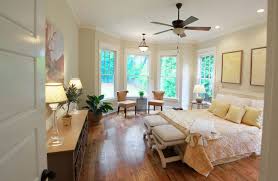
Staging a Palm Beach County Home: The Order to Do It In, and What It Can't Fix
Staging advice arrives as a checklist, and checklists imply that every item carries equal weight. They do not. Some of what follows changes how a home photographs and shows; some of it is a rounding error; and one common piece of advice creates a problem rather than solving one.
What a checklist also leaves out is sequence. Doing these in the wrong order means paying twice — painting before the floors go in, styling a room you later empty, buying accessories for a palette you end up changing. This is the same material organised the way you would actually execute it, with the local adjustments that matter and an honest account of where staging stops working.
If you want the room-by-room version — what to do in the kitchen, the primary bedroom, the lanai — that is covered separately in our room-by-room staging guide. This page is about the order, the budget, and the limits.
The Order That Saves Money
Work outward from what is permanent toward what is decorative. Every step assumes the ones before it are finished.
First: empty it. Declutter and remove personal items before anything else, because every subsequent decision depends on seeing the actual room. Personal photographs, children's artwork, collections, and memorabilia come out. So does a meaningful share of the furniture in a lived-in home — a third is a workable starting figure. Pack what you will not need before the move — you are moving anyway, and boxes in a storage unit cost less than the impression of a full house.
Second: clean, deeply and once. After the room is empty, not before. Tile and grout, baseboards, window sills and tracks, inside cabinets and closets, behind and under furniture, and the appliances inside and out. Kitchens and bathrooms carry disproportionate weight because buyers read them as evidence of how the whole house has been maintained.
Third: repair and paint. Anything that needs fixing gets fixed before anything gets styled. Paint last among the permanent items, because it is the cheapest way to unify a house and the easiest thing to get wrong if the palette question below has not been settled.
Fourth: arrange. Now the furniture. Pull pieces off the walls, define conversation groupings, use rugs to anchor zones, and leave walking paths of about three feet. Give every room a single obvious purpose — a spare bedroom staged as an office reads as a room; the same space holding boxes reads as storage.
Fifth: light it. Clean the glass, open every covering fully, and replace dim or mismatched bulbs so every fixture in a room throws the same colour. Layer in table and floor lamps where ceiling light alone leaves shadows. Mirrors placed opposite windows extend daylight further into a room.
Sixth: style it. Only now. Greenery, a few art pieces, throw pillows, small arranged groupings on counters and tables. This is the layer people start with and it is the layer that matters least — it is finishing, not fixing.
Throughout: storage. Closets, pantries, and the garage get opened. Cramming them defeats the decluttering you did in step one. Baskets and matching containers show capacity rather than concealing volume. This carries extra weight locally, because homes here have no basements and can have limited usable attic space — visible closet and garage capacity is the whole storage story a buyer gets.
The Palette Question, Which Is Different Here
Neutral walls are sound advice and the reasoning holds: they let buyers focus on the architecture rather than your taste, and they signal that nothing needs repainting on move-in.
The specific colours deserve a second look in this climate. South Florida daylight is intense and high in colour temperature, and it changes how paint reads once it is on a wall. Cool grays that photograph beautifully in a magazine shot can go flat, blue, or cold in a room taking direct light off a white pool deck or a light-coloured roof. Warmer neutrals — soft beige, creamy off-white, pale taupe, greige — tend to hold their intended character under that light.
The practical step is unglamorous and it saves repainting: buy samples, paint large patches on more than one wall in the room, and look at them at three different times of day before committing. Judging a chip under store lighting is how a house ends up grey-blue.
The Advice to Skip
Two items from standard staging guidance need correcting rather than repeating.
Do not bake cookies, simmer cinnamon, or diffuse oils. The impulse is understandable and the execution backfires. Buyers and their agents recognise a strongly scented house immediately, and the reading is not "welcoming" — it is "what is being covered." Scent sensitivity and allergies are also common enough that a diffused oil can shorten a showing rather than extend it.
There is a more serious version of this locally. A musty smell in South Florida indicates moisture — a plumbing leak, a blocked air conditioning condensate line, a roof issue, or humidity sitting in a closed-up house. Masking it leaves the problem, rarely works, and edges toward your disclosure obligation for known material defects. Find the source. A house that has been cleaned and properly ventilated smells like nothing, and nothing is the target.
Be careful with sound masking. Soft instrumental music at low volume is fine. Deploying white noise machines or fountains specifically to cover traffic noise from a nearby road is a different act — you are obscuring a condition the buyer is entitled to evaluate, and they will discover it on the second visit anyway. Silencing a noisy appliance or a beeping alarm is housekeeping. Masking the environment is not.
Where the Budget Should Go
Staging spend has a clear hierarchy, and it is close to the reverse of where people's attention naturally goes.
Deep cleaning and decluttering return more than anything else and cost the least. Paint is next — the highest visual change per dollar available. Then lighting, which is inexpensive and consistently underdone. Furniture rental for a vacant home is worth it, because empty rooms photograph poorly and buyers struggle to judge scale without reference points. Decorative accessories come last and can largely be borrowed from elsewhere in your own house.
What is not staging spend, and gets confused with it, is renovation. New counters, updated cabinets, and replaced flooring are improvements, and whether they pay back is a separate calculation with a different answer — it is the distinction drawn in updates that build buyer confidence versus over-improving. Staging presents what exists. Renovation changes it. Confusing the two is how a modest presentation budget becomes a five-figure project.
What Staging Actually Does
The claim that staging sells homes faster and for more money is repeated widely, and appeared in this page's earlier version. It deserves a more careful statement.
The evidence generally cited comes from surveys of agent opinion rather than controlled measurement, and agents have a professional stake in the answer. That does not make staging worthless — it means the mechanism is narrower than the headline.
What staging reliably does: produces better listing photographs, which matters because a buyer's first impression forms online and is difficult to revisit. Communicates the intended use of each room. And signals that the property has been cared for, which colours how everything else gets interpreted, including things staging did not touch.
What it does not do: add value that is not there, or compensate for condition. A well-staged home with an aging roof, dated supply plumbing, or deferred systems photographs well and negotiates poorly, because buyers here bring insurance and financing questions that styling does not answer. Presentation gets a property fully considered. The property determines what happens next.
The "sells in any market" framing also needs qualifying, because market conditions change what staging is for. When inventory is tight and comparable homes move quickly, presentation mostly affects how fast and how confidently offers arrive. When inventory is looser and buyers have choices, it affects whether your home makes the shortlist at all. Same work, different job — which is part of why pricing strategy has to move with conditions rather than staying fixed.
How This Plays Across the County
The same staging effort does different work depending on what your home is being compared against.
In the tract inventory across Royal Palm Beach and Greenacres, where competing listings share floor plans and finish levels, presentation is close to the only variable you control — two identical homes at a similar price are separated by photographs. The opposite applies to the older character housing around Lake Worth Beach and parts of West Palm Beach, where neutralising everything can strip out the quality a buyer is shopping for; original tile, plaster detail, and period fixtures are assets to clean and light rather than paint over.
Boca Raton and Delray Beach carry a higher baseline expectation at the upper price points, where professionally presented listings are the norm and an unstaged home reads as an outlier. Wellington's larger homes raise a budget question instead of a strategy one — more rooms means staging cost scales, and a partial job that covers the main living spaces and leaves the rest bare can look worse than a consistent lighter touch throughout. And sellers positioning for a move up the Palm Beach to Port St. Lucie corridor are often staging a home they are still living in while shopping for the next one, which makes the reversible, low-commitment version of all this the practical choice.
A pattern worth naming: sellers tend to stage for the home they wish they had rather than the one they are selling. The instinct is to add — accessories, colour, another lamp. The reliable move is to subtract, then clean, then light. A room will often read better once a third of what is in it leaves.
Showing Day
A short walkthrough before each showing preserves the work. Lights on throughout, including closets. Every window covering open. Surfaces clear. Pet bowls, toys, and litter boxes out of sight. Fresh towels. Trash emptied. Toilet lids down.
Timing helps more than people expect. Direct midday sun through a west-facing window blows out both photographs and first impressions, so scheduling showings and the photography shoot for gentler light is free and effective — part of the broader point that preparation and timing shape negotiating position before any negotiating starts.
Not Sure How Much to Spend Before Listing?
The staging budget that makes sense depends on where your property currently sits in the market — the right number at one price point is the wrong number at another. Worth knowing before you commit to anything.
Want a Read on Your Specific Rooms?
Walk us through the house — what you've already done, what you've been meaning to get to, and your timeline. We'll tell you what we'd prioritise, what we'd skip entirely, and what buyers in your particular area react to. That conversation is more useful than any general checklist.
Frequently Asked Questions
What is the single highest-return thing I can do?
Remove about a third of what is in each room, then clean thoroughly. It costs your time rather than your money, it makes rooms read larger and photograph better, and it makes every later step easier and cheaper. Paint comes second for visual change per dollar, and lighting third because it is inexpensive and consistently underdone. Accessories are the layer people start with and the layer that changes the outcome least.
Should I paint everything gray?
Neutral is right; cool gray specifically is worth testing before committing. South Florida daylight is intense and high in colour temperature, and cool grays can read flat or blue in rooms taking direct light, particularly where a pale pool deck or light roof reflects into the space. Warmer neutrals — soft beige, creamy off-white, greige, pale taupe — tend to hold their intended character. Buy samples, paint large patches on more than one wall, and look at them morning, midday, and late afternoon before buying gallons.
Is professional staging worth paying for?
It depends on the property more than the price point. Vacant homes benefit most, because empty rooms photograph poorly and buyers cannot judge scale without reference. Occupied homes in reasonable condition can capture much of the available benefit from decluttering, deep cleaning, and editing what is already there. Before hiring anyone, get an honest read on whether your issue is presentation or condition — staging a home with deferred systems spends money on the wrong problem, and the systems question will surface at inspection regardless.
About the Authors
Chris and Sue Kull are South Florida real estate professionals with more than three decades of experience helping buyers, sellers, and property owners navigate the housing market throughout Palm Beach County and surrounding communities.
Their work focuses on providing clear information, local market insight, and practical guidance so clients can make confident real estate decisions. Over the years they have built a trusted network of industry professionals—including lenders, inspectors, contractors, and legal specialists—to support every stage of the real estate process.
You can explore additional resources and real estate tools at www.TheKullGroup.com, or reach out through our contact page.