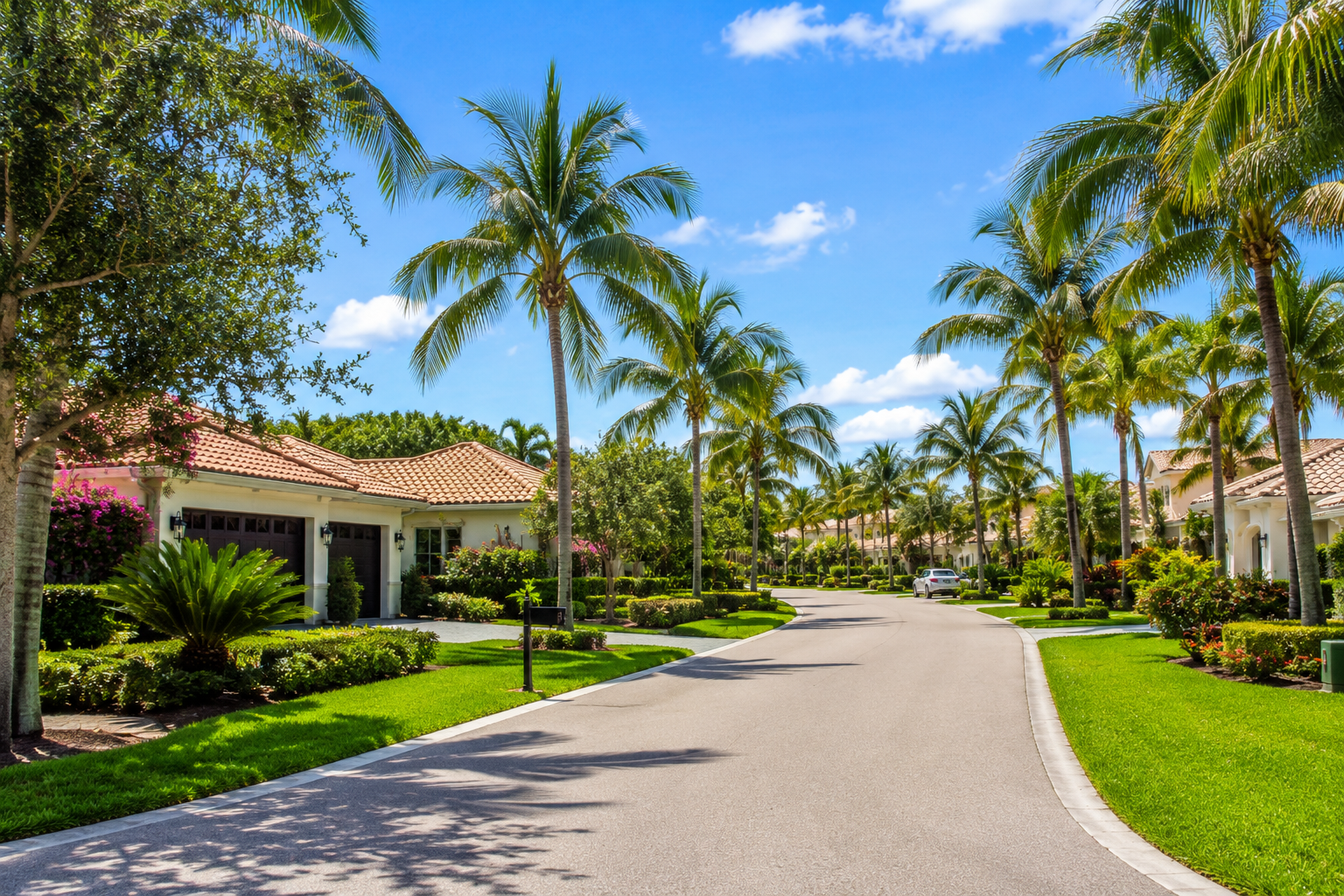
 What Buyers and Sellers Should Understand About Wellington, FL
Wellington FL real estate is often discussed through its most visible traits: gated communities, equestrian properties, strong neighborhoods, and a lifestyle that feels more organized than many parts of South Florida. Those impressions are not wrong, but they are incomplete. Wellington is a place where daily routines matter as much as the home itself. The way people experience the city depends on commute patterns, school-year rhythms, seasonal traffic, HOA expectations, property maintenance, and how much structure they want around their day-to-day life. For some buyers, Wellington feels calm, polished, and practical. For others, it can feel more spread out, more association-driven, or less spontaneous than they expected. Sellers also need to understand that buyers are not only evaluating bedrooms, finishes, and square footage. They are trying to decide whether the lifestyle behind the address fits the way they actually live.
Wellington Makes the Most Sense When Daily Life Matches the Setting
Some communities look appealing from a distance but feel different once routines settle in. Wellington is one of those places where the fit becomes clearer after someone imagines an ordinary Tuesday, not a weekend showing.
The city tends to reward people who value space, order, neighborhood consistency, and a quieter residential rhythm. Many areas feel intentionally planned. Streets often have a calmer pace than denser coastal markets. Homes may offer larger lots, more separation, or a stronger sense of privacy than buyers find farther east.
That structure is part of the appeal.
It is also part of the tradeoff. Wellington is not usually the choice for someone who wants constant walkable nightlife, quick coastal access, or the energy of a more urban environment. The city functions differently. Life is often built around school schedules, work commutes, errands, equestrian activity, youth sports, community routines, and home-centered living.
For the right buyer, that feels grounding. For the wrong buyer, it can feel too quiet or too spread out. That distinction matters because satisfaction in Wellington often comes from compatibility, not surface admiration.
The Ownership Experience Is More Layered Than the First Impression
Wellington homes can present beautifully. Many neighborhoods have mature landscaping, thoughtful layouts, gated entrances, or a polished residential feel. But ownership here is not only about how a property looks. It is about what the home requires over time.
HOA expectations can shape everything from exterior appearance to maintenance standards. Larger homes may carry higher upkeep demands. Pool care, landscaping, roof age, insurance considerations, storm preparation, and association rules can all become part of the ownership rhythm.
People sometimes underestimate that.
A buyer may fall in love with the privacy of a larger lot, then later realize the landscaping requires more attention than expected. Another may appreciate a gated community but need to understand the association’s rules, fees, and approval process before making assumptions. Equestrian-area buyers may be drawn to land, barns, and space, but those properties require a different level of operational awareness than a typical suburban home.
Wellington can be an excellent place to own property, but it favors buyers who understand the full environment they are entering. The home is only one piece. The neighborhood structure, carrying costs, maintenance expectations, and daily logistics all shape the experience.
Buyers Often Need to Look Past the Lifestyle Image
Wellington has a strong identity, and strong identities can simplify decision-making too much. A buyer may hear “Wellington” and immediately think of equestrian life, family neighborhoods, good residential structure, or a certain level of stability. Those associations are common for a reason, but they do not apply the same way across every property or every part of the city.
One buyer may be looking for a gated community with predictable surroundings. Another may want acreage. Another may care most about school access, commute patterns, or proximity to shopping and medical services. Someone else may want a seasonal home tied to equestrian activity but not understand how different winter and summer rhythms can feel.
The question is not simply whether Wellington is desirable. The better question is which version of Wellington fits the buyer’s actual life.
That is where many search decisions become more practical. Buyers comparing Wellington homes for sale should pay attention to how each neighborhood affects routine, not just how the listing appears online. A beautiful home in the wrong daily pattern can become frustrating. A less dramatic home in the right setting can feel better after six months than it did on day one.
Wellington rewards thoughtful comparison. It does not reward assumptions.
Explore Homes by City
If you're comparing areas, home types, or neighborhood environments, browsing homes by city can help put pricing and location tradeoffs into perspective.
Explore Homes by CityWhere Wellington Sits Within Palm Beach County
Wellington occupies a specific place in Palm Beach County’s housing landscape. It is not coastal in the way Jupiter, Juno Beach, or Delray Beach are coastal. It is not as urbanized as West Palm Beach. It does not feel like a purely inland affordability play either.
Its position is more nuanced.
Wellington often appeals to people who want South Florida access without living directly in the coastal flow. They may want more residential quiet, more room, more neighborhood structure, or a different pace than they find east of I-95. At the same time, they still want access to Palm Beach County employment, shopping, medical services, schools, recreation, and regional routes.
The tradeoff is distance. Depending on where someone works, travels, or spends their free time, that distance can feel minor or meaningful. Commutes toward the coast, downtown West Palm Beach, Boca Raton, or northern Palm Beach County need to be considered honestly. A drive that feels reasonable during a weekend showing may feel different during a regular workweek.
This is also where nearby-city comparisons become useful. Someone considering Wellington may also look at communities farther east or south depending on commute needs, price sensitivity, and lifestyle preferences. For example, buyers reviewing Boynton Beach homes for sale may be weighing a different mix of access, density, coastal proximity, and housing variety.
Neither choice is automatically better. The right answer depends on the life being built around the home.
What This Means for Buyers and Sellers in South Florida
For buyers, Wellington requires a more complete evaluation than a simple neighborhood preference. The city can be a strong fit for people who want stability, space, school-year structure, equestrian access, or a quieter residential environment. It may be less ideal for buyers who want immediate coastal proximity, dense walkability, or a less structured ownership setting.
That does not make Wellington limited. It makes it specific.
Specificity matters in real estate because the best decisions usually come from alignment. Buyers should look at commute routes, community rules, property maintenance, insurance considerations, HOA expectations, and how the home supports their actual routine. A Wellington property can look appealing in photos and still be the wrong fit if the daily pattern feels inconvenient.
For sellers, the message is different but connected. Wellington buyers are often lifestyle-sensitive. They may care about condition, privacy, neighborhood feel, school access, association stability, outdoor space, and whether the property feels manageable. Sellers who understand those concerns can position the home with more clarity.
This does not mean overstating the lifestyle or trying to make every home sound exceptional. Buyers can sense that quickly. Strong positioning comes from explaining the property honestly: what kind of living pattern it supports, what it offers that is hard to replicate, and what a buyer should understand before comparing it with other South Florida options.
In Wellington, buyer caution is often practical rather than negative. People want to know whether the home will work after the excitement of the purchase fades.
Seller Psychology Is Different in a City With Strong Identity
Sellers in Wellington often know the city has a recognizable reputation. That can create confidence, but it can also create blind spots.
A strong city identity does not automatically carry every listing. Buyers still compare condition, layout, lot utility, HOA fees, roof age, insurance exposure, renovation quality, and neighborhood fit. They also compare the home against alternatives in nearby communities that may offer different tradeoffs.
A seller may think, “This is Wellington, so buyers will understand the value.” Some will. Others need the value translated clearly.
That translation matters. A home near equestrian activity may appeal strongly to one buyer and mean very little to another. A gated community may create confidence for one household and feel restrictive to someone else. A larger lot may feel like freedom to one buyer and maintenance to another.
The goal is not to convince every buyer. It is to help the right buyer understand why the property fits the life they are trying to create.
Pricing also needs discipline. In a city with strong emotional appeal, sellers can sometimes overvalue the idea of the location while buyers focus more narrowly on condition, cost, and comparison. The market responds best when the story of the home and the reality of the home are aligned.
Long-Term Livability Comes Down to Fit, Not Image
Living in Wellington FL can feel peaceful, structured, and deeply practical when the fit is right. The city supports people who want residential calm, community consistency, room to breathe, and a lifestyle that feels less compressed than some other South Florida markets.
But the same qualities that attract one person can create friction for another.
Distance from the coast may not matter to someone whose life is centered around schools, horses, home, and local routines. It may matter a lot to someone who wants beach access several times a week. HOA structure may comfort one owner and frustrate another. A larger home may feel like success at purchase and feel like work later if the household’s needs change.
That is why Wellington should be understood through lived experience, not reputation alone.
The city has a clear identity, but real estate decisions are personal. The better someone understands the rhythm of daily life, the more likely they are to choose well. The better a seller understands buyer psychology, the more accurately they can present the property. Wellington is not a one-size-fits-all answer. It is a strong answer for the right person, in the right property, with the right expectations.
Frequently Asked Questions
Is Wellington a good fit for buyers who want a quieter South Florida lifestyle?
Wellington can be a strong fit for buyers who want residential calm, neighborhood structure, space, and a more home-centered routine. It tends to work best for people who value planned communities, school-year rhythms, equestrian access, or a quieter inland setting. Buyers who want dense walkability, constant nightlife, or quick coastal access should compare the daily logistics carefully before deciding.
What should sellers understand before listing a home in Wellington?
Sellers should understand that Wellington’s reputation helps, but it does not replace strong positioning. Buyers still evaluate condition, pricing, roof age, insurance considerations, HOA costs, layout, and lifestyle fit. A well-presented Wellington home should make the property’s practical value clear, not just rely on the city name. The strongest listings help buyers understand how the home will function after closing.
Keep Exploring South Florida Real Estate
If you're comparing communities, evaluating lifestyle tradeoffs, or trying to better understand how different parts of South Florida align with your long-term goals, reviewing additional local resources can help create clearer perspective.
About the Authors
Chris and Sue Kull are South Florida real estate professionals with more than three decades of experience helping buyers, sellers, and property owners navigate real estate decisions throughout Palm Beach County and surrounding communities.