Florida’s New Coastal Strategy: What “Living Shorelines” Mean for Waterfront Property Owners
Waterfront living has always been one of the most desirable features in South Florida real estate. But behind that lifestyle is a growing reality: protecting property along the water is becoming more complex, more expensive, and more important than ever.
Florida’s latest move toward “living shorelines” signals a meaningful shift in how coastal protection will be handled going forward. Instead of relying almost exclusively on traditional concrete seawalls, the state is now encouraging natural and hybrid solutions designed to reduce erosion, absorb storm impact, and improve environmental health.
For homeowners, buyers, and sellers in Palm Beach County, this isn’t just environmental policy—it’s directly tied to property value, long-term costs, and future marketability. Understanding where this is headed can help you make smarter decisions, especially if you own or are considering purchasing waterfront property.
A Shift Away From Concrete: Why Florida Is Changing Its Approach
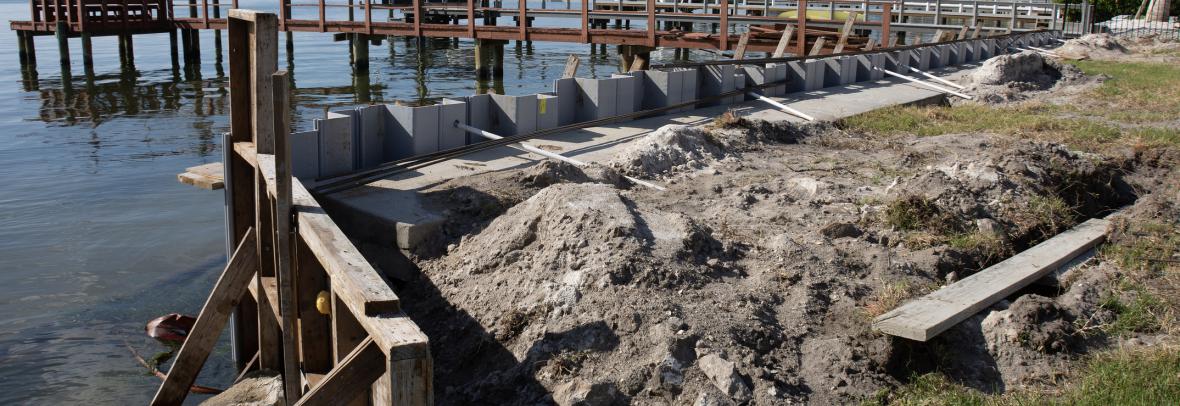
For decades, seawalls have been the standard solution for protecting waterfront homes. They’re familiar, relatively straightforward to install, and historically have moved quickly through permitting.
But they also come with limitations.
Concrete seawalls:
- Reflect wave energy instead of absorbing it
- Can deteriorate over time, especially with stronger storm activity
- Offer little environmental benefit
Florida’s new approach focuses on alternatives that work with nature rather than against it. These include features like mangroves, oyster beds, and hybrid systems that combine structural support with natural elements.
The thinking behind this shift is practical. Natural systems can:
- Reduce erosion more gradually
- Absorb storm surge instead of deflecting it
- Improve water quality and marine ecosystems
For waterfront homeowners, this could mean better long-term protection—potentially with lower maintenance costs over time.
Start Comparing Homes That Actually Fit Your Criteria
If you're evaluating options in Palm Beach County or South Florida, browsing homes by city can help you quickly understand pricing, condition, and location tradeoffs.
Explore Homes by CityFaster Permits and New Funding: What the Law Actually Changes
One of the biggest obstacles to using natural shoreline solutions in the past wasn’t interest—it was the process.
Traditional seawalls were easier to approve because regulators were familiar with them. Nature-based solutions often required more review, more coordination, and more time.
The new legislation aims to change that by:
- Streamlining the permitting process
- Creating clearer guidelines for approval
- Opening access to state funding for these projects
That funding component is significant. With hundreds of millions of dollars available through resilience programs, property owners and municipalities may now have financial support to explore alternatives that previously felt out of reach.
For homeowners in areas like West Palm Beach and Palm Beach Gardens, where waterfront property is both valuable and vulnerable, this could influence future renovation and protection decisions.
What This Means for Property Value and Long-Term Costs
This is where the conversation becomes highly relevant for real estate.
Waterfront property has always carried a premium—but it also carries risk. How that risk is managed can directly affect value.
Here’s how this shift may play out:
1. Maintenance Costs Could Change
Traditional seawalls often require periodic repairs or replacement. Living shoreline solutions, once established, may reduce ongoing maintenance—but they may require upfront planning and design.
2. Insurance and Risk Perception May Evolve
As insurers continue to assess coastal risk, properties with more resilient, adaptive shoreline protection could be viewed more favorably over time.
3. Buyer Expectations Will Adjust
As awareness grows, buyers may begin asking different questions:
- What type of shoreline protection is in place?
- Is it compliant with newer standards?
- Will it require future upgrades?
For sellers, this means that outdated or poorly maintained seawalls could become a negotiation point—or even a liability.
Get a Better Sense of What Your Home Could Command
If you’re starting to think about selling, checking your home’s current value can help you understand pricing expectations and how your property may fit today’s market.
Check Your Home ValueThe Technology Factor: Where Innovation Is Heading
One of the more interesting developments in this space is the emergence of hybrid solutions—structures that combine engineering with ecological design.
For example:
- Textured seawalls designed to support marine life
- Engineered systems that mimic natural root structures
- Materials that reduce wave energy while creating habitat
These innovations are still evolving, and regulations are catching up. But the direction is clear: future shoreline protection will likely look very different from the flat concrete walls we’ve seen for decades.
For property owners, this creates both opportunity and uncertainty. Early adopters may benefit from improved resilience and potential cost savings, but standards and best practices are still being defined.
What This Means for Buyers and Sellers in South Florida
This shift isn’t just technical—it’s practical.
For buyers:
- Waterfront properties now require deeper due diligence
- Understanding shoreline protection is as important as understanding the home itself
- Future costs and compliance should be part of your decision
For sellers:
- The condition and type of shoreline protection can impact value
- Updated or modernized systems may become a selling advantage
- Older seawalls may need to be addressed before listing
For homeowners:
- Planning ahead is key
- Waiting until repairs are urgent may limit your options
- Exploring new solutions early could provide both financial and structural benefits
In established communities like Wellington, this may be less immediate—but in coastal and waterfront-driven markets like Delray Beach, it’s becoming part of the broader real estate conversation.
A New Layer of Strategy for Waterfront Ownership
Owning waterfront property has always come with a balance of lifestyle and responsibility. What’s changing now is how that responsibility is managed.
This new direction toward living shorelines introduces:
- More options for protecting property
- More complexity in decision-making
- More opportunity to align long-term value with environmental resilience
For those considering buying, selling, or improving waterfront property in Palm Beach County, this isn’t something to overlook. It’s part of a larger shift that will likely shape the market over the next decade.
The most informed decisions moving forward will come from understanding not just the home—but the shoreline that protects it.
Keep Exploring South Florida Real Estate
If you're comparing communities, researching home values, or trying to better understand the South Florida market, reviewing local resources can help put each city and neighborhood into context.
About the Authors
Chris and Sue Kull are South Florida real estate professionals with more than three decades of experience helping buyers, sellers, and property owners navigate real estate decisions throughout Palm Beach County and surrounding communities.
Their work emphasizes local insight, practical guidance, and clear information to help people make informed decisions at every stage of the process.
You can find additional community guides, search tools, and market resources at TheKullGroup.com.