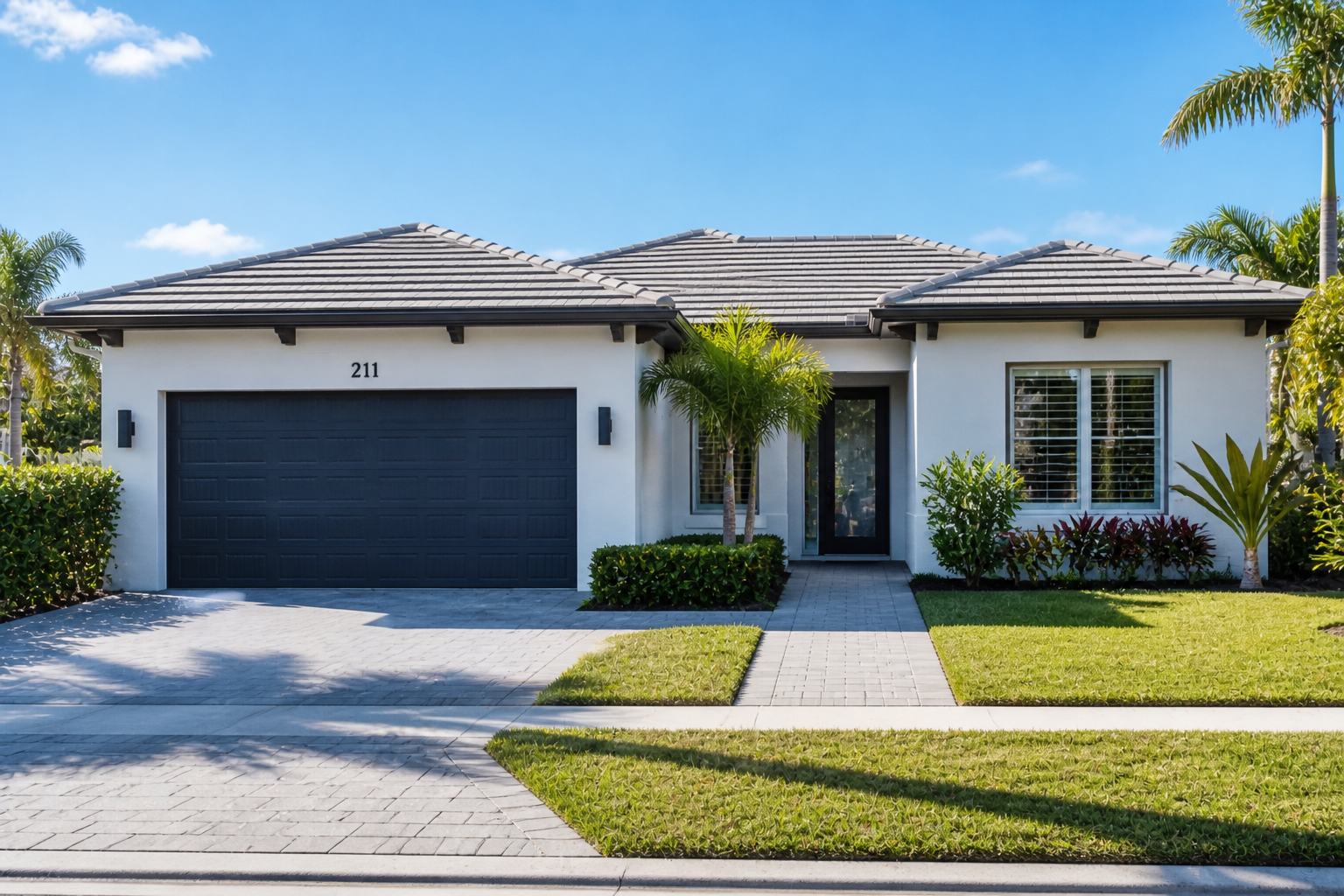
What Low-Maintenance Living Actually Means in Palm Beach County
For many homeowners in South Florida, the idea of “low-maintenance living” starts as a vague preference and slowly turns into a serious consideration. What once felt manageable—yard work, repairs, constant upkeep—begins to take more time and energy than it gives back. If you’ve been wondering what low-maintenance living means in Palm Beach County, it’s usually not about doing less for the sake of it. It’s about removing friction from your daily life. In areas like Delray Beach homes for sale, this shift is becoming more common as homeowners reassess how they want to live moving forward. The question isn’t whether your current home is “too much”—it’s whether it still fits the way you want to spend your time.
Low-Maintenance Doesn’t Mean Less Living—It Means Less Managing
There’s a misconception that moving into a lower-maintenance home means sacrificing space, comfort, or lifestyle. In reality, it often means the opposite. The difference isn’t in what you have—it’s in what you’re responsible for.
Think about what actually takes your time now. It’s rarely one big thing. It’s the accumulation: maintaining landscaping that grows year-round, keeping systems running in a humid climate, preparing for seasonal weather, addressing small repairs before they become larger ones. None of these are unusual—but together, they create a cycle.
In many South Florida homes, especially older properties or larger layouts, that cycle doesn’t pause. Low-maintenance living is about stepping out of that constant loop. It’s not about removing ownership—it’s about redefining what ownership requires from you day to day.
If You’re Thinking About Moving, It Usually Starts Here
Most homeowners don’t randomly decide to move. It builds over time. If you’re starting to think about selling and moving into something newer or easier to maintain, it usually comes down to one of these situations. Choose the one that feels closest to you.
Maintenance, repairs, or simply keeping up with everything may be taking more time and energy than you want to keep giving.
You’re trying to make a smarter financial move →You may be thinking about reducing expenses, using your equity differently, or moving into a home that fits your long-term plans better.
You want something newer, simpler, and easier to live in →Many homeowners reach a point where they want less maintenance, a more efficient layout, and a home that feels easier day to day.
Where Most Homes Start to Feel Like Work Instead of Comfort
The shift usually isn’t dramatic. It shows up in small decisions. You delay projects. You notice things you used to ignore. You start thinking ahead about what will need attention next.
In South Florida, this is amplified by the environment. Heat, moisture, and storms don’t just affect your home occasionally—they shape how often you need to stay ahead of things. Air conditioning systems run harder. Exteriors require more upkeep. Landscaping doesn’t slow down.
Over time, that turns into a pattern. Instead of enjoying the home, you’re managing it. And while nothing may be “wrong,” the experience changes.
This is often the point where homeowners begin to step back and look at what their home is worth today. Not because they’ve decided to move, but because they want to understand what their options actually are.
The Types of Homes That Actually Reduce Maintenance
Not every newer home or smaller property automatically means less work. The structure of the home matters more than the size.
In Palm Beach County, lower-maintenance living often shows up in a few specific ways. Newer construction tends to reduce near-term system concerns. Condos and townhomes shift exterior responsibilities away from the homeowner. Smaller, more efficient layouts reduce the amount of space you’re maintaining.
But the real difference is consistency. Homes designed with lower maintenance in mind tend to require less ongoing attention, not just fewer major repairs. That’s what changes the daily experience.
In areas like Lantana homes for sale, for example, some buyers find a balance between location and simpler property types that reduce the overall workload of ownership.
Why Waiting Often Makes the Decision More Difficult
Many homeowners recognize the shift but choose to push through it. They assume it’s temporary or just part of owning a home in Florida. But over time, that approach creates a different kind of pressure.
Small issues stack. Costs become less predictable. The time required to maintain the home increases. Eventually, the decision becomes reactive—triggered by a major repair or a moment of frustration—rather than intentional.
There’s a difference between choosing to simplify and feeling forced to. Recognizing the pattern early allows you to evaluate your options from a position of control.
This is typically where homeowners begin to explore what a simpler move would actually look like. If you’re starting to think that way, it may be worth taking a closer look at how a lower-maintenance move could change your day-to-day life without committing to anything yet.
What This Means for Buyers and Sellers in South Florida
This shift toward lower-maintenance living isn’t happening in isolation. It’s influencing how buyers and sellers interact across the market. As more homeowners look for simplicity, demand increases for properties that offer it.
That creates opportunity on both sides. Sellers with homes that require more upkeep may find buyers who see value in that, especially if the price reflects it. At the same time, buyers seeking easier living are often willing to prioritize properties that reduce long-term responsibility.
The key is understanding where your property fits within that dynamic—and what kind of lifestyle it supports.
FAQ: Low-Maintenance Living in Palm Beach County
Does moving to a low-maintenance home mean giving up space or comfort?
Not necessarily. Many homeowners find that they’re not using all of their space the way they once did. Moving into a more efficient layout often maintains comfort while reducing the amount of space that needs attention. The goal isn’t to give something up—it’s to align your home with how you actually live today, which often feels more comfortable over time.
How do I know if it’s the right time to make a move toward something easier?
If the thought has been consistent, it’s worth exploring. Most homeowners don’t act on the first moment of frustration—but when the feeling becomes a pattern, it usually signals a shift in priorities. The right time isn’t based on urgency. It’s based on clarity. Understanding your options before you need to act allows you to make a more controlled decision.