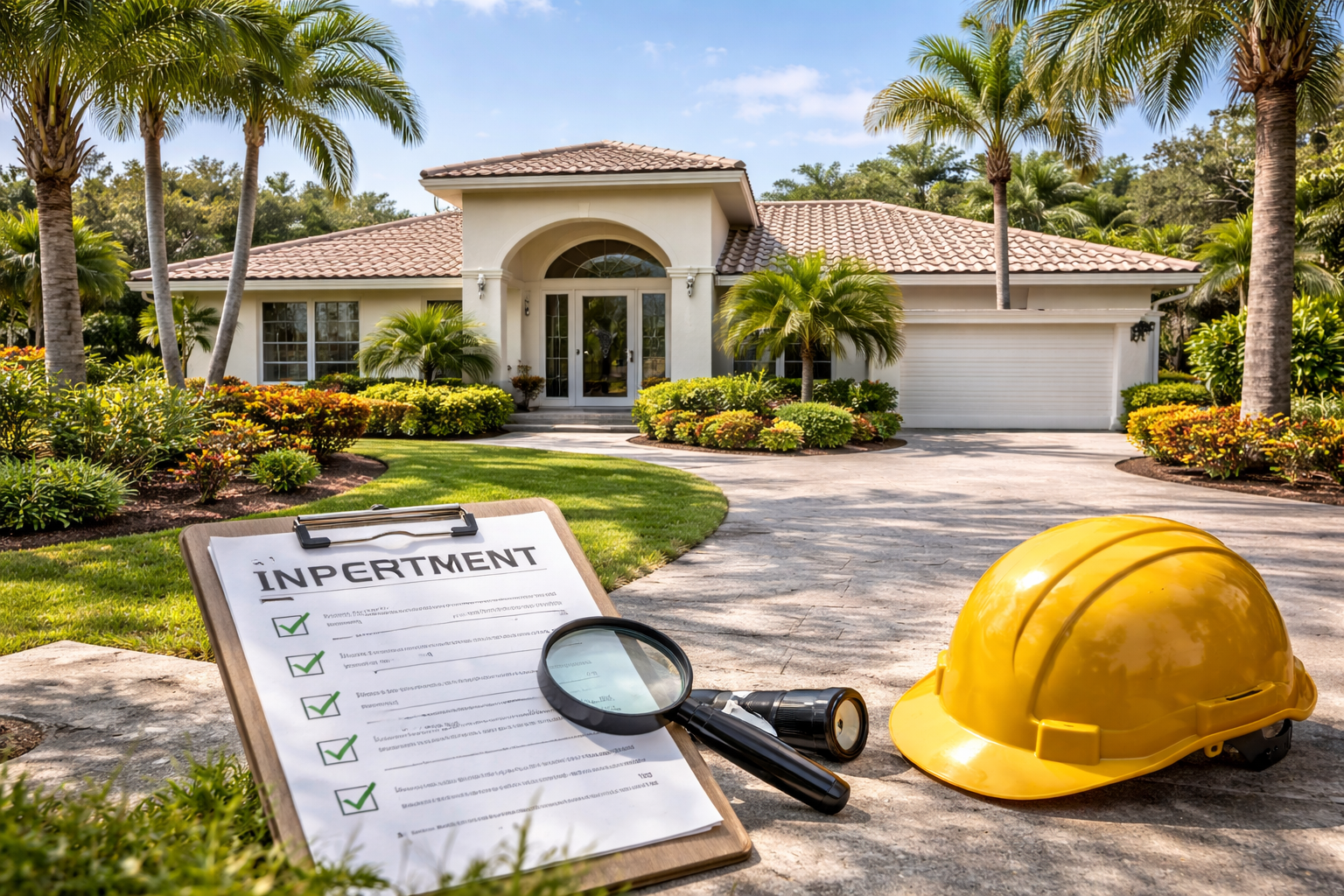
The Truth About Home Inspections in South Florida—And What Buyers and Sellers Often Get Wrong
In today’s Palm Beach County real estate market, home inspections carry more weight than many buyers and sellers expect. With shifting conditions, rising insurance concerns, and increased scrutiny on property condition, inspections are no longer a routine checkbox—they’re a major turning point in a transaction. What surprises many homeowners is not just what inspectors find, but how those findings influence negotiations, pricing, and even whether a deal moves forward at all. In South Florida, where humidity, storms, and aging systems all play a role, inspections can uncover issues that change the entire direction of a sale. Understanding how this process really works is critical if you want to avoid costly mistakes and unnecessary stress.
Why Home Inspections Carry More Weight Than Ever
Buyers today are more cautious, more informed, and often more risk-sensitive than in previous years. Between insurance challenges and rising ownership costs, they are not looking to inherit unknown problems. That means the inspection report is not just informational—it becomes a negotiating tool.
In South Florida, inspections often go deeper than surface-level concerns. Roof age, electrical panels, plumbing systems, HVAC condition, and even signs of moisture intrusion can quickly become focal points. Buyers are not just asking, “Does it work?”—they’re asking, “How long will it last, and what will it cost me?”
For sellers, this creates a shift in control. Once the inspection is completed, the buyer has leverage. If the home was not properly prepared or priced with condition in mind, the seller is often forced into reactive decisions.
Start Comparing Homes That Actually Fit Your Criteria
If you're evaluating options in Palm Beach County or South Florida, browsing homes by city can help you quickly understand pricing, condition, and location tradeoffs.
Explore Homes by CityWhat Inspectors Actually Do (and Don’t Do)
One of the biggest misconceptions in real estate is that home inspectors determine whether a home is “good” or “bad.” That’s not their role. Inspectors are there to document condition—not to assign value or make decisions for the buyer.
An inspector will identify visible issues, note potential concerns, and provide a report that outlines findings. However, they do not open walls, predict future failures with certainty, or guarantee that every issue has been uncovered.
This distinction matters because buyers sometimes treat inspection reports as a final verdict, when in reality they are simply a starting point for discussion. Likewise, sellers often feel blindsided by reports that highlight issues they didn’t realize were significant—even if those issues are common for homes in the area.
Common Mistakes Sellers Make Before an Inspection
Many sellers unintentionally weaken their position before the inspection even begins. The most common mistake is assuming that cosmetic improvements are enough. Fresh paint and staging may attract buyers, but they do not address underlying condition.
Another major mistake is waiting until the inspection report to deal with known issues. If a seller is aware of an aging roof, outdated electrical panel, or minor leaks, addressing these proactively can prevent negotiations from spiraling later.
Some sellers also underestimate how inspection findings impact buyer psychology. Even small issues, when presented in a formal report, can feel overwhelming to a buyer. What might seem minor to the seller can feel like a red flag to someone already making a major financial decision.
Misconceptions That Lead to Bad Negotiations
There’s a persistent belief that buyers will “expect issues” and move forward regardless. While that was sometimes true in more aggressive markets, today’s environment is different. Buyers are more selective and less willing to absorb unknown costs.
Another misconception is that inspection findings must always be fixed. In reality, most negotiations revolve around credits, price adjustments, or compromises—not full repairs. The goal is not perfection, but alignment.
Buyers also misunderstand inspections when they expect a home—especially an older one—to be flawless. Every property has imperfections. The key is understanding which issues are normal and which are deal-impacting.
What Actually Happens After the Inspection
Once the inspection report is delivered, the transaction enters one of its most critical phases. Buyers typically review the findings and submit a request for repairs, credits, or concessions. This is where deals are often strengthened—or fall apart.
Sellers then have options: agree, negotiate, offer alternatives, or decline. The outcome depends on how the property was priced, how competitive the situation is, and how both parties interpret the findings.
In many Palm Beach County transactions, the resolution is not about fixing everything—it’s about finding a path forward that makes sense for both sides. Deals that collapse at this stage usually do so because expectations were misaligned from the start.
Get a Better Sense of What Your Home Could Command
If you’re starting to think about selling, checking your home’s current value can help you understand pricing expectations and how your property may fit today’s market.
Check Your Home ValueWhat This Means for Buyers and Sellers in South Florida
For buyers, inspections are a tool—not a reason to panic. The goal is to understand the home, not eliminate every imperfection. Working with professionals who can help interpret reports is key to making informed decisions.
For sellers, preparation is everything. The more you understand your property’s condition before listing, the more control you maintain during negotiations. Being proactive often leads to smoother transactions and stronger outcomes.
If you want to find your home value in today’s market, it’s not just about comparable sales—it’s about how your home will perform under inspection scrutiny.
Frequently Asked Questions About Home Inspections
Are home inspectors always right?
Inspectors provide professional opinions based on visible conditions, but their reports are not absolute. Findings should be interpreted, not blindly accepted.
Can a deal fall apart after an inspection?
Yes, especially if major issues are discovered or if expectations were not aligned before the inspection.
Should sellers get a pre-listing inspection?
In many cases, yes. It allows sellers to identify and address issues early, reducing surprises during the transaction.
Do buyers have to request repairs?
No. Buyers can request repairs, credits, or choose to move forward without changes.
What are the biggest red flags in South Florida inspections?
Roof condition, electrical panels, plumbing issues, and signs of moisture or mold tend to be the most impactful.
How long does the inspection process take?
Typically a few hours for the inspection and a few days for report review and negotiation.
Can sellers refuse all repair requests?
Yes, but it increases the risk of the buyer walking away from the deal.
Keep Exploring South Florida Real Estate
If you're comparing communities, researching home values, or trying to better understand the South Florida market, reviewing local resources can help put each city and neighborhood into context.
About the Authors
Chris and Sue Kull are South Florida real estate professionals with more than three decades of experience helping buyers, sellers, and property owners navigate real estate decisions throughout Palm Beach County and surrounding communities.