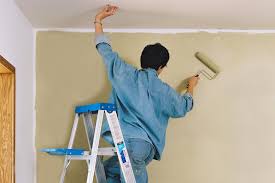
Why You Should Never Paint Your Apartment
Moving into a new apartment is exciting — a new space, new energy, and the opportunity to make it feel like yours. It’s only natural to want to personalize it, especially if it’s your first time living on your own. You might imagine fresh paint in your favorite color, adding warmth, vibrancy, and your unique touch. But before you dip that brush in the paint can, pause. Painting your apartment might not be the best move — financially or practically.
At The Kull Group, we’ve helped countless renters transition to homeownership, and trust us — painting your rental is one of those decisions that sounds small but can lead to unnecessary headaches later. Let’s explore why you should never paint your apartment and the creative alternatives that will make your space feel like home — no paint required.
See What’s on the Market Right Now
If you're researching homes in Palm Beach County or anywhere in South Florida, explore current listings by city and see what’s available right now.
Explore Homes by CityThe Expense of Painting an Apartment
It’s easy to think a coat of paint is no big deal, but painting an apartment can quickly become a surprisingly expensive (and frustrating) project.
1. Upfront Costs Add Up
While paint might seem like an inexpensive DIY project, the costs stack up quickly. A single gallon of quality interior paint averages between $35–$60, and that’s before adding primer, rollers, brushes, tape, drop cloths, and other supplies.
If your landlord requires professional painters — and many do — you’re looking at hundreds to thousands of dollars depending on square footage. Professional painting can cost $2–$4 per square foot. For even a modest 900-square-foot apartment, that’s $1,800–$3,600.
And that’s just the beginning.
2. You’ll Pay to Paint It Back
When you eventually move out, your landlord will expect the apartment to be returned in the same condition you received it — and that includes the original wall color. If you’ve painted it sage green or midnight blue, you’ll either need to repaint it to the original neutral shade or forfeit part (or all) of your security deposit.
That means you could be painting twice in a single lease — once to personalize, once to undo it. For short-term renters, that’s wasted time and money.
3. Specialized Paint Requirements
Many apartment complexes work with specific contractors and paint suppliers to maintain uniform colors. That means you might be required to use their paint for touch-ups or restoration, often at a premium price. If your “do-it-yourself” color doesn’t perfectly match the property’s approved paint line, your landlord could charge you for a full repaint.
Painting Creates More Problems Than It Solves
Painting your apartment doesn’t just cost money — it costs time, energy, and sanity.
1. Moving Stress Multiplied
Moving is already stressful enough. Between packing, cleaning, scheduling movers, and updating your address, the last thing you need is a full-scale paint project. Repainting to restore the original color right before moving out adds another layer of chaos.
If you’re renting short-term, this means juggling packing boxes while balancing paint trays — not exactly an ideal move-out week.
2. Overlapping Lease Costs
If you’re lucky enough to have an overlap between your old and new leases, painting might seem easier since you can do it after your belongings are out. But remember — that overlap usually means you’re paying rent on two apartments simultaneously.
Adding painting costs (and days spent between units) can quickly make your moving month one of the most expensive of the year.
3. Security Deposit Risk
Even a flawless paint job can raise red flags with landlords. If they decide your paint color or quality doesn’t meet their standards, they can deduct money for “repairs.” Unless you have written permission stating otherwise, expect to lose some — or all — of your deposit.
It’s rarely worth the gamble.
Alternatives to Painting Your Apartment
Don’t worry — your apartment doesn’t have to be a blank white box. There are plenty of renter-friendly ways to make your new space reflect your personality and style without breaking your lease or your bank account.
1. Hang Artwork (No Holes Required)
You don’t need nails to fill your walls with personality. Use removable picture-hanging strips or adhesive hooks to hang art, photos, or even lightweight mirrors.
You can find affordable canvas prints, metal posters, or gallery wall kits online that let you showcase your taste without a single drop of paint. Metal posters, like those from Displate, are especially trendy right now — they attach magnetically and make switching art easy when you’re ready for a change.
Pro Tip: Create a focal wall using multiple small pieces in the same color palette for a designer look that’s still damage-free.
2. Use Wall Decals
Wall decals are perfect for renters — they apply easily and peel off cleanly. From geometric patterns to nature scenes to motivational quotes, there’s something for every aesthetic.
These decals work especially well in bedrooms and offices. Choose large-scale designs for maximum impact or smaller accents for subtle charm.
They’re affordable, temporary, and available in virtually endless designs.
3. Try Peel-and-Stick Wallpaper
Peel-and-stick wallpaper is the hero of modern rental decorating. It provides bold, beautiful color or texture with none of the mess or commitment of traditional wallpaper or paint.
Whether you’re going for tropical palms, marble veining, linen texture, or art deco geometrics, there’s a style for every personality. While it can be a bit pricey depending on the brand, it’s easy to install — and just as easy to remove when your lease is up.
Budget-friendly approach: Use wallpaper on one accent wall or in small spaces like entryways or powder rooms.
4. Add Color with Curtains
Curtains are one of the easiest ways to add drama and warmth to a space. Even if you keep your furniture simple, richly colored or textured drapes can instantly change the tone of a room.
Opt for floor-to-ceiling panels to make ceilings appear higher, or sheer fabrics to soften bright South Florida sunlight. The best part? You can pack and reuse them when you move to your next place.
5. Play with Colorful Furnishings
When paint isn’t an option, furniture becomes your palette. Choose bold rugs, patterned throw pillows, or a colorful sofa to inject energy into your apartment.
You can even use removable slipcovers or blankets to change your color scheme with the seasons. Add in plants, metallic accents, and layered textures for a space that feels thoughtfully curated.
6. Embrace the “White Wall” Aesthetic
Here’s the thing — not every space needs color on the walls to feel stylish. The white-wall aesthetic is timeless, bright, and allows furniture and décor to shine.
Pair your white or cream walls with warm wood tones, woven baskets, and textured linens for a cozy, minimalist vibe. Think of it as a clean canvas that you can accessorize endlessly.
When Painting Might Be Worth It
There are a few exceptions where painting your apartment could make sense — just proceed with caution.
-
You have a long-term lease. If you’re staying multiple years, painting might be worth the effort — especially if your landlord gives written approval.
-
The paint is in poor condition. If your walls are scuffed, discolored, or outdated, ask your landlord to provide new paint or a rent discount for repainting.
-
The landlord pays for the paint. Occasionally, landlords will split costs if it improves their property — just get everything in writing.
Otherwise? Stick with temporary solutions and save your paint budget for your future home — one you actually own.
Final Thoughts
Personalizing your apartment is about creating comfort, not complications. Painting your rental might feel like the quickest way to make it “yours,” but it’s rarely worth the financial or emotional cost.
Between high expenses, potential damage charges, and move-out headaches, painting often leads to more stress than style. Instead, explore renter-friendly décor — art, wallpaper, furnishings, and lighting — that lets you express your creativity without risking your deposit.
Remember, your apartment is just one chapter. When you’re ready to buy your first home in South Florida, that’s when you can go all out with color, custom finishes, and total freedom to design every inch.
Until then, skip the paintbrush and focus on building a home that moves with you.
Real Estate Resources for South Florida
If you're researching homes or following the South Florida real estate market, exploring listings and property values can provide helpful context for understanding local neighborhoods and housing trends across Palm Beach County.
About the Authors
Chris and Sue Kull are South Florida real estate professionals with more than three decades of experience helping buyers, sellers, and property owners navigate the housing market throughout Palm Beach County and surrounding communities.
Their work focuses on providing clear information, local market insight, and practical guidance so clients can make confident real estate decisions. Over the years they have built a trusted network of industry professionals—including lenders, inspectors, contractors, and legal specialists—to support every stage of the real estate process.
You can explore additional resources, community guides, and real estate tools at www.TheKullGroup.com.
If you have questions about buying, selling, or understanding the local real estate market, you can reach out through our contact page.