Insights, strategy, and real estate guidance across Palm Beach County.

March 25, 2026

How Much Money Do You Need to Buy a Home in Palm Beach County?

thekullgroup/How_Much_Money_Do_You_Need_to_Buy_a_Home_in_Palm_Beach_County


How Much Cash Do You Actually Need to Buy a Home in Palm Beach County?

Many buyers in South Florida start their home search with one big question: “How much money do I need to get started?” The answer is rarely as simple as a single number.

In Palm Beach County—especially in areas like Wellington—the amount of cash needed depends on several factors beyond just the purchase price. Buyers who understand the full financial picture upfront tend to move more confidently, avoid surprises, and make stronger decisions when the right home comes along.

The Down Payment: Where Most Buyers Start

The down payment is typically the first thing buyers focus on, and it’s often the largest upfront expense.

Depending on the loan type, down payments can vary:

  • Conventional loans: often 3%–20%
  • FHA loans: typically around 3.5%
  • VA loans: may allow little to no down payment for qualified buyers

In Palm Beach County, where home prices vary by neighborhood and property type, the actual dollar amount tied to these percentages can differ significantly.

But focusing only on the down payment can create an incomplete picture of what’s really needed.

Closing Costs: The Expense Buyers Often Underestimate

Closing costs are one of the most commonly overlooked parts of the buying process. These typically range from 2% to 5% of the purchase price.

These costs can include:

  • Lender-related fees
  • Title insurance and settlement services
  • Appraisal and inspection costs
  • Prepaid property taxes and insurance

In South Florida, where insurance and tax structures can vary, these costs can be a meaningful part of your total cash requirement.

Prepaid Costs and Escrows

In addition to closing costs, buyers are usually required to prepay certain expenses at closing. These are not extra fees—but they still impact how much money you need upfront.

  • Homeowners insurance premiums
  • Property tax escrows
  • HOA or condo fees (if applicable)

These items are part of setting up your loan and ensuring future payments are properly structured.

Inspections and Due Diligence

Before closing, most buyers invest in inspections to understand the condition of the home.

In Palm Beach County, this often includes:

  • General home inspection
  • Wind mitigation report
  • 4-point inspection (for insurance)

These costs vary but are essential—especially in Florida, where insurance requirements can influence the entire transaction.

See What Your Budget Looks Like in Today’s Market

Home prices vary significantly across Palm Beach County. Exploring current listings can help you understand what your price range actually translates to in different communities.

Explore Homes by City

What We’re Seeing in Palm Beach County Right Now

Buyers who come into the process with a clear understanding of their total cash requirements are consistently in a stronger position.

We’re seeing:

  • Prepared buyers moving faster when the right home appears
  • Sellers favoring offers with fewer financial uncertainties
  • Buyers adjusting expectations mid-search when they underestimate upfront costs

In competitive areas like Wellington, being financially prepared often makes the difference between securing a home and missing an opportunity.

Additional Costs Buyers Should Plan For

Beyond the major expenses, there are smaller costs that still matter:

  • Moving expenses
  • Utility setup costs
  • Initial repairs or updates
  • Furniture and household items

These don’t impact the closing itself, but they affect your overall financial readiness.

Common Misconceptions About Buying Costs

“I Only Need My Down Payment”

This is one of the most common misunderstandings. In reality, buyers need to account for multiple categories of expenses beyond just the down payment.

“I Need 20% Down to Buy”

While putting more money down can reduce monthly costs, many buyers successfully purchase homes with lower down payment options.

“Closing Costs Are Fixed”

Closing costs vary depending on the property, loan structure, and negotiated terms within the transaction.

Comparing Prepared vs. Unprepared Buyers

Two buyers may have the same income and loan approval—but very different experiences depending on preparation.

  • Prepared Buyer: understands total costs, acts quickly, negotiates confidently
  • Unprepared Buyer: encounters surprises, hesitates, or needs to adjust expectations mid-process

In real transactions, preparation consistently leads to smoother outcomes.

Compare Homes Across Different Price Points

Looking at homes in different areas can help you better understand how your budget aligns with current pricing and available inventory.

Explore Homes by City

Why Understanding the Full Picture Matters

Buying a home isn’t just about qualifying for a loan—it’s about being fully prepared for the financial reality of the transaction.

When buyers understand their full cost picture, they:

  • Make more confident decisions
  • Avoid last-minute surprises
  • Position themselves more competitively

This level of clarity becomes especially important in active South Florida markets.

Frequently Asked Questions

How much cash do I need to buy a home?

It depends on the purchase price, loan type, and associated costs, but buyers should plan beyond just the down payment.

Can I buy a home with less than 10% down?

Yes, many loan programs allow for lower down payments depending on qualifications.

What are closing costs?

These are fees associated with finalizing the purchase, including lender, title, and prepaid expenses.

Do I need inspections in Florida?

Yes, inspections are strongly recommended and often necessary for insurance purposes.

Are there additional costs after closing?

Yes, including moving expenses and any immediate updates or repairs.

Continue Exploring the Palm Beach County Real Estate Market

Understanding your budget is just one part of the process. Exploring available homes and local market trends can help you better understand what’s possible in different areas of Palm Beach County.


About the Authors

Chris and Sue Kull are South Florida real estate professionals with more than three decades of experience helping buyers, sellers, and property owners navigate real estate decisions throughout Palm Beach County and surrounding communities.

Their approach focuses on practical guidance, local market insight, and helping clients understand real-world conditions.
March 25, 2026

Can You Use a VA Construction Loan With Lower Credit in Palm Beach County?

/thekullgroup/va-construction-loan-florida-new-home

Can You Use a VA Construction Loan With Less-Than-Perfect Credit in South Florida?

Many buyers assume that if their credit isn’t strong, building a home using a VA loan isn’t an option. In reality, that’s not always the case—especially in markets like Palm Beach County where financing flexibility and preparation can make a meaningful difference.

The key is understanding how VA construction loans actually work, what lenders look for, and how credit factors into the process. Buyers who approach this strategically often find more options available than they initially expected.

What Is a VA Construction Loan?

A VA construction loan allows eligible veterans and active-duty service members to finance the building of a home rather than purchasing an existing one. Unlike traditional loans, these are backed by the Department of Veterans Affairs, which can make them more accessible in certain situations.

However, construction loans are more complex than standard purchase loans. They involve:

  • Builder approvals
  • Draw schedules
  • Inspections throughout the build process
  • Additional lender oversight

This added complexity is one reason credit and financial preparation matter—but it doesn’t mean buyers with imperfect credit are automatically excluded.

How Credit Impacts Your VA Construction Loan Options

While the VA itself does not set a strict minimum credit score, lenders do.

In real-world transactions across South Florida, most lenders look for:

  • Credit scores typically in the 580–640+ range (varies by lender)
  • Stable income history
  • Manageable debt-to-income ratios

Buyers with lower scores may still qualify, but the path can look different depending on the lender and the overall financial profile.

Why Lenders Look Beyond Just the Score

In practice, lenders often evaluate the full financial picture, including:

  • Recent credit improvements
  • Payment history trends
  • Available reserves

This means that even if your score isn’t perfect, demonstrating stability can help offset concerns.

See What New Construction Options Look Like in Today’s Market

Even if you're still evaluating financing, exploring available homes can help you understand pricing, location differences, and what’s being built across Palm Beach County.

Explore Homes by City

What We’re Seeing in Palm Beach County Right Now

Across Wellington and surrounding areas, new construction continues to be a strong option—but it’s not always the easiest path for buyers using specialized financing.

We’re seeing:

  • Limited builders willing to work with VA construction loans
  • Buyers shifting toward resale homes due to financing timelines
  • More competition for move-in-ready properties

Buyers who are flexible—open to both new construction and resale—often have a smoother experience and more opportunities.

Additional Costs Buyers Should Be Prepared For

Even when using a VA loan, building a home comes with additional considerations.

  • Temporary housing during construction
  • Potential cost overruns
  • Upgrades not included in base pricing
  • Time delays due to permitting or weather

In South Florida, where timelines can vary, these factors are important to plan for early.

Common Misconceptions About VA Construction Loans

You Need Perfect Credit

This is one of the biggest misconceptions. While stronger credit helps, many buyers qualify with less-than-perfect scores depending on their overall profile.

New Construction Is Always the Better Option

In some cases, resale homes offer better value, quicker timelines, and fewer unknowns—especially in competitive areas.

The Process Is the Same as a Regular VA Loan

Construction loans involve more steps, approvals, and coordination, which can impact timelines and flexibility.

New Construction vs. Resale Homes: A Practical Comparison

Buyers considering a VA construction loan should also evaluate resale options.

  • New Construction: Customization, newer features, longer timeline
  • Resale Homes: Faster closing, established neighborhoods, potentially better negotiation opportunities

In Palm Beach County, many buyers ultimately choose resale homes after comparing both paths.

Compare What’s Available Across Different Communities

Seeing both new construction and resale homes side-by-side can help you decide which option aligns best with your goals and timeline.

Explore Homes by City

Frequently Asked Questions

Can I qualify for a VA construction loan with bad credit?

It depends on the lender and your overall financial profile, but some buyers with lower credit scores may still qualify.

Do all builders accept VA construction loans?

No, builder participation can be limited, which is an important factor to consider.

Is new construction cheaper than resale?

Not always. Pricing varies, and additional costs can impact the final price of a new build.

How long does the construction process take?

Timelines vary, but construction can take several months depending on the project and conditions.

Are there alternatives if I don’t qualify?

Yes, many buyers explore resale homes or different loan options depending on their situation.

Continue Exploring the Palm Beach County Real Estate Market

Understanding your financing options is just one part of the process. Exploring homes, communities, and pricing across Palm Beach County can help you better understand what’s possible based on your situation.


About the Authors

Chris and Sue Kull are South Florida real estate professionals with more than three decades of experience helping buyers, sellers, and property owners navigate real estate decisions throughout Palm Beach County and surrounding communities.

Their approach focuses on practical guidance, local market insight, and helping clients understand real-world conditions.
March 25, 2026

Small Home Upgrades That Make a Big Impression on Buyers in Palm Beach County

thekullgroup/palm-beach-county-home-upgrades-modern-interior

Small Home Upgrades That Make a Big Impression on Buyers in Palm Beach County

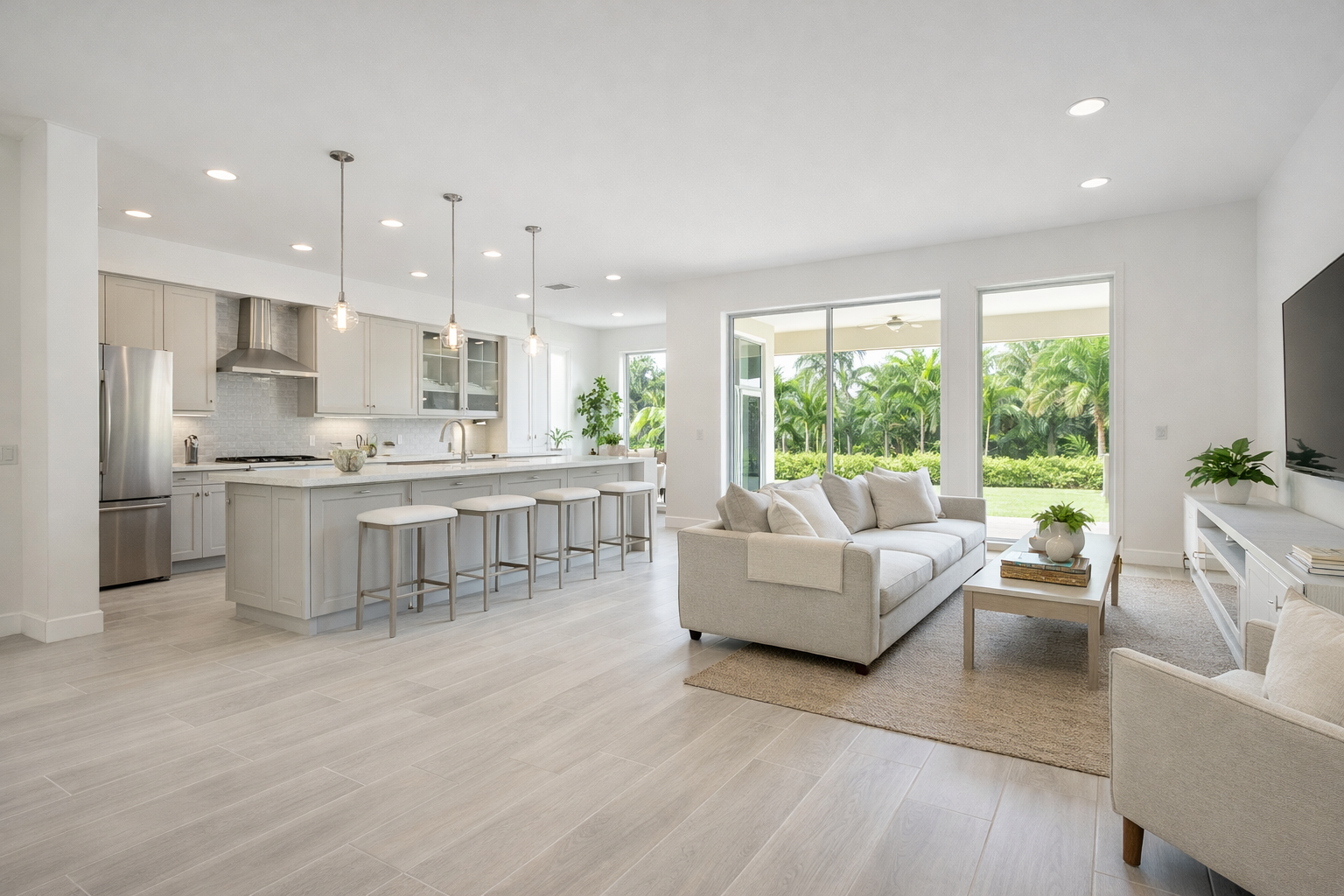
When preparing a home for sale in South Florida, many homeowners assume they need a full renovation to stand out. In reality, the most effective improvements are often the simplest ones—strategic updates that improve how a home feels, shows, and photographs.

In Palm Beach County markets like Wellington, buyers tend to make quick emotional decisions. The goal isn’t perfection—it’s creating a clean, updated, move-in-ready impression that aligns with what today’s buyers expect.

Understanding where to spend—and where not to—can make a meaningful difference in both the speed of sale and the final price.


Why Small Improvements Matter More Than Major Renovations

In many cases, large remodels don’t deliver a strong return relative to their cost, especially if they are highly customized or overbuilt for the neighborhood.

What buyers are really responding to is:

  • Clean, well-maintained spaces
  • Updated finishes in key areas
  • Bright, open-feeling interiors
  • A sense that the home has been cared for

In South Florida, where inventory often includes newer construction and updated resale homes, even modest upgrades can help a property compete more effectively.

Get a Better Sense of What Your Home Could Command

If you’re starting to think about selling, checking your home’s current value can help you understand pricing expectations and how your property may fit today’s market.

Check Your Home Value

High-Impact Interior Updates That Buyers Notice Immediately

Fresh Interior Paint: The Simplest Reset

A fresh coat of paint is one of the most reliable ways to modernize a home quickly.

In Wellington and surrounding areas, neutral tones tend to perform best. Soft whites, light grays, and warm beiges help create a clean backdrop that appeals to a wide range of buyers.

What matters most:

  • Consistency throughout the home
  • Clean edges and finishes
  • Avoiding bold or highly personalized colors

A freshly painted home often feels newer—even when nothing else has changed.


Lighting Updates That Change the Entire Feel

Lighting is often overlooked, but it directly impacts how a home shows—both in person and in photos.

Replacing outdated fixtures with more modern, simple designs can:

  • Brighten darker rooms
  • Create a more contemporary look
  • Improve listing photos significantly

In South Florida homes, where natural light is a major selling point, lighting should enhance—not compete with—the space.


Kitchen Touch-Ups Without Full Renovation

Buyers pay close attention to kitchens, but a full remodel is rarely necessary.

Instead, focus on:

  • Updating cabinet hardware
  • Replacing older faucets
  • Refinishing or repainting cabinets if needed
  • Installing a clean, modern backsplash

In many Palm Beach County homes, these smaller changes create a noticeable improvement without the cost or timeline of a full renovation.


Bathroom Improvements That Signal Cleanliness and Care

Bathrooms don’t need to be luxury spaces—but they do need to feel fresh and well-maintained.

Simple Upgrades That Make a Difference

  • New mirrors and light fixtures
  • Updated faucets and showerheads
  • Re-grouting tile or deep cleaning surfaces
  • Replacing worn caulking

Buyers often interpret bathroom condition as a reflection of overall home maintenance. Even small improvements here can increase confidence in the property.


Flooring: When to Update and When to Leave It Alone

Flooring is one of the first things buyers notice when they walk into a home.

When Updating Makes Sense

  • Carpet is worn, stained, or outdated
  • Multiple flooring types create a choppy feel
  • Materials feel dated compared to current standards

In many South Florida homes, replacing carpet with tile or luxury vinyl plank can significantly improve appeal.

When It’s Better to Leave It

If flooring is:

  • Clean
  • Neutral
  • In good condition

Then replacement may not add enough value to justify the cost.


Curb Appeal: The First Impression That Sets the Tone

Before buyers ever walk inside, they form an opinion based on the exterior.

In Palm Beach County, where landscaping and outdoor living matter, curb appeal plays a major role.

Easy Exterior Improvements

  • Fresh mulch and trimmed landscaping
  • Pressure washing driveway and walkways
  • Cleaning or repainting the front door
  • Updating house numbers or exterior lighting

These updates signal that the home has been maintained, which carries into how buyers perceive the interior.


Outdoor Living Spaces: A South Florida Advantage

In markets like Wellington, outdoor areas are not just a bonus—they’re expected.

Even simple enhancements can make a difference:

  • Clean and stage patios or lanais
  • Add basic outdoor furniture
  • Ensure pools and decks are well-maintained

Buyers often visualize how they’ll use these spaces, so presentation matters just as much as functionality.


What Sellers Often Get Wrong About Upgrades

Over-Improving for the Area

One of the most common mistakes is investing in high-end upgrades that exceed what the neighborhood supports.

Buyers compare homes within a price range—not based on individual upgrade costs.


Focusing on Personal Taste Instead of Market Appeal

Highly customized finishes can limit buyer interest.

What works better:

  • Neutral, widely appealing choices
  • Clean and simple design
  • Letting buyers imagine their own style

Ignoring Small Maintenance Issues

Minor issues like:

  • Leaky faucets
  • Scuffed walls
  • Loose handles

Can create a perception of neglect—even if the home is otherwise in good condition.


A Practical Approach to Upgrade Decisions

Instead of asking, “What do I want to improve?” a better question is:

“What will buyers notice first—and what might cause hesitation?”

In real transactions, buyers tend to react more strongly to:

  • Cleanliness
  • Condition
  • Overall presentation

than to high-end finishes alone.

Start Comparing Homes That Actually Fit Your Criteria

If you're evaluating options in Palm Beach County or South Florida, browsing homes by city can help you quickly understand pricing, condition, and location tradeoffs.

Explore Homes by City

How These Upgrades Affect the Sale Process

Homes that show well tend to:

  • Attract more initial interest
  • Generate stronger offers
  • Spend less time on the market

In competitive Palm Beach County areas, this can translate into both faster sales and better terms.

Even modest improvements can shift a buyer’s perception from:

“This needs work”
to
“This is ready to move into”


Frequently Asked Questions

Do I need to renovate before selling my home?

Not necessarily. In many cases, targeted updates and proper preparation are more effective than full renovations.


What upgrades give the best return?

Paint, lighting, minor kitchen and bathroom updates, and curb appeal improvements typically provide the strongest return relative to cost.


Should I replace older appliances?

If they are visibly outdated or mismatched, replacement can help. If they are clean and functional, it may not be necessary.


Is staging more important than upgrades?

They work together. A well-prepared home combined with thoughtful staging creates the strongest impression.


How do I know what to fix before listing?

A walkthrough focused on buyer perspective—rather than personal preference—is the most effective way to prioritize improvements.


Are outdoor upgrades really that important in South Florida?

Yes. Outdoor living is a major part of buyer expectations in this market.


Will small upgrades really affect my sale price?


They can. More importantly, they influence how buyers perceive value and whether they feel confident making an offer.

Keep Exploring South Florida Real Estate

If you're comparing communities, researching home values, or trying to better understand the South Florida market, reviewing local resources can help put each city and neighborhood into context.


About the Authors

Chris and Sue Kull are South Florida real estate professionals with more than three decades of experience helping buyers, sellers, and property owners navigate real estate decisions throughout Palm Beach County and surrounding communities.

Their work emphasizes local insight, practical guidance, and clear information to help people make informed decisions at every stage of the process.

You can find additional community guides, search tools, and market resources at TheKullGroup.com.

March 25, 2026

The Quiet Pull of Boca Raton: Why Some Buyers Know It’s Right Within a Few Hours

thekullgroup/boca-raton-fl-coastal-lifestyle-real-estate

The Quiet Pull of Boca Raton: Why Some Buyers Know It’s Right Within a Few Hours

There are places that require analysis—spreadsheets, comparisons, second visits. And then there are places where the decision feels settled before the day is over. Boca Raton tends to fall into that second category. For many people exploring Boca Raton, FL real estate, the connection forms quickly, often without a clear explanation at first.

It might happen while driving along tree-lined roads that feel intentionally spaced. Or walking through a shopping area that blends into the surrounding neighborhoods instead of standing apart from them. There’s a sense of rhythm here—something steady but not slow, active but not overwhelming.

For buyers, sellers, and those relocating, Boca Raton isn’t just evaluated on price or inventory. It’s felt. And that feeling often becomes the deciding factor long before the logistics are worked out. What follows is a closer look at why that happens—and how it translates into real estate decisions.


Living in Boca Raton, FL

The experience of living in Boca Raton tends to unfold gradually. At first, it’s the visual order—wide streets, maintained landscaping, consistent architecture. But after a few days, something else becomes noticeable: how smoothly things move.

Daily routines don’t feel rushed here. Errands are rarely complicated. Most essentials—grocery stores, cafes, fitness spots, casual dining—are spread throughout the city in a way that feels accessible without being crowded. You don’t need to cross town to get through your day.

There’s also a subtle contrast between walkable pockets and drive-oriented living. Areas closer to the coast and downtown offer a more connected, on-foot experience. Sidewalks, storefronts, and public spaces create a steady flow of movement. Further inland, the pace shifts slightly. Driving becomes more common, but traffic patterns are generally predictable.

Housing reflects that balance. Near the water, properties often feel integrated into the surrounding environment—condos and townhomes that allow residents to step into the rhythm of the area. Inland, single-family homes and gated communities provide more space and privacy without feeling isolated.

What stands out most is how consistent the atmosphere feels. It doesn’t fluctuate dramatically from one block to the next. That continuity is part of what makes people settle in quickly. There’s less adjustment required.


Boca Raton, FL Real Estate Market Overview

The real estate market here carries the same underlying steadiness found in the city itself. Activity isn’t driven by sudden spikes or dramatic shifts. Instead, it moves with a kind of quiet momentum.

Homes tend to be priced in alignment with their surroundings. Properties that reflect the area’s overall feel—well-maintained, cohesive, and in step with current expectations—often attract attention without needing aggressive positioning. Buyers here are attentive. They notice when something fits naturally into the environment and when it doesn’t.

Inventory comes and goes in a measured way. There’s demand, but it’s not chaotic. People entering the market are often doing so with intention rather than urgency. That creates a tone where decisions are made thoughtfully, even when competition exists.

Over time, this has shaped a market that rewards alignment. Homes that match the expectations of the area tend to perform steadily. Those that feel disconnected—either stylistically or in terms of condition—can take longer to find the right buyer.

It’s less about timing a perfect moment and more about understanding the pace at which this market operates.

Start Comparing Homes That Actually Fit Your Criteria

If you're evaluating options in Palm Beach County or South Florida, browsing homes by city can help you quickly understand pricing, condition, and location tradeoffs.

Explore Homes by City

Buying a Home in Boca Raton, FL

For buyers, the process often begins with that initial feeling of connection. But translating that into a purchase requires a shift toward clarity.

The types of homes available vary, but they tend to fall into recognizable patterns:

  • Coastal condos and townhomes that emphasize proximity and ease
  • Established single-family neighborhoods with mature landscaping
  • Gated communities offering privacy and controlled environments

Each option supports a slightly different lifestyle rhythm. Some buyers prioritize being able to step outside and walk to nearby spots. Others prefer a quieter setting where movement is more contained.

There’s also an awareness that comes into play quickly. Buyers realize that many properties are part of associations, which shape not only costs but also the overall look and feel of the neighborhood. For some, that structure is reassuring. For others, it requires adjustment.

Timing becomes less about waiting for a deal and more about recognizing when something aligns with how you want to live. In Boca Raton, hesitation often leads to missed opportunities—not because of pressure, but because the right properties don’t linger when they fit naturally into the market.


Selling a Home in Boca Raton, FL

Selling here involves understanding how buyers experience the space—not just how it’s presented.

Buyers aren’t only looking at features. They’re considering how the home will feel once they’ve settled in. That includes how light moves through the space, how the layout supports daily routines, and how the property connects to its surroundings.

Preparation tends to focus on refinement rather than transformation. Homes that feel cohesive—where finishes, layout, and presentation work together—tend to resonate more strongly. Overly personalized or inconsistent spaces can create hesitation, even if the home itself is well-built.

Pricing follows a similar logic. When a home is positioned in line with how it fits into the broader environment, it tends to attract attention without needing adjustment. When it’s not, buyers take a step back.

There’s also a timing aspect, but it’s subtle. The market doesn’t rely heavily on short-term shifts. Instead, success often comes from entering the market when the home is fully aligned with expectations—ready to be experienced rather than just viewed.

Get a Better Sense of What Your Home Could Command

If you’re starting to think about selling, checking your home’s current value can help you understand pricing expectations and how your property may fit today’s market.

Check Your Home Value

Frequently Asked Questions About Boca Raton, FL Real Estate

Is Boca Raton expensive to live in?
Boca Raton generally sits on the higher end of the South Florida market, but the cost reflects more than just location. It’s tied to consistency, maintenance, and the overall experience of living in the area. For many, the environment feels structured in a way that justifies the expense. It’s not simply about price—it’s about how comfortably daily life fits within that cost.

Is Boca Raton good for families?
The city tends to support a wide range of lifestyles, including family-oriented living. Neighborhoods often feel organized and contained, which can make day-to-day routines easier to manage. While the appeal isn’t limited to families, the consistency of the environment and the accessibility of amenities contribute to a sense of stability that many find suitable for long-term living.

How far is Boca Raton from major employment centers?
Boca Raton sits between several key employment areas, including Fort Lauderdale and West Palm Beach. Access to major highways allows for manageable commutes, though timing can vary depending on traffic patterns. Many residents balance working in nearby cities with living in Boca Raton, finding the tradeoff worthwhile for the environment it provides.

What types of homes are common in Boca Raton?
The housing mix includes a blend of condominiums, townhomes, and single-family properties. Many are part of planned communities or associations, which influence both maintenance and appearance. Coastal areas tend to feature more compact, connected living, while inland neighborhoods offer larger homes with more defined boundaries.

Is Boca Raton a good place to buy or sell a home?
Boca Raton remains a strong market for both buying and selling, particularly for those who understand its pace. Buyers benefit from a stable environment, while sellers benefit from consistent demand. Outcomes tend to be more predictable when decisions are aligned with how the market naturally functions rather than trying to force timing.


Conclusion

Boca Raton tends to resonate with people who value how a place feels over time, not just how it looks at first glance. The appeal isn’t loud or dramatic. It’s steady, consistent, and quietly engaging.

For buyers, that often translates into a sense of certainty early in the process. For sellers, it means presenting a home in a way that aligns with that same feeling. And for those considering a move, it’s a reminder that the right location is often the one that fits without effort.

In the end, Boca Raton isn’t about convincing someone to choose it. It’s about recognizing when it already feels like the right fit.

Keep Exploring South Florida Real Estate

If you're comparing communities, researching home values, or trying to better understand the South Florida market, reviewing local resources can help put each city and neighborhood into context.


About the Authors

Chris and Sue Kull are South Florida real estate professionals with more than three decades of experience helping buyers, sellers, and property owners navigate real estate decisions throughout Palm Beach County and surrounding communities.

Their work emphasizes local insight, practical guidance, and clear information to help people make informed decisions at every stage of the process.

You can find additional community guides, search tools, and market resources at TheKullGroup.com.

March 25, 2026

Boca Raton Real Estate Through a Daily Lens: How Life Actually Functions Here Over Time

thekullgroup/boca-raton-fl-neighborhood-daily-living-real-estate

Boca Raton Real Estate Through a Daily Lens: How Life Actually Functions Here Over Time

Daily life tends to reveal more about a place than any headline or highlight. In Boca Raton, FL, the appeal is less about moments and more about consistency. People who choose to live here often do so because their routines become easier to manage—whether that’s school drop-offs, grocery runs, commutes, or simply maintaining a home without unnecessary friction. That’s where Boca Raton, FL real estate stands out: it supports a steady, predictable way of living.

For buyers, sellers, and those considering a move, the question isn’t just whether Boca Raton looks appealing on paper—it’s whether it holds up day after day. This is a market where long-term livability matters as much as property value. Understanding how the city functions on an ordinary Tuesday morning can be more useful than evaluating it during a weekend visit.


Living in Boca Raton, FL

Boca Raton sits in a well-connected part of South Florida, positioned between major corridors while still maintaining a contained, organized feel. The layout of the city is one of its defining characteristics. Roads are structured, neighborhoods are clearly defined, and daily navigation tends to be predictable.

Residential areas vary, but there is a noticeable emphasis on order. Many communities are planned with internal roads, controlled access points, and consistent architectural styles. This creates a sense of stability that becomes more noticeable over time. You’re not constantly adjusting to new surroundings—your environment stays familiar.

From a daily standpoint, errands tend to cluster efficiently. Grocery stores, schools, medical offices, and retail centers are spread throughout the city rather than concentrated in a single area. That distribution reduces the need for long drives across town. Over time, that convenience becomes part of the appeal.

The overall pace is steady. It’s not slow, but it’s not unpredictable either. For homeowners, that translates into a setting where routines can settle in without disruption. That’s often the deciding factor for people planning to stay long-term.

Start Comparing Homes That Actually Fit Your Criteria

If you're evaluating options in Palm Beach County or South Florida, browsing homes by city can help you quickly understand pricing, condition, and location tradeoffs.

Explore Homes by City

Boca Raton, FL Real Estate Market Overview

The housing market in Boca Raton reflects the same sense of structure found in the city itself. It tends to operate with a level of consistency that appeals to both buyers and sellers who prefer stability over volatility.

Pricing generally aligns with the area’s reputation for well-maintained communities and proximity to coastal access, but what stands out more is how properties are positioned. Homes are often part of organized developments, and that influences how values hold over time. There is less unpredictability compared to areas with more fragmented growth patterns.

Inventory moves at a measured pace. It’s not typically driven by rapid swings, but rather by steady demand from buyers who are making deliberate decisions. Many are relocating within South Florida or transitioning from other regions with the intention of settling in for the long term.

Because of this, the market tends to reward preparation. Homes that are maintained, updated appropriately, and aligned with buyer expectations move more efficiently. Those that aren’t tend to linger longer—not because there’s no demand, but because buyers here are selective.


Buying a Home in Boca Raton, FL

Buying in Boca Raton is often less about finding a deal and more about finding the right fit for daily life. Buyers tend to focus on how a property will function over time rather than just how it looks during a showing.

Common property types include:

  • Single-family homes in gated or managed communities
  • Townhomes with structured maintenance plans
  • Condominiums that emphasize convenience and location

One of the key considerations is how the property integrates into your routine. That includes proximity to schools, ease of access to main roads, and the overall layout of the neighborhood.

HOAs are a significant factor in many Boca Raton communities. While they add a layer of cost, they also contribute to consistency in appearance and upkeep. For many buyers, that tradeoff is acceptable because it reduces long-term unpredictability.

Timing also plays a role. Buyers who approach the process with a clear understanding of their needs—and who are prepared to act when the right property becomes available—tend to have a smoother experience. Waiting for ideal conditions often leads to missed opportunities in a market that values readiness.


Selling a Home in Boca Raton, FL

Selling in Boca Raton requires an understanding of how buyers evaluate homes here. The decision-making process is often practical rather than emotional. Buyers are looking at how the home will function in their day-to-day life, not just how it presents visually.

Preparation is critical. This doesn’t necessarily mean major renovations, but it does mean ensuring that the home aligns with current expectations. Clean, well-maintained properties with cohesive updates tend to perform better.

Pricing strategy is also tied closely to market behavior. Overpricing can create hesitation, particularly in a market where buyers are methodical. Correct pricing, on the other hand, tends to generate more consistent interest.

Timing is less about chasing peaks and more about entering the market when the property is ready. Because activity levels are steady rather than extreme, well-prepared homes can perform effectively throughout the year.

Get a Better Sense of What Your Home Could Command

If you’re starting to think about selling, checking your home’s current value can help you understand pricing expectations and how your property may fit today’s market.

Check Your Home Value

Frequently Asked Questions About Boca Raton, FL Real Estate

Is Boca Raton expensive to live in?
Boca Raton is generally considered a higher-cost area within South Florida, but that cost is tied to consistency in infrastructure, community planning, and property maintenance. For many residents, the predictability of expenses and the overall quality of daily living justify the pricing. It’s less about affordability in isolation and more about the value of a stable environment over time.

Is Boca Raton good for families?
Boca Raton tends to support family life well because of its structured neighborhoods and access to schools and services. Daily routines—such as commuting, school schedules, and extracurricular activities—are easier to manage due to the city’s layout. Families often choose the area for its consistency rather than any single standout feature.

How far is Boca Raton from major employment centers?
Boca Raton is positioned between several key employment areas, including West Palm Beach to the north and Fort Lauderdale to the south. Commute times vary depending on traffic and specific destinations, but the city’s access to major highways makes regional travel manageable. Many residents find it feasible to balance work in nearby cities with living in Boca Raton.

What types of homes are common in Boca Raton?
The housing mix includes single-family homes, townhomes, and condominiums, with a strong presence of planned communities. Many properties are part of associations that maintain shared spaces and enforce guidelines. This contributes to the overall consistency of neighborhoods and helps maintain property values over time.

Is Boca Raton a good place to buy or sell a home?
Boca Raton can be a strong market for both buyers and sellers, depending on preparation and expectations. Buyers benefit from a structured environment and long-term stability, while sellers benefit from consistent demand. Success on either side typically comes from understanding how the market operates rather than trying to time it.


Conclusion

Boca Raton is well-suited for people who prioritize stability in their day-to-day life. It’s not a market defined by sudden changes or extremes. Instead, it offers a steady environment where routines can take shape and remain reliable over time.

For buyers, that means focusing on how a home will support everyday living rather than short-term appeal. For sellers, it means presenting a property in a way that aligns with practical expectations. In both cases, informed decisions tend to lead to better outcomes.


When viewed through the lens of daily life, Boca Raton stands out not because it demands attention, but because it quietly supports it.

Keep Exploring South Florida Real Estate

If you're comparing communities, researching home values, or trying to better understand the South Florida market, reviewing local resources can help put each city and neighborhood into context.


About the Authors

Chris and Sue Kull are South Florida real estate professionals with more than three decades of experience helping buyers, sellers, and property owners navigate real estate decisions throughout Palm Beach County and surrounding communities.

Their work emphasizes local insight, practical guidance, and clear information to help people make informed decisions at every stage of the process.

You can find additional community guides, search tools, and market resources at TheKullGroup.com.

March 25, 2026

Florida’s New Coastal Strategy: What “Living Shorelines” Mean for Waterfront Property Owners

/thekullgroup/florida-living-shorelines-waterfront-property

Florida’s New Coastal Strategy: What “Living Shorelines” Mean for Waterfront Property Owners

Waterfront living has always been one of the most desirable features in South Florida real estate. But behind that lifestyle is a growing reality: protecting property along the water is becoming more complex, more expensive, and more important than ever.

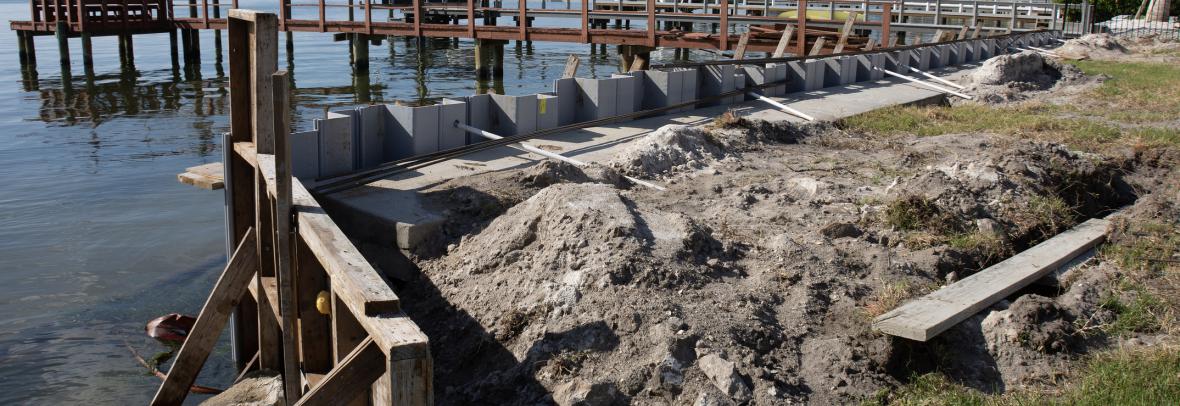
Florida’s latest move toward “living shorelines” signals a meaningful shift in how coastal protection will be handled going forward. Instead of relying almost exclusively on traditional concrete seawalls, the state is now encouraging natural and hybrid solutions designed to reduce erosion, absorb storm impact, and improve environmental health.

For homeowners, buyers, and sellers in Palm Beach County, this isn’t just environmental policy—it’s directly tied to property value, long-term costs, and future marketability. Understanding where this is headed can help you make smarter decisions, especially if you own or are considering purchasing waterfront property.


A Shift Away From Concrete: Why Florida Is Changing Its Approach

For decades, seawalls have been the standard solution for protecting waterfront homes. They’re familiar, relatively straightforward to install, and historically have moved quickly through permitting.

But they also come with limitations.

Concrete seawalls:

  • Reflect wave energy instead of absorbing it
  • Can deteriorate over time, especially with stronger storm activity
  • Offer little environmental benefit

Florida’s new approach focuses on alternatives that work with nature rather than against it. These include features like mangroves, oyster beds, and hybrid systems that combine structural support with natural elements.

The thinking behind this shift is practical. Natural systems can:

  • Reduce erosion more gradually
  • Absorb storm surge instead of deflecting it
  • Improve water quality and marine ecosystems

For waterfront homeowners, this could mean better long-term protection—potentially with lower maintenance costs over time.

Start Comparing Homes That Actually Fit Your Criteria

If you're evaluating options in Palm Beach County or South Florida, browsing homes by city can help you quickly understand pricing, condition, and location tradeoffs.

Explore Homes by City

Faster Permits and New Funding: What the Law Actually Changes

One of the biggest obstacles to using natural shoreline solutions in the past wasn’t interest—it was the process.

Traditional seawalls were easier to approve because regulators were familiar with them. Nature-based solutions often required more review, more coordination, and more time.

The new legislation aims to change that by:

  • Streamlining the permitting process
  • Creating clearer guidelines for approval
  • Opening access to state funding for these projects

That funding component is significant. With hundreds of millions of dollars available through resilience programs, property owners and municipalities may now have financial support to explore alternatives that previously felt out of reach.

For homeowners in areas like West Palm Beach and Palm Beach Gardens, where waterfront property is both valuable and vulnerable, this could influence future renovation and protection decisions.


What This Means for Property Value and Long-Term Costs

This is where the conversation becomes highly relevant for real estate.

Waterfront property has always carried a premium—but it also carries risk. How that risk is managed can directly affect value.

Here’s how this shift may play out:

1. Maintenance Costs Could Change
Traditional seawalls often require periodic repairs or replacement. Living shoreline solutions, once established, may reduce ongoing maintenance—but they may require upfront planning and design.

2. Insurance and Risk Perception May Evolve
As insurers continue to assess coastal risk, properties with more resilient, adaptive shoreline protection could be viewed more favorably over time.

3. Buyer Expectations Will Adjust
As awareness grows, buyers may begin asking different questions:

  • What type of shoreline protection is in place?
  • Is it compliant with newer standards?
  • Will it require future upgrades?

For sellers, this means that outdated or poorly maintained seawalls could become a negotiation point—or even a liability.

Get a Better Sense of What Your Home Could Command

If you’re starting to think about selling, checking your home’s current value can help you understand pricing expectations and how your property may fit today’s market.

Check Your Home Value

The Technology Factor: Where Innovation Is Heading

One of the more interesting developments in this space is the emergence of hybrid solutions—structures that combine engineering with ecological design.

For example:

  • Textured seawalls designed to support marine life
  • Engineered systems that mimic natural root structures
  • Materials that reduce wave energy while creating habitat

These innovations are still evolving, and regulations are catching up. But the direction is clear: future shoreline protection will likely look very different from the flat concrete walls we’ve seen for decades.

For property owners, this creates both opportunity and uncertainty. Early adopters may benefit from improved resilience and potential cost savings, but standards and best practices are still being defined.


What This Means for Buyers and Sellers in South Florida

This shift isn’t just technical—it’s practical.

For buyers:

  • Waterfront properties now require deeper due diligence
  • Understanding shoreline protection is as important as understanding the home itself
  • Future costs and compliance should be part of your decision

For sellers:

  • The condition and type of shoreline protection can impact value
  • Updated or modernized systems may become a selling advantage
  • Older seawalls may need to be addressed before listing

For homeowners:

  • Planning ahead is key
  • Waiting until repairs are urgent may limit your options
  • Exploring new solutions early could provide both financial and structural benefits

In established communities like Wellington, this may be less immediate—but in coastal and waterfront-driven markets like Delray Beach, it’s becoming part of the broader real estate conversation.


A New Layer of Strategy for Waterfront Ownership

Owning waterfront property has always come with a balance of lifestyle and responsibility. What’s changing now is how that responsibility is managed.

This new direction toward living shorelines introduces:

  • More options for protecting property
  • More complexity in decision-making
  • More opportunity to align long-term value with environmental resilience

For those considering buying, selling, or improving waterfront property in Palm Beach County, this isn’t something to overlook. It’s part of a larger shift that will likely shape the market over the next decade.


The most informed decisions moving forward will come from understanding not just the home—but the shoreline that protects it.

Keep Exploring South Florida Real Estate

If you're comparing communities, researching home values, or trying to better understand the South Florida market, reviewing local resources can help put each city and neighborhood into context.


About the Authors

Chris and Sue Kull are South Florida real estate professionals with more than three decades of experience helping buyers, sellers, and property owners navigate real estate decisions throughout Palm Beach County and surrounding communities.

Their work emphasizes local insight, practical guidance, and clear information to help people make informed decisions at every stage of the process.

You can find additional community guides, search tools, and market resources at TheKullGroup.com.

March 25, 2026

Design That Sells: The Subtle Home Updates Buyers Notice First in 2026

/thekullgroup/south-florida-home-staging-interior-design-trends

Design That Sells: The Subtle Home Updates Buyers Notice First in 2026

Walk into two similar homes in the same neighborhood, and one will almost always feel more appealing than the other. It’s rarely about square footage or even price—it’s about how the space feels. That feeling is driven by design.

Right now, buyers in South Florida are more design-aware than ever. They’re not just evaluating homes based on layout and location—they’re reacting emotionally to finishes, flow, and how updated (or outdated) a property feels the moment they walk in.

The good news is that creating that impact doesn’t require a full renovation. In fact, the most effective updates we’re seeing right now are strategic, relatively simple, and rooted in a few core design principles. If you understand what today’s buyers are responding to, you can position your home to stand out without overspending.


The Foundation Buyers Feel First: Layout, Finishes, and Fixtures

Before getting into style trends, it’s important to understand what actually shapes a buyer’s perception of a home. Most people focus on décor, but buyers respond first to three underlying elements: how the space is laid out, what surfaces look like, and the quality of the details throughout.

The layout—or floor plan—is the starting point. Buyers want spaces that make sense the moment they walk through the door. In South Florida, that typically means:

  • Open or semi-open living areas
  • Clear sightlines from kitchen to living space
  • Easy indoor-outdoor flow

In communities like Wellington, where homes often offer larger footprints, layout becomes even more important. A well-arranged space feels larger and more functional—even without adding square footage.

Next are finishes. These are the surfaces buyers see everywhere—flooring, cabinetry, countertops, and wall colors. Outdated finishes tend to stand out immediately, while clean, neutral updates create a move-in-ready feel.

Then come fixtures. These are the smaller elements—faucets, handles, lighting—that often get overlooked by sellers but noticed by buyers. Updating these can have a disproportionate impact on how modern a home feels.

When these three elements work together, the home feels intentional. When they don’t, buyers feel it immediately—even if they can’t explain why.

Start Comparing Homes That Actually Fit Your Criteria

If you're evaluating options in Palm Beach County or South Florida, browsing homes by city can help you quickly understand pricing, condition, and location tradeoffs.

Explore Homes by City

Why Blended Styles Are Winning Over Buyers

One of the biggest shifts in design right now is the move away from strict, single-style interiors.

Buyers aren’t looking for homes that feel overly themed or rigid. Instead, they’re drawn to spaces that feel layered—where different influences come together in a balanced way.

For example:

  • A clean, modern kitchen paired with warmer, more traditional wood tones
  • Contemporary furniture softened by textured rugs or classic accents
  • Neutral backdrops with subtle pops of color or personality

This blended approach works particularly well in South Florida, where lifestyle and comfort matter as much as aesthetics. In areas like Delray Beach, buyers are often drawn to homes that feel relaxed yet refined—not overly formal or overly minimal.

The key is balance. Too much contrast feels chaotic. Too little feels flat. The homes that stand out are the ones that combine styles in a way that feels natural and cohesive.


Small Changes That Make a Big Impact During Showings

Here’s where sellers often miss an opportunity: they assume improving a home requires a major investment. In reality, many of the updates that influence buyers most are relatively simple.

The goal isn’t perfection—it’s perception.

A few of the most effective upgrades include:

1. Refreshing paint colors
Neutral tones continue to dominate, but that doesn’t mean everything has to be white. Soft, warm neutrals with subtle contrast create depth without overwhelming the space.

2. Updating lighting
Lighting has become a focal point. Swapping outdated fixtures for more current designs can instantly modernize a room.

3. Replacing hardware and fixtures
Cabinet handles, faucets, and bathroom fixtures are quick wins. These details signal whether a home has been maintained and updated.

4. Simplifying the space
Decluttering and reducing visual noise allows buyers to focus on the home itself—not the contents.

5. Creating visual flow
Repeating colors or materials throughout the home creates a sense of cohesion, which buyers subconsciously respond to.

In more value-driven markets like Lake Worth, these smaller updates can be the difference between a home sitting and a home selling quickly.

Get a Better Sense of What Your Home Could Command

If you’re starting to think about selling, checking your home’s current value can help you understand pricing expectations and how your property may fit today’s market.

Check Your Home Value

How Design Influences Buyer Psychology

This is where design becomes more than just aesthetics—it becomes strategy.

Buyers don’t just evaluate homes logically. They react emotionally. Within seconds of walking in, they begin forming an impression.

A well-designed home creates:

  • A sense of ease and comfort
  • Confidence that the property has been cared for
  • A feeling that the home is “ready”

On the other hand, a home with mismatched finishes, poor lighting, or outdated details can create hesitation—even if everything else is right.

There’s also an element of imagination. Buyers want to see themselves living in the space. If a home feels too personalized or visually cluttered, it becomes harder for them to make that connection.

In balanced markets like Boynton Beach, where buyers have options, this emotional response often determines which homes they pursue—and which they pass on.


What This Means for Buyers and Sellers in South Florida

For sellers, the takeaway is clear: presentation matters more than ever.

You don’t need to fully renovate your home to compete. But you do need to be intentional about how it shows. Strategic updates can increase perceived value, reduce time on market, and attract stronger offers.

For buyers, this shift means you’ll often pay a premium for homes that feel updated and move-in ready. However, it also creates opportunity. Homes that need minor cosmetic updates may offer better value if you’re willing to make those improvements yourself.

For both sides, understanding how design impacts perception can lead to better decisions—and better outcomes.

In established areas like Wellington and lifestyle-driven communities like Delray Beach, the difference between a well-presented home and an average one is often reflected directly in price and speed of sale.


The Smart Approach to Updating Before You Sell

If you’re preparing to sell, the goal isn’t to chase trends—it’s to align your home with what buyers expect right now.

That means focusing on:

  • Clean, cohesive finishes
  • Updated but neutral design choices
  • Small details that signal quality and care

Over-improving can be just as costly as under-improving. The smartest approach is targeted updates that deliver the highest return.

And in a market like Palm Beach County, where buyers are both value-conscious and design-aware, that balance matters.

A well-prepared home doesn’t just look better—it competes better.

Keep Exploring South Florida Real Estate

If you're comparing communities, researching home values, or trying to better understand the South Florida market, reviewing local resources can help put each city and neighborhood into context.


About the Authors

Chris and Sue Kull are South Florida real estate professionals with more than three decades of experience helping buyers, sellers, and property owners navigate real estate decisions throughout Palm Beach County and surrounding communities.

Their work emphasizes local insight, practical guidance, and clear information to help people make informed decisions at every stage of the process.

You can find additional community guides, search tools, and market resources at TheKullGroup.com.

March 25, 2026

The Missing Generation of Buyers: What Happens When First-Time Homeownership Gets Delayed

thekullgroup/first-time-buyers-missing-south-florida-housing

The Missing Generation of Buyers: What Happens When First-Time Homeownership Gets Delayed

There’s a quiet but powerful shift happening in today’s housing market—and it’s not just about prices or interest rates. It’s about who isn’t buying.

Across the country, millions of younger adults who would typically be entering the housing market simply aren’t. They’re delaying purchases, living with family longer, or renting with roommates—not necessarily by choice, but because the financial barriers to homeownership have become too high to overcome easily.

This isn’t just a short-term affordability issue. It’s a structural shift that affects the entire real estate ecosystem—from first-time buyers all the way up to luxury sellers.

In a market like Palm Beach County, where demand remains strong but affordability continues to tighten, understanding this trend isn’t optional—it’s essential for making smart decisions whether you’re buying, selling, or planning your next move.


Why First-Time Buyers Are Sitting on the Sidelines

For decades, the housing market has relied on a steady flow of first-time buyers. They’re the foundation of the entire system. When they enter the market, everything else starts moving.

Right now, that foundation is under pressure.

The core issue is simple: the cost of entry has risen faster than incomes. It’s not just home prices—it’s everything tied to the purchase.

Today’s first-time buyers are facing:

  • Higher home prices than previous generations encountered at the same stage
  • Larger down payment requirements
  • Increased monthly costs due to interest rates, taxes, and insurance

In many cases, even financially responsible young adults with steady income are finding themselves locked out—not because they can’t afford a home long-term, but because they can’t clear the upfront hurdles.

This is especially visible in entry-level markets like Lake Worth and Greenacres, where demand remains high but affordability still creates a bottleneck.

Start Comparing Homes That Actually Fit Your Criteria

If you're evaluating options in Palm Beach County or South Florida, browsing homes by city can help you quickly understand pricing, condition, and location tradeoffs.

Explore Homes by City

The Ripple Effect: When Entry-Level Buyers Disappear

When first-time buyers slow down, the impact spreads quickly—and not always in obvious ways.

Here’s what happens behind the scenes:

  • Entry-level homes take longer to sell or attract fewer offers
  • Current homeowners delay selling because they can’t find a buyer
  • Move-up buyers stay put, limiting mid-range inventory
  • Higher-end markets experience reduced activity

In other words, the absence of first-time buyers creates friction throughout the entire system.

This is particularly relevant in balanced markets like Boynton Beach, where the flow between price points is critical. When that flow slows, the entire market feels it.

For sellers, this means fewer natural buyers entering the pipeline. For buyers already in the market, it can mean less competition—but also less inventory to choose from.


The Hidden Lifestyle Shift: Delayed Independence

There’s another layer to this trend that goes beyond real estate—it’s changing how people live.

Many younger adults are:

  • Staying with parents longer
  • Sharing housing with roommates
  • Delaying major life milestones like marriage or starting a family

These “missing households” aren’t just statistics—they represent demand that hasn’t been realized yet.

At some point, many of these individuals will still want to buy. But when they do, they may enter the market later—and often with different expectations, financial situations, and priorities.

In South Florida, this can create sudden surges in demand when affordability conditions improve, which can lead to rapid price movement in certain segments.


The Real Cost of Waiting to Buy

On the surface, delaying a home purchase might seem like a cautious, even responsible decision. But there’s a tradeoff that often gets overlooked.

Time in the market matters.

When buyers enter later, they:

  • Miss out on years of equity growth
  • Lose the benefit of long-term appreciation
  • Delay building financial stability tied to homeownership

For example, someone who buys earlier has more time to benefit from rising property values—even if the market fluctuates along the way.

In Palm Beach County, where long-term appreciation has historically been strong, that lost time can translate into significant missed opportunity.

This doesn’t mean rushing into a purchase blindly. It means understanding the long-term implications of waiting versus finding a strategic way to enter the market sooner.

Get a Better Sense of What Your Home Could Command

If you’re starting to think about selling, checking your home’s current value can help you understand pricing expectations and how your property may fit today’s market.

Check Your Home Value

What This Means for Buyers and Sellers in South Florida

This shift is reshaping how the local market behaves—and how decisions need to be made.

For buyers:

  • You may face less competition from first-time buyers in certain segments
  • But inventory may also be tighter because fewer sellers are moving up
  • Finding creative ways to enter the market (smaller homes, different locations, or family assistance) can create opportunities

For sellers:

  • Your buyer pool may look different than it did five years ago
  • First-time buyers may not be your primary audience anymore
  • Pricing and positioning your home correctly becomes even more important

For homeowners:

  • Reduced market movement can impact how quickly homes sell
  • Timing your sale relative to broader market trends becomes more critical

In stable communities like Wellington, this often leads to longer ownership cycles and more deliberate decision-making. In lifestyle-driven areas like Delray Beach, demand may remain strong—but the composition of buyers continues to evolve.

The bottom line: the market is still active—but it’s functioning differently.


A More Strategic Path Forward in a Changing Market

The absence of younger buyers doesn’t mean opportunity is gone—it just means the strategy needs to adapt.

For buyers, that might mean:

  • Expanding your search to include more affordable areas or property types
  • Exploring alternative financing or down payment assistance
  • Thinking long-term rather than waiting for perfect conditions

For sellers, it means:

  • Understanding who your likely buyer is in today’s market
  • Pricing realistically based on current demand—not past conditions
  • Positioning your home to stand out in a more selective buyer pool


In Palm Beach County, where lifestyle, location, and long-term value all play a role, the most successful decisions are being made by those who understand not just what the market is—but where it’s heading.

Keep Exploring South Florida Real Estate

If you're comparing communities, researching home values, or trying to better understand the South Florida market, reviewing local resources can help put each city and neighborhood into context.


About the Authors

Chris and Sue Kull are South Florida real estate professionals with more than three decades of experience helping buyers, sellers, and property owners navigate real estate decisions throughout Palm Beach County and surrounding communities.

Their work emphasizes local insight, practical guidance, and clear information to help people make informed decisions at every stage of the process.

You can find additional community guides, search tools, and market resources at TheKullGroup.com.

March 25, 2026

The New Family Strategy: Why Helping Kids Buy Homes Is Replacing College Funding

thekullgroup/parents-helping-children-buy-home-south-florida

The New Family Strategy: Why Helping Kids Buy Homes Is Replacing College Funding

There’s a noticeable shift happening in how families think about financial support—and it’s showing up clearly in the housing market. For decades, helping children pay for college was seen as the primary financial priority. Today, that mindset is evolving. More parents are deciding that helping their children buy a home may be the more impactful long-term investment.

This change isn’t happening in a vacuum. Rising home prices, higher interest rates, and the challenge of saving for a down payment have made it significantly harder for younger buyers to enter the market. At the same time, families are recognizing that homeownership can create stability and long-term wealth in ways that are harder to replicate elsewhere.

In a market like Palm Beach County—where affordability, lifestyle, and long-term value all intersect—this shift is reshaping how first-time buyers, parents, and even sellers approach real estate decisions.


Why Parents Are Prioritizing Homeownership Support

For many families, the decision comes down to one simple reality: access to housing has become one of the biggest financial hurdles young adults face.

Unlike education, where loans, grants, and scholarships are widely available, buying a home typically requires immediate cash—often tens of thousands of dollars. That upfront barrier is what’s driving parents to step in.

But this isn’t just about helping with a purchase—it’s about setting a financial foundation.

When someone buys a home earlier in life, they gain:

  • More time to build equity
  • Greater exposure to long-term appreciation
  • A forced savings mechanism through mortgage payments

Over time, those factors can significantly impact net worth. Families are starting to see that helping a child purchase a home isn’t just assistance—it’s leverage.

In South Florida, where appreciation and demand have historically been strong, this decision can have even more pronounced long-term effects.

Start Comparing Homes That Actually Fit Your Criteria

If you're evaluating options in Palm Beach County or South Florida, browsing homes by city can help you quickly understand pricing, condition, and location tradeoffs.

Explore Homes by City

The Real Barrier: Upfront Costs, Not Monthly Payments

One of the most misunderstood aspects of today’s housing market is where the real difficulty lies.

For many younger buyers, the issue isn’t the monthly mortgage—it’s getting through the front door financially.

Key challenges include:

  • Down payment requirements
  • Closing costs
  • Cash reserves required by lenders

Even well-qualified buyers with solid income often struggle to accumulate the initial funds needed to purchase.

This is especially true in areas like Lake Worth and Greenacres, where buyers may be searching for more affordable entry points but still face competitive conditions and rising prices.

Parental assistance can bridge that gap—but it needs to be structured carefully. Whether it’s a gift, a loan, or co-signing on financing, each approach carries different implications for both parties.

The key isn’t just helping—it’s helping in a way that protects everyone involved.


How This Trend Impacts the Entire Housing Market

When younger buyers gain access to homeownership, it doesn’t just affect them—it creates movement across the entire market.

Here’s how it plays out:

  • First-time buyers enter the market
  • Entry-level homes sell more quickly
  • Move-up buyers are able to sell and upgrade
  • Higher-end inventory begins to turn over

In other words, helping one buyer can trigger a chain reaction that benefits multiple segments of the market.

This is particularly important in Palm Beach County, where inventory constraints and pricing pressure can slow activity. When more buyers can participate, the market becomes more fluid.

Areas like Boynton Beach often reflect this balance—offering a mix of affordability and lifestyle that attracts both first-time buyers and those moving up.

From a broader perspective, this trend isn’t just about individual families—it’s about market health.


The Financial and Emotional Risks Families Need to Consider

While the upside is clear, this strategy isn’t without risk.

Helping a child buy a home requires careful planning, because it can impact:

  • A parent’s retirement savings
  • Tax implications of large financial gifts
  • Family dynamics if expectations aren’t clearly defined

There’s also the question of timing. Markets shift. Interest rates change. And not every purchase leads to immediate appreciation.

For the buyer, there’s responsibility as well:

  • Maintaining the property
  • Managing monthly payments
  • Handling unexpected expenses

In South Florida, those expenses can include insurance fluctuations, maintenance costs, and, in some cases, HOA or condo fees.

This is where many well-intentioned decisions can become stressful if they aren’t thought through ahead of time.

The strongest outcomes tend to come from families who treat this like a structured financial decision—not an emotional one.

Get a Better Sense of What Your Home Could Command

If you’re starting to think about selling, checking your home’s current value can help you understand pricing expectations and how your property may fit today’s market.

Check Your Home Value

What This Means for Buyers and Sellers in South Florida

This shift is changing how transactions happen—and who is involved in them.

For buyers:

  • You may not be purchasing alone—family involvement is becoming more common
  • Structuring the deal properly (gift vs. loan vs. co-sign) matters more than ever
  • Entering the market earlier can have long-term financial benefits

For parents:

  • Helping with a home purchase can be a powerful wealth-building tool for your child
  • But it needs to be balanced against your own financial security
  • Professional guidance (financial and real estate) is critical

For sellers:

  • You’re increasingly dealing with multi-party decision-making
  • Offers may involve family-backed financing
  • Understanding buyer structure can help you evaluate offers more effectively

In stable, established communities like Wellington, this often translates into longer-term ownership and more thoughtful purchasing decisions. In lifestyle-driven areas like Delray Beach, it can mean increased competition from buyers who now have additional financial support.

The net effect: more buyers entering the market—and more complexity in how deals are structured.


A Smarter Way to Approach Family-Assisted Homebuying

There’s no universal playbook for this.

Some families provide a down payment gift. Others co-invest. Some take a more hands-off approach. The right path depends on financial position, goals, and risk tolerance.

What matters most is clarity:

  • Clear expectations between parents and children
  • Clear understanding of financial impact
  • Clear structure for how the transaction is handled

In Palm Beach County, where market conditions can shift quickly, having a plan in place before entering the market is a significant advantage.

This isn’t just about helping someone buy a home—it’s about helping them start on a stronger financial path.

Keep Exploring South Florida Real Estate

If you're comparing communities, researching home values, or trying to better understand the South Florida market, reviewing local resources can help put each city and neighborhood into context.


About the Authors

Chris and Sue Kull are South Florida real estate professionals with more than three decades of experience helping buyers, sellers, and property owners navigate real estate decisions throughout Palm Beach County and surrounding communities.

Their work emphasizes local insight, practical guidance, and clear information to help people make informed decisions at every stage of the process.

You can find additional community guides, search tools, and market resources at TheKullGroup.com.

March 25, 2026

Smart Moves, Not Risky Ones: Buying a Home as You Approach Retirement

thekullgroup/south-florida-retirement-home-buying-strategy

Smart Moves, Not Risky Ones: Buying a Home as You Approach Retirement

Retirement used to signal staying put. Today, it often means making a move—sometimes a big one. Whether it’s downsizing, relocating closer to family, or simply choosing a lifestyle that better fits the next chapter, many buyers in their 50s, 60s, and beyond are actively driving demand in the housing market.

But here’s the part that doesn’t get talked about enough: buying a home later in life carries a different set of risks than buying in your 30s or 40s. Financing works differently. Time horizons are shorter. Monthly costs matter more. And one misstep can impact long-term financial stability in a way that’s harder to recover from.

For buyers and sellers in South Florida—especially in Palm Beach County—these decisions carry even more weight due to property taxes, insurance costs, and lifestyle-driven pricing. The opportunity is there, but it requires a more thoughtful approach.


Why More Buyers Are Making Moves Later in Life

There’s a clear shift happening. More homeowners are choosing to make a move around retirement rather than staying in place.

Some are simplifying—trading a large home for something easier to maintain. Others are upgrading their lifestyle—moving closer to the water, golf communities, or areas with stronger amenities. And many are relocating to be near family or healthcare resources.

In Palm Beach County, this shows up clearly in demand across areas like Wellington, where stability and community planning attract long-term residents, and Delray Beach, where lifestyle and walkability are major draws.

But what looks like a lifestyle decision on the surface is often a financial decision underneath—and that’s where things can get complicated.

Start Comparing Homes That Actually Fit Your Criteria

If you're evaluating options in Palm Beach County or South Florida, browsing homes by city can help you quickly understand pricing, condition, and location tradeoffs.

Explore Homes by City

The Financing Reality Most Buyers Don’t Expect

One of the biggest surprises for buyers nearing retirement is how financing actually works.

There’s no age limit on getting a mortgage. But lenders don’t evaluate applications based on age—they evaluate based on income stability. And that’s where things can get tricky.

If your income is shifting from employment to retirement distributions (like IRAs or 401(k)s), lenders may not view that income the same way. In some cases, it’s not counted at all unless structured properly. That can affect how much you qualify for—or whether you qualify at all.

There’s also a timing component. If you apply for a mortgage before fully retiring, your approval may look very different than if you apply after your income changes.

What this means in practice:

  • The window to secure favorable financing may be narrower than expected
  • Pre-approval becomes more important than ever
  • Decisions about when to buy can be just as important as what to buy

This is one of the few areas where getting advice from both a lender and a financial planner before making a move isn’t optional—it’s essential.


Choosing the Right Property Matters More Than Ever

At this stage, the wrong property can create ongoing stress. The right one can simplify life dramatically.

This isn’t just about size—it’s about function.

For example:

  • Multi-story homes may become less practical over time
  • Older homes requiring ongoing maintenance can become burdensome
  • Properties far from medical services or daily conveniences may create challenges later

In South Florida, many buyers gravitate toward:

  • Single-story homes
  • Gated or managed communities
  • Properties close to shopping, healthcare, and recreation

There’s also a financial layer to consider. Condominiums, for example, may seem like an easy, low-maintenance option—but association fees, insurance requirements, and special assessments can significantly impact monthly costs.

The goal isn’t just to find a home you like—it’s to find one that still works for you 10–15 years from now.


The Hidden Costs That Can Impact Retirement Plans

This is where many buyers get caught off guard.

It’s easy to focus on the purchase price. But the real question is: what will it cost you to live there long-term?

In Palm Beach County, you need to factor in:

  • Property taxes (which may reset after purchase)
  • Homeowners insurance (a major variable in Florida)
  • HOA or condo fees
  • Maintenance and repairs

A home that looks affordable on paper can become expensive once all of these are included.

For sellers making a move, this matters just as much. If you’re selling a paid-off home and moving into a property with higher ongoing costs, you may be increasing your monthly financial pressure—even if the new home is smaller.

Get a Better Sense of What Your Home Could Command

If you’re starting to think about selling, checking your home’s current value can help you understand pricing expectations and how your property may fit today’s market.

Check Your Home Value

What This Means for Buyers and Sellers in South Florida

If you’re approaching retirement and considering a move, the strategy needs to shift.

For buyers:

  • Focus on long-term livability, not just current appeal
  • Get pre-approved early and understand how your income will be evaluated
  • Choose properties that minimize future maintenance and surprise costs

For sellers:

  • Understand how your equity translates into your next purchase
  • Evaluate whether your next home truly reduces monthly expenses
  • Time your sale and purchase carefully to protect your financial position

For both:

  • This is less about “finding a deal” and more about making a decision that holds up over time

In markets like Wellington, where stability and long-term ownership are common, or Boynton Beach, where buyers often balance affordability with access, the right strategy can make a significant difference in both lifestyle and financial outcome.


A Smarter Way to Approach Your Next Move

Buying or selling a home near retirement isn’t just another transaction—it’s a transition.

The most successful moves we see in South Florida share a few common traits:

  • Decisions are made with a clear financial plan
  • Buyers prioritize simplicity and predictability
  • Sellers focus on aligning their next home with long-term goals—not just immediate needs

There’s no one-size-fits-all answer. But there is a right approach—and it starts with understanding the tradeoffs before making a move.

Keep Exploring South Florida Real Estate

If you're comparing communities, researching home values, or trying to better understand the South Florida market, reviewing local resources can help put each city and neighborhood into context.


About the Authors

Chris and Sue Kull are South Florida real estate professionals with more than three decades of experience helping buyers, sellers, and property owners navigate real estate decisions throughout Palm Beach County and surrounding communities.

Their work emphasizes local insight, practical guidance, and clear information to help people make informed decisions at every stage of the process.

You can find additional community guides, search tools, and market resources at TheKullGroup.com.