Insights, strategy, and real estate guidance across Palm Beach County.

March 15, 2026

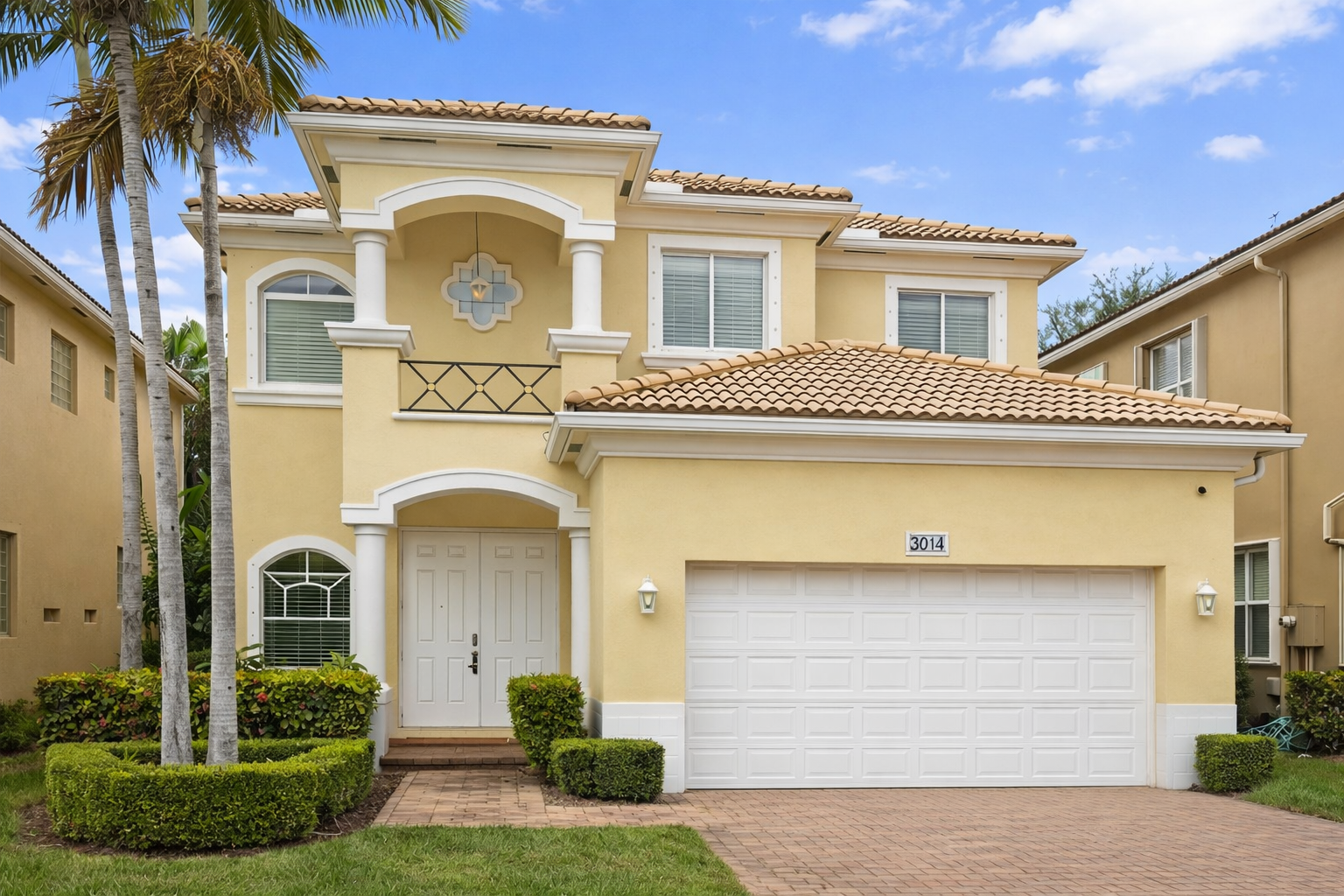
Where Everyday Life Fits Naturally: A Family-Oriented Perspective on Boynton Beach, Florida Real Estate

thekullgroup/boynton-beach-fl-family-lifestyle-communities-real-estate

Where Everyday Life Fits Naturally: A Family-Oriented Perspective on Boynton Beach, Florida Real Estate

When people explore Boynton Beach, Florida real estate, the conversation often starts with location—but it usually ends with lifestyle. Situated along the southeastern coastline of Palm Beach County, Boynton Beach offers a practical blend of coastal access, suburban neighborhoods, and daily conveniences that appeal to long-term homeowners.

Unlike areas built primarily around tourism or high-rise development, Boynton Beach has evolved into a city where people settle into routines. Schools, neighborhood parks, grocery stores, commuter routes, and community recreation are woven into the structure of everyday life. For families raising children, professionals commuting within Palm Beach County, or retirees seeking stability rather than constant change, the city offers an environment that supports consistency.

Real estate decisions here are rarely about short-term speculation. Instead, buyers and sellers tend to approach the market with a longer horizon—thinking about neighborhood feel, property longevity, and how a home supports daily routines over many years.

For those unfamiliar with South Florida, Boynton Beach occupies a unique middle ground between coastal lifestyle and residential practicality. Understanding how people actually live here helps buyers and homeowners make informed real estate decisions.

See What’s on the Market Right Now

If you're researching homes in Palm Beach County or anywhere in South Florida, explore current listings by city and see what’s available right now.

Explore Homes by City

Living in Boynton Beach, FL

Boynton Beach sits between Delray Beach and Lake Worth, roughly midway along Palm Beach County’s Atlantic shoreline. Its position places residents within easy reach of beaches, major highways, employment centers, and shopping corridors while maintaining a residential character that feels distinct from more tourism-driven coastal towns.

A City Designed for Routine and Stability

One of the most noticeable aspects of Boynton Beach is how residential neighborhoods connect to everyday services. Grocery stores, schools, parks, medical offices, and retail areas are spread across the city in ways that make daily errands manageable without long drives.

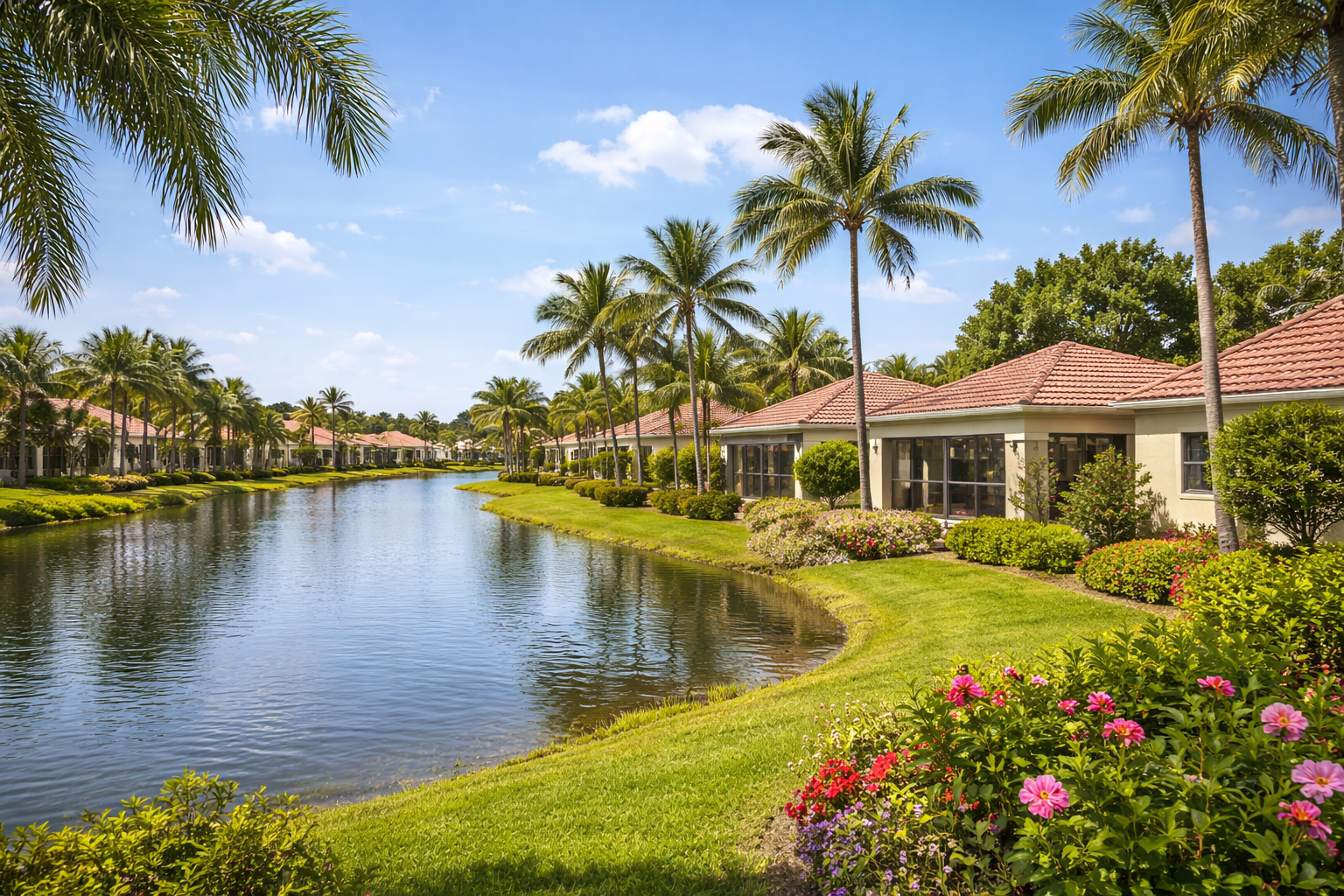
Many neighborhoods were developed with long-term residents in mind rather than seasonal occupancy. Streets often include sidewalks, lakes, and community green spaces, encouraging walking, biking, and neighborhood interaction.

Neighborhood Variety

Boynton Beach contains a wide range of residential environments. Some communities sit closer to the Atlantic and include coastal-style condominiums or townhomes. Others stretch west toward suburban developments with larger homes and master-planned neighborhoods.

Home styles vary widely and include:

  • Single-family homes in planned communities

  • Waterfront condominiums near the Intracoastal Waterway

  • Townhome developments with shared amenities

  • Active-adult communities designed for residents age 55+

This variety allows households at different life stages to find housing that aligns with their priorities.

Community Atmosphere

Daily life in Boynton Beach often revolves around outdoor activity and neighborhood connection. Local parks, recreation facilities, and waterfront areas provide spaces for exercise, youth sports, and weekend gatherings.

Residents often describe the city as relaxed and approachable. While it continues to grow, the overall environment still supports a pace of life where routines feel manageable and neighborhoods feel familiar.


Boynton Beach, FL Real Estate Market Overview

The Boynton Beach, FL real estate market reflects the broader housing dynamics of Palm Beach County while maintaining its own distinct rhythm shaped by residential demand and long-term homeowners.

General Pricing Patterns

Homes in Boynton Beach typically offer a wide range of price points depending on proximity to the coast, property type, and neighborhood amenities. Coastal areas and waterfront properties generally command higher values, while inland communities often provide more space for the price.

Buyers frequently compare Boynton Beach with neighboring cities such as Delray Beach, Lake Worth, and Wellington when evaluating housing options. This comparison dynamic often influences pricing expectations across the region.

Inventory Characteristics

Housing inventory in Boynton Beach tends to include a mix of resale homes and established communities rather than large volumes of brand-new construction within the city itself. Many neighborhoods were built over several decades, giving buyers access to properties with mature landscaping and established community structures.

Occasional new development appears in nearby western areas, but the core housing stock remains rooted in long-standing residential communities.

Market Activity

Real estate activity in Boynton Beach typically maintains steady movement rather than dramatic swings. Families relocating within Palm Beach County, retirees moving into active-adult communities, and buyers relocating from out of state all contribute to consistent housing demand.

Homes that are properly maintained and realistically priced often attract attention relatively quickly, particularly in neighborhoods known for schools, parks, or community amenities.


Buying a Home in Boynton Beach, FL

For buyers exploring South Florida, Boynton Beach often represents a practical balance between lifestyle and housing stability.

Expectations for Buyers

Those considering purchasing property in the city should expect a diverse housing inventory with a range of community structures. Because many neighborhoods include homeowner associations, buyers may encounter specific rules regarding exterior maintenance, landscaping, or community amenities.

Understanding these guidelines early in the process can help buyers determine which communities align with their preferences.

Common Property Types

Several housing styles appear frequently throughout Boynton Beach:

Single-family homes
Found in both traditional subdivisions and master-planned communities, these properties often include yards and multi-bedroom layouts suitable for long-term living.

Townhomes
Townhome developments offer a middle ground between condominiums and detached houses, often including shared amenities such as pools or recreation areas.

Condominiums and waterfront residences
Closer to the Intracoastal Waterway and coastal areas, condominium living provides lower-maintenance options for residents who prefer proximity to the water.

Active-adult communities
Boynton Beach also contains numerous 55+ communities designed around recreational facilities, social activities, and simplified homeownership.

Timing and Local Considerations

Buyers relocating from outside Florida often begin their search during the winter and early spring months when seasonal residents return to the area. While inventory changes throughout the year, housing options continue to rotate regularly as properties come to market.

Because many buyers compare Boynton Beach with nearby cities, flexibility around neighborhood selection may help expand available options.


Selling a Home in Boynton Beach, FL

Homeowners selling property in Boynton Beach often benefit from the city’s reputation as a stable residential environment with consistent housing demand.

Preparing a Home for Market

Sellers typically begin by ensuring the home reflects a well-maintained condition. Buyers evaluating homes in this area often prioritize properties that demonstrate careful ownership.

Common preparation steps include:

  • Addressing minor maintenance issues

  • Refreshing landscaping and curb appeal

  • Decluttering interior spaces

  • Presenting neutral, well-lit interiors

These improvements can help buyers visualize long-term living in the home.

Pricing Strategy

Pricing strategy plays a significant role in attracting serious interest. Because buyers often compare homes in Boynton Beach with those in Delray Beach or Lake Worth, pricing typically reflects both local neighborhood values and nearby market conditions.

Properties that enter the market with realistic expectations often experience stronger early engagement from buyers.

Understanding Buyer Behavior

Many buyers exploring Boynton Beach are evaluating lifestyle fit as much as property features. Sellers should recognize that buyers often consider factors such as commute times, neighborhood quietness, and proximity to schools or parks.

Homes that align well with these lifestyle priorities tend to stand out during the decision process.

Curious What Your Home Might Be Worth?

Home values across Palm Beach County and South Florida change constantly. See what buyers may currently be willing to pay for homes in your neighborhood.

Check Your Home Value

Frequently Asked Questions About Boynton Beach, FL Real Estate

Is Boynton Beach expensive to live in?

Boynton Beach offers a range of housing options that can fit different budgets. While coastal properties and waterfront homes often command higher prices, inland neighborhoods frequently provide more accessible housing choices. Overall living costs reflect the broader Palm Beach County region, though many buyers find that Boynton Beach offers a balanced combination of housing space, amenities, and proximity to the ocean.

Is Boynton Beach good for families?

Boynton Beach is widely considered a family-friendly community due to its parks, neighborhood layouts, and recreational facilities. Many residential developments include sidewalks, lakes, and green spaces that encourage outdoor activity. Local schools, youth sports programs, and community events also contribute to an environment that supports family routines and long-term living.

How far is Boynton Beach from major employment centers?

Boynton Beach is positioned conveniently within Palm Beach County. The city sits about 20 minutes from West Palm Beach and approximately 25–30 minutes from Boca Raton depending on traffic conditions. Major commuting routes include Interstate 95 and Florida’s Turnpike, allowing residents to access employment centers throughout South Florida while living in a quieter residential environment.

What types of homes are common in Boynton Beach?

The housing inventory in Boynton Beach includes a mix of single-family homes, condominiums, and townhomes. Many neighborhoods were designed as planned communities with shared amenities. Waterfront condos and coastal residences appear closer to the Intracoastal Waterway, while inland developments often feature larger homes with yards and family-oriented layouts.

Is Boynton Beach a good place to buy or sell a home?

Boynton Beach typically maintains steady housing demand due to its location, residential design, and accessibility within Palm Beach County. Buyers appreciate the variety of property types and the city’s balanced lifestyle, while sellers benefit from consistent interest from both local residents and out-of-state relocations. As with any housing market, successful outcomes depend on property condition, pricing, and timing.


A City That Supports Long-Term Living

Boynton Beach continues to attract residents who prioritize stability and livability. The city’s layout supports everyday routines—school drop-offs, grocery runs, outdoor recreation, and commuting—without requiring the intensity of a dense urban environment.

For families, professionals, and retirees alike, Boynton Beach provides a setting where homeownership often becomes a long-term decision rather than a temporary step.

Buyers relocating to Palm Beach County frequently discover that the city offers a practical balance: coastal proximity without overwhelming congestion, neighborhood planning without uniformity, and housing options that support many stages of life.


Real estate decisions are deeply personal, but for those seeking a place where daily life feels manageable and community structures remain strong, Boynton Beach offers a thoughtful environment for building a lasting home.

Real Estate Resources for South Florida

If you're researching homes or following the South Florida real estate market, exploring listings and property values can provide helpful context for understanding local neighborhoods and housing trends across Palm Beach County.


About the Authors

Chris and Sue Kull are South Florida real estate professionals with more than three decades of experience helping buyers, sellers, and property owners navigate the housing market throughout Palm Beach County and surrounding communities.

Their work focuses on providing clear information, local market insight, and practical guidance so clients can make confident real estate decisions. Over the years they have built a trusted network of industry professionals—including lenders, inspectors, contractors, and legal specialists—to support every stage of the real estate process.

You can explore additional resources, community guides, and real estate tools at www.TheKullGroup.com.

If you have questions about buying, selling, or understanding the local real estate market, you can reach out through our contact page.
March 15, 2026

Royal Palm Beach, Florida Real Estate: A Practical Look at Space, Commutes, and Community Life

thekullgroup/royal-palm-beach-fl-relocation-lifestyle-homebuyers-guide.

Royal Palm Beach, Florida Real Estate: A Practical Look at Space, Commutes, and Community Life

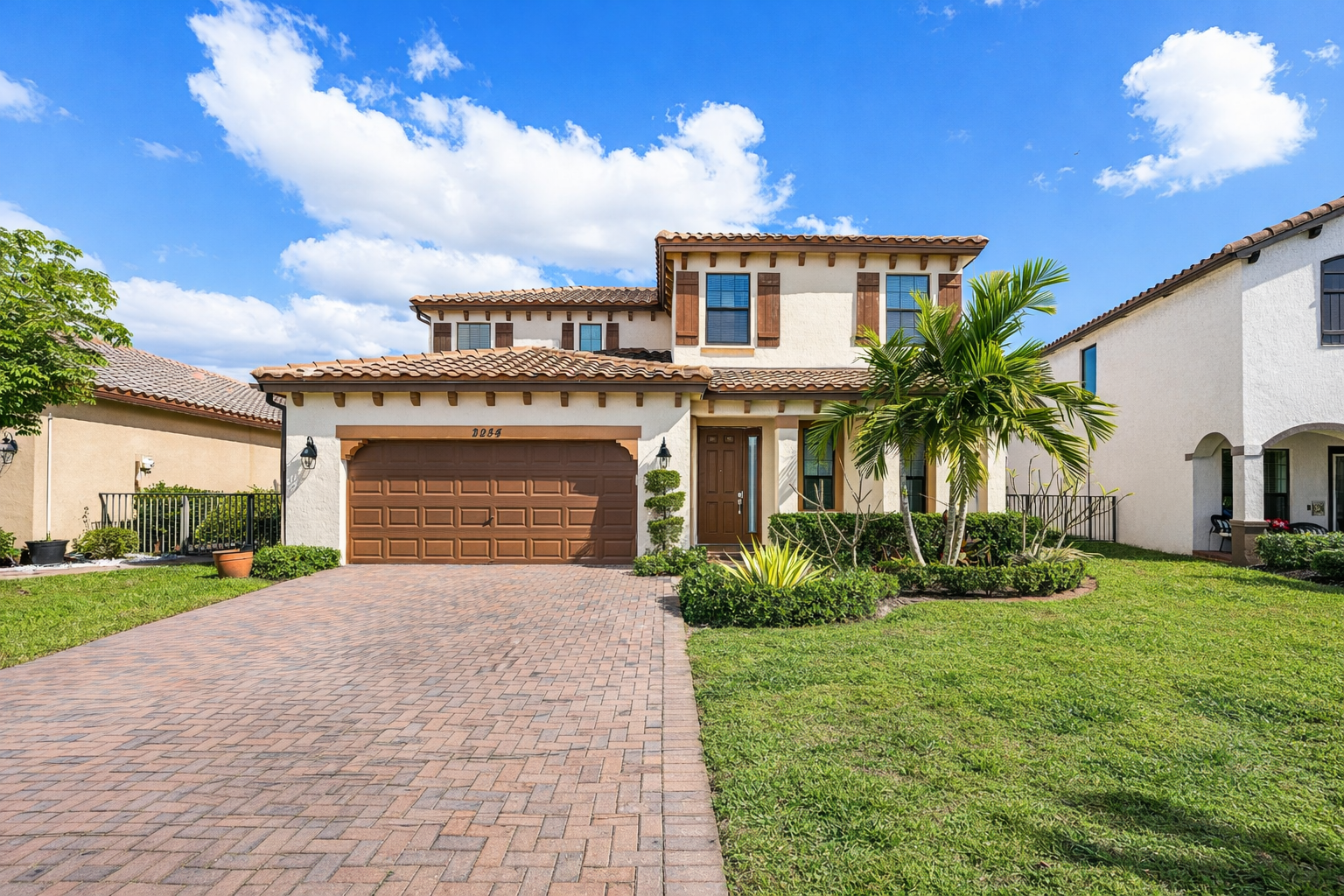
Relocating to a new area often begins with a simple question: what is everyday life actually like there? For many people exploring Palm Beach County, Royal Palm Beach, Florida real estate becomes part of that conversation because the village offers a balance that is increasingly difficult to find in South Florida—space, convenience, and a strong community feel without being far removed from major job centers.

Located on the western side of Palm Beach County, Royal Palm Beach has developed into a residential hub that appeals to families, professionals, and retirees alike. The area is known for its parks, planned neighborhoods, and access to shopping corridors while still maintaining a quieter suburban character.

For buyers, sellers, and people considering relocation to South Florida, understanding how Royal Palm Beach fits into the broader regional housing landscape is important. Housing styles, commuting patterns, lifestyle amenities, and market activity all shape the experience of living here.

This guide offers a grounded look at what makes Royal Palm Beach distinctive, how its housing market functions, and what prospective residents should consider before making a move.

See What’s on the Market Right Now

If you're researching homes in Palm Beach County or anywhere in South Florida, explore current listings by city and see what’s available right now.

Explore Homes by City

Living in Royal Palm Beach, FL

Royal Palm Beach sits roughly 12 miles west of downtown West Palm Beach and serves as one of the westernmost residential communities in the Palm Beach County coastal corridor. While the Atlantic coastline remains a short drive away, the village itself feels noticeably more suburban and spacious than many eastern communities.

A Planned Community With Green Space

One of the defining characteristics of Royal Palm Beach is its emphasis on green space and outdoor recreation. The village was originally designed with numerous parks, lakes, and recreational areas woven throughout residential neighborhoods. As a result, outdoor activities such as walking, biking, youth sports, and weekend park gatherings are a regular part of community life.

Veterans Park, Commons Park, and several neighborhood parks contribute to the area’s reputation as a family-friendly environment. Many residents appreciate that these spaces create a relaxed atmosphere that contrasts with more densely built coastal towns.

Housing Styles and Neighborhood Layout

Royal Palm Beach neighborhoods primarily consist of single-family homes, although townhomes and some condominium communities are also present. Many developments were constructed during the late 1980s through early 2000s, meaning homes often feature traditional Florida layouts with garages, yards, and open living areas.

Buyers relocating from dense urban markets frequently notice that homes here offer more interior and outdoor space compared with properties closer to the coast.

Community Atmosphere

Royal Palm Beach maintains the feel of a residential village rather than a major city. Local schools, community events, sports leagues, and neighborhood gatherings help foster a strong sense of connection among residents.

Shopping and dining options are concentrated along major corridors such as State Road 7 and Southern Boulevard, giving residents convenient access to daily essentials without requiring long drives.


Royal Palm Beach, FL Real Estate Market Overview

The Royal Palm Beach, FL real estate market tends to reflect the broader Palm Beach County housing environment while maintaining some unique characteristics tied to location and housing inventory.

Pricing Patterns

Homes in Royal Palm Beach often attract buyers looking for more square footage and yard space than they might find closer to the coastline. Because of this, the area has historically appealed to buyers seeking value relative to neighboring communities like Wellington or West Palm Beach.

Prices can vary depending on factors such as neighborhood, property age, renovations, and proximity to schools or parks. While demand across South Florida has increased in recent years, Royal Palm Beach remains one of the areas where buyers may find a balance between price and space.

Inventory Conditions

Housing inventory in the village tends to fluctuate throughout the year, with seasonal activity common during winter and spring when many buyers relocate to Florida. Inventory levels often include a mix of resale homes alongside occasional new construction opportunities in nearby western communities.

Because the area has a strong owner-occupied presence, listings sometimes appear gradually rather than all at once, which can influence buyer competition depending on the season.

Market Activity

Royal Palm Beach usually experiences steady market activity rather than extreme swings. Homes that are well-maintained and appropriately priced tend to attract consistent interest.

Buyers relocating from outside Florida frequently explore the area alongside neighboring communities, comparing commute times, home sizes, and neighborhood amenities before deciding where to purchase.


Buying a Home in Royal Palm Beach, FL

For buyers unfamiliar with Palm Beach County, Royal Palm Beach often enters the conversation when balancing housing space with proximity to employment centers.

Property Types Buyers Commonly Find

The most common homes in Royal Palm Beach include:

  • Single-family houses in established neighborhoods

  • Townhome communities with shared amenities

  • Select condominium developments

  • Newer homes in nearby western growth areas

Many homes feature driveways, garages, and yards, which appeals to buyers relocating from more compact housing markets.

Local Factors Buyers Should Consider

Several local considerations may influence purchasing decisions in the area:

Homeowners Associations (HOAs)
Many communities include HOAs that manage common spaces and enforce neighborhood standards. Buyers should review association rules, fees, and property maintenance guidelines before purchasing.

Proximity to Schools and Parks
Because Royal Palm Beach has a strong reputation for family-oriented living, homes near parks and schools may attract consistent demand.

New Construction Nearby
While the village itself is largely built out, new developments continue to expand west of Royal Palm Beach. Some buyers compare resale homes in the village with new construction options in surrounding areas.

Timing and Competition

Market conditions can change seasonally. Winter and spring often bring more buyers to South Florida, while summer and early fall may provide slightly less competition depending on inventory levels.

Buyers who remain flexible with home features or location within the village may find more options as listings rotate throughout the year.


Selling a Home in Royal Palm Beach, FL

Homeowners considering selling property in Royal Palm Beach often find that buyer demand remains consistent due to the village’s combination of space, schools, and accessibility.

Preparing a Property for the Market

Sellers frequently benefit from preparing homes carefully before listing. Common preparation steps include:

  • Decluttering interior spaces

  • Completing small maintenance repairs

  • Refreshing landscaping

  • Ensuring systems such as roofing or HVAC are in good condition

These improvements can help buyers see the home’s potential more clearly during showings.

Pricing Considerations

Accurate pricing plays a central role in attracting attention from serious buyers. Because buyers often compare Royal Palm Beach with nearby areas such as Wellington, Greenacres, and Lake Worth, pricing strategies typically consider recent comparable sales throughout the surrounding region.

Homes that enter the market with realistic pricing often generate stronger interest early in the listing period.

Understanding Buyer Psychology

Many buyers exploring Royal Palm Beach are comparing multiple communities at the same time. Sellers should recognize that buyers may be evaluating commute routes, neighborhood features, and school districts alongside the home itself.

Properties that clearly demonstrate value relative to nearby options often stand out during this comparison process.

Curious What Your Home Might Be Worth?

Home values across Palm Beach County and South Florida change constantly. See what buyers may currently be willing to pay for homes in your neighborhood.

Check Your Home Value

Frequently Asked Questions About Royal Palm Beach, FL Real Estate

Is Royal Palm Beach expensive to live in?

Royal Palm Beach generally offers a balance between affordability and lifestyle compared with some coastal communities in Palm Beach County. Housing costs vary depending on the neighborhood and property size, but many buyers find they can obtain larger homes and more yard space here than in areas closer to the Atlantic Ocean. Overall living costs align with the broader South Florida region, though property prices often reflect the value of suburban space.

Is Royal Palm Beach good for families?

Royal Palm Beach is widely considered a family-friendly community. The village contains numerous parks, sports facilities, and recreational programs that attract families with children. Residential neighborhoods often include sidewalks, green spaces, and local schools nearby, creating an environment where outdoor activities and community events are common. These characteristics have helped the area maintain a strong reputation among households seeking a suburban lifestyle.

How far is Royal Palm Beach from major employment centers?

Royal Palm Beach sits about 20–30 minutes from downtown West Palm Beach under typical driving conditions, depending on traffic and the specific route taken. Many residents commute along Southern Boulevard, Okeechobee Boulevard, or State Road 7 to reach employment centers throughout Palm Beach County. The location allows residents to access coastal business districts while still living in a quieter residential environment farther inland.

What types of homes are common in Royal Palm Beach?

The majority of homes in Royal Palm Beach are single-family properties built in planned residential communities. These homes often include garages, yards, and multiple bedrooms designed for long-term living. Townhomes and some condominiums are also available, providing options for buyers seeking lower-maintenance properties. Nearby western developments occasionally introduce newer homes with modern layouts and updated building features.

Is Royal Palm Beach a good place to buy or sell a home?

Royal Palm Beach tends to attract both buyers and sellers due to its consistent housing demand and balanced location within Palm Beach County. Buyers appreciate the available space and suburban setting, while sellers benefit from interest generated by relocation activity and local demand. As with any housing market, timing, property condition, and pricing strategy influence outcomes, but the area generally maintains steady real estate activity.


A Balanced Community in the Western Palm Beach County Corridor

Royal Palm Beach occupies a unique position within the South Florida housing landscape. It offers many of the advantages that draw people to the region—warm weather, proximity to beaches, and economic opportunity—while maintaining the quieter pace of a residential village.

For buyers relocating from other states, the area often stands out for its space, parks, and suburban atmosphere. For homeowners already living in Palm Beach County, it can represent an appealing alternative to more densely built coastal cities.


Ultimately, the decision to buy or sell real estate in Royal Palm Beach depends on personal priorities such as commute preferences, housing space, and community environment. Understanding how the village compares to nearby cities can help buyers and sellers make informed decisions that align with their long-term goals.

Real Estate Resources for South Florida

If you're researching homes or following the South Florida real estate market, exploring listings and property values can provide helpful context for understanding local neighborhoods and housing trends across Palm Beach County.


About the Authors

Chris and Sue Kull are South Florida real estate professionals with more than three decades of experience helping buyers, sellers, and property owners navigate the housing market throughout Palm Beach County and surrounding communities.

Their work focuses on providing clear information, local market insight, and practical guidance so clients can make confident real estate decisions. Over the years they have built a trusted network of industry professionals—including lenders, inspectors, contractors, and legal specialists—to support every stage of the real estate process.

You can explore additional resources, community guides, and real estate tools at www.TheKullGroup.com.

If you have questions about buying, selling, or understanding the local real estate market, you can reach out through our contact page.
March 15, 2026

How Far a $400,000 Home Budget Goes in Florida’s Housing Markets

thekullgroup/how-much-space-400k-buys-florida-housing-market

How Far a $400,000 Home Budget Goes in Florida: Understanding Space, Location, and Value

For homebuyers across Florida, a $400,000 housing budget can deliver very different results depending on where they choose to buy. In some cities, that price point may secure a spacious single-family home, while in others it may only purchase a much smaller property due to higher price-per-square-foot costs.

Recent housing market analysis comparing major cities across the United States highlights just how dramatically purchasing power can vary. Even within Florida, the difference in square footage a buyer can obtain with the same budget is significant.

For buyers, sellers, and homeowners in South Florida and Palm Beach County, understanding these regional price differences can provide valuable insight into how local housing markets compare to others throughout the state.

While price alone is often the focus of real estate conversations, the relationship between price and living space offers another perspective on housing value and demand.

See What’s on the Market Right Now

If you're researching homes in Palm Beach County or anywhere in South Florida, explore current listings by city and see what’s available right now.

Explore Homes by City

The Role of Price Per Square Foot in Real Estate

One of the most common ways analysts evaluate housing value is through price per square foot. This metric helps illustrate how much buyers are paying for space within a particular market.

In cities where housing demand is high and available land is limited, the price per square foot tends to increase. As a result, buyers often receive less interior space for the same budget.

Conversely, markets with lower population density or greater housing supply often offer more square footage at the same price.

Price per square foot is not the only factor influencing property values. Location, amenities, school districts, proximity to employment centers, and neighborhood desirability also contribute significantly to home prices.

However, examining how much space a fixed budget can buy provides a useful way to compare housing markets.


Where $400,000 Buys the Most Space in Florida

Across Florida’s major cities, Jacksonville stands out as one of the markets where buyers receive the most living space for their housing dollars.

Jacksonville: Larger Homes at Lower Cost Per Square Foot

According to housing market data, buyers in Jacksonville may be able to purchase approximately 2,241 square feet of living space with a $400,000 budget. This reflects a median price of roughly $178 per square foot.

Jacksonville’s relatively lower housing density and strong supply of single-family homes contribute to this higher level of purchasing power. For buyers prioritizing space, Jacksonville may offer larger homes, bigger yards, and more square footage compared to other Florida metros.

This dynamic illustrates how housing affordability can vary widely depending on location.


Mid-Range Florida Markets: Balancing Price and Space

Several Florida cities fall closer to the middle when comparing how far a $400,000 housing budget stretches.

These markets still provide a substantial amount of living space, although typically less than in northern Florida cities.

Port St. Lucie

Port St. Lucie offers buyers an estimated 1,769 square feet for a $400,000 budget. The city has experienced steady population growth in recent years as buyers seek affordability while remaining within driving distance of major employment centers.

Orlando

In Orlando, buyers may be able to purchase approximately 1,710 square feet at the same price point. Orlando’s popularity as a tourism hub and economic center contributes to steady housing demand.

Tampa

Tampa buyers could expect about 1,554 square feet with a $400,000 budget. The Tampa Bay region continues to experience strong migration and economic growth, which has contributed to rising home prices.

St. Petersburg

In nearby St. Petersburg, buyers may find about 1,433 square feet at the same price level. Coastal location, lifestyle amenities, and limited housing supply contribute to higher price-per-square-foot costs.

These cities demonstrate how market demand influences the relationship between housing price and available living space.


South Florida: Paying a Premium for Location

At the other end of Florida’s housing spectrum sits Miami, where buyers receive significantly less square footage for the same $400,000 budget.

Miami’s Higher Cost Per Square Foot

Housing data suggests that buyers in Miami could expect roughly 861 square feet for $400,000. This reflects an estimated price of around $465 per square foot.

Several factors contribute to Miami’s higher housing costs:

  • International demand for real estate

  • Limited available land for development

  • Strong tourism and economic activity

  • High-density urban housing patterns

These conditions create a premium housing market where buyers often trade square footage for access to desirable coastal neighborhoods, employment centers, and lifestyle amenities.


How South Florida Compares to Other National Markets

Florida’s housing markets also illustrate a broader national trend: housing value varies dramatically based on geography.

In parts of the Midwest, for example, buyers may receive far more space at the same price point.

Example: Detroit

In Detroit, a $400,000 budget could theoretically purchase close to 5,000 square feet of living space. This highlights how housing supply, land availability, and population trends influence property values.

Example: Manhattan

At the opposite extreme, dense urban markets such as Manhattan offer dramatically less space. In some cases, $400,000 may cover only a few hundred square feet, reflecting the premium associated with highly desirable urban locations.

These comparisons emphasize how housing value often depends more on location than on the property itself.


What This Means for Buyers in Palm Beach County

For homebuyers exploring communities throughout Palm Beach County, these price-per-square-foot comparisons can provide helpful context.

South Florida markets often command higher prices due to several factors:

  • Desirable coastal climate

  • Population growth and relocation trends

  • Limited developable land in certain areas

  • Strong economic activity and tourism

Communities such as West Palm Beach, Wellington, Jupiter, and Delray Beach offer diverse housing options that balance space, location, and lifestyle.

In some neighborhoods, buyers may find larger homes with more land, while others emphasize proximity to downtown districts, beaches, or waterfront living.

Because each community has its own pricing dynamics, square footage alone does not define value. Lifestyle considerations and neighborhood characteristics often play an equally important role in housing decisions.

Curious What Your Home Might Be Worth?

Home values across Palm Beach County and South Florida change constantly. See what buyers may currently be willing to pay for homes in your neighborhood.

Check Your Home Value

How Space Preferences Are Changing

Buyer priorities have also evolved in recent years. The rise of remote work and flexible schedules has influenced how people think about housing space.

Many buyers now place greater emphasis on:

  • Dedicated home office areas

  • Flexible living spaces

  • Outdoor patios or yards

  • Larger kitchens and gathering areas

These preferences may lead buyers to prioritize square footage more heavily than in the past. At the same time, others still value walkable neighborhoods, urban convenience, and proximity to entertainment or employment centers.

In South Florida, this balance between space and location continues to shape housing demand across different communities.


Sellers Should Understand Local Market Positioning

For homeowners considering selling, price-per-square-foot comparisons can also offer insight into how properties may be positioned within the market.

A home’s value is influenced by numerous factors, including:

  • Location within the community

  • Property condition and upgrades

  • Lot size and layout

  • Neighborhood amenities

  • Recent comparable sales

Understanding how local homes compare on a price-per-square-foot basis can help sellers evaluate market positioning and pricing strategies.

In competitive markets like Palm Beach County, accurate pricing often plays a critical role in attracting serious buyers and generating strong offers.


The Importance of Local Housing Market Context

While national housing studies provide valuable insight, local conditions ultimately determine property values.

South Florida’s housing market is shaped by a combination of migration patterns, economic activity, and lifestyle appeal. Buyers relocating from other states often compare Florida prices with those in their previous markets, which can influence demand.

For example, buyers moving from high-cost regions such as the Northeast or California may perceive South Florida housing as relatively affordable despite rising prices.

These migration patterns continue to influence the housing landscape across Palm Beach County and surrounding communities.


Understanding Housing Value Beyond Square Footage

Although square footage is an important consideration for many buyers, it represents only one aspect of real estate value.

Other factors that frequently influence housing decisions include:

  • Neighborhood character and community atmosphere

  • Proximity to schools and parks

  • Waterfront access or views

  • Walkability and lifestyle amenities

  • Transportation access and commuting patterns

For many buyers, the balance between space and location ultimately defines the right property.


In South Florida, this balance continues to shape housing demand across diverse communities, from coastal neighborhoods to suburban developments.

Real Estate Resources for South Florida

If you're researching homes or following the South Florida real estate market, exploring listings and property values can provide helpful context for understanding local neighborhoods and housing trends across Palm Beach County.


About the Authors

Chris and Sue Kull are South Florida real estate professionals with more than three decades of experience helping buyers, sellers, and property owners navigate the housing market throughout Palm Beach County and surrounding communities.

Their work focuses on providing clear information, local market insight, and practical guidance so clients can make confident real estate decisions. Over the years they have built a trusted network of industry professionals—including lenders, inspectors, contractors, and legal specialists—to support every stage of the real estate process.

You can explore additional resources, community guides, and real estate tools at www.TheKullGroup.com.

If you have questions about buying, selling, or understanding the local real estate market, you can reach out through our contact page.

March 15, 2026

Key Housing Trends That Could Shape the Future of Real Estate in South Florida

thekullgroup/future-housing-trends-south-florida-real-estate-market

Key Housing Trends That Could Shape the Future of Real Estate in South Florida

The housing market is constantly evolving, influenced by economic shifts, demographic changes, technology, and how people choose to live and work. While short-term market cycles often dominate headlines, many housing professionals are also paying attention to long-term trends that could shape real estate demand for years to come.

A recent analysis from the National Association of Home Builders (NAHB) asked builders across the country to evaluate major forces that may influence housing demand over the next decade. Their insights highlight a mix of challenges and opportunities that could affect buyers, sellers, and homeowners alike.

For residents and property owners across South Florida and Palm Beach County, understanding these broader trends can provide useful context when making decisions about buying, selling, renovating, or investing in real estate. The factors shaping housing demand nationally often play out locally in unique ways, particularly in regions experiencing population growth and evolving lifestyle preferences.

Below are several key trends that builders and housing analysts believe could influence the future of housing.

See What’s on the Market Right Now

If you're researching homes in Palm Beach County or anywhere in South Florida, explore current listings by city and see what’s available right now.

Explore Homes by City

Economic Pressures That Could Influence Housing Demand

Government Debt and Long-Term Economic Stability

One factor builders identified as a potential challenge for housing markets is rising government debt. High levels of public debt can influence interest rates, inflation expectations, and broader economic conditions.

When borrowing costs increase, mortgage rates may also rise, making homeownership less affordable for some buyers. Over time, this could reduce housing demand or slow market activity.

However, regional markets like South Florida may react differently to national economic pressures. Areas with strong job growth, desirable climates, and continued migration often maintain housing demand even during broader economic shifts.

Palm Beach County, for example, has experienced steady population growth over the past several years as people relocate from other states seeking lifestyle changes, tax advantages, or remote work flexibility.


Persistent Inflation and Housing Affordability

Inflation is another concern builders highlighted when evaluating long-term housing demand. Higher costs for materials, labor, and land can increase the price of new construction, which ultimately affects housing affordability.

Inflation also influences mortgage rates and household budgets, potentially limiting how much buyers can afford to spend on housing.

In South Florida, affordability challenges are already part of the conversation. Rapid home price growth in recent years has made entry into the housing market more difficult for some buyers, particularly first-time homeowners.

At the same time, strong demand for housing in desirable coastal markets continues to support property values in many communities across Palm Beach County.


Demographic Shifts That May Affect Future Housing Demand

Declining Birth Rates and Household Formation

Demographic trends play a powerful role in shaping long-term housing demand. One trend builders highlighted is the gradual decline in fertility rates in the United States.

Fewer births today can translate into fewer households forming decades from now. Since household formation is one of the key drivers of housing demand, demographic shifts could influence how quickly the housing market grows over time.

However, housing demand is influenced by multiple demographic factors. Migration patterns, life expectancy, and generational housing preferences also shape how people enter the housing market.

For example, Florida continues to attract retirees, second-home buyers, and relocating professionals. These migration trends often offset slower population growth in other parts of the country.


Changing Marriage and Household Patterns

Marriage rates have gradually declined over time, which may influence how and when individuals form households.

In previous generations, marriage was often closely tied to first-time home purchases. Today, more individuals choose to buy homes independently or later in life.

This shift may change the types of properties buyers seek. Smaller homes, condominiums, and flexible living spaces may become increasingly important in some markets.

South Florida already reflects this diversity in housing demand, with a mix of condominiums, townhomes, single-family properties, and multi-generational homes serving a wide range of buyers.


Aging Housing Stock Could Drive Renovation and Replacement

Many Homes Are Reaching Midlife

One of the most significant trends identified by builders involves the aging of the nation’s housing stock.

Across the United States, many homes were built several decades ago. As these properties age, they may require updates, renovations, or even replacement.

In South Florida, aging housing stock is particularly noticeable in communities developed during earlier growth periods. Homes built in the 1970s, 1980s, and 1990s are now reaching the point where major systems such as roofs, plumbing, electrical infrastructure, and HVAC equipment may require upgrades.

This creates opportunities in several areas:

  • Renovation and remodeling projects

  • Property repositioning through modern updates

  • New construction replacing older structures

For buyers, updated homes often provide greater energy efficiency and lower maintenance concerns. For sellers, investing in strategic improvements before listing may help increase a property’s appeal.


Remote Work Continues to Reshape Housing Preferences

Location Flexibility Is Changing Buyer Behavior

The rise of remote and hybrid work has already reshaped housing markets across the country. Builders expect this trend to continue influencing housing demand in the years ahead.

When people are no longer tied to daily commutes, they often prioritize different housing features, such as:

  • Larger living spaces

  • Dedicated home offices

  • Outdoor areas

  • Access to lifestyle amenities

South Florida has benefited from this shift in many ways. The region’s warm climate, coastal environment, and diverse communities make it attractive for remote professionals seeking a balance between work and lifestyle.

Communities across Palm Beach County—including Wellington, Jupiter, and West Palm Beach—have seen increased interest from buyers relocating from higher-cost markets.

These buyers often bring different expectations for housing design, emphasizing flexible spaces and modern connectivity.


Technology Could Improve Housing Industry Efficiency

Artificial Intelligence and Data Tools

Builders also expect technology to influence housing construction and real estate practices in the coming decade.

Artificial intelligence, data analysis, and automation tools may improve productivity across several aspects of the housing industry. These technologies could assist with:

  • Construction planning

  • Project management

  • Cost forecasting

  • Property marketing and analytics

In the real estate sector, technology already plays an important role in how buyers search for homes, evaluate neighborhoods, and compare listings.

Online listing platforms, virtual tours, and digital transaction systems have streamlined many aspects of the buying and selling process.

As technology continues to evolve, both buyers and sellers may benefit from improved market transparency and more efficient transactions.

Curious What Your Home Might Be Worth?

Home values across Palm Beach County and South Florida change constantly. See what buyers may currently be willing to pay for homes in your neighborhood.

Check Your Home Value

New Construction Methods Could Improve Housing Supply

Modular and Panelized Construction

Another trend builders are monitoring involves off-site construction methods such as modular or panelized housing.

These techniques involve manufacturing portions of a home in controlled factory environments before assembling them on site. Builders believe these methods may help:

  • Reduce construction timelines

  • Improve quality control

  • Lower costs in some situations

Although traditional construction remains the dominant approach in most markets, modular and prefabricated methods may become more common over time.

If these innovations help improve housing supply, they could play a role in addressing affordability challenges in some regions.


What These Trends Could Mean for South Florida Housing

While national trends provide valuable insight, local housing markets often respond differently based on regional factors.

South Florida remains a unique real estate environment shaped by migration, tourism, climate, and lifestyle appeal. Population growth from other states has continued to support housing demand in many communities.

At the same time, aging housing stock, evolving work patterns, and new technology are likely to influence how homes are built, renovated, and marketed in the future.

For homeowners, these trends may shape long-term property values and renovation priorities. For buyers, they may influence the types of homes and communities that become increasingly desirable.

Understanding these broader forces can help residents make more informed real estate decisions in the years ahead.


Looking Ahead at the Future of Housing

The housing market rarely changes overnight. Instead, long-term trends gradually reshape how and where people live.

Economic conditions, demographic shifts, evolving work patterns, and technological innovation are all part of the larger picture influencing housing demand.

For communities throughout Palm Beach County and South Florida, these forces may guide how neighborhoods grow, how homes are designed, and how the real estate market evolves over time.


By paying attention to these trends, homeowners, buyers, and investors can better understand the broader direction of the housing market and make thoughtful decisions about their real estate goals.

Real Estate Resources for South Florida

If you're researching homes or following the South Florida real estate market, exploring listings and property values can provide helpful context for understanding local neighborhoods and housing trends across Palm Beach County.


About the Authors

Chris and Sue Kull are South Florida real estate professionals with more than three decades of experience helping buyers, sellers, and property owners navigate the housing market throughout Palm Beach County and surrounding communities.

Their work focuses on providing clear information, local market insight, and practical guidance so clients can make confident real estate decisions. Over the years they have built a trusted network of industry professionals—including lenders, inspectors, contractors, and legal specialists—to support every stage of the real estate process.

You can explore additional resources, community guides, and real estate tools at www.TheKullGroup.com.

If you have questions about buying, selling, or understanding the local real estate market, you can reach out through our contact page.

March 15, 2026

Spring Listing Moves That Attract Higher Offers in South Florida

thekullgroup/spring-home-selling-tips-south-florida-kull-group

Spring Listing Moves That Attract Higher Offers in South Florida

Spring is traditionally one of the busiest seasons in real estate, and throughout South Florida and Palm Beach County, many homeowners choose this time of year to list their properties. Warm weather, increased buyer activity, and a steady flow of new listings create a fast-moving market environment.

But while spring often brings strong demand, that alone does not guarantee the highest sale price. The difference between a smooth, successful sale and a disappointing outcome often comes down to a few key decisions made before a home even reaches the market.

For homeowners across Palm Beach County and the broader South Florida region, strategic preparation, thoughtful pricing, and strong presentation can significantly influence buyer interest and final offers. Understanding how these factors work together can help sellers approach the spring market with greater confidence.

Below are several spring home-selling strategies that can help attract serious buyers and strengthen negotiating position during one of the most competitive times of the year.

See What’s on the Market Right Now

If you're researching homes in Palm Beach County or anywhere in South Florida, explore current listings by city and see what’s available right now.

Explore Homes by City

Price Strategically to Capture Early Buyer Interest

One of the most important moments in any home sale happens during the first few days after a property hits the market. When a home is priced correctly from the start, it often attracts immediate attention from motivated buyers who have been waiting for new listings.

In South Florida’s spring market, buyer demand can move quickly. Homes that generate strong interest early may receive multiple showings and, in some cases, multiple offers.

However, pricing too high at the beginning can have the opposite effect. When buyers perceive a home as overpriced compared to similar properties in the area, they may skip it entirely or wait for a price reduction. Once a listing begins to sit on the market longer than expected, buyers may begin to question whether something is wrong with the property.

Starting with a price that reflects current market conditions helps maintain momentum and keeps the seller in a stronger negotiating position.


Consider Listing Before the Market Becomes Crowded

Timing can play an important role in spring real estate activity. Early in the season, there are often many buyers actively searching but fewer homes available.

Listing a home during this early window may help it stand out while competition is still relatively limited. When inventory increases later in the spring, buyers have more choices and may become more selective.

For homeowners in Palm Beach County communities such as Wellington, Lake Worth, Royal Palm Beach, and West Palm Beach, this timing can make a meaningful difference. A listing that enters the market before a wave of competing homes may attract more focused attention and potentially stronger offers.

By contrast, waiting until the market becomes saturated can place sellers in a position where they must compete more aggressively on price or concessions.


Make a Strong First Impression from the Street

The first impression of a home often happens before buyers even step inside. Curb appeal plays an important role in shaping how buyers perceive a property during showings and online viewing.

In South Florida’s spring season, landscaping and outdoor presentation can significantly influence buyer perception. Freshly cut grass, trimmed hedges, and colorful plants can help create a welcoming atmosphere.

More importantly, visible maintenance issues should be addressed first. Items such as peeling paint, damaged walkways, loose shingles, or worn entry doors can raise concerns for buyers about how well the home has been maintained.

A well-maintained exterior signals care and attention to detail, which can increase buyer confidence throughout the showing process.


Create a Move-In Ready Appearance

Many buyers prefer homes that feel ready for immediate occupancy. Even minor cosmetic improvements can make a significant difference in how a property is perceived.

Simple updates that often improve appeal include:

  • Replacing outdated cabinet hardware

  • Updating light fixtures

  • Applying fresh neutral paint

  • Deep cleaning floors and carpets

  • Repairing cracked grout or minor wall damage

These relatively inexpensive improvements can brighten spaces and help buyers focus on the home itself rather than potential repair projects.

In competitive South Florida markets, move-in-ready homes often generate stronger emotional responses from buyers, which can translate into more confident offers.


Address Maintenance Issues Before Listing

Inspection negotiations are a common part of real estate transactions, but visible maintenance problems can give buyers leverage to request price reductions or repair credits.

Issues such as water stains, roof concerns, broken windows, plumbing leaks, or HVAC problems often become focal points during inspections.

By addressing these concerns before listing the property, sellers can reduce the likelihood of surprises during the inspection phase. This preparation can help negotiations proceed more smoothly and protect the seller’s final proceeds.

In fast-moving markets like Palm Beach County, buyers often prefer properties that appear well maintained and less likely to require immediate repairs.


Invest in High-Quality Listing Photography

Today’s buyers typically encounter homes online before scheduling a showing. In fact, digital listings have become one of the most influential elements in the home search process.

High-quality professional photography can significantly impact how a listing performs online. Clear, bright images help showcase the home’s layout, natural light, and key features.

Because many buyers browse listings on mobile devices, strong visuals are especially important in capturing attention quickly.

In addition to photography, some sellers also use:

  • Video walkthroughs

  • Drone photography

  • Virtual tours

  • Floor plans

These tools help buyers better understand the property and may increase engagement with the listing.

When a home appears polished and well-presented online, it can attract more serious interest and potentially stronger offers.


Declutter and Stage Key Living Spaces

Decluttering and light staging can dramatically improve how buyers experience a home.

Removing excess furniture, personal items, and clutter allows rooms to feel larger and more functional. It also helps buyers imagine their own belongings in the space.

Rather than staging every room, many sellers focus on the areas that matter most to buyers:

  • Living room

  • Kitchen

  • Primary bedroom

These spaces tend to shape the overall impression of the home.

Soft staging techniques — such as neutral décor, fresh bedding, and simple artwork — can help create a calm and inviting environment. Even modest staging adjustments can improve both listing photos and in-person showings.


Work with a Knowledgeable Local Real Estate Professional

Selling a home involves more than simply placing it on the market. Pricing strategy, buyer outreach, negotiations, and transaction management all influence the final outcome.

In Palm Beach County and across South Florida, real estate markets can vary significantly from one neighborhood to another. A knowledgeable local real estate professional can help interpret current data, recent comparable sales, and buyer behavior trends.

They may also assist with evaluating offers beyond the headline price. Factors such as financing strength, inspection contingencies, appraisal risks, and closing timelines all affect the reliability of a contract.

In competitive spring markets, thoughtful negotiation and careful contract review can help protect the seller’s financial outcome and keep the transaction on track toward closing.

Curious What Your Home Might Be Worth?

Home values across Palm Beach County and South Florida change constantly. See what buyers may currently be willing to pay for homes in your neighborhood.

Check Your Home Value

Understanding Alternative Selling Options

While many homeowners choose to list their property on the open market, some situations call for alternative selling strategies.

Cash buyers, for example, may offer faster closings and fewer contingencies. This approach can reduce the need for repairs, staging, or extended showings, although the purchase price may sometimes be lower than traditional market listings.

Other programs, such as “Buy Before You Sell” solutions, allow homeowners to purchase their next property before selling their current one. These options can provide greater flexibility when coordinating two transactions.

Understanding these alternatives can help homeowners evaluate which strategy aligns best with their timeline, financial goals, and comfort level.


Preparing for a Successful Spring Sale

Spring can offer meaningful opportunities for homeowners considering a sale in South Florida. Increased buyer activity, strong seasonal demand, and favorable weather conditions often contribute to a dynamic real estate market.

However, successful outcomes rarely happen by accident. Pricing strategy, timing, presentation, and preparation all play important roles in shaping how buyers respond to a listing.


For homeowners throughout Palm Beach County, thoughtful planning before listing can help maximize visibility, attract serious buyers, and create a smoother transaction experience.

Real Estate Resources for South Florida

If you're researching homes or following the South Florida real estate market, exploring listings and property values can provide helpful context for understanding local neighborhoods and housing trends across Palm Beach County.


About the Authors

Chris and Sue Kull are South Florida real estate professionals with more than three decades of experience helping buyers, sellers, and property owners navigate the housing market throughout Palm Beach County and surrounding communities.

Their work focuses on providing clear information, local market insight, and practical guidance so clients can make confident real estate decisions. Over the years they have built a trusted network of industry professionals—including lenders, inspectors, contractors, and legal specialists—to support every stage of the real estate process.

You can explore additional resources, community guides, and real estate tools at www.TheKullGroup.com.

If you have questions about buying, selling, or understanding the local real estate market, you can reach out through our contact page.

March 14, 2026

Why Millennials and Gen Z Struggled to Buy Homes in 2025

thekullgroup/south-florida-first-time-homebuyer-affordability

Why Many Young Buyers Stepped Back From the Housing Market — And What It Means for South Florida Real Estate

For decades, homeownership has been considered a milestone of financial stability and adulthood. But in recent years, that milestone has become harder to reach for many younger Americans. In 2025, a combination of rising home prices, elevated rents, limited entry-level inventory, and income challenges kept many potential buyers on the sidelines.

Across the country—and in regions like South Florida and Palm Beach County—the housing market has changed significantly over the past decade. Millennials and Generation Z households, who traditionally drive demand for starter homes, are facing an environment that requires more planning, savings, and patience than previous generations experienced.

Understanding the factors that limited young buyer participation in 2025 provides helpful insight for homeowners, sellers, and families considering future real estate decisions. While market cycles shift over time, the pressures affecting first-time buyers today offer important clues about where the housing market may head next.

See What’s on the Market Right Now

If you're researching homes in Palm Beach County or anywhere in South Florida, explore current listings by city and see what’s available right now.

Explore Homes by City

The Growing Challenge of Housing Affordability

One of the biggest factors limiting young buyer participation in the housing market has been affordability. Over the past several years, the gap between housing costs and early-career incomes has widened, making it more difficult for younger households to transition from renting to owning.

Rising Home Prices and Entry-Level Inventory

Starter homes traditionally provide an entry point for first-time buyers. However, in many housing markets—including parts of South Florida—inventory at the lower end of the price range remains limited. When fewer entry-level homes are available, competition increases and prices tend to rise.

Many existing homeowners are also choosing to stay in their homes longer, reducing turnover in the entry-level segment. This has created a ripple effect across the housing market, where fewer starter homes become available for younger buyers.

The Impact of High Rental Costs

For many younger households, saving for a down payment is complicated by rising rent payments. In several markets across Florida and the broader United States, rent increases have outpaced income growth in recent years.

When a large portion of monthly income goes toward rent, it becomes more difficult to accumulate savings for closing costs, down payments, and other expenses associated with buying a home.

Income and Down Payment Barriers

Research indicates that the income required to purchase a typical starter home now exceeds the earnings of many workers in their twenties and early thirties. While incomes often increase later in careers, younger households may need more time to build the financial foundation necessary for homeownership.


Delayed Household Formation

Another trend highlighted in housing studies is delayed household formation among younger adults.

In previous decades, individuals in their twenties and early thirties often established independent households relatively quickly. Today, financial pressures have caused many younger adults to postpone that transition.

Living with Family or Roommates

Many young adults are choosing to live with family members longer or share housing with roommates in order to manage costs. While this arrangement can help reduce living expenses, it can also delay the typical progression toward homeownership.

Extended Time to Save

Some research suggests it now takes significantly longer to save for a down payment than it did prior to the pandemic. Although savings timelines have improved slightly compared to peak affordability challenges in recent years, the process still requires careful financial planning.


Competition From Repeat Buyers

Another factor affecting younger buyers involves competition within the housing market.

In many cases, buyers who already own homes enter the market with built-up equity. This financial advantage allows repeat buyers to make stronger offers or move more quickly when purchasing properties.

Equity as a Market Advantage

Homeowners who have owned property for several years often benefit from rising home values. That equity can be applied toward a new purchase, reducing the amount of financing needed and strengthening their position compared to buyers entering the market for the first time.

Cash Buyers and Investors

In some housing markets, investors and cash buyers have also contributed to competition in the entry-level segment. While this trend varies by region, it can create additional challenges for younger households attempting to purchase their first home.

Curious What Your Home Might Be Worth?

Home values across Palm Beach County and South Florida change constantly. See what buyers may currently be willing to pay for homes in your neighborhood.

Check Your Home Value

Housing Supply and Construction Trends

Housing supply has also played a major role in shaping affordability conditions.

Construction Falling Short of Demand

Although new construction has increased in many areas, it has not fully kept pace with the number of households seeking homes. This imbalance between supply and demand can place upward pressure on home prices.

Across the United States, housing starts have risen in recent years, but analysts estimate that demand for new housing units still exceeds the number being built.

The Challenge of Building Starter Homes

Construction costs, zoning regulations, and land availability can make it difficult for builders to develop smaller, more affordable homes. As a result, many new construction projects focus on larger homes or higher price points.

In regions like Palm Beach County, where land availability is limited and development costs remain high, these dynamics can affect the availability of entry-level housing options.


What This Means for South Florida Buyers

While the challenges facing younger buyers are real, the housing market continues to evolve. South Florida remains a desirable place to live, attracting new residents from across the country and around the world.

Long-Term Demand for Housing

Population growth and job opportunities continue to support housing demand across Palm Beach County and surrounding communities. Even as affordability pressures affect some buyers, long-term interest in the region remains strong.

Expanding Housing Options

Some buyers are exploring alternative pathways into homeownership, including:

  • Purchasing condominiums or townhomes as first properties

  • Buying homes farther from major city centers

  • Considering smaller properties or fixer-uppers

These strategies can provide entry points for buyers who might otherwise struggle to compete in higher price segments.

Planning and Financial Preparation

For younger households hoping to purchase in the future, financial planning plays a key role. Building savings, improving credit profiles, and understanding loan options can help position buyers for success when the timing becomes right.


How These Trends Affect Sellers

While affordability challenges affect buyers, they also shape the behavior of sellers.

A Broader Buyer Pool

Homes that appeal to a wide range of buyers—including young professionals, families, and retirees—often attract the most interest. Features such as energy efficiency, flexible living spaces, and move-in-ready condition can appeal across multiple buyer groups.

The Importance of Pricing Strategy

In markets where affordability is a concern, pricing becomes particularly important. Homes positioned realistically within the local market tend to generate stronger interest and more consistent showing activity.


The Role of Market Cycles

Real estate markets naturally move through cycles influenced by interest rates, economic conditions, and housing supply.

Periods when younger buyers step back from the market do not necessarily represent long-term trends. Over time, shifts in interest rates, wages, and housing supply can improve affordability conditions.

Understanding these cycles helps both buyers and sellers make informed decisions based on long-term perspectives rather than short-term fluctuations.


Looking Ahead

Despite the challenges many younger buyers faced in 2025, the desire for homeownership remains strong. Owning a home continues to represent stability, personal investment, and long-term financial growth.

In South Florida and Palm Beach County, housing markets continue to adapt as buyers, builders, and policymakers respond to affordability pressures. New construction, changing lending programs, and evolving buyer preferences may gradually reshape entry-level housing opportunities.


For homeowners, buyers, and families planning future moves, staying informed about these broader trends can provide valuable context when making real estate decisions.

Real Estate Resources for South Florida

If you're researching homes or following the South Florida real estate market, exploring listings and property values can provide helpful context for understanding local neighborhoods and housing trends across Palm Beach County.


About the Authors

Chris and Sue Kull are South Florida real estate professionals with more than three decades of experience helping buyers, sellers, and property owners navigate the housing market throughout Palm Beach County and surrounding communities.

Their work focuses on providing clear information, local market insight, and practical guidance so clients can make confident real estate decisions. Over the years they have built a trusted network of industry professionals—including lenders, inspectors, contractors, and legal specialists—to support every stage of the real estate process.

You can explore additional resources, community guides, and real estate tools at www.TheKullGroup.com.

If you have questions about buying, selling, or understanding the local real estate market, you can reach out through our contact page.
March 14, 2026

Choosing the Right Professional for a Home Remodel in South Florida

thekullgroup/south-florida-home-renovation-remodel-project

Choosing the Right Professional for a Home Remodel in South Florida

Home renovations are becoming increasingly common across South Florida as homeowners look for ways to improve functionality, increase property value, and adapt their homes to changing lifestyles. Whether the goal is updating a kitchen, modernizing living spaces, or adding square footage, remodeling projects represent a meaningful investment that deserves careful planning.

In Palm Beach County and throughout South Florida, homeowners are thinking more strategically about how their homes support everyday living. Some are preparing properties for future resale, while others are focused on long-term comfort and energy efficiency. According to recent renovation studies, a large majority of homeowners plan to move forward with remodeling projects in the coming years, reflecting a growing focus on maximizing existing homes rather than relocating.

However, the success of any renovation often depends on one critical decision: choosing the right professional to guide the project. Contractors, architects, designers, and project managers all play different roles in the remodeling process. Understanding how to evaluate and select the right professional can help homeowners avoid delays, unexpected costs, and frustration while creating spaces that enhance both lifestyle and property value.

See What’s on the Market Right Now

If you're researching homes in Palm Beach County or anywhere in South Florida, explore current listings by city and see what’s available right now.

Explore Homes by City

Why Remodeling Projects Are Increasing in South Florida

Across Palm Beach County, many homeowners are choosing to improve their current homes instead of moving. Several factors contribute to this trend.

Adapting Homes for Modern Living

Homes built decades ago often reflect different lifestyle priorities than those of today. Open floor plans, larger kitchens, flexible workspaces, and outdoor living areas are now high on many homeowners’ wish lists. Remodeling allows owners to adapt older homes to modern living without leaving neighborhoods they enjoy.

Long-Term Investment Strategy

Home improvements can also strengthen a property's long-term value. Well-planned upgrades may enhance resale appeal and improve daily comfort at the same time. In South Florida’s competitive housing environment, thoughtful renovations can help properties remain attractive to future buyers.

Aging in Place

Another growing trend involves homeowners planning renovations that support long-term living. Improvements such as wider doorways, updated bathrooms, improved lighting, and single-level layouts allow residents to remain comfortable in their homes as needs evolve over time.


Preparing Before Contacting Remodeling Professionals

A productive remodeling project often begins before the first phone call to a contractor or designer. Homeowners who take time to clarify their goals usually experience smoother planning conversations and more accurate cost estimates.

Define Your Goals

Start by identifying the main purpose of the renovation. Is the goal improved functionality, aesthetic updates, or long-term property value? Clarifying priorities helps professionals understand how to guide the project.

Gather Inspiration

Photos, sketches, or examples of homes with similar design features can help communicate your vision. Online platforms and design galleries often provide helpful visual references.

Establish a Realistic Budget Range

Even a rough budget range helps professionals determine what options are feasible. Renovation costs vary widely depending on materials, scope, and labor, so having a starting point ensures productive conversations.

Consider Timeline Expectations

Some projects can be completed in weeks, while others may require several months. Knowing whether the renovation must align with specific schedules—such as school calendars or seasonal considerations—can influence planning decisions.


Looking Beyond Personal Referrals

Personal referrals remain one of the most common ways homeowners find remodeling professionals. While recommendations from friends or neighbors can be valuable, they should not be the only factor in selecting a contractor or designer.

Review Professional Portfolios

A portfolio provides insight into a professional’s design style, craftsmanship, and project scope. Reviewing completed projects helps determine whether the professional’s experience aligns with your goals.

Check Credentials and Licensing

In Florida, many construction professionals must hold specific licenses depending on the type of work being performed. Verifying licenses, insurance coverage, and certifications protects homeowners from potential liability.

Read Client Reviews

Online reviews and testimonials often reveal how professionals communicate, manage schedules, and resolve issues during projects. Consistent feedback across multiple clients can offer a more complete picture than a single referral.


Why Interviewing Multiple Professionals Matters

It can be tempting to hire the first contractor who appears knowledgeable and available, especially when renovation schedules are busy. However, interviewing multiple candidates allows homeowners to compare perspectives and approaches.

Understanding Communication Styles

Remodeling projects involve ongoing communication. Some professionals provide frequent updates and structured timelines, while others prefer a more flexible approach. Finding a communication style that fits your expectations can improve the overall experience.

Comparing Approaches to Design and Construction

Different professionals may recommend different solutions for the same project. One designer might prioritize structural changes, while another may focus on layout adjustments or material upgrades. Comparing ideas can lead to better long-term decisions.

Identifying the Right Fit

Remodeling projects can last months and require regular interaction. Choosing someone whose working style feels comfortable can help prevent misunderstandings later.

Curious What Your Home Might Be Worth?

Home values across Palm Beach County and South Florida change constantly. See what buyers may currently be willing to pay for homes in your neighborhood.

Check Your Home Value

Asking the Right Questions Before Hiring

Once you have narrowed down your list of candidates, deeper conversations help clarify how each professional manages projects.

How Are Budgets Developed?

Understanding how cost estimates are prepared is important. Ask whether the estimate includes materials, labor, permits, and contingency allowances.

How Are Subcontractors Selected?

Many contractors rely on subcontractors for specialized tasks such as electrical, plumbing, or cabinetry. Learning how these professionals are chosen and supervised can provide insight into project quality.

How Are Unexpected Issues Handled?

Unexpected challenges often arise during renovations, especially in older homes. Ask how changes in scope, material delays, or structural surprises are managed.

What Technology Is Used to Track Progress?

Many professionals now use digital platforms that allow homeowners to track project timelines, view design plans, and receive updates. These tools can improve transparency and organization throughout the renovation process.


Reviewing Contracts Carefully

Clear documentation helps prevent misunderstandings once work begins. Contracts should always include detailed information about the project.

Key items typically include:

  • Scope of work

  • Materials and specifications

  • Payment schedule

  • Estimated timeline

  • Process for handling change orders

Taking time to review these details carefully ensures both parties understand expectations before construction starts.


Staying Involved During the Renovation Process

Even after hiring a trusted professional, homeowners play an important role in the success of the project.

Maintain Regular Communication

Checking in regularly allows homeowners to stay informed about progress and address small issues before they become larger concerns.

Respect Professional Expertise

Contractors and designers bring technical knowledge and experience to each project. While homeowners should remain engaged, trusting professional guidance can often lead to better outcomes.

Document Key Decisions

Keeping written records of major decisions helps maintain clarity throughout the project. Many digital platforms automatically store communication, design plans, and approvals in one place.


Using Technology to Improve Project Organization

Modern renovation projects increasingly rely on digital tools to manage schedules and communication.

Centralized Project Platforms

Many contractors now use software that stores contracts, design plans, and updates in a shared online workspace. This allows homeowners to track progress in real time.

Visual Planning Tools

3D design programs help homeowners visualize layout changes before construction begins. This can prevent costly revisions later.

Communication Tracking

Messaging tools and project dashboards ensure that both homeowners and professionals remain aligned throughout the renovation process.

Research suggests that clear communication and structured timelines significantly improve homeowner satisfaction during remodeling projects.


Remodeling Considerations Specific to South Florida Homes

Renovations in Palm Beach County often involve considerations unique to the region.

Weather and Climate Factors

South Florida’s climate requires durable materials that withstand humidity, heat, and seasonal storms. Roofing systems, windows, and exterior materials should be selected with these conditions in mind.

Hurricane Protection

Many renovation projects include upgrades such as impact-resistant windows, reinforced garage doors, or roof improvements designed to enhance storm protection.

Outdoor Living Spaces

Outdoor areas are an important part of South Florida lifestyles. Renovations often focus on patios, covered terraces, and landscaping that support year-round outdoor enjoyment.


The Long-Term Value of Thoughtful Renovations

A successful remodeling project does more than change the appearance of a home. It can improve daily comfort, increase functionality, and enhance long-term property value.

In Palm Beach County, where housing styles vary widely from older ranch homes to newer construction communities, renovations often help bridge the gap between traditional layouts and modern expectations.

Thoughtful upgrades—whether focused on kitchens, bathrooms, energy efficiency, or outdoor spaces—can create homes that remain attractive and functional for many years.


Final Thoughts on Hiring the Right Remodeling Professional

Choosing the right professional for a home renovation is one of the most important decisions a homeowner can make. Careful preparation, thorough research, and clear communication all contribute to a smoother experience.

Rather than focusing solely on cost, successful projects often result from finding professionals whose expertise, communication style, and approach align with the homeowner’s goals. Taking the time to evaluate multiple candidates and understand the renovation process can reduce stress and help ensure the final result meets expectations.

Across South Florida and Palm Beach County, many homeowners are investing in thoughtful upgrades that allow them to enjoy their homes longer while maintaining strong long-term value. With the right preparation and professional guidance, renovation projects can become an opportunity to create spaces that truly reflect how people live today.

Real Estate Resources for South Florida

If you're researching homes or following the South Florida real estate market, exploring listings and property values can provide helpful context for understanding local neighborhoods and housing trends across Palm Beach County.


About the Authors

Chris and Sue Kull are South Florida real estate professionals with more than three decades of experience helping buyers, sellers, and property owners navigate the housing market throughout Palm Beach County and surrounding communities.

Their work focuses on providing clear information, local market insight, and practical guidance so clients can make confident real estate decisions. Over the years they have built a trusted network of industry professionals—including lenders, inspectors, contractors, and legal specialists—to support every stage of the real estate process.

You can explore additional resources, community guides, and real estate tools at www.TheKullGroup.com.

If you have questions about buying, selling, or understanding the local real estate market, you can reach out through our contact page.

March 12, 2026

Quiet Equity and Thoughtful Ownership: A Long-View Perspective on Royal Palm Beach, FL Real Estate

thekullgroup/royal-palm-beach-florida-suburban-homes-neighborhood

Quiet Equity and Thoughtful Ownership: A Long-View Perspective on Royal Palm Beach, FL Real Estate

Introduction

Royal Palm Beach real estate attracts a particular type of homeowner—people who are not simply looking for the next hot neighborhood, but those who value stability, privacy, and the quiet accumulation of long-term equity. Situated in western Palm Beach County, Royal Palm Beach has gradually developed into a community where ownership often reflects patience and practicality rather than speculation.

Unlike areas driven primarily by short-term trends, Royal Palm Beach offers a residential environment that tends to reward homeowners who plan to stay. The village provides established neighborhoods, spacious residential layouts, and a pace of life that allows people to focus on long-term living rather than constant turnover.

For buyers considering a move to South Florida, and for homeowners evaluating their next real estate decision, Royal Palm Beach presents a different type of opportunity. Instead of rapid cycles of change, the area reflects steady residential patterns, thoughtful development, and an ownership culture that often prioritizes discretion and long-term value.

See What’s on the Market Right Now

If you're researching homes in Palm Beach County or anywhere in South Florida, explore current listings by city and see what’s available right now.

Explore Homes by City

Living in Royal Palm Beach, FL

Royal Palm Beach sits just west of Wellington in central Palm Beach County. Although it is close to the economic and cultural energy of coastal cities like West Palm Beach and Palm Beach Gardens, the village maintains a quieter residential identity.

Many residents appreciate this balance. It allows access to the broader South Florida region while preserving a sense of distance from the density and tourism activity found closer to the ocean.

A Village Designed Around Neighborhood Living

Unlike some rapidly expanding communities farther west, Royal Palm Beach is largely built out. This means the area is defined by established neighborhoods rather than ongoing large-scale development.

Tree-lined streets, neighborhood parks, and residential lakes are common features throughout the village. Many homes sit on comfortably sized lots, creating a sense of personal space that homeowners often value after years of living in more crowded urban settings.

Because many of the communities were developed during earlier growth periods in Palm Beach County, landscaping has matured over time. Mature trees, hedges, and greenery create natural buffers between properties, reinforcing the sense of privacy many residents appreciate.

Housing Styles and Neighborhood Character

Royal Palm Beach homes tend to reflect the architectural styles popular during the 1980s through early 2000s development cycles.

Typical properties include:

  • Single-family homes with private yards

  • Residential lakes or water features within neighborhoods

  • One- and two-story floor plans

  • Attached garages and driveways

While there are townhomes and condominium communities within the village, the dominant character remains suburban single-family housing.

This housing style contributes to the area’s reputation as a community where homeowners often settle in for the long term rather than moving frequently.

Lifestyle and Community Atmosphere

The lifestyle in Royal Palm Beach often revolves around everyday convenience rather than destination entertainment. Residents tend to rely on nearby shopping centers, local parks, and neighborhood schools rather than large tourist attractions.

Several parks play an important role in daily life, including Commons Park and Veterans Park, both of which offer open green space, walking paths, and recreation areas.

For many residents, this quieter lifestyle is part of the appeal. The village offers access to Palm Beach County’s broader amenities while preserving a residential environment where people can step away from constant activity when they return home.


Royal Palm Beach, FL Real Estate Market Overview

The Royal Palm Beach real estate market tends to move at a pace that reflects long-term ownership patterns rather than rapid cycles of turnover.

Pricing Stability Over Time

While home values in Palm Beach County have risen alongside broader South Florida growth, Royal Palm Beach typically maintains a more balanced pricing structure than coastal luxury markets.

Instead of dramatic swings driven by seasonal demand or speculative investment, pricing often reflects the steady appeal of established suburban neighborhoods.

For homeowners focused on equity accumulation over time, this kind of environment can offer a sense of predictability.

Inventory Patterns

Because many residents remain in their homes for extended periods, inventory in Royal Palm Beach often appears in waves rather than constant availability.

When homes do become available, they frequently represent life transitions such as downsizing, relocation, or estate sales rather than speculative turnover.

This pattern can create a market environment where buyers who value the area may wait patiently for the right opportunity rather than rushing into a purchase.

Market Tone

Overall, the tone of the Royal Palm Beach housing market is often measured and deliberate. Buyers exploring the area tend to evaluate homes carefully, considering not just the property itself but the long-term suitability of the neighborhood.

Sellers, in turn, often focus on presenting homes thoughtfully and pricing them in line with the expectations of a market that values condition, privacy, and livability.

Curious What Your Home Might Be Worth?

Home values across Palm Beach County and South Florida change constantly. See what buyers may currently be willing to pay for homes in your neighborhood.

Check Your Home Value

Buying a Home in Royal Palm Beach, FL

Buying property in Royal Palm Beach often appeals to individuals who view real estate ownership as a long-term commitment rather than a short-term move.

Expectations for Buyers

Prospective buyers exploring Royal Palm Beach should expect to encounter established homes rather than newly built communities. Many properties have been updated over time, but some may still reflect original design features.

Buyers often evaluate homes here with an eye toward potential improvements or personalization over the years rather than expecting brand-new construction.

This mindset aligns well with buyers who are comfortable investing gradually in their property while building long-term equity.

Common Property Types

Most homes in Royal Palm Beach fall into the following categories:

  • Single-family homes in residential subdivisions

  • Townhomes within HOA communities

  • Smaller condominium complexes

Single-family homes remain the most common property type, and many offer fenced yards or waterfront views along neighborhood lakes.

Because these homes were built during earlier development phases, lot sizes and outdoor space often exceed what buyers may find in newer high-density developments elsewhere.

Local Considerations

Several factors influence the buying process in Royal Palm Beach.

Homeowners associations exist in many neighborhoods and may regulate exterior maintenance, landscaping standards, and parking guidelines. Reviewing these rules carefully is important for buyers who prefer flexibility or customization.

Timing can also play a role. Because inventory may be limited at times, buyers interested in the area often monitor listings over an extended period to identify homes that match their preferences.


Selling a Home in Royal Palm Beach, FL

For homeowners preparing to sell property in Royal Palm Beach, presentation and pricing strategy remain key considerations.

Preparing a Home for Market

Because buyers exploring Royal Palm Beach tend to focus on long-term living potential, sellers often benefit from highlighting aspects of the home that reinforce comfort and durability.

Common preparation strategies include:

  • Updating paint colors to neutral tones

  • Refreshing landscaping for curb appeal

  • Addressing deferred maintenance

  • Simplifying interior décor to highlight space

These updates can help buyers focus on the home’s structure and layout rather than cosmetic distractions.

Pricing Thoughtfully

Pricing decisions in Royal Palm Beach often reflect the expectations of a buyer pool that values careful evaluation rather than impulse purchases.

Homes priced realistically relative to neighborhood conditions tend to attract more attention than properties positioned above market expectations.

Sellers who approach pricing strategically may find that patient buyers appreciate well-maintained homes that reflect long-term ownership.

Market Psychology

Unlike markets where buyers compete aggressively for limited inventory, Royal Palm Beach often attracts buyers who prefer to evaluate properties carefully.

For sellers, understanding this psychology can help shape expectations about the sales process. A home that appears thoughtfully prepared and fairly priced often resonates with buyers seeking a stable place to live rather than a short-term investment.


Frequently Asked Questions About Royal Palm Beach, FL Real Estate

Is Royal Palm Beach expensive to live in?

Royal Palm Beach generally occupies a middle ground within Palm Beach County housing. It is typically more accessible than coastal communities while still offering comfortable suburban living. Costs vary depending on neighborhood, home size, and amenities, but many residents view the area as a practical balance between affordability and quality of life. Long-term homeowners often appreciate that the village offers stable residential value without the volatility sometimes associated with high-profile markets.

Is Royal Palm Beach good for families?

Many households choose Royal Palm Beach because of its residential layout, community parks, and relatively quiet atmosphere. The village includes numerous recreational spaces and family-oriented neighborhoods where residents tend to stay for extended periods. Schools, sports facilities, and green spaces contribute to an environment where families can establish roots while maintaining convenient access to other parts of Palm Beach County.

How far is Royal Palm Beach from major employment centers?

Royal Palm Beach sits within commuting distance of several employment hubs in Palm Beach County. Downtown West Palm Beach, Palm Beach International Airport, and medical and business centers throughout the region are accessible by major roadways such as Southern Boulevard and State Road 7. Commute times vary depending on traffic patterns, but many residents appreciate the ability to work in nearby cities while living in a quieter residential setting.

What types of homes are common in Royal Palm Beach?

Single-family homes dominate the housing landscape in Royal Palm Beach. Many were built between the 1980s and early 2000s and feature private yards, garages, and community lakes or green spaces. Townhomes and condominiums are also available in select neighborhoods. Because development occurred earlier than in many western communities, homes often sit on larger lots with mature landscaping.

Is Royal Palm Beach a good place to buy or sell a home?

Royal Palm Beach tends to attract homeowners who appreciate stability and long-term ownership. Buyers seeking established neighborhoods and suburban privacy often find the village appealing. Sellers, in turn, may benefit from presenting well-maintained homes that reflect careful ownership. The area’s steady residential demand and practical housing environment contribute to its continued relevance within Palm Beach County’s real estate landscape.


Conclusion

Royal Palm Beach occupies a distinctive place within Palm Beach County’s housing market. Rather than chasing rapid growth or luxury visibility, the village offers a quieter form of residential stability that appeals to homeowners focused on long-term living.

For buyers seeking privacy, space, and established neighborhoods, Royal Palm Beach provides an environment where ownership can evolve gradually over time. For sellers, the community’s steady demand reflects the enduring appeal of well-maintained suburban homes.


Ultimately, the value of Royal Palm Beach real estate often reveals itself not through rapid change but through consistent ownership patterns. For those who approach homeownership with patience and thoughtful decision-making, the village continues to offer a place where long-term equity and residential comfort can develop side by side.

Real Estate Resources for South Florida

If you're researching homes or following the South Florida real estate market, exploring listings and property values can provide helpful context for understanding local neighborhoods and housing trends across Palm Beach County.


About the Authors

Chris and Sue Kull are South Florida real estate professionals with more than three decades of experience helping buyers, sellers, and property owners navigate the housing market throughout Palm Beach County and surrounding communities.

Their work focuses on providing clear information, local market insight, and practical guidance so clients can make confident real estate decisions. Over the years they have built a trusted network of industry professionals—including lenders, inspectors, contractors, and legal specialists—to support every stage of the real estate process.

You can explore additional resources, community guides, and real estate tools at www.TheKullGroup.com.

If you have questions about buying, selling, or understanding the local real estate market, you can reach out through our contact page.

March 11, 2026

Six Home Improvements That Often Deliver Strong Returns When Selling

thekullgroup/deepdivespringclean-intext1

Six Home Improvements That Often Deliver Strong Returns When Selling

Preparing a home for sale involves more than simply placing a sign in the yard. In today’s real estate market, buyers often have more choices, which means sellers must focus on presentation, maintenance, and strategic improvements to help their property stand out. Homes that feel well cared for and move-in ready typically attract stronger interest and may sell more efficiently than properties that appear dated or neglected.

For homeowners throughout South Florida and Palm Beach County, thoughtful updates can help highlight a home’s strengths while addressing features that might otherwise discourage buyers. This is particularly relevant for long-time homeowners who may be preparing to downsize after many years in the same property. Paint colors, appliances, flooring, and fixtures that once felt modern can begin to feel outdated to today’s buyers.

Fortunately, not every improvement requires a major renovation. Many upgrades offer a meaningful return on investment while helping the home appear fresh, clean, and ready for the next owner. Below are six types of home improvements that real estate professionals frequently see delivering positive results at resale.

Curious What Your Home Might Be Worth?

Home values across Palm Beach County and South Florida change constantly. See what buyers may currently be willing to pay for homes in your neighborhood.

Check Your Home Value

Why Strategic Improvements Matter Before Listing

When buyers evaluate homes, they often weigh both emotional impressions and practical considerations. A property that looks clean, modern, and well maintained creates confidence that the home has been cared for over time. On the other hand, visible wear or outdated features may cause buyers to estimate renovation costs and reduce their willingness to pay top dollar.

In competitive markets like Palm Beach County, presentation plays an important role. Many buyers begin their search online, where listing photos create the first impression. Homes that photograph well and appear move-in ready tend to attract more attention during the early stages of the search process.

For sellers, the goal is not necessarily to complete every possible upgrade, but to focus on improvements that enhance the home’s overall appeal while providing a reasonable return at resale.


1. Exterior Improvements That Strengthen First Impressions

The outside of a home often shapes a buyer’s perception before they even step inside. A worn exterior can raise concerns about maintenance, while a clean, updated exterior signals that the property has been well cared for.

Exterior Updates Buyers Notice

Common improvements that can improve curb appeal include:

  • Replacing an aging garage door

  • Repairing damaged siding or trim

  • Updating exterior paint

  • Replacing worn roofing materials

  • Installing stone veneer accents

Exterior projects consistently rank among the improvements that deliver strong returns. Even modest updates can dramatically change how a property looks from the street.

In South Florida communities, curb appeal is particularly important because landscaping and exterior spaces are visible year-round. Buyers touring neighborhoods in Wellington, Royal Palm Beach, or West Palm Beach often notice exterior condition immediately when viewing homes.

A property that appears clean and well maintained helps establish a positive tone before buyers even walk through the front door.


2. Minor Kitchen Updates That Refresh the Heart of the Home

Kitchens remain one of the most closely examined areas during home tours. Buyers often imagine themselves cooking, entertaining, or gathering in this space, which makes the kitchen a focal point during showings.

However, a full kitchen remodel is not always necessary to improve resale value. In many cases, smaller updates can modernize the space without the cost of a major renovation.

Budget-Friendly Kitchen Improvements

Examples of smaller upgrades that can have a noticeable impact include:

  • Painting kitchen cabinets

  • Replacing cabinet hardware

  • Installing a backsplash

  • Updating lighting fixtures

  • Replacing outdated faucets

These changes can give a kitchen a cleaner, more contemporary appearance while keeping renovation costs manageable.

Many buyers in Palm Beach County prefer kitchens that feel updated but neutral. Overly customized designs may appeal to a limited audience, while simple improvements allow buyers to imagine making their own design choices later.


3. Fresh Paint for a Clean, Neutral Look

A fresh coat of paint is one of the most effective ways to refresh a home before listing it for sale. Outdated or highly personalized colors can make spaces feel smaller or less appealing to buyers.

Neutral paint tones help create a bright, open environment where buyers can envision their own furnishings and style.

Popular Neutral Paint Strategies

Many sellers focus on:

  • Soft whites

  • Light gray tones

  • Warm beige or greige shades

  • Repainting trim and molding for contrast

Neutral paint also helps improve listing photos by reflecting light more evenly throughout rooms.

For homeowners with pets or smokers in the household, repainting can also help eliminate lingering odors. Some modern paints include odor-neutralizing technology that improves indoor air freshness.

In many cases, paint offers one of the highest visual impacts relative to its cost.


4. Upgrading or Refinishing Flooring

Flooring plays a major role in how buyers perceive a home’s condition. Worn carpets, scratched hardwood, or mismatched flooring materials can make a home feel older than it is.

Updating flooring can transform a space by improving both appearance and comfort.

Flooring Projects with Strong Appeal

Common flooring improvements include:

  • Refinishing existing hardwood floors

  • Installing new hardwood flooring

  • Replacing worn carpet

  • Installing modern laminate or luxury vinyl plank flooring

Refinishing hardwood floors is often one of the most valuable improvements because it restores the natural beauty of the wood without requiring full replacement.

Many buyers appreciate durable, easy-to-maintain flooring options, particularly in busy households. Updated flooring can make a home feel more cohesive and modern during showings.

See What’s on the Market Right Now

If you're researching homes in Palm Beach County or anywhere in South Florida, explore current listings by city and see what’s available right now.

Explore Homes by City

5. Staging and Decluttering to Highlight Space

Not every improvement involves construction or renovation. In many cases, staging and decluttering can significantly improve how a home is perceived.

Buyers often struggle to imagine themselves living in a home that feels crowded with personal belongings or oversized furniture.

Simple Staging Strategies

Effective staging may involve:

  • Removing excess furniture

  • Clearing countertops and shelves

  • Packing away personal photos

  • Rearranging furniture to highlight room size

  • Deep cleaning floors, walls, and windows

These changes can make rooms appear larger, brighter, and more inviting.

In South Florida homes, staging can also highlight outdoor living spaces such as patios or pool areas. Creating simple seating arrangements helps buyers envision how these areas might be used for relaxation or entertaining.

Clean, uncluttered spaces help buyers focus on the home itself rather than the belongings inside it.


6. Energy-Efficient Heating and Cooling Systems

Energy efficiency is becoming an increasingly important factor for many buyers. Rising utility costs and environmental awareness have encouraged homeowners to seek more efficient heating and cooling solutions.

Upgrading HVAC systems can offer both immediate comfort benefits and long-term savings.

Modern Efficiency Improvements

Energy-related improvements may include:

  • Installing electric heat pumps

  • Replacing outdated HVAC systems

  • Improving insulation

  • Sealing air leaks

  • Installing programmable thermostats

Heat pumps, in particular, have gained attention because they can both heat and cool a home efficiently while reducing overall energy consumption.

In South Florida’s warm climate, cooling systems play an especially important role in daily comfort. Buyers often appreciate knowing that a home’s HVAC system is modern and energy efficient.


Balancing Improvement Costs and Potential Returns

While many upgrades can improve a home’s market appeal, sellers should approach renovations thoughtfully. Not every project guarantees a high return, and some upgrades may be more beneficial in certain neighborhoods or price ranges.

When considering improvements, homeowners often focus on projects that:

  • Improve visual presentation

  • Address maintenance concerns

  • Modernize key living spaces

  • Enhance comfort or efficiency

Smaller improvements completed strategically can sometimes deliver stronger returns than large renovations that significantly increase costs.

For homeowners in Palm Beach County preparing to sell, evaluating the condition of the property and understanding buyer expectations can help guide improvement decisions.


Preparing a Home for Today’s Buyers

Today’s buyers often look for homes that feel well maintained and ready for immediate occupancy. While many buyers are open to making cosmetic updates over time, visible signs of neglect may discourage interest.

Simple improvements such as fresh paint, updated lighting, improved landscaping, and clean flooring can create a strong impression during showings.

Homes that photograph well and feel welcoming during tours may generate more buyer interest, which can ultimately influence how quickly a property sells.


Conclusion

Selling a home successfully often involves thoughtful preparation and strategic improvements. While large renovations are not always necessary, targeted upgrades can help a property appear fresh, modern, and well maintained.

Exterior updates, minor kitchen improvements, fresh paint, flooring upgrades, decluttering, and energy-efficient systems are among the improvements that frequently deliver strong results when preparing a home for sale.


For homeowners throughout South Florida and Palm Beach County, these types of improvements can highlight a home’s strengths while addressing features that might otherwise discourage buyers. By focusing on practical updates that improve both appearance and function, sellers can present their property in the best possible light when entering the market.

Real Estate Resources for South Florida

If you're researching homes or following the South Florida real estate market, exploring listings and property values can provide helpful context for understanding local neighborhoods and housing trends across Palm Beach County.


About the Authors

Chris and Sue Kull are South Florida real estate professionals with more than three decades of experience helping buyers, sellers, and property owners navigate the housing market throughout Palm Beach County and surrounding communities.

Their work focuses on providing clear information, local market insight, and practical guidance so clients can make confident real estate decisions. Over the years they have built a trusted network of industry professionals—including lenders, inspectors, contractors, and legal specialists—to support every stage of the real estate process.

You can explore additional resources, community guides, and real estate tools at www.TheKullGroup.com.

If you have questions about buying, selling, or understanding the local real estate market, you can reach out through our contact page.

March 11, 2026

Small Outdoor Updates That Can Help Your Home Stand Out to Buyers

thekullgroup/south-florida-home-curb-appeal-landscaping-updates

Small Outdoor Updates That Can Help Your Home Stand Out to Buyers

When preparing a home for sale, many homeowners focus on interior upgrades—fresh paint, staging, or minor repairs. While those improvements certainly matter, the exterior of a property often plays an equally important role in shaping buyer perception. Before buyers step through the front door, they have already formed an impression based on what they see from the street or in online listing photos.

In South Florida, where homes frequently feature outdoor living areas, landscaping, and inviting entryways, curb appeal carries even more weight. Palm Beach County buyers are often drawn to properties that reflect the relaxed outdoor lifestyle the region is known for. A tidy lawn, thoughtfully maintained landscaping, and a welcoming front entrance can subtly communicate that a home has been well cared for.

Fortunately, enhancing curb appeal does not require a full landscape redesign or major investment. Many simple outdoor updates can make a meaningful difference in how a home is perceived by buyers both online and during in-person showings. These improvements can help highlight the property’s best features while making it easier for potential buyers to imagine themselves living there.

Curious What Your Home Might Be Worth?

Home values across Palm Beach County and South Florida change constantly. See what buyers may currently be willing to pay for homes in your neighborhood.

Check Your Home Value

Why Curb Appeal Matters in Today’s Real Estate Market

Curb appeal refers to the visual attractiveness of a home when viewed from the street or driveway. In the digital age of real estate, curb appeal actually begins with listing photos. Many buyers browsing homes online will first see an exterior image before deciding whether to explore the rest of the listing.

Homes that appear clean, well-maintained, and visually appealing often generate more interest during the early stages of the search process. Buyers may assume that if the exterior has been cared for, the interior is likely maintained as well.

In Palm Beach County and across South Florida, outdoor spaces are part of daily living. The region’s climate encourages residents to enjoy patios, pools, gardens, and shaded seating areas throughout the year. For that reason, buyers frequently pay close attention to how outdoor areas look and function when evaluating properties.

Even modest updates can help showcase a home’s potential and encourage buyers to schedule a showing.


Start with Basic Lawn and Landscape Maintenance

Before considering decorative improvements, the most important step is to ensure that the property looks clean and well maintained. Basic lawn care can immediately improve the appearance of a home without significant cost.

Essential Maintenance Tasks

Common starting points include:

  • Mowing the lawn regularly

  • Removing weeds from garden beds

  • Trimming overgrown hedges and shrubs

  • Clearing fallen leaves and debris

  • Reseeding or patching bare spots in grass areas

In South Florida neighborhoods, landscaping often includes palm trees, tropical plants, or flowering shrubs. Keeping these plants neatly trimmed and healthy helps maintain a tidy, polished look.

Buyers touring homes often notice landscaping details immediately. A well-maintained yard signals that the property has received regular attention and care.


Add Fresh Mulch for Instant Visual Impact

One of the simplest ways to refresh landscaping before listing a home is to add new mulch to garden beds.

Fresh mulch provides several benefits:

  • Creates contrast between plants and soil

  • Helps retain moisture in garden beds

  • Suppresses weed growth

  • Makes landscaping appear newly maintained

Dark mulch, in particular, can create a clean visual border around flower beds and shrubs, which often looks appealing in listing photos.

For homes in Palm Beach County, where landscaping is often visible year-round, fresh mulch can quickly elevate the appearance of the entire yard.


Pressure Wash Walkways and Exterior Surfaces

South Florida’s climate, with its humidity and seasonal rain, can lead to the buildup of mildew, algae, or dirt on exterior surfaces. Pressure washing can restore brightness to many areas of a home’s exterior.

Common areas that benefit from pressure washing include:

  • Driveways

  • Sidewalks and walkways

  • Exterior walls or siding

  • Patio areas

  • Pool decks

  • Fences and gates

These surfaces often accumulate grime over time, which may go unnoticed by homeowners but becomes obvious to prospective buyers.

Cleaning these areas before listing can make the property appear newer and more carefully maintained.


Refresh the Front Entry

The front entry serves as the focal point of a home’s exterior. Small touches here can create a welcoming atmosphere that leaves a positive impression on visitors.

Simple Entryway Updates

Some common updates include:

  • Replacing or polishing house numbers

  • Installing a new front door handle or hardware

  • Adding potted plants or flowers

  • Updating the welcome mat

  • Touching up paint on the front door

In South Florida communities, where homes often feature colorful architecture or coastal design elements, a refreshed front entry can highlight the home’s style.

These small improvements are inexpensive but can make the entrance feel inviting and cared for.

See What’s on the Market Right Now

If you're researching homes in Palm Beach County or anywhere in South Florida, explore current listings by city and see what’s available right now.

Explore Homes by City

Strategic Planting for Visual Balance

Landscaping does not necessarily require adding large numbers of plants. In many cases, strategic placement of greenery can create a more balanced and visually appealing yard.

Plantings can help:

  • Frame the front of the home

  • Guide the eye toward the entryway

  • Soften hard edges around patios or walkways

  • Provide color contrast in photographs

For South Florida homes, native and tropical plants often work well because they are adapted to the local climate and require less maintenance.

When choosing plants before listing a home, many real estate professionals recommend focusing on neat, simple landscaping rather than elaborate designs that may not appeal to every buyer.


Define Outdoor Living Areas

Outdoor living spaces are a major attraction for many buyers in Palm Beach County. Patios, decks, and garden areas can become extensions of indoor living spaces when properly defined.

Before listing a home, sellers may benefit from highlighting how outdoor spaces can be used.

Examples of Defined Outdoor Spaces

  • A small seating area with chairs and a table

  • A shaded patio space for outdoor dining

  • A hammock or bench beneath trees

  • A poolside lounge area

These arrangements help buyers imagine themselves relaxing or entertaining outdoors.

When outdoor areas feel organized and purposeful, they tend to photograph well and appear more appealing during showings.


Simplify Landscaping for Broader Appeal

One of the most effective strategies for preparing a home’s exterior is simplifying the landscaping.

Overly complex gardens, cluttered yard decorations, or too many competing visual elements can distract from the property itself. Simplifying outdoor spaces allows buyers to focus on the home’s architecture and layout.

Ways to simplify landscaping include:

  • Removing excess garden ornaments

  • Trimming large plants that block windows

  • Clearing pathways and open spaces

  • Reducing clutter in patio areas

A clean, open yard makes it easier for prospective buyers to picture how they might personalize the space.


Improve Evening Curb Appeal with Landscape Lighting

Another subtle improvement that can enhance a home’s exterior is landscape lighting.

Low-voltage lighting can highlight architectural features and create a warm atmosphere in the evening.

Common lighting placements include:

  • Along walkways

  • Near garden beds

  • Under trees or palms

  • Around patios or seating areas

For homes that may be shown later in the day, lighting helps create a welcoming first impression. It can also improve the appearance of listing photos taken near sunset.


How Outdoor Improvements Influence Buyer Perception

Buyers often evaluate homes quickly, especially during early stages of their search. A property that appears clean, well-maintained, and thoughtfully presented may stand out immediately among competing listings.

Outdoor improvements can influence buyer perception in several ways:

  • Creating a positive first impression

  • Demonstrating pride of ownership

  • Highlighting outdoor lifestyle potential

  • Improving listing photo quality

In competitive markets throughout South Florida, homes that show well online and in person often attract stronger interest from buyers.

These updates do not guarantee a sale, but they can help position the property more favorably within the market.


The Value of Thoughtful Preparation Before Listing

Preparing a home for sale involves more than pricing and marketing strategy. Presentation—both inside and outside—plays a meaningful role in how buyers evaluate a property.

Small outdoor improvements can help showcase a home’s strengths without requiring major renovation or investment. For many sellers in Palm Beach County, focusing on curb appeal, landscaping maintenance, and outdoor staging can be an effective way to improve how their home is perceived.

When these updates are completed before listing photos are taken, the home may appear more polished and inviting across online platforms where most buyers begin their search.


Conclusion

Outdoor presentation plays an important role in how a home is perceived by potential buyers. In South Florida, where outdoor living is part of everyday life, landscaping and curb appeal can significantly influence the first impression a property makes.

Fortunately, improving a home’s exterior does not require extensive renovations. Basic lawn care, fresh mulch, pressure washing, thoughtful planting, and simple entryway updates can help create a clean, welcoming appearance.

Real Estate Resources for South Florida

If you're researching homes or following the South Florida real estate market, exploring listings and property values can provide helpful context for understanding local neighborhoods and housing trends across Palm Beach County.


About the Authors

Chris and Sue Kull are South Florida real estate professionals with more than three decades of experience helping buyers, sellers, and property owners navigate the housing market throughout Palm Beach County and surrounding communities.

Their work focuses on providing clear information, local market insight, and practical guidance so clients can make confident real estate decisions. Over the years they have built a trusted network of industry professionals—including lenders, inspectors, contractors, and legal specialists—to support every stage of the real estate process.

You can explore additional resources, community guides, and real estate tools at www.TheKullGroup.com.

If you have questions about buying, selling, or understanding the local real estate market, you can reach out through our contact page.

By focusing on these manageable improvements, homeowners preparing to sell can highlight the property’s potential while making it easier for buyers to imagine enjoying the outdoor lifestyle that Palm Beach County is known for.

Thoughtful preparation helps ensure that when buyers first encounter a home—whether online or in person—the exterior reflects the care and attention the property deserves.