Insights, strategy, and real estate guidance across Palm Beach County.

March 11, 2026

Should Homebuyers Use Retirement Savings for a Down Payment?

thekullgroup/retirement-savings-home-down-payment-guide

Should Homebuyers Use Retirement Savings for a Down Payment?

Buying a home in South Florida often requires careful financial planning. Between rising property values, higher mortgage rates, and the cost of living in desirable communities across Palm Beach County, saving for a down payment can be one of the biggest hurdles buyers face. For some prospective homeowners, the idea of tapping retirement savings—such as a 401(k) or an Individual Retirement Account (IRA)—may seem like a practical solution to bridge that gap.

While retirement accounts can sometimes be used to help fund a home purchase, financial professionals consistently emphasize that this decision should be approached cautiously. Retirement funds are designed to support long-term financial security, and withdrawing or borrowing from those accounts can create ripple effects that extend well beyond the home purchase itself.

For buyers researching options in South Florida’s housing market, understanding how retirement savings may factor into a down payment strategy—and the potential tradeoffs involved—can help guide smarter financial decisions.

Curious What Your Home Might Be Worth?

Home values across Palm Beach County and South Florida change constantly. See what buyers may currently be willing to pay for homes in your neighborhood.

Check Your Home Value

Why Buyers Consider Using Retirement Savings

Over the past several years, many homebuyers across the United States have faced a challenging environment when it comes to saving for a down payment. Rising home prices, inflation, and higher borrowing costs have made it harder for many households to accumulate the funds needed to purchase a home.

According to national housing data, the typical household may take several years to save enough money for a down payment. In some cases, buyers look to existing assets—such as retirement accounts—to help accelerate the process.

Several factors contribute to this consideration:

  • Higher home prices, especially in desirable markets like Palm Beach County

  • Increased rental costs, which can make saving more difficult

  • Strong retirement account growth, particularly during strong stock market periods

  • Limited savings alternatives available to younger buyers

Retirement accounts, particularly 401(k)s and IRAs, may represent one of the largest pools of savings a household has accumulated. That reality sometimes leads buyers to consider using those funds to make homeownership possible sooner.

However, before doing so, it is important to understand how these accounts work and the potential financial implications involved.


Understanding the Difference Between Loans and Withdrawals

When buyers consider accessing retirement funds, there are generally two possible approaches depending on the type of account.

401(k) Loans

Many employer-sponsored 401(k) plans allow participants to borrow money from their account. These loans typically have limits set by federal guidelines.

The IRS generally allows borrowers to take out the lesser of:

  • 50% of their vested account balance

  • $50,000

For example, if someone has $80,000 in their 401(k), they may be able to borrow up to $40,000.

A key feature of a 401(k) loan is that the borrower repays the loan back into their own account, usually with interest. This can make the option appealing because the money is technically being paid back to the borrower’s own retirement fund.

However, repayment typically occurs through payroll deductions and must be completed within a specific time period, often five years or longer when the loan is used to purchase a primary residence.

See What’s on the Market Right Now

If you're researching homes in Palm Beach County or anywhere in South Florida, explore current listings by city and see what’s available right now.

Explore Homes by City

Hardship Withdrawals

Another option available through some retirement plans is a hardship withdrawal.

Unlike a loan, a hardship withdrawal does not need to be repaid, but it permanently removes money from the retirement account. This means the funds no longer have the opportunity to grow through long-term investment returns.

In many cases, hardship withdrawals also come with tax consequences:

  • The withdrawal may be treated as taxable income

  • A 10% early withdrawal penalty may apply for individuals under age 59½

Because of these financial impacts, hardship withdrawals are generally considered a last resort.


Special Considerations for IRAs

Individual Retirement Accounts operate under a different set of rules.

Unlike 401(k) plans, IRAs do not allow loans. However, the IRS provides an exception for first-time homebuyers.

Under this rule, individuals may withdraw up to $10,000 from an IRA without paying the early withdrawal penalty if the funds are used to purchase a primary residence.

While the penalty may be waived, the withdrawal may still be subject to income tax depending on the type of IRA involved.

As with other retirement account withdrawals, removing money from an IRA reduces the total amount available to grow over time, which can affect long-term retirement savings.


Balancing Homeownership and Retirement Planning

One of the biggest financial considerations when using retirement funds to purchase a home is the long-term opportunity cost.

Retirement accounts benefit from compound growth, meaning investments generate returns that themselves earn returns over time. Removing funds early reduces the balance that can grow over the coming decades.

For example, a withdrawal of $30,000 today may represent significantly more money lost by retirement age once potential investment growth is considered.

Financial analysts often encourage buyers to evaluate several questions before accessing retirement savings:

  • How much retirement savings will remain after the withdrawal?

  • How long will it take to rebuild the withdrawn balance?

  • Will monthly housing costs still allow continued retirement contributions?

  • How close is the buyer to retirement age?

For younger buyers with many years until retirement, rebuilding savings may be more manageable. For individuals closer to retirement, the financial impact may be more significant.


Risks Associated with 401(k) Loans

Although borrowing from a 401(k) may appear less risky than a withdrawal, there are still important factors to consider.

One of the most significant risks involves employment changes.

If a borrower leaves their job before the loan is fully repaid, many plans require the remaining balance to be paid back within a short timeframe. If the borrower cannot repay the outstanding amount, the unpaid portion may be treated as a taxable distribution.

This can lead to:

  • Income taxes on the outstanding balance

  • A potential 10% early withdrawal penalty

  • A reduction in retirement savings

For individuals in stable employment situations, this risk may be manageable. However, it remains an important consideration when evaluating the strategy.


The True Cost of Homeownership

Before accessing retirement funds, buyers should also evaluate the full financial picture of homeownership.

In addition to a mortgage payment, homeowners typically face several ongoing costs, including:

  • Property taxes

  • Homeowners insurance

  • Maintenance and repairs

  • Utilities and energy costs

  • HOA fees in certain communities

In South Florida, insurance and maintenance costs can be particularly important considerations due to climate conditions and storm preparedness.

Using retirement savings for a down payment may help secure a home purchase, but buyers must ensure their overall financial plan supports these ongoing expenses as well.


Alternative Strategies Buyers Often Explore

Many buyers pursue other financial strategies before turning to retirement funds.

Some common alternatives include:

Extending the Savings Timeline

While waiting longer to purchase may feel frustrating, extending the savings period allows buyers to build a stronger financial foundation without compromising retirement security.

Down Payment Assistance Programs

Certain programs may offer grants or low-interest assistance for eligible buyers. These programs can help reduce the upfront cash needed to purchase a home.

Gifts from Family

Some buyers receive financial assistance from relatives, which can be used toward a down payment if properly documented.

Adjusting Purchase Expectations

Expanding the search area, considering different property types, or exploring emerging neighborhoods in Palm Beach County may provide more affordable entry points into the housing market.


The Importance of Professional Financial Guidance

Decisions involving retirement savings can have lasting financial consequences. For this reason, many experts recommend consulting with a financial planner or retirement plan administrator before accessing these funds.

A financial professional can help evaluate:

  • The long-term retirement impact

  • Tax implications of withdrawals

  • Repayment strategies for loans

  • Alternative funding options

For buyers considering homes in South Florida, a coordinated approach that includes financial planning, mortgage guidance, and real estate expertise can help ensure that a home purchase aligns with long-term financial goals.


Conclusion

Using retirement savings to purchase a home may provide a path to homeownership for some buyers, but it is rarely a decision that should be made lightly. While certain retirement plans allow loans or withdrawals to help fund a down payment, these options come with financial tradeoffs that can affect long-term savings.

For many buyers in Palm Beach County and across South Florida, the best approach involves carefully evaluating all available resources, understanding the rules governing retirement accounts, and considering the full financial responsibilities of owning a home.

With thoughtful planning and informed decision-making, buyers can balance the goal of homeownership with the equally important goal of maintaining long-term financial stability.

Real Estate Resources for South Florida

If you're researching homes or following the South Florida real estate market, exploring listings and property values can provide helpful context for understanding local neighborhoods and housing trends across Palm Beach County.


About the Authors

Chris and Sue Kull are South Florida real estate professionals with more than three decades of experience helping buyers, sellers, and property owners navigate the housing market throughout Palm Beach County and surrounding communities.

Their work focuses on providing clear information, local market insight, and practical guidance so clients can make confident real estate decisions. Over the years they have built a trusted network of industry professionals—including lenders, inspectors, contractors, and legal specialists—to support every stage of the real estate process.

You can explore additional resources, community guides, and real estate tools at www.TheKullGroup.com.

If you have questions about buying, selling, or understanding the local real estate market, you can reach out through our contact page.


March 11, 2026

The Real Cost of Owning a Home in South Florida: Planning Ahead for Long-Term Financial Stability

thekullgroup/south-florida-homeownership-cost-planning-guide

The Real Cost of Owning a Home in South Florida: Planning Ahead for Long-Term Financial Stability

Homeownership in South Florida is often associated with stability, investment growth, and the personal satisfaction of having a place to call your own. For many homeowners in Palm Beach County and surrounding communities, a home represents both a lifestyle choice and a long-term financial asset. However, beyond the mortgage payment, the true cost of owning a home involves a range of ongoing expenses that can evolve over time.

Understanding these costs—and planning for them—is an important part of responsible homeownership. Maintenance, property taxes, insurance premiums, utilities, and efficiency upgrades all contribute to the overall financial picture. In a region like South Florida, where weather conditions, insurance markets, and property values can fluctuate, proactive planning becomes even more important.

For homeowners, buyers preparing for a purchase, and long-time residents evaluating their budgets, understanding the full financial scope of owning a home can help create greater stability and confidence in long-term housing decisions.


The Changing Financial Landscape of Homeownership

Owning a home has always included ongoing costs beyond the purchase price. Historically, homeowners expected routine expenses such as maintenance, repairs, utilities, and property taxes. However, in recent years many of these costs have risen faster than household income growth.

Economic studies from organizations like the Federal Reserve and the Joint Center for Housing Studies at Harvard University have highlighted a steady increase in homeowner spending. Maintenance expenses, insurance premiums, property taxes, and utility costs have all grown, sometimes significantly depending on location.

In South Florida, these financial considerations can be particularly important. Coastal weather conditions, hurricane preparedness, and insurance market changes can influence housing costs more dramatically than in other regions. Homeowners in Palm Beach County often need to factor in storm-related maintenance, roof upkeep, drainage considerations, and insurance requirements when planning their long-term budgets.

Understanding these dynamics helps homeowners avoid financial surprises and ensures that the value of their property is protected over time.

See What’s on the Market Right Now

If you're researching homes in Palm Beach County or anywhere in South Florida, explore current listings by city and see what’s available right now.

Explore Homes by City

Budgeting for Home Maintenance and Repairs

One of the most widely recommended approaches to budgeting for home maintenance is known as the “one percent rule.” This guideline suggests that homeowners should set aside approximately one percent of their home’s value each year for repairs and upkeep.

For example:

  • A $400,000 home may require roughly $4,000 per year in maintenance savings.

  • A $600,000 home may require closer to $6,000 annually.

These funds help cover routine upkeep such as:

  • HVAC servicing

  • Gutter cleaning

  • Landscaping and irrigation repairs

  • Appliance maintenance

  • Minor plumbing or electrical repairs

While some years may require very little spending, other years may include larger expenses such as replacing a water heater, repairing a roof, or upgrading outdated systems.

For older homes—generally those built more than 30 years ago—some housing experts recommend budgeting closer to two to four percent annually due to higher wear and tear.

In many Palm Beach County neighborhoods, homes built during earlier development phases may require periodic updates to roofing systems, windows, air conditioning units, or plumbing infrastructure. Budgeting in advance allows homeowners to manage these updates without financial stress.


Energy Efficiency and Long-Term Cost Control

Another important part of managing housing expenses involves improving a home's energy efficiency. Even small adjustments can make a noticeable difference in monthly utility bills.

According to the U.S. Department of Energy, homeowners can reduce energy consumption through relatively simple steps, including:

  • Replacing HVAC filters regularly

  • Insulating exposed water pipes

  • Adjusting water heater temperature settings

  • Upgrading to Energy Star appliances

  • Installing LED lighting and smart thermostats

In South Florida, air conditioning represents one of the largest household energy costs. Maintaining HVAC systems and improving insulation can significantly reduce electricity usage during the hotter months.

Energy-efficient windows, reflective roofing materials, and improved attic insulation are also becoming increasingly popular upgrades throughout Palm Beach County. These improvements can enhance comfort inside the home while lowering utility costs over time.

For homeowners planning renovations or upgrades, incorporating energy efficiency measures often provides both immediate savings and long-term value.


Property Taxes and Annual Assessments

Property taxes are another key component of the total cost of homeownership. As property values increase, tax assessments may also rise depending on how local jurisdictions calculate taxable value.

Homeowners in Florida should review their annual property assessment notices carefully to ensure that the assessed value reflects the property's condition and comparable sales in the area.

Many homeowners may not realize that they have options when it comes to managing property tax costs. In many counties, including Palm Beach County, homeowners may be able to:

  • Appeal a property assessment if it appears inaccurate

  • Apply for a Homestead Exemption

  • Qualify for additional exemptions for seniors, veterans, or individuals with disabilities

  • Access local tax relief programs based on income eligibility

Reviewing tax assessments each year can help homeowners avoid paying more than required while ensuring they are receiving any exemptions available to them.

For buyers considering a purchase, understanding how property taxes may change after a sale is also an important part of budgeting. Florida’s tax structure often resets the assessed value after ownership transfers, which can affect future tax bills.


Insurance Costs and Risk Management

Insurance has become one of the most discussed components of housing costs in Florida. Over the past several years, homeowners insurance premiums have fluctuated significantly due to storm activity, litigation trends, and market changes.

For homeowners in Palm Beach County and surrounding communities, insurance costs may depend on factors such as:

  • Roof age and condition

  • Wind mitigation features

  • Flood zone designation

  • Building materials and construction year

  • Hurricane protection systems such as shutters or impact windows

Regular home maintenance can play a role in controlling insurance costs. Roof inspections, storm-resistant upgrades, and wind mitigation certifications can sometimes reduce premiums or improve eligibility for certain policies.

Buyers evaluating homes in South Florida should also factor insurance costs into their total housing budget. While mortgage payments often receive the most attention during the purchase process, insurance premiums can represent a meaningful portion of the overall monthly expense.

Curious What Your Home Might Be Worth?

Home values across Palm Beach County and South Florida change constantly. See what buyers may currently be willing to pay for homes in your neighborhood.

Check Your Home Value

Planning for Major Home System Replacements

Beyond routine maintenance, homeowners should prepare for the eventual replacement of major systems. These larger expenses are less frequent but can have a significant financial impact.

Common major home components include:

  • Roofing systems

  • HVAC units

  • Water heaters

  • Appliances

  • Plumbing or electrical systems

For example, many air conditioning systems in South Florida operate nearly year-round due to the climate, which can shorten their lifespan compared to cooler regions. Planning for replacement costs ahead of time helps homeowners avoid emergency repairs.

Keeping detailed maintenance records and conducting annual home inspections can also help homeowners anticipate upcoming expenses before problems arise.


The Role of Long-Term Financial Planning

Successful homeownership rarely comes down to one major decision. Instead, it is the result of consistent planning and responsible budgeting over time.

Financial stability in housing often involves several proactive habits:

  • Setting aside maintenance reserves

  • Monitoring utility usage and efficiency

  • Reviewing insurance policies annually

  • Understanding property tax assessments

  • Scheduling regular home inspections and maintenance

By approaching homeownership with a structured financial plan, homeowners can protect their investment while maintaining peace of mind.

In South Florida’s dynamic housing environment, these strategies are particularly important. Weather conditions, infrastructure demands, and evolving insurance markets all reinforce the value of staying financially prepared.


Why Long-Term Planning Protects Your Home Investment

A home is more than a place to live—it is often one of the largest financial commitments a household will make. Protecting that investment requires more than simply paying the mortgage each month.

When homeowners take a proactive approach to budgeting and maintenance, they are better positioned to handle unexpected expenses, maintain property value, and avoid financial strain.

Buyers preparing to purchase a home in Palm Beach County can also benefit from understanding these costs early. Evaluating long-term expenses alongside purchase price and mortgage payments provides a more realistic view of affordability.

Ultimately, thoughtful financial planning allows homeowners to enjoy the benefits of homeownership while minimizing risk and uncertainty.


Conclusion

Owning a home in South Florida offers many advantages, from lifestyle benefits to long-term investment potential. However, the true cost of homeownership extends beyond the purchase price and monthly mortgage payment.

Maintenance, energy efficiency improvements, insurance costs, and property taxes all contribute to the overall financial picture. By planning for these expenses early and adopting proactive budgeting habits, homeowners can create greater stability and confidence in their housing decisions.

Whether someone has owned their home for decades or is preparing to purchase their first property in Palm Beach County, understanding the full scope of housing costs is an important step toward long-term financial security.

Thoughtful planning today helps ensure that a home remains not only a comfortable place to live, but also a well-managed and protected investment for years to come.

Real Estate Resources for South Florida

If you're researching homes or following the South Florida real estate market, exploring listings and property values can provide helpful context for understanding local neighborhoods and housing trends across Palm Beach County.


About the Authors

Chris and Sue Kull are South Florida real estate professionals with more than three decades of experience helping buyers, sellers, and property owners navigate the housing market throughout Palm Beach County and surrounding communities.

Their work focuses on providing clear information, local market insight, and practical guidance so clients can make confident real estate decisions. Over the years they have built a trusted network of industry professionals—including lenders, inspectors, contractors, and legal specialists—to support every stage of the real estate process.

You can explore additional resources, community guides, and real estate tools at www.TheKullGroup.com.

If you have questions about buying, selling, or understanding the local real estate market, you can reach out through our contact page.

March 10, 2026

A Perfect Day in Palm Beach County: Local Experiences Worth Exploring This Season

thekullgroup/palm-beach-county-fl-outdoor-activities-coastal-lifestyle

A Perfect Day in Palm Beach County: Local Experiences Worth Exploring This Season

South Florida’s spring season is one of the most enjoyable times of the year to get outside and explore everything the region has to offer. Comfortable temperatures, bright sunshine, and coastal breezes make Palm Beach County an ideal place to spend time outdoors or discover new cultural experiences.

For homeowners, residents, and people considering a move to the area, exploring local attractions is one of the best ways to understand what daily life in the region can feel like. Palm Beach County offers an impressive variety of activities—from equestrian competitions and outdoor markets to marine wildlife centers, museums, and scenic boat tours.

Whether you’re planning a relaxed Saturday morning, a day near the water, or an evening event with friends and family, the area provides a wide range of options. Below are several local destinations and experiences that highlight the lifestyle many residents enjoy throughout Palm Beach County.


thekullgroup/ChatGPT_Image_Mar_10,_2026,_12_46_11_PM

Saturday Night Lights at the Winter Equestrian Festival

Palm Beach County is internationally recognized for its equestrian community, and one of the most exciting ways to experience that culture is through Saturday Night Lights at the Winter Equestrian Festival in Wellington.

This weekly event combines world-class sport with a lively evening atmosphere. Spectators gather to watch Grand Prix show jumping competitions, where elite riders and horses compete in a high-energy arena setting.

Beyond the competition itself, the event creates a festive environment that appeals to both dedicated equestrian fans and casual visitors.

What to Expect

Visitors typically enjoy:

  • Live show jumping competitions

  • Food vendors and concessions

  • Music and entertainment

  • A lively outdoor crowd atmosphere

The event takes place at Wellington International, one of the most prominent equestrian venues in the world. Saturday Night Lights continues through the end of March and has become a seasonal tradition for many Palm Beach County residents.

More information:
https://www.wellingtoninternational.com/winter-equestrian-festival/saturday-night-lights/


/thekullgroup/ChatGPT_Image_Mar_10,_2026,_12_51_35_PM.png

West Palm Beach GreenMarket

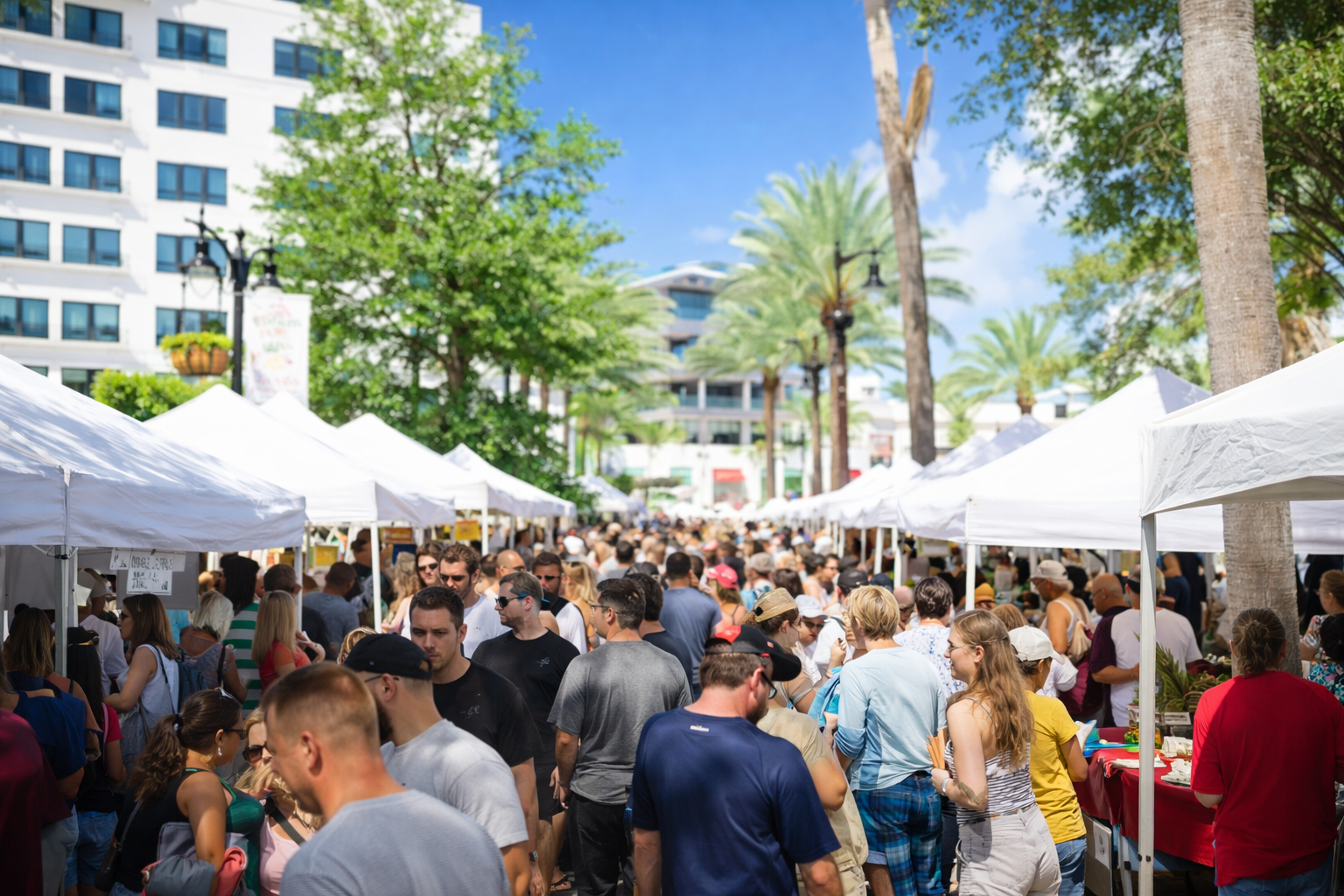
For many locals, Saturday mornings in Palm Beach County mean a visit to the West Palm Beach GreenMarket.

Located along the waterfront in downtown West Palm Beach, the GreenMarket has become one of the region’s most popular community events. The market brings together farmers, artisans, food vendors, and local businesses in a relaxed outdoor setting overlooking the Intracoastal Waterway.

Why Residents Love It

The GreenMarket offers a little bit of everything:

  • Fresh fruits and vegetables from local farms

  • Specialty baked goods and prepared foods

  • Handmade crafts and artisan products

  • Coffee vendors and breakfast options

  • Live music and street performers

The waterfront location also adds to the appeal. Many visitors stroll the nearby promenade, grab breakfast from a vendor, and enjoy the views of boats and palm-lined shorelines.

It’s a simple but enjoyable way to spend a Saturday morning and experience the energy of downtown West Palm Beach.

More information:
https://www.wpb.org/Residents/Community-Events/Events/WPB-GreenMarket


thekullgroup/ChatGPT_Image_Mar_10,_2026,_12_58_02_PM.png

A Day at Peanut Island

For residents looking to spend time on the water, Peanut Island offers one of the most unique outdoor destinations in Palm Beach County.

Located in the Intracoastal Waterway near the Palm Beach Inlet, Peanut Island is accessible by shuttle boat, water taxi, private boat, or kayak.

The island’s clear waters and protected lagoon make it a popular spot for swimming, snorkeling, and relaxing along the shoreline.

Activities on Peanut Island

Visitors often spend the day enjoying:

  • Snorkeling along the island’s reef areas

  • Kayaking and paddleboarding

  • Walking the scenic trails

  • Picnic areas and shaded spots to relax

The island also includes a historic Cold War-era bunker originally built for President John F. Kennedy, adding an interesting historical element to the visit.

For residents who enjoy boating or outdoor recreation, Peanut Island remains one of the most distinctive natural spaces in the county.

More information:
https://discover.pbc.gov/parks/Locations/Peanut-Island.aspx


Loggerhead Marine Life Center

Located in nearby Juno Beach, the Loggerhead Marine Life Center is one of the region’s most respected marine conservation facilities.

The center focuses on sea turtle research, rehabilitation, and education, offering visitors an opportunity to learn about the wildlife that inhabits Florida’s coastal waters.

What Visitors Can See

Guests can explore outdoor exhibits featuring rescued sea turtles that are recovering from injuries or illness. Informational displays explain the challenges marine wildlife face and how conservation efforts help protect these species.

The center also offers:

  • Educational exhibits

  • Guided tours

  • Conservation programs

  • Research initiatives

For families and visitors interested in ocean life, the Loggerhead Marine Life Center provides a fascinating look at the marine ecosystem that surrounds South Florida.

More information:
https://marinelife.org/


thekullgroup/Underwater_elegance_of_a_sea_turtle.png

Manatee Lagoon

Another unique wildlife destination in Palm Beach County is Manatee Lagoon, an eco-discovery center located along the Intracoastal Waterway near Riviera Beach.

The facility focuses on education and conservation while offering opportunities to observe Florida manatees, particularly during cooler months when the animals gather near warm-water discharge areas.

A Unique Viewing Opportunity

During winter and early spring, visitors may see multiple manatees swimming near the observation areas.

The center also features:

  • Interactive educational exhibits

  • Observation decks overlooking the water

  • Environmental education programs

Even when manatees aren’t present, the lagoon offers scenic waterfront views and a chance to learn more about Florida’s coastal ecosystems.

More information:
https://visitmanateelagoon.com/


thekullgroup/ChatGPT_Image_Mar_10,_2026,_01_03_49_PM.png

Morikami Museum and Japanese Gardens

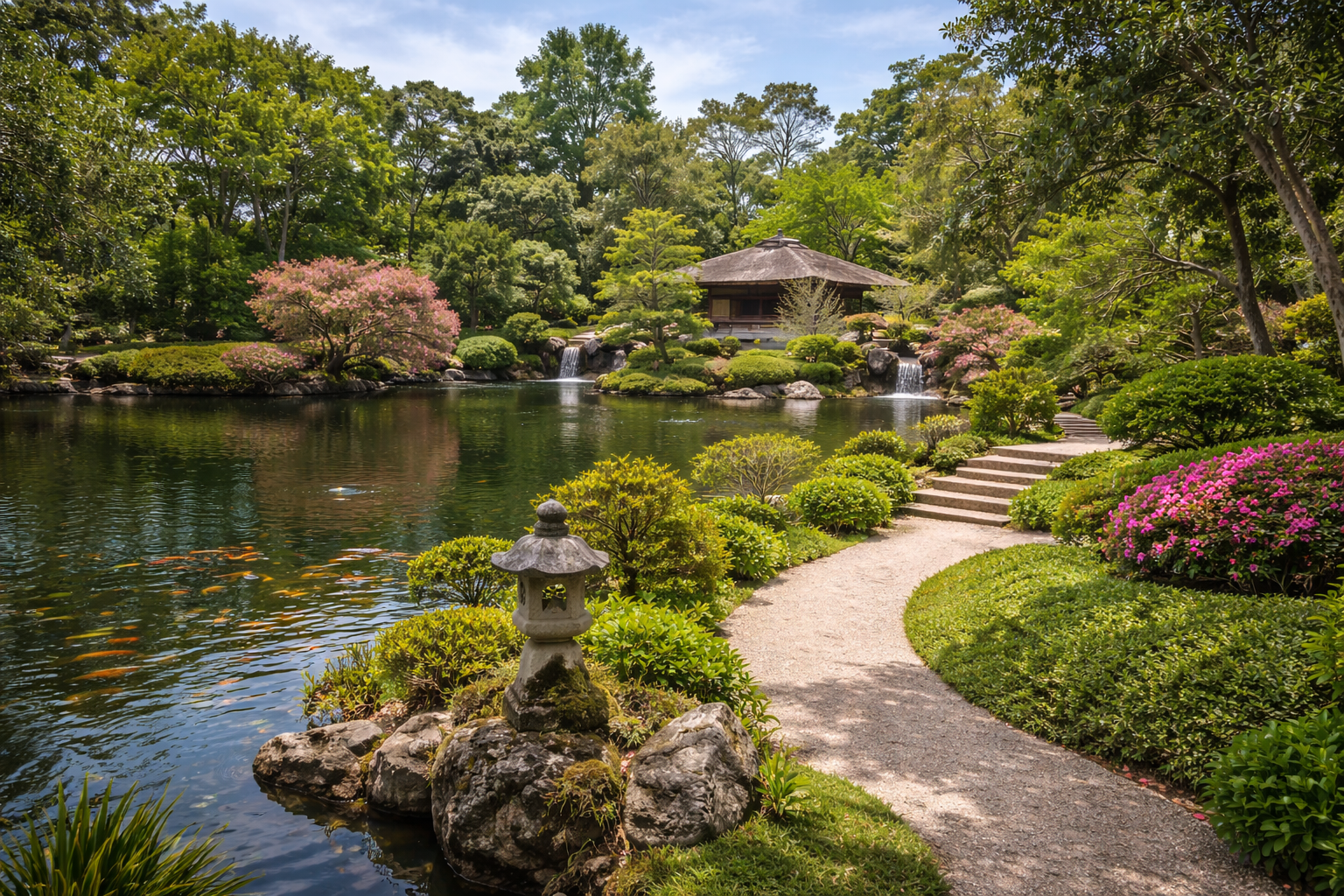
For those interested in culture, art, and peaceful outdoor settings, the Morikami Museum and Japanese Gardens in Delray Beach provides a completely different experience.

The museum highlights the historical connection between Japanese immigrants and South Florida while showcasing traditional Japanese art and design.

A Unique Cultural Experience

Visitors can explore beautifully landscaped gardens inspired by different periods of Japanese history. Walking paths wind through bridges, koi ponds, and bamboo groves.

Inside the museum, rotating exhibits feature:

  • Japanese art and ceramics

  • Cultural artifacts

  • Photography and design exhibitions

The Morikami grounds are often described as one of the most tranquil environments in Palm Beach County, offering a calm retreat from everyday routines.

More information:
https://morikami.org/


thekullgroup/ChatGPT_Image_Mar_10,_2026,_01_17_29_PM.png

Norton Museum of Art

The Norton Museum of Art, located in West Palm Beach, is one of the leading cultural institutions in South Florida.

The museum features impressive collections spanning American, European, and Asian art, along with contemporary exhibitions that rotate throughout the year.

A Highlight: The Sculpture Garden

One of the most popular areas of the museum is the outdoor sculpture garden, where visitors can walk among large-scale artworks surrounded by tropical landscaping.

Inside the galleries, visitors will find:

  • Classic paintings and sculptures

  • Modern and contemporary art

  • Photography exhibitions

  • Educational programs and lectures

For residents interested in art and culture, the Norton Museum offers a meaningful and accessible way to experience world-class works close to home.

More information:
https://www.norton.org/


thekullgroup/ChatGPT_Image_Mar_10,_2026,_01_22_08_PM.png

Sunset Sailing on the Hakuna Matata Catamaran

Few experiences capture the atmosphere of South Florida quite like a sunset on the water.

The Hakuna Matata catamaran cruise offers a relaxing way to enjoy the Intracoastal Waterway while watching the sun set over Palm Beach County’s coastal skyline.

What Makes the Experience Special

Guests board a spacious catamaran and cruise along the Intracoastal while enjoying:

  • Scenic waterfront views

  • Gentle ocean breezes

  • Palm Beach County’s evening skyline

The relaxed pace and open-water views make sunset cruises a favorite activity for both residents and visitors.

More information:
https://www.visitpalmbeach.com/cruises-boat-tours/sunset-cruise/


Exploring Palm Beach County One Experience at a Time

Palm Beach County offers a remarkable variety of activities that reflect the region’s unique mix of outdoor recreation, cultural attractions, and coastal beauty.

From equestrian competitions in Wellington to waterfront markets, marine wildlife centers, museums, and sunset cruises, residents have access to experiences that highlight what makes South Florida such a distinctive place to live.

Exploring these destinations not only provides enjoyable weekend outings but also offers a deeper appreciation for the communities, natural environments, and cultural institutions that shape daily life in Palm Beach County.

Whether you are a longtime resident or someone getting to know the area, there is always something new to discover.

Ending Block

Real Estate Resources for South Florida

If you're researching homes or following the South Florida real estate market, exploring listings and property values can provide helpful context for understanding local neighborhoods and housing trends across Palm Beach County.


About the Authors

Chris and Sue Kull are South Florida real estate professionals with more than three decades of experience helping buyers, sellers, and property owners navigate the housing market throughout Palm Beach County and surrounding communities.

Their work focuses on providing clear information, local market insight, and practical guidance so clients can make confident real estate decisions. Over the years they have built a trusted network of industry professionals—including lenders, inspectors, contractors, and legal specialists—to support every stage of the real estate process.

You can explore additional resources, community guides, and real estate tools at www.TheKullGroup.com.

If you have questions about buying, selling, or understanding the local real estate market, you can reach out through our contact page.
March 9, 2026

Royal Palm Beach Real Estate Through the Lens of Everyday Practicality

thekullgroup/royal-palm-beach-fl-neighborhood-homes-community-view.

Royal Palm Beach Real Estate Through the Lens of Everyday Practicality

Royal Palm Beach real estate occupies an interesting position within Palm Beach County. The village sits close enough to major employment centers and coastal communities to remain convenient, yet far enough west to offer a quieter residential setting and more attainable housing options than many nearby areas.

For buyers, sellers, and people relocating to South Florida, Royal Palm Beach often becomes a practical point of consideration. The community has gradually evolved from a modest suburban village into a well-established residential area with parks, schools, shopping centers, and steady housing demand.

What makes Royal Palm Beach particularly notable is how it has changed over time. Neighborhoods that once attracted primarily first-time buyers now include a mix of growing families, longtime homeowners, and buyers seeking more space within commuting distance of larger economic hubs.

Understanding Royal Palm Beach real estate requires looking at more than just homes. It involves considering location, neighborhood character, evolving market conditions, and how the village fits into the broader Palm Beach County housing landscape.

See What’s on the Market Right Now

If you're researching homes in Palm Beach County or anywhere in South Florida, explore current listings by city and see what’s available right now.

Explore Homes by City

Living in Royal Palm Beach, FL

Royal Palm Beach sits in central Palm Beach County, positioned west of Wellington and roughly twenty miles inland from Florida’s Atlantic coastline. While it maintains its own identity as an incorporated village, it functions as part of the larger network of communities that form the western corridor of the county.

Residents benefit from proximity to major roads such as Southern Boulevard and State Road 7, which connect the area to downtown West Palm Beach, Palm Beach International Airport, and employment centers throughout the region.

A Suburban Village with Established Roots

Royal Palm Beach developed largely during the late twentieth century as Palm Beach County expanded westward. Many of its neighborhoods feature single-family homes built during the 1980s, 1990s, and early 2000s, creating a landscape of mature communities rather than brand-new developments.

This history gives the village a noticeably settled feel. Streets are lined with established landscaping, community parks are integrated into neighborhoods, and many residents have lived in the area for years.

Parks and Outdoor Space

One defining feature of Royal Palm Beach is its commitment to green space. The village maintains several parks and recreational areas that contribute to the community’s relaxed atmosphere.

Popular local destinations include:

  • Commons Park

  • Veterans Park

  • Royal Palm Beach Pines Natural Area

These parks offer walking paths, lakes, sports fields, playgrounds, and nature areas that provide everyday recreation for residents.

A Community-Oriented Atmosphere

Compared to some coastal Palm Beach County communities, Royal Palm Beach often feels more residential and community-centered. Shopping plazas, schools, and neighborhood parks are spread throughout the village, creating an environment where daily routines tend to remain close to home.

For many residents, that sense of familiarity and practicality is part of the appeal.


Royal Palm Beach, FL Real Estate Market Overview

The Royal Palm Beach real estate market tends to move in steady cycles shaped by broader South Florida housing trends while maintaining its own local character.

Unlike some parts of Palm Beach County that focus heavily on luxury waterfront properties or high-rise condominiums, Royal Palm Beach remains primarily a suburban housing market.

Housing Demand and Buyer Interest

Demand for homes in Royal Palm Beach has remained consistent for several reasons.

First, the village offers relatively accessible entry points compared with many coastal communities. Buyers who are priced out of certain areas closer to the ocean often expand their search westward.

Second, the location allows residents to remain connected to employment and entertainment hubs without living in the densest parts of the county.

Because of these factors, the Royal Palm Beach market tends to attract a mix of:

  • First-time buyers

  • Move-up families

  • Buyers relocating within Palm Beach County

  • Longtime residents transitioning to new homes

Inventory Patterns

Housing inventory in Royal Palm Beach typically consists of established single-family homes along with townhomes and some condominium communities.

New construction exists but is more limited than in rapidly expanding areas farther west. As a result, many transactions involve resale homes in mature neighborhoods.

Inventory levels can fluctuate depending on seasonal patterns and overall housing conditions across South Florida.

Market Activity

Overall, the Royal Palm Beach housing market generally reflects the broader Palm Beach County environment while maintaining a slightly more practical pricing structure.

Homes that are well-prepared and appropriately priced tend to attract attention from buyers seeking space, convenience, and neighborhood stability.

Curious What Your Home Might Be Worth?

Home values across Palm Beach County and South Florida change constantly. See what buyers may currently be willing to pay for homes in your neighborhood.

Check Your Home Value

Buying a Home in Royal Palm Beach, FL

For buyers exploring Palm Beach County, Royal Palm Beach often emerges as a location that balances access, practicality, and residential comfort.

What Buyers Should Expect

The buying experience in Royal Palm Beach typically involves evaluating established neighborhoods rather than large-scale new developments.

Homes in the village often feature:

  • Three- to five-bedroom layouts

  • Private yards

  • Driveways or two-car garages

  • Community parks nearby

Because many homes were built during earlier development phases of Palm Beach County, buyers may encounter properties that have been updated over time rather than newly constructed homes.

HOA Communities and Neighborhood Rules

Several Royal Palm Beach neighborhoods include homeowners associations. HOA guidelines may regulate elements such as:

  • Exterior maintenance

  • Landscaping standards

  • Parking policies

  • Community amenities

Buyers considering HOA communities should review governing documents carefully to understand responsibilities and restrictions.

Timing and Market Entry

Like many South Florida markets, Royal Palm Beach activity can shift throughout the year. Spring and early summer often see increased buyer activity as families aim to move before the school year begins.

However, opportunities can appear at any time of year depending on inventory levels and seller motivations.

Patience and flexibility are often important when navigating the buying process in a competitive environment.


Selling a Home in Royal Palm Beach, FL

For homeowners considering selling property in Royal Palm Beach, preparation and pricing strategy play an important role in attracting the right buyers.

Understanding Buyer Perspective

Many buyers looking at Royal Palm Beach are focused on practical considerations such as commute times, neighborhood stability, and available living space.

Because of this, presentation matters. Buyers often evaluate homes based on how well they fit everyday needs rather than purely aesthetic factors.

Preparing a Home for the Market

Simple improvements can make a meaningful difference in buyer perception. Sellers often focus on:

  • Exterior appearance and curb appeal

  • Interior cleanliness and organization

  • Addressing minor maintenance issues

  • Neutralizing décor to broaden appeal

Since many homes in Royal Palm Beach were built decades ago, updates such as fresh paint or modern fixtures can help a property feel more current.

Pricing Psychology

Pricing strategy is also an important factor when listing a home.

Buyers researching Royal Palm Beach real estate typically compare multiple homes across nearby communities such as Wellington, Loxahatchee, and Greenacres.

A property priced appropriately within the local context is more likely to generate early interest and productive showings.

Overpricing, on the other hand, can lead buyers to shift their attention toward competing listings.


Frequently Asked Questions About Royal Palm Beach, FL Real Estate

Is Royal Palm Beach expensive to live in?

Royal Palm Beach is often considered one of the more approachable areas of Palm Beach County from a housing perspective. While home values have risen across South Florida in recent years, Royal Palm Beach generally offers more attainable price points compared with coastal communities or luxury-focused markets. Everyday living costs still reflect the broader Palm Beach County economy, but many buyers view the village as a practical balance between affordability and location.

Is Royal Palm Beach good for families?

Royal Palm Beach has long attracted families because of its residential character and access to parks, schools, and neighborhood amenities. The village places a strong emphasis on recreational facilities and community events, which contribute to a family-friendly environment. Many neighborhoods are designed around single-family homes with yards and nearby green space, making the area appealing for households seeking room to grow.

How far is Royal Palm Beach from major employment centers?

Royal Palm Beach sits within commuting distance of several employment hubs in Palm Beach County. Downtown West Palm Beach, Palm Beach International Airport, and major healthcare and business centers are all accessible by car. Commute times vary depending on traffic and route, but the village’s connection to Southern Boulevard and State Road 7 helps residents travel throughout the region.

What types of homes are common in Royal Palm Beach?

Single-family homes represent the majority of housing in Royal Palm Beach. Many properties were built between the 1980s and early 2000s and offer spacious layouts with garages and private yards. Townhomes and condominiums are also present, particularly in smaller planned communities. Buyers will typically encounter established neighborhoods rather than large new construction developments.

Is Royal Palm Beach a good place to buy or sell a home?

Royal Palm Beach continues to attract steady interest from buyers seeking suburban living within Palm Beach County. Its location, established neighborhoods, and practical housing options help maintain consistent demand. For sellers, this demand can create favorable conditions when homes are properly prepared and priced. For buyers, the village offers a stable residential environment with access to the broader South Florida economy.


Final Thoughts on Royal Palm Beach Real Estate

Royal Palm Beach represents a practical option within the Palm Beach County housing landscape. The village offers established neighborhoods, accessible locations, and a community-focused atmosphere that appeals to a wide range of residents.

For buyers, the area provides opportunities to enter the South Florida real estate market while remaining connected to employment centers and surrounding cities. For homeowners, the village continues to attract steady interest from people seeking space and stability.

As the region evolves, Royal Palm Beach continues to adapt while maintaining its residential identity. Understanding the local housing environment, neighborhood structure, and broader market conditions can help buyers and sellers make thoughtful decisions about property ownership in this part of Palm Beach County.

Real Estate Resources for South Florida

If you're researching homes or following the South Florida real estate market, exploring listings and property values can provide helpful context for understanding local neighborhoods and housing trends across Palm Beach County.


About the Authors

Chris and Sue Kull are South Florida real estate professionals with more than three decades of experience helping buyers, sellers, and property owners navigate the housing market throughout Palm Beach County and surrounding communities.

Their work focuses on providing clear information, local market insight, and practical guidance so clients can make confident real estate decisions. Over the years they have built a trusted network of industry professionals—including lenders, inspectors, contractors, and legal specialists—to support every stage of the real estate process.

You can explore additional resources, community guides, and real estate tools at www.TheKullGroup.com.

If you have questions about buying, selling, or understanding the local real estate market, you can reach out through our contact page.
March 9, 2026

florida-auto-insurance-rates-trending-lower

thekullgroup/florida-auto-insurance-rates-decreasing-2026

Florida Auto Insurance Rates Are Trending Lower: What It Means for South Florida Homeowners and Buyers

For many Florida residents, rising insurance costs have been one of the biggest financial concerns in recent years. From property insurance to car insurance, premiums have increased significantly across the state. However, recent data suggests that Florida auto insurance rates may finally be heading in a more favorable direction.

According to the Florida Office of Insurance Regulation (OIR), the state’s largest auto insurance providers are indicating an average rate decrease of roughly 8% for 2026. While auto insurance is separate from homeowners insurance, the trend may still be meaningful for residents across Palm Beach County and South Florida, where insurance costs often play a major role in overall household expenses.

Understanding what is driving these changes—and how they could affect buyers, sellers, and homeowners—can help residents better navigate financial planning related to housing and transportation costs.

See What’s on the Market Right Now

If you're researching homes in Palm Beach County or anywhere in South Florida, explore current listings by city and see what’s available right now.

Explore Homes by City

A Shift in Florida’s Auto Insurance Market

For years, Florida drivers have experienced some of the highest insurance costs in the country. Litigation, high accident rates, fraud concerns, and increasing repair costs have historically contributed to elevated premiums.

However, regulators now say conditions within the market appear to be stabilizing.

According to the Florida Office of Insurance Regulation, the state’s five largest auto insurance providers—representing roughly 78% of the Florida auto insurance market—are currently indicating a combined average rate reduction of about 8% for 2026.

These companies include major insurers such as:

  • Progressive

  • Berkshire Hathaway (GEICO)

  • State Farm

  • Allstate

  • USAA

Because these companies serve such a large portion of the market, their pricing trends often influence broader insurance conditions statewide.


Recent Rate Reductions and Refunds

Several insurance companies have already begun issuing refunds or reducing rates in response to improved market performance.

Examples of recent changes include:

  • Progressive reported issuing nearly $1 billion in credits to policyholders last year.

  • State Farm announced a dividend totaling approximately $533 million, averaging about $173 per insured vehicle for Florida drivers.

  • GEICO plans to implement rate reductions affecting more than 700,000 customers beginning in 2026.

  • USAA has lowered premiums by roughly 7% for many Florida drivers.

  • Allstate has also reduced rates by around 7% for approximately 171,000 policyholders.

  • AAA has approved three rate decreases over the past year totaling about 15% in combined reductions.

These changes reflect improved financial performance for insurers and declining claim losses in several areas.


Why Insurance Rates Are Changing

Several factors appear to be contributing to the downward trend in auto insurance rates.

Legislative Reforms

Florida lawmakers passed several insurance reform measures in recent years aimed at reducing litigation and stabilizing insurance markets.

State regulators say these reforms are beginning to produce measurable effects in both the property and auto insurance sectors.

According to Florida Insurance Commissioner Mike Yaworsky, these legislative changes are helping improve market stability and reduce insurer losses.

Improved Loss Ratios

Loss ratios measure how much insurance companies pay in claims compared to how much they collect in premiums.

Lower loss ratios indicate insurers are paying out fewer claims relative to the premiums they receive.

Recent data suggests Florida insurers are seeing stronger financial performance.

In 2025, Florida recorded the lowest personal auto liability loss ratio in the nation, at 52.5%, marking the lowest level seen in the state in roughly fifteen years.

Additionally, insurers have reported significant declines in losses related to vehicle damage claims.

For example, damage-related loss ratios fell from 112% in 2022 to approximately 49.5% in 2025.

These improvements help explain why some insurers are now able to reduce premiums.

Curious What Your Home Might Be Worth?

Home values across Palm Beach County and South Florida change constantly. See what buyers may currently be willing to pay for homes in your neighborhood.

Check Your Home Value

Why Insurance Costs Matter to Homebuyers

While auto insurance and homeowners insurance are separate policies, both contribute to the overall cost of living in Florida.

For buyers evaluating affordability in South Florida real estate markets, monthly expenses often include:

  • Mortgage payments

  • Property taxes

  • Homeowners insurance

  • Auto insurance

  • Utility costs

  • HOA fees (in some communities)

Even modest changes in insurance costs can affect how buyers evaluate their financial comfort when purchasing a home.

For example, if a household insures multiple vehicles, an 8% reduction in premiums could free up additional funds within a monthly budget.

Although the savings may not be dramatic on their own, they contribute to the overall affordability picture.


The Relationship Between Insurance Costs and Housing Demand

Insurance costs can influence housing demand in several ways.

Household Budget Planning

Buyers frequently calculate total monthly housing costs before making purchase decisions.

When insurance premiums rise sharply, it can impact affordability calculations and reduce purchasing power.

Lower insurance costs, on the other hand, can help stabilize household budgets.

Regional Comparisons

Insurance costs vary significantly across the country. In some cases, higher insurance expenses can influence where buyers choose to relocate.

For example, individuals considering relocation to South Florida may compare insurance costs between states when evaluating potential moves.

Trends showing stabilization or reductions in insurance costs may help maintain Florida’s attractiveness for new residents.

Investor Considerations

Real estate investors often calculate operational expenses carefully when purchasing rental properties.

Insurance premiums—both property and auto—are part of the broader cost-of-living environment that can influence investment decisions.


Auto Insurance vs. Property Insurance

It is important to note that auto insurance trends do not necessarily translate directly into property insurance changes.

Florida’s property insurance market has faced different challenges, including hurricane risk, litigation costs, and reinsurance pricing.

However, regulators suggest that improvements in one segment of the insurance industry can signal broader stabilization within the insurance environment.

When insurers experience fewer losses and stronger financial results, market conditions often become more predictable.

Predictability is a key factor in stabilizing insurance pricing over time.


What Florida Drivers May Experience in 2026

Although regulators expect many drivers to see lower premiums in 2026, individual policyholders may experience different outcomes.

Insurance pricing depends on a variety of factors, including:

  • Driving history

  • Vehicle type and age

  • Location

  • Credit-based insurance scores

  • Coverage levels and deductibles

  • Claim history

Because of these variables, not every driver will experience the same rate reduction.

However, statewide trends suggest that a large portion of Florida policyholders could benefit from lower premiums.

Regulators estimate that nearly 80% of Florida drivers may see some form of rate reduction in 2026.


What This Means for South Florida Residents

For residents of Palm Beach County and surrounding South Florida communities, lower auto insurance premiums may represent a welcome shift after years of rising costs.

While the savings per household may vary, lower insurance expenses can help offset other costs associated with living in the region.

Insurance stability also plays an important role in maintaining economic confidence among homeowners, buyers, and renters.

When residents see signs of improvement in major expense categories, it can help support stronger financial planning and housing decisions.


A Sign of Broader Market Stabilization

Insurance markets can be complex and influenced by many factors, including legislation, claim trends, weather events, and economic conditions.

The recent trend of declining auto insurance rates suggests that some parts of Florida’s insurance market are stabilizing.

For residents across South Florida, that stabilization could gradually help ease the financial pressure that insurance costs have placed on household budgets.


While it remains to be seen how these trends evolve in the coming years, the current outlook indicates that many Florida drivers may see modest relief in their insurance premiums starting in 2026.

Real Estate Resources for South Florida

If you're researching homes or following the South Florida real estate market, exploring listings and property values can provide helpful context for understanding local neighborhoods and housing trends across Palm Beach County.


About the Authors

Chris and Sue Kull are South Florida real estate professionals with more than three decades of experience helping buyers, sellers, and property owners navigate the housing market throughout Palm Beach County and surrounding communities.

Their work focuses on providing clear information, local market insight, and practical guidance so clients can make confident real estate decisions. Over the years they have built a trusted network of industry professionals—including lenders, inspectors, contractors, and legal specialists—to support every stage of the real estate process.

You can explore additional resources, community guides, and real estate tools at www.TheKullGroup.com.

If you have questions about buying, selling, or understanding the local real estate market, you can reach out through our contact page.

March 9, 2026

Lead-Safe Certification: What to Know Before Renovating Older Homes

thekullgroup/lead-safe-renovation-older-home-florida

Lead-Safe Certification: What Homeowners, Landlords, and Investors Should Know About Renovating Older Homes

Renovating older homes can bring new life to historic properties, improve safety, and increase long-term value. But when a home was built before 1978, federal regulations require special precautions to protect residents and workers from exposure to lead-based paint.

The EPA’s Lead Renovation, Repair, and Painting Rule (RRP Rule) governs how renovations must be conducted in older homes where lead paint may be present. The rule applies to contractors, property managers, and certain investors performing renovation work in properties built before 1978.

For homeowners, landlords, and real estate investors in South Florida and Palm Beach County, understanding these requirements is important when planning repairs or renovations in older properties. While the rule primarily affects professionals performing renovation work, recent guidance has clarified how responsibility may extend to property managers and firms involved in coordinating repairs.

Knowing how these regulations work can help property owners ensure renovations are completed safely and in compliance with federal law.

See What’s on the Market Right Now

If you're researching homes in Palm Beach County or anywhere in South Florida, explore current listings by city and see what’s available right now.

Explore Homes by City

Why Lead Paint Regulations Exist

Lead-based paint was widely used in residential construction throughout the United States until it was banned for consumer use in 1978. While durable and long-lasting, lead paint can pose serious health risks when it deteriorates or is disturbed during renovation.

When lead paint chips, flakes, or turns into dust during construction work, it can contaminate indoor surfaces and become harmful if inhaled or ingested. Young children are particularly vulnerable to lead exposure because it can affect neurological development.

Because of these risks, federal regulations now require specific safety procedures when renovation work may disturb lead-based paint in older homes.


Understanding the EPA Lead Renovation, Repair, and Painting Rule

The Lead Renovation, Repair, and Painting Rule (RRP Rule) went into effect on April 22, 2010. The rule requires contractors and firms performing renovation work in homes built before 1978 to follow specific safety practices.

These regulations apply when renovation activities disturb lead-based paint during projects such as:

  • Painting or repainting

  • Window replacement

  • Demolition or structural work

  • Plumbing or electrical repairs that disturb painted surfaces

  • Remodeling projects that affect walls, ceilings, or trim

In general, the rule applies when more than six square feet of interior painted surface is disturbed in a room or when exterior work affects more than twenty square feet of painted surface.

The goal of the rule is to reduce the spread of lead dust and protect occupants during renovation activities.


Who Must Be Lead-Safe Certified?

Under the EPA’s RRP Rule, any firm performing renovation work in qualifying properties must obtain EPA Renovation Firm Certification.

This includes businesses such as:

  • General contractors

  • Painting companies

  • Electricians

  • Plumbers

  • Maintenance workers

  • Renovation firms

Workers performing renovation activities must also receive training in lead-safe work practices through EPA-approved programs.

These certifications ensure workers understand how to properly contain dust, manage debris, and protect residents during construction.


Recent Clarifications for Property Management Companies

Recent guidance from the EPA has clarified how the RRP Rule applies to property management companies (PMCs).

Property managers are often responsible for coordinating repairs, hiring contractors, or overseeing renovations in rental properties. Under updated interpretations of the rule, property managers may also be responsible for ensuring compliance with lead safety regulations.

This means that if a property manager:

  • Performs renovation work directly

  • Advertises renovation services

  • Hires contractors to perform regulated work

the property management firm itself may need to obtain EPA certification.

Additionally, property managers may share responsibility if a hired contractor fails to follow required lead-safe procedures.

This clarification emphasizes the importance of ensuring that contractors performing work in older homes are properly certified.


When the Lead RRP Rule Applies

The RRP Rule applies to renovations in properties built before 1978 where children may live or regularly visit.

This includes:

  • Residential rental properties

  • Single-family homes

  • Apartments and condominiums

  • Childcare centers

  • Schools and similar facilities

Because many homes in South Florida communities were built before 1978, this rule can apply to a significant number of properties.

However, the rule is focused specifically on professional renovation activities rather than everyday maintenance performed by homeowners themselves.


Situations Where the Rule May Not Apply

The RRP Rule does not apply in certain situations.

Homeowners Renovating Their Own Primary Residence

Homeowners performing renovation work in their own primary residence are generally not required to obtain EPA certification.

However, they are still encouraged to follow safe work practices when dealing with older painted surfaces.

Minor Repairs

Small maintenance projects that disturb less than the regulated amount of paint may not trigger the full requirements of the rule.

Lead-Free Properties

If testing confirms that a property does not contain lead-based paint, the rule may not apply.

Even in these situations, many contractors still follow lead-safe practices as a precaution.

Curious What Your Home Might Be Worth?

Home values across Palm Beach County and South Florida change constantly. See what buyers may currently be willing to pay for homes in your neighborhood.

Check Your Home Value

Special Considerations for Landlords and Real Estate Investors

Property owners who rent homes or invest in older housing should pay close attention to lead safety regulations.

Rental Properties

If a landlord hires contractors to perform renovations in a rental property built before 1978, those contractors must typically be Lead-Safe Certified.

Landlords may also need to provide tenants with information about lead paint hazards.

House Flippers and Renovation Projects

Investors who purchase older homes, renovate them, and resell them may also fall under the RRP Rule if contractors disturb painted surfaces during renovation.

Because many investment properties involve significant repairs, compliance with EPA regulations becomes particularly important.


Lead Safety and Real Estate Transactions

Lead paint regulations also intersect with real estate transactions in several ways.

Lead Disclosure Requirements

Federal law requires sellers of homes built before 1978 to provide buyers with:

  • A lead-based paint disclosure form

  • A federally approved pamphlet about lead hazards

  • Any known information about lead-based paint in the property

These disclosures help buyers understand potential risks associated with older homes.

Inspections and Renovation Planning

Buyers purchasing older homes may consider lead testing or inspections before starting major renovations. Knowing whether lead paint is present can help guide renovation plans and ensure work is performed safely.


Lead-Safe Renovation Practices

Certified contractors follow specific procedures when working in homes that may contain lead paint.

These practices include:

  • Containing work areas with plastic sheeting

  • Minimizing dust and debris during demolition

  • Using specialized cleaning procedures

  • Properly disposing of contaminated materials

These steps help reduce the spread of lead dust and protect residents during renovation projects.


Why Compliance Matters

Failure to follow the RRP Rule can result in significant penalties. The EPA has authority to impose civil and criminal fines for violations of the rule.

For firms, contractors, and property managers, maintaining proper certification and following approved procedures is essential.

For homeowners and landlords, hiring certified professionals helps ensure work is performed safely and legally.


Renovating Older Homes in South Florida

South Florida includes many homes built before the late 1970s, particularly in established neighborhoods throughout Palm Beach County.

These homes often offer unique architectural styles, mature landscaping, and desirable locations. Renovations can modernize these properties while preserving their character.

However, when working with older homes, it is important to understand the potential presence of lead paint and follow appropriate safety procedures.

Certified contractors and knowledgeable renovation professionals can help ensure improvements are completed in compliance with federal guidelines.


Staying Informed About Renovation Requirements

Whether renovating a rental property, updating an investment home, or maintaining an older residence, understanding lead safety regulations helps homeowners make informed decisions.

The EPA’s Lead Renovation, Repair, and Painting Rule remains an important safeguard designed to protect families and communities from exposure to lead dust.

By working with certified professionals and following established safety guidelines, property owners can renovate older homes responsibly while preserving their value and livability.

Real Estate Resources for South Florida

If you're researching homes or following the South Florida real estate market, exploring listings and property values can provide helpful context for understanding local neighborhoods and housing trends across Palm Beach County.


About the Authors

Chris and Sue Kull are South Florida real estate professionals with more than three decades of experience helping buyers, sellers, and property owners navigate the housing market throughout Palm Beach County and surrounding communities.

Their work focuses on providing clear information, local market insight, and practical guidance so clients can make confident real estate decisions. Over the years they have built a trusted network of industry professionals—including lenders, inspectors, contractors, and legal specialists—to support every stage of the real estate process.

You can explore additional resources, community guides, and real estate tools at www.TheKullGroup.com.

If you have questions about buying, selling, or understanding the local real estate market, you can reach out through our contact page.
March 9, 2026

Can Your HOA Require You to Clean Your Roof?

thekullgroup/south-florida-hoa-roof-cleaning-rules

Can Your HOA Require You to Clean Your Roof? Understanding HOA Maintenance Rules in South Florida

Homeowners associations (HOAs) play a significant role in many communities across South Florida. From Wellington and Royal Palm Beach to Jupiter, Palm Beach Gardens, and communities throughout Palm Beach County, HOAs help maintain neighborhood standards, protect property values, and manage shared amenities.

However, HOA rules can sometimes raise questions—especially when homeowners receive notices about maintenance requirements. One issue that occasionally surfaces involves roof appearance and cleanliness. Some homeowners may receive notices stating that their roof must be cleaned or power washed because it appears dirty or stained.

This leads to a common question: Can an HOA require a homeowner to clean their roof if the rules only mention general maintenance?

Understanding how HOA authority works, and where its limits exist, can help homeowners navigate these situations more confidently.

See What’s on the Market Right Now

If you're researching homes in Palm Beach County or anywhere in South Florida, explore current listings by city and see what’s available right now.

Explore Homes by City

The Role of Homeowners Associations

HOAs are created to manage and maintain residential communities. Their authority typically comes from a set of governing documents that outline responsibilities for both homeowners and the association.

These documents often include:

  • The Declaration of Covenants, Conditions, and Restrictions (CC&Rs)

  • Bylaws that outline governance and board responsibilities

  • Rules and regulations adopted by the association

  • Architectural guidelines or maintenance standards

Together, these documents define what homeowners must maintain and what the HOA can regulate.

In many Palm Beach County communities, HOAs are responsible for enforcing rules that maintain a consistent appearance throughout the neighborhood.


HOA Authority to Enforce Maintenance Rules

HOAs generally have the authority to enforce maintenance standards when those requirements are clearly defined within their governing documents.

For example, HOA rules may require homeowners to maintain:

  • Landscaping and lawns

  • Exterior paint or siding

  • Driveways and sidewalks

  • Fences and gates

  • Roof appearance

When homeowners fail to comply with established standards, associations may issue notices or fines depending on the situation.

However, enforcement authority is not unlimited.

For a rule to be enforceable, it typically must be specific, clearly written, and properly adopted according to the association’s governing documents and applicable law.

Curious What Your Home Might Be Worth?

Home values across Palm Beach County and South Florida change constantly. See what buyers may currently be willing to pay for homes in your neighborhood.

Check Your Home Value

Why Clarity in HOA Rules Matters

One of the most important principles in HOA enforcement is clarity. Courts and legal interpretations often emphasize that association rules must be clear and specific so homeowners understand their obligations.

For example, a rule stating that homeowners must maintain their property in “good condition” may not be detailed enough to enforce certain actions.

In the case of roof cleaning, the difference between a vague rule and a specific requirement can be significant.

A Vague Rule

A general clause stating that homeowners must perform “general maintenance” may leave too much room for interpretation.

Without additional detail, homeowners may reasonably disagree about what qualifies as adequate maintenance.

A Specific Rule

In contrast, a rule might clearly state something like:

  • Roofs must be free of visible staining or algae

  • Roofs must be cleaned every two years

  • Roof cleaning must occur when discoloration becomes visible from the street

Specific rules provide measurable standards that homeowners can follow.


Can an HOA Require Roof Cleaning?

Whether an HOA can require roof cleaning generally depends on the language in the governing documents and rules adopted by the association.

When the HOA May Have Authority

If the association has adopted a rule that clearly requires roof cleaning or maintenance standards related to roof appearance, then the HOA may have the authority to enforce it.

In that situation, homeowners would typically be expected to comply with the rule or face possible penalties.

When Authority May Be Limited

If the governing documents only mention general maintenance responsibilities without specific references to roof cleaning, enforcement may be more difficult.

A vague rule that requires homeowners to maintain their property may not be sufficient to justify a fine for something as specific as failing to power wash a roof.

In many legal interpretations, enforcement must rely on clearly defined standards rather than subjective judgments.


HOA Enforcement Procedures

Even when an HOA has valid rules in place, there are usually procedures that must be followed before fines or penalties can be imposed.

These procedures often include:

Written Notice

The homeowner typically receives a written notice describing the alleged violation and requesting corrective action.

Opportunity to Respond

In many cases, homeowners must be given the opportunity to address the issue before penalties are imposed.

Hearing Process

Florida law often requires a hearing before a neutral committee before fines can be finalized. This committee typically reviews the situation and determines whether the violation is valid.

These procedural safeguards are designed to ensure fairness and transparency.


Why Roof Maintenance Is Often a Concern

Even when enforcement becomes controversial, the concern about roof cleanliness is not unusual in South Florida communities.

The region’s climate creates conditions that can encourage algae, mold, and mildew growth on roofs. Over time, these organisms can cause dark streaks or discoloration.

In many neighborhoods, associations encourage roof cleaning for several reasons:

  • Maintaining consistent community appearance

  • Preventing long-term roof damage

  • Protecting property values

A well-maintained neighborhood exterior can contribute to overall curb appeal, which benefits homeowners collectively.


Understanding Your Community’s Rules

Because every HOA operates under its own governing documents, the first step in resolving any dispute is reviewing those documents carefully.

Homeowners should look for language that addresses:

  • Exterior maintenance requirements

  • Roof cleaning standards

  • Property appearance guidelines

  • Architectural or maintenance rules adopted by the board

In some communities, additional rules are adopted after the original declaration was recorded, so it’s important to review all updated regulations.

If roof cleaning standards exist, they are often included in architectural or property maintenance guidelines.


Communicating With Your HOA

When questions arise about HOA rules, direct communication with the association or property manager is often the most effective way to resolve the issue.

Homeowners may consider asking for:

  • A copy of the specific rule requiring roof cleaning

  • Documentation of when the rule was adopted

  • Any written standards or maintenance guidelines

This information can clarify whether the requirement is clearly defined and enforceable.

Open communication can also help prevent misunderstandings and ensure homeowners understand their responsibilities.


Maintaining Community Standards

While enforcement disputes sometimes occur, many homeowners recognize that maintaining community standards benefits everyone.

Neighborhood appearance often plays a role in:

  • Buyer perceptions

  • Property value stability

  • Community pride

HOAs exist largely to maintain these standards and ensure that individual property maintenance does not negatively affect surrounding homes.

However, the rules governing those standards must be clearly defined so homeowners understand what is required.


The Balance Between Authority and Fairness

The relationship between homeowners and their HOA works best when expectations are clearly communicated and fairly enforced.

Associations have an important role in maintaining neighborhood standards, but homeowners also have the right to understand exactly what rules apply to their property.

When rules are specific and procedures are followed properly, enforcement tends to be more straightforward.


For homeowners in Palm Beach County and throughout South Florida, reviewing community documents and staying informed about HOA policies can help prevent confusion and ensure a smoother relationship with the association.

Real Estate Resources for South Florida

If you're researching homes or following the South Florida real estate market, exploring listings and property values can provide helpful context for understanding local neighborhoods and housing trends across Palm Beach County.


About the Authors

Chris and Sue Kull are South Florida real estate professionals with more than three decades of experience helping buyers, sellers, and property owners navigate the housing market throughout Palm Beach County and surrounding communities.

Their work focuses on providing clear information, local market insight, and practical guidance so clients can make confident real estate decisions. Over the years they have built a trusted network of industry professionals—including lenders, inspectors, contractors, and legal specialists—to support every stage of the real estate process.

You can explore additional resources, community guides, and real estate tools at www.TheKullGroup.com.

If you have questions about buying, selling, or understanding the local real estate market, you can reach out through our contact page.
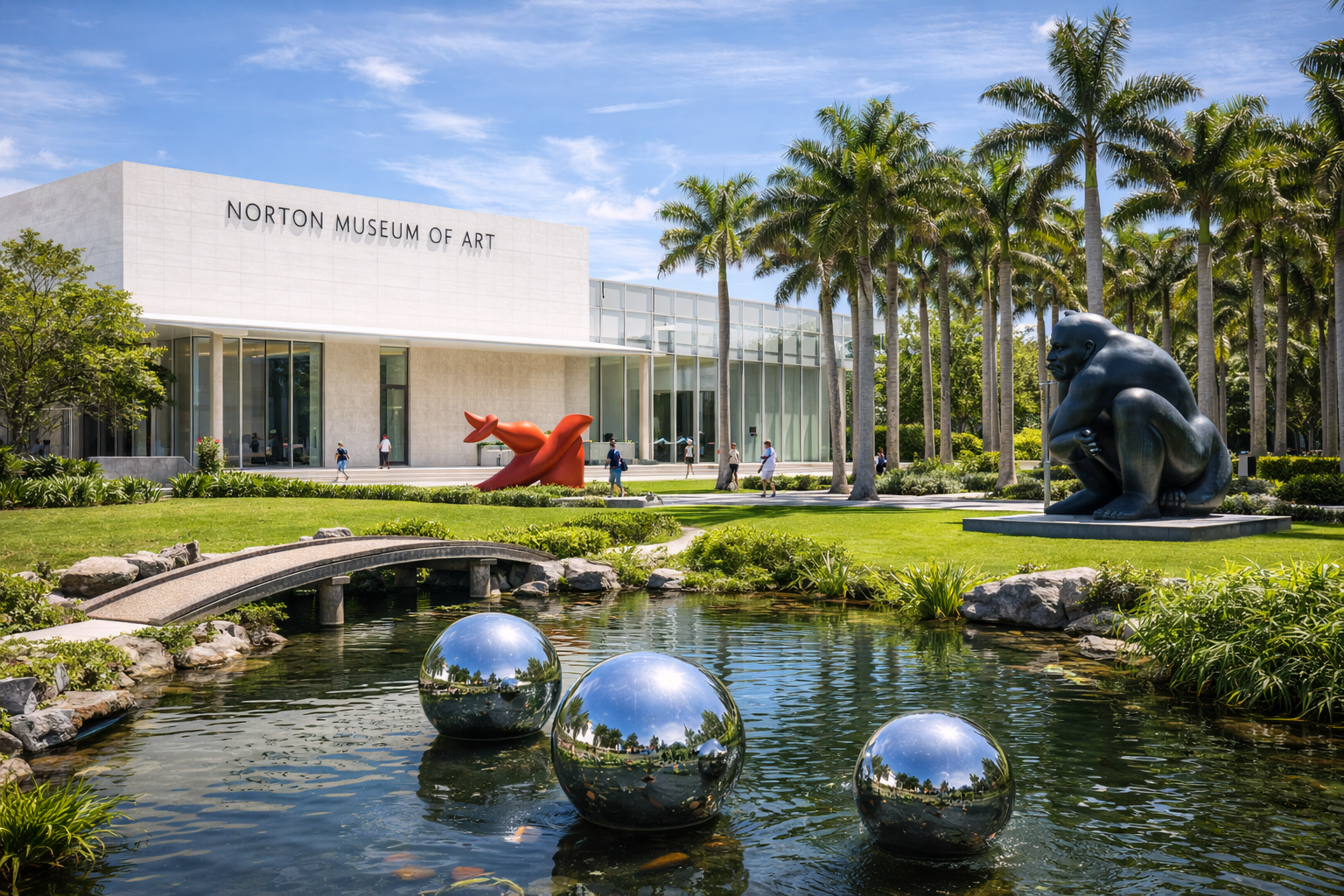
March 9, 2026

Aging in Place: Why More Seniors Want to Stay in Their Homes

thekullgroup/south-florida-aging-in-place-home-design-trend

Aging in Place: Why More Seniors Want to Stay in Their Homes

Across the United States, one housing trend continues to shape the way communities develop, homes are designed, and families plan for the future: aging in place. The term refers to the ability for individuals to remain in their own homes as they grow older, rather than relocating to assisted living or institutional care settings.

Research from the Pew Research Center highlights how strongly older adults prefer this option. According to a recent survey, 93% of Americans age 65 and older currently live in their own home or apartment, and many hope to continue doing so for as long as possible. When asked about future living arrangements, most seniors indicated that their ideal situation would involve remaining in their home with support from caregivers if needed.

For homeowners, families, and communities in South Florida and Palm Beach County, the aging-in-place trend has meaningful implications. It influences housing supply, renovation decisions, multigenerational living arrangements, and long-term real estate planning. Understanding this shift can help homeowners and families prepare for the future while making informed housing decisions.

Curious What Your Home Might Be Worth?

Home values across Palm Beach County and South Florida change constantly. See what buyers may currently be willing to pay for homes in your neighborhood.

Check Your Home Value

What Does “Aging in Place” Mean?

Aging in place describes a living arrangement where individuals continue residing in their own home safely and independently as they age. Rather than relocating to assisted living facilities or nursing homes, many older adults prefer to remain in familiar surroundings where they feel comfortable and connected to their community.

This approach often requires thoughtful planning. Homes may need modifications that support mobility, accessibility, and safety. In some cases, family members or professional caregivers provide assistance to help older adults maintain independence.

For many homeowners, the goal is simple: remain in a place that feels like home while adapting to changing needs over time.


Where Older Adults Currently Live

The Pew Research Center survey found that the overwhelming majority of adults age 65 and older live in their own homes.

Among surveyed older adults:

  • 93% live in their own home or apartment

  • 9% receive care from someone while remaining at home

  • 2% live in the home of an adult child

  • 1% live with another family member

  • 1% live in an assisted living facility

  • 1% live in a nursing home

These figures highlight how strongly older Americans prefer to maintain independent living arrangements.

It is also worth noting that only a small portion of older adults live in institutional settings. According to the 2020 U.S. Census, about 3% of Americans age 65 and older live in group housing environments such as nursing homes.


Preferred Living Arrangements as People Age

The Pew study also explored what older adults would prefer if they eventually needed assistance with daily living.

Among seniors currently living independently:

  • 60% said they would prefer to stay in their home with help from a caregiver

  • 18% said they would choose an assisted living facility

  • 11% said they would prefer moving in with family

  • 1% said they would move to a nursing home

  • 8% preferred other living arrangements

These results illustrate the powerful emotional connection many people have with their homes. Familiar environments, established routines, and neighborhood relationships often play a significant role in quality of life.

For homeowners in Palm Beach County and throughout South Florida, this trend reinforces the importance of housing options that support long-term livability.

See What’s on the Market Right Now

If you're researching homes in Palm Beach County or anywhere in South Florida, explore current listings by city and see what’s available right now.

Explore Homes by City

Why Aging in Place Is So Appealing

Several factors explain why so many older adults prefer to remain in their homes.

Emotional Connection to Home

Homes often represent decades of memories, family gatherings, and personal milestones. Leaving that environment can be emotionally difficult, particularly for individuals who have lived in the same place for many years.

Remaining in a familiar setting can provide comfort and stability during a stage of life when other changes may be occurring.

Community and Social Networks

Neighborhood connections can also play an important role. Longtime residents often have established relationships with neighbors, friends, and local organizations.

Staying in the same community allows seniors to maintain those relationships and continue participating in familiar activities.

Independence and Personal Control

Aging in place also allows older adults to maintain a sense of independence. Rather than adapting to the structure and rules of institutional settings, homeowners can continue managing their daily routines in ways that feel natural.

This independence can contribute significantly to emotional well-being.


The Financial Considerations

While aging in place is widely preferred, financial realities sometimes influence whether it becomes possible.

The Pew survey revealed that only 21% of adults age 65 and older have long-term care insurance, which can help cover the cost of ongoing care services.

Without this type of insurance, families often need to explore alternative ways to fund assistance, such as:

  • Hiring part-time caregivers

  • Relying on family support

  • Using personal savings or retirement income

  • Exploring community-based programs

The cost of in-home care or assisted living can vary widely depending on location and level of care required. These financial considerations often play a role in determining future housing decisions.


How Aging in Place Is Shaping Housing Trends

The growing preference for aging in place is influencing several aspects of the housing market.

Increased Demand for Accessible Homes

Many homeowners are modifying their properties to support mobility and safety as they age.

Common accessibility improvements include:

  • Step-free entryways

  • Wider doorways and hallways

  • Walk-in showers

  • Grab bars in bathrooms

  • Improved lighting throughout the home

These upgrades can make homes more comfortable and functional for older adults while also appealing to a broader range of buyers.


Growth in Multigenerational Living

Another response to the aging-in-place trend is the rise of multigenerational households.

In these arrangements, older adults live with children or other relatives while maintaining some level of independence. Homes may include features such as:

  • Separate living suites

  • Guest houses or accessory dwelling units

  • Converted garages or private entrances

This approach allows families to provide support while keeping loved ones close.

In South Florida communities, where many homes include flexible floor plans and guest accommodations, multigenerational living has become an increasingly practical option.


Renovation and Remodeling Activity

The aging-in-place trend is also contributing to rising renovation activity.

Homeowners may invest in improvements that make their homes easier to navigate and maintain over time. These projects often focus on functionality and safety rather than purely cosmetic upgrades.

Examples include:

  • First-floor bedroom additions

  • Bathroom accessibility modifications

  • Smart home technology for security and monitoring

  • Improved lighting and visibility

These improvements not only benefit current homeowners but can also increase a home’s appeal to future buyers.


Aging in Place in South Florida

The aging-in-place trend carries particular significance in South Florida, where many retirees choose to settle. Palm Beach County and surrounding communities attract residents seeking warm weather, outdoor recreation, and an active lifestyle.

Because many retirees move to the region later in life, the design and adaptability of homes can become especially important.

Homes that support long-term living often include features such as:

  • Single-story layouts

  • Open floor plans

  • Accessible bathrooms

  • Outdoor spaces that encourage relaxation and social activity

In addition, South Florida communities often provide amenities that support aging in place, including healthcare facilities, recreation programs, and transportation services.


Planning for Future Housing Needs

Although many seniors hope to remain in their homes, the Pew survey revealed some uncertainty about whether that goal will be achievable.

Among those who prefer to stay in their homes with caregiver assistance:

  • 37% believe it is highly likely to happen

  • 18% believe it is unlikely

Similar uncertainty exists for those considering assisted living or other arrangements.

These findings highlight the importance of early planning. Evaluating housing options before they become urgent can give homeowners greater flexibility and control over future decisions.


A Housing Trend That Will Continue to Grow

As the U.S. population ages, the aging-in-place trend is expected to remain a significant influence on housing markets nationwide.

For homeowners and families, this trend reinforces the value of homes that support long-term livability and adaptability. For communities and developers, it underscores the importance of designing housing that accommodates a wide range of needs.

Across Palm Beach County and South Florida, housing decisions increasingly reflect a desire for comfort, independence, and community connection throughout every stage of life.

By understanding how aging in place is shaping housing trends, homeowners and families can better prepare for the future while making thoughtful real estate decisions today. 

Real Estate Resources for South Florida

If you're researching homes or following the South Florida real estate market, exploring listings and property values can provide helpful context for understanding local neighborhoods and housing trends across Palm Beach County.


About the Authors

Chris and Sue Kull are South Florida real estate professionals with more than three decades of experience helping buyers, sellers, and property owners navigate the housing market throughout Palm Beach County and surrounding communities.

Their work focuses on providing clear information, local market insight, and practical guidance so clients can make confident real estate decisions. Over the years they have built a trusted network of industry professionals—including lenders, inspectors, contractors, and legal specialists—to support every stage of the real estate process.

You can explore additional resources, community guides, and real estate tools at www.TheKullGroup.com.

If you have questions about buying, selling, or understanding the local real estate market, you can reach out through our contact page.
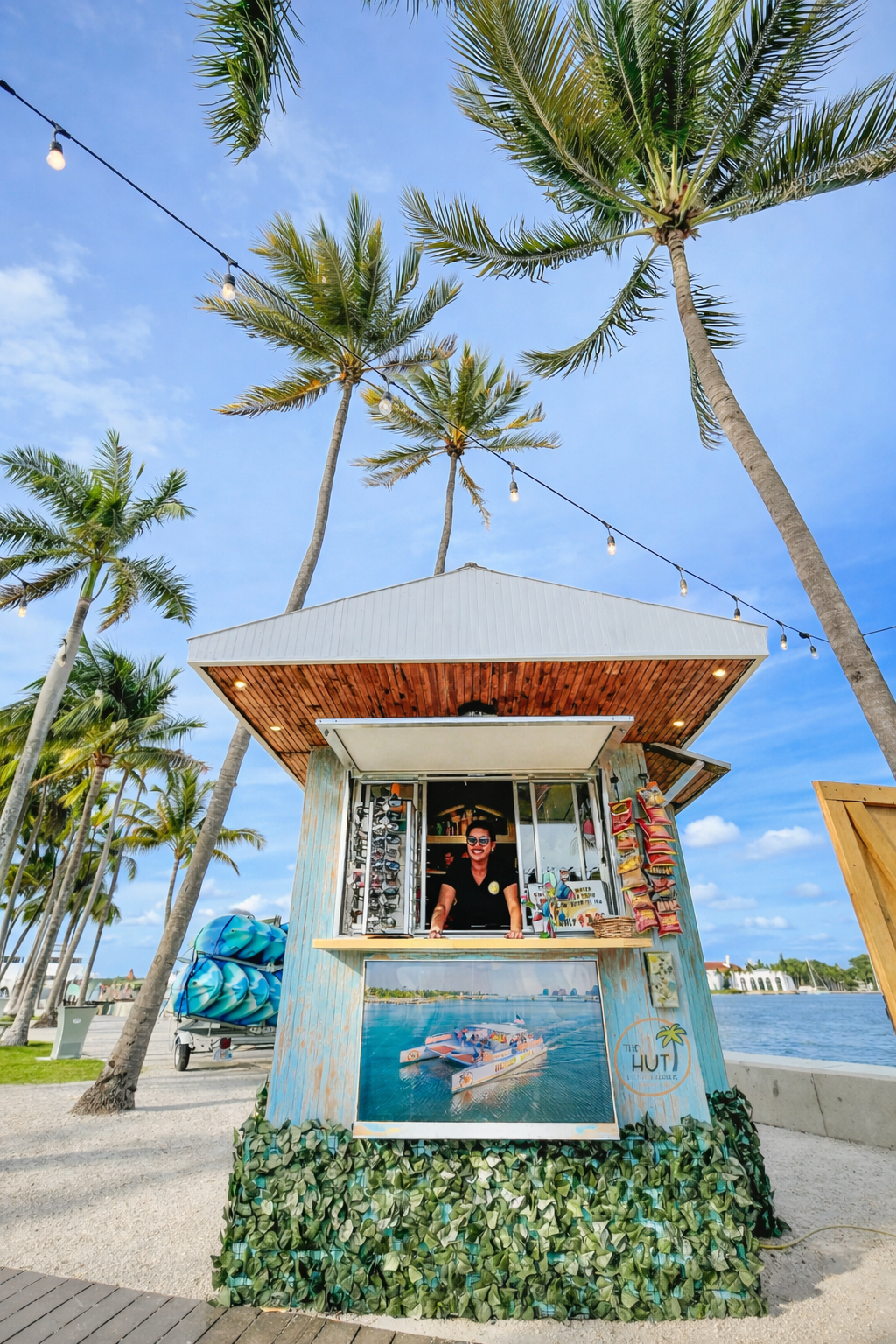
March 9, 2026

2026 Home Projects That Add Value: Smart Upgrades for Modern Living

south-florida-home-improvement-projects-2026-value

2026 Home Projects That Add Value: Smart Improvements for South Florida Homes

Home improvement trends evolve every year, reflecting how homeowners live, work, and spend time at home. In 2026, the projects gaining the most attention combine comfort, energy efficiency, flexible living space, and thoughtful design. Rather than focusing solely on large-scale renovations, many homeowners are prioritizing targeted upgrades that improve daily living while also supporting long-term property value.

Research from the Joint Center for Housing Studies at Harvard University projects that total U.S. homeowner remodeling spending could reach $524 billion in early 2026, highlighting the growing importance of strategic home improvements.

For homeowners across South Florida and Palm Beach County, these trends carry particular relevance. Homes in this region often balance indoor and outdoor living, energy efficiency in a warm climate, and design features that maximize natural light and comfort. Understanding which upgrades offer both lifestyle improvements and potential resale appeal can help homeowners plan wisely.

Below are some of the most notable home improvement trends shaping 2026—and why they are attracting attention from homeowners, buyers, and real estate professionals.

See What’s on the Market Right Now

If you're researching homes in Palm Beach County or anywhere in South Florida, explore current listings by city and see what’s available right now.

Explore Homes by City

Energy-Efficient Upgrades Continue to Lead the Way

Energy efficiency remains one of the most practical and widely recommended home improvements. Rising utility costs and increased awareness of sustainability have made energy-saving upgrades an appealing investment for many homeowners.

Modern Appliances and Efficient Systems

Replacing older appliances with Energy Star–certified models can significantly reduce electricity usage while giving kitchens and laundry rooms a more modern appearance.

Energy-efficient appliances often include:

  • Refrigerators

  • Dishwashers

  • Washing machines

  • Dryers

These upgrades may seem simple, but they can improve both functionality and long-term operating costs.

Lighting Improvements

Switching to LED lighting combined with smart switches and dimmers can dramatically reduce energy consumption. LED bulbs typically last far longer than traditional bulbs and require far less electricity.

Smart lighting systems allow homeowners to automate lighting schedules or adjust brightness levels throughout the day, adding convenience while lowering energy costs.

Heat Pumps and Insulation

For homeowners considering larger improvements, heat pump systems and upgraded insulation can deliver meaningful long-term savings. Heat pumps are becoming increasingly popular because they provide efficient heating and cooling in a single system.

Improving insulation also helps regulate indoor temperatures and reduce the workload on HVAC systems.

Financial Incentives

Some energy-efficient upgrades may qualify for financial incentives, including:

  • Federal tax credits for certain heat pump installations

  • Utility company rebates for Energy Star appliances

  • State-level programs supporting weatherization and insulation improvements

A professional energy audit can help homeowners identify the most cost-effective improvements for their property.


Smart Home Technology Becomes Standard

Smart home features have transitioned from luxury upgrades to everyday conveniences. In 2026, many homeowners are incorporating connected devices into renovation projects to improve efficiency and security.

Centralized Smart Home Systems

A common recommendation is building a smart system around a central hub or mobile app. This approach allows homeowners to manage multiple features from a single interface.

Typical smart systems may control:

  • Lighting

  • Thermostats

  • Window shades or blinds

  • Security cameras

  • Smart door locks

Centralized systems simplify daily routines and can reduce energy consumption by optimizing temperature and lighting schedules.

Smart Security Features

Security technology has become a standard part of many home improvement plans.

Popular features include:

  • Video doorbells

  • Motion-detection cameras

  • Smart locks

  • Remote-access security monitoring

These upgrades provide both convenience and peace of mind while increasing the technological appeal of a home.

Curious What Your Home Might Be Worth?

Home values across Palm Beach County and South Florida change constantly. See what buyers may currently be willing to pay for homes in your neighborhood.

Check Your Home Value

Kitchen Updates That Deliver High Impact

The kitchen remains one of the most influential spaces in a home. Fortunately, homeowners do not always need full renovations to achieve noticeable improvements.

Targeted Kitchen Refreshes

Small updates can dramatically change the appearance of a kitchen without requiring demolition.

Common upgrades include:

  • Repainting cabinets

  • Replacing cabinet hardware

  • Installing a new backsplash

  • Adding open shelving

  • Updating light fixtures

These projects can modernize a space quickly while maintaining budget control.

Why Kitchens Matter for Home Value

Kitchens often play a central role in buyer decision-making. Even modest updates can improve a home’s perceived condition and appeal.

For homeowners considering resale in the future, small kitchen improvements can offer strong value relative to their cost.


Spa-Inspired Bathrooms Are Growing in Popularity

Bathrooms are another area where homeowners are investing in comfort-focused upgrades. In 2026, design trends emphasize creating wellness-inspired spaces that feel relaxing and functional.

Features of Modern Bathroom Designs

Many homeowners are incorporating elements commonly associated with spa environments.

Popular improvements include:

  • Walk-in showers with frameless glass

  • Wood or natural-finish vanities

  • Layered lighting systems

  • Upgraded ventilation

  • Built-in shower niches

Additional touches such as heated towel bars, built-in benches, and natural materials help create a more calming atmosphere.

Improving Comfort and Function

These upgrades are not only about aesthetics. Improved ventilation and better lighting can enhance daily usability while supporting long-term maintenance.

Bathrooms that feel spacious and thoughtfully designed often contribute to a home’s overall appeal.


Bold Design and Personalized Interiors

Interior design trends in 2026 are moving toward spaces with more personality and depth. Instead of strictly neutral interiors, homeowners are embracing richer textures, colors, and materials.

Color and Texture Trends

Design trends increasingly feature:

  • Richer neutral tones

  • Bold accent colors

  • Patterned textiles

  • Layered materials such as wood, stone, and plaster

These elements create rooms that feel more expressive and lived-in.

Curved Shapes and Softer Lines

Furniture and architectural features with rounded edges and curved shapes are appearing more frequently in modern interiors.

Examples include:

  • Curved kitchen islands

  • Rounded furniture silhouettes

  • Soft-edged shelving and built-ins

These design elements create a softer, more inviting feel compared with rigid geometric lines.

Personal Expression

Many homeowners are also incorporating unique elements such as:

  • Statement lighting fixtures

  • Handmade or vintage décor

  • Custom wall treatments

  • Decorative wood paneling or wainscoting

Personalization allows homeowners to create spaces that reflect individual style while adding character to the home.


Flexible Spaces for Modern Living

One of the most important housing trends in recent years has been the demand for flexible living spaces. Homes that can adapt to changing needs tend to be more functional for families and individuals alike.

Multi-Purpose Rooms

Common flexible room combinations include:

  • Home office and guest bedroom

  • Playroom and homework area

  • Hobby room or creative studio

These adaptable spaces help homeowners make better use of existing square footage.

Garage and Basement Improvements

Some homeowners are also transforming underutilized areas such as garages or basements into more functional spaces.

Possible uses include:

  • Home gyms

  • Organized storage areas

  • Mudrooms

  • Workshop or hobby spaces

Even relatively simple upgrades can improve usability and add perceived value.


Outdoor Living Continues to Expand

Outdoor spaces remain an important focus for homeowners, particularly in warm climates like South Florida.

Popular Outdoor Projects

Homeowners are investing in outdoor living improvements such as:

  • Patios and decks

  • Fire pits or seating areas

  • Outdoor kitchens

  • Landscaping upgrades

These features allow homeowners to extend their living space beyond the interior of the home.

Curb Appeal Improvements

Simple exterior updates can also make a noticeable difference.

Examples include:

  • Repainting shutters

  • Updating entry doors

  • Installing a new garage door

  • Improving landscaping

These upgrades enhance first impressions and may contribute to stronger resale appeal.


How to Prioritize Projects on a Budget

Not every homeowner plans large renovation projects at once. When budgets are limited, focusing on upgrades that improve both comfort and efficiency is often the best strategy.

Examples of high-value improvements include:

  • Sealing air leaks and improving insulation

  • Fixing visible wear and maintenance issues

  • Updating lighting and fixtures

  • Refreshing paint and hardware

Tackling one room at a time can also help stretch renovation budgets while still producing noticeable improvements.


Choosing Improvements That Match Your Lifestyle

Ultimately, the most successful home improvement projects are those that align with how homeowners actually use their space.

For some households, energy efficiency and smart technology may be the highest priorities. For others, expanding outdoor living or creating flexible workspaces may deliver the most value.

Across South Florida and Palm Beach County, homeowners are increasingly seeking improvements that enhance everyday living while supporting long-term property value. Thoughtful upgrades—whether large or small—can transform a home’s comfort, functionality, and overall appeal.

Real Estate Resources for South Florida

If you're researching homes or following the South Florida real estate market, exploring listings and property values can provide helpful context for understanding local neighborhoods and housing trends across Palm Beach County.


About the Authors

Chris and Sue Kull are South Florida real estate professionals with more than three decades of experience helping buyers, sellers, and property owners navigate the housing market throughout Palm Beach County and surrounding communities.

Their work focuses on providing clear information, local market insight, and practical guidance so clients can make confident real estate decisions. Over the years they have built a trusted network of industry professionals—including lenders, inspectors, contractors, and legal specialists—to support every stage of the real estate process.

You can explore additional resources, community guides, and real estate tools at www.TheKullGroup.com.

If you have questions about buying, selling, or understanding the local real estate market, you can reach out through our contact page.
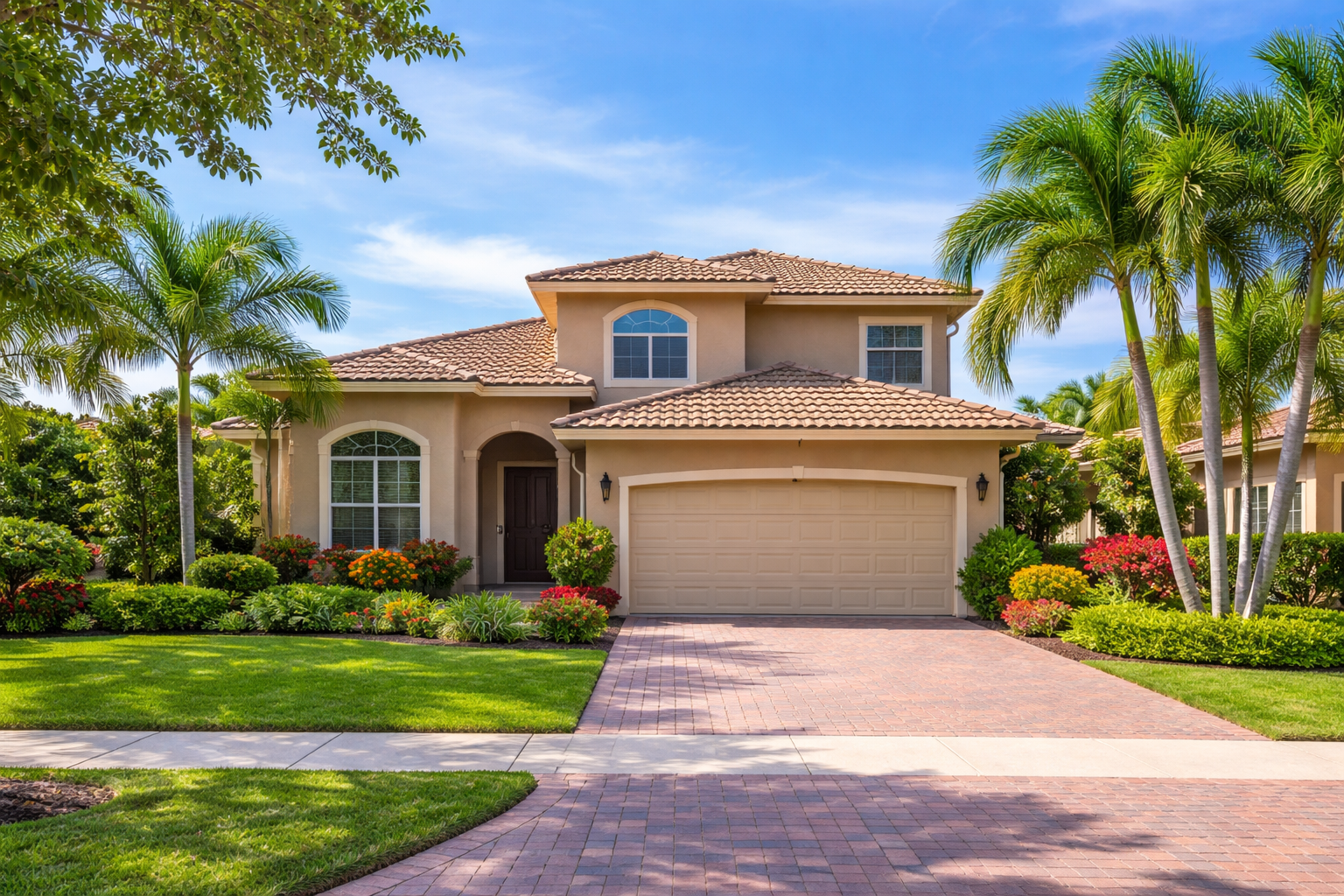
March 9, 2026

The Return of the Sunroom: Why This Classic Home Feature Is Making a Comeback

thekullgroup/south-florida-sunroom-home-feature-natural-light

The Return of the Sunroom: Why This Classic Home Feature Is Making a Comeback

Home design trends tend to move in cycles. Features that were once standard in residential construction often fade for a time before returning with renewed popularity as homeowners rediscover their value. One feature currently experiencing that kind of resurgence is the sunroom.

Once a common element in many homes, sunrooms are again attracting attention from homeowners who want to expand their living space while maintaining a strong connection to the outdoors. Market research from Business Research Insights suggests the three-season sunroom market could nearly double between 2025 and 2035, reflecting growing demand for versatile living spaces that blend indoor comfort with natural light.

For homeowners in South Florida and Palm Beach County, the appeal of sunrooms is particularly easy to understand. With a warm climate, lush landscaping, and year-round sunshine, adding a space that bridges the indoors and outdoors can create a functional extension of the home.

Understanding why sunrooms are returning—and how they influence home value and livability—can help homeowners, buyers, and sellers better interpret current housing trends.

See What’s on the Market Right Now

If you're researching homes in Palm Beach County or anywhere in South Florida, explore current listings by city and see what’s available right now.

Explore Homes by City

What Exactly Is a Sunroom?

A sunroom is an enclosed living space designed to maximize natural light and views of the surrounding environment. Unlike a traditional patio or deck, sunrooms are typically enclosed with large windows or glass panels, allowing homeowners to enjoy outdoor scenery while remaining protected from weather and insects.

Sunrooms are generally categorized into two primary types:

Three-Season Sunrooms

Three-season sunrooms are designed for use during warmer months and moderate weather conditions. They often include large windows, screens, and insulation but may not be connected to the home’s central heating and cooling system.

Because of their simpler construction, three-season sunrooms are often more affordable to build and maintain.

Four-Season Sunrooms

Four-season sunrooms are fully integrated into the home’s heating and cooling system, allowing them to function as year-round living spaces. These rooms typically include higher levels of insulation, energy-efficient windows, and climate control.

In regions like South Florida, where temperatures remain relatively warm throughout the year, both types of sunrooms can be practical additions depending on the homeowner’s needs.


Why Sunrooms Are Becoming Popular Again

Several lifestyle and housing trends are contributing to the renewed interest in sunrooms.

A Desire for More Usable Living Space

In recent years, homeowners have placed greater value on maximizing the usable space within their homes. Instead of moving immediately when they need more room, many homeowners are exploring ways to expand their current property.

Sunrooms provide a relatively cost-effective way to increase functional living space without the expense of a full home addition.

According to research from Business Research Insights, 65% of homeowners prefer cost-effective sunroom additions when looking to extend their living area.

These spaces can serve multiple purposes, including:

  • Casual sitting rooms

  • Reading or relaxation areas

  • Indoor garden spaces

  • Informal dining areas

  • Home offices with natural light

The versatility of sunrooms makes them appealing for households seeking flexible space.

Curious What Your Home Might Be Worth?

Home values across Palm Beach County and South Florida change constantly. See what buyers may currently be willing to pay for homes in your neighborhood.

Check Your Home Value

Stronger Connections to Outdoor Living

Home design has increasingly emphasized the relationship between indoor and outdoor environments. Many homeowners want living spaces that allow them to enjoy natural surroundings while still maintaining comfort.

Sunrooms accomplish this by providing:

  • Wide views of outdoor landscapes

  • Natural sunlight throughout the day

  • Protection from insects and weather

  • Climate-controlled comfort when needed

For homeowners in Palm Beach County, where tropical landscaping and outdoor scenery are part of daily life, sunrooms can offer a comfortable vantage point for enjoying the environment year-round.


Weather Protection Without Losing Outdoor Views

Outdoor living spaces such as patios, decks, and screened porches remain popular throughout South Florida. However, these spaces can sometimes be limited by weather conditions.

For example:

  • Heavy rain can make patios unusable.

  • Strong sun exposure can make outdoor seating uncomfortable during summer afternoons.

  • Insects can interfere with outdoor relaxation in certain seasons.

Sunrooms provide a sheltered environment that still captures outdoor views and natural light.

For homeowners who enjoy spending time outside but want additional protection from the elements, sunrooms offer a practical compromise.


Sunrooms and South Florida Homes

While sunrooms have long been associated with colder climates where homeowners seek sunlight during winter months, they are also becoming increasingly common in warmer regions.

In South Florida, the appeal of sunrooms often centers around comfort and flexibility rather than warmth.

Protection from Heat and Rain

Large glass windows allow homeowners to enjoy outdoor scenery without direct exposure to intense sun or sudden rain showers. Air-conditioned sunrooms can offer a comfortable retreat while still providing views of gardens, lakes, or backyard spaces.

Extended Living Space

In many Palm Beach County homes, sunrooms function as transitional spaces connecting indoor areas to outdoor patios, pools, or gardens.

These rooms can serve as:

  • Breakfast areas overlooking a backyard

  • Relaxation spaces near a pool

  • Indoor-outdoor entertaining areas

Because they often receive abundant natural light, sunrooms can also create a bright and inviting atmosphere throughout the home.


Design Trends in Modern Sunrooms

Today’s sunrooms often incorporate design features that make them feel like natural extensions of the home rather than separate additions.

Common modern sunroom features include:

Large Glass Panels

Floor-to-ceiling windows or sliding glass doors maximize views and natural light.

Energy-Efficient Materials

High-performance windows and insulated frames help regulate temperature and reduce energy costs.

Indoor-Outdoor Transitions

Sunrooms are often designed to connect directly with patios, pools, or landscaped yards.

Flexible Furnishings

Homeowners frequently use sunrooms as multi-purpose spaces that can shift between relaxation, dining, and work areas.

In some homes, sunrooms even function as casual family rooms or reading spaces due to their bright and open atmosphere.


Do Sunrooms Add Value to a Home?

Sunrooms can contribute to a property’s appeal, but their effect on home value varies depending on how they are designed and integrated.

Factors That Influence Value

Several elements affect how buyers perceive sunrooms:

Quality of construction – A well-built sunroom that feels like part of the home may add greater appeal than a basic enclosure.

Climate control – Four-season sunrooms that are heated and cooled often provide more year-round usability.

Design integration – Sunrooms that match the architectural style of the home typically feel more cohesive.

In South Florida markets where outdoor living is highly valued, a thoughtfully designed sunroom can enhance a home’s lifestyle appeal.


Considerations Before Adding a Sunroom

Homeowners considering a sunroom addition should evaluate several factors before beginning construction.

Local Building Codes

Municipal building regulations and permit requirements vary by location. In Palm Beach County and surrounding communities, permits are typically required for structural additions.

HOA Guidelines

Homes located within homeowners associations may need approval before exterior additions are constructed.

Structural Design

Sunrooms must be designed to meet local building standards, including wind resistance requirements in hurricane-prone regions like South Florida.

Long-Term Maintenance

Large glass areas may require periodic cleaning and maintenance to maintain their appearance and energy efficiency.

Consulting with experienced contractors and design professionals can help ensure the addition meets local standards.


A Flexible Space for Modern Living

The renewed popularity of sunrooms reflects broader changes in how homeowners view their living spaces. Today’s homeowners often prioritize flexibility, comfort, and a connection to natural surroundings.

Sunrooms provide an opportunity to create a bright and inviting environment that enhances everyday living without requiring a full home expansion.

Whether used for relaxation, entertaining, or simply enjoying a morning cup of coffee with natural light, sunrooms represent a design feature that blends traditional charm with modern functionality.

As housing trends continue to evolve, this classic feature appears poised to remain an appealing option for homeowners seeking to maximize both space and lifestyle.

Real Estate Resources for South Florida

If you're researching homes or following the South Florida real estate market, exploring listings and property values can provide helpful context for understanding local neighborhoods and housing trends across Palm Beach County.


About the Authors

Chris and Sue Kull are South Florida real estate professionals with more than three decades of experience helping buyers, sellers, and property owners navigate the housing market throughout Palm Beach County and surrounding communities.

Their work focuses on providing clear information, local market insight, and practical guidance so clients can make confident real estate decisions. Over the years they have built a trusted network of industry professionals—including lenders, inspectors, contractors, and legal specialists—to support every stage of the real estate process.

You can explore additional resources, community guides, and real estate tools at www.TheKullGroup.com.

If you have questions about buying, selling, or understanding the local real estate market, you can reach out through our contact page.