“Where Would I Go?” How to Evaluate Replacement Housing Before Selling
It is the question that stops the conversation. A household can have the arithmetic settled, the position understood, the reasons for moving clearly stated — and then someone asks where they would actually go, and the whole thing goes quiet. It gets treated as an objection, or as evidence that the household was not serious. In our experience it is usually neither. It is a real question that has not been given a method.
The difficulty is specific and worth naming. You are being asked to commit to a property you have not lived in, on the basis of a few visits, against a property you know intimately after many years. Those two things are not knowable to the same depth, and no amount of enthusiasm closes that gap. What can be done is to establish, deliberately, how much of it is closeable — which turns out to be more than a single visit suggests. Whether a move improves the household's overall position is a separate question, and it sits within the broader discussion of what to do with significant home equity. This page is about assessing the candidate.
The Asymmetry You Are Actually Fighting
The property you own has been telling you about itself for years. You know what it does in August, which systems have been temperamental, what the last insurance renewal looked like, where the water goes in a heavy afternoon. None of that came from a document. It accumulated.
A candidate property gives you an hour on a Saturday. The comparison is therefore never between two equally understood things — it is between a known quantity and a stranger, and that asymmetry has a direction. It makes the familiar property feel safer than the evidence supports, and it makes the candidate feel like a gamble regardless of its actual merits.
One pattern we consistently observe: some households decide against moving without ever having evaluated a specific property. They evaluate the idea of moving, find it insufficiently reassuring against a home they have twenty years of data on, and conclude the move is wrong. The comparison never happened. What was compared was certainty against uncertainty, which is not the same thing and does not resolve in a useful direction.
What You Can Actually Establish in Advance
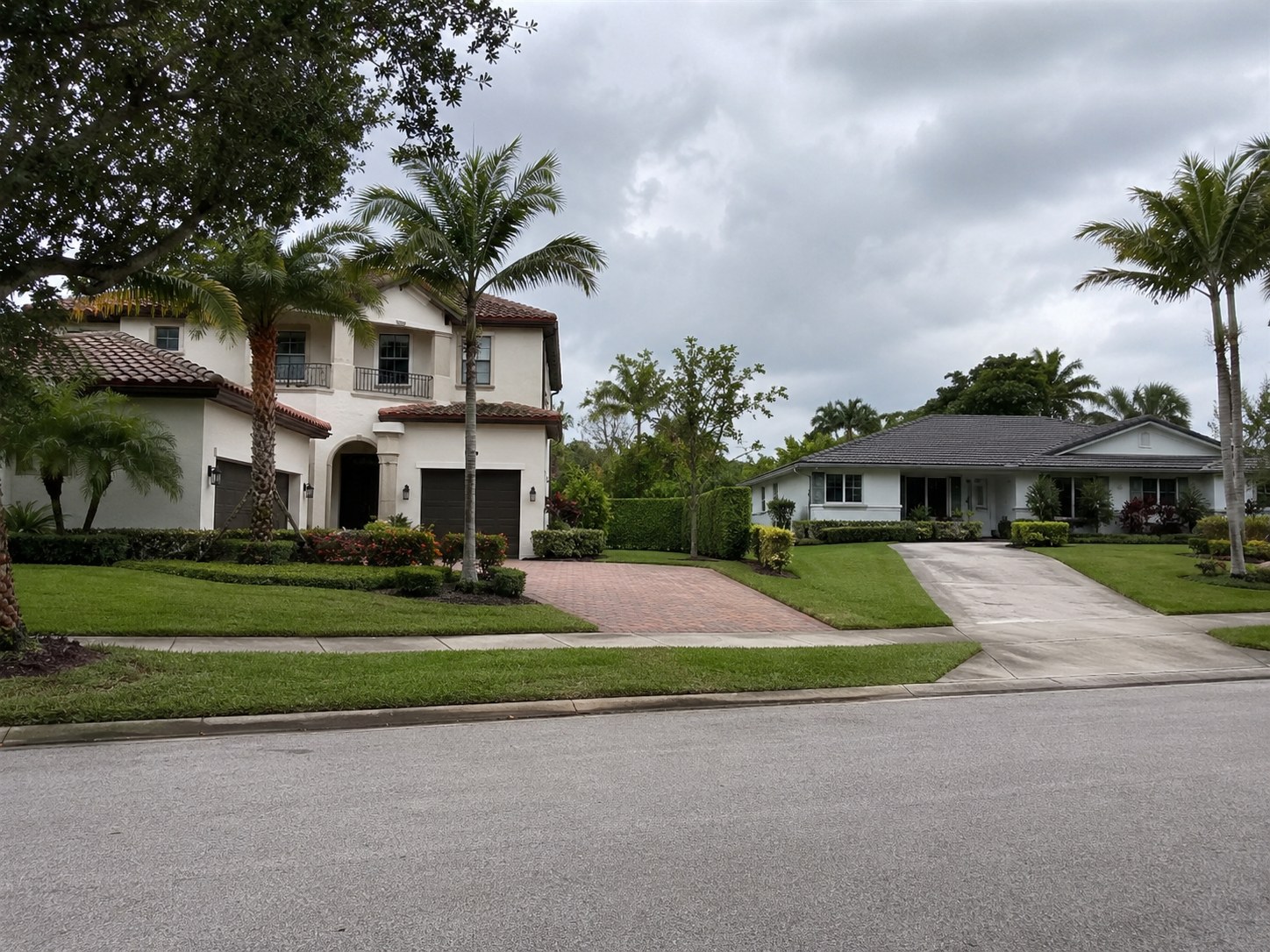
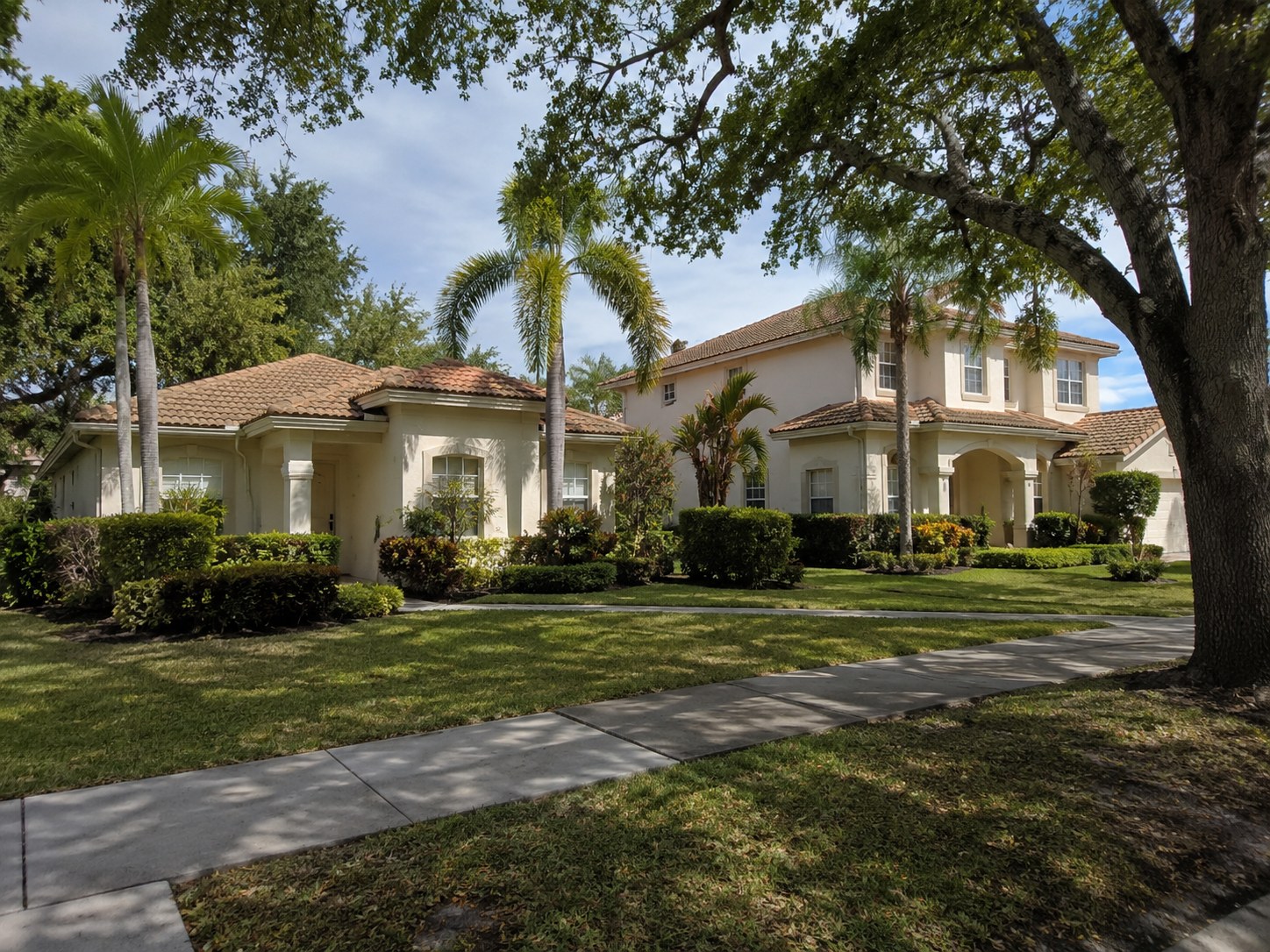
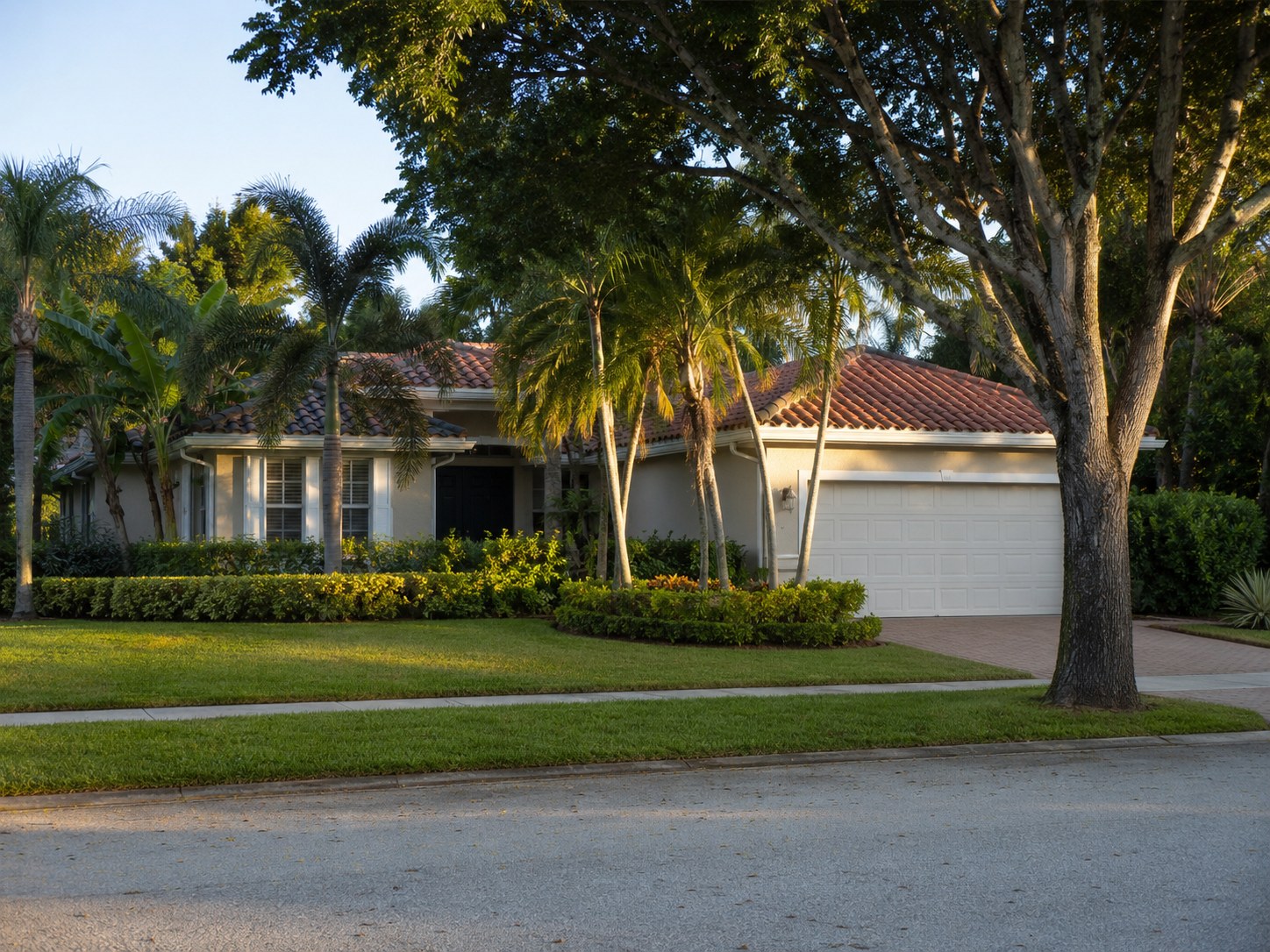
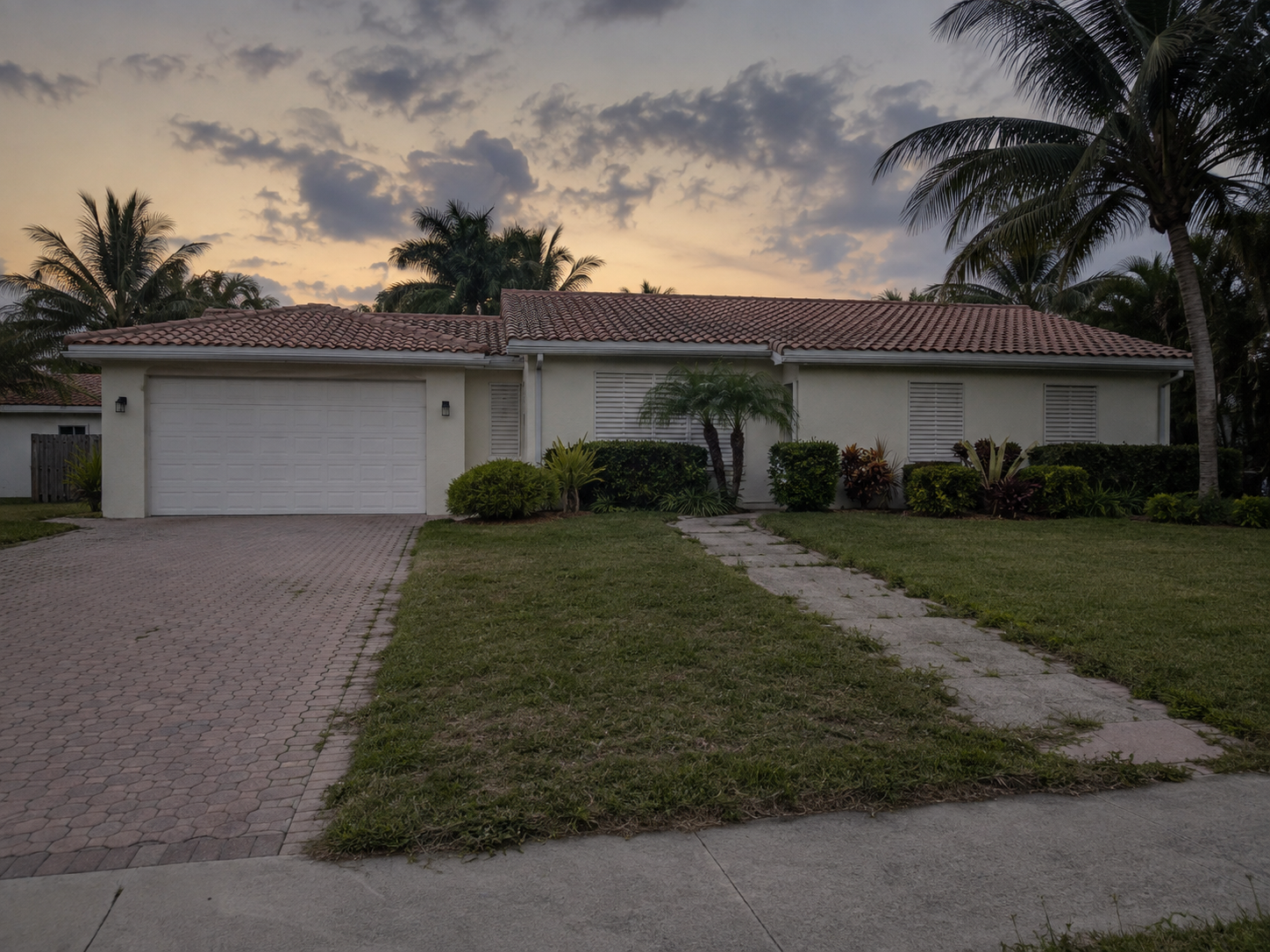
A great deal more than an hour's visit suggests, because a Florida property carries a documentary record that describes obligations, condition and cost structure before anyone moves in. Four records do most of that work, and each can be obtained during a diligence period or, for some of it, before an offer is made at all.
The Four Records That Describe a Property You Have Not Lived In
- The governing documents. Where a property sits under an association, the declaration, bylaws and rules set out what the association maintains and what the owner does, what any approval process involves, and what restrictions apply to use of the unit. These are the terms you would be buying, and they are not negotiable afterwards.
- The association's financial record. The budget, recent minutes, and where applicable the reserve study. Minutes are the forward-looking part — they show what a board is discussing now rather than what it levied last year. For a condominium or cooperative building in Boca Raton of three storeys or higher, a structural integrity reserve study is required over a specified set of components, and members' ability to waive or underfund reserves for those has been narrowed.
- The parcel's public record. Assessed value and exemptions sit with the Property Appraiser; the tax bill lists non-ad valorem assessments separately, which is how you find out whether a candidate parcel sits inside something like Wellington's Acme Improvement District, levying on its own budget and method. Read it as a buyer: the assessed value shown belongs to the current owner, and a long-held homestead in Lake Worth will show a figure that resets toward market for whoever buys it.
- The building and insurance record. Permit history sits with the department having jurisdiction — the village's own department in Royal Palm Beach, the county's building division for unincorporated land. It shows what was permitted and whether it was closed out, never current condition, so an inspection does the rest; around Loxahatchee that inspection reaches a private well and septic system as separate items. Insurance-relevant characteristics are documentary too: flood zone designation, the inputs to protection class, and the features recorded on a uniform mitigation verification inspection.
Have you evaluated a property, or evaluated the idea of moving?
The four records can be pulled for a specific candidate and read against your current position on the same terms. It is bounded work, it commits you to nothing, and it is what turns “where would I go” from a feeling into an answerable question.
What the Records Cannot Tell You
Being honest about the limits is what makes the method worth trusting. Three things stay genuinely unknowable until occupancy, and pretending otherwise would be the easiest way to lose a household's confidence later.
The first is whether the space works for how the household actually lives, as opposed to how it looks arranged. The second is how a board operates in practice — the documents describe its powers, not its habits, and those are different. The third is the texture of the place at hours nobody views at: a weekday evening, a Sunday morning, the middle of a heavy summer afternoon.
Two of those three can be narrowed without moving in. Time on site at different hours is available to anyone willing to spend it, and it costs nothing beyond the time. Minutes across several meetings, rather than one, give a better read on how a board behaves than any single document. Neither closes the gap entirely. Both make it smaller, and knowing which part is irreducible is more useful than pretending the whole thing is solvable.
In our experience, financial readiness tends to arrive before emotional readiness on a move, and the residue of unknowability is often where the hesitation actually sits. Naming it as a real and limited thing, rather than treating it as cold feet, tends to move the conversation further than reassurance does.
What This Evaluation Deliberately Excludes
One boundary matters more than the others and is worth stating plainly. This evaluation looks at the property, its governance and its cost structure. It does not assess who lives somewhere, and no view on that is offered here. Housing choices are protected in ways that make any characterisation of a community's residents both improper and unhelpful, and a request to steer a search on that basis sits outside what this evaluation addresses. What this evaluation can do is describe how a property is constituted, what its documents require, and what its obligations are — the things that are actually verifiable.
The evaluation also stops at the edge of other professions. What a candidate means for a tax position belongs with the Property Appraiser's office and a CPA or tax adviser. Financing questions belong with a mortgage professional or lender. Anything touching title, estates or the interpretation of governing documents belongs with an attorney. Those questions sit with those professionals, and this evaluation does not answer them in their place.
Frequently Asked Questions
Do I need to find the replacement property before I list?
You need a specific candidate, which is not quite the same as the property you will end up in. A price band or a category cannot be evaluated — it has no documents, no record, no obligations to read. One real property can be run through all four records, and doing that teaches a household more about what it wants than another month of general searching. Whether you then buy that particular property is a separate matter.
How much of this can I do before making an offer?
More than many people expect. The public record on any parcel is available to anyone, which covers the assessed value, the taxing authorities and the non-ad valorem assessments. Permit history is a public record too. Association documents and financials are generally provided at a defined point in the process, so those tend to arrive during a diligence period rather than before an offer — which is precisely why that period exists and why it should not be treated as a formality.
What if the evaluation makes me want to stay?
That is a legitimate result and a fairly common reason to run it. Comparing a real candidate against your current position on the same terms sometimes confirms that the position you hold is the stronger one, and keeping the property is a complete outcome of that conversation. The difference is that you would then be staying on evidence rather than on the asymmetry described at the top of this page, which is a considerably more durable place to stand.
What makes “where would I go” feel unanswerable is not a shortage of options. It is that the question is asked in the abstract, and abstractions cannot be evaluated — only compared unfavourably to something concrete. The moment a real property is on the table, with its documents and its record and its obligations, the question stops being existential and becomes a piece of work with a beginning and an end. That work does not tell you to move. It tells you what moving to that particular place would involve, which is the only version of the question anyone can actually answer. If you would like the four records read against your current position, the Home Equity & Housing Strategy Analysis page is where that request can be made.
About the Authors
Chris and Sue Kull are the authors of this article. Where it refers to what we have seen or observed, those are their own observations.