
Insights, strategy, and real estate guidance across Palm Beach County.

Feb. 3, 2026

Florida Economy Set to Outperform the Nation in 2026

florida-economy-2026-housing-market-outlook-kull-group

Florida Economy Set to Outperform the Nation in 2026: What It Means for Homeowners and Buyers

Florida has spent the last several years in the national spotlight, fueled by strong population growth, job creation, and an active housing market. While the pace of growth is expected to moderate, new economic forecasts suggest Florida is far from slowing down in a way that should concern homeowners or buyers.

According to the Florida Chamber Foundation’s 2026 Florida Economic Outlook, the state is projected to once again outperform the national economy in 2026—continuing a multi-year trend of above-average economic resilience. This outlook comes as the housing market transitions out of a rapid growth cycle and into a more balanced, sustainable phase.

For homeowners, buyers, sellers, and those considering relocating to South Florida, this shift matters. A stabilizing housing market combined with a strong labor environment often creates better decision-making conditions than periods of extreme volatility. Understanding what this economic outlook means at the local level can help households plan with more confidence as 2026 approaches.

See What’s on the Market Right Now

If you're researching homes in Palm Beach County or anywhere in South Florida, explore current listings by city and see what’s available right now.

Explore Homes by City

Florida’s Economic Strength Heading Into 2026

The Florida Chamber Foundation’s latest outlook points to a state economy that remains fundamentally strong, even as growth cools from the extraordinary pace seen in recent years. Over the past four years, Florida’s economic growth has exceeded the national average by more than two percentage points—a notable margin that reflects sustained momentum rather than a short-term surge.

While forecasts suggest that Florida’s advantage over national growth will narrow slightly in 2026, the key takeaway is stability. Moderation does not signal weakness. Instead, it reflects an economy transitioning from rapid expansion to long-term sustainability.

Florida’s labor market remains one of its strongest assets. The state’s unemployment rate has consistently stayed below the national average since 2020 and is expected to remain in the low-to-mid 4% range through 2026. A stable employment environment plays a critical role in housing demand, household confidence, and long-term homeownership decisions.

For South East Florida in particular, economic strength is reinforced by diverse employment sectors, continued infrastructure investment, and sustained interest from both domestic and international relocators.


A Housing Market in Adjustment, Not Decline

One of the most important themes in the 2026 outlook is the concept of housing market normalization. After years of rapidly rising prices, tight inventory, and intense competition, Florida’s housing market is adjusting to more typical conditions.

Median single-family home prices across the state are showing signs of stabilization rather than sharp appreciation. At the same time, sales activity has begun to improve following a period when higher prices and mortgage rates sidelined many buyers.

This combination—steady pricing with improving transaction volume—is often healthier than the extremes experienced earlier in the decade. For buyers, it can mean more options and less pressure. For sellers, it encourages realistic pricing strategies and rewards well-prepared listings.

In South East Florida, where demand has remained relatively resilient, these trends are especially relevant. Markets that avoided dramatic corrections are now settling into a more predictable rhythm that benefits long-term participants.


The Role of Mortgage Rates in Buyer Behavior

Mortgage rates continue to influence buyer activity, but they are no longer the sole driver of market movement. During the past two years, higher rates significantly reduced affordability and slowed transaction volume. As rates stabilized and gradually improved, buyer confidence began to return.

Economists observing Florida’s housing market have noted that buyer demand remains sensitive to rate changes, but increasingly grounded in fundamentals such as job security, household formation, and lifestyle needs. In other words, buyers are making more deliberate decisions rather than reacting to urgency or fear of missing out.

As the economy enters 2026 with more stable conditions, mortgage rates are expected to play a supporting role rather than a disruptive one. This environment favors informed buyers who prioritize long-term affordability over short-term rate movements.


Why Florida Continues to Attract Long-Term Demand

Even as migration into Florida cools slightly from record highs, population growth remains positive. What’s changing is the composition of demand. Instead of a surge driven by pandemic-era relocation, Florida is seeing more normalized household moves—career changes, retirement planning, family transitions, and lifestyle upgrades.

South East Florida continues to benefit from this trend due to its established communities, infrastructure, and access to employment centers. Buyers moving into the region are often well-researched and financially prepared, which contributes to market stability.

Curious What Your Home Might Be Worth?

Home values across Palm Beach County and South Florida change constantly. See what buyers may currently be willing to pay for homes in your neighborhood.

Check Your Home Value

What Stabilizing Prices Mean for Homeowners

For existing homeowners, price stabilization can feel like a shift after years of consistent appreciation. However, stable pricing does not erase gains—it protects them.

When prices grow at a sustainable pace:

  • Equity remains intact

  • Appraisal risk decreases

  • Buyer confidence improves

  • Transaction timelines normalize

Homeowners who purchased or refinanced in recent years still benefit from accumulated equity, particularly those who entered the market before or during early growth cycles. The normalization phase reduces volatility and creates clearer expectations for future planning.


What 2026 Could Look Like for Home Sellers

Sellers heading into 2026 should expect a market that rewards preparation, pricing accuracy, and realistic expectations. Homes that are properly maintained, appropriately updated, and priced in line with current conditions are likely to attract steady interest.

The days of automatic multiple offers are largely behind us, but that doesn’t signal a weak market. Instead, it places greater emphasis on presentation, condition, and understanding buyer preferences.

In South East Florida, sellers who align their homes with how people actually live—functional layouts, energy efficiency, manageable maintenance—are well positioned in a normalized market.


What Buyers Should Understand About Timing

For buyers, a stabilizing economy paired with a more balanced housing market can be advantageous. Fewer extreme price swings make budgeting more predictable, while improved inventory conditions can expand options.

Rather than waiting for a perfect moment, buyers heading into 2026 should focus on:

  • Long-term affordability

  • Lifestyle alignment

  • Neighborhood suitability

  • Future flexibility

Economic forecasts suggest Florida’s foundation remains strong, meaning well-considered purchases are less likely to be undermined by sudden market shifts.


South East Florida’s Position Within the State Economy

South East Florida plays a meaningful role in Florida’s broader economic performance. The region benefits from diversified employment, transportation access, healthcare infrastructure, and a mature housing stock that supports a wide range of buyers.

As Florida’s growth moderates statewide, South East Florida’s established markets may experience greater stability than newer or more speculative areas. This makes the region particularly attractive for homeowners seeking predictability and buyers focused on long-term residency.


Looking Beyond 2026: Long-Term Perspective Matters

The Florida Chamber Foundation’s outlook emphasizes that slower growth does not indicate trouble. Instead, it signals an economy recalibrating after an extraordinary period.

Florida’s continued outperformance of national trends reflects:

  • A resilient labor market

  • Sustained population demand

  • Strategic investment in infrastructure

  • Long-term economic planning

For real estate participants, this reinforces the importance of viewing housing decisions through a multi-year lens rather than reacting to short-term headlines.


Bottom Line

Florida is entering 2026 from a position of strength. While growth is expected to moderate, the state’s economy remains on solid footing, and the housing market is adjusting in a way that supports long-term stability.

For homeowners, buyers, and sellers in South East Florida, this environment favors clarity over urgency and strategy over speculation. Understanding how economic conditions influence real estate decisions allows households to move forward with confidence rather than uncertainty.

Informed choices—not perfect timing—are what tend to produce the best outcomes in normalized markets.

Real Estate Resources for South Florida

If you're researching homes or following the South Florida real estate market, exploring listings and property values can provide helpful context for understanding local neighborhoods and housing trends across Palm Beach County.


About the Authors

Chris and Sue Kull are South Florida real estate professionals with more than three decades of experience helping buyers, sellers, and property owners navigate the housing market throughout Palm Beach County and surrounding communities.

Their work focuses on providing clear information, local market insight, and practical guidance so clients can make confident real estate decisions. Over the years they have built a trusted network of industry professionals—including lenders, inspectors, contractors, and legal specialists—to support every stage of the real estate process.

You can explore additional resources, community guides, and real estate tools at www.TheKullGroup.com.

If you have questions about buying, selling, or understanding the local real estate market, you can reach out through our contact page.
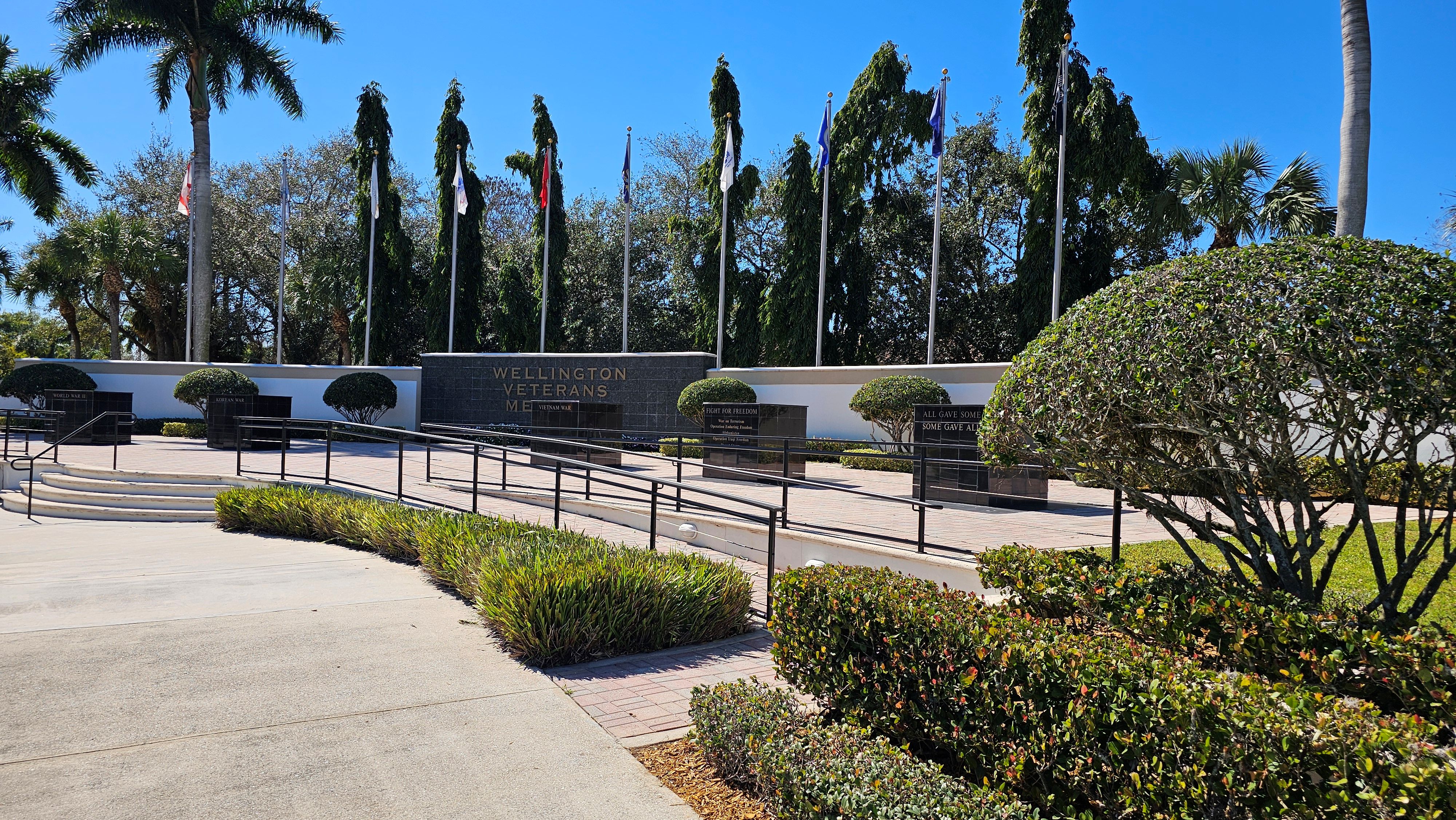

Feb. 2, 2026

Living in Wellington, FL

/thekullgroup/wellington-fl-real-estate-market-overview-kull-group.jpg

Living in Wellington, FL: Real Estate, Market Trends & What to Know

Introduction

Living in Wellington, FL real estate offers a unique blend of suburban comfort, active lifestyle options, and long-term stability that continues to attract homeowners, buyers, and people relocating to South Florida. Located in western Palm Beach County, Wellington has built a reputation as a well-planned community known for its strong neighborhoods, equestrian presence, and family-oriented atmosphere.

For buyers, Wellington offers a wide range of housing styles, from established single-family homes to newer communities with modern layouts and amenities. For sellers, the area benefits from consistent demand driven by relocation, lifestyle buyers, and long-term residents looking to stay local. And for those considering a move to South Florida, Wellington provides a more grounded alternative to coastal cities while remaining close to major employment centers.

This guide breaks down what to know about living in Wellington, the local real estate market, buying and selling considerations, and common questions people ask before making a move. The goal is clarity—so you can make informed decisions based on how Wellington actually fits your needs.


Living in Wellington, FL

Wellington is located in central Palm Beach County, west of Lake Worth and east of Royal Palm Beach and Loxahatchee. It sits roughly 15–20 minutes from downtown West Palm Beach, depending on traffic, and offers easy access to major roads connecting residents to coastal areas, airports, and business districts.

The community itself is primarily residential, with well-maintained neighborhoods, parks, schools, and local shopping centers woven throughout. Housing styles range from traditional single-family homes and townhomes to larger estate properties and equestrian-focused communities. Many neighborhoods were built with long-term living in mind, featuring sidewalks, green spaces, and community amenities.

Lifestyle in Wellington tends to be active but not hectic. Residents value outdoor activities, community events, and access to recreational facilities. The area is widely known for its equestrian culture, particularly during the winter season, but everyday life remains balanced and approachable for full-time residents. Overall, Wellington appeals to people looking for space, structure, and a sense of community without being far removed from the rest of South Florida.

Curious What Your Home Might Be Worth?

Home values across Palm Beach County and South Florida change constantly. See what buyers may currently be willing to pay for homes in your neighborhood.

Check Your Home Value

Wellington, FL Real Estate Market Overview

The Wellington real estate market is best described as steady and resilient. While broader market conditions influence activity, Wellington has historically avoided extreme swings compared to more volatile coastal markets. Demand is supported by a mix of local buyers, relocations, and long-term homeowners choosing to stay within the area.

Pricing trends in Wellington tend to move gradually rather than sharply, reflecting the area’s appeal as a place to live rather than a short-term investment market. Inventory levels fluctuate throughout the year, often influenced by seasonal migration and broader economic conditions, but well-maintained homes in desirable neighborhoods typically attract consistent interest.

Market activity is generally balanced, though certain segments—such as move-in-ready homes or properties in established communities—can become competitive. Buyers often need to be prepared, while sellers benefit from thoughtful pricing and proper preparation. Overall, Wellington remains a market driven by lifestyle alignment rather than speculation.


Buying a Home in Wellington, FL

Buyers exploring Wellington real estate should expect variety. The area offers single-family homes, townhomes, and newer construction communities, each with different ownership structures and lifestyle considerations. Many neighborhoods are governed by homeowners associations, which can affect monthly costs, property rules, and long-term flexibility.

Timing matters when buying in Wellington. Seasonal patterns can influence availability and competition, particularly during the winter months when part-time residents and equestrian visitors increase demand. New construction opportunities may offer modern designs but often come with longer timelines and community-specific guidelines.

Local considerations are important. HOA regulations, school zoning, flood zones, and insurance requirements all play a role in evaluating a property. Buyers relocating from outside Florida often need time to understand these factors. The most successful purchases tend to come from buyers who focus on long-term suitability rather than short-term trends.


Selling a Home in Wellington, FL

Selling a home in Wellington requires an understanding of both the local buyer pool and current market conditions. While demand remains consistent, buyers are selective and value presentation, condition, and realistic pricing.

Preparation plays a key role. Homes that are clean, well-maintained, and appropriately updated tend to stand out. Sellers should focus on addressing deferred maintenance, neutralizing interiors, and ensuring the property reflects how buyers actually live today.

Pricing strategy matters just as much as condition. Overpricing can lead to extended market time, while well-positioned listings often generate steady interest. Market timing can influence activity, but successful sales are more often tied to preparation and alignment with buyer expectations than to picking a perfect week to list.


Frequently Asked Questions About Wellington, FL Real Estate

Is Wellington expensive to live in?

Wellington is considered a higher-cost area compared to some inland parts of Palm Beach County, but it offers strong value relative to lifestyle, space, and community planning. Housing costs reflect demand, school quality, and neighborhood amenities rather than short-term price spikes. Ongoing expenses such as insurance and HOA fees vary by community, so overall affordability depends largely on property type and location within Wellington.

Is Wellington good for families?

Wellington is widely regarded as family-friendly. The community layout, parks, schools, and neighborhood design support long-term living. Many residents choose Wellington specifically for its structured environment and access to recreational activities. While no area fits every household perfectly, Wellington consistently attracts families looking for stability and community-oriented living.

How far is Wellington from major employment centers?

Wellington is approximately 15–20 minutes from downtown West Palm Beach and within reasonable driving distance of other Palm Beach County employment hubs. Commute times vary depending on traffic and destination, but the area offers access to multiple routes. Many residents balance suburban living with employment in nearby cities without feeling disconnected.

What types of homes are common in Wellington?

Single-family homes are the most common housing type in Wellington, ranging from modest properties to larger estate-style residences. Townhomes and newer planned communities are also available. Architectural styles vary, reflecting the area’s development over several decades. Buyers can typically find options that suit both low-maintenance living and larger household needs.

Is Wellington a good place to buy or sell a home?

Wellington is generally a stable market for both buyers and sellers. Buyers benefit from long-term livability and consistent demand, while sellers benefit from an established buyer pool. Success on either side depends on preparation, realistic expectations, and understanding local dynamics rather than trying to time broader market shifts

See What’s on the Market Right Now

If you're researching homes in Palm Beach County or anywhere in South Florida, explore current listings by city and see what’s available right now.

Explore Homes by City

Conclusion

Wellington, FL continues to appeal to homeowners, buyers, and relocators seeking a well-rounded place to live in South Florida. Its combination of residential planning, community atmosphere, and proximity to employment centers creates long-term relevance beyond short-term market conditions.

For buyers, Wellington offers options that support different lifestyles and stages of life. For sellers, the area’s steady demand rewards thoughtful preparation and informed pricing. And for those considering relocation, Wellington provides clarity—a place where day-to-day living aligns with long-term goals.

Understanding the local market, neighborhood dynamics, and ownership considerations helps remove uncertainty from the process. With the right information, decisions about buying or selling in Wellington become less about guesswork and more about fit.

Real Estate Resources for South Florida

If you're researching homes or following the South Florida real estate market, exploring listings and property values can provide helpful context for understanding local neighborhoods and housing trends across Palm Beach County.


About the Authors

Chris and Sue Kull are South Florida real estate professionals with more than three decades of experience helping buyers, sellers, and property owners navigate the housing market throughout Palm Beach County and surrounding communities.

Their work focuses on providing clear information, local market insight, and practical guidance so clients can make confident real estate decisions. Over the years they have built a trusted network of industry professionals—including lenders, inspectors, contractors, and legal specialists—to support every stage of the real estate process.

You can explore additional resources, community guides, and real estate tools at www.TheKullGroup.com.

If you have questions about buying, selling, or understanding the local real estate market, you can reach out through our contact page.

Feb. 2, 2026

First-Time Home Buyers: What Should You Really Prioritize When Buying a Home?

first-time-home-buyer-priorities-south-florida.jpg

First-Time Home Buyers: What Should You Really Prioritize When Buying a Home?

Buying your first home is an exciting milestone—but it can also feel overwhelming. Between online listings, social media inspiration, advice from friends and family, and constantly shifting market conditions, it’s easy to feel like you’re missing something important or making the “wrong” choice.

As the marketing director for The Kull Group, one of the most common questions we hear from first-time buyers in South East Florida is:

“What should we actually be prioritizing when buying our first home?”

The answer may surprise you—because it has less to do with finding the perfect home and more to do with finding the right home for how you live today.New CTA with motion - explore current listings

See What’s on the Market Right Now

If you're researching homes in Palm Beach County or anywhere in South Florida, explore current listings by city and see what’s available right now.

Explore Homes by City

Let’s Start With the Truth: The “Perfect Home” Doesn’t Exist

One of the biggest mistakes first-time buyers make is chasing the idea of a perfect home.

Perfect kitchens.
Perfect layouts.
Perfect neighborhoods.

The reality? There is no such thing as a perfect home, especially at the first-time buyer level.

Every home comes with trade-offs. The key is understanding which trade-offs you can live with—and which ones you can’t.

Your goal shouldn’t be perfection. It should be balance:

  • A home you can comfortably afford

  • In a location that supports your lifestyle

  • In solid condition (or with manageable improvements)

When buyers let go of the perfect-home myth, the entire process becomes clearer—and far less stressful.


Priority #1: A Budget That Supports Your Life (Not Just Your Loan Approval)

Just because a lender approves you for a certain amount doesn’t mean you should spend it.

A smart first-time buyer budget considers:

  • Monthly mortgage payment

  • Property taxes and insurance

  • HOA fees (if applicable)

  • Utilities and maintenance

  • Room for savings, travel, and lifestyle

You don’t want to feel “house poor” six months after closing.

At The Kull Group, we encourage buyers to choose a price range that allows them to enjoy homeownership, not just afford it.


Priority #2: Location Always Matters—More Than Finishes

Paint colors can change. Flooring can be replaced. Kitchens can be renovated.

Location cannot.

When evaluating a home, ask yourself:

  • How long is the commute to work?

  • Is the neighborhood convenient to daily routines?

  • Are schools, shopping, and healthcare accessible?

  • Does the area fit your lifestyle now—and in the near future?

In South East Florida, even small shifts in location can dramatically impact price, insurance, flood zones, and long-term value.

A well-located, modest home often outperforms a larger home in a less desirable area—especially for first-time buyers.


Priority #3: Condition Over Cosmetics

It’s easy to fall in love with staging, trendy finishes, and Instagram-ready kitchens. But first-time buyers should pay closer attention to condition than appearance.

Focus on the big-ticket items:

  • Roof age and condition

  • HVAC system

  • Electrical and plumbing

  • Windows and doors

  • Structural integrity

Cosmetic upgrades are usually manageable over time. Major repairs can derail your finances quickly.

A slightly outdated home in good condition is often a far better first purchase than a beautiful home hiding expensive issues.


Priority #4: Layout That Fits How You Actually Live

Many buyers shop for a lifestyle they wish they had instead of the one they actually live.

Before choosing a home, ask yourself:

  • Do we really need that extra bedroom right now?

  • Will we use the formal dining room—or never step into it?

  • Do we work from home and need quiet space?

  • Do we entertain often—or prefer low-maintenance living?

A home should support your daily routines, not fight against them.

It’s okay to be aspirational—but it’s smarter to buy a home that fits who you are today, not a future version of yourself that may never materialize.


Priority #5: Neighborhood Vibe (At All Times of Day)

If you’re considering a new neighborhood, don’t rely on one visit.

A community can feel completely different depending on:

  • Time of day

  • Day of the week

  • School schedules

  • Traffic patterns

  • Weekend activity

What feels peaceful on a weekday afternoon might be loud and congested on a Saturday night.

Spend time in the area. Drive it. Walk it. Sit nearby. Get a feel for whether it truly aligns with your lifestyle.

Curious What Your Home Might Be Worth?

Home values across Palm Beach County and South Florida change constantly. See what buyers may currently be willing to pay for homes in your neighborhood.

Check Your Home Value

Priority #6: HOA Rules—Read Them Carefully

Homeowners’ associations can be wonderful—or restrictive—depending on the buyer.

Before committing, understand:

  • Monthly fees and what they cover

  • Rental restrictions

  • Pet rules

  • Parking regulations

  • Architectural guidelines

If the idea of strict rules or limited flexibility makes you uneasy, an HOA-heavy community may not be the right fit.

The goal is peace of mind, not frustration.


Priority #7: Long-Term Flexibility

Even if this is your “starter home,” think a few steps ahead.

Ask yourself:

  • Could we stay here longer if plans change?

  • Would this home rent well if needed?

  • Does the layout allow for growth or change?

Life evolves. Your first home should give you options—not lock you in.


The Role of a Trusted Local Advisor

First-time buyers don’t just need access to listings—they need guidance.

A strong buyer’s agent helps you:

  • Set realistic expectations

  • Avoid costly mistakes

  • Understand local market nuances

  • Navigate negotiations confidently

At The Kull Group, our role isn’t to sell you a house—it’s to help you make a smart, informed decision that supports your long-term goals.


Final Thoughts: Buy Smart, Not Perfect

Buying your first home is a major milestone, and it’s normal to feel pressure to “get it right.”

But the truth is, the right home isn’t the perfect one.

It’s the home that fits your budget, supports your lifestyle, and gives you confidence—not stress—about what comes next.

When you focus on priorities instead of perfection, you’ll find a home that truly works for you.

Real Estate Resources for South Florida

If you're researching homes or following the South Florida real estate market, exploring listings and property values can provide helpful context for understanding local neighborhoods and housing trends across Palm Beach County.


About the Authors

Chris and Sue Kull are South Florida real estate professionals with more than three decades of experience helping buyers, sellers, and property owners navigate the housing market throughout Palm Beach County and surrounding communities.

Their work focuses on providing clear information, local market insight, and practical guidance so clients can make confident real estate decisions. Over the years they have built a trusted network of industry professionals—including lenders, inspectors, contractors, and legal specialists—to support every stage of the real estate process.

You can explore additional resources, community guides, and real estate tools at www.TheKullGroup.com.

If you have questions about buying, selling, or understanding the local real estate market, you can reach out through our contact page.
Feb. 2, 2026

Housing Policies That Could Spur Home Sales

housing-policies-that-could-spur-home-sales-south-florida.jpg

Housing Policies That Could Spur Home Sales — And What They Mean for South East Florida

For years, the U.S. housing market has been defined by one word: affordability. Rising home prices, higher mortgage rates, limited inventory, and strict lending requirements have combined to keep many buyers on the sidelines — and many homeowners stuck in place.

But that may be starting to change.

At the recent Policy Forum hosted by the National Association of Realtors (NAR) in Washington, D.C., lawmakers, economists, and housing leaders gathered to discuss real solutions that could ease affordability pressures and encourage more home sales nationwide.

The takeaway was clear: policy changes matter, and several proposals now gaining traction could significantly impact buyers and sellers — especially in high-cost and high-demand markets like South East Florida.

Let’s break down the key housing policies being discussed, why they matter, and how they could reshape the real estate landscape in the years ahead.

See What’s on the Market Right Now

If you're researching homes in Palm Beach County or anywhere in South Florida, explore current listings by city and see what’s available right now.

Explore Homes by City

Why Housing Policy Is Front and Center Right Now

Housing affordability has reached a breaking point in many parts of the country. In some areas, young adults are leaving their hometowns entirely in search of attainable housing — and parents are following.

That trend was highlighted by Congressman Jimmy Panetta of California, whose district includes some of the most expensive housing markets in the nation. As families leave, communities lose more than population — they lose continuity, culture, and long-term stability.

This reality is driving renewed urgency in Washington to address housing challenges from multiple angles:

  • Encouraging homeowners to sell

  • Helping first-time buyers enter the market sooner

  • Increasing overall housing supply

  • Reducing friction in the mortgage process


Capital Gains Reform: A Potential Game Changer for Inventory

One of the most discussed proposals at the NAR Policy Forum was updating the capital gains tax exemption on home sales.

Currently, homeowners can exclude:

  • $250,000 in gains (single filers)

  • $500,000 in gains (married couples)

Those limits were set in 1997 — and they’ve never been adjusted for inflation or rising home values.

Why This Matters

According to NAR research, nearly 29 million homeowners — about 34% — already face potential capital gains taxes if they sell. That number is expected to grow significantly over the next decade, especially in high-appreciation markets like South Florida.

For many homeowners, particularly retirees and longtime owners, the tax burden alone is enough to delay or prevent a sale — even when downsizing would otherwise make sense.

The Proposal

The More Homes on the Market Act, supported by NAR, would double the capital gains exemption, encouraging homeowners to sell without fear of a large tax hit.

For South East Florida, where long-term appreciation has been substantial, this could unlock significant inventory — particularly among older homeowners who want to downsize but are currently hesitant.


FHA Loan Reform: Helping First-Time Buyers Move Faster

Another major topic at the forum was the future of FHA loans, which remain a critical entry point for first-time buyers.

Frank Cassidy, federal housing commissioner and head of the Federal Housing Administration (FHA), acknowledged a long-standing concern: FHA loans often take longer to process.

That delay can put FHA buyers at a disadvantage in competitive markets.

What’s Changing

FHA leadership emphasized ongoing efforts to:

  • Reduce unnecessary red tape

  • Speed up underwriting timelines

  • Modernize approval processes

If successful, these changes could help first-time buyers compete more effectively — particularly in markets where move-in-ready homes sell quickly.

Curious What Your Home Might Be Worth?

Home values across Palm Beach County and South Florida change constantly. See what buyers may currently be willing to pay for homes in your neighborhood.

Check Your Home Value

First-Time Buyers Are Buying Later — And Paying the Price

One of the most eye-opening data points shared at the forum came from recent NAR research:

The median age of first-time home buyers is now 40 years old — the highest on record.

Even more striking? Delaying homeownership from age 30 to 40 can result in approximately $150,000 in lost equity over time.

That lost equity doesn’t just affect individuals — it affects long-term wealth building, retirement security, and generational stability.

Why Education Matters

This is where Realtors® play a critical role. Beyond showing homes, experienced agents help buyers:

  • Understand available programs and incentives

  • Weigh risks and benefits of different financing strategies

  • Navigate affordability creatively and responsibly

Policy changes can open doors — but education helps buyers walk through them.


401(k) Funds for Down Payments: Opportunity or Risk?

One proposal discussed was expanding the ability to use 401(k) funds toward down payments.

For some buyers, this could provide access to homeownership sooner. But it’s not without risk.

Using retirement funds for a down payment may:

  • Reduce long-term retirement growth

  • Create tax implications

  • Leave buyers with less financial flexibility

The consensus? This tool may help certain buyers — but it’s not a one-size-fits-all solution.


Bipartisan Opposition to Rent Control

One area of surprising agreement at the forum was bipartisan opposition to rent control.

Former HUD Secretary Marcia Fudge and former Congressman Steve Stivers, co-chairs of the Housing Solutions Coalition, emphasized that rent control does not address the root problem: lack of supply.

In fact, rent control can:

  • Discourage new construction

  • Reduce housing quality over time

  • Limit availability for those who need housing most

Their stance reinforces a growing belief that increasing supply — not restricting pricing — is the real solution.


Increasing Supply: Where Policy Could Have the Biggest Impact

Multiple panelists emphasized that meaningful affordability gains require more housing units, not just financial incentives.

Some proposals with potentially large impact include:

  • Opening public land near metropolitan areas for development

  • Streamlining zoning and permitting processes

  • Encouraging public-private partnerships

According to policy experts, unlocking land near urban centers could add millions of housing units nationwide — a far more impactful solution than restricting investor activity alone.


Parsing the Pros and Cons of Policy Proposals

Not every proposal received unanimous support.

Some experts expressed skepticism about:

  • Blocking institutional investors (limited overall impact)

  • Expanding assumable mortgages (often impractical for first-time buyers due to equity buyouts)

Others raised concerns about the budgetary impact of doubling capital gains exemptions — though many supported targeted incentives aimed specifically at older homeowners to free up inventory.

The common thread? Nuance matters. Housing policy works best when it’s targeted, flexible, and data-driven.


What This Means for South East Florida Buyers and Sellers

For South East Florida, these policy discussions are more than theoretical.

Potential outcomes include:

  • More homes coming to market

  • Improved access for first-time buyers

  • Greater mobility for downsizers and retirees

  • Reduced friction in transactions

While none of these changes happen overnight, the direction is clear: policymakers are actively looking for ways to get the housing market moving again.


Bottom Line: Policy Could Unlock a More Balanced Market

Housing affordability didn’t become a problem overnight — and it won’t be solved by a single policy change.

But updating outdated tax rules, modernizing lending programs, and focusing on supply expansion could collectively bring meaningful relief.

For buyers, sellers, and homeowners in South East Florida, staying informed is the first step toward making smart decisions as conditions evolve.

Real Estate Resources for South Florida

If you're researching homes or following the South Florida real estate market, exploring listings and property values can provide helpful context for understanding local neighborhoods and housing trends across Palm Beach County.


About the Authors

Chris and Sue Kull are South Florida real estate professionals with more than three decades of experience helping buyers, sellers, and property owners navigate the housing market throughout Palm Beach County and surrounding communities.

Their work focuses on providing clear information, local market insight, and practical guidance so clients can make confident real estate decisions. Over the years they have built a trusted network of industry professionals—including lenders, inspectors, contractors, and legal specialists—to support every stage of the real estate process.

You can explore additional resources, community guides, and real estate tools at www.TheKullGroup.com.

If you have questions about buying, selling, or understanding the local real estate market, you can reach out through our contact page.
Jan. 30, 2026

Factors That Could Move Mortgage Rates Next

factors-that-could-move-mortgage-rates-next-south-florida.jpg

Factors That Could Move Mortgage Rates Next — What South East Florida Buyers and Sellers Should Watch

Mortgage rates have been one of the biggest question marks in real estate over the past few years. After historic highs, dramatic swings, and a gradual pullback, rates are now hovering near their lowest levels in nearly three years. Naturally, buyers, sellers, and homeowners alike are asking the same question:

What happens next?

The short answer: mortgage rates are in a “wait-and-see” phase. With the Federal Reserve pressing pause on rate cuts, the next moves won’t hinge on a single decision — they’ll depend on incoming economic data, investor behavior, and potential action involving mortgage-backed securities.

Understanding these factors can help South East Florida homeowners and buyers make smarter, more confident decisions in the months ahead.

See What’s on the Market Right Now

If you're researching homes in Palm Beach County or anywhere in South Florida, explore current listings by city and see what’s available right now.

Explore Homes by City

Why the Federal Reserve Hit Pause

Recently, the Federal Reserve voted to hold the federal funds rate steady, ending a three-meeting streak of rate cuts. While some expected additional easing, the Fed’s decision reflects cautious confidence in the broader economy rather than concern.

In its official statement, the Fed emphasized that future decisions will depend on:

  • Incoming economic data

  • The evolving economic outlook

  • The balance of risks

In plain English, the Fed isn’t worried enough to cut aggressively — but it’s not closing the door on future cuts either.

It’s also important to remember that the Fed does not directly control mortgage rates. Instead, it sets the short-term federal funds rate, which influences overall economic conditions and investor expectations.


The Fed’s Dual Mandate — And Why It Matters

The Federal Reserve operates under a dual mandate:

  1. Maximum employment

  2. Price stability (inflation control)

By raising or lowering the federal funds rate, the Fed attempts to keep these two goals in balance. Too much inflation? Rates go up. Weak job growth? Rates come down.

Right now, the data suggests a mixed but manageable picture:

  • Inflation remains present but broadly in line with expectations

  • Hiring has slowed, but unemployment appears to be stabilizing

  • Economic growth hasn’t stalled, nor is it overheating

This “middle-ground” data is exactly why the Fed chose to pause — giving policymakers time to see how last year’s cuts ripple through the economy.


Why Mortgage Rates Moved Before the Fed

One of the most confusing aspects of today’s rate environment is this: mortgage rates fell months before the Fed started cutting rates.

That’s because mortgage rates are forward-looking. They respond to investor expectations about inflation, economic growth, and long-term risk — not just current Fed policy.

In fact, mortgage rates have been trending lower since late last summer, well ahead of the Fed’s most recent actions. That’s also why this latest Fed pause didn’t cause mortgage rates to spike.


Mortgage Rates and the 10-Year Treasury Yield

Mortgage rates tend to follow the 10-year Treasury yield, which reflects investor confidence in long-term economic stability. Lenders use it as a benchmark when pricing home loans.

When investors believe inflation will cool and economic growth will remain steady, Treasury yields often fall — pulling mortgage rates down with them.

Right now, yields suggest cautious optimism rather than fear, which is why mortgage rates have remained relatively stable near recent lows.


The Surprise Factor: Mortgage-Backed Securities (MBS)

If the Fed isn’t driving mortgage rates directly, what could cause sudden movement?

One word: mortgage-backed securities.

Mortgage-backed securities (MBS) are bundles of home loans sold to investors. After a mortgage is originated, lenders typically sell it to entities like:

  • Fannie Mae

  • Freddie Mac

  • Ginnie Mae

These agencies pool loans together and issue MBS, which investors purchase in exchange for steady returns.

This system is critical because it gives lenders liquidity — allowing them to keep issuing new loans rather than waiting decades for repayment.

Curious What Your Home Might Be Worth?

Home values across Palm Beach County and South Florida change constantly. See what buyers may currently be willing to pay for homes in your neighborhood.

Check Your Home Value

Why MBS News Can Move Rates Quickly

Earlier this year, headlines sent mortgage rates briefly tumbling after a public call for a large-scale purchase of mortgage-backed securities. Even without details, the market reacted instantly.

Why?

Because guaranteed buyers lower risk.

When lenders know there’s strong demand for MBS, they can offer lower mortgage rates while still maintaining profitability. More demand for MBS = cheaper borrowing for consumers.

That’s exactly why mortgage rates dipped to their lowest levels since 2022 following that announcement — even though no immediate action occurred.


Why That Drop Didn’t Last

Unfortunately for those hoping for a sustained drop, that rate dip was short-lived.

Without consistent, predictable buying of MBS, markets tend to revert. As noted by economists at Realtor.com, one-off announcements rarely create long-term rate shifts.

Markets look for follow-through — not headlines.

Until there’s clarity or action surrounding mortgage-backed securities, mortgage rates are likely to move gradually rather than dramatically.


Where Mortgage Rates Stand Today

Despite recent fluctuations, mortgage rates remain relatively low compared to recent years.

According to Freddie Mac:

  • Average 30-year fixed rates have stayed below 6.3% since early October

  • Some rate surveys now show averages hovering around 6% or slightly below

While that’s higher than pandemic-era lows, it represents meaningful relief compared to peaks seen in 2023 and early 2024.


What This Means for South East Florida Buyers

For buyers in South East Florida, today’s rate environment offers something valuable: predictability.

Rather than trying to time a perfect rate, many buyers are:

  • Locking in affordability now

  • Negotiating price or seller concessions

  • Planning to refinance later if rates drop further

In markets like Palm Beach County and surrounding areas, demand remains strong due to lifestyle appeal, population growth, and limited inventory.

Waiting for dramatic rate drops can mean missing out on the right home — especially if prices continue to rise.


What This Means for South East Florida Sellers

For sellers, mortgage rate stability brings clarity.

Even at current rates:

  • Qualified buyers remain active

  • Inventory constraints support pricing

  • Well-priced, move-in-ready homes continue to sell

Homes that are priced correctly and professionally marketed are still attracting serious buyers — particularly those relocating, downsizing, or buying with substantial equity or cash.


The Refinance Window: A Short-Term Opportunity?

While buyers may not see dramatic immediate benefits from a brief rate dip, homeowners watching for refinancing opportunities should stay alert.

Even small dips can create short refinancing windows — especially for those who purchased or refinanced at higher rates in recent years.

Staying informed and prepared allows homeowners to act quickly if rates slide again.


What Could Move Mortgage Rates Next?

Looking ahead, mortgage rates may respond to:

  • Inflation reports

  • Employment data

  • Treasury market movement

  • Clear action involving mortgage-backed securities

  • Global geopolitical developments

Rather than one big event, it will likely be a combination of signals that determines the next meaningful move.


Bottom Line: Strategy Matters More Than Timing

Mortgage rates are no longer swinging wildly — and that’s a good thing.

With the Federal Reserve on pause and markets awaiting clearer signals, today’s environment rewards thoughtful planning over guesswork.

Real Estate Resources for South Florida

If you're researching homes or following the South Florida real estate market, exploring listings and property values can provide helpful context for understanding local neighborhoods and housing trends across Palm Beach County.


About the Authors

Chris and Sue Kull are South Florida real estate professionals with more than three decades of experience helping buyers, sellers, and property owners navigate the housing market throughout Palm Beach County and surrounding communities.

Their work focuses on providing clear information, local market insight, and practical guidance so clients can make confident real estate decisions. Over the years they have built a trusted network of industry professionals—including lenders, inspectors, contractors, and legal specialists—to support every stage of the real estate process.

You can explore additional resources, community guides, and real estate tools at www.TheKullGroup.com.

If you have questions about buying, selling, or understanding the local real estate market, you can reach out through our contact page.

Jan. 30, 2026

Mortgage Rates Edge Up Slightly

mortgage-rates-near-three-year-low-south-florida.jpg

Mortgage Rates Edge Up Slightly — Still Near a 3-Year Low: What Buyers and Sellers Should Know

Mortgage rates have ticked up slightly for the second consecutive week, but they remain close to the lowest levels seen in more than three years. For buyers and sellers alike, that combination has sparked a familiar question:

Is now the right time to make a move, or should we wait to see what happens next?

According to Freddie Mac, the average 30-year fixed mortgage rate rose to 6.1%, up from 6.09% the week before. While that increase may grab headlines, it’s worth noting that rates are still well below where they were one year ago, when the average sat at 6.95%.

The 15-year fixed rate, often used by homeowners refinancing, also inched higher to 5.49%, compared to 5.44% the prior week and 6.12% a year ago.

So what does this actually mean for the housing market — and more importantly, what does it mean for South East Florida homeowners and buyers trying to plan their next move?

Let’s break it down.

See What’s on the Market Right Now

If you're researching homes in Palm Beach County or anywhere in South Florida, explore current listings by city and see what’s available right now.

Explore Homes by City

Why Mortgage Rates Matter (Even When the Change Is Small)

Mortgage rates don’t need to move dramatically to impact buyer behavior. Even small shifts influence affordability, monthly payments, and overall confidence.

Rates are shaped by a variety of factors, including:

• Inflation expectations
• Economic growth projections
• Global geopolitical conditions
• Bond market performance
• Federal Reserve policy signals

Mortgage lenders generally price home loans based on the 10-year Treasury yield, which acts as a benchmark for long-term borrowing costs.

As of mid-week, the 10-year Treasury yield hovered around 4.24%, slightly below where it stood the previous week — another reason this recent uptick in mortgage rates is considered modest rather than alarming.


The Federal Reserve’s Role (And Its Limits)

It’s important to understand one key point: the Federal Reserve does not directly set mortgage rates.

What it does control is the short-term federal funds rate, which influences overall economic conditions and investor behavior. Bond investors, in turn, adjust expectations — and those expectations ripple through to mortgage pricing.

This week’s movement in rates followed the Fed’s decision to pause further rate cuts after reducing rates three times late last year in an effort to stabilize the labor market.

While the pause doesn’t signal higher rates ahead, it does indicate a period of cautious observation — something bond markets tend to respond to with short-term volatility.


Why Rates Are Still Considered “Low” (Historically Speaking)

It may not feel like it, but from a long-term perspective, mortgage rates around 6% are not extreme.

For context:
• In the early 2000s, rates averaged 6–8%
• In the 1990s, rates frequently exceeded 7%
• Pandemic-era rates below 3% were historic anomalies

What has changed is affordability — and that’s largely due to home prices rising faster than incomes over the past decade.

Still, economists largely agree that rates are expected to ease gradually over time, even if they remain above 6% for much of the year.

Curious What Your Home Might Be Worth?

Home values across Palm Beach County and South Florida change constantly. See what buyers may currently be willing to pay for homes in your neighborhood.

Check Your Home Value

Housing Market Reality: Slow Recovery, Uneven Momentum

The U.S. housing market has been navigating a prolonged slowdown since 2022, when rates surged from pandemic lows and affordability took a hit.

Several forces collided at once:
• Rapid home price appreciation
• Higher borrowing costs
• Limited housing inventory
• Years of underbuilding nationwide

As a result, sales of existing homes fell to 30-year lows in recent years.

However, when mortgage rates began pulling back late last summer, buyer activity showed signs of life. In fact, existing-home sales jumped 5.1% in December, offering cautious optimism that lower rates can unlock pent-up demand.


Mortgage Applications Tell an Important Story

Recent data from the Mortgage Bankers Association shows how sensitive buyers are to even small rate changes:

• Overall mortgage applications fell 8.5% week-over-week
• Refinance applications dropped 16%
• Purchase applications slipped just 0.4%

That last number is key.

Despite the rate increase, buyers are still actively shopping. The decline in purchase applications was minimal, suggesting many buyers have already adjusted expectations and are no longer waiting for dramatic rate drops.


The “Golden Handcuffs” Effect for Homeowners

One major reason inventory remains tight is something often referred to as the rate lock-in effect.

According to Realtor.com:
• Nearly 69% of homeowners with a mortgage have a rate of 5% or lower
• More than half have a rate at or below 4%

For these homeowners, selling means trading a historically low rate for a higher one — a tough psychological and financial hurdle.

This dynamic continues to limit inventory, especially in desirable markets like South East Florida, where demand remains strong.


What This Means for South East Florida Sellers

For sellers, today’s rate environment presents a nuanced opportunity.

While higher rates have reduced the total pool of buyers compared to peak years, serious buyers are still in the market — and they tend to be well-qualified, motivated, and prepared.

Additionally:
• Limited inventory supports pricing
• Well-presented homes still attract multiple showings
• Move-in-ready properties outperform outdated listings

In South East Florida, lifestyle demand, migration patterns, and long-term desirability continue to provide a strong foundation — even in a higher-rate environment.


What This Means for Buyers

For buyers, mortgage rates near a three-year low represent something important: stability.

Rather than chasing a perfect rate that may never return, many buyers are focusing on:
• Securing the right property
• Negotiating price or seller concessions
• Refinancing later if rates improve

Historically, buyers who waited for the “perfect” rate often missed opportunities as home prices continued to rise.


Why Waiting Can Be Riskier Than Acting Strategically

A common misconception is that lower rates automatically mean lower monthly payments. But if rates fall and buyer demand surges, competition increases — often pushing prices higher.

In balanced markets, price and rate tend to offset each other.

That’s why many savvy buyers focus on:
• Buying the right home now
• Locking in affordability
• Refinancing when conditions improve


The Bigger Picture: A Market in Transition

Economists expect the housing recovery to be slow and uneven, as noted by Realtor.com economist Jiayi Xu, who points out that affordability pressures won’t ease meaningfully until both rates decline further and inventory expands.

That means today’s market rewards informed decision-making more than timing guesses.


Bottom Line: Clarity Beats Guesswork

Mortgage rates may have edged up slightly, but they remain near a three-year low — and the bigger story is stability, not volatility.

For buyers, this is a market that rewards preparation, flexibility, and long-term thinking.
For sellers, it’s a market where strategy, pricing, and presentation matter more than ever.

The smartest move isn’t waiting for headlines to change — it’s understanding how today’s conditions align with your goals.

Real Estate Resources for South Florida

If you're researching homes or following the South Florida real estate market, exploring listings and property values can provide helpful context for understanding local neighborhoods and housing trends across Palm Beach County.


About the Authors

Chris and Sue Kull are South Florida real estate professionals with more than three decades of experience helping buyers, sellers, and property owners navigate the housing market throughout Palm Beach County and surrounding communities.

Their work focuses on providing clear information, local market insight, and practical guidance so clients can make confident real estate decisions. Over the years they have built a trusted network of industry professionals—including lenders, inspectors, contractors, and legal specialists—to support every stage of the real estate process.

You can explore additional resources, community guides, and real estate tools at www.TheKullGroup.com.

If you have questions about buying, selling, or understanding the local real estate market, you can reach out through our contact page.

Jan. 29, 2026

Online Habits To Avoid

online-habits-identity-theft-risk-homeowners.jpg

Online Habits That Raise Identity Theft Risk — And How to Protect Yourself

Identity theft is no longer a rare inconvenience—it’s a fast-growing threat that impacts millions of Americans every year. And while large data breaches and sophisticated scams make headlines, the truth is that everyday online habits are often what put people most at risk.

According to the Federal Trade Commission, reports of identity theft have increased from 1 million to 1.2 million annually since 2023. At the same time, advances in artificial intelligence have made scams more convincing, more targeted, and harder to spot. Fraudsters can now mimic real emails, clone voices, and generate realistic messages that look legitimate at first glance.

For homeowners—especially those approaching or enjoying retirement—the stakes are even higher. Identity theft can disrupt credit, drain savings, delay major life plans, and complicate real estate transactions. The good news? Many of the most common identity theft risks are entirely avoidable with small, intentional changes.

Below are seven common online habits that raise identity theft risk, along with practical ways to protect yourself and your financial well-being

See What’s on the Market Right Now

If you're researching homes in Palm Beach County or anywhere in South Florida, explore current listings by city and see what’s available right now.

Explore Homes by City

Habit #1: Reusing Passwords Across Multiple Accounts

Reusing passwords may be one of the most common—and dangerous—online habits. It’s easy to understand why people do it. Remembering dozens of unique passwords feels overwhelming, so one “go-to” password gets reused everywhere.

The problem? One breach is all it takes.

If an unimportant website is hacked and your password is exposed, cybercriminals often test that same password across banking, email, and financial accounts. Once they gain access to one sensitive account, identity theft can escalate quickly.

How to Fix It

Security experts recommend using passphrases instead of passwords. A strong passphrase is at least 14 characters long and includes a mix of uppercase and lowercase letters, numbers, and symbols. Avoid predictable patterns, personal information, or common phrases.

Using a password manager with multi-factor authentication is one of the easiest and safest ways to manage unique passwords without having to remember them all.


Habit #2: Ignoring Software and App Updates

Those update notifications can feel annoying, especially when you’re busy. But ignoring them can leave your personal data exposed.

Nearly all apps and operating systems are connected to the internet. When developers discover vulnerabilities, updates are released to patch those security gaps. Skipping updates means continuing to use software that hackers already know how to exploit.

How to Fix It

Enable automatic updates on your devices whenever possible. If automatic updates aren’t available, make it a habit to install updates as soon as notifications appear. Keeping your phone, tablet, and computer current is one of the simplest ways to reduce identity theft risk.


Habit #3: Oversharing Personal Information on Social Media

Social media has blurred the line between public and private life. Sharing milestones, vacations, and everyday moments feels harmless—but oversharing can provide fraudsters with exactly the information they need.

Public posts can reveal:
• Birthdates
• Locations
• Family relationships
• Pet names
• Travel schedules

This information is often used to guess passwords, answer security questions, or craft convincing phishing messages.

How to Fix It

Review your privacy settings regularly and limit who can see your posts. Avoid sharing sensitive personal details publicly, and think twice before posting information that could be used to identify or impersonate you.

Curious What Your Home Might Be Worth?

Home values across Palm Beach County and South Florida change constantly. See what buyers may currently be willing to pay for homes in your neighborhood.

Check Your Home Value

Habit #4: Not Verifying HTTPS and Website Authenticity

When you enter personal or financial information online, encryption matters. Secure websites use HTTPS, which encrypts data sent between your device and the site’s server.

While HTTPS is an important indicator, it’s not foolproof. Fraudsters can create fake websites that look legitimate and still display the lock icon.

How to Fix It

Always verify that you’re on the correct website before entering personal information. Type website addresses directly into your browser instead of clicking links, and double-check spelling and URLs. If something feels off, trust your instincts and leave the site.


Habit #5: Clicking Links or Attachments From Unknown Senders

Email remains one of the most common ways identity theft begins. According to cybersecurity reports, nearly half of social engineering attacks happen through email.

These messages often create urgency with phrases like:
• “Immediate action required”
• “Your account will be suspended”
• “Unusual activity detected”

The goal is to pressure you into clicking before thinking.

How to Fix It

Never click links or download attachments from unknown senders. Even if an email appears to come from a company you recognize, verify it independently by logging into your account directly through the company’s official website or calling a verified phone number.


Habit #6: Brushing Off Data Breach Notifications

Data breach notifications are easy to dismiss, especially when they seem abstract or unrelated. But ignoring them can have serious consequences.

Studies show that more than 20% of identity theft victims report financial losses exceeding $100,000. Once stolen data circulates online, it can be exploited months—or even years—later.

How to Fix It

Take breach notifications seriously. Change passwords immediately, monitor your credit report, and keep a close eye on bank and credit card statements. Consider placing a fraud alert or credit freeze if sensitive information has been exposed.


Habit #7: Believing Incognito Mode Makes You Anonymous

Incognito mode is widely misunderstood. While it prevents your browser from saving local search history, it does not make you invisible online.

Internet service providers, websites, employers, schools, and network administrators can still access activity data. If a malicious actor gains access to those systems, your information may still be vulnerable.

How to Fix It

Use incognito mode only for local privacy—not security. For real protection, focus on secure passwords, encrypted websites, and safe browsing habits rather than relying on browser modes to keep your data private.


Why Identity Protection Matters for Homeowners

For homeowners, identity theft can go far beyond inconvenience. It can delay closings, disrupt mortgage approvals, interfere with title transfers, and create complications when buying or selling real estate.

At The Kull Group, we see firsthand how financial clarity and preparation make major life transitions—like selling a home or downsizing—far less stressful. Protecting your identity is part of protecting your future.


Bottom Line: Small Changes, Big Protection

Identity theft often begins with small habits—but small changes can dramatically reduce risk.

By strengthening passwords, staying current on updates, being cautious online, and taking breach notifications seriously, you can protect your financial well-being and enjoy greater peace of mind.

Security isn’t about fear. It’s about awareness, preparation, and confidence—so you can focus on what truly matters.

Real Estate Resources for South Florida

If you're researching homes or following the South Florida real estate market, exploring listings and property values can provide helpful context for understanding local neighborhoods and housing trends across Palm Beach County.


About the Authors

Chris and Sue Kull are South Florida real estate professionals with more than three decades of experience helping buyers, sellers, and property owners navigate the housing market throughout Palm Beach County and surrounding communities.

Their work focuses on providing clear information, local market insight, and practical guidance so clients can make confident real estate decisions. Over the years they have built a trusted network of industry professionals—including lenders, inspectors, contractors, and legal specialists—to support every stage of the real estate process.

You can explore additional resources, community guides, and real estate tools at www.TheKullGroup.com.

If you have questions about buying, selling, or understanding the local real estate market, you can reach out through our contact page.

Jan. 29, 2026

Why So Many Homeowners Are Downsizing Right Now

downsizing-for-retirement-south-florida-homeowners.jpg

Thinking About Retirement? Why Downsizing May Be Your Smartest Move Yet

For a growing number of homeowners, retirement isn’t some distant idea anymore. It’s starting to feel very real.

According to data from Realtor.com and the U.S. Census Bureau, nearly 12,000 Americans will turn 65 every single day for the next two years. Even more telling, recent surveys show that approximately 15% of older Americans plan to retire in 2026, with another 23% targeting 2027.

That means millions of homeowners are quietly asking the same question right now:

What does the next chapter look like—and does my current home still fit it?

If retirement is on your horizon, now is the ideal time to start thinking through your housing options. Not because you need to rush into selling—but because clarity creates confidence. And for many homeowners, that clarity leads to one smart, empowering decision: downsizing.

Curious What Your Home Might Be Worth?

Home values across Palm Beach County and South Florida change constantly. See what buyers may currently be willing to pay for homes in your neighborhood.

Check Your Home Value

Why Downsizing Isn’t About “Living With Less”

There’s a common misconception that downsizing means sacrifice. Less space. Less comfort. Less lifestyle.

In reality, downsizing is rarely about giving something up. It’s about designing a life that feels easier.

Easier to enjoy.
Easier to manage.
Easier to maintain—day in and day out.

As retirement approaches, priorities naturally shift. Long commutes, constant home maintenance, and unused rooms lose their appeal. What gains importance is flexibility, freedom, and peace of mind.

Downsizing allows homeowners to realign their living situation with how they actually want to live now—not how they lived 20 or 30 years ago.


The Top Reasons Homeowners Over 60 Are Moving

When you look at the data, the motivation behind downsizing becomes even clearer.

According to the National Association of Realtors, the top reasons homeowners over 60 decide to move have nothing to do with timing the market or chasing the highest possible price. Instead, the reasons are deeply rooted in lifestyle and long-term planning:

1. Being closer to family and friends
Many retirees want to live nearer to children, grandchildren, or lifelong friends. Less distance means more meaningful time—and fewer missed moments.

2. Wanting a smaller, more functional home
Fewer stairs, easier layouts, and manageable square footage make everyday life simpler and safer.

3. Retiring and no longer needing to live near work
Once commuting is no longer a factor, geographic flexibility opens up. Many homeowners realize they can live where they want, not where they have to.

4. Reducing ongoing expenses
Smaller homes typically mean lower utility bills, reduced insurance costs, and less money spent on maintenance and repairs.

The common theme? Downsizing is about control, not compromise.

It’s about choosing a home that supports the years ahead—not one that reflects the demands of the past

See What’.s on the Market Right Now

If you're researching homes in Palm Beach County or anywhere in South Florida, explore current listings by city and see what’s available right now.

Explore Homes by City

Why Downsizing Is More Feasible Than You Might Think

Here’s the part that surprises many homeowners.

Thanks to years of appreciation, downsizing is often far more financially achievable than people expect.

According to data from Cotality (formerly CoreLogic), the average homeowner today has approximately $299,000 in home equity. For longtime homeowners—especially those approaching retirement—that number is often significantly higher.

Why?

Because when you’ve lived in a home for many years (or decades), two powerful financial forces are working in your favor at the same time:

• Your home value has had time to grow
• Your mortgage balance has steadily decreased—or disappeared altogether

That combination creates options.

In many cases, homeowners can sell, purchase a smaller home outright or with a much lower mortgage, and still have equity left over to strengthen retirement savings, invest, or simply enjoy life with less financial pressure.


Downsizing in South East Florida: A Unique Advantage

South East Florida offers a particularly strong environment for retirees considering downsizing.

Desirable weather, strong demand, and limited housing inventory continue to support home values across Palm Beach County, Broward County, and surrounding areas. For many longtime homeowners, this means selling at a position of strength.

Downsizing doesn’t necessarily mean leaving the area. In fact, many retirees choose to stay local—moving into:

• Single-story homes
• Condos with amenities and maintenance included
• Townhomes in walkable communities
• Homes closer to medical services, recreation, or family

The key is choosing a property that supports both lifestyle and long-term comfort.


Emotional Considerations: Letting Go Without Losing What Matters

Of course, downsizing isn’t just a financial decision—it’s an emotional one.

Leaving a home filled with decades of memories can feel overwhelming. Birthdays, holidays, milestones—all tied to a place that once fit a very different season of life.

But downsizing doesn’t erase those memories. It simply allows you to carry them forward without the burden of maintaining a home that no longer serves you.

Many homeowners find that once they make the move, they feel lighter—physically, emotionally, and financially. Less upkeep. Less stress. More time to focus on what actually matters.


When Is the Right Time to Start the Conversation?

Here’s an important truth: the first step isn’t selling.

The first step is understanding your options.

Even if retirement is still a year or two away, having a clear picture of:

• Your current home’s value
• Your equity position
• What downsizing might realistically look like

puts you in control.

A no-pressure conversation with a knowledgeable real estate professional allows you to explore scenarios without committing to any one path. It’s about information, not obligation.


Bottom Line: Downsizing Is About What Comes Next—On Your Terms

Downsizing isn’t about rushing.
It isn’t about fear.
And it certainly isn’t about settling.

It’s about setting yourself up for the next chapter—intentionally, confidently, and on your own terms.

If retirement is on the horizon and you’ve started wondering what your current home (and your equity) could make possible, now is the right time to explore the conversation.

Understanding your options today gives you freedom tomorrow.

Real Estate Resources for South Florida

If you're researching homes or following the South Florida real estate market, exploring listings and property values can provide helpful context for understanding local neighborhoods and housing trends across Palm Beach County.


About the Authors

Chris and Sue Kull are South Florida real estate professionals with more than three decades of experience helping buyers, sellers, and property owners navigate the housing market throughout Palm Beach County and surrounding communities.

Their work focuses on providing clear information, local market insight, and practical guidance so clients can make confident real estate decisions. Over the years they have built a trusted network of industry professionals—including lenders, inspectors, contractors, and legal specialists—to support every stage of the real estate process.

You can explore additional resources, community guides, and real estate tools at www.TheKullGroup.com.

If you have questions about buying, selling, or understanding the local real estate market, you can reach out through our contact page.

Dec. 20, 2025

Palm Beach County School Calendar 2025–2026: Important Dates, Holidays, and Planning Tips for Families

palm-beach-county-school-calendar-2025-2026-family-guide-kull-group.jpg

Palm Beach County School Calendar 2025–2026: Important Dates, Holidays, and Planning Tips for Families

Planning ahead is essential for families living in or relocating to Palm Beach County, Florida, especially when it comes to the school year. Whether you’re coordinating vacations, childcare, work schedules, or even a potential move, having the Palm Beach County School Calendar for 2025–2026 in one clear, easy-to-reference place makes life significantly easier.

At The Kull Group, we work with many families who prioritize school schedules when buying or selling a home. Below is a comprehensive breakdown of the 2025–2026 Palm Beach County School District calendar, including start and end dates, holidays, teacher work days, Spring Break, and grading periods—along with practical planning insights for parents.

Curious What Your Home Might Be Worth?

Home values across Palm Beach County and South Florida change constantly. See what buyers may currently be willing to pay for homes in your neighborhood.

Check Your Home Value

Overview of the Palm Beach County School Calendar 2025–2026

The Palm Beach County School District (PBCSD) calendar outlines instructional days, holidays, and non-student days for public schools across the county. While charter and private schools may follow different schedules, this calendar reflects the official district-approved dates for traditional public schools.

The first day of school for students is Monday, August 11, 2025, and the last day of school is Friday, May 29, 2026. In between, families can expect regularly scheduled holidays, teacher planning days, and extended breaks that align closely with national holidays.


Important Dates at a Glance

For parents who like to see the big picture quickly, here are the most important highlights of the Palm Beach County School Calendar 2025–2026:

  • First Day of School: Monday, August 11, 2025

  • Labor Day (No School): Monday, September 1, 2025

  • Thanksgiving Break: November 24–28, 2025

  • Winter Break: December 22, 2025 – January 2, 2026

  • Spring Break: March 16–20, 2026

  • Last Day of School: Friday, May 29, 2026

Families are encouraged to download the official two-page printable PDF calendar from the School District of Palm Beach County for quick reference throughout the year.


Palm Beach County School Holidays (No School for Students)

Holidays play a major role in family planning, especially for parents coordinating travel, childcare, or work-from-home schedules.

Major Holidays – No School

Students will not attend school on the following holidays:

  • Labor Day: September 1, 2025

  • Fall Holiday: September 23, 2025

  • Fall Holiday: October 2, 2025

  • Thanksgiving Break: November 24–28, 2025

  • Winter Break: December 24, 2025 – January 2, 2026

  • Martin Luther King Jr. Day: January 19, 2026

  • Spring Break: March 16–20, 2026

  • Spring Holiday: April 3, 2026

  • Memorial Day: May 25, 2026

These extended breaks are often ideal times for family vacations or visits with out-of-town relatives—something many of our relocating clients consider when timing a move.


Teacher Work Days (No School for Students)

Teacher work days are non-instructional days when students do not attend school, but teachers are on campus for planning and professional development.

Teacher Work Days for 2025–2026 include:

  • October 17, 2025

  • November 11, 2025

  • January 5, 2026

  • February 18, 2026

  • March 23, 2026

For working parents, these days are important to note early, as they may require alternative childcare arrangements.


Spring Break 2026 in Palm Beach County

One of the most frequently asked questions we receive from families is about Spring Break.

For the 2025–2026 school year, Spring Break in Palm Beach County runs from:

Monday, March 16 through Friday, March 20, 2026

This full week off gives families flexibility to travel before peak summer pricing begins—a factor many parents appreciate when planning ahead.


Grading Periods: Trimesters and Quarters Explained

Palm Beach County uses different academic structures depending on grade level.

Elementary School Trimesters

Elementary schools operate on a trimester system:

  • 1st Trimester: August 11 – November 9, 2025

  • 2nd Trimester: November 12, 2025 – February 17, 2026

  • 3rd Trimester: February 19 – May 30, 2026

Middle and High School Quarters

Secondary schools follow a quarter system:

  • 1st Quarter: August 11 – October 16, 2025

  • 2nd Quarter: October 20 – December 19, 2025

  • 3rd Quarter: January 6 – March 13, 2026

  • 4th Quarter: March 24 – May 29, 2026

Understanding grading periods can help parents track academic progress, anticipate report cards, and plan tutoring or extracurricular commitments.


Why the School Calendar Matters When Buying a Home

As a top real estate team in Southeast Florida, we know that school schedules influence more real estate decisions than most people realize. Families often time their home purchase or sale around:

  • Starting a new school year in a new home

  • Minimizing school disruptions during a move

  • Being zoned for preferred schools

  • Planning closings around major breaks

Knowing the Palm Beach County School Calendar allows families to move strategically—something The Kull Group helps coordinate every day.

See What’s on the Market Right Now

If you're researching homes in Palm Beach County or anywhere in South Florida, explore current listings by city and see what’s available right now.

Explore Homes by City

Important Notes for Parents

  • School calendar dates may change due to weather-related closures or School Board decisions.

  • Charter and private schools may operate on different calendars.

  • Any required make-up days will be announced by the district if needed.

For the most accurate and current information, always refer to the School District of Palm Beach County’s official calendar page.

Ending Block

Real Estate Resources for South Florida

If you're researching homes or following the South Florida real estate market, exploring listings and property values can provide helpful context for understanding local neighborhoods and housing trends across Palm Beach County.


About the Authors

Chris and Sue Kull are South Florida real estate professionals with more than three decades of experience helping buyers, sellers, and property owners navigate the housing market throughout Palm Beach County and surrounding communities.

Their work focuses on providing clear information, local market insight, and practical guidance so clients can make confident real estate decisions. Over the years they have built a trusted network of industry professionals—including lenders, inspectors, contractors, and legal specialists—to support every stage of the real estate process.

You can explore additional resources, community guides, and real estate tools at www.TheKullGroup.com.

If you have questions about buying, selling, or understanding the local real estate market, you can reach out through our contact page.

Oct. 21, 2025

Who Is Involved in a Real Estate Transaction When Buying a Home?

Real-Estate-Transaction-Parties-Involved.jpg

Who Is Involved in a Real Estate Transaction When Buying a Home?

Are you gearing up to purchase a new home? Understanding the various professionals involved in a real estate transaction can make the process smoother and less daunting. From loan officers to real estate agents and home inspectors, each plays a crucial role in ensuring a successful home buying experience.

See What’s on the Market Right Now

If you're researching homes in Palm Beach County or anywhere in South Florida, explore current listings by city and see what’s available right now.

Explore Homes by City

Common Parties Involved in a Real Estate Transaction

Navigating a real estate transaction involves coordinating with several key professionals who specialize in different aspects of the process. Here’s a detailed look at who you’ll encounter:

  1. The Seller
    The seller is the current legal owner of the property being sold. This could be an individual homeowner, a property developer, or a financial institution managing foreclosed properties. Sellers typically enlist a real estate agent to facilitate the sale, though some may opt for "For Sale by Owner" arrangements.

  2. The Loan Officer
    A loan officer represents a financial institution and assesses your financial history and creditworthiness to determine your eligibility for a mortgage. They guide you through the pre-approval process, providing a crucial pre-qualification letter that demonstrates your seriousness as a buyer to sellers.

    Role of the Loan Officer:
    Loan officers play a pivotal role in the home buying process by evaluating your financial health and helping you secure a mortgage. They review your income, employment history, credit score, and debt-to-income ratio to assess your ability to repay the loan. Pre-approval from a loan officer strengthens your offer when competing with other buyers, as it assures sellers of your financial capability. Additionally, loan officers provide guidance on improving your credit score and financial profile to qualify for better loan terms.

  3. The Lender
    Lenders provide the funds necessary to purchase a home. They rely on information provided by the loan officer to approve your mortgage application and determine the terms of your loan.

    Role of the Lender:
    As financial institutions, lenders supply the capital needed for home purchases through mortgage loans. They review your loan application, credit report, and financial documentation to assess risk and determine the amount you qualify to borrow. Lenders offer a variety of mortgage products with different interest rates, repayment terms, and down payment requirements. Choosing the right lender involves comparing rates, fees, and customer service to find the best fit for your financial situation.

  4. Real Estate Agent
    Real estate agents are licensed professionals who represent either the buyer or seller in a transaction. A buyer's agent assists you in finding suitable properties, negotiating offers, and navigating legal requirements. Seller's agents, or listing agents, manage property listings and market properties to potential buyers.

    Role of the Real Estate Agent:
    Real estate agents provide valuable expertise and guidance throughout the home buying process. Buyer’s agents assist in identifying properties that meet your criteria, scheduling viewings, and negotiating favorable terms with sellers. They advocate for your interests during inspections, appraisals, and closing procedures to ensure a smooth transaction. Seller’s agents leverage marketing strategies to attract buyers, negotiate offers, and facilitate a timely sale. Both buyer’s and seller’s agents uphold professional standards and legal obligations to protect their clients' interests and promote successful real estate transactions.

  5. Home Appraiser
    Before finalizing a loan, lenders require a home appraisal to assess the property's market value. Appraisers evaluate the home’s condition and compare it with similar properties in the area to ensure it meets lending standards.

    Role of the Home Appraiser:
    Home appraisers conduct objective evaluations of property value to assist lenders in making informed lending decisions. They examine the physical condition, size, location, and features of the home to determine its fair market value. Appraisers analyze recent sales data and market trends to provide an accurate assessment that supports the loan amount requested by the buyer. Their unbiased reports help protect buyers from overpaying and lenders from lending more than the property's worth, ensuring a fair transaction for all parties involved.

  6. Home Inspector
    Buyers hire home inspectors to evaluate the property’s structural integrity and condition. Inspectors assess critical components such as the roof, electrical systems, and plumbing to identify any issues that could impact the home’s value or safety.

    Role of the Home Inspector:
    Home inspectors perform thorough examinations of properties to identify potential problems and inform buyers of their findings. They inspect structural elements, mechanical systems, and safety features to assess overall property condition. Inspectors provide detailed reports outlining observed defects, recommended repairs, and maintenance considerations. Buyers use inspection reports to negotiate repairs or price adjustments with sellers before finalizing the purchase agreement. Home inspectors play a vital role in ensuring transparency and peace of mind for buyers by uncovering hidden issues and promoting informed decision-making.

  7. Title Company
    Title companies play a vital role in ensuring a property's title is clear of any legal encumbrances or disputes. They manage the transfer of ownership during closing, verifying that the seller has the legal right to sell the property.

    Role of the Title Company:
    Title companies conduct thorough title searches to verify property ownership and uncover any existing liens, judgments, or restrictions that could affect the sale. They issue title insurance policies to protect buyers and lenders against unforeseen title defects or claims. Title professionals facilitate the closing process by preparing legal documents, disbursing funds, and recording deeds with the appropriate authorities. Their expertise in real estate law and title insurance safeguards transactions and ensures the secure transfer of property rights.

  8. Real Estate Attorney
    While not mandatory in all states, real estate attorneys provide legal counsel during property transactions. They review contracts, address legal concerns, and ensure all paperwork complies with local laws and regulations.

    Role of the Real Estate Attorney:
    Real estate attorneys offer legal expertise to safeguard buyers and sellers throughout the transaction process. They review purchase agreements, negotiate contract terms, and resolve disputes to protect clients' interests. Attorneys conduct due diligence by examining property titles, zoning regulations, and environmental issues to identify potential risks. They provide legal clarity on complex issues such as property rights, easements, and disclosure requirements to facilitate smooth closings. Real estate attorneys play a critical role in mitigating legal challenges and ensuring transactions adhere to regulatory standards.

  9. Insurance Company
    Property insurance protects homeowners from financial losses due to property damage, theft, or liability claims. Lenders typically require proof of insurance before finalizing a mortgage to safeguard their investment.
  10. Role of the Insurance Company:
    Insurance companies offer comprehensive coverage options to protect homeowners from unforeseen losses and liabilities. Property insurance policies safeguard against damages caused by fire, vandalism, natural disasters, and personal injury claims. Lenders require borrowers to maintain adequate insurance coverage throughout the loan term to mitigate risk and ensure property protection. Insurance professionals assess property risks, calculate premiums, and provide policy options tailored to homeowners' needs. Their proactive approach to risk management promotes financial security and peace of mind for homeowners.

Curious What Your Home Might Be Worth?

Home values across Palm Beach County and South Florida change constantly. See what buyers may currently be willing to pay for homes in your neighborhood.

Check Your Home Value

Final Thoughts

Buying a home involves coordinating with a diverse group of professionals, each contributing their expertise to ensure a smooth and successful transaction. Whether you’re navigating mortgage approvals, negotiating offers, or addressing legal complexities, understanding the roles of these key players can streamline the home buying process and provide peace of mind.

Real Estate Resources for South Florida

If you're researching homes or following the South Florida real estate market, exploring listings and property values can provide helpful context for understanding local neighborhoods and housing trends across Palm Beach County.


About the Authors

Chris and Sue Kull are South Florida real estate professionals with more than three decades of experience helping buyers, sellers, and property owners navigate the housing market throughout Palm Beach County and surrounding communities.

Their work focuses on providing clear information, local market insight, and practical guidance so clients can make confident real estate decisions. Over the years they have built a trusted network of industry professionals—including lenders, inspectors, contractors, and legal specialists—to support every stage of the real estate process.

You can explore additional resources, community guides, and real estate tools at www.TheKullGroup.com.

If you have questions about buying, selling, or understanding the local real estate market, you can reach out through our contact page.