Insights, strategy, and real estate guidance across Palm Beach County.

Feb. 9, 2026

Water Damage in Rental Properties: When a Small Leak Becomes a Major Liability


Water Damage in Rental Properties: When a Small Leak Becomes a Major Liability

Water damage in rental properties is one of the most overlooked risks in real estate, yet it can quickly shift from a minor maintenance issue to a serious legal and financial liability. In South Florida, where humidity levels remain high year-round and storms are part of seasonal reality, early moisture concerns should never be ignored. What starts as a small damp spot on a ceiling or wall can escalate into structural deterioration, mold growth, tenant health complaints, and potential claims against a property owner.

For landlords, property owners, tenants, and even homebuyers evaluating investment properties, understanding when water damage becomes a liability is critical. Acting quickly can reduce repair costs and limit exposure to legal disputes. Waiting too long can multiply expenses and create avoidable risk. In this guide, we break down how moisture issues develop, what responsibilities landlords and tenants carry, and what practical steps should be taken to protect both property value and personal well-being.

See What’s on the Market Right Now

If you're researching homes in Palm Beach County or anywhere in South Florida, explore current listings by city and see what’s available right now.

Explore Homes by City

Why Water Damage Is More Than a Cosmetic Issue

A damp or discolored patch on a wall may look minor at first glance. However, moisture intrusion often indicates a larger problem behind the surface. In rental properties, common causes include roof leaks, plumbing failures, faulty air conditioning systems, condensation buildup, or exterior drainage problems.

Even when the visible stain appears small, water can travel along framing, insulation, or drywall. This hidden spread can compromise structural integrity over time. Paint may bubble, drywall may weaken, and wood framing can rot if the issue remains unaddressed.

Beyond structural concerns, moisture creates an environment where mold can develop. Mold growth does not always occur immediately, but prolonged dampness increases the risk significantly. In humid climates like South Florida, mold can form more quickly than many realize.

When Does Water Damage Become a Legal Liability?

Water damage becomes a liability when a property owner knows — or reasonably should know — about the issue and fails to take appropriate action. Once a landlord has been notified of moisture intrusion, the responsibility to investigate and address the problem typically shifts to them.

Ignoring early warning signs can expose owners to several risks:

• Tenant health complaints related to mold or air quality
• Property damage claims for personal belongings
• Lease disputes involving habitability standards
• Increased repair costs due to delayed remediation

Landlords are generally obligated to maintain rental properties in habitable condition. While laws vary, habitability typically includes maintaining structural integrity and preventing conditions that pose health hazards. A spreading damp spot that may indicate mold could fall within that responsibility.

The Tenant’s Role: Documentation and Communication

Tenants also play a critical role in preventing escalation. The first step when noticing a damp or discolored area is to document the condition thoroughly. Clear photographs showing progression over time create a factual record. If possible, ensure timestamps are enabled on images.

Communication should always be in writing. Even if a conversation occurs verbally, a follow-up email summarizing the discussion creates documentation. Professional tone matters. Being firm yet respectful preserves credibility if the issue later requires mediation or legal review.

Tenants should also take reasonable steps to minimize damage to personal property. Moving furniture away from affected areas, using fans to increase airflow, or operating a dehumidifier can reduce further deterioration. However, attempting to remove potential mold without proper protection can worsen exposure and is generally discouraged.

The Financial Impact of Delayed Action

From an investment perspective, delayed maintenance almost always costs more than early intervention. A minor roof repair is far less expensive than replacing insulation, drywall, and framing after prolonged moisture exposure.

Insurance considerations also come into play. Some policies may deny claims if damage results from neglect or lack of timely maintenance. Property owners who delay addressing known water intrusion could face out-of-pocket expenses that far exceed the original repair.

Additionally, unresolved water damage can affect resale value. Buyers conducting inspections may view moisture stains as red flags, even if the underlying issue was minor. In competitive real estate markets, perception matters. Evidence of water intrusion can reduce buyer confidence and negotiation leverage.

Mold Concerns and Health Implications

Mold is not guaranteed simply because a damp spot exists. However, prolonged moisture creates favorable conditions for growth. Mold exposure can trigger respiratory symptoms, allergic reactions, and other health issues in susceptible individuals.

For landlords, documented mold complaints can increase liability risk. For tenants, health concerns should be taken seriously. If symptoms arise and mold is suspected, professional inspection may be warranted.

In many cases, remediation requires more than surface cleaning. Proper containment, moisture source repair, and replacement of affected materials may be necessary to fully resolve the issue.

Steps Landlords Should Take Immediately

Once notified of water damage, landlords should respond promptly. Initial steps include:

• Conducting a visual inspection
• Identifying the source of moisture
• Scheduling qualified repair professionals if needed
• Documenting all actions taken

Even if the problem appears small, investigating the source prevents recurrence. A repaired stain without addressing the underlying leak will almost always return.

Maintaining clear communication with tenants throughout the process builds trust and reduces conflict. Transparency about repair timelines and next steps can prevent escalation.

Understanding Lease and Legal Frameworks

Both landlords and tenants should review lease agreements carefully. Many leases outline maintenance responsibilities and reporting procedures. Understanding these provisions clarifies expectations.

In situations where a landlord fails to act and the issue persists, tenants may consider consulting local landlord-tenant statutes. However, actions such as withholding rent should never be taken impulsively. Legal remedies vary and often require formal notice procedures.

Professional legal advice can provide clarity when communication breaks down. Early consultation often prevents larger disputes later.

Curious What Your Home Might Be Worth?

Home values across Palm Beach County and South Florida change constantly. See what buyers may currently be willing to pay for homes in your neighborhood.

Check Your Home Value

Protecting Long-Term Property Value

From a broader real estate perspective, proactive maintenance supports asset preservation. In South Florida, where humidity, storms, and aging infrastructure intersect, water intrusion risks are not hypothetical. They are part of property ownership realities.

Regular inspections of roofs, plumbing systems, air conditioning units, and drainage can reduce the likelihood of unexpected moisture issues. Preventative care often distinguishes well-performing rental properties from those burdened by ongoing repair costs.

Buyers evaluating investment properties should look for maintenance history records. Evidence of prompt repairs suggests responsible ownership and lowers perceived risk.

Practical Guidance for Tenants and Owners

If you are a tenant who notices moisture:

• Document immediately
• Notify in writing
• Protect personal belongings
• Maintain professionalism

If you are a landlord:

• Investigate quickly
• Address the root cause
• Communicate clearly
• Maintain written records

Small problems rarely stay small when moisture is involved. Early response protects both financial interests and health concerns.

Conclusion

Water damage becomes a liability not because of a stain itself, but because of inaction. In rental properties, especially in climates like South Florida, moisture must be treated as a signal rather than a cosmetic flaw. For tenants, documentation and professional communication are essential. For landlords, prompt investigation and repair are not just good practice — they are critical risk management strategies.

Real estate ownership carries responsibility beyond purchase price and rent collection. Protecting structural integrity, preserving property value, and safeguarding occupant health are interconnected priorities. Addressing water damage early is one of the most practical steps property owners can take to limit liability and maintain long-term stability.

Real Estate Resources for South Florida

If you're researching homes or following the South Florida real estate market, exploring listings and property values can provide helpful context for understanding local neighborhoods and housing trends across Palm Beach County.


About the Authors

Chris and Sue Kull are South Florida real estate professionals with more than three decades of experience helping buyers, sellers, and property owners navigate the housing market throughout Palm Beach County and surrounding communities.

Their work focuses on providing clear information, local market insight, and practical guidance so clients can make confident real estate decisions. Over the years they have built a trusted network of industry professionals—including lenders, inspectors, contractors, and legal specialists—to support every stage of the real estate process.

You can explore additional resources, community guides, and real estate tools at www.TheKullGroup.com.

If you have questions about buying, selling, or understanding the local real estate market, you can reach out through our contact page.
Feb. 9, 2026

Wellington, FL Real Estate Through a Practical Lens

wellington-fl-real-estate-accessibility-growth-kull-group


Wellington, FL Real Estate Through a Practical Lens: Access, Growth & Smart Entry Points

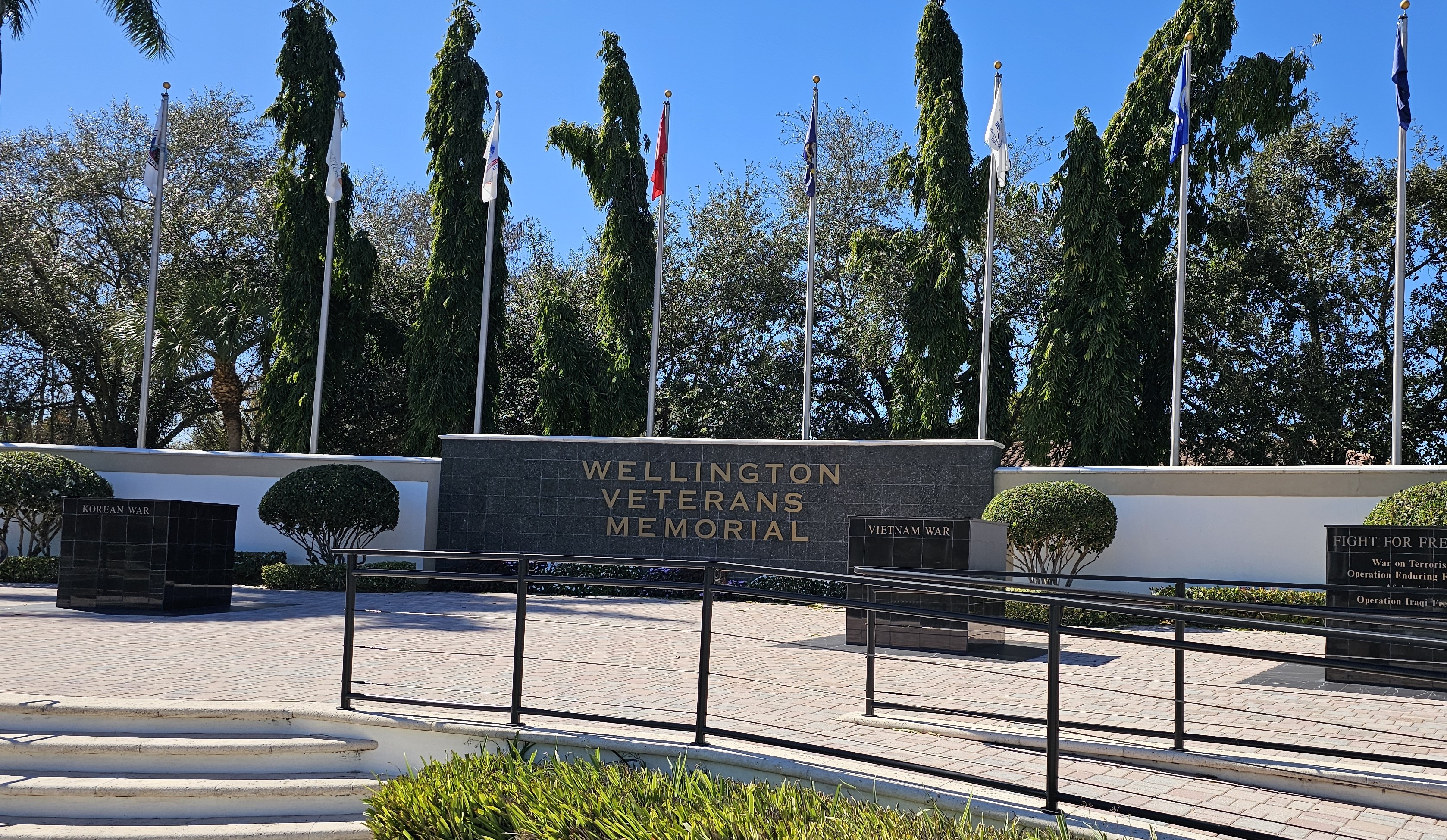
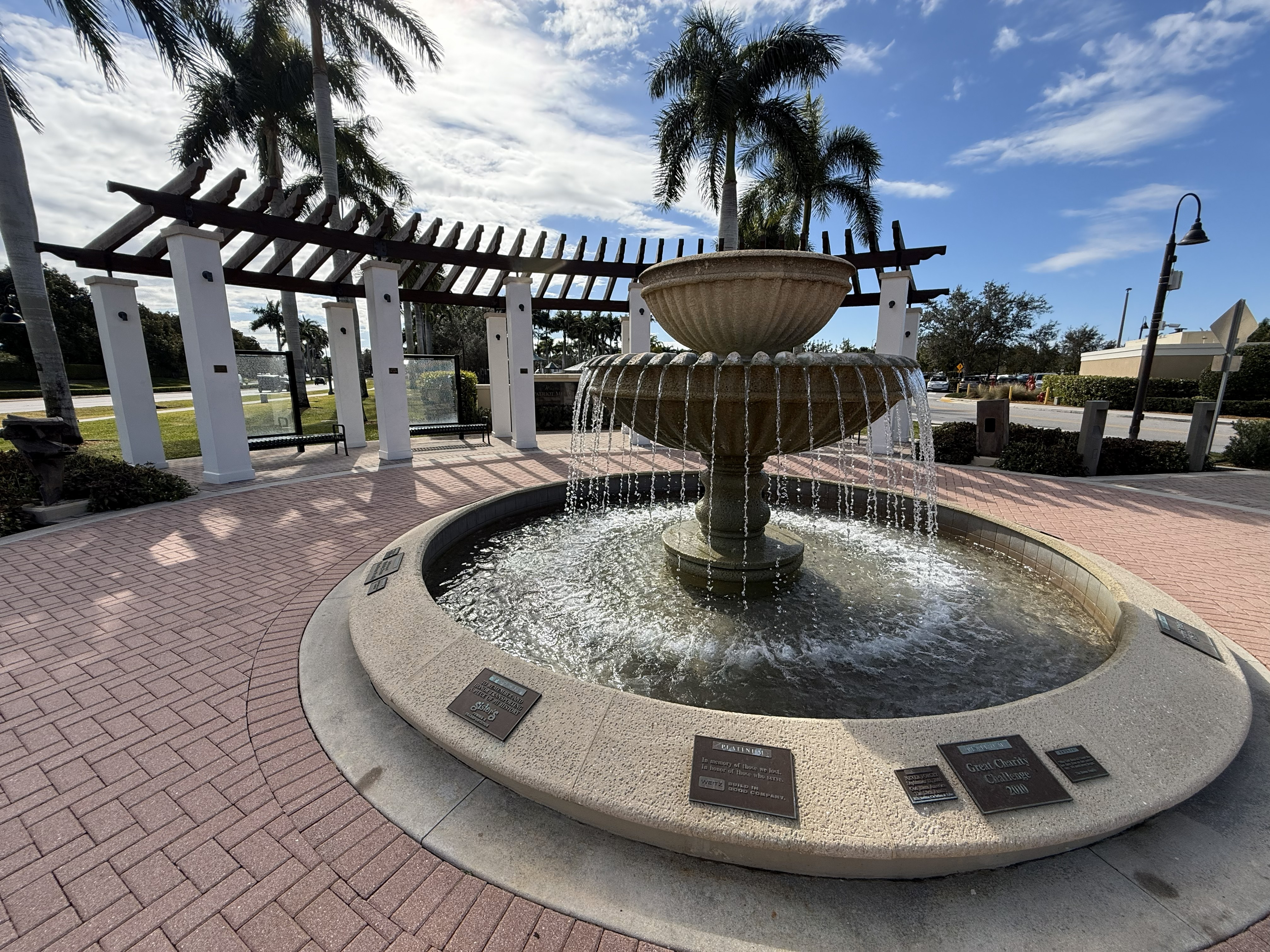
Wellington, FL real estate continues to draw attention not because it promises flash or trend-driven appeal, but because it offers structure, access, and long-term practicality. Located in central Palm Beach County, Wellington has steadily evolved from a quiet western suburb into a well-established residential community with defined neighborhoods, consistent infrastructure, and clear buyer entry points.

For homeowners, buyers, and those relocating to South Florida, Wellington represents something increasingly valuable: predictability. Streets are organized, neighborhoods have identity, and daily life follows patterns that make planning easier. While some markets feel volatile or speculative, Wellington tends to attract residents who are making deliberate decisions about affordability, commute routes, maintenance expectations, and long-term ownership.

This guide examines Wellington through the lens of access and progression — how people enter the market, how neighborhoods have matured over time, and what both buyers and sellers should understand before making practical real estate decisions.

Living in Wellington, FL

Wellington sits west of West Palm Beach and east of the agricultural and open land areas of western Palm Beach County. It is bordered by Royal Palm Beach, Greenacres, Lake Worth Beach, and Loxahatchee. While coastal communities may offer immediate beach proximity, Wellington offers a more inland residential environment with organized roads and clear commuting pathways.

The town has grown in layers. Early developments established foundational single-family communities with lakes and internal roads. Over time, townhomes, villas, and additional planned neighborhoods expanded housing options. As a result, Wellington does not feel like a single-style community. Instead, it reflects decades of incremental growth, with each section carrying slightly different lot sizes, architectural styles, and HOA structures.

Daily life here is largely car-oriented. Residents drive to grocery stores, parks, and restaurants rather than walk. That pattern supports efficiency: errands can be grouped, traffic flow is predictable outside peak hours, and residential streets remain insulated from heavy through-traffic. For many residents, that drivability creates a sense of order rather than inconvenience.

Community identity is tied less to entertainment districts and more to functionality. Parks, equestrian facilities, neighborhood clubhouses, and school-adjacent amenities shape local rhythms. People choose Wellington because it feels manageable. The town has matured without losing its residential focus, and that stability appeals to buyers who prioritize consistency.

Curious What Your Home Might Be Worth?

Home values across Palm Beach County and South Florida change constantly. See what buyers may currently be willing to pay for homes in your neighborhood.

Check Your Home Value

Wellington, FL Real Estate Market Overview

The Wellington real estate market reflects gradual evolution rather than sharp swings. Pricing tends to align with broader Palm Beach County movement, but neighborhood-specific characteristics influence value more heavily here than speculative demand. Buyers often compare lot sizes, HOA rules, home age, and renovation levels carefully before committing.

Inventory levels fluctuate seasonally, particularly during peak relocation months. However, Wellington typically maintains a steady stream of listings across price tiers. Entry-level townhomes and older single-family homes offer access points for buyers seeking affordability, while updated or larger homes attract move-up purchasers already familiar with the area.

Market activity can be described as measured. Homes priced appropriately and presented cleanly tend to generate interest. Overpriced listings may sit longer, particularly when buyers have multiple options in similar communities. This creates an environment where preparation and realistic positioning matter more than urgency.

Affordability perceptions in Wellington often hinge on comparison. While some buyers may initially view Palm Beach County as expensive, Wellington frequently provides more square footage and neighborhood structure at price points below coastal communities. That comparative access is one reason the area remains attractive for practical decision-makers.

Buying a Home in Wellington, FL

Buyers entering Wellington real estate often start by evaluating entry points. Townhomes and smaller single-family homes in established neighborhoods serve as stepping stones. These properties provide access to the town’s infrastructure and community structure without requiring the highest price tier.

Common property types include planned community single-family homes, townhouses with shared amenities, and properties on slightly larger parcels toward the western edges. Each category carries different HOA considerations. Some communities have stricter exterior standards, while others allow more flexibility. Reviewing association guidelines early in the search process helps buyers avoid mismatches.

Newer construction exists but is not the dominant inventory category. Many homes were built over the past two to three decades, meaning buyers often evaluate roof age, HVAC systems, and renovation history. Practical buyers factor these elements into total ownership cost rather than focusing solely on purchase price.

Timing plays a role as well. Wellington does not typically demand split-second offers in every situation, though well-priced homes still move efficiently. Buyers who observe neighborhood patterns and compare multiple options tend to make more confident decisions. The emphasis here is long-term fit rather than short-term competition.

For relocating buyers, commute routes to West Palm Beach, Boca Raton, or other employment centers are worth testing at peak hours. Access via major roads like Southern Boulevard and State Road 7 influences daily experience more than many anticipate. Understanding traffic flow can be just as important as interior layout.

Selling a Home in Wellington, FL

Sellers in the Wellington real estate market benefit from understanding buyer priorities. Most buyers are evaluating practicality: condition, maintenance history, HOA rules, and neighborhood consistency. Homes that demonstrate clear upkeep and transparent documentation tend to generate smoother transactions.

Preparation should focus on clarity rather than staging theatrics. Addressing deferred maintenance, ensuring mechanical systems are serviced, and presenting clean, neutral interiors often produce stronger results than cosmetic overhauls. Buyers in Wellington typically look beyond décor to structural soundness.

Pricing strategy requires local awareness. While national headlines may suggest rapid appreciation or correction, Wellington responds more directly to neighborhood-level comparables. Overpricing based on broader regional trends can lead to extended time on market, especially when buyers have alternative options nearby.

Market timing psychology is also important. Sellers entering the market with flexible timelines and realistic expectations often experience more stable negotiations. Because many buyers here are making life-stage decisions — moving up, downsizing, or relocating — alignment between seller readiness and buyer intention frequently determines success.

See What’s on the Market Right Now

If you're researching homes in Palm Beach County or anywhere in South Florida, explore current listings by city and see what’s available right now.

Explore Homes by City

Frequently Asked Questions About Wellington, FL Real Estate

Is Wellington expensive to live in?

Wellington is often perceived as moderately priced relative to coastal Palm Beach County communities. While it is not the least expensive area in the county, buyers frequently find more space and structured neighborhoods for the price. Affordability depends on property type and community, but practical entry points exist, particularly in townhomes and earlier-built subdivisions.

Is Wellington good for families?

Wellington appeals to households seeking structured residential environments. Streets are generally quieter than coastal corridors, and neighborhoods are organized around internal roads and green spaces. The town’s design supports routine and predictability, which many families value when evaluating long-term housing stability.

How far is Wellington from major employment centers?

Wellington is within commuting distance of West Palm Beach and other Palm Beach County employment hubs. Travel times vary depending on route and traffic patterns. Major roadways provide access, but peak-hour congestion should be considered when planning daily commutes. Many residents find the tradeoff worthwhile for increased residential space.

What types of homes are common in Wellington?

Single-family homes in planned communities are the most common property type. Townhomes and villas provide lower-maintenance options with shared amenities. Architectural styles vary by development period, reflecting the town’s gradual expansion over time rather than a single building era.

Is Wellington a good place to buy or sell a home?

Wellington can be a favorable environment for both buyers and sellers who prioritize stability. Buyers benefit from multiple entry points and neighborhood clarity. Sellers who price realistically and present homes in good condition typically attract steady interest. The market rewards preparation and informed decision-making.

Conclusion

Wellington suits individuals and families who value access without congestion and structure without excess. It is not defined by spectacle or rapid reinvention. Instead, it offers progression — neighborhoods that have matured, infrastructure that supports daily routines, and housing options that provide layered entry points.

For buyers, the appeal often lies in practicality: space relative to cost, predictable streets, and established community identity. For sellers, success comes from aligning with that mindset and presenting homes as reliable, well-maintained investments.

Real estate decisions in Wellington are rarely impulsive. They are considered, comparative, and rooted in long-term thinking. That measured environment is precisely what continues to draw people here — not because it promises extremes, but because it supports sustainable ownership.

Real Estate Resources for South Florida

If you're researching homes or following the South Florida real estate market, exploring listings and property values can provide helpful context for understanding local neighborhoods and housing trends across Palm Beach County.


About the Authors

Chris and Sue Kull are South Florida real estate professionals with more than three decades of experience helping buyers, sellers, and property owners navigate the housing market throughout Palm Beach County and surrounding communities.

Their work focuses on providing clear information, local market insight, and practical guidance so clients can make confident real estate decisions. Over the years they have built a trusted network of industry professionals—including lenders, inspectors, contractors, and legal specialists—to support every stage of the real estate process.

You can explore additional resources, community guides, and real estate tools at www.TheKullGroup.com.

If you have questions about buying, selling, or understanding the local real estate market, you can reach out through our contact page.

Feb. 8, 2026

Why People Choose Wellington, FL When Lifestyle Matters More Than Square Footage

wellington-fl-real-estate-lifestyle-market-kull-group


Why People Choose Wellington, FL When Lifestyle Matters More Than Square Footage

Wellington, FL real estate often gets discussed in terms of homes, prices, and availability, but for many people considering a move, that’s only part of the picture. The stronger pull is lifestyle — how daily life feels, how time is spent, and whether a place supports the rhythm someone wants long term. Located in central Palm Beach County, Wellington offers a blend of space, convenience, and calm that appeals to buyers who value balance over buzz.

For homeowners, buyers, and those relocating, Wellington represents a place where residential living is intentional rather than rushed. It’s not urban in the traditional sense, and it’s not isolated either. Instead, it sits comfortably between activity and ease, making it attractive to people at different stages of life who share one thing in common: they want a community that fits how they live now, not just where they work.

This guide looks at Wellington through that lens. Rather than focusing solely on housing mechanics, it explores how the area lives day to day, what shapes the real estate market, and what buyers and sellers should understand before making a move.

See What’s on the Market Right Now

If you're researching homes in Palm Beach County or anywhere in South Florida, explore current listings by city and see what’s available right now.

Explore Homes by City

Living in Wellington, FL

Wellington is located in western Palm Beach County, bordered by communities such as Royal Palm Beach, Lake Worth, and Greenacres, with West Palm Beach roughly a half hour away depending on traffic. Its location makes it largely car-dependent, but that’s part of the appeal for residents who value quieter roads, planned neighborhoods, and a sense of space between destinations.

The community itself feels residential by design. Neighborhoods are laid out with privacy in mind, often centered around lakes, green space, or internal roads rather than through-traffic. Housing styles vary widely, from townhomes and patio homes to larger single-family residences on oversized lots. Many homes reflect Florida’s indoor-outdoor lifestyle, with screened patios, pools, and layouts designed around natural light rather than vertical density.

Daily life in Wellington moves at a steadier pace. People tend to plan their days intentionally — errands are grouped, routines matter, and weekends are often spent close to home. Parks, equestrian areas, and community amenities play a bigger role than nightlife or entertainment districts. For many residents, that sense of predictability and comfort is exactly the point.

Wellington, FL Real Estate Market Overview

The Wellington real estate market reflects the community’s lifestyle-driven demand. Buyers are often intentional and patient, focusing on finding the right fit rather than rushing into decisions. Pricing trends tend to follow broader Palm Beach County patterns but are influenced by Wellington’s distinct appeal: space, neighborhood consistency, and long-term livability.

Inventory levels can fluctuate depending on seasonality and broader market conditions, but Wellington generally maintains a more measured pace than highly competitive coastal markets. Homes are not always absorbed instantly, yet well-positioned properties still attract strong interest when they align with buyer expectations around layout, condition, and location within the community.

Overall market activity feels balanced rather than frantic. Sellers who price realistically and prepare thoughtfully tend to see steady traction. Buyers who understand the nuances between neighborhoods — from HOA-governed communities to more flexible areas — are better positioned to recognize value. The market rewards clarity and preparation on both sides.

Buying a Home in Wellington, FL

Buyers exploring Wellington real estate should expect choice paired with tradeoffs. Homes often offer more space than closer-in Palm Beach County areas, but newer construction or highly updated properties may come at a premium. Buyers frequently weigh lifestyle priorities: proximity to daily needs, ease of driving routes, and how much maintenance they want to manage.

Common property types include single-family homes in planned communities, townhomes with shared amenities, and estate-style properties on larger parcels. Many neighborhoods are governed by homeowners associations, which can influence exterior standards, parking, and community upkeep. Understanding HOA rules early helps avoid surprises later in the process.

Timing also matters. Buyers relocating from faster-moving markets sometimes expect immediate decisions, but Wellington rewards those willing to observe patterns and wait for the right fit. The goal for many buyers isn’t just ownership — it’s finding a home that supports their preferred pace of life for years to come.

Selling a Home in Wellington, FL

For sellers, success in the Wellington real estate market often starts with understanding buyer mindset. Many buyers are not chasing trends; they are looking for comfort, functionality, and a sense of place. Homes that feel cared for, thoughtfully updated, and aligned with how people actually live tend to stand out.

Preparation plays a critical role. Decluttering, addressing deferred maintenance, and presenting spaces in a way that highlights flow and usability can influence how buyers emotionally respond to a home. Pricing strategy should reflect current conditions rather than past peaks or neighboring assumptions.

Market timing psychology is also important. Sellers who enter the market with flexibility and realistic expectations often experience smoother transactions. The goal is not urgency but alignment — matching the home with a buyer who sees it as a long-term fit rather than a short-term opportunity.

Frequently Asked Questions About Wellington, FL Real Estate

Is Wellington expensive to live in?

Wellington is generally considered a mid-to-upper range market within Palm Beach County, but “expensive” depends on perspective. Buyers often find they receive more space, privacy, and neighborhood consistency compared to more coastal areas. While some properties command higher prices, many residents feel the lifestyle value justifies the cost, particularly for those prioritizing comfort and long-term livability.

Is Wellington good for families?

Many families are drawn to Wellington because of its residential layout and predictable environment. Neighborhoods are designed with daily routines in mind, offering parks, community spaces, and low-traffic streets. While every household’s needs differ, Wellington tends to appeal to those looking for stability, room to grow, and a community that supports everyday living rather than constant change.

How far is Wellington from major employment centers?

Wellington is within commuting distance of West Palm Beach and other employment hubs in Palm Beach County. Most residents rely on driving, and commute times can vary based on schedule and route. For remote or hybrid workers, Wellington’s location often feels like a benefit, offering separation between work responsibilities and home life without complete isolation.

What types of homes are common in Wellington?

Single-family homes dominate the landscape, particularly within planned communities. Townhomes and villas are also available, often with shared amenities and lower exterior maintenance. Architectural styles range from traditional Florida designs to more contemporary builds, with many homes emphasizing open layouts and outdoor living features.

Curious What Your Home Might Be Worth?

Home values across Palm Beach County and South Florida change constantly. See what buyers may currently be willing to pay for homes in your neighborhood.

Check Your Home Value

Is Wellington a good place to buy or sell a home?

Wellington can be a good place to buy or sell for those aligned with its lifestyle. Buyers benefit from a market that values fit over frenzy, while sellers who prepare thoughtfully can attract motivated interest. As with any market, success depends on understanding timing, expectations, and how Wellington differs from faster-paced or more speculative areas.

Conclusion

Wellington is best suited for people who value how a place feels as much as what it offers. It attracts buyers who want room to breathe, sellers who appreciate thoughtful preparation, and homeowners who see their property as part of a larger lifestyle rather than a standalone investment.

Real estate decisions here tend to be intentional. Whether someone is buying their first home in the area, selling to move into a new phase of life, or relocating for a different pace, Wellington rewards those who take time to understand its rhythm. The community isn’t trying to be everything to everyone — and that’s exactly why it works for so many. Making an informed decision starts with clarity, patience, and a realistic view of what matters most in daily life.

Real Estate Resources for South Florida

If you're researching homes or following the South Florida real estate market, exploring listings and property values can provide helpful context for understanding local neighborhoods and housing trends across Palm Beach County.


About the Authors

Chris and Sue Kull are South Florida real estate professionals with more than three decades of experience helping buyers, sellers, and property owners navigate the housing market throughout Palm Beach County and surrounding communities.

Their work focuses on providing clear information, local market insight, and practical guidance so clients can make confident real estate decisions. Over the years they have built a trusted network of industry professionals—including lenders, inspectors, contractors, and legal specialists—to support every stage of the real estate process.

You can explore additional resources, community guides, and real estate tools at www.TheKullGroup.com.

If you have questions about buying, selling, or understanding the local real estate market, you can reach out through our contact page.

Feb. 6, 2026

Mortgage Rates Signal Ongoing Stability

mortgage-rates-stability-real-estate-market-kull-group

Mortgage Rates Signal Ongoing Stability: What Buyers and Sellers Should Know

Mortgage rates don’t have to drop dramatically to change behavior. Sometimes, stability itself is the signal the housing market needs. As we move closer to the spring buying season, mortgage rates have settled into a narrow range near recent lows, reinforcing a sense of predictability that many buyers and sellers have been waiting for.

After several years of sharp swings—from historically low pandemic rates to rapid increases—today’s environment feels different. Rates are no longer moving wildly week to week. Instead, they are hovering within a relatively tight band, giving both buyers and sellers something they value just as much as affordability: clarity.

For homeowners considering selling, buyers thinking about entering the market, or households weighing whether to move or stay put, this period of mortgage-rate stability plays a meaningful role in decision-making. Understanding what this stability really means—and what it doesn’t—can help you approach the market with confidence rather than hesitation

See What’s on the Market Right Now

If you're researching homes in Palm Beach County or anywhere in South Florida, explore current listings by city and see what’s available right now.

Explore Homes by City

Why Mortgage Rate Stability Matters More Than Headlines

Mortgage rates often dominate real estate headlines, but the direction of rates matters less than their consistency. When rates fluctuate rapidly, uncertainty tends to freeze activity. Buyers hesitate, sellers delay, and transactions slow—not because rates are “too high,” but because people don’t know what comes next.

Stable rates create a different psychological environment. When buyers can reasonably expect that financing costs won’t change dramatically from one week to the next, they’re more willing to plan, shop, and make offers. Sellers, in turn, gain confidence that buyer demand won’t disappear overnight due to sudden shifts in affordability.

In today’s market, mortgage rates hovering near the same level for several weeks send a clear message: the market has found a temporary equilibrium. That balance doesn’t guarantee price growth or instant sales, but it does encourage participation—and participation is what keeps a housing market functional.


Understanding What’s Influencing Mortgage Rates Right Now

Mortgage rates don’t move in isolation. They respond to a combination of economic forces, many of which are currently pulling in opposite directions. On one hand, inflation pressures and global uncertainty continue to exist. On the other, economic growth has moderated, and the Federal Reserve has signaled a more cautious, measured approach to monetary policy.

Bond markets play a central role in this equation. Mortgage rates tend to follow longer-term Treasury yields, which reflect investor expectations about inflation, growth, and risk. When those expectations stabilize, mortgage rates often do the same.

What’s notable right now is not a dramatic drop in rates, but the absence of volatility. That absence is meaningful. It suggests lenders are comfortable pricing loans without needing to rapidly adjust for new risks, which contributes to smoother transactions and more predictable borrowing costs.


What This Means for Home Buyers

For buyers, stable mortgage rates remove one of the biggest unknowns from the process. While affordability remains a concern, particularly compared to pre-2022 conditions, buyers can now focus on evaluating homes rather than trying to time the market.

This environment encourages more thoughtful buying behavior. Instead of rushing to lock in a rate before it spikes, buyers can concentrate on finding the right property, negotiating terms, and planning for long-term ownership. That shift often leads to better outcomes, both financially and emotionally.

In South Florida, where lifestyle considerations—such as location, community amenities, and home design—play a significant role, rate stability allows buyers to prioritize fit rather than fear. The result is a more deliberate, less reactive approach to purchasing.


What This Means for Home Sellers

For sellers, mortgage rate stability can help sustain buyer demand, even if rates remain higher than historical lows. When buyers feel confident that financing costs won’t suddenly jump, they’re more likely to move forward with showings, offers, and negotiations.

However, today’s buyers are discerning. Stable rates don’t eliminate sensitivity to price. Sellers who align pricing with current market conditions—and present their homes in move-in-ready condition—tend to attract more serious interest.

Stability also supports smoother transactions. Fewer rate-driven delays or contract renegotiations mean deals are more likely to progress as planned, reducing stress for everyone involved.


Refinancing: A Narrow but Notable Window

While refinancing activity isn’t surging, stable mortgage rates still matter for homeowners watching for opportunities. Even modest improvements in rates—or simply knowing that rates aren’t climbing—can help households plan ahead.

For some homeowners, especially those who bought or refinanced at higher rates in recent years, stability allows time to prepare financially and strategically for a potential refinance rather than feeling pressured to act immediately.

It’s important to note that today’s environment favors patience and planning over urgency. Refinancing decisions benefit from clarity, and stability provides exactly that.


The Role of Buyer and Seller Psychology

Real estate markets are driven as much by psychology as by economics. Stable mortgage rates influence how people feel about risk, timing, and commitment.

When rates are volatile, buyers worry about locking in “the wrong moment,” and sellers fear missing a better opportunity later. Stability reduces that anxiety. It doesn’t eliminate caution, but it shifts behavior from avoidance to engagement.

This psychological shift is particularly relevant heading into the spring season, when activity typically increases. Stable rates help convert seasonal interest into actual movement rather than window shopping.


How This Stability Impacts South Florida Specifically

South Florida’s real estate market responds uniquely to mortgage-rate conditions. Many buyers in the region are relocating, downsizing, or making lifestyle-driven moves rather than purely financial ones. For these buyers, predictability matters more than marginal rate changes.

Stable rates also support a diverse buyer pool, including primary residents, second-home buyers, and long-term investors. When financing conditions are predictable, each group can assess opportunities based on its own goals rather than reacting to market noise.

For sellers, this means demand remains present—but expectations must be realistic. Stability supports transactions, not bidding wars.


What Stability Does Not Mean

It’s important to be clear about what mortgage-rate stability does not guarantee. It doesn’t mean prices will rise quickly. It doesn’t mean every home will sell immediately. And it doesn’t mean affordability challenges disappear.

What it does mean is that the rules of the game are clearer. Buyers and sellers can make decisions with more information and fewer surprises. That clarity is often the foundation of healthier markets.

Curious What Your Home Might Be Worth?

Home values across Palm Beach County and South Florida change constantly. See what buyers may currently be willing to pay for homes in your neighborhood.

Check Your Home Value

Planning Ahead in a Stable Rate Environment

Whether you’re buying, selling, or staying put, stable mortgage rates offer an opportunity to plan rather than react. Buyers can assess affordability realistically. Sellers can prepare homes thoughtfully. Homeowners can evaluate long-term options without feeling rushed.

In markets like South Florida, where timing, presentation, and strategy matter, stability rewards preparation. Those who take the time to understand current conditions tend to navigate transactions more smoothly and with fewer regrets.


Final Thoughts

Mortgage rates holding steady may not grab headlines, but they send a powerful signal to the housing market. Stability creates confidence, and confidence fuels participation. For buyers and sellers alike, this environment supports informed, intentional decisions rather than fear-driven ones.


As the spring season approaches, the absence of volatility may prove just as important as any rate cut. Clear expectations allow the market to function—and that benefits everyone involved.

Real Estate Resources for South Florida

If you're researching homes or following the South Florida real estate market, exploring listings and property values can provide helpful context for understanding local neighborhoods and housing trends across Palm Beach County.


About the Authors

Chris and Sue Kull are South Florida real estate professionals with more than three decades of experience helping buyers, sellers, and property owners navigate the housing market throughout Palm Beach County and surrounding communities.

Their work focuses on providing clear information, local market insight, and practical guidance so clients can make confident real estate decisions. Over the years they have built a trusted network of industry professionals—including lenders, inspectors, contractors, and legal specialists—to support every stage of the real estate process.

You can explore additional resources, community guides, and real estate tools at www.TheKullGroup.com.

If you have questions about buying, selling, or understanding the local real estate market, you can reach out through our contact page.

Feb. 6, 2026

Florida Consumer Sentiment Rises in January

florida-consumer-sentiment-real-estate-impact-kull-group

Florida Consumer Sentiment Rises in January: What It Means for Real Estate Decisions

Florida’s economic story heading into the new year is one of cautious optimism. While national headlines continue to focus on inflation, interest rates, and global uncertainty, consumer sentiment within Florida has shown measurable improvement. That shift matters more than many people realize—especially for homeowners, buyers, and sellers navigating real estate decisions in 2026.

Consumer sentiment isn’t just a feel-good metric. It reflects how people perceive their personal finances, their willingness to spend, and their confidence in the economy. In a state like Florida, where housing plays an outsized role in both personal wealth and economic activity, sentiment often acts as an early signal of real estate momentum.

January’s uptick in Florida consumer confidence suggests that many residents are feeling more stable in their financial footing, even if broader uncertainty remains. Understanding what’s driving that change—and how it translates to housing behavior—can help buyers and sellers make more informed, less reactive decisions in the months ahead.


Understanding Consumer Sentiment and Why It Matters in Florida

Consumer sentiment measures how people feel about their current financial situation and what they expect in the future. It captures attitudes toward spending, saving, borrowing, and risk. While it doesn’t predict behavior perfectly, it often correlates closely with real-world decisions—especially major ones like buying or selling a home.

In Florida, consumer sentiment carries particular weight. The state’s economy is closely tied to real estate, tourism, construction, and population growth. When residents feel confident, housing activity tends to follow. When sentiment weakens, buyers pause, sellers hesitate, and transaction volume slows.

The recent rise in sentiment indicates that many Floridians are feeling more secure about where they stand today. That doesn’t mean economic concerns have disappeared. Instead, it suggests households are adapting—adjusting expectations, managing budgets, and finding stability even in a higher-rate, higher-cost environment.

See What’s on the Market Right Now

If you're researching homes in Palm Beach County or anywhere in South Florida, explore current listings by city and see what’s available right now.

Explore Homes by City

What’s Driving Improved Sentiment Among Floridians

Several factors appear to be contributing to the improved mood among Florida consumers. One of the most notable is how people view their personal financial situation compared to a year ago. Many households report feeling better positioned today, whether due to income growth, employment stability, or improved budgeting after several years of economic volatility.

Another important element is spending confidence. When consumers believe it’s a reasonable time to make large purchases—such as furniture, appliances, or home improvements—it often signals a sense of financial control. This type of confidence frequently overlaps with housing decisions, including renovations, relocations, or entering the market as a buyer.

At the same time, Floridians remain realistic. Inflation pressures, trade policy uncertainty, and borrowing costs are still top of mind. The improvement in sentiment doesn’t suggest people are ignoring these risks—it shows they’re learning to operate within them.


Mixed Expectations About the Future Economy

While views of current conditions have improved, expectations about the future remain more nuanced. Floridians appear cautiously optimistic about the national economy, particularly over the medium to long term. That confidence reflects belief in economic resilience rather than expectation of rapid improvement.

However, uncertainty around interest rates continues to temper enthusiasm. With borrowing costs expected to remain relatively stable in the near term, consumers are recalibrating what affordability looks like rather than waiting for dramatic changes.

This mindset shift is important for real estate. Instead of waiting for “perfect” conditions, many buyers and sellers are making decisions based on realistic assessments of their needs and timelines. That creates a more functional, balanced housing market—less driven by fear or speculation.


How Consumer Sentiment Influences Real Estate Activity

Rising consumer confidence doesn’t automatically trigger a surge in home sales, but it does change behavior. Buyers who feel more secure financially are more likely to explore their options, even if they don’t act immediately. Sellers who feel stable are more willing to prepare their homes thoughtfully rather than rushing to market.

In Florida, improved sentiment often translates into increased inquiries, showings, and planning conversations before it shows up in transaction data. People begin researching neighborhoods, comparing home types, and evaluating whether a move aligns with their lifestyle and finances.

This early-stage engagement is a healthy sign. It indicates that the market is being driven by intention rather than urgency—a shift that benefits both buyers and sellers over time.


What This Means for Florida Home Buyers

For buyers, rising consumer sentiment suggests a growing willingness to engage with the market, even amid ongoing economic questions. Confidence in personal finances can make the buying process feel more manageable, particularly when paired with improving inventory levels in many Florida markets.

Buyers today are approaching purchases with more diligence. Instead of stretching to compete at any cost, they’re prioritizing value, location, and long-term suitability. This mindset aligns well with a market that rewards patience and informed decision-making.

Importantly, improved sentiment doesn’t mean buyers should ignore affordability constraints. Rather, it encourages realistic planning—understanding what’s feasible now and how it fits into broader financial goals.


What This Means for Florida Home Sellers

For sellers, improving sentiment can lead to a gradual increase in buyer interest, especially among those who previously paused due to uncertainty. However, today’s buyers are more selective, making preparation and pricing strategy more important than ever.

Homes that reflect current market expectations—both in condition and price—are better positioned to attract confident buyers. Sellers who recognize that the market has shifted from rapid appreciation to normalization tend to navigate transactions more smoothly.

Rising consumer confidence also supports negotiation flexibility. Buyers who feel secure are more likely to engage constructively rather than retreating at the first sign of compromise.


Income Differences and Housing Behavior

Consumer sentiment data also highlights differences across income groups. While many Floridians feel more positive about their financial situation, experiences vary. Lower- and middle-income households continue to feel pressure from inflation, while higher-income households may be more sensitive to investment and policy uncertainty.

These distinctions matter in real estate. Different segments of the market respond to economic signals in different ways. Entry-level buyers may remain cautious, while move-up buyers and downsizers become more active as confidence stabilizes.

Understanding these dynamics helps explain why some price ranges or neighborhoods experience more activity than others, even within the same city.


Long-Term Outlook: Stability Over Volatility

The broader takeaway from rising consumer sentiment is not that the economy has “turned a corner,” but that Floridians are finding their footing. Stability, rather than rapid growth, is becoming the defining theme.

For real estate, this environment supports thoughtful decisions, sustainable pricing, and healthier transaction patterns. Markets driven by confidence rather than urgency tend to be more resilient over time.

As uncertainty continues to evolve, consumer sentiment will remain an important indicator—not as a prediction tool, but as a reflection of how people are adapting to change.

Curious What Your Home Might Be Worth?

Home values across Palm Beach County and South Florida change constantly. See what buyers may currently be willing to pay for homes in your neighborhood.

Check Your Home Value

Final Thoughts

Florida’s rising consumer sentiment at the start of the year reflects resilience more than exuberance. Households are navigating ongoing economic uncertainty with greater confidence in their personal finances and spending decisions. For real estate, this shift supports a more balanced, intentional market.

Buyers are engaging thoughtfully, sellers are adjusting expectations, and homeowners are making decisions grounded in long-term perspective rather than short-term headlines. That combination creates clarity—something the housing market benefits from deeply.

As Florida continues to evolve economically, understanding sentiment alongside local market conditions helps ensure decisions are informed, measured, and aligned with real goals rather than reactions to noise.

Real Estate Resources for South Florida

If you're researching homes or following the South Florida real estate market, exploring listings and property values can provide helpful context for understanding local neighborhoods and housing trends across Palm Beach County.


About the Authors

Chris and Sue Kull are South Florida real estate professionals with more than three decades of experience helping buyers, sellers, and property owners navigate the housing market throughout Palm Beach County and surrounding communities.

Their work focuses on providing clear information, local market insight, and practical guidance so clients can make confident real estate decisions. Over the years they have built a trusted network of industry professionals—including lenders, inspectors, contractors, and legal specialists—to support every stage of the real estate process.

You can explore additional resources, community guides, and real estate tools at www.TheKullGroup.com.

If you have questions about buying, selling, or understanding the local real estate market, you can reach out through our contact page.
Feb. 6, 2026

Housing Wealth Remains Elevated Nationwide

florida-housing-wealth-market-trends-kull-group

Housing Wealth Remains Elevated Nationwide: What Florida Homeowners Should Know

Over the past several years, housing wealth has become one of the most significant financial drivers for American households. Even as market conditions shift and affordability challenges persist, homeowners across the country continue to hold substantial equity in their properties. For Florida homeowners and buyers in particular, this moment represents a period of transition rather than decline—one marked by moderation, opportunity, and long-term stability.

While home price growth has slowed in some regions, the broader picture shows that real estate remains a powerful wealth-building asset. In Florida, where population growth, housing supply, and market dynamics often behave differently than national averages, understanding how housing wealth is evolving is essential for making informed decisions.

This article breaks down what elevated housing wealth really means today, how Florida fits into the national picture, and what buyers, sellers, and long-term homeowners should be thinking about as the market continues to normalize.

Curious What Your Home Might Be Worth?

Home values across Palm Beach County and South Florida change constantly. See what buyers may currently be willing to pay for homes in your neighborhood.

Check Your Home Value

Housing Wealth and the National Market Landscape

Across much of the country, home values have continued to rise, though at a more measured pace than in previous years. This slower growth is not a sign of weakness—it reflects a market adjusting after an extended period of rapid appreciation. In most metropolitan areas, prices are still higher than they were several years ago, allowing homeowners to maintain meaningful equity even as year-over-year gains cool.

Housing wealth isn’t defined solely by short-term price increases. It’s the result of long-term ownership, principal reduction, and sustained demand. Many homeowners who purchased or refinanced earlier in the decade now find themselves in a strong equity position, even if market activity has softened slightly.

This dynamic is helping stabilize the housing market. Sellers are generally not under pressure to sell at a loss, and buyers are seeing a more balanced environment with improved affordability in certain price ranges. The result is a market that is less reactive and more grounded in fundamentals.


Florida’s Market: Price Moderation, Not Weakness

Florida has attracted national attention for its housing growth over the past several years. Strong migration patterns, job creation, and lifestyle appeal drove significant demand, particularly in South Florida. As new construction increased and inventory expanded, some Florida markets began to experience price softening.

This adjustment is often misunderstood. Price moderation does not erase equity—it simply slows the pace at which values rise. In many Florida communities, homeowners are still sitting on considerable gains compared to pre-pandemic levels. The difference today is that buyers have more choices, and sellers must be more strategic.

Higher inventory levels in Florida have introduced healthier competition. Homes that are priced appropriately and presented well continue to attract interest, while properties that miss market expectations may take longer to sell. This environment rewards preparation, realistic pricing, and market awareness rather than speculation.


Why Housing Wealth Still Matters for Homeowners

For existing homeowners, elevated housing wealth creates flexibility. Equity can be leveraged for a variety of purposes, from downsizing and relocating to reinvesting in property improvements or consolidating debt. Importantly, it also provides a financial buffer during periods of economic uncertainty.

Many homeowners in Florida are choosing to stay put, not because they lack options, but because their current homes offer long-term value—especially when paired with favorable mortgage terms secured in previous years. This reduced mobility has contributed to tighter inventory in some segments of the market, even as overall supply improves.

Housing wealth also plays a psychological role. Homeowners who feel secure in their equity position are more likely to make thoughtful, intentional decisions rather than reacting to short-term headlines. This contributes to a more stable market overall.


Affordability Trends and Buyer Opportunities

As price growth slows and mortgage rates fluctuate, affordability has begun to improve incrementally. While buying a home remains a significant financial commitment, the combination of moderated prices and shifting income dynamics has created openings that didn’t exist during peak market conditions.

Buyers today benefit from increased inventory in many Florida markets, which allows for more comparison and less urgency. This doesn’t mean competition has disappeared—desirable homes still attract attention—but the environment supports due diligence rather than rushed decisions.

For first-time buyers and those re-entering the market, understanding local conditions is key. Florida is not a single market; dynamics vary by county, city, and even neighborhood. Buyers who approach the process with patience and localized knowledge are better positioned to capitalize on improving affordability without overextending themselves.


Regional Differences Shape Market Behavior

One of the most important takeaways from national housing trends is that real estate remains deeply local. While some regions continue to experience strong price growth, others are stabilizing or adjusting based on supply, employment, and migration patterns.

Florida’s experience differs from many northeastern and midwestern markets where supply remains constrained and prices continue to climb. In contrast, Florida’s active construction pipeline has increased housing availability, easing some of the pressure that drove rapid appreciation in recent years.

This regional variation highlights why homeowners and buyers should avoid relying solely on national headlines. Decisions should be informed by what’s happening locally—inventory levels, buyer demand, and neighborhood-specific trends matter far more than broad averages.


What This Means for Florida Home Sellers

For sellers, elevated housing wealth provides an advantageous starting point, but success in today’s market requires strategy. Pricing based on last year’s peak conditions can limit buyer interest, while aligning price with current market realities often leads to stronger results.

Preparation plays a larger role than ever. Buyers are more discerning, and homes that are well-maintained, thoughtfully staged, and competitively priced stand out quickly. Sellers who understand how their property compares to others currently on the market are better equipped to navigate negotiations and timelines.

Importantly, selling in a moderating market does not mean sacrificing equity. Many Florida homeowners are still selling at prices well above their original purchase levels. The key is adjusting expectations around pace rather than value.

See What’s on the Market Right Now

If you're researching homes in Palm Beach County or anywhere in South Florida, explore current listings by city and see what’s available right now.

Explore Homes by City

Long-Term Outlook for Housing Wealth

Housing wealth is unlikely to disappear overnight. While the market will continue to evolve, the structural factors that support long-term value—population growth, limited land availability in key areas, and homeownership demand—remain in place.

In Florida, lifestyle appeal and economic diversity continue to attract residents from across the country. These trends support sustained demand, even as short-term conditions fluctuate. The shift toward normalization suggests a healthier market rather than a fragile one.

Homeowners who view their property as a long-term asset rather than a speculative investment are best positioned to benefit from these dynamics. Equity accumulation tends to reward patience, consistency, and informed decision-making.


Final Thoughts

Housing wealth remains elevated across the country, and Florida is no exception. While the pace of price growth has slowed in some areas, the underlying strength of homeownership as a wealth-building tool remains intact. For Florida homeowners, this moment represents balance—less frenzy, more clarity.

Buyers are finding more breathing room, sellers are navigating a more thoughtful market, and homeowners are benefiting from years of accumulated equity. Understanding these shifts allows individuals to make decisions grounded in reality rather than reacting to headlines.


Whether you’re considering selling, buying, or simply evaluating your financial position, the current housing landscape rewards perspective. Real estate continues to be one of the most stable and impactful components of long-term financial health, especially when approached with a clear understanding of local market conditions.

Real Estate Resources for South Florida

If you're researching homes or following the South Florida real estate market, exploring listings and property values can provide helpful context for understanding local neighborhoods and housing trends across Palm Beach County.


About the Authors

Chris and Sue Kull are South Florida real estate professionals with more than three decades of experience helping buyers, sellers, and property owners navigate the housing market throughout Palm Beach County and surrounding communities.

Their work focuses on providing clear information, local market insight, and practical guidance so clients can make confident real estate decisions. Over the years they have built a trusted network of industry professionals—including lenders, inspectors, contractors, and legal specialists—to support every stage of the real estate process.

You can explore additional resources, community guides, and real estate tools at www.TheKullGroup.com.

If you have questions about buying, selling, or understanding the local real estate market, you can reach out through our contact page.

Feb. 6, 2026

Living in Wellington, FL: Real Estate, Market Trends & What to Know

wellington-fl-real-estate-market-overview-kull-group

Living in Wellington, FL: Real Estate, Market Trends & What to Know

Introduction

Wellington has long been recognized as one of Palm Beach County’s most established and well-planned communities, offering a blend of suburban comfort, outdoor space, and everyday convenience. For people exploring Wellington FL real estate, the town presents a unique balance: residential neighborhoods designed for long-term living, paired with access to employment hubs, recreation, and essential services. Unlike fast-growing areas built primarily around short-term demand, Wellington has matured steadily, which shows in how its neighborhoods function and how its housing market behaves.

This guide is designed for homeowners, buyers, and those considering a move to the area who want a clear, grounded understanding of what Wellington offers today. Whether you’re evaluating a potential purchase, preparing to sell, or simply researching where Wellington fits within the broader South Florida landscape, this overview focuses on how the market works, what living here actually feels like, and what practical considerations matter most. Rather than hype or speculation, the goal is to provide context and clarity so decisions can be made with confidence.

Curious What Your Home Might Be Worth?

Home values across Palm Beach County and South Florida change constantly. See what buyers may currently be willing to pay for homes in your neighborhood.

Check Your Home Value

Living in Wellington, FL

Wellington is located in central Palm Beach County, west of Lake Worth and just inland from Florida’s coastal corridor. Its position places residents within reasonable driving distance of West Palm Beach, Palm Beach Gardens, Boca Raton, and Fort Lauderdale, while still feeling distinctly separate from denser urban environments. This geography has helped Wellington maintain a residential identity that prioritizes space, planning, and community infrastructure.

Neighborhoods throughout Wellington vary, but many share a similar feel: thoughtfully designed streets, established landscaping, and homes set back from the road. Housing styles range from single-story ranch-style homes and Mediterranean-inspired properties to larger two-story residences built around family living. Gated communities coexist alongside non-gated neighborhoods, giving residents flexibility in how they want to live rather than forcing a single model.

The lifestyle in Wellington tends to center on routine and balance. Daily life includes access to parks, schools, equestrian facilities, shopping centers, and dining without the congestion associated with coastal cities. Community events, youth sports, and outdoor activities are common, reinforcing a sense that Wellington is built for people planning to stay rather than pass through.


Wellington, FL Real Estate Market Overview

The Wellington real estate market reflects the town’s stability. Rather than extreme swings, pricing trends typically move in measured increments influenced by broader regional conditions and local inventory. Homes here often hold value well because demand comes from a mix of local residents, relocating families, and long-term homeowners rather than short-term investors alone.

Inventory levels tend to fluctuate seasonally, with certain times of year bringing more options for buyers while others favor sellers. Wellington’s housing supply includes a wide range of property types, which helps keep the market functional even when conditions shift. Buyers aren’t limited to one style or price category, and sellers aren’t competing in a one-size-fits-all environment.

Overall, market activity in Wellington is best described as balanced to mildly competitive, depending on the neighborhood and property type. Well-prepared homes in desirable locations tend to attract attention quickly, while properties that miss pricing or presentation expectations may take longer. This dynamic rewards informed decision-making on both sides of a transaction.


Buying a Home in Wellington, FL

Buyers entering the Wellington market should expect a process that values preparation and patience. While opportunities exist across a variety of neighborhoods, homes that align well with local expectations—layout, condition, and pricing—tend to move efficiently. Being prequalified, understanding neighborhood distinctions, and knowing which features matter most locally can make a meaningful difference.

Single-family homes dominate the market, with many offering yards, garages, and flexible living space. Townhomes and villas are also common, particularly in communities designed for lower-maintenance living. New construction is present but more limited compared to outer suburban areas, making resale homes a primary option for many buyers.

Local considerations play an important role. Many neighborhoods operate under homeowners associations, which can affect everything from exterior appearance to rental policies. Buyers should also factor in timing, as inventory and competition can change throughout the year. Understanding how Wellington’s market behaves seasonally helps buyers avoid rushed decisions and focus on homes that truly fit their needs.


Selling a Home in Wellington, FL

For sellers, Wellington rewards thoughtful preparation. Homes that are priced accurately and presented well tend to stand out quickly, especially in neighborhoods with consistent demand. Overpricing based on peak-market assumptions or emotional attachment can limit early interest, while strategic pricing often generates stronger engagement.

Preparation goes beyond cosmetic updates. Sellers benefit from understanding how buyers compare homes within the same community and across similar neighborhoods. Layout, natural light, maintenance history, and overall condition all influence how a property is perceived. Addressing minor issues and presenting a clean, neutral space often helps buyers focus on the home itself rather than potential drawbacks.

Market timing also plays a psychological role. Some sellers assume waiting automatically leads to better results, while others rush to list without evaluating conditions. In Wellington, the most successful sales often come from aligning timing with personal goals and current market realities rather than trying to predict short-term shifts.

See What’s on the Market Right Now

If you're researching homes in Palm Beach County or anywhere in South Florida, explore current listings by city and see what’s available right now.

Explore Homes by City

Frequently Asked Questions About Wellington, FL Real Estate

1. Is Wellington expensive to live in?

Wellington is generally considered a mid-to-upper-range community within Palm Beach County, though affordability varies by neighborhood and housing type. While some areas feature larger homes and higher price points, others offer more accessible options such as townhomes or smaller single-family residences. Living costs reflect the town’s planning, schools, and amenities rather than luxury alone. Many residents feel the value comes from space, stability, and long-term livability rather than short-term savings.

2. Is Wellington good for families?

Wellington is widely viewed as a family-oriented community. Neighborhoods are designed with residential living in mind, and daily routines often revolve around schools, parks, and community activities. The town’s layout makes it easier for families to balance work, school, and recreation without excessive commuting. While no location is perfect for every household, Wellington consistently appeals to families looking for space, structure, and a predictable living environment.

3. How far is Wellington from major employment centers?

Wellington’s central location allows access to multiple employment areas across Palm Beach County and beyond. West Palm Beach is a common destination, while Boca Raton, Palm Beach Gardens, and Fort Lauderdale are reachable with longer commutes. Travel times vary depending on traffic patterns and work schedules, but many residents choose Wellington knowing it offers flexibility without placing them too far from professional opportunities.

4. What types of homes are common in Wellington?

Most homes in Wellington are single-family residences, ranging from modest one-story homes to larger properties with multiple living areas. Townhomes and villas are also common, especially in communities focused on lower maintenance. Architectural styles vary, but many neighborhoods feature cohesive designs that reflect planned development. This consistency helps maintain neighborhood character and supports long-term property values.

5. Is Wellington a good place to buy or sell a home?

Wellington can be a solid market for both buyers and sellers, depending on goals and timing. Buyers benefit from a variety of neighborhoods and housing types, while sellers often find steady demand for well-positioned homes. The market favors informed participants who understand local expectations rather than those relying on assumptions. For many, Wellington represents a practical, long-term real estate environment rather than a speculative one.


Conclusion

Wellington is well-suited for people who value structure, space, and long-term stability in a residential setting. Its neighborhoods are designed for everyday living, its real estate market reflects measured growth, and its location offers access without sacrificing a sense of separation from busier urban centers. Buyers considering Wellington often appreciate the variety of housing options and the town’s established feel, while sellers benefit from consistent demand rooted in lifestyle rather than trends.

Understanding Wellington requires looking beyond surface-level appeal and focusing on how the market functions and how the community supports daily life. Whether buying, selling, or relocating, informed decisions come from aligning personal goals with local realities. For those seeking a place that prioritizes livability and balance, Wellington continues to be a community worth thoughtful consideration.

Real Estate Resources for South Florida

If you're researching homes or following the South Florida real estate market, exploring listings and property values can provide helpful context for understanding local neighborhoods and housing trends across Palm Beach County.


About the Authors

Chris and Sue Kull are South Florida real estate professionals with more than three decades of experience helping buyers, sellers, and property owners navigate the housing market throughout Palm Beach County and surrounding communities.

Their work focuses on providing clear information, local market insight, and practical guidance so clients can make confident real estate decisions. Over the years they have built a trusted network of industry professionals—including lenders, inspectors, contractors, and legal specialists—to support every stage of the real estate process.

You can explore additional resources, community guides, and real estate tools at www.TheKullGroup.com.

If you have questions about buying, selling, or understanding the local real estate market, you can reach out through our contact page.
Feb. 4, 2026

More Families Look to Multigenerational Living

multigenerational-living-housing-trends-south-florida-kull-group

More Families Look to Multigenerational Living: What It Means for Today’s Housing Market

For decades, the traditional path for aging parents followed a familiar script: independent living, then assisted living, and eventually nursing or memory care if needed. But that narrative is changing — and quickly.

More American families are now planning to bring aging parents into their own homes rather than explore institutional care. This shift isn’t just emotional; it’s practical, financial, and deeply connected to how housing is used today. For homeowners and buyers in South East Florida, multigenerational living is becoming less of an exception and more of a planning consideration.

Recent survey data shows that nearly four in ten Americans are more likely to move an aging parent into their home than consider assisted living or nursing facilities. That change has meaningful implications for how people buy, sell, renovate, and evaluate homes — especially in markets where space, flexibility, and long-term planning matter.

Curious What Your Home Might Be Worth?

Home values across Palm Beach County and South Florida change constantly. See what buyers may currently be willing to pay for homes in your neighborhood.

Check Your Home Value

Why Multigenerational Living Is Gaining Momentum

Multigenerational living isn’t new, but its resurgence reflects modern pressures and priorities. Families are navigating higher housing costs, longer life expectancy, and a desire to stay connected — all while balancing work, caregiving, and financial responsibilities.

Many families now see caring for aging parents at home as:

  • More personal and emotionally supportive

  • More affordable than long-term care facilities

  • Better aligned with a parent’s desire for independence

This shift also reflects changing cultural norms. Aging is no longer viewed strictly as a phase that requires separation from family life. Instead, many households are integrating care into daily living arrangements.


The Housing Decisions Families Are Making

Survey findings show a clear preference for home-based solutions. Far more respondents said they would consider moving an elderly relative into their home than exploring assisted living, nursing homes, or memory care facilities.

That preference doesn’t necessarily mean families are rejecting professional care — but it does mean they want housing that allows care to happen within the family environment whenever possible.

In South East Florida, this trend is especially relevant. Many homeowners already live in single-family homes with flexible layouts, making adaptations more feasible than in dense urban markets.


Conversations Are Happening — But Often Later Than Ideal

While many families expect to take an active role in future care decisions, only about half have actually discussed living arrangements with aging parents.

This gap matters.

Housing decisions made under pressure often lead to compromises — rushed moves, unsuitable layouts, or financial strain. Early conversations allow families to:

  • Evaluate housing options proactively

  • Plan renovations or relocations strategically

  • Align expectations among siblings and relatives

Encouragingly, most respondents don’t expect these conversations to be overly difficult. Many believe discussions about future care and housing will be manageable — especially when approached early and collaboratively.


Shared Responsibility, Shared Space

Caregiving is rarely a solo responsibility, and most families expect siblings to share the load. However, housing often becomes the physical center of caregiving — and not all homes are equally suited for that role.

This is where real estate considerations become critical.

Homes that support multigenerational living often include:

  • First-floor bedrooms or suites

  • Flexible living areas

  • Space for privacy as well as togetherness

  • Safe layouts that reduce fall risk

As more families anticipate taking on caregiving roles, demand for these features continues to grow.


Safety, Cost, and Medical Needs Drive Housing Choices

When families do evaluate living arrangements for aging relatives, safety consistently ranks as the top concern — followed closely by affordability and medical needs.

Housing plays a direct role in all three.

A well-designed home can reduce safety risks, accommodate medical equipment, and lower long-term costs compared to facility-based care. At the same time, emotional well-being and personal preference remain important, reinforcing the idea that housing decisions are as much about dignity as they are about logistics.

In South East Florida, where many homes already emphasize single-story living and outdoor accessibility, these priorities often align naturally with existing housing stock.


The Impact on Buyers in South East Florida

For buyers, multigenerational living is increasingly part of the decision-making process — even if it’s not an immediate need.

Many buyers now ask:

  • Could this home accommodate a parent later?

  • Is there flexibility to add or convert space?

  • Does the layout support long-term living?

This mindset changes how buyers evaluate homes. Instead of focusing only on current lifestyle needs, they’re also considering future adaptability.

Homes with flexible layouts, guest suites, or room for additions often stand out in this environment — not because they’re trendy, but because they’re practical.

See What’s on the Market Right Now

If you're researching homes in Palm Beach County or anywhere in South Florida, explore current listings by city and see what’s available right now.

Explore Homes by City

What This Means for Sellers

For sellers, understanding this shift can influence how a home is positioned.

Homes that offer:

  • First-floor bedrooms

  • Separate living areas

  • Access-friendly layouts

may appeal to a broader audience than sellers realize. Highlighting flexibility and long-term usability can resonate with buyers planning ahead — especially those balancing caregiving responsibilities.

Even sellers who don’t market directly to multigenerational buyers benefit from recognizing how family dynamics influence demand.


Renovation vs. Relocation: A Common Crossroads

Many families face a choice: renovate their current home or move to one better suited for multigenerational living.

This decision often depends on:

  • Existing layout and structure

  • Budget and financing options

  • Proximity to medical care and family support

  • Long-term ownership plans

In South East Florida, both paths are common. Some homeowners adapt their homes with thoughtful renovations, while others choose to relocate within the same community to gain a more suitable layout.

Either approach benefits from early planning rather than reactive decision-making.


Emotional and Financial Realities

Caregiving can strain even the closest families. Survey data shows that more than half of respondents have seen caregiving responsibilities create tension or conflict.

Housing doesn’t solve emotional challenges — but the right housing can reduce friction. Adequate space, privacy, and thoughtful design help families navigate caregiving roles with fewer daily stressors.

Financially, multigenerational living often allows families to pool resources, manage costs, and preserve long-term stability — but only when expectations are clear and planning is intentional.


Autonomy Still Matters

Despite a willingness to bring aging parents into their homes, most respondents strongly support parental autonomy. The majority say they would respect an aging parent’s right to make their own decisions about living arrangements.

This reinforces the importance of choice — and of having housing options that allow families to honor preferences rather than force outcomes.


What Multigenerational Living Signals for the Housing Market

This shift reflects broader housing realities:

  • Longer life spans

  • Rising care costs

  • Changing family structures

  • Greater emphasis on flexibility

As these trends continue, homes that adapt to different life stages will remain relevant and resilient. Multigenerational living isn’t a temporary response — it’s becoming part of how families think about housing long-term.


Bottom Line

More families are choosing multigenerational living because it aligns with emotional values, financial realities, and the desire to care for loved ones at home. This shift is reshaping how people evaluate housing — from layout and safety to long-term adaptability.

For buyers, sellers, and homeowners in South East Florida, understanding this trend helps inform better decisions today and more flexible options tomorrow. Housing isn’t just about where you live now — it’s about how well your home supports life as it evolves.

Planning early, communicating openly, and understanding how housing fits into caregiving decisions can make a meaningful difference — for families today and for years to come.

Real Estate Resources for South Florida

If you're researching homes or following the South Florida real estate market, exploring listings and property values can provide helpful context for understanding local neighborhoods and housing trends across Palm Beach County.


About the Authors

Chris and Sue Kull are South Florida real estate professionals with more than three decades of experience helping buyers, sellers, and property owners navigate the housing market throughout Palm Beach County and surrounding communities.

Their work focuses on providing clear information, local market insight, and practical guidance so clients can make confident real estate decisions. Over the years they have built a trusted network of industry professionals—including lenders, inspectors, contractors, and legal specialists—to support every stage of the real estate process.

You can explore additional resources, community guides, and real estate tools at www.TheKullGroup.com.

If you have questions about buying, selling, or understanding the local real estate market, you can reach out through our contact page.

Feb. 4, 2026

Housing Market Momentum Builds Early in 2026

housing-market-momentum-early-2026-south-florida-kull-group

Housing Market Momentum Builds Early in 2026: What It Means for South East Florida

After several years of volatility, uncertainty, and hesitation, early signs suggest the housing market is beginning to regain momentum in 2026. New data points to stronger buyer activity, stabilizing prices, and a gradual rise in inventory—conditions that often signal a healthier, more functional real estate market.

According to recent insights from HousingWire, buyer demand is strengthening as mortgage rates hover near levels that historically support activity. At the same time, inventory is expanding just enough to give buyers more choices without removing the leverage sellers have grown accustomed to.

For South East Florida, where demand has remained relatively resilient even through market slowdowns, these shifts are particularly meaningful. Momentum doesn’t mean a return to the frenzy of past years—but it does suggest a market that’s moving forward with more balance and clarity.

See What’s on the Market Right Now

If you're researching homes in Palm Beach County or anywhere in South Florida, explore current listings by city and see what’s available right now.

Explore Homes by City

A Market Showing Early Signs of Recovery

HousingWire’s latest Housing Market Tracker highlights a steady rise in buyer engagement as January wrapped up. Weekly pending home sales climbed throughout the month, showing both week-over-week and year-over-year gains. These increases point to renewed confidence among buyers who had previously been waiting on the sidelines.

This type of early-year activity matters. January momentum often sets the tone for the rest of the year, especially in markets like South East Florida where seasonal patterns influence buying behavior. When buyers re-enter the market earlier and with purpose, it typically signals that affordability, expectations, and confidence are starting to align.


Mortgage Rates and Buyer Behavior

Mortgage rates continue to play a central role in shaping housing demand, but the relationship between rates and buyer behavior has evolved. Data shows mortgage purchase applications rising both week over week and year over year—an encouraging sign that buyers are adjusting to current rate levels rather than waiting indefinitely for dramatic declines.

HousingWire analysts have long observed that buyer demand tends to strengthen when rates approach the mid-6% range. While sustained periods at those levels have been rare in recent years, early 2026 may mark the first time that dynamic holds consistently.

For buyers, this shift reflects a growing understanding that waiting for perfect conditions often means missing opportunities. For sellers, it reinforces the idea that motivated buyers are still active—just more selective and informed.


Inventory Is Rising—but Not Oversupplying

One of the most significant developments early in 2026 is the gradual expansion of housing inventory. Current supply levels are hovering around a range that remains seller-favorable while allowing the market to function more smoothly.

This matters because:

  • Buyers gain more options and negotiating clarity

  • Sellers benefit from reduced volatility

  • Pricing becomes more transparent and stable

In South East Florida, inventory expansion has been uneven, with some segments seeing more movement than others. However, the broader trend suggests that listings are beginning to keep pace with demand in a healthier way.

New listings entering the market have increased compared to the same period last year, helping build transaction flow without overwhelming buyer demand.


Price Stability Is Replacing Price Surges

Another key indicator of market normalization is price behavior. Median list prices have remained relatively steady, with only modest week-to-week movement. At the same time, a noticeable portion of active listings has experienced price adjustments.

This combination signals realism—not distress.

Price reductions are often misunderstood. In today’s market, they frequently reflect sellers aligning with buyer expectations rather than market weakness. Homes priced accurately from the start continue to perform well, while over-ambitious pricing is being corrected more quickly than in the past.

For South East Florida sellers, this reinforces the importance of preparation and pricing strategy over speculation.


What Growing Momentum Means for Buyers

For buyers, early-2026 momentum presents opportunity—but also responsibility.

A market with rising activity and expanding inventory allows buyers to:

  • Be more selective

  • Conduct proper due diligence

  • Focus on long-term suitability rather than urgency

However, momentum also means competition is returning in certain segments. Buyers who are prepared—financially and strategically—are better positioned than those who hesitate too long.

In South East Florida, buyers should pay close attention to neighborhood-level conditions, as some areas may regain competitiveness faster than others.


What This Means for Sellers in South East Florida

For sellers, momentum does not mean automatic results. It means the market is moving—but expectations must be grounded in current realities.

Homes that tend to perform best in early 2026 share common traits:

  • Thoughtful pricing based on current conditions

  • Strong presentation and condition

  • Alignment with buyer needs and lifestyles

While inventory is rising, it remains far from excessive. Sellers who approach the market with clarity and preparation can still achieve favorable outcomes—especially in well-located, well-maintained properties.

Curious What Your Home Might Be Worth?

Home values across Palm Beach County and South Florida change constantly. See what buyers may currently be willing to pay for homes in your neighborhood.

Check Your Home Value

A More Functional Market Benefits Everyone

One of the most encouraging aspects of the current data is the return of market functionality.

In a functional market:

  • Buyers can make informed decisions

  • Sellers can price with confidence

  • Transactions occur without excessive friction

This type of environment supports long-term housing health far better than extremes of scarcity or oversupply.

For South East Florida, which attracts a mix of full-time residents, relocators, and seasonal buyers, market balance is especially important. Stability encourages thoughtful participation rather than reactive behavior.


Why Early Momentum Matters More Than Headlines

Housing headlines often focus on dramatic shifts, but true market health is revealed through patterns—not spikes.

The combination of:

  • Steady pending sales growth

  • Rising mortgage application activity

  • Gradual inventory expansion

  • Stable pricing

suggests that early 2026 is laying a foundation rather than chasing a surge.

This foundation supports confidence for homeowners planning moves later in the year and buyers evaluating long-term commitments.


What South East Florida Buyers and Sellers Should Do Next

As momentum builds, clarity becomes more valuable than prediction.

Buyers should:

  • Understand their budget and timing

  • Focus on neighborhoods that fit long-term needs

  • Stay informed without waiting for perfection

Sellers should:

  • Prepare homes thoughtfully

  • Price strategically, not aspirationally

  • Recognize that today’s buyers are engaged—but selective

Momentum rewards those who are informed and prepared, not those chasing past conditions.


Looking Ahead Through the Rest of 2026

If mortgage rates remain relatively stable and inventory continues to build at a measured pace, the housing market could become increasingly favorable for sustained activity throughout 2026.

This doesn’t point to a return of extreme appreciation or bidding wars—but rather a market that supports healthy transactions and long-term decision-making.

For South East Florida, where real estate decisions are often tied to lifestyle and long-term plans, that kind of environment is ideal.


Bottom Line

Early 2026 is showing meaningful signs of housing market momentum. Buyer activity is strengthening, inventory is expanding, and prices are stabilizing in ways that support a more functional and predictable market.

For homeowners, buyers, and sellers in South East Florida, this moment favors preparation over urgency and clarity over speculation.

Momentum doesn’t mean rushing—it means understanding where the market is headed and making informed decisions that align with your goals.

Real Estate Resources for South Florida

If you're researching homes or following the South Florida real estate market, exploring listings and property values can provide helpful context for understanding local neighborhoods and housing trends across Palm Beach County.


About the Authors

Chris and Sue Kull are South Florida real estate professionals with more than three decades of experience helping buyers, sellers, and property owners navigate the housing market throughout Palm Beach County and surrounding communities.

Their work focuses on providing clear information, local market insight, and practical guidance so clients can make confident real estate decisions. Over the years they have built a trusted network of industry professionals—including lenders, inspectors, contractors, and legal specialists—to support every stage of the real estate process.

You can explore additional resources, community guides, and real estate tools at www.TheKullGroup.com.

If you have questions about buying, selling, or understanding the local real estate market, you can reach out through our contact page.

Feb. 3, 2026

Homeownership Still Defines the American Dream

homeownership-american-dream-south-florida-real-estate-kull-group

Homeownership Still Defines the American Dream — Even as the Market Evolves

For generations, homeownership has symbolized stability, independence, and long-term security. It’s where families put down roots, build equity, and create a sense of belonging. And despite today’s affordability challenges, that vision hasn’t changed.

Recent national research confirms what many real estate professionals see every day: homeownership still defines the American Dream, even as buyers, owners, and renters face a far more complex housing market than they did a decade ago.

While confidence in when to buy has softened, belief in why homeownership matters remains strong. Understanding this shift—especially how it plays out locally in South East Florida—can help buyers, sellers, and homeowners make smarter, more informed decisions moving forward.

See What’s on the Market Right Now

If you're researching homes in Palm Beach County or anywhere in South Florida, explore current listings by city and see what’s available right now.

Explore Homes by City

The Enduring Meaning of Homeownership

According to new research from the National Association of Realtors, 85% of Americans say homeownership is an essential part of the American Dream—up significantly from just over a decade ago.

That increase is telling. Even after years of rising prices, higher mortgage rates, and economic uncertainty, the desire to own hasn’t faded. In fact, it has strengthened.

What has changed is how people view the path to homeownership. Today’s buyers are more cautious, more analytical, and more focused on long-term affordability than short-term opportunity. The dream remains intact—but expectations have become more realistic.


Why Confidence in the Market Has Declined

While belief in homeownership is strong, confidence in the current housing market is not.

Only a small percentage of respondents say now is a good time to buy a home, a sharp contrast to sentiment seen in the early 2010s. The reasons are familiar and understandable:

  • Higher home prices

  • Elevated mortgage rates

  • Economic uncertainty

  • Wage growth that hasn’t kept pace with housing costs

These pressures have created hesitation, particularly among first-time buyers and renters who feel increasingly priced out of their local markets.

In South East Florida, this dynamic is especially visible. Demand remains steady, but buyers are taking longer to decide, asking more questions, and prioritizing value over urgency.


Homeowners Feel “Stuck” — Not Disengaged

One of the most important insights from the survey is that nearly half of homeowners say at least one major barrier is preventing them from moving.

This doesn’t mean homeowners don’t want to move. It means the cost of moving feels too high.

The most common constraints include:

  • Reluctance to give up a low existing mortgage rate

  • Limited affordable housing options nearby

  • Potential tax consequences when selling

This phenomenon—often referred to as reduced mobility—has contributed to tight inventory across many markets, including South East Florida. Homes aren’t flooding the market not because people don’t want to sell, but because the trade-offs feel difficult.


What Reduced Mobility Means for the Market

When homeowners stay put longer, several things happen:

  • Inventory remains limited

  • Buyers face fewer choices

  • Well-priced homes attract strong interest

  • Markets become more stable, but less fluid

This environment favors long-term thinking over short-term speculation. It also reinforces the importance of planning—both for homeowners considering a future move and for buyers navigating limited options.

In South East Florida, where many homeowners purchased or refinanced during historically low rate periods, reduced mobility is a major factor shaping today’s market conditions.


Renters Are Feeling the Pressure Too

Renters and non-homeowners report growing concern about long-term affordability and limited housing options in their communities. Rising rents, fewer available units, and uncertainty about future costs have made renting feel less predictable than it once did.

For many renters, homeownership still represents:

  • Stability in monthly housing costs

  • Protection against long-term rent increases

  • A way to build equity rather than pay indefinitely

However, the gap between desire and feasibility has widened. This is where education, local expertise, and realistic planning become essential.

Curious What Your Home Might Be Worth?

Home values across Palm Beach County and South Florida change constantly. See what buyers may currently be willing to pay for homes in your neighborhood.

Check Your Home Value

Why the American Dream Looks Different Today

The American Dream of homeownership hasn’t disappeared—it has evolved.

Today’s version is less about buying quickly and more about buying wisely. Buyers are prioritizing:

  • Financial flexibility

  • Lifestyle fit

  • Long-term sustainability

  • Location and community

This shift is healthy. It encourages decisions rooted in stability rather than emotion, and it aligns well with markets that value livability—like many areas in South East Florida.


The Role of Housing Supply and Policy

Survey respondents expressed broad support for policy approaches aimed at expanding housing supply and easing affordability pressures. This reflects a growing understanding that affordability challenges aren’t caused by a lack of interest—but by a lack of options.

Increasing supply, modernizing zoning, and reducing friction in the housing process are long-term solutions that could help bridge the gap between aspiration and access.

While policy changes take time, awareness and advocacy play an important role in shaping future housing conditions.


What This Means for South East Florida Buyers

For buyers in South East Florida, today’s market rewards patience and preparation.

Instead of chasing headlines, successful buyers are focusing on:

  • Clear budget parameters

  • Long-term affordability rather than short-term rates

  • Neighborhood suitability

  • Realistic expectations

The American Dream doesn’t require a perfect home—it requires the right home, purchased at the right time for your financial situation.


What This Means for South East Florida Sellers

For sellers, reduced mobility means buyers are selective—but serious.

Homes that are well-maintained, properly priced, and aligned with buyer priorities continue to perform well. While the market no longer guarantees instant results, it does reward preparation and clarity.

Understanding buyer sentiment—especially affordability sensitivity—helps sellers position their homes effectively in a more thoughtful market.


Homeownership as a Long-Term Anchor

Even amid uncertainty, homeownership remains a cornerstone of financial and emotional security for most Americans.

It offers:

  • Predictability in housing costs

  • Opportunity to build equity

  • A sense of place and belonging

  • Greater control over one’s living environment

That’s why belief in homeownership has strengthened—even as the market has become more challenging.


Bottom Line

Homeownership still defines the American Dream—but the path to achieving it looks different today.

Affordability pressures, limited supply, and reduced mobility have reshaped how buyers, homeowners, and renters view the market. Yet the underlying desire to own remains strong, grounded in stability, independence, and long-term security.

For those navigating South East Florida real estate, clarity matters more than urgency. Understanding your options, your timing, and your long-term goals allows you to move forward confidently—whether buying, selling, or planning for the future.

The dream hasn’t changed. The strategy has.

Real Estate Resources for South Florida

If you're researching homes or following the South Florida real estate market, exploring listings and property values can provide helpful context for understanding local neighborhoods and housing trends across Palm Beach County.


About the Authors

Chris and Sue Kull are South Florida real estate professionals with more than three decades of experience helping buyers, sellers, and property owners navigate the housing market throughout Palm Beach County and surrounding communities.

Their work focuses on providing clear information, local market insight, and practical guidance so clients can make confident real estate decisions. Over the years they have built a trusted network of industry professionals—including lenders, inspectors, contractors, and legal specialists—to support every stage of the real estate process.

You can explore additional resources, community guides, and real estate tools at www.TheKullGroup.com.

If you have questions about buying, selling, or understanding the local real estate market, you can reach out through our contact page.