
Insights, strategy, and real estate guidance across Palm Beach County.

Feb. 16, 2026

How Shared Ownership Is Quietly Reshaping Real Estate Decisions Across South Florida

thekullgroup/south-florida-shared-homeownership-real-estate-trends-kull-group

How Shared Ownership Is Quietly Reshaping Real Estate Decisions Across South Florida

South Florida real estate has long been shaped by lifestyle preferences, migration trends, and economic cycles. Recently, however, a more personal shift has begun influencing how people approach ownership itself. Rising home values, evolving financial priorities, and changing household structures are leading more buyers to rethink traditional paths. In particular, Florida real estate decisions are increasingly reflecting flexibility — not only in where people buy, but how they buy.

For homeowners, buyers, and those considering relocation, this shift signals a broader evolution in how real estate functions as both a personal and financial decision. Ownership is no longer defined strictly by individual income or traditional household arrangements. Instead, many buyers are prioritizing long-term stability, equity growth, and cost-sharing strategies that allow them to enter markets they might otherwise postpone. This approach reflects a practical mindset: building financial footing while still achieving the goal of homeownership.

Understanding this trend requires looking beyond simple transaction activity. It reflects deeper changes in affordability perceptions, ownership timelines, and the way buyers approach financial independence. Across South Florida, these decisions are helping reshape expectations for ownership and influencing how the real estate market continues to evolve.

See What’s on the Market Right Now

If you're researching homes in Palm Beach County or anywhere in South Florida, explore current listings by city and see what’s available right now.

Explore Homes by City

Changing Perspectives on Real Estate Ownership

For decades, real estate ownership followed a predictable pattern. Individuals or couples would purchase a home based on household income, long-term employment stability, and personal readiness. While those factors still matter, many buyers today are approaching ownership with a broader perspective. They are viewing real estate not only as a personal residence but also as a shared financial tool.

This shift reflects changing economic realities as well as new attitudes toward financial independence. Buyers increasingly understand that entering the housing market sooner can offer advantages over waiting indefinitely for perfect timing. Instead of delaying ownership, some are exploring creative solutions that allow them to participate in the market while managing risk.

In South Florida, where real estate demand remains consistently strong, these approaches provide practical pathways for buyers who want to establish long-term stability. Ownership is becoming less about fitting a traditional mold and more about aligning financial decisions with individual goals and timelines.

How South Florida Real Estate Continues to Adapt

The South Florida real estate market has always been influenced by population growth, migration patterns, and economic diversity. As more people move into the region, housing demand continues to evolve. Buyers arriving from different financial backgrounds and life stages bring varying expectations, which influences how homes are purchased and owned.

This adaptability helps maintain market stability even during periods of adjustment. Rather than relying solely on traditional ownership models, the market continues to expand in response to changing buyer behavior. This flexibility supports consistent activity while allowing buyers to participate in ways that align with their financial comfort.

Property ownership in South Florida remains attractive because of its long-term potential. Many buyers recognize that entering the market allows them to begin building equity while stabilizing housing costs over time. This perspective reinforces real estate’s role as both a lifestyle and financial decision.

Why Buyers Are Prioritizing Long-Term Stability

One of the most important motivations driving ownership decisions is stability. Renting offers flexibility, but it rarely provides long-term financial certainty. Monthly payments can increase over time without building personal equity. Ownership, on the other hand, offers the opportunity to convert housing expenses into long-term financial growth.

Buyers across South Florida increasingly recognize this distinction. Rather than focusing exclusively on short-term convenience, they are evaluating how ownership fits into their broader financial plans. This mindset reflects a shift toward long-term thinking and financial independence.

By entering the housing market earlier, buyers can begin benefiting from equity accumulation, appreciation potential, and predictable housing costs. These advantages contribute to overall financial stability and provide greater control over future living arrangements.

The Importance of Clear Planning in Shared Ownership

As ownership models evolve, careful planning becomes even more important. Real estate transactions involve long-term financial commitments, and clarity helps ensure positive outcomes for all parties involved. Buyers who explore shared ownership arrangements must consider financial responsibilities, long-term goals, and potential future scenarios.

Establishing clear expectations helps protect each party’s investment and provides structure for decision-making. This includes outlining financial contributions, maintenance responsibilities, and potential exit strategies. Planning helps reduce uncertainty and allows buyers to approach ownership with confidence.

Professional guidance also plays an important role in these situations. Legal agreements and financial planning tools help ensure ownership arrangements remain stable and transparent. These steps provide structure while supporting long-term financial growth.

How This Trend Impacts Sellers and the Broader Market

For sellers, evolving ownership patterns introduce new dynamics. Buyers may approach purchases with different financial structures, but their underlying motivation remains the same: finding a property that supports stability and future growth. Sellers who understand this perspective can better position their homes to appeal to a wider range of buyers.

Market stability benefits from diverse buyer participation. When buyers have flexible pathways into ownership, overall demand remains balanced. This contributes to consistent transaction activity and supports long-term market health.

South Florida’s real estate market continues to demonstrate resilience by adapting to these evolving ownership strategies. This flexibility ensures that buyers and sellers alike can navigate the market with confidence.

Curious What Your Home Might Be Worth?

Home values across Palm Beach County and South Florida change constantly. See what buyers may currently be willing to pay for homes in your neighborhood.

Check Your Home Value

Frequently Asked Questions About Shared Ownership and South Florida Real Estate

Is shared ownership becoming more common in South Florida?
Yes, shared ownership is becoming more common as buyers explore practical ways to enter the housing market. Rising home values and changing financial priorities have encouraged buyers to consider flexible ownership strategies. This approach allows individuals to participate in real estate ownership while managing financial commitments responsibly.

Does shared ownership affect property value?
Shared ownership itself does not directly impact property value. Value is primarily determined by location, condition, and market demand. However, flexible ownership arrangements can help maintain consistent buyer participation, which supports overall market stability.

What should buyers consider before entering shared ownership?
Buyers should consider financial responsibilities, long-term plans, and legal agreements. Clear communication and structured planning help ensure stability and protect each party’s investment. Professional legal and financial guidance is highly recommended.

Is South Florida still a strong market for long-term ownership?
Yes, South Florida continues to attract buyers due to its economic diversity, population growth, and long-term housing demand. These factors support property stability and make ownership an attractive long-term investment.

How does shared ownership influence the overall real estate market?
Shared ownership increases buyer participation and helps maintain balanced demand. This flexibility supports consistent market activity and contributes to long-term real estate stability.

Conclusion

The South Florida real estate market continues to evolve as buyers explore new approaches to ownership. Shared ownership reflects a broader shift toward practical decision-making and long-term financial planning. Rather than delaying ownership indefinitely, buyers are finding ways to participate in the market while managing financial commitments responsibly.

This trend highlights real estate’s ongoing role as a foundation for financial stability and personal independence. Whether buyers pursue traditional ownership or explore alternative strategies, the underlying goal remains the same: building equity and securing long-term stability. As South Florida continues to grow, flexible ownership approaches will likely remain an important part of the market’s future.

Real Estate Resources for South Florida

If you're researching homes or following the South Florida real estate market, exploring listings and property values can provide helpful context for understanding local neighborhoods and housing trends across Palm Beach County.


About the Authors

Chris and Sue Kull are South Florida real estate professionals with more than three decades of experience helping buyers, sellers, and property owners navigate the housing market throughout Palm Beach County and surrounding communities.

Their work focuses on providing clear information, local market insight, and practical guidance so clients can make confident real estate decisions. Over the years they have built a trusted network of industry professionals—including lenders, inspectors, contractors, and legal specialists—to support every stage of the real estate process.

You can explore additional resources, community guides, and real estate tools at www.TheKullGroup.com.

If you have questions about buying, selling, or understanding the local real estate market, you can reach out through our contact page.
Feb. 16, 2026

Florida Insurance Reform Quietly Reshaping Real Estate Decisions Across South East Florida

thekullgroup/florida-real-estate-insurance-reform-market-stability-south-florida

Florida Insurance Reform Quietly Reshaping Real Estate Decisions Across South East Florida

Florida real estate has always involved more moving parts than most markets, and insurance has become one of the most important pieces in recent years. For homeowners, buyers, and sellers throughout South East Florida, insurance costs are no longer just an afterthought — they directly influence purchasing power, ownership comfort, and long-term planning. Recent legislative reforms aimed at stabilizing the insurance landscape are beginning to produce measurable effects, and those changes are starting to shape real estate behavior in meaningful ways.

While headlines often focus on home prices or mortgage rates, insurance affordability and predictability play an equally important role in how people evaluate property ownership. Stabilization of premiums helps buyers make confident decisions, supports sellers in pricing their homes realistically, and creates a more balanced environment overall. For those considering buying or selling in South East Florida, understanding how insurance reform affects real estate is essential to navigating today’s market thoughtfully.

This article explains how insurance reform is influencing housing decisions, why these changes matter for homeowners, and what buyers and sellers should expect as the market continues adjusting to improved stability.

Curious What Your Home Might Be Worth?

Home values across Palm Beach County and South Florida change constantly. See what buyers may currently be willing to pay for homes in your neighborhood.

Check Your Home Value

Insurance Costs Have Become Central to Real Estate Planning

Property insurance has always been part of homeownership, but in Florida, it carries more weight than in many other states. Weather exposure, rebuilding costs, and legal environments have historically contributed to insurance volatility. Over the past several years, rising premiums introduced uncertainty into the real estate process, forcing buyers to reconsider budgets and sellers to adapt pricing expectations.

When insurance becomes unpredictable, it affects decision-making at every stage. Buyers must calculate long-term carrying costs beyond the mortgage itself. Sellers must understand how insurance affects affordability for potential purchasers. Even homeowners with no intention of moving begin to reevaluate long-term ownership costs and equity strategy.

Insurance reform is designed to reduce that uncertainty. By addressing legal structures and claims processes, legislative changes have helped stabilize insurance availability and reduce upward pressure on premiums. This stabilization allows real estate decisions to return to a more predictable foundation, where insurance becomes manageable rather than disruptive.

Why Stability Matters More Than Short-Term Savings

The most important outcome of insurance reform is not necessarily immediate premium reductions, but the restoration of predictability. Predictable expenses allow buyers to make long-term ownership plans confidently. Stability helps sellers understand how to position their homes effectively in the market. Most importantly, it supports healthier real estate activity overall.

When costs are volatile, hesitation increases. Buyers delay decisions, unsure whether ownership expenses will remain manageable. Sellers worry about reduced demand or pricing limitations. Market momentum slows because uncertainty discourages commitment.

As insurance stabilizes, confidence returns gradually. Buyers feel more comfortable entering the market because long-term expenses appear manageable. Sellers benefit from broader buyer participation. Real estate activity becomes more balanced and sustainable rather than reactive.

This confidence effect often influences behavior more than absolute cost changes. Predictability allows people to plan — and planning is essential for real estate ownership.

Insurance Reform Is Encouraging Insurance Company Participation

One of the less visible but highly important effects of insurance reform is encouraging insurers to remain active or reenter the Florida market. When insurance companies have confidence in the legal and regulatory environment, they are more willing to offer policies and compete for customers.

Competition among insurers benefits homeowners in several ways. It increases availability, improves service options, and helps keep premiums more aligned with actual risk rather than legal exposure. When fewer insurers participate, premiums often rise simply due to limited availability rather than underlying property risk.

As reforms take effect, the insurance environment becomes more functional and predictable. This supports real estate activity because buyers can obtain coverage more easily, lenders can approve loans with greater certainty, and sellers can attract buyers without insurance concerns becoming obstacles.

How Insurance Stability Influences Buyer Behavior

For buyers, insurance stability directly affects affordability and decision-making confidence. Homeownership involves multiple ongoing costs, including mortgage payments, taxes, maintenance, and insurance. When insurance becomes predictable, buyers can evaluate ownership realistically and move forward with greater certainty.

Stable insurance conditions also expand buyer participation. Buyers who previously hesitated due to uncertainty may now feel comfortable entering the market. This broader participation supports healthier market activity and helps maintain balanced transaction flow.

Buyers today are increasingly informed and cautious. They evaluate total ownership costs carefully rather than focusing solely on purchase price. Insurance stability helps simplify those evaluations and supports clearer decision-making.

For buyers relocating to South East Florida, insurance predictability also improves comfort with long-term ownership decisions. It reduces unknown variables and allows buyers to focus on selecting the right property rather than worrying about unpredictable ownership costs.

Sellers Benefit From Improved Market Confidence

Insurance stability helps sellers by supporting buyer confidence and preserving demand consistency. When buyers feel comfortable with ownership costs, they are more likely to move forward with purchases. This helps sellers attract serious interest and complete transactions smoothly.

Sellers also benefit from clearer pricing expectations. When insurance costs stabilize, market pricing reflects property value more accurately rather than being distorted by uncertainty. This allows sellers to position their homes competitively and attract qualified buyers.

Homes that align with buyer expectations regarding condition, maintenance, and insurability tend to perform especially well in stable insurance environments. Buyers recognize the value of properties that offer predictable ownership costs.

Sellers who understand how insurance influences buyer decision-making can prepare their homes accordingly. Addressing maintenance concerns, documenting property improvements, and presenting homes professionally can enhance buyer confidence and improve transaction outcomes.

Long-Term Effects Support Sustainable Market Conditions

The real estate market performs best when participants have confidence in long-term ownership. Insurance stability contributes significantly to that confidence. It supports steady transaction activity rather than volatile fluctuations driven by uncertainty.

Stable insurance conditions also encourage responsible ownership behavior. Homeowners invest in property maintenance and improvements when they feel secure about long-term ownership. This strengthens neighborhoods and supports property values over time.

Real estate markets rely on predictability. When buyers, sellers, insurers, and lenders operate with clear expectations, the market functions more efficiently. Insurance reform helps restore that predictability.

Over time, this stability strengthens the overall housing environment in South East Florida, supporting homeowners, buyers, and communities alike.

See What’s on the Market Right Now

If you're researching homes in Palm Beach County or anywhere in South Florida, explore current listings by city and see what’s available right now.

Explore Homes by City

What This Means for South East Florida Homeowners

For homeowners throughout South East Florida, insurance reform represents an important shift toward stability. It reduces uncertainty, supports long-term planning, and helps protect the financial predictability of ownership.

Homeowners benefit from knowing their insurance costs are less likely to experience extreme volatility. This allows for clearer budgeting, more confident ownership decisions, and improved long-term financial planning.

For those considering selling, insurance stability helps preserve buyer demand and supports realistic pricing strategies. For those considering buying, it creates a more manageable ownership environment.

Ultimately, insurance reform strengthens the foundation of real estate ownership by restoring predictability and supporting balanced market conditions.

Conclusion

Insurance reform may not always dominate real estate headlines, but its impact is substantial. By stabilizing insurance costs and restoring predictability, these reforms support healthier real estate decision-making across South East Florida.

Buyers benefit from clearer affordability expectations. Sellers benefit from sustained buyer confidence. Homeowners benefit from long-term ownership stability. Together, these effects strengthen the overall housing environment.

Real estate decisions are rarely based on a single factor. Instead, they reflect confidence in long-term ownership. Insurance reform helps restore that confidence, supporting thoughtful decisions and reinforcing the stability that makes South East Florida real estate such a resilient and desirable market.

Real Estate Resources for South Florida

If you're researching homes or following the South Florida real estate market, exploring listings and property values can provide helpful context for understanding local neighborhoods and housing trends across Palm Beach County.


About the Authors

Chris and Sue Kull are South Florida real estate professionals with more than three decades of experience helping buyers, sellers, and property owners navigate the housing market throughout Palm Beach County and surrounding communities.

Their work focuses on providing clear information, local market insight, and practical guidance so clients can make confident real estate decisions. Over the years they have built a trusted network of industry professionals—including lenders, inspectors, contractors, and legal specialists—to support every stage of the real estate process.

You can explore additional resources, community guides, and real estate tools at www.TheKullGroup.com.

If you have questions about buying, selling, or understanding the local real estate market, you can reach out through our contact page.
Feb. 16, 2026

Why Buyers Are Choosing Loxahatchee, FL to Escape Density Without Leaving Palm Beach County

thekullgroup/loxahatchee-fl-rural-planned-community-real-estate-lifestyle-kull-group

Why Buyers Are Choosing Loxahatchee, FL to Escape Density Without Leaving Palm Beach County

Loxahatchee, FL real estate attracts a specific kind of buyer—someone who wants separation from congestion without disconnecting from opportunity. Located on the western edge of Palm Beach County, Loxahatchee offers space, privacy, and a slower daily rhythm while remaining close enough to major employment centers, retail, and coastal amenities. For many homeowners, the appeal isn’t just about square footage or property features. It’s about how life feels when the pace changes and routines become more intentional.

Unlike coastal areas where land is limited and development is tightly concentrated, Loxahatchee provides room to live differently. Properties tend to be spread out, streets are quieter, and neighborhoods often prioritize independence rather than uniformity. Buyers relocating from more crowded areas frequently notice the shift immediately. Noise is reduced, visual clutter disappears, and everyday life becomes more predictable.

This guide explains how Loxahatchee functions as both a real estate market and a lifestyle choice. Understanding how the area lives, grows, and evolves helps buyers and sellers make decisions aligned with long-term goals rather than short-term convenience.

See What’s on the Market Right Now

If you're researching homes in Palm Beach County or anywhere in South Florida, explore current listings by city and see what’s available right now.

Explore Homes by City

Living in Loxahatchee, FL

Loxahatchee sits west of Wellington and Royal Palm Beach, forming part of Palm Beach County’s inland residential corridor. Its location places it within driving distance of West Palm Beach, major highways, and regional business centers, yet it feels distinctly removed from urban intensity. Most residents rely on vehicles for daily transportation, but the tradeoff is significantly less congestion and more control over how space is used.

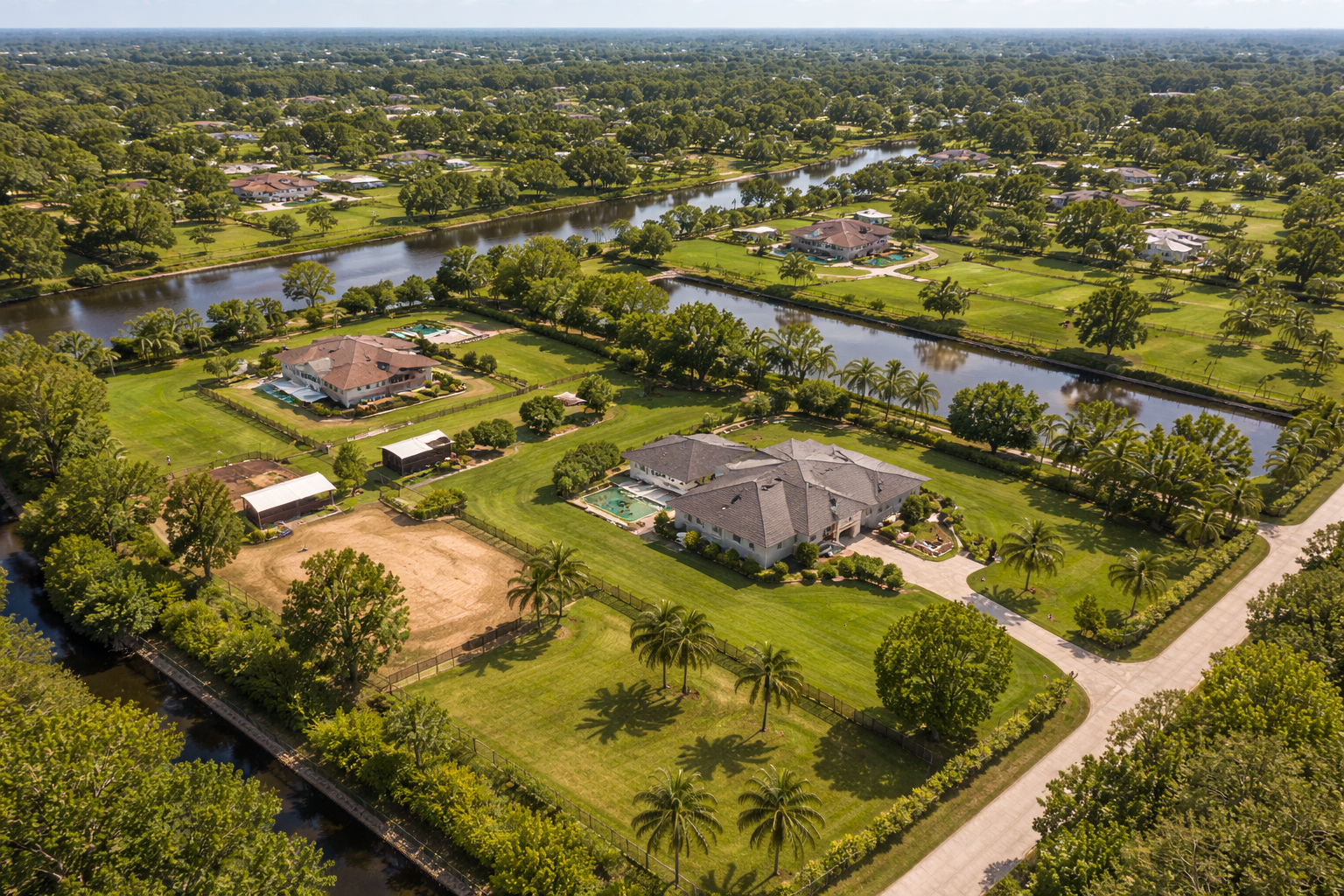
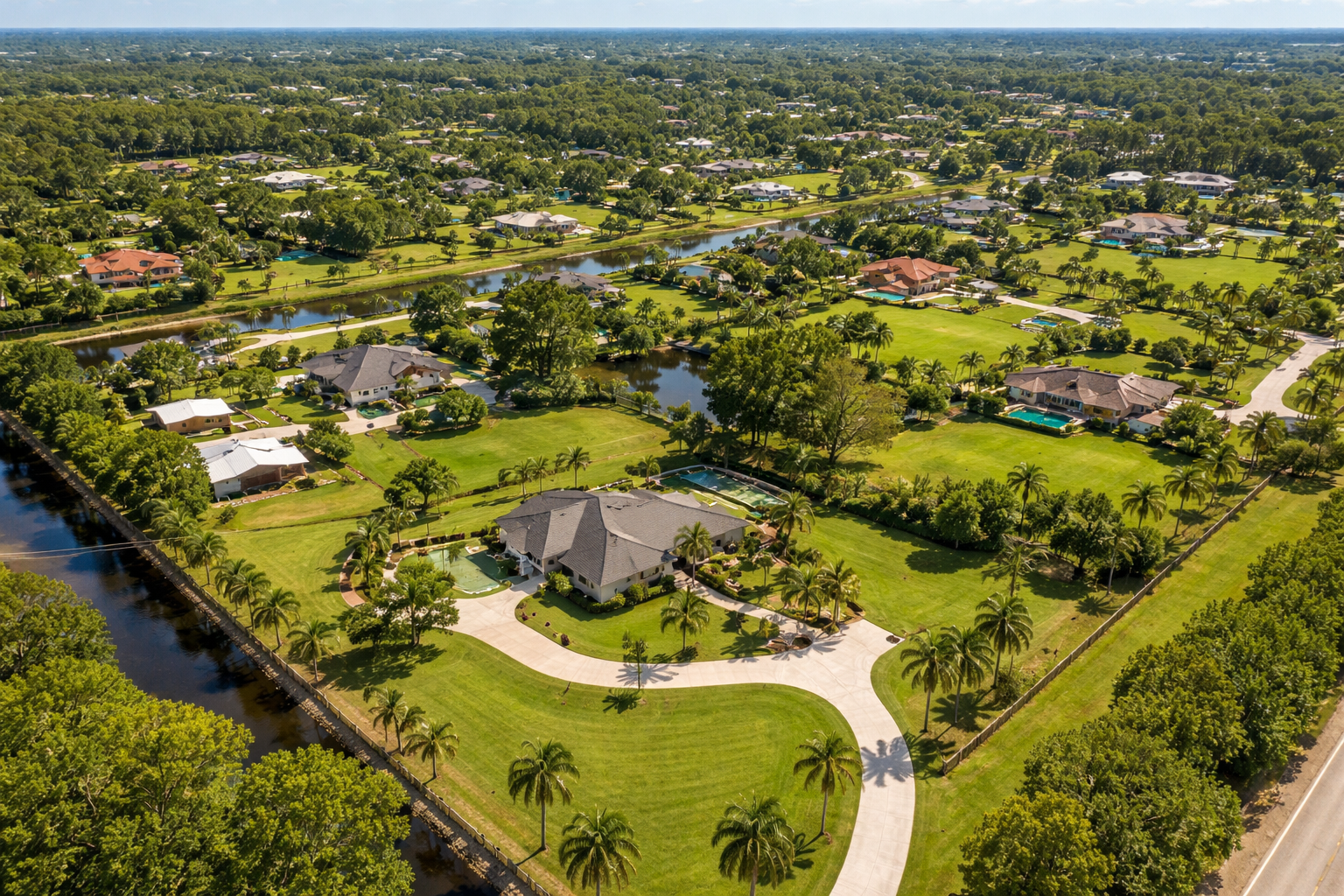
The physical layout of Loxahatchee reflects independence rather than density. Homes often sit on larger parcels, sometimes measured in acres rather than fractions of one. Instead of tightly packed streets, properties are separated by green space, natural vegetation, or open land. This creates visual openness that many buyers find calming after years of living in more crowded environments.

Daily routines here tend to be grounded in stability. Errands are planned intentionally, and time spent at home plays a larger role in overall quality of life. Outdoor living becomes more practical when space is available, whether that means gardening, maintaining outdoor areas, or simply enjoying quiet surroundings. For many residents, the ability to control their immediate environment becomes one of the most meaningful aspects of ownership.

Loxahatchee, FL Real Estate Market Overview

The Loxahatchee real estate market reflects demand from buyers seeking long-term livability rather than short-term movement. Interest tends to come from individuals and families prioritizing space, flexibility, and separation from dense development. This type of demand creates a steady environment where decisions are often deliberate.

Inventory varies depending on broader market conditions, but Loxahatchee consistently attracts buyers who understand its value proposition. Properties offering usable land, updated interiors, or practical layouts tend to draw attention. Homes requiring updates may also attract buyers who see long-term potential and customization opportunities.

Market activity in Loxahatchee tends to feel measured rather than accelerated. Sellers who prepare properties thoughtfully and align pricing with current expectations typically experience consistent interest. Buyers who approach the market with clarity about priorities often find opportunities that align with both lifestyle and ownership goals.

Buying a Home in Loxahatchee, FL

Buying property in Loxahatchee requires a slightly different mindset compared to more urbanized parts of Palm Beach County. Buyers often prioritize land use, privacy, and long-term flexibility rather than proximity to walkable retail or entertainment districts. The emphasis shifts toward how the property supports daily living over time.

Property types vary widely, but single-family homes dominate the landscape. Many properties include larger lots, detached garages, or outdoor features designed for functional use rather than purely aesthetic appeal. New construction exists alongside established homes, giving buyers options depending on preferences and timelines.

HOA governance varies significantly across Loxahatchee. Some communities operate without strict association oversight, allowing greater autonomy in how properties are maintained and used. Buyers who value independence often view this as a major advantage, while others prefer structured environments. Understanding these distinctions early helps buyers select properties aligned with personal expectations.

Timing decisions in Loxahatchee tend to reflect patience. Buyers often monitor availability and wait for properties matching specific criteria. Because land and location characteristics cannot be easily replicated, finding the right fit frequently outweighs speed.

Selling a Home in Loxahatchee, FL

Selling property in Loxahatchee requires understanding what attracts buyers to the area in the first place. Most buyers are motivated by space, usability, and independence. Homes that demonstrate care, functionality, and flexibility tend to resonate strongly.

Preparation influences buyer perception significantly. Maintaining outdoor areas, addressing visible maintenance needs, and presenting the property in a way that highlights usable space helps buyers understand its potential. Because land plays a central role in value, exterior presentation often carries equal importance to interior condition.

Pricing strategy should reflect both property characteristics and buyer expectations. Sellers who recognize the motivations behind buyer interest—privacy, stability, and long-term ownership—position themselves more effectively. The goal is to align the property with buyers seeking permanence rather than temporary occupancy.

Curious What Your Home Might Be Worth?

Home values across Palm Beach County and South Florida change constantly. See what buyers may currently be willing to pay for homes in your neighborhood.

Check Your Home Value

Frequently Asked Questions About Loxahatchee, FL Real Estate

Is Loxahatchee expensive to live in?
Costs vary depending on property size, condition, and land value. While some homes require greater investment due to acreage or upgrades, many buyers view Loxahatchee as offering stronger long-term ownership value. The ability to control land use, maintain privacy, and avoid high-density living contributes to perceived affordability over time.

Is Loxahatchee good for families?
Many families choose Loxahatchee because daily life tends to feel predictable and controlled. Larger properties allow flexibility for outdoor activities, while quieter surroundings reduce distractions associated with dense environments. Families seeking stability often find the area aligns well with long-term routines.

How far is Loxahatchee from major employment centers?
Loxahatchee provides reasonable access to employment hubs in West Palm Beach and surrounding areas. Most residents commute by car, with drive times depending on traffic patterns and specific destinations. Many residents find the balance between accessibility and separation to be one of the area’s strongest advantages.

What types of homes are common in Loxahatchee?
Single-family homes on larger parcels represent the majority of properties. Some homes include newer construction, while others offer established layouts with opportunities for updates. Land availability remains one of the defining characteristics of the area’s housing options.

Is Loxahatchee a good place to buy or sell a home?
For buyers seeking privacy and long-term stability, Loxahatchee offers strong appeal. Sellers who prepare thoughtfully and understand buyer motivations often attract consistent interest. Success in this market typically reflects alignment between property characteristics and buyer expectations.

Conclusion

Loxahatchee offers a distinct ownership experience shaped by space, predictability, and long-term livability. Buyers drawn to the area often prioritize independence, flexibility, and the ability to shape their environment over time. Sellers benefit from positioning properties in ways that highlight these strengths.

Real estate decisions here tend to focus on permanence rather than urgency. Buyers evaluate how properties will support daily life for years to come, while sellers connect with buyers seeking meaningful ownership rather than temporary solutions. Understanding Loxahatchee’s character allows both sides to approach the market with clarity and confidence.

For those seeking stability, usable land, and separation from dense development, Loxahatchee continues to represent one of Palm Beach County’s most compelling long-term ownership opportunities.

Real Estate Resources for South Florida

If you're researching homes or following the South Florida real estate market, exploring listings and property values can provide helpful context for understanding local neighborhoods and housing trends across Palm Beach County.


About the Authors

Chris and Sue Kull are South Florida real estate professionals with more than three decades of experience helping buyers, sellers, and property owners navigate the housing market throughout Palm Beach County and surrounding communities.

Their work focuses on providing clear information, local market insight, and practical guidance so clients can make confident real estate decisions. Over the years they have built a trusted network of industry professionals—including lenders, inspectors, contractors, and legal specialists—to support every stage of the real estate process.

You can explore additional resources, community guides, and real estate tools at www.TheKullGroup.com.

If you have questions about buying, selling, or understanding the local real estate market, you can reach out through our contact page.

Feb. 13, 2026

Loxahatchee, FL Real Estate for Buyers Seeking Space, Stability and Everyday Practicality

thekullgroup/loxahatchee-fl-acreage-homes-long-term-livability-kull-group.

Loxahatchee, FL Real Estate for Buyers Seeking Space, Stability and Everyday Practicality

Introduction

Loxahatchee, FL real estate attracts a different kind of buyer — someone who is thinking about years, not months. This western Palm Beach County community appeals to people who prioritize privacy, land ownership, predictable routines and long-term livability over rapid growth or high-density convenience. For many homeowners, Loxahatchee represents breathing room in a region that continues to build outward.

Located just west of Wellington and Royal Palm Beach, Loxahatchee offers a residential experience centered around acreage properties, custom homes and fewer homeowners associations than many neighboring communities. Buyers relocating from more urban or tightly planned neighborhoods often describe it as a reset — not isolated, but intentionally spaced out.

For homeowners, buyers and those considering a move to western Palm Beach County, understanding Loxahatchee means understanding lifestyle first. This guide explores how daily life works here, what shapes the local housing market, and what to consider before buying or selling in this distinct corner of South Florida.

See What’s on the Market Right Now

If you're researching homes in Palm Beach County or anywhere in South Florida, you can explore current listings by city, compare communities, and see what’s available today.

Explore Homes by City

Living in Loxahatchee, FL

Loxahatchee sits in unincorporated Palm Beach County, positioned west of Wellington and north of West Palm Beach. Unlike master-planned communities with dense commercial centers, Loxahatchee is largely residential and rural in feel. The landscape is defined by larger parcels of land, equestrian properties, custom-built homes and roads that stretch farther between neighbors.

The area is primarily drivability-focused. Most errands require a short drive to Wellington, Royal Palm Beach or Westlake, but residents accept that tradeoff in exchange for space and privacy. Grocery stores, restaurants and essential services are accessible — just not typically within walking distance.

Neighborhoods feel independent rather than uniform. Many homes sit on one acre or more, often without strict homeowners associations. That flexibility allows residents to keep boats, RVs, work vehicles or small agricultural setups, depending on zoning. You’ll see a mix of newer custom construction alongside established homes with mature landscaping.

Daily life in Loxahatchee tends to follow predictable rhythms. Mornings are quieter. Evenings often center around home life rather than outside entertainment. Outdoor living plays a major role — whether it’s maintaining land, gardening, keeping animals or simply enjoying a backyard without direct neighbors behind you.

For families, the appeal often lies in space. Children have room to play, pets have room to roam, and homeowners can design their properties around long-term needs. It’s not a fast-paced environment; it’s one built around consistency.


Loxahatchee, FL Real Estate Market Overview

The Loxahatchee real estate market behaves differently than more densely populated parts of Palm Beach County. Because properties are larger and often custom-built, pricing tends to reflect land value as much as the structure itself.

General pricing trends have remained steady, supported by continued demand for acreage homes. While the broader South Florida market has experienced fluctuations, Loxahatchee benefits from buyers specifically seeking space and fewer restrictions. That demand keeps the market active, though not frantic.

Inventory levels are typically more limited than in suburban communities with higher housing density. There simply are not as many homes per square mile. When properties do become available, buyers often evaluate them carefully, weighing land use, well and septic systems, outbuildings and potential future improvements.

Market activity feels measured. Homes that are well-maintained and realistically priced move at a steady pace. Overpricing can lead to extended listing periods, especially since buyers in this segment tend to be deliberate and comparison-driven.

Overall, the tone of the market leans stable rather than speculative. Buyers here are often purchasing with a long-term mindset, not anticipating quick turnover.


Buying a Home in Loxahatchee, FL

Buying in Loxahatchee requires slightly different due diligence than purchasing in a planned subdivision. The first thing buyers typically notice is the lot size. Many properties sit on an acre or more, which introduces considerations such as land grading, drainage, fencing and zoning.

Common property types include:

  • Single-family homes on one to five acres

  • Equestrian properties with barns or paddocks

  • Custom-built newer construction

  • Established homes with mature landscaping

Unlike neighboring communities, many Loxahatchee properties do not fall under strict homeowners associations. That flexibility is attractive, but buyers should still confirm zoning allowances for livestock, business vehicles or accessory structures.

Because many homes rely on well water and septic systems, inspections are particularly important. Buyers should understand maintenance responsibilities and potential upgrades associated with these systems.

Timing matters as well. Inventory can be limited, so buyers seeking specific features — such as a paved road, impact windows or a recently renovated interior — may need patience. The reward for that patience is often a property that aligns closely with long-term goals.

For many buyers, the decision to purchase in Loxahatchee isn’t about proximity to nightlife or high-density shopping. It’s about designing a home life that feels sustainable over decades.


Selling a Home in Loxahatchee, FL

Selling in Loxahatchee requires understanding who the likely buyer is. Most prospective buyers are searching for space, privacy and functional land use. Highlighting those aspects is essential.

Preparation often includes:

  • Addressing exterior maintenance

  • Clearing excess brush

  • Ensuring fencing and outbuildings are in good condition

  • Presenting outdoor spaces clearly

Because acreage properties can appear overwhelming, thoughtful presentation helps buyers visualize usability rather than workload.

Pricing strategy should account for land value, recent comparable acreage sales and condition. Sellers who price realistically from the start typically experience more consistent activity.

Market timing psychology also plays a role. Sellers who understand that buyers in this segment are careful and long-term oriented often approach negotiations with flexibility rather than urgency. Transactions tend to be steady rather than rushed.

Loxahatchee sellers benefit when they frame their home as a lifestyle decision rather than just square footage.


Frequently Asked Questions About Loxahatchee, FL Real Estate

Is Loxahatchee expensive to live in?

Loxahatchee can be moderately priced compared to coastal Palm Beach County areas, but overall cost depends on property size and improvements. Larger parcels naturally command higher prices. However, buyers often find strong value relative to the amount of land and privacy offered. Long-term homeowners frequently view ownership here as a practical investment in space and flexibility.

Is Loxahatchee good for families?

Many families appreciate Loxahatchee for its space and predictability. Larger lots provide room for outdoor activities, pets and recreational equipment. The quieter environment can support routines and privacy. While amenities may require driving, many residents consider that a fair exchange for land ownership and reduced neighborhood congestion.

How far is Loxahatchee from major employment centers?

Loxahatchee is approximately 30 to 45 minutes from West Palm Beach, depending on traffic. Wellington and Royal Palm Beach are closer for shopping and services. Most residents rely on driving, and commute times vary by route. For remote or hybrid workers, the location often provides separation between work demands and home life.

What types of homes are common in Loxahatchee?

Single-family homes on acreage dominate the area. Many properties include barns, workshops or additional structures. Architectural styles range from ranch-style homes to newer custom builds. It is common to see homes designed with large driveways, gated entrances and outdoor-focused layouts.

Is Loxahatchee a good place to buy or sell a home?

Loxahatchee can be a strong market for buyers seeking long-term stability and sellers offering well-maintained acreage properties. The market tends to favor patience and thoughtful pricing. Because buyer demand is lifestyle-driven, properties that align with expectations around space and condition typically perform well.


Conclusion

Loxahatchee appeals to buyers who value privacy, space and a slower residential rhythm. It is not designed for high-density convenience or short-term speculation. Instead, it attracts homeowners thinking about the next ten or twenty years.

For those relocating within Palm Beach County or from out of state, Loxahatchee offers a different kind of South Florida living — one centered on land ownership, autonomy and practical routines. Buyers benefit from understanding zoning and infrastructure considerations, while sellers benefit from positioning their properties around long-term livability.


Real estate decisions in Loxahatchee tend to be deliberate. When approached with clear expectations and careful planning, the area offers a stable environment for ownership and everyday life.

Real Estate Resources for South Florida

If you're researching homes or following the South Florida real estate market, exploring listings and property values can provide helpful context for understanding local neighborhoods and housing trends across Palm Beach County.


About the Authors

Chris and Sue Kull are South Florida real estate professionals with more than three decades of experience helping buyers, sellers, and property owners navigate the housing market throughout Palm Beach County and surrounding communities.

Their work focuses on providing clear information, local market insight, and practical guidance so clients can make confident real estate decisions. Over the years they have built a trusted network of industry professionals—including lenders, inspectors, contractors, and legal specialists—to support every stage of the real estate process.

You can explore additional resources, community guides, and real estate tools at www.TheKullGroup.com.

If you have questions about buying, selling, or understanding the local real estate market, you can reach out through our contact page.
Feb. 11, 2026

Florida Housing Market Repositions

thekullgroup/florida-housing-market-rebound-2026-south-east-florida-kull-group.

Florida Housing Market Repositions After 2025 Slowdown as International Demand and Lower Rates Renew Momentum

Florida real estate entered 2026 from a very different position than it began 2025. After a year marked by elevated mortgage rates, affordability pressures, rising insurance costs and longer days on market, the statewide housing environment showed clear signs of cooling. But cooling does not mean collapsing. In fact, emerging indicators suggest that Florida’s housing market may be transitioning into a more stable and sustainable phase, with early rebound signals forming beneath the surface.

For buyers, sellers and investors — especially here in South East Florida — understanding the distinction between slowdown and structural weakness is critical. The Florida housing market in 2025 did not unravel; it recalibrated. As mortgage rates begin to ease and international activity resurfaces, the groundwork for renewed transaction flow is forming.

Here’s what that shift means and why Florida remains uniquely positioned compared to much of the nation.

Curious What Your Home Might Be Worth?

Home values across Palm Beach County and South Florida change constantly. See what buyers may currently be willing to pay for homes in your neighborhood.

Check Your Home Value

A Slower 2025, But Not a Structural Breakdown

Throughout 2025, Florida’s housing market faced multiple headwinds. Higher borrowing costs limited purchasing power. Insurance premiums and property tax increases added to ownership costs. At the same time, elevated home prices — the result of rapid appreciation in prior years — created affordability friction for many would-be buyers.

The result was softer demand and longer listing timelines.

Importantly, inventory increased in many markets not because sellers flooded the market, but because homes simply took longer to sell. That distinction matters. When supply rises due to slowing velocity rather than overbuilding, price corrections tend to be measured rather than severe.

Statewide, inventory levels remain above pre-pandemic norms but are not excessive enough to trigger broad price declines. Where softening has occurred, it has largely been in areas where new construction created competition for resale properties.

For South Florida specifically — including Palm Beach, Broward and Miami-Dade counties — the slowdown was more about negotiation power returning to buyers than a collapse in property values.


Mortgage Rates Begin to Ease

One of the most important developments late in 2025 was the gradual easing of mortgage rates. After sustained elevated borrowing costs dampened activity for much of the year, falling rates began stimulating renewed buyer engagement.

When financing costs decline even modestly, purchasing psychology shifts quickly. Buyers who were previously sidelined due to payment sensitivity begin re-entering the market. Sellers who delayed listing during uncertainty gain renewed confidence.

While rates are not expected to return to ultra-low pandemic-era levels, stability alone provides clarity — and clarity encourages movement.

In markets like South East Florida, where lifestyle demand remains strong, lower rates have a compounding effect because many buyers are motivated by long-term ownership rather than short-term speculation.


Domestic Migration Slows — But Remains Strong

Domestic migration to Florida cooled from its historic post-pandemic surge. That spike in 2022 was unlikely to sustain indefinitely. However, even at reduced levels, inbound migration remains above pre-pandemic trends.

Florida continues to benefit from:

  • Favorable tax structure

  • Business growth in key metros

  • Lifestyle appeal

  • Retirement migration

  • Remote work flexibility

For Palm Beach County and surrounding areas, relocation demand continues to provide underlying support for housing activity.

A normalization in migration levels should not be confused with a reversal. Florida is still gaining residents — just at a more sustainable pace.


International Buyers Re-Enter the Market

One of the most significant developments in 2025 was the resurgence of international buyer activity.

Between August 2024 and July 2025, international residential purchases in Florida increased by 50% compared to the prior year. Dollar volume climbed to $10.4 billion, up from $7.1 billion in 2024 — a 46% increase.

Although still below the 2020 peak of $15.6 billion, this rebound signals improving global confidence in Florida property.

International buyers accounted for approximately 5% of total Florida transactions — still a modest share — but their impact is concentrated heavily in South Florida.

Forty-five percent of international purchases occurred within the Miami–Fort Lauderdale–West Palm Beach metropolitan area.

For South East Florida, this is particularly meaningful.

Where International Demand Is Coming From

  • Latin America and the Caribbean: 45% of international buyers

  • Europe: 18%

  • Northern America (Canada): 18%

Canadian buyers led dollar volume at approximately $1.9 billion, followed by Colombia and Brazil.

This diversification of global demand adds depth to Florida’s housing base. It reduces reliance on any single economic driver and reinforces South Florida’s position as an international real estate hub.

See What’s on the Market Right Now

If you're researching homes in Palm Beach County or anywhere in South Florida, explore current listings by city and see what’s available right now.

Explore Homes by City

Pricing Stability: Controlled, Not Collapsing

Florida’s median sale price among international buyers decreased slightly in 2025 but remains elevated relative to pre-pandemic levels.

The broader statewide median price moderated modestly, reflecting:

  • Longer marketing times

  • Buyer negotiation leverage

  • Increased resale competition

  • Selective price adjustments

However, the current inventory environment is not extreme enough to force widespread price corrections.

This phase resembles normalization more than downturn.

Markets that experienced the fastest appreciation between 2020 and 2022 are now digesting those gains. Meanwhile, areas with steady demand and limited overbuilding remain comparatively stable.


Inventory: Balanced Rather Than Excessive

Inventory growth slowed significantly during 2025.

In most Florida markets, supply is now sitting in a zone that neither strongly favors buyers nor sellers. This balanced condition is often healthier than the rapid appreciation cycles of prior years.

For buyers, this means:

  • More time to evaluate options

  • Greater negotiation flexibility

  • Less competition than peak years

For sellers, this means:

  • Realistic pricing strategies matter

  • Presentation and preparation matter more than ever

  • Overpricing leads to stagnation

In South East Florida, particularly Palm Beach County, this balance supports sustainable transaction flow rather than volatility.


Insurance and Affordability Remain Key Factors

Florida’s housing conversation cannot ignore insurance.

Higher premiums have been a meaningful contributor to affordability pressure. Legislative reforms in recent years aimed to stabilize litigation practices and reduce systemic cost drivers. Lawmakers have indicated that additional sweeping insurance overhauls are unlikely in the near term.

If recent reforms continue working through the system and hurricane seasons remain moderate, incremental rate relief could follow.

For buyers evaluating total cost of ownership, insurance and property taxes must be incorporated into payment projections. But clarity around legislation reduces unpredictability — and predictability supports market confidence.


What This Means for Buyers

For buyers in South East Florida, 2026 may present a more strategic environment than the frenzied years of 2021–2022.

Advantages include:

  • Stabilizing mortgage rates

  • More balanced inventory

  • Negotiation opportunities

  • International capital returning (supporting long-term value)

The key is discipline. Buyers who understand local pricing dynamics and avoid emotional bidding behavior are positioned well.


What This Means for Sellers

For sellers, the strategy has shifted.

The days of pricing aspirationally and expecting immediate multiple offers are largely behind us. Today’s market rewards:

  • Accurate pricing

  • Thoughtful preparation

  • Clear value positioning

  • Professional marketing

Homes that align with buyer expectations are still selling. But pricing above the market leads to extended days on market and eventual reductions.

In Palm Beach County and surrounding markets, correctly positioned properties remain competitive — especially those in lifestyle-driven locations with strong neighborhood identity.


Florida’s Structural Strength Remains Intact

Despite the 2025 slowdown, Florida retains structural advantages:

  • No state income tax

  • Global appeal

  • Tourism strength

  • Diverse economic base

  • Climate-driven relocation

  • International connectivity

These fundamentals are not temporary.

Short-term rate cycles and affordability adjustments influence transaction volume, but long-term demand drivers remain.

For South East Florida specifically, global capital, domestic relocation, and lifestyle demand create layered support.


A Rebound in Progress — Not a Spike, But a Reset

The rebound forming in early 2026 is unlikely to resemble the rapid surge of post-pandemic years.

Instead, it appears to be a measured reacceleration:

  • Mortgage rates easing gradually

  • International transactions increasing

  • Inventory stabilizing

  • Buyer confidence improving

That type of recovery is healthier.

It supports transaction stability without creating unsustainable price inflation.

For homeowners, it reinforces equity preservation. For buyers, it restores opportunity. For investors, it offers clarity.


Conclusion

Florida’s housing market cooled in 2025 — but cooling is not collapse. It is recalibration.

As mortgage rates stabilize and international confidence strengthens, early momentum is reemerging. Inventory is balanced, pricing is steadier, and transaction flow is improving.

For South East Florida, these conditions create a more strategic environment than the volatility of recent years. Buyers can move with greater clarity. Sellers can plan with realistic expectations. Investors can evaluate opportunities within a more transparent framework.

Florida remains a dynamic real estate environment — just one that is shifting toward sustainability rather than speed.

The rebound is not explosive. It is deliberate.

And that may be exactly what the market needed.

Real Estate Resources for South Florida

If you're researching homes or following the South Florida real estate market, exploring listings and property values can provide helpful context for understanding local neighborhoods and housing trends across Palm Beach County.


About the Authors

Chris and Sue Kull are South Florida real estate professionals with more than three decades of experience helping buyers, sellers, and property owners navigate the housing market throughout Palm Beach County and surrounding communities.

Their work focuses on providing clear information, local market insight, and practical guidance so clients can make confident real estate decisions. Over the years they have built a trusted network of industry professionals—including lenders, inspectors, contractors, and legal specialists—to support every stage of the real estate process.

You can explore additional resources, community guides, and real estate tools at www.TheKullGroup.com.

If you have questions about buying, selling, or understanding the local real estate market, you can reach out through our contact page.
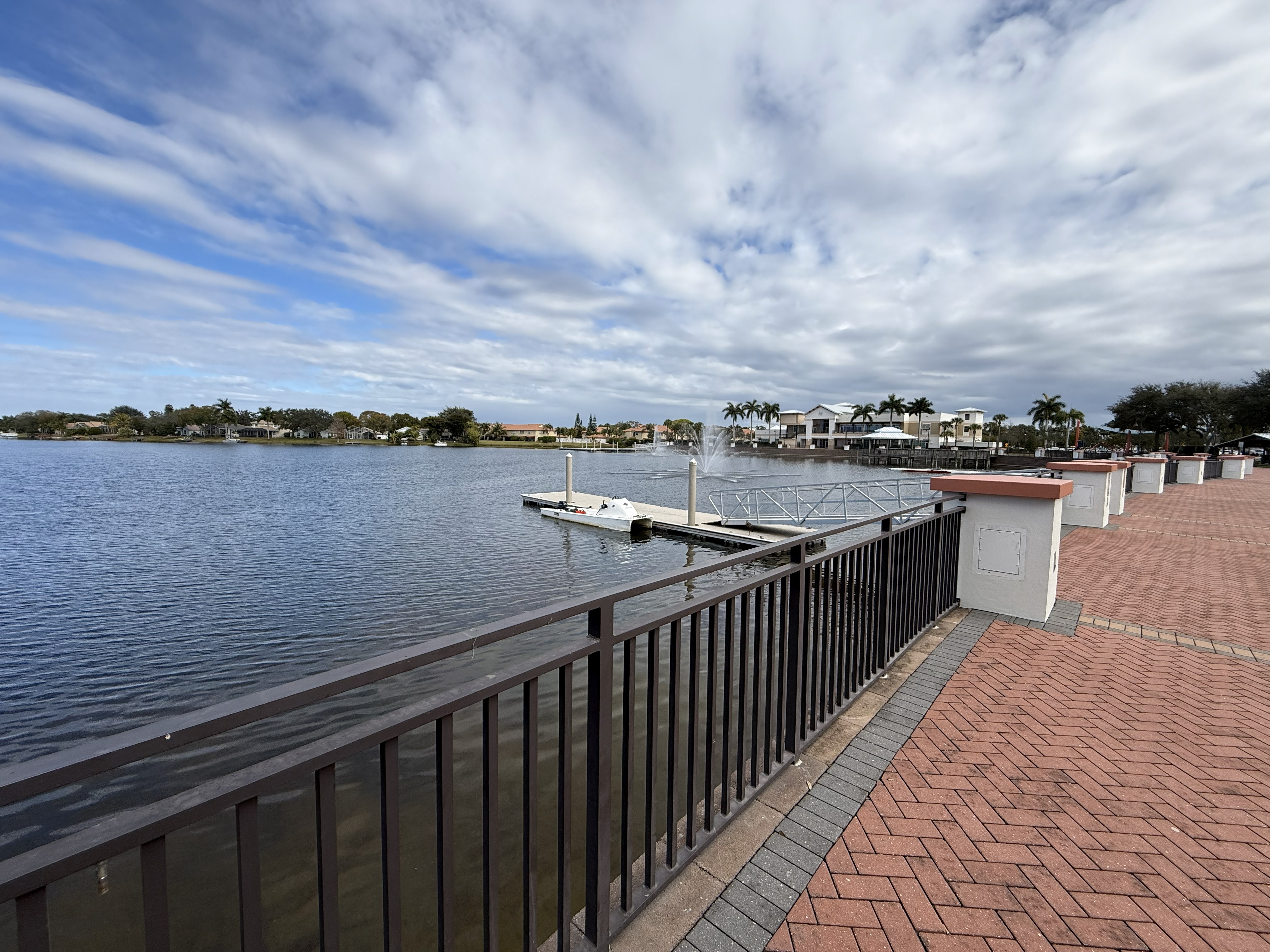
Feb. 10, 2026

Considering Wellington, FL for Your Next Move? A Practical Relocation Guide to Real Estate and Daily Life


Considering Wellington, FL for Your Next Move? A Practical Relocation Guide to Real Estate and Daily Life

Introduction

Wellington, FL real estate often enters the conversation when buyers begin exploring Palm Beach County but want something different from dense coastal living or high-rise environments. For people unfamiliar with the area, Wellington can feel like a balanced middle ground — close enough to major employment centers and beaches, yet structured around residential comfort rather than tourism or nightlife.

If you are relocating from another part of Florida or moving from out of state, the decision process typically involves more than home prices. Commute times, neighborhood layout, traffic flow, and overall day-to-day convenience matter just as much as square footage. Wellington tends to attract buyers who are thinking through these practical elements carefully.

This guide is designed specifically for those who do not already know the area. It outlines how Wellington compares to nearby communities, what daily life realistically looks like, and how the Wellington housing market functions for buyers and sellers evaluating a move.

See What’s on the Market Right Now

If you're researching homes in Palm Beach County or anywhere in South Florida, explore current listings by city and see what’s available right now.

Explore Homes by City

Living in Wellington, FL

Wellington is located in western Palm Beach County, roughly 12 to 15 miles inland from the Atlantic coast. It sits west of West Palm Beach and Lake Worth, and just south of Royal Palm Beach. Unlike coastal cities where tourism and beach access dominate the identity, Wellington is structured primarily around residential living.

For newcomers, one of the first things to understand is that Wellington is largely car-dependent. Daily errands, commuting, and social activities typically require driving. Major roadways such as Southern Boulevard and State Road 7 connect residents to employment centers, shopping districts, and nearby municipalities.

Compared to downtown West Palm Beach, Wellington offers wider roads, larger lot sizes, and less vertical density. Compared to Royal Palm Beach, it tends to feel more established and intentionally designed. Compared to Lake Worth, it provides a quieter suburban tone without the same level of mixed-use activity.

Housing styles vary, but most properties are single-family homes within planned communities. Many neighborhoods feature lakes, green spaces, and internal road systems that reduce through-traffic. Townhomes and villas are available as well, often within HOA-governed communities that maintain exterior standards.

The lifestyle here is structured and predictable. There is less spontaneous foot traffic than in urban cores, but more privacy and personal space. For many relocating buyers, that tradeoff is the primary appeal.


Wellington, FL Real Estate Market Overview

The Wellington real estate market operates differently from coastal markets such as Boca Raton or Delray Beach. While those areas can experience sharper price swings due to seasonal demand and vacation-home purchases, Wellington’s market tends to be driven by primary residents.

Pricing trends generally reflect broader Palm Beach County conditions, but Wellington’s inland location and residential character often create perceived value for buyers seeking more space. Inventory levels can vary seasonally, particularly during winter months when relocation activity increases.

Market activity is steady rather than volatile. Homes that are well-priced and properly presented typically generate interest within a reasonable timeframe, but bidding wars are less predictable than in highly constrained coastal submarkets.

For buyers unfamiliar with South Florida, it is important to recognize that Wellington is not a speculative environment. It is a place where many residents intend to stay long term. That influences how sellers price homes and how negotiations unfold.

Understanding this measured pace helps relocating buyers set realistic expectations.


Buying a Home in Wellington, FL

Relocating buyers often approach Wellington with a checklist: commute distance, home size, maintenance level, and long-term affordability. Wellington can meet many of those criteria, but understanding its structure is critical.

Single-family homes dominate the market. Many are located within homeowners associations that maintain landscaping, amenities, and exterior consistency. Buyers should review HOA documents carefully, as rules and fees vary by community.

For those comparing Wellington to nearby alternatives, commute times are a major factor. Driving to West Palm Beach typically takes 25 to 35 minutes depending on traffic. Access to I-95 requires traveling east. If your workplace is along the coast or near downtown West Palm Beach, daily drive time should be evaluated during peak hours before making a decision.

Buyers who prioritize walkability may find coastal cities more appealing. Wellington emphasizes drivability and residential zoning rather than mixed-use neighborhoods.

New construction opportunities exist but are more limited than in rapidly expanding counties further north. Many homes are part of established communities, which can offer mature landscaping and stable neighborhood identity.

Ultimately, buyers relocating to Wellington often choose it for practical reasons: predictable commute patterns, manageable density, and the ability to purchase more interior and exterior space compared to beachfront areas.


Selling a Home in Wellington, FL

For sellers, understanding the mindset of relocating buyers is essential. Many prospective purchasers are comparing Wellington directly with Royal Palm Beach, Lake Worth, Boynton Beach, or even parts of Broward County.

Preparation should focus on clarity and function. Out-of-area buyers often rely heavily on listing photography and virtual tours before traveling. Highlighting commute convenience, interior flow, and outdoor space tends to resonate more than luxury upgrades alone.

Pricing strategy should account for competition within similar neighborhoods. Because Wellington buyers often plan to stay long term, they evaluate condition carefully. Deferred maintenance can slow momentum.

Market timing psychology also plays a role. Winter months frequently bring increased interest from buyers relocating from colder climates. However, homes can sell year-round when properly positioned.

Sellers who understand that many buyers are unfamiliar with the region can benefit from presenting clear information about HOA structure, utility costs, and neighborhood layout.

In Wellington, transparency builds confidence — and confidence supports stronger offers.

Curious What Your Home Might Be Worth?

Home values across Palm Beach County and South Florida change constantly. See what buyers may currently be willing to pay for homes in your neighborhood.

Check Your Home Value

Frequently Asked Questions About Wellington, FL Real Estate

Is Wellington expensive to live in?

Wellington is generally considered moderately priced relative to other parts of Palm Beach County. While some communities command higher prices due to lot size or amenities, buyers often find more interior space compared to coastal cities. Affordability depends on lifestyle expectations and commute preferences, but many relocating homeowners view Wellington as a practical balance between price and residential comfort.

Is Wellington good for families?

Wellington appeals to households seeking stability and structured neighborhoods. The community’s layout emphasizes residential streets, parks, and recreational areas. While every family’s needs differ, many relocating buyers appreciate the quieter atmosphere and limited through-traffic compared to denser cities closer to the coast.

How far is Wellington from major employment centers?

Wellington is approximately 25 to 35 minutes from downtown West Palm Beach under normal traffic conditions. Travel time increases during peak commuting hours. Access to coastal employment centers requires driving east toward I-95 or other main corridors. Buyers considering Wellington should test commute routes in real time before purchasing.

What types of homes are common in Wellington?

The majority of properties are single-family homes within planned communities. Townhomes and villas are also available, often with HOA oversight. Many homes include fenced yards, screened patios, and lakefront positioning. Larger estate properties exist in certain sections of the community.

Is Wellington a good place to buy or sell a home?

Wellington can be well-suited for buyers and sellers who prioritize stability. Buyers relocating from higher-density areas often appreciate the residential focus. Sellers benefit from steady demand driven by primary homeowners rather than seasonal investors. Success in either direction depends on preparation and realistic expectations.


Conclusion

For those unfamiliar with Palm Beach County, Wellington presents a clear proposition: residential structure, manageable commute access, and measured market conditions. It does not compete with beachfront cities on nightlife or walkability. Instead, it offers space, predictability, and a stable ownership environment.

Relocating buyers often compare multiple communities before making a final decision. Evaluating commute routes, daily routines, and long-term goals helps determine whether Wellington aligns with your priorities.

Real estate decisions are rarely about one factor alone. In Wellington, practicality and balance tend to drive outcomes. Taking the time to understand how the community functions — and how it differs from neighboring cities — is often the key to making an informed move.

Real Estate Resources for South Florida

If you're researching homes or following the South Florida real estate market, exploring listings and property values can provide helpful context for understanding local neighborhoods and housing trends across Palm Beach County.


About the Authors

Chris and Sue Kull are South Florida real estate professionals with more than three decades of experience helping buyers, sellers, and property owners navigate the housing market throughout Palm Beach County and surrounding communities.

Their work focuses on providing clear information, local market insight, and practical guidance so clients can make confident real estate decisions. Over the years they have built a trusted network of industry professionals—including lenders, inspectors, contractors, and legal specialists—to support every stage of the real estate process.

You can explore additional resources, community guides, and real estate tools at www.TheKullGroup.com.

If you have questions about buying, selling, or understanding the local real estate market, you can reach out through our contact page.

Feb. 10, 2026

Wellington, FL Real Estate Through a Long-Term Lens: Privacy, Patience, and Smart Ownership

thekullgroup/wellington-fl-long-term-homeownership-privacy-equity-kull-group

Wellington, FL Real Estate Through a Long-Term Lens: Privacy, Patience, and Smart Ownership

Introduction

Wellington, FL real estate attracts a very specific type of homeowner — one who values discretion, stability, and long-term ownership over rapid turnover or short-term speculation. Located in western Palm Beach County, Wellington has quietly built a reputation as a community where people settle in, build equity steadily, and make thoughtful decisions about when and why they move.

For buyers, sellers, and those relocating to South East Florida, Wellington represents something different from high-velocity coastal markets. It is not defined by flash or frenzy. Instead, it appeals to individuals who think in decades rather than quarters. Homes here are often chosen carefully and held intentionally, with privacy and livability ranking as high as architectural details.

This guide explores Wellington from that long-horizon perspective — how the community functions, how the housing market supports equity accumulation, and what patient ownership looks like in a place designed for steadiness rather than spectacle

Curious What Your Home Might Be Worth?

Home values across Palm Beach County and South Florida change constantly. See what buyers may currently be willing to pay for homes in your neighborhood.

Check Your Home Value

Living in Wellington, FL

Wellington sits inland from the Atlantic coast, approximately 30 minutes west of West Palm Beach, bordered by Royal Palm Beach, Greenacres, and Lake Worth. While the drive connects residents to major employment centers and coastal amenities, Wellington itself maintains a more insulated feel. It is largely car-dependent by design, which contributes to its sense of separation and privacy.

Neighborhoods here are structured with intentional spacing. Many communities feature internal roads, lake views, gated entries, and buffered lot lines that reduce through-traffic. The overall layout prioritizes residential calm rather than commercial density. Homes often include screened lanais, fenced yards, mature landscaping, and layouts that allow indoor and outdoor living to coexist without exposure.

The lifestyle rhythm in Wellington moves deliberately. Residents tend to establish routines that revolve around home life, nearby parks, local shopping centers, and community amenities. There is activity, but it is not disruptive. For many homeowners, that consistency is precisely the attraction.

Privacy plays a quiet but meaningful role. Whether in gated neighborhoods or larger lot communities, Wellington offers physical separation that appeals to buyers seeking discretion. It is common to see properties positioned around lakes or cul-de-sacs where foot traffic is minimal and daily life unfolds without interruption.

This sense of predictability and insulation has shaped the community’s long-term appeal.


Wellington, FL Real Estate Market Overview

The Wellington real estate market reflects its ownership culture. Properties are often purchased with the intention of staying, which contributes to moderate turnover and measured inventory levels. Unlike speculative markets where listings cycle rapidly, Wellington tends to experience a steadier pace.

Pricing trends generally mirror broader Palm Beach County patterns, but Wellington’s inland location and larger lot configurations often create perceived value for buyers prioritizing space and privacy. Inventory conditions fluctuate seasonally, yet the community rarely feels chaotic.

Market activity here rewards preparation rather than urgency. Well-maintained homes with thoughtful updates typically perform consistently. Buyers approach decisions with evaluation in mind — assessing neighborhood longevity, HOA stability, and long-term livability before committing.

The tone of the market is selective. Transactions occur regularly, but without the intense volatility seen in more tourism-driven or waterfront-focused areas. Sellers who understand this patience-driven environment often experience smoother negotiations.

This structure supports equity growth through stability rather than rapid price swings.


Buying a Home in Wellington, FL

Buying in Wellington requires clarity around long-term goals. Many buyers entering this market are not seeking short-term appreciation spikes. They are evaluating whether a property aligns with future lifestyle plans, privacy needs, and sustained value retention.

Single-family homes dominate the landscape, particularly within established planned communities. Gated neighborhoods are common, often providing additional layers of security and aesthetic consistency. Larger estate-style properties exist as well, offering acreage and expanded setback distances.

Homeowners associations are a defining feature of many Wellington communities. These associations help preserve neighborhood appearance and structural consistency, which can contribute to long-term property value protection. Buyers should review HOA rules and financial stability carefully, as this plays a role in ownership satisfaction over time.

New construction periodically enters the market, but Wellington is largely built-out compared to emerging suburbs. This limits oversupply and contributes to long-term value stability. Buyers seeking privacy often prioritize mature landscaping and fully developed neighborhoods rather than new developments.

Timing in Wellington is less about speed and more about alignment. Buyers often monitor the market patiently, waiting for a property that meets specific criteria around layout, lot positioning, and neighborhood fit.

Ownership here is typically intentional — a decision made with future equity growth and lifestyle continuity in mind.


Selling a Home in Wellington, FL

For sellers, understanding buyer psychology is critical. The typical Wellington buyer is evaluating long-term livability rather than quick turnover potential. Presentation should emphasize durability, maintenance history, and how the property supports privacy and comfort.

Preparation is foundational. Addressing deferred maintenance, ensuring landscaping maturity, and highlighting functional spaces tend to resonate more than cosmetic staging alone. Buyers often ask detailed questions about HOA governance, roof age, insurance considerations, and long-term infrastructure.

Pricing strategy in Wellington benefits from realism and patience. Overpricing in a steady market can extend time on market unnecessarily. Thoughtful positioning that aligns with neighborhood comparables and condition often attracts qualified, motivated interest.

Market timing psychology also matters. Sellers who approach the market with flexibility around closing timelines and negotiation points frequently find smoother outcomes. Because Wellington buyers tend to evaluate thoroughly, cooperative negotiation environments often produce stronger final terms.

The goal is not urgency — it is alignment between a well-prepared home and a buyer seeking stability.


Frequently Asked Questions About Wellington, FL Real Estate

Is Wellington expensive to live in?

Wellington is generally viewed as a mid-to-upper tier community within Palm Beach County, but perceived value depends on priorities. Buyers often find that properties offer more lot space and privacy compared to coastal alternatives. While purchase prices may reflect the community’s reputation, many homeowners view the stability and long-term equity potential as justification for the investment.

Is Wellington good for families?

Wellington appeals to households seeking consistency and residential calm. The layout of neighborhoods, access to parks, and limited through-traffic contribute to a steady environment. While amenities exist, the emphasis is often on comfort and routine rather than high-density activity. Many families choose Wellington for its predictable pace and long-term residential stability.

How far is Wellington from major employment centers?

Wellington is approximately a half-hour drive from West Palm Beach and within reach of other Palm Beach County employment hubs. Commute times vary depending on traffic patterns. For individuals working remotely or in hybrid roles, Wellington’s inland position often provides desirable separation between professional responsibilities and home life.

What types of homes are common in Wellington?

Single-family residences are most common, particularly within planned or gated communities. Many homes feature private yards, screened patios, and lakefront positioning. Estate-style properties on larger lots are also available. Architectural styles range from traditional Florida designs to more contemporary builds, with a strong emphasis on outdoor living.

Is Wellington a good place to buy or sell a home?

Wellington can be well-suited for both buyers and sellers who approach transactions with a long-term mindset. Buyers benefit from measured market activity and neighborhood stability. Sellers who present properties thoughtfully and price strategically often attract motivated interest. The community favors patience and informed decision-making over rapid speculation.

See What’s on the Market Right Now

If you're researching homes in Palm Beach County or anywhere in South Florida, explore current listings by city and see what’s available right now.

Explore Homes by City

Conclusion

Wellington is ideal for homeowners who think beyond immediate trends. It appeals to those who prioritize privacy, equity accumulation, and ownership continuity over short-term gains. The community’s residential layout, mature neighborhoods, and measured market pace support a long-horizon approach.

Real estate decisions here tend to unfold deliberately. Buyers evaluate carefully, sellers prepare thoughtfully, and transactions reflect alignment rather than impulse. For individuals seeking discretion and steady value growth within Palm Beach County, Wellington provides a framework built on stability.

Understanding the community’s rhythm — and embracing patience — often proves to be the most strategic move of all.

Real Estate Resources for South Florida

If you're researching homes or following the South Florida real estate market, exploring listings and property values can provide helpful context for understanding local neighborhoods and housing trends across Palm Beach County.


About the Authors

Chris and Sue Kull are South Florida real estate professionals with more than three decades of experience helping buyers, sellers, and property owners navigate the housing market throughout Palm Beach County and surrounding communities.

Their work focuses on providing clear information, local market insight, and practical guidance so clients can make confident real estate decisions. Over the years they have built a trusted network of industry professionals—including lenders, inspectors, contractors, and legal specialists—to support every stage of the real estate process.

You can explore additional resources, community guides, and real estate tools at www.TheKullGroup.com.

If you have questions about buying, selling, or understanding the local real estate market, you can reach out through our contact page.

Feb. 10, 2026

When Timing Becomes Leverage: Seasonal Home Buying Strategies South Florida Buyers Overlook

thekullgroup/seasonal-home-buying-strategy-south-florida-real-estate-kull-group.


When Timing Becomes Leverage: Seasonal Home Buying Strategies South Florida Buyers Overlook

In South East Florida real estate, buyers often focus on mortgage rates, listing prices, and inventory levels. What many overlook is how seasonal patterns quietly influence negotiating power, seller motivation, and transaction flow. While Florida does not experience snow-covered winters or traditional cold-weather slowdowns, the housing market here still moves in predictable seasonal cycles. Understanding those shifts can give buyers an advantage that has nothing to do with luck and everything to do with timing.

Seasonality impacts inventory, competition, seller psychology, and even inspection logistics. Buyers who align their strategy with these rhythms can sometimes negotiate more effectively, move more efficiently, and avoid the pressure that defines peak selling periods. The best time to buy a home in South Florida is not simply when inventory is highest or when rates dip — it is when leverage aligns with your goals and the broader housing climate.

This guide breaks down how winter, spring, summer, and fall affect buyers in South East Florida — and where opportunities often hide in plain sight.

Winter: Quiet Markets and Negotiation Windows

Winter is traditionally the slowest season for home sales nationally, and even in Florida — where the climate remains mild — transaction volume often cools slightly between Thanksgiving and mid-January. In South Florida real estate, this period can create subtle but meaningful opportunities for buyers.

Fewer buyers are actively shopping during the holiday season. Travel schedules, end-of-year responsibilities, and financial planning priorities shift attention away from home purchases. Sellers who list during this time often have a clear motivation — relocation deadlines, financial adjustments, or a desire to close before the new year.

This combination can create leverage. Homes may receive fewer showings, and sellers may be more receptive to negotiations on price, inspection credits, or closing timelines. The overall pace tends to be calmer. Lenders and inspectors may also have slightly lighter workloads compared to spring.

The tradeoff is inventory. There are typically fewer new listings in winter. Buyers must balance reduced competition with limited choice. Still, when the right property appears, winter can present one of the strongest negotiation windows of the year.

See What’s on the Market Right Now

If you're researching homes in Palm Beach County or anywhere in South Florida, explore current listings by city and see what’s available right now.

Explore Homes by City

Spring: Inventory Expands, Competition Intensifies

As temperatures rise across the country, the spring real estate market gains momentum. In South East Florida, spring often brings increased inventory and renewed buyer activity. Homes show well in natural light, landscaping improves curb appeal, and many sellers time their listings to align with peak visibility.

However, spring also introduces heavier competition. More buyers re-enter the market after winter pauses. Multiple-offer scenarios become more common. Days on market shorten. Sellers tend to price confidently, knowing demand is active.

For buyers, spring is about preparation rather than opportunity hunting. Pre-approval should be solid. Decision-making needs to be efficient. Offers often require stronger positioning — not just on price, but on terms and flexibility.

That said, spring inspections can reveal issues that are less visible during dry months. Rainy conditions expose drainage problems, roof vulnerabilities, and moisture concerns. Buyers who conduct thorough due diligence during this season gain valuable clarity before closing.

Spring offers choice and energy. It simply requires readiness.

Summer: Momentum, Heat, and Mid-Season Adjustments

Summer is widely considered peak real estate season in many parts of the country. In South Florida, however, the dynamics shift slightly. While early summer remains active, late summer often brings subtle slowdowns influenced by heat, humidity, and travel patterns.

June and early July frequently carry over spring momentum. Families seeking to move before the school year begins push to close transactions. Sellers maintain pricing strength. Competition remains elevated.

By late July and August, conditions can change. Florida’s extreme heat and storm season reduce open house traffic. Some buyers delay searches until fall. Sellers who listed in spring and have not secured a contract may become more flexible.

This late-summer period can present overlooked opportunities. Listings that have been active for extended periods may attract reduced interest, creating space for negotiation. Buyers willing to shop when others retreat from the market can sometimes identify value others miss.

Timing within summer matters. Early-season urgency differs significantly from late-season recalibration.

Fall: Motivated Sellers and Strategic Buyers

Fall is one of the most underrated seasons in South Florida real estate. As summer fades and the holiday season approaches, buyer traffic often decreases. Sellers who remain on the market may face growing urgency.

Inventory tends to taper, but so does competition. Many families prefer to complete moves before school starts, meaning fall buyers encounter fewer competing offers. By October, sellers who listed earlier in the year may reassess pricing or become more open to concessions.

For buyers seeking leverage, fall can be a highly strategic window. Properties that did not sell in spring or summer may offer room for price adjustments. Sellers may be motivated to avoid carrying listings through the holidays.

In South Florida, fall also allows buyers to evaluate homes before winter seasonal visitors return in peak numbers. Transaction timelines can move efficiently before the year-end rush.

October, in particular, often balances decent inventory levels with softened competition.

How Broader Market Conditions Interact with Seasonality

Seasonal trends do not operate in isolation. Mortgage rates, employment growth, insurance costs, and consumer confidence all influence buyer behavior. A year with stable rates may amplify seasonal patterns. A volatile rate environment may compress or distort them.

In South East Florida, migration trends also impact seasonal shifts. Relocation buyers from northern states may shop during winter months while maintaining primary residences elsewhere. International buyers may follow different timing cycles.

Understanding these overlapping influences allows buyers to approach seasonality strategically rather than simplistically. The best time to buy a home is not universal. It depends on how market momentum, personal readiness, and seasonal leverage intersect.

Negotiation Power Through the Seasons

Buyer negotiating power fluctuates throughout the year. Winter and fall often offer stronger leverage due to reduced competition and seller motivation. Spring and early summer tend to favor sellers, especially when inventory levels are balanced or tight.

Negotiation is not limited to purchase price. It can include closing timelines, inspection credits, appraisal contingencies, and personal property inclusions. Understanding when sellers are more flexible allows buyers to structure offers more intelligently.

Seasonality influences psychology. Sellers who list during peak periods expect activity. Sellers who remain active during slower periods often prioritize resolution.

Personal Timing Still Matters Most

While seasonal advantages are real, they should complement — not override — personal circumstances. Employment transitions, lease expirations, family needs, and financial readiness remain primary drivers of home buying decisions.

Buying during a slower season only makes sense if the right property aligns with long-term goals. Similarly, buying during a competitive season can still be successful with preparation and clear priorities.

Seasonal awareness is a strategic tool. It helps set expectations, refine negotiation approaches, and align effort with opportunity.

Curious What Your Home Might Be Worth?

Home values across Palm Beach County and South Florida change constantly. See what buyers may currently be willing to pay for homes in your neighborhood.

Check Your Home Value

Practical Takeaways for South Florida Buyers

Buyers entering the South Florida housing market should evaluate seasonal trends alongside personal readiness. Winter and fall often offer negotiation advantages. Spring offers inventory selection but requires speed and flexibility. Late summer can reward patience.

Working with experienced real estate professionals who understand how South East Florida real estate shifts month by month ensures expectations remain realistic. Strategy changes with the calendar — and so should approach.

Conclusion

Seasonality in real estate is not about chasing the cheapest month or the busiest week. It is about understanding when leverage shifts and adjusting strategy accordingly. In South East Florida, winter and fall frequently offer negotiation opportunities, while spring and early summer bring energy and competition.

Buyers who pay attention to these cycles gain more than timing insight — they gain perspective. When you understand how inventory, competition, and seller motivation evolve throughout the year, you can approach the market with clarity instead of urgency.

In the end, the strongest advantage is preparation combined with timing. Knowing when leverage tilts in your favor helps turn a home search into a well-planned decision rather than a reactive one.

Feb. 10, 2026

How South Florida Homeowners Can Lower Property Taxes and Protect Future Assessments

thekullgroup/florida-homestead-exemption-2026-property-tax-savings-kull-group


Florida Homestead Exemption 2026: How South Florida Homeowners Can Lower Property Taxes and Protect Future Assessments

For homeowners across South East Florida, property taxes are one of the most important long-term housing expenses to understand. While market values may fluctuate and mortgage rates may shift, property tax obligations are a consistent part of ownership. The Florida homestead exemption offers one of the most meaningful ways to reduce that burden. For eligible homeowners, filing for homestead by the March 2, 2026 deadline can reduce annual property taxes and provide long-term protection against large assessment increases.

In Palm Beach County and throughout Florida, the homestead exemption is more than a short-term discount. It is a structural safeguard built into Florida law that helps stabilize property tax growth over time. For new buyers, longtime homeowners, and those relocating to Florida, understanding how homestead works is essential for accurate budgeting and smart financial planning.

This guide explains how the Florida homestead exemption works, who qualifies, why timing matters, and how it impacts property taxes in South Florida real estate.

Curious What Your Home Might Be Worth?

Home values across Palm Beach County and South Florida change constantly. See what buyers may currently be willing to pay for homes in your neighborhood.

Check Your Home Value

What Is the Florida Homestead Exemption?

The Florida homestead exemption reduces the taxable value of a homeowner’s primary residence. In simple terms, the exemption lowers the portion of a home’s assessed value that is subject to property taxes. That reduction can translate into meaningful annual savings, often in the range of several hundred dollars per year depending on the property and local millage rates.

Beyond the immediate reduction in taxable value, the homestead exemption also triggers Florida’s “Save Our Homes” assessment limitation. This provision caps how much a homesteaded property’s assessed value can increase each year. The increase is limited to 3% annually or the rate of inflation, whichever is lower. In high-growth markets like South Florida, that cap can make a significant long-term difference.

Over time, this assessment limitation creates stability and predictability for homeowners, even if market values rise rapidly.

Why the Homestead Exemption Matters in South East Florida

In markets such as Wellington, Boca Raton, Jupiter, West Palm Beach, and Palm Beach Gardens, property values have experienced periods of strong appreciation. Without the Save Our Homes cap, rising market values could result in sharply higher property tax bills year after year.

The homestead exemption protects eligible homeowners from that scenario. While the market value of a property may increase, the assessed value for tax purposes grows at a controlled rate. That difference between market value and assessed value is often referred to as accumulated tax savings — and over time, it can become substantial.

For homeowners planning to stay in their properties long term, this cap becomes increasingly valuable. It creates a more stable financial outlook and helps offset broader affordability pressures related to insurance, utilities, and other ownership costs.

How Much Can Homeowners Save?

While exact savings depend on the home’s assessed value and local tax rates, the Florida homestead exemption typically reduces annual property taxes by several hundred dollars. In many cases, eligible homeowners save approximately $400 to $600 per year.

That savings occurs because the exemption reduces taxable value before millage rates are applied. The longer-term benefit, however, often exceeds the annual savings. The assessment cap prevents large spikes in taxable value, especially in markets where property appreciation has been strong.

Over time, homeowners with homestead protection may pay significantly less in property taxes compared to similar homes without the exemption in place.

Eligibility Requirements for the 2026 Tax Year

To qualify for the Florida homestead exemption for the 2026 tax year, a homeowner must own and occupy the property as their permanent residence as of January 1, 2026. The property must be the applicant’s primary residence. The exemption cannot be claimed on second homes, investment properties, or vacation properties.

Applicants may not claim a residency-based exemption in another state or on another Florida property. Florida law requires that the property be the homeowner’s permanent legal residence.

Required documentation typically includes a Florida driver’s license, voter registration, vehicle registration, and Social Security Number. All owners residing in the property and spouses must provide required documentation as part of the application process.

The Importance of the March 2, 2026 Deadline

The deadline to apply for homestead exemption for the 2026 tax year is March 2, 2026. Missing this deadline can mean losing out on both the annual tax savings and the Save Our Homes cap for that year.

New homeowners often assume that homestead transfers automatically from the previous owner. It does not. Even if the seller had homestead protection, the exemption resets upon sale. Florida law requires that property assessed under F.S. 193.155 be reassessed at just value as of January 1 following a change of ownership.

Because assessed values can reset after a sale, filing promptly once eligible is critical for new buyers.

Why Assessed Value Resets Matter After a Sale

One of the most common surprises for new homeowners in South Florida is the property tax adjustment that can occur after purchase. When a home changes ownership, its assessed value may reset closer to current market value. That reset can increase the taxable base.

Applying for homestead immediately when eligible helps establish the Save Our Homes cap moving forward. The sooner the exemption is in place, the sooner the assessment limitation begins protecting the property from large annual increases.

For buyers budgeting their monthly expenses, understanding this reset dynamic is essential. It reinforces why property tax projections provided at closing may differ from prior-year tax bills.

Homestead and Long-Term Financial Planning

In South Florida real estate, long-term planning is a major factor in ownership decisions. Insurance, maintenance, association fees, and taxes all play a role in affordability. The homestead exemption adds a layer of stability that many homeowners overlook during the purchase process.

When combined with careful budgeting and proper insurance planning, homestead protection contributes to a more predictable cost structure over time. This stability is especially valuable for retirees, fixed-income households, and families seeking financial consistency.

For homeowners who remain in their properties for many years, the accumulated savings created by the assessment cap can become significant.

See What’s on the Market Right Now

If you're researching homes in Palm Beach County or anywhere in South Florida, explore current listings by city and see what’s available right now.

Explore Homes by City

Common Misconceptions About Homestead

One misconception is that homestead is automatic. It is not. Each eligible homeowner must file an application with the county property appraiser’s office.

Another misunderstanding involves moving between properties. Homestead does not transfer automatically when purchasing a new primary residence. Homeowners must file a new application for the new property, even if they previously qualified at another address.

Additionally, some homeowners assume filing costs money. Filing for Florida homestead exemption is free. Property owners should be cautious of third-party solicitations requesting payment for assistance.

What Buyers in South East Florida Should Know

For buyers entering the Palm Beach County housing market, homestead eligibility should be part of the initial financial discussion. When calculating monthly affordability, it is important to distinguish between current owner tax bills and projected post-sale assessments.

Buyers relocating from other states may not be familiar with Florida’s homestead structure. Unlike some states, Florida offers both a taxable value reduction and an annual assessment limitation. This combination can make long-term ownership more predictable than it may initially appear.

Working with knowledgeable professionals who understand how property taxes reset after sale helps buyers avoid unpleasant surprises.

What Sellers Should Understand

Sellers should anticipate that buyers will evaluate property taxes carefully. Because assessments can reset following a sale, some buyers may ask for clarification about how taxes will change.

While a seller’s accumulated homestead savings do not automatically transfer to the buyer in the same way, understanding how assessments reset can help facilitate informed conversations during negotiations.

Transparency around property taxes builds confidence and helps transactions move forward smoothly.

Conclusion

The Florida homestead exemption remains one of the most valuable financial protections available to homeowners in South East Florida. By reducing taxable value and limiting annual assessment increases, it provides both immediate savings and long-term stability.

With the March 2, 2026 deadline approaching, eligible homeowners should review their status and apply if they have not already done so. In a region where property values can shift and affordability concerns remain part of the conversation, homestead protection offers meaningful predictability.

For buyers, sellers, and current homeowners, understanding how the Florida homestead exemption works is not just about saving money this year. It is about building a more secure ownership foundation for years to come.

Real Estate Resources for South Florida

If you're researching homes or following the South Florida real estate market, exploring listings and property values can provide helpful context for understanding local neighborhoods and housing trends across Palm Beach County.


About the Authors

Chris and Sue Kull are South Florida real estate professionals with more than three decades of experience helping buyers, sellers, and property owners navigate the housing market throughout Palm Beach County and surrounding communities.

Their work focuses on providing clear information, local market insight, and practical guidance so clients can make confident real estate decisions. Over the years they have built a trusted network of industry professionals—including lenders, inspectors, contractors, and legal specialists—to support every stage of the real estate process.

You can explore additional resources, community guides, and real estate tools at www.TheKullGroup.com.

If you have questions about buying, selling, or understanding the local real estate market, you can reach out through our contact page.

Feb. 9, 2026

Florida Property Insurance Update: What a Legislative Pause Means for South Florida Real Estate

florida-property-insurance-update-south-florida-real-estate-kull


Florida Property Insurance Update: What a Legislative Pause Means for South Florida Real Estate

Florida property insurance has been one of the most closely watched issues in South Florida real estate over the past several years. For buyers, sellers, and homeowners alike, rising premiums have directly affected affordability, pricing strategies, and overall confidence in the housing market. Now, with lawmakers signaling a pause on major insurance changes this legislative session, the conversation is shifting from uncertainty to stability.

That shift matters. When there are no new overhauls planned and past reforms are still working their way through the system, real estate decisions become more predictable. In a market like South East Florida — where insurance costs can significantly influence monthly carrying expenses — clearer expectations allow buyers and sellers to evaluate transactions using today’s numbers rather than speculating about future changes.

Understanding what this legislative pause means — and what it does not mean — is essential for anyone considering buying, selling, or holding property in Florida.

Curious What Your Home Might Be Worth?

Home values across Palm Beach County and South Florida change constantly. See what buyers may currently be willing to pay for homes in your neighborhood.

Check Your Home Value

Why Insurance Reform Has Been Central to Florida Real Estate

Property insurance has not been a minor issue in Florida. Over the past several years, rising claims, litigation practices, and storm exposure placed pressure on carriers operating in the state. Legislative reforms enacted in 2021 and 2022 addressed several structural issues, including eliminating one-way attorney fees and restricting assignment of benefits agreements that allowed contractors to assume control of claims.

These changes were designed to reduce excessive litigation and stabilize the insurance marketplace. At the same time, lawmakers imposed adjustments on Citizens Property Insurance Corp., the state-backed insurer, in an effort to bring rates closer to private market levels and reduce reliance on the public system.

For homeowners and buyers in Palm Beach County and across South Florida, these reforms created short-term disruption but were intended to produce longer-term balance. Insurance costs became a primary line item in affordability calculations — often second only to mortgage payments.

A Legislative Pause Brings Predictability

With Senate leadership indicating that no major property insurance overhaul is expected this session, the market gains something it has lacked: stability in policy direction. While premiums remain a concern for many households, the absence of new sweeping changes allows current rules to continue taking effect without additional disruption.

In real estate, predictability is valuable. Buyers evaluating homes in Wellington, Boca Raton, Jupiter, or West Palm Beach can now analyze insurance costs based on the existing framework. Sellers can price properties knowing there is no immediate legislative wildcard that could significantly shift the affordability equation.

This does not mean insurance rates will suddenly drop. It does mean the current environment is more transparent. Market participants can make decisions using known costs rather than guessing at possible new regulations.

How Insurance Stability Impacts Buyers

For buyers in South East Florida, insurance costs are part of the total monthly housing expense. Mortgage principal, interest, taxes, HOA fees, and insurance all combine to determine affordability. When insurance markets are volatile, buyers often hesitate or overestimate potential increases.

A legislative pause allows buyers to focus on real, quoted premiums rather than hypothetical reforms. This clarity can help reduce decision paralysis. It also reinforces the importance of early insurance quotes during the offer process, particularly for older homes or properties with prior claims history.

Buyers today are more informed than ever. Many now request roof age documentation, wind mitigation reports, and prior claims disclosures before finalizing contracts. Stable legislative conditions support this diligence without layering in additional uncertainty.

What This Means for Sellers

Sellers benefit from stability in two primary ways: pricing accuracy and buyer confidence. When insurance reforms are constantly evolving, buyers may factor in “worst-case” scenarios when making offers. That can lead to conservative bids or extended negotiation periods.

With no new legislative overhaul anticipated, sellers can position properties using current insurance realities. Homes with newer roofs, updated windows, and storm mitigation features may still hold an advantage in negotiations, but those benefits are now evaluated within an established regulatory framework.

Pricing strategy becomes more straightforward. Rather than discounting for potential unknown future legislation, sellers can align pricing with tangible market conditions — inventory levels, comparable sales, and verified insurance costs.

The Role of Hurricane Seasons in Insurance Perception

Florida’s insurance environment is always influenced by hurricane activity. A season without direct hits can stabilize loss projections and support carrier confidence. While storms are an inherent part of living in South Florida, recent seasons without catastrophic statewide damage have contributed to cautious optimism among regulators and insurers.

For real estate participants, this underscores the importance of long-term perspective. Insurance markets respond to risk cycles. Legislative reforms address structural issues, but storm activity affects short-term sentiment. When both legislative stability and manageable storm seasons align, the environment feels more balanced.

Affordability and the “Basket of Costs”

Property insurance is one element within a broader affordability picture. Food, utilities, fuel, taxes, and housing expenses collectively shape household budgets. In South East Florida, where housing demand remains strong due to lifestyle, climate, and economic opportunity, buyers are evaluating the entire financial equation.

Insurance premiums do not exist in isolation. When mortgage rates fluctuate or inventory shifts, affordability dynamics change. A pause in insurance legislation removes one variable from that equation, allowing buyers and sellers to focus on broader economic indicators rather than policy volatility.

This environment encourages practical decision-making. Instead of reacting emotionally to headlines about reform, market participants can examine actual numbers and long-term ownership costs.

Why Lawmakers Are Holding Steady

Recent reforms have not yet fully worked through the system. Insurance regulation involves rate filings, profitability oversight, and long-term market adjustments. Policymakers have indicated that relief may come through mathematical and regulatory mechanisms already in place rather than through new sweeping changes.

From a real estate standpoint, that approach signals confidence in the reforms enacted previously. It also reflects recognition that constant legislative changes can create instability.

Holding steady allows regulators to monitor profitability limits, rate filings, and carrier participation without introducing additional complexity.

See What’s on the Market Right Now

If you're researching homes in Palm Beach County or anywhere in South Florida, explore current listings by city and see what’s available right now.

Explore Homes by City

What Homeowners Should Do Now

For current homeowners in South Florida, the legislative pause is not a reason for complacency. Insurance shopping remains important. Wind mitigation inspections, roof certifications, and updated building features can still influence premiums.

Proactive maintenance also protects long-term insurability. Roof replacements, updated plumbing, and hurricane-resistant upgrades often improve both property value and insurance positioning. In a stabilized regulatory environment, property condition becomes even more central to cost management.

Homeowners considering selling should gather insurance documentation early. Buyers frequently ask about current premiums, coverage levels, and inspection reports. Transparency builds trust and can shorten negotiation timelines.

Looking Ahead: Stability Over Speculation

Real estate markets function best when participants operate with reliable information. While affordability challenges remain part of the conversation in Florida, a legislative pause on insurance changes reduces one area of unpredictability.

For buyers, this means evaluating homes based on current costs rather than fear of unknown reforms. For sellers, it means pricing strategically without discounting for potential legislative surprises. For homeowners, it reinforces the value of maintenance and informed policy shopping.

Insurance will likely remain a headline topic in Florida. However, in the absence of major new reforms this session, the market gains breathing room — and breathing room supports thoughtful decision-making.

Conclusion

The signal from Tallahassee is clear: no major property insurance overhaul is expected this session. In South East Florida real estate, that stability matters. Buyers and sellers can move forward using today’s insurance framework, current regulatory rules, and realistic affordability calculations.

While insurance costs remain part of the broader financial picture, predictability reduces hesitation and strengthens market confidence. In a region where housing demand continues to be influenced by migration, lifestyle, and economic opportunity, stability in one of the largest cost categories helps keep transactions grounded in facts rather than speculation.

For anyone navigating the South Florida housing market, clarity is valuable. And right now, clarity around property insurance policy direction offers a steadier foundation for informed decisions.

Ending Block

Real Estate Resources for South Florida

If you're researching homes or following the South Florida real estate market, exploring listings and property values can provide helpful context for understanding local neighborhoods and housing trends across Palm Beach County.


About the Authors

Chris and Sue Kull are South Florida real estate professionals with more than three decades of experience helping buyers, sellers, and property owners navigate the housing market throughout Palm Beach County and surrounding communities.

Their work focuses on providing clear information, local market insight, and practical guidance so clients can make confident real estate decisions. Over the years they have built a trusted network of industry professionals—including lenders, inspectors, contractors, and legal specialists—to support every stage of the real estate process.

You can explore additional resources, community guides, and real estate tools at www.TheKullGroup.com.

If you have questions about buying, selling, or understanding the local real estate market, you can reach out through our contact page.