Insights, strategy, and real estate guidance across Palm Beach County.

Oct. 19, 2025

What is a Bank Owned Home? A Guide for REO Properties

bank-owned-home-guide.jpg

What is a Bank Owned Home? A Guide for REO Properties

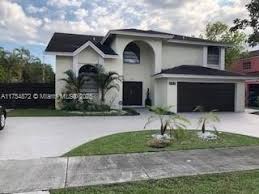
When it comes to buying a home, many prospective buyers might come across a property labeled as “bank owned.” This term, commonly seen in real estate listings, refers to homes that have been foreclosed upon and are now owned by the bank or lender that financed the original mortgage. Bank owned homes can offer a great opportunity for homebuyers, but there are several aspects to understand before pursuing this type of real estate purchase.

See What’s on the Market Right Now

If you're researching homes in Palm Beach County or anywhere in South Florida, explore current listings by city and see what’s available right now.

Explore Homes by City

What is a Bank Owned Home? A Guide for REO Properties

A bank owned home, also referred to as an REO (Real Estate Owned) property, is a house or property that has gone through the foreclosure process and is now owned by the lending institution that took possession of the property after the borrower defaulted on their mortgage. To understand this, let’s first explore the foreclosure process.

How a Home Becomes Bank Owned

The path to a home becoming bank owned begins when a homeowner is unable to make their mortgage payments and defaults on the loan. After missed payments, the lender—usually a bank or a mortgage company—will start the foreclosure process. Foreclosure is a legal procedure that allows the lender to take possession of the property to recover the outstanding debt.

Missed Payments and Pre-Foreclosure: The foreclosure process typically starts after several missed payments, usually after 3–6 months of delinquency. The lender will attempt to work with the homeowner to catch up on payments or modify the loan. However, if this is unsuccessful, the process moves to the next stage.

Notice of Default: If the homeowner fails to reach an agreement with the lender, the bank will file a Notice of Default (NOD) with the county, indicating that the homeowner has defaulted on their loan. This notice publicly records that the home is in jeopardy of foreclosure.

Auction: Once the Notice of Default is filed, the lender will attempt to sell the home through a foreclosure auction. During this auction, the lender sets a minimum bid, typically equal to the amount of the mortgage debt plus legal fees. If no one bids at or above this price, the property remains unsold.

Bank Takes Ownership: If the home doesn’t sell at auction, the bank takes possession of the property, and it becomes bank owned. At this point, the lender will list the property for sale through traditional real estate channels in an effort to recoup as much of the loan balance as possible.

Pros & Cons of Purchasing a Bank Owned Home

Pros of Buying a Bank Owned Home: Buying a bank owned home can present several advantages, but it’s important to proceed with caution. Here are some potential pros of buying a bank owned home:

Lower Purchase Price: Bank owned homes are often priced below market value, providing potential savings for buyers.

Potential for Investment: Bank owned properties may offer opportunities for investors to buy low, renovate, and resell or rent for a profit.

Opportunity for Bargain Deals: If the bank has been holding the property for a while, it may be willing to lower the price further to get it off their books.

Potential for Less Competition (for some buyers): While investors often compete for bank owned homes, some buyers may find less competition compared to the traditional homebuying market.

Cons of Buying a Bank Owned Home: While buying a bank owned home can offer some great deals, there are also cons that come with buying a bank owned home.

Sold As-Is: Bank owned homes are typically sold without any repairs or warranties, meaning buyers are responsible for addressing any issues.

Possible Property Damage: Many bank owned homes have been vacant for an extended period, leading to potential damage from neglect, vandalism, or weather.

Limited Disclosure: Banks usually don’t provide any type of detailed information about the property’s history or maintenance, leaving buyers with little insight into past issues.

Longer Closing Process: The bank’s bureaucracy and paperwork can result in a longer and more complicated closing process compared to traditional home purchases.

Competition from Investors: Many bank owned homes attract investors with cash offers, making it more difficult for regular buyers to compete especially those obtaining financing.

Higher Risk of Title Issues: Although banks usually provide clear titles, problems can still arise, especially if the foreclosure process wasn’t handled properly.

Curious What Your Home Might Be Worth?

Home values across Palm Beach County and South Florida change constantly. See what buyers may currently be willing to pay for homes in your neighborhood.

Check Your Home Value

How to Buy a Bank Owned Home

If you decide to pursue the purchase of a bank owned home, it’s important to approach the transaction with the right knowledge and preparation. Here are steps to follow when buying a bank owned property:

  1. Get Pre-Approved for Financing: Before you start shopping for bank owned homes, if you are not paying cash, make sure you have financing lined up. This means getting pre-approved for a mortgage, exploring the different loan programs you qualify for and obtaining a pre-approval letter for the loan program you select.

  2. Work with an Experienced Real Estate Agent: Bank owned homes can have unique nuances, so working with an experienced real estate agent is a must. An agent familiar with REO properties can help you identify potential issues, negotiate with the bank, and guide you through the entire home buying process.

  3. Submit a Competitive Offer: When making an offer on a bank owned home, be prepared to submit a competitive offer. Also, expect for the bank to use their own contracts, which will be in their favor. Since banks are interested in recouping their losses quickly, they may be more likely to accept an offer below list price as long as it makes financial sense.

  4. Conduct a Thorough Inspection: Always invest in a professional home inspection to uncover any hidden problems with the property. This will help you determine whether the home is worth the investment or if the necessary repairs will exceed the market value of the property.

  5. Be Prepared for a Lengthy Process: As mentioned earlier, the process of buying a bank owned home can take longer than buying a traditional home. Be patient, and ensure you have all of your financing and documents in order to avoid delays. Also, be prepared for the deal to fall apart. Most banks will put a clause in their contract giving them the right to cancel the contract for specific reasons.

Frequently Asked Questions About Buying a Bank-Owned Home

Are bank-owned homes cheaper than traditional homes? Bank-owned homes are often priced below market value. This is because the bank wants to quickly sell the property and recover its losses, which can make bank-owned homes an attractive option for buyers looking for a bargain. However, not all bank owned will be cheaper in the end.

Do bank-owned homes come with a warranty or guarantees? No, bank-owned homes are typically sold “as-is.” The bank will not make repairs or offer any warranties, so it’s important for buyers to do their due diligence.

Can I negotiate the price of a bank-owned home? While banks are motivated to sell the property, they often have a fixed price or limited flexibility on the sale price. However, there may still be room for negotiation, especially if the property has been on the market for a while or requires significant repairs.

Do I need to make an offer on a bank-owned home quickly? Bank-owned homes can be priced competitively, so it’s advisable to make an offer quickly, but only if you’re interested.

Can I see the inside of a bank-owned home before making an offer? Yes, most bank-owned homes are listed with a real estate agent and are available for showings.

What happens if a bank-owned home is in poor condition? If the home is in poor condition, the buyer may have to pay for extensive repairs. While banks typically price these properties lower to account for the cost of repairs, it’s important to factor in potential renovation costs before making a purchase.

Is the closing process for a bank-owned home different from a traditional home purchase? Yes, the closing process for a bank-owned home can be more complex and take longer. Banks often require additional paperwork and may take longer to review offers or respond to buyers. It’s essential to be patient and work with a knowledgeable real estate agent to help guide you through the process.

Can I make repairs to a bank-owned home before closing? No, typically repairs are not allowed before closing. The property will be sold “as-is,” and any necessary repairs must be handled by the buyer after the closing.

Do bank-owned homes have liens or unpaid taxes? Banks usually clear any existing liens or unpaid taxes before listing the property for sale. However, it’s important for buyers to perform due diligence and confirm that the property has a clear title.

Can I make an offer on a bank-owned home with contingencies? Yes, you can make an offer with contingencies, such as a financing contingency or an inspection contingency. However, keep in mind that banks may not be as flexible with contingencies as individual sellers, and they might prefer offers without them to speed up the process.

What should I do if I’m interested in buying a bank-owned home? Start by getting pre-approved for financing, if you’re not paying cash. Work with a real estate agent experienced in REO properties to help guide you through the process. Ensure you schedule a thorough home inspection to identify any hidden issues, and be prepared for a potentially longer closing timeline.

Final Thoughts


A bank owned home can be an attractive option for homebuyers looking for a bargain or investors interested in flipping or renting properties. However, buying a bank owned home isn’t for everyone nor is it always the best “deal.” So before a buyer jumps in with both feet they need to understand what they’re jumping into a local agent will be able to guide them through the process.

Real Estate Resources for South Florida

If you're researching homes or following the South Florida real estate market, exploring listings and property values can provide helpful context for understanding local neighborhoods and housing trends across Palm Beach County.


About the Authors

Chris and Sue Kull are South Florida real estate professionals with more than three decades of experience helping buyers, sellers, and property owners navigate the housing market throughout Palm Beach County and surrounding communities.

Their work focuses on providing clear information, local market insight, and practical guidance so clients can make confident real estate decisions. Over the years they have built a trusted network of industry professionals—including lenders, inspectors, contractors, and legal specialists—to support every stage of the real estate process.

You can explore additional resources, community guides, and real estate tools at www.TheKullGroup.com.

If you have questions about buying, selling, or understanding the local real estate market, you can reach out through our contact page.
Oct. 19, 2025

What to Know Before Buying a Waterfront Home in South Florida

waterfront-home-south-florida.jpg

What to Know Before Buying a Waterfront Home in South Florida

As a real estate agent specializing in South Florida properties, I often get questions about buying waterfront homes. It’s easy to see why—the idea of living on the water is a dream for many. But there’s a lot to consider before committing. Let me walk you through what you need to know to make the right choice, whether you’re eyeing the ocean, a lake, or a canal.

See What’s on the Market Right Now

If you're researching homes in Palm Beach County or anywhere in South Florida, explore current listings by city and see what’s available right now.

Explore Homes by City

Types of Waterfront Homes

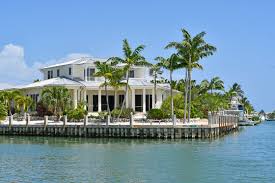
The term “waterfront home” can mean many different things, especially in South Florida. Unlike some areas of the country that may only have lakefront properties, South Florida offers a variety of waterfront options. Here’s an overview of the types of waterfront homes you’ll find in South Florida:

  • Oceanfront Homes: These homes are the epitome of waterfront living, offering breathtaking ocean views and the refreshing scent of the salty breeze. Some may even include private beach access.

  • Intracoastal Waterway Homes: Perfect for boating enthusiasts, these homes are located on the Intracoastal Waterway—a network of canals and inlets that connect to the ocean. You’ll often find private docks and calmer waters here as well.

  • Lakefront Homes: South Florida’s natural and man-made lakes offer a serene setting and depending on the size may offer activities like kayaking or fishing.

  • Canal Homes: Canals in the area are typically non-navigable, serving primarily as drainage or irrigation channels to manage water levels in the region’s flat, low-lying terrain. Unlike navigable canals, these waterways are too shallow or narrow for boats. They commonly run through residential neighborhoods, agricultural lands, and natural landscapes.

  • Man-Made Lakefront Homes: Found in many planned communities, these homes provide a controlled environment with beautiful water views and fewer risks like flooding or erosion.

What’s More Important: Location or Waterfront Type?

When buying a waterfront home in South Florida, deciding whether location or waterfront type is more important depends on your specific needs and lifestyle. Location will determine the types of waterfront options available, as some areas only offer specific types, such as oceanfront, lakefront, or canal. Similarly, selecting a specific waterfront type will limit the areas or neighborhoods you can choose from.

For instance, if being close to work, schools, or amenities is your main priority, you may need to be flexible with the type of waterfront. On the other hand, if you’re set on having oceanfront property, your options will be limited to certain coastal neighborhoods.

It’s all about finding the right balance between location and waterfront type based on what matters most to you.

Pros of Buying a Waterfront Home

Let’s talk about why waterfront homes are so desirable. Here are some of the top reasons my clients fall in love with them:

  • Stunning Views: There’s nothing like waking up to a water view. It adds a sense of peace and beauty to your daily life.

  • Water Activities: If you love boating, fishing, paddleboarding, or just lounging by the water, some waterfront homes make it convenient.

  • Privacy: Many waterfront homes are tucked away in less crowded areas, offering a sense of exclusivity.

  • Investment Potential: Waterfront properties tend to hold their value well and often appreciate faster than non-waterfront homes.

  • Vacation Rental Income: If you’re not living there full-time, your waterfront home could generate significant income as a rental.

Cons of Buying a Waterfront Home

Of course, no property is perfect, and waterfront homes come with their share of challenges. Here’s what you need to consider:

    • Higher Costs: These homes often come with steeper price tags, property taxes, and insurance premiums.

    • Maintenance: Saltwater, humidity, and exposure to the elements can take a toll. You’ll need to stay on top of maintenance for things like seawalls, docks, and the home itself.

    • Flood Risk: Living near water means a higher risk of flooding, so flood insurance is a must.

    • Environmental Regulations: These properties are subject to stricter laws, which can limit what you can build or modify.

    • Privacy Concerns: Depending on the location, you might deal with foot or boat traffic near your property.

    • Seawalls and Docks: These can be expensive to repair or replace, so it’s important to know their condition upfront.

    • Utilities: Some waterfront properties may require expensive specialized systems for water, sewage, or electricity.

Curious What Your Home Might Be Worth?

Home values across Palm Beach County and South Florida change constantly. See what buyers may currently be willing to pay for homes in your neighborhood.

Check Your Home Value

Questions to Consider When Buying a Waterfront Home

  1. What is the water’s depth and clarity?

  2. How prone is the area to flooding or storms?

  3. What recreational activities are allowed?

  4. How accessible is the waterfront for recreational activities?

  5. What are the property setbacks from the water?

  6. What is the level of privacy?

  7. What is the local wildlife like?

  8. Are there any current or potential environmental concerns?

  9. What maintenance will be required for the waterfront?

  10. What are the views like?

  11. How much boat traffic or noise is typical?

  12. What is the availability of amenities like docks or piers?

  13. What are the zoning laws and regulations for construction?

  14. What types of inspections should you conduct?

These questions will help you make a more informed and educated decision when buying a waterfront home.

How I Can Help You Find Your Dream Waterfront Home

As your real estate agent, my goal is to make the process of buying a waterfront home as smooth as possible. I’ll guide you through every step, from identifying the right type of property to navigating local regulations and negotiating the best deal. My local expertise ensures you’ll find a home that fits your lifestyle and budget.

Real Estate Resources for South Florida

If you're researching homes or following the South Florida real estate market, exploring listings and property values can provide helpful context for understanding local neighborhoods and housing trends across Palm Beach County.


About the Authors

Chris and Sue Kull are South Florida real estate professionals with more than three decades of experience helping buyers, sellers, and property owners navigate the housing market throughout Palm Beach County and surrounding communities.

Their work focuses on providing clear information, local market insight, and practical guidance so clients can make confident real estate decisions. Over the years they have built a trusted network of industry professionals—including lenders, inspectors, contractors, and legal specialists—to support every stage of the real estate process.

You can explore additional resources, community guides, and real estate tools at www.TheKullGroup.com.

If you have questions about buying, selling, or understanding the local real estate market, you can reach out through our contact page.

Oct. 19, 2025

Wellington FL Zip Codes | The Ultimate Guide

Wellington-FL-Zip-Codes-Map.jpg

Wellington FL Zip Codes | The Ultimate Guide

Wellington Florida, renowned as the winter equestrian capital of the world, is a picturesque village nestled in the western region of Palm Beach County, Florida. Whether you're planning a move or already reside in this idyllic village, understanding Wellington FL zip codes is crucial.

See What’s on the Market Right Now

If you're researching homes in Palm Beach County or anywhere in South Florida, explore current listings by city and see what’s available right now.

Explore Homes by City

What are Zip Codes?

Zip codes are numerical codes used in postal addresses to efficiently sort and deliver mail. Introduced by the United States Postal Service in 1963 as part of the "Zone Improvement Plan" (ZIP), each code corresponds to a specific geographic area, facilitating mail delivery and providing valuable data for demographic analysis and targeted marketing.

Importance of Wellington FL Zip Codes

Wellington FL zip codes play a pivotal role in community life. They ensure efficient mail delivery, aid in geographic identification for data analysis, and streamline services like emergency response and urban planning. Understanding these codes is essential for navigating the nuances of Wellington's neighborhoods and amenities.

Exploring Wellington FL Zip Codes

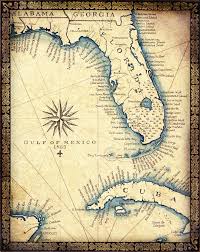
Despite its compact size of approximately 45.23 square miles, Wellington boasts four distinctive zip codes: 33414, 33411, 33449, and 33470. Each code offers unique experiences and amenities, catering to diverse preferences and lifestyles.

Wellington FL Zip Code 33414

The primary zip code for Wellington, 33414, encompasses the village's iconic landmarks and neighborhoods. Home to the Palm Beach International Equestrian Center (PBIEC), it hosts world-renowned events like the Winter Equestrian Festival (WEF) and the Global Dressage Festival. Beyond equestrian attractions, 33414 features a variety of residential options, from condos to luxury estates, along with shopping districts like The Mall at Wellington Green and recreational spots such as Village Park.

Within zip code 33414, residents enjoy access to Wellington Regional Hospital, numerous restaurants offering diverse cuisines, and entertainment venues like Movies at Wellington and CMX Movie Theatre. The educational landscape is robust, with all public schools serving Wellington located within this zip code, ensuring convenient access to quality education for families.

Curious What Your Home Might Be Worth?

Home values across Palm Beach County and South Florida change constantly. See what buyers may currently be willing to pay for homes in your neighborhood.

Check Your Home Value

Wellington FL Zip Code 33411

Zip code 33411 covers parts of Royal Palm Beach and West Palm Beach, with only a small section extending into Wellington. Notable for communities like Buena Vida, an active adult 55+ neighborhood, and Palm Beach Central High School, this area offers a blend of residential areas and commercial centers.

Buena Vida stands out as the sole Wellington neighborhood within the 33411 zip code, featuring single-family homes in a gated community setting. Residents here enjoy amenities such as a clubhouse, fitness center, swimming pool, and tennis courts, catering specifically to the active adult lifestyle. Nearby, Palm Beach Central High School provides educational opportunities for local students, offering a comprehensive curriculum and extracurricular activities.

Wellington FL Zip Code 33449

Primarily located in the Lake Worth area, zip code 33449 includes several Wellington neighborhoods such as Versailles and Isles at Wellington. While these areas enjoy proximity to shopping centers like Woods Walk and Marketplace at Wycliffe, they are officially part of Lake Worth, Florida.

Versailles, a prestigious gated community within zip code 33449, offers luxury estate homes with expansive floor plans and upscale amenities. Residents benefit from exclusive club facilities, including a fitness center, spa services, and tennis courts, creating a resort-like living experience. Nearby, Isles at Wellington provides a mix of single-family homes and townhouses, appealing to families seeking a community-oriented environment with recreational amenities and scenic views.

Wellington FL Zip Code 33470

Zip code 33470 encompasses Wellington's rural western region, featuring communities like Rustic Ranches, Loxahatchee, and Loxahatchee Groves. Known for its tranquil environment and spacious residential lots, this area appeals to nature enthusiasts seeking a serene lifestyle.

Rustic Ranches, situated off Flying Cow Road within zip code 33470, offers equestrian-centric properties with expansive land parcels and custom-built homes. Residents here enjoy the freedom of rural living combined with proximity to Wellington's amenities, making it an ideal choice for horse enthusiasts and outdoor enthusiasts alike. Nearby, Loxahatchee and Loxahatchee Groves provide additional residential options amidst natural landscapes, fostering a peaceful retreat from urban life.

Choosing the Right Wellington FL Zip Code

Selecting the ideal Wellington zip code depends on individual preferences and lifestyle needs. Families may favor zip code 33414 for its top-rated schools and family-oriented amenities, while nature enthusiasts might gravitate towards zip code 33470 for its scenic beauty and outdoor activities. Golf enthusiasts can explore zip codes like 33449 and 33414, known for their proximity to prestigious golf courses.

Final Thoughts

This comprehensive guide to Wellington FL zip codes serves as a valuable resource for residents, newcomers, and anyone interested in exploring this charming village. Whether you're captivated by its equestrian legacy, family-friendly communities, or rural landscapes, each zip code offers a unique glimpse into Wellington's diverse character. Explore these codes to uncover the distinctive charm and lifestyle opportunities that Wellington, Florida, has to offer.

Real Estate Resources for South Florida

If you're researching homes or following the South Florida real estate market, exploring listings and property values can provide helpful context for understanding local neighborhoods and housing trends across Palm Beach County.


About the Authors

Chris and Sue Kull are South Florida real estate professionals with more than three decades of experience helping buyers, sellers, and property owners navigate the housing market throughout Palm Beach County and surrounding communities.

Their work focuses on providing clear information, local market insight, and practical guidance so clients can make confident real estate decisions. Over the years they have built a trusted network of industry professionals—including lenders, inspectors, contractors, and legal specialists—to support every stage of the real estate process.

You can explore additional resources, community guides, and real estate tools at www.TheKullGroup.com.

If you have questions about buying, selling, or understanding the local real estate market, you can reach out through our contact page.
Oct. 19, 2025

5 Simple Home Renovations To Make Before You Sell

Simple-Home-Renovations-Before-Selling.jpg

5 Simple Home Renovations To Make Before You Sell

Selling your home is a significant milestone, whether you're moving to a new adventure or capitalizing on your investment. To ensure your home stands out in the competitive real estate market and fetches the best price, consider these straightforward yet impactful renovations. They are budget-friendly and can be completed over a spare weekend with a bit of do-it-yourself (DIY) spirit.

Curious What Your Home Might Be Worth?

Home values across Palm Beach County and South Florida change constantly. See what buyers may currently be willing to pay for homes in your neighborhood.

Check Your Home Value

List of Home Improvement Projects

1. Painting
A fresh coat of paint can work wonders for your home’s appeal. Whether it’s the interior walls, exterior siding, or both, painting gives your home a clean, updated look. Opt for neutral colors like soft grays, beiges, or whites to appeal to a broad range of buyers. Neutral tones create a blank canvas that helps potential buyers envision their own style in the space.

If your walls are currently painted in bold or personalized colors, consider repainting them to create a more universally appealing atmosphere. Fresh paint not only covers up scuffs and marks but also signals to buyers that the home has been well-maintained.

2. Bathroom
Bathrooms are key selling points in any home. Even minor updates can make a big difference in how potential buyers perceive your property. Start by ensuring all fixtures are in good working condition. Replace old faucets, showerheads, and towel racks with modern, stylish alternatives.

For a more substantial upgrade, consider replacing worn-out countertops with granite or quartz for a touch of luxury. Update light fixtures to improve brightness and ambiance, and apply fresh caulking around the bathtub and sink to create a clean, well-maintained appearance.

3. Flooring
Flooring is another area where small investments can yield significant returns. If your budget allows, consider installing hardwood floors in main living areas. Hardwood is highly desirable among buyers for its durability and timeless appeal. If hardwood installation isn’t feasible, refinishing existing hardwood floors or replacing worn-out carpeting can still breathe new life into your home.

For homes with existing hardwood floors, refinishing them can restore their original luster and appeal. Carpeted areas should be thoroughly cleaned or replaced if they show signs of wear or staining. Remember, flooring sets the tone for each room and can greatly influence a buyer’s perception of the space.

4. Landscaping
First impressions matter, and the exterior of your home is the first thing potential buyers will see. Enhance curb appeal by tidying up your landscaping. Trim overgrown bushes, mow the lawn regularly, and plant seasonal flowers for added color. A well-maintained yard signals to buyers that the home has been cared for and is move-in ready.

Consider adding outdoor lighting to highlight landscaping features and improve visibility at night. Address any bare patches in the lawn and apply fresh mulch to flower beds for a polished, cohesive look. Investing in landscaping improvements can significantly enhance your home’s curb appeal and attract more potential buyers.

5. Declutter
Before showing your home to potential buyers, decluttering is essential. Clear out personal items such as family photos, excess furniture, and knick-knacks to create a clean, neutral space. The goal is to help buyers visualize themselves living in the home and imagine their own belongings in the space.

Pay special attention to high-traffic areas like kitchens, living rooms, and bedrooms. Remove excess clutter from countertops, closets, and storage areas to make these spaces appear larger and more inviting. Organize closets and cabinets to showcase storage potential, which is a major selling point for many buyers.

See What’s on the Market Right Now

If you're researching homes in Palm Beach County or anywhere in South Florida, explore current listings by city and see what’s available right now.

Explore Homes by City

Final Thoughts

Preparing your home for sale doesn’t have to be overwhelming or expensive. By focusing on these five key renovations—painting, bathroom updates, flooring improvements, landscaping enhancements, and decluttering—you can maximize your home’s appeal and increase its market value. These projects are designed to make a lasting impression on potential buyers and set your home apart in a competitive market.

Investing time and effort into these renovations before listing your home can pay off handsomely in terms of a faster sale and higher offers. Remember, first impressions are crucial, so make sure your home shines from the moment buyers pull into the driveway.

Real Estate Resources for South Florida

If you're researching homes or following the South Florida real estate market, exploring listings and property values can provide helpful context for understanding local neighborhoods and housing trends across Palm Beach County.


About the Authors

Chris and Sue Kull are South Florida real estate professionals with more than three decades of experience helping buyers, sellers, and property owners navigate the housing market throughout Palm Beach County and surrounding communities.

Their work focuses on providing clear information, local market insight, and practical guidance so clients can make confident real estate decisions. Over the years they have built a trusted network of industry professionals—including lenders, inspectors, contractors, and legal specialists—to support every stage of the real estate process.

You can explore additional resources, community guides, and real estate tools at www.TheKullGroup.com.

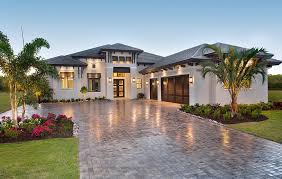
If you have questions about buying, selling, or understanding the local real estate market, you can reach out through our contact page.
Oct. 19, 2025

7 Things to Expect When Renting a Home in Wellington Florida

Wellington-Florida-Rentals.jpg

7 Things to Expect When Renting a Home in Wellington Florida

Renting a home in Wellington, Florida, can be both exciting and challenging, especially given the unique dynamics of the local rental market. Whether you're new to the area or a seasoned renter, understanding these key aspects will help you navigate the process smoothly and ensure a successful rental experience.

See What’s on the Market Right Now

If you're researching homes in Palm Beach County or anywhere in South Florida, explore current listings by city and see what’s available right now.

Explore Homes by City

1. Slim Pickings

Wellington, known for its equestrian events and vibrant community, experiences fluctuations in rental inventory throughout the year. Particularly during peak seasons, such as winter months when South Florida enjoys a surge of seasonal residents, the availability of rental homes can be limited. While this may not affect unfurnished annual rentals as much, prospective tenants should be prepared to act quickly when suitable properties become available. The end of the year typically sees a reduction in inventory, largely due to the holiday season, when many prefer not to relocate.

2. No Negotiating

In a competitive rental market like Wellington, landlords often set firm rental rates and deposit requirements. With high demand and limited availability, tenants should expect to pay the full amount upfront, including first and last month’s rent along with a security deposit equivalent to one month’s rent. This practice is standard among landlords seeking to minimize financial risks and ensure that prospective tenants are serious about renting.

3. Quick Possession

When searching for rental homes in Wellington, prospective tenants will find that properties are generally available for immediate occupancy. Landlords typically aim to minimize vacancies and start collecting rent as soon as possible. While this means tenants can often move in promptly, it also requires them to be prepared to finalize arrangements and commence the lease within a short timeframe, typically within 1-4 weeks of application approval.

4. Income Requirements

Almost every landlord in Wellington imposes income requirements on prospective tenants. This criterion ensures that tenants have sufficient financial stability to meet their rental obligations consistently. While specific income thresholds may vary, a common guideline is that tenants should earn at least three times the monthly rent. This standard helps landlords assess the tenant's ability to afford the rent comfortably without financial strain.

5. Credit Score

Creditworthiness plays a crucial role in the rental application process in Wellington. Landlords typically require tenants to have a good credit score to demonstrate their financial responsibility. While specific credit score thresholds may vary among landlords, scores above 700 are generally preferred. Some landlords may consider tenants with credit scores in the mid to high 600s, depending on other factors such as rental history and income stability. Tenants should be prepared to disclose their credit score and explain any negative items, such as bankruptcies or foreclosures, which could impact their application.

6. As-Is Condition

When renting a home in Wellington, tenants should expect the property to be leased in its current condition, often referred to as "as-is." This means that the property will be delivered to the tenant in the same state as viewed during showings. Landlords typically make necessary repairs and upgrades before listing the property for rent. If tenants have specific requests for improvements, such as painting or flooring upgrades, they should address these during the negotiation phase. However, it's essential to understand that landlords may prioritize tenants who accept the property as-is, especially in a competitive rental market.

7. Pet Policy

Many landlords in Wellington recognize the importance of pets to their tenants and are willing to accommodate them under specific guidelines. However, tenants should be aware that landlords may impose restrictions on the type, number, size, and breed of pets allowed in their rental properties. Additionally, if the rental property is governed by a homeowners association (HOA), there may be additional pet-related regulations and restrictions. Prospective tenants with pets should clarify these policies with landlords or property managers before applying to ensure that their furry companions are welcome in their new home.

Curious What Your Home Might Be Worth?

Home values across Palm Beach County and South Florida change constantly. See what buyers may currently be willing to pay for homes in your neighborhood.

Check Your Home Value

Final Thoughts

Renting a home in Wellington, Florida, requires careful preparation and understanding of the local rental market dynamics. Whether you choose to work with a knowledgeable Realtor or navigate the process independently, being informed about these seven key factors will help you make informed decisions and streamline your rental search. By proactively addressing income requirements, creditworthiness, and property conditions, tenants can enhance their chances of securing a rental home that meets their needs and expectations.

Real Estate Resources for South Florida

If you're researching homes or following the South Florida real estate market, exploring listings and property values can provide helpful context for understanding local neighborhoods and housing trends across Palm Beach County.


About the Authors

Chris and Sue Kull are South Florida real estate professionals with more than three decades of experience helping buyers, sellers, and property owners navigate the housing market throughout Palm Beach County and surrounding communities.

Their work focuses on providing clear information, local market insight, and practical guidance so clients can make confident real estate decisions. Over the years they have built a trusted network of industry professionals—including lenders, inspectors, contractors, and legal specialists—to support every stage of the real estate process.

You can explore additional resources, community guides, and real estate tools at www.TheKullGroup.com.

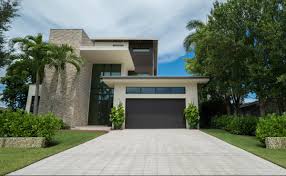
If you have questions about buying, selling, or understanding the local real estate market, you can reach out through our contact page.
Oct. 19, 2025

11 Expenses Associated with Buying a Home in Florida

Florida-Home-Buying-Expenses.jpg

11 Expenses Associated with Buying a Home in Florida

Embarking on the journey of buying a home in Florida is an exciting venture, but it’s vital for buyers to be well-informed about the various expenses that come along with it. In this comprehensive guide, we will delve into the expenses associated with purchasing a home in the Sunshine State. Let’s explore the financial aspects of homeownership in Florida and equip buyers with the knowledge they need to navigate this exciting chapter of their life.

See What’s on the Market Right Now

If you're researching homes in Palm Beach County or anywhere in South Florida, explore current listings by city and see what’s available right now.

Explore Homes by City

Upfront Expenses

There are several upfront expenses associated with buying a home in Florida, and here are the top expenses:

Escrow Deposit

The very first expense a buyer will likely encounter during the home-buying process is putting down an escrow deposit, also known as earnest money. This deposit accompanies an offer or is collected shortly after an offer is accepted. It's typically held by the closing company, a title company, or an attorney, and is applied towards the buyer’s closing costs. The average escrow deposit ranges from 1% to 3% of the purchase price.

Home Inspection

A crucial expense before closing is the cost of a home inspection. While not mandatory, it is highly recommended for buyers to understand any necessary repairs or replacements needed for the home they are purchasing. Costs typically range from $500 to $1,000, depending on the property’s size and location.

Home Appraisal

For buyers obtaining a mortgage, an upfront home appraisal is usually required. This cost varies but averages between $500 to $750, depending on the property’s complexity and location. Cash buyers may opt out of an appraisal, though it remains advisable to assess the property's market value independently.

Survey

Financed buyers should anticipate the cost of a property survey, which verifies compliance with zoning regulations and property boundaries. Costs typically range from $500 to $1,000, depending on property size and location.

Homeowners Insurance

Unless purchasing with cash, buyers must secure homeowners insurance before closing. Costs vary widely across Florida, and policies may include options for flood insurance and varying deductibles. It’s essential for buyers to understand their coverage and associated expenses.

Expenses Paid at Closing

Several expenses associated with buying a home in Florida are paid at closing:

Down Payment

A significant portion of closing costs is attributed to the down payment, which varies based on the buyer’s financial situation and loan type. Traditional down payments aim for 20% of the purchase price, but options exist for lower percentages, such as 3% for first-time buyers or 0% for eligible veterans under VA loans.

Lending Fees

When securing a mortgage, buyers face various fees like application, credit, processing, and origination fees. These charges can amount to hundreds or thousands of dollars, depending on the lender and loan specifics.

Title Fees and Searches

A title search ensures clear property ownership and detects any liens or legal issues. Costs for title services typically range from $500 to $1,000, covering title insurance and legal documentation.

Closing Company Fees

The closing company overseeing the transaction charges escrow or settlement fees, ensuring legal compliance and documentation preparation. Costs generally range from $500 to $1,000.

HOA Fees

Buying within a homeowners association (HOA) includes prorated fees, application fees, and potential capital contributions. These fees support community upkeep and amenities, typically paid before or at closing.

Moving Costs

Relocating to a new home in Florida incurs expenses, whether hiring movers or renting a truck. Costs include packing materials, vehicle rentals, and potential lodging or meal expenses for long-distance moves.

Ongoing Expenses

After purchasing a home in Florida, ongoing expenses include mortgage payments, property taxes, HOA fees, homeowners insurance, maintenance, utilities, and repairs. Buyers should budget for these costs to maintain financial stability and property upkeep.

Curious What Your Home Might Be Worth?

Home values across Palm Beach County and South Florida change constantly. See what buyers may currently be willing to pay for homes in your neighborhood.

Check Your Home Value

Final Thoughts

Buying a home in Florida involves numerous expenses beyond the initial purchase price. Understanding these financial obligations empowers buyers to make informed decisions, ensuring a smooth transition into homeownership. From upfront costs and closing fees to ongoing expenses, preparation is key to navigating the complexities of real estate in the Sunshine State.

Real Estate Resources for South Florida

If you're researching homes or following the South Florida real estate market, exploring listings and property values can provide helpful context for understanding local neighborhoods and housing trends across Palm Beach County.


About the Authors

Chris and Sue Kull are South Florida real estate professionals with more than three decades of experience helping buyers, sellers, and property owners navigate the housing market throughout Palm Beach County and surrounding communities.

Their work focuses on providing clear information, local market insight, and practical guidance so clients can make confident real estate decisions. Over the years they have built a trusted network of industry professionals—including lenders, inspectors, contractors, and legal specialists—to support every stage of the real estate process.

You can explore additional resources, community guides, and real estate tools at www.TheKullGroup.com.

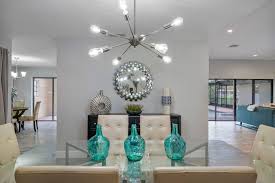
If you have questions about buying, selling, or understanding the local real estate market, you can reach out through our contact page.
Oct. 19, 2025

Top 11 Items Millennials Look for in a Home

Millennials-Home-Buying-Trends.jpg

Top 11 Items Millennials Look for in a Home

Millennials are reshaping the real estate market with their unique preferences and priorities. Born between 1981 and 1996, this generation values certain key features that cater to their lifestyle, career choices, and future plans. As they become a dominant force in the housing market, understanding what drives their home-buying decisions is crucial for sellers and real estate professionals alike.

See What’s on the Market Right Now

If you're researching homes in Palm Beach County or anywhere in South Florida, explore current listings by city and see what’s available right now.

Explore Homes by City

1. Separate Laundry Room

A dedicated laundry space ranks high on the list for millennial buyers. They appreciate the convenience of a separate area for laundry, especially one that integrates with other functional spaces like a mudroom. This allows them to keep household chores organized and separate from their living and entertaining areas.

2. Smart Home Technology

Given their affinity for technology, millennials seek homes equipped with smart devices such as Nest thermostats, smart locks, and automated lighting systems. These features offer convenience and energy efficiency, appealing to their tech-forward lifestyle. Millennials grew up in a fast-paced world of tech, surrounded by desktop computers and gadgets, which is why the Internet is their go-to resource for researching listings. One survey found that 63% of millennials mostly used their smartphones to search for properties.

3. Suburban Location

While urban living appeals to some, many millennials prioritize suburban areas for their affordability, family-friendly environments, and access to amenities like parks, schools, and public transit. The suburbs are appealing to millennial homebuyers due to affordable housing prices and certain amenities. Proximity to work, public transportation and a central downtown is equally important. Millennials also prefer areas that have convenient access to good public school districts, well-kept parks, jogging trails, and shopping and entertainment.

4. Open Concept

An open floor plan enhances social interactions and entertaining, reflecting millennials' preference for flexible living spaces that blend kitchen, dining, and living areas seamlessly. Unlike their predecessors, millennials like to cook together and build their social experiences around group activities. These types of interactions require flexible, open floor plans that incorporate the kitchen and dining room areas. Closed-off formal dining rooms were once a home necessity, but they do not have much charm for young people today. An open floor plan offers an airy appeal, and is a must-have for young buyers since it offers seamless entertaining for any event.

5. Outdoor Access

The environmentally friendly generation values access to green spaces. Today’s young buyers seek a relaxing, outdoor oasis where they can decompress after a long workday and socialize with guests. One study found that 57% of millennials prefer living in the suburbs so they can have more access to larger backyards and public green areas. Functional outdoor spaces that include a kitchen, fire pit, patio, deck, pool, front porch or vegetable garden have vast appeal. An indoor/outdoor living space with a seating and dining area also allows homeowners to expand their square footage to include the outdoors.

6. Strong Community

Millennials seek a strong sense of community in their daily lives, and place a priority on the neighborhood when searching for a home. Selling points that are likely to draw millennials include living areas with rooftop bars, outdoor dining options, monthly social events and coworking spaces for their flexible careers. Being near coffee shops, fitness facilities and yoga studios helps millennials feel like they belong to a community. Pet-friendly and golf course communities are also favored by young homebuyers. In fact, one survey found that 33% of millennials were influenced by their pets — not children or marriage — when purchasing their first home.

7. Storage Solutions

Ample storage options, including walk-in closets and functional kitchen pantries, help millennials maintain an organized and clutter-free home environment. Young homebuyers seek ample storage when house hunting. Storage can come in many forms, such as a walk-in pantry, linen closet, sizable garage and walk-in closet. Having plenty of built-in storage makes it easier for millennials to keep their homes clutter-free and embrace a simpler lifestyle. Storage solutions also can make a home seem more spacious and refined.

8. Updated Kitchen

Modern kitchens with features like farmhouse sinks, stainless steel appliances, and central islands are crucial for millennials who view the kitchen as a focal point for social gatherings and culinary creativity. These days, the kitchen is not just for cooking purposes — Gen Y homeowners are using the space to entertain. They desire a modern, expansive kitchen that flows into the living room. Essential items millennial buyers favor in kitchens include:

  • Farmhouse sinks

  • Stainless steel appliances

  • Sub-zero refrigerators

  • Recessed lighting

  • Built-in microwaves and wine coolers

  • Central islands with a sink or range

9. Home Office Space

With remote work on the rise, dedicated home office spaces are a must-have for millennials balancing work and lifestyle preferences. Just as Gen Y is transforming the home market, it is also changing the workplace. Many millennials have careers where they can work from the comfort of their home. Prospective homebuyers seek a dedicated space where they can work and take conference calls during the day. Home sellers can showcase a dwelling’s live/work versatility by highlighting flexible spaces that can be converted into an office.

10. Revamped Bathroom

Since most millennial homebuyers are often buying a house on a budget, a dwelling with outdated bathrooms can be a major turnoff. Young buyers are looking for comfort in a bathroom, with trendy features such as high-tech showerheads, vanities with two sinks, a shower and tub in the master bath, and an updated bathroom. High-tech showerheads and updated bathrooms appeal to millennial buyers looking for comfort and style.

Curious What Your Home Might Be Worth?

Home values across Palm Beach County and South Florida change constantly. See what buyers may currently be willing to pay for homes in your neighborhood.

Check Your Home Value

Real Estate Resources for South Florida

If you're researching homes or following the South Florida real estate market, exploring listings and property values can provide helpful context for understanding local neighborhoods and housing trends across Palm Beach County.


About the Authors

Chris and Sue Kull are South Florida real estate professionals with more than three decades of experience helping buyers, sellers, and property owners navigate the housing market throughout Palm Beach County and surrounding communities.

Their work focuses on providing clear information, local market insight, and practical guidance so clients can make confident real estate decisions. Over the years they have built a trusted network of industry professionals—including lenders, inspectors, contractors, and legal specialists—to support every stage of the real estate process.

You can explore additional resources, community guides, and real estate tools at www.TheKullGroup.com.

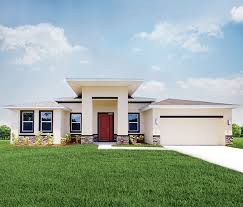
If you have questions about buying, selling, or understanding the local real estate market, you can reach out through our contact page.
Oct. 18, 2025

5 Innovative Metal Wall Decor Ideas for Your Home

Innovative-Metal-Wall-Decor-Ideas.jpg

5 Innovative Metal Wall Decor Ideas for Your Home

Metal wall decor offers a unique blend of elegance, durability, and versatility, making it a popular choice for enhancing the aesthetic appeal of any home. Whether you're looking to create a focal point in your living room or add a touch of sophistication to your bedroom, metal wall art comes in various styles, colors, and textures to suit every taste and space. In this comprehensive guide, we'll explore five innovative metal wall decor ideas that can transform your home into a stylish sanctuary.

See What’s on the Market Right Now

If you're researching homes in Palm Beach County or anywhere in South Florida, explore current listings by city and see what’s available right now.

Explore Homes by City

1. Large-Scale Metal Wall Decor

Make a bold statement with oversized metal wall art that commands attention in your main living spaces. Whether you prefer geometric patterns, floral designs, or abstract art, choosing a large-scale piece can instantly elevate the ambiance of a room. Opt for a single-color piece to complement your existing decor or go for a vibrant abstract design to add a pop of color to neutral walls. The key is to ensure that the wall decor enhances rather than overwhelms the space, creating a harmonious balance with your furnishings.

2. Abstract Metal Gallery Wall

Embrace the latest decor trend by creating an abstract gallery wall using metal art pieces. Mix and match different textures, shapes, and sizes to create a visually dynamic display that reflects your personal style. From statement pieces to wrought iron signage, an abstract gallery wall can transform any blank wall into a captivating focal point. Consider extending the gallery wall vertically to draw the eye upward, creating an illusion of height and adding depth to the room. For an extra touch of ambiance, incorporate small lights that illuminate the metallic textures and create a cozy atmosphere.

3. Metallic Mirrors

Mirrors are not just functional; they can also serve as stunning decorative elements in your home. Metallic mirrors, in particular, can amplify natural light and create the illusion of a larger space. Experiment with different mirror styles such as double-sided metallic mirrors, round aluminum mirrors, or rectangular Mughal mirrors to add a touch of luxury and elegance to any room. Place them strategically in your living room, bedroom, or hallway to enhance the overall decor and reflect your personal style.

4. Metallic Wall Sconces

Enhance your living space with metallic wall sconces that combine functionality with aesthetic appeal. Wall sconces provide ambient lighting and serve as decorative accents that add warmth and sophistication to any room. Ideal for small spaces where floor or table lamps might be impractical, metallic wall sconces come in various designs ranging from minimalist modern styles to ornate vintage motifs. Choose sconces that complement your existing decor and enhance the ambiance of the room, whether you place them in the hallway, living room, or bedroom.

5. Floral Metal Wall Decor

Bring the beauty of nature indoors with floral metal wall decor that adds a touch of elegance and charm to your home. Floral patterns crafted from metal offer a unique blend of durability and artistic craftsmanship, making them ideal for accentuating empty walls or creating a focal point above beds and sofas. Choose from intricate floral designs in various colors and finishes to complement your interior style. Whether you prefer botanical motifs or abstract floral patterns, floral metal wall decor can transform any room into a vibrant and inviting space.

Advantages of Incorporating Metal Wall Decor in Your Home

In addition to its aesthetic appeal, metal wall decor offers several practical benefits that make it a worthwhile investment for homeowners. Metal art pieces are durable and resistant to weather conditions, making them suitable for both indoor and outdoor use. Unlike fabric or paper wall decorations, metal wall art requires minimal maintenance and can withstand the test of time with proper care. Additionally, metal decor is versatile and can be easily rearranged to refresh the look of a room without replacing the art itself, providing flexibility in home decor.

Curious What Your Home Might Be Worth?

Home values across Palm Beach County and South Florida change constantly. See what buyers may currently be willing to pay for homes in your neighborhood.

Check Your Home Value

Final Thoughts on Metal Wall Decor

Metal wall decor is more than just a decorative element; it's a statement of style and sophistication that enhances the ambiance of any living space. Whether you choose large-scale art pieces, abstract gallery walls, metallic mirrors, decorative sconces, or floral motifs, metal wall decor offers endless possibilities for personal expression and creativity in home design. Its durability, aesthetic diversity, and ease of maintenance make it a practical choice for homeowners looking to elevate their interior decor.

As you explore the innovative metal wall decor ideas discussed in this guide, consider how each option can complement your home's architecture and reflect your personal taste. Whether you're redecorating a single room or transforming your entire house, metal wall art provides a timeless elegance and lasting beauty that will enhance your living spaces for years to come.

Real Estate Resources for South Florida

If you're researching homes or following the South Florida real estate market, exploring listings and property values can provide helpful context for understanding local neighborhoods and housing trends across Palm Beach County.


About the Authors

Chris and Sue Kull are South Florida real estate professionals with more than three decades of experience helping buyers, sellers, and property owners navigate the housing market throughout Palm Beach County and surrounding communities.

Their work focuses on providing clear information, local market insight, and practical guidance so clients can make confident real estate decisions. Over the years they have built a trusted network of industry professionals—including lenders, inspectors, contractors, and legal specialists—to support every stage of the real estate process.

You can explore additional resources, community guides, and real estate tools at www.TheKullGroup.com.

If you have questions about buying, selling, or understanding the local real estate market, you can reach out through our contact page.
Oct. 18, 2025

Phenomenal 7-Step Guide to Moving Out of State

moving-out-of-state-guide.jpg

Phenomenal 7-Step Guide to Moving Out of State

Moving out of state is a significant life event that requires careful planning, organization, and a clear understanding of the steps involved. Whether you're relocating for a new job, educational opportunities, or simply seeking a change of scenery, following a structured approach can make the transition smoother and less stressful. In this comprehensive guide, we’ll take you through the essential steps to ensure your out-of-state move is a success.

Curious What Your Home Might Be Worth?

Home values across Palm Beach County and South Florida change constantly. See what buyers may currently be willing to pay for homes in your neighborhood.

Check Your Home Value

Step 1: Research and Planning

Before diving into the logistics of your move, thorough research and strategic planning are essential:

A. Research the New State: Begin by comparing the cost of living, job market, housing options, and climate in the new state compared to your current location. This research will help you determine if the move aligns with your financial and lifestyle goals.

B. Consider Personal Factors: Evaluate personal factors such as family support, educational opportunities, healthcare quality, and cultural differences. Understanding these aspects will help you assess how well you'll adjust to life in the new state.

C. Create a Budget: Moving out of state can incur various expenses, including moving services, travel costs, and potential changes in living expenses. Create a detailed budget that includes these factors, along with a contingency fund for unexpected costs.

Step 2: Organize and Declutter

Moving presents an excellent opportunity to declutter and streamline your belongings:

  1. Sort and Declutter: Begin by categorizing your belongings into items to keep, sell, donate, or discard. This process not only reduces the number of items you need to move but also helps you start fresh in your new home.

  2. Sell and Donate: Consider selling unwanted items through online marketplaces or local garage sales. Donating items in good condition to charities not only reduces clutter but also benefits those in need.

  3. Dispose of Unusable Items: Properly dispose of items that are damaged, broken, or no longer usable. Hazardous materials should be disposed of according to local regulations.

Step 3: Find a New Home

Securing suitable housing is crucial for a successful relocation:

A. Research Neighborhoods: Explore different neighborhoods and communities in the new state. Consider factors such as safety, proximity to work or schools, amenities, and recreational opportunities.

B. Work with a Realtor: Engage a local real estate agent who understands the housing market in your desired area. They can provide valuable insights and assist you in finding a rental property or purchasing a new home.

C. Visit Potential Homes: Whenever possible, visit potential homes in person to get a feel for the neighborhood and the property itself. This firsthand experience can help you make an informed decision.

D. Secure Housing: Once you've found the right property, work with your real estate agent to negotiate terms and finalize the rental or purchase agreement. Ensure all necessary paperwork is in order before moving forward.

Step 4: Notify Key Parties

To ensure a smooth transition, notify relevant parties of your move:

A. Employer and Schools: Inform your current employer and your children's schools about your relocation plans. Coordinate any necessary transfers or adjustments related to employment and education.

B. Service Providers: Contact utility companies, internet providers, and other service providers to arrange for disconnection or transfer of services. Update your address with banks, insurance providers, and any subscriptions or memberships.

C. Change of Address: File a change of address with the postal service to ensure that your mail is forwarded to your new location. This includes updating your address for important documents and correspondence.

Step 5: Coordinate the Move

Efficiently manage the physical aspects of your move with careful planning:

A. Set a Moving Date: Determine a specific date for your move that allows ample time for preparation and logistics. Consider factors such as work schedules, school calendars, and lease agreements.

B. Hire Professional Movers: Research and hire a reputable moving company that specializes in long-distance moves. Alternatively, if you're moving yourself, arrange for a rental truck and necessary equipment.

C. Pack Strategically: Organize and pack your belongings room by room, labeling boxes with their contents and destination. Use sturdy boxes, packing materials, and proper packing techniques to protect fragile items during transit.

D. Arrange for Pets and Children: Moving can be stressful for pets and children. Make arrangements for their care during the move to ensure their safety and well-being.

Step 6: Tie Up Loose Ends

Complete any remaining tasks before leaving your current location:

A. Cancel or Transfer Services: Notify utility providers, internet/cable companies, and other service providers of your move-out date. Arrange for final meter readings and disconnection of services as needed.

B. Close or Transfer Accounts: If necessary, close bank accounts or transfer them to a local branch in your new state. Update your financial information and ensure access to funds during the transition.

C. Say Goodbye: Take time to say goodbye to friends, family, and neighbors. Share your new contact information and stay connected through social media or other communication channels.

Step 7: Settling into the New State

Adjust to your new environment and establish a sense of familiarity:

A. Unpack and Organize: Begin by unpacking essential items and gradually organizing your new home. Prioritize setting up essential services and creating a comfortable living space.

B. Update Legal Documents: Obtain a new driver's license, register your vehicle, and update voter registration as required by state law. Ensure compliance with local regulations to avoid any legal issues.

C. Explore the Community: Take time to explore your new surroundings, discover local amenities, and connect with neighbors. Join community groups or attend local events to meet new people and establish connections.

See What’s on the Market Right Now

If you're researching homes in Palm Beach County or anywhere in South Florida, explore current listings by city and see what’s available right now.

Explore Homes by City

Conclusion

Moving out of state is a complex process that requires careful planning, organization, and adaptation. By following this comprehensive 7-step guide, you'll be well-prepared to navigate the challenges and opportunities of relocating to a new state. Remember to stay flexible and patient throughout the process, and embrace the new opportunities that come with your move. Best of luck with your relocation journey!

Real Estate Resources for South Florida

If you're researching homes or following the South Florida real estate market, exploring listings and property values can provide helpful context for understanding local neighborhoods and housing trends across Palm Beach County.


About the Authors

Chris and Sue Kull are South Florida real estate professionals with more than three decades of experience helping buyers, sellers, and property owners navigate the housing market throughout Palm Beach County and surrounding communities.

Their work focuses on providing clear information, local market insight, and practical guidance so clients can make confident real estate decisions. Over the years they have built a trusted network of industry professionals—including lenders, inspectors, contractors, and legal specialists—to support every stage of the real estate process.

You can explore additional resources, community guides, and real estate tools at www.TheKullGroup.com.

If you have questions about buying, selling, or understanding the local real estate market, you can reach out through our contact page.

Oct. 18, 2025

7 Critical Things You Find in a Home Inspection Report

home-inspection-report.jpg

7 Critical Things You Find in a Home Inspection Report

Before you put your home on the market for sale, it's crucial to have it inspected. A home inspection provides valuable insights into the condition of your property, helping you understand its true value and identify necessary improvements. Here’s a detailed look at what you can expect to find in a comprehensive home inspection report:

See What’s on the Market Right Now

If you're researching homes in Palm Beach County or anywhere in South Florida, explore current listings by city and see what’s available right now.

Explore Homes by City

1. Information About The Property

A home inspection report includes detailed information about the property, such as its architectural style, roofing materials, drainage system, and construction materials used. This data not only helps potential buyers understand the structure but also aids insurance companies in assessing the property’s insurability and value.

2. Pest Assessment

Beyond structural evaluations, home inspectors also provide insights into pest infestations. While they may not conduct pest inspections, they can identify signs of pests like rodents or insects that could compromise the home’s integrity. This information guides homeowners in addressing pest issues promptly.

3. Images of Problematic Areas

High-definition images in the home inspection report highlight specific areas of concern, such as water damage, electrical hazards, or structural defects. These visual references help homeowners and buyers alike understand the severity of issues and plan necessary repairs.

4. Details About Defects

Detailed descriptions of defects found during the inspection are crucial components of the report. From minor issues like peeling paint to major structural concerns, these descriptions provide clarity on what needs immediate attention and what can be addressed over time.

5. Presence Of Water Leaks

Identification of water leaks and moisture issues is paramount in a home inspection. Inspectors look for signs of mold or mildew, which indicate potential water intrusion from sources like plumbing leaks or roof damage. Addressing these issues promptly can prevent costly repairs in the future.

6. Quality of Air In the Home

Assessing indoor air quality is essential for a healthy living environment. Home inspectors note any factors that could affect air quality, such as inadequate ventilation or potential pollutants like mold spores or volatile organic compounds (VOCs). This information helps homeowners take proactive steps to improve air quality.

7. State of Electric and Heating Systems

Evaluation of electrical and heating systems is critical for safety and functionality. Inspectors check for outdated wiring, overloaded circuits, or issues with heating equipment. Recommendations for upgrades or repairs ensure that these systems meet current safety standards and operational efficiency.

Curious What Your Home Might Be Worth?

Home values across Palm Beach County and South Florida change constantly. See what buyers may currently be willing to pay for homes in your neighborhood.

Check Your Home Value

Conclusion

A home inspection report serves as a valuable tool for both sellers and buyers in the real estate transaction process. For sellers, it provides transparency regarding the property’s condition, helping justify its value and minimize negotiations. Buyers benefit by gaining insights into potential repairs and maintenance needs, which can influence their purchasing decisions. Understanding these seven critical elements of a home inspection report empowers both parties to make informed choices in the housing market.

Real Estate Resources for South Florida

If you're researching homes or following the South Florida real estate market, exploring listings and property values can provide helpful context for understanding local neighborhoods and housing trends across Palm Beach County.


About the Authors

Chris and Sue Kull are South Florida real estate professionals with more than three decades of experience helping buyers, sellers, and property owners navigate the housing market throughout Palm Beach County and surrounding communities.

Their work focuses on providing clear information, local market insight, and practical guidance so clients can make confident real estate decisions. Over the years they have built a trusted network of industry professionals—including lenders, inspectors, contractors, and legal specialists—to support every stage of the real estate process.

You can explore additional resources, community guides, and real estate tools at www.TheKullGroup.com.

If you have questions about buying, selling, or understanding the local real estate market, you can reach out through our contact page.