Insights, strategy, and real estate guidance across Palm Beach County.

Oct. 18, 2025

How to Make Eco-Friendly Home Improvements | Top 9 Tips

thekullgroup

How to Make Eco-Friendly Home Improvements | Top 9 Tips

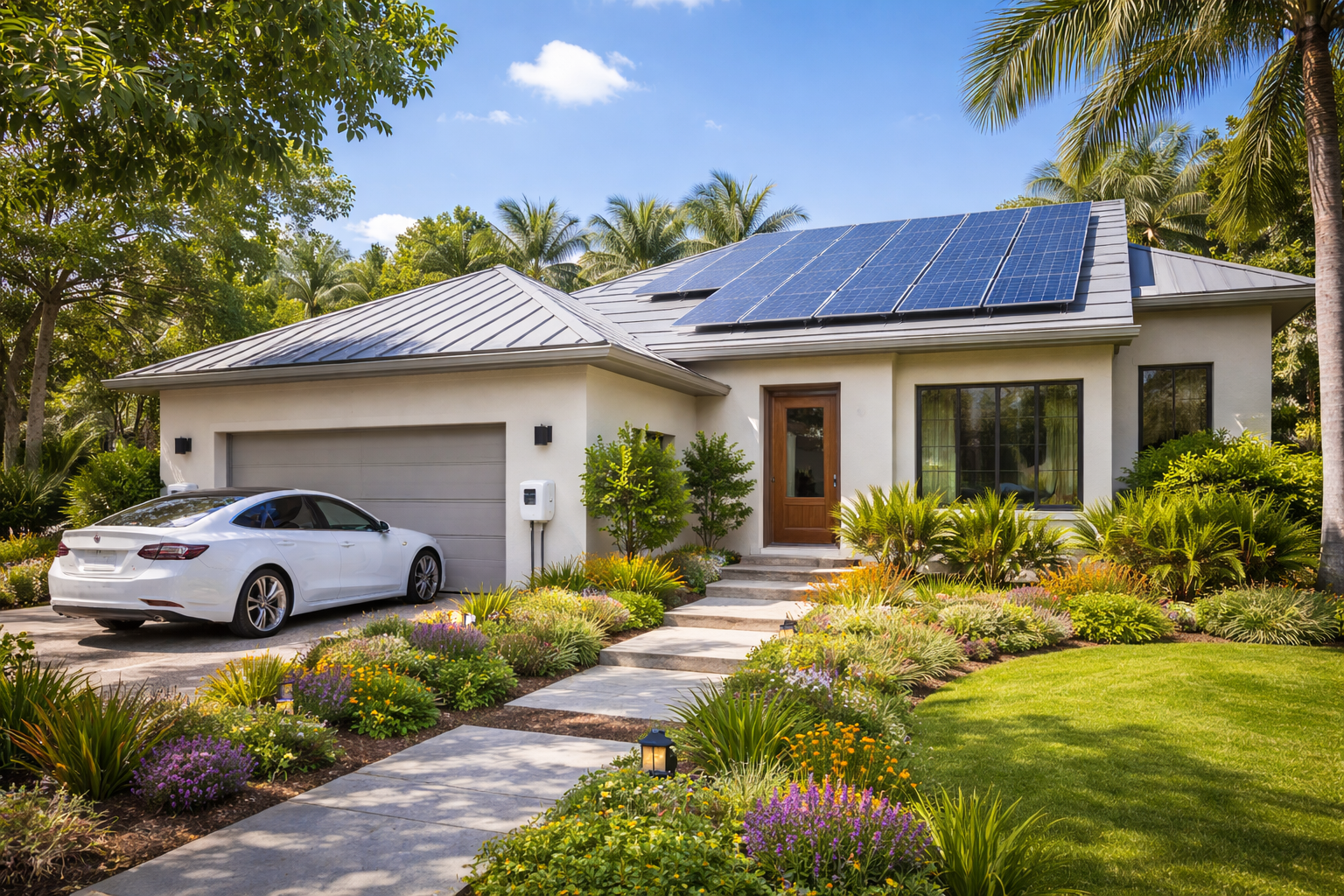
There are numerous reasons to renovate your home, whether you're looking to save on energy bills, enhance curb appeal, or simply create a healthier environment. Opting for eco-friendly home improvements not only conserves resources but also supports sustainable living practices. Here are nine effective strategies to make your home more eco-friendly:

See What’s on the Market Right Now

If you're researching homes in Palm Beach County or anywhere in South Florida, explore current listings by city and see what’s available right now.

Explore Homes by City

Top 9 Eco-Friendly Home Improvements

    1. Use Sustainable Materials
      Using sustainable building materials such as recycled glass and reclaimed wood is a cornerstone of eco-friendly home improvement. These materials help reduce deforestation and minimize environmental impact. Products made from recycled materials, like glass and plastic, offer durability and are resistant to heat and corrosion.

    2. Install Solar Panels
      Consider installing solar panels to harness clean, renewable energy from the sun. While the initial cost may be higher, solar panels can significantly reduce electricity bills over time and lower your carbon footprint. Solar energy systems are reliable and require minimal maintenance, making them a sustainable choice for homeowners.

    3. Paint with Non-VOC Paints
      Volatile organic compounds (VOCs) found in traditional paints can release harmful chemicals into the air, contributing to indoor air pollution and health issues. Opt for low or non-VOC paints from brands like Benjamin Moore, Behr, and Sherwin Williams to improve indoor air quality and create a healthier living environment.

    4. Install Low-Flow Fixtures
      Water conservation is crucial for sustainable living. Install low-flow faucets, showerheads, and toilets to reduce water usage without sacrificing performance. Low-flow fixtures can significantly lower water bills and help conserve freshwater resources.

    5. Refurbish Fixtures & Cabinetry
      Refresh your home by refurbishing existing fixtures, cabinets, and furniture instead of replacing them. Refacing and restyling can give your home a new look while minimizing waste and reducing environmental impact. Consider using eco-friendly paints and finishes for a sustainable upgrade.

    6. Opt for Energy-Efficient Appliances
      Upgrade to ENERGY STAR certified appliances to save energy and reduce utility costs. Energy-efficient refrigerators, air conditioners, and dishwashers consume less electricity, making them environmentally friendly choices for eco-conscious homeowners. Smart appliances with energy-saving features offer additional efficiency benefits.

    7. Upgrade Lighting and Wiring
      Improve energy efficiency by upgrading to LED or CFL bulbs and installing eco-friendly lighting fixtures. Consider installing smart lighting controls and programmable timers to optimize energy usage and reduce electricity consumption. Efficient wiring configurations can further enhance energy savings by controlling lighting zones effectively.

    8. Enhance Insulation
      Proper insulation is key to maintaining indoor comfort and reducing heating and cooling costs. Enhance insulation in walls, floors, and attics to minimize heat loss in winter and prevent heat gain in summer. Effective insulation can significantly improve energy efficiency and reduce carbon emissions.

    9. Choose Used Household Items
      Opt for quality, pre-owned household items when furnishing or accessorizing your home. Buying used items reduces demand for new resources and supports recycling efforts. Look for gently used furniture, appliances, and décor items to minimize environmental impact while adding character to your living spaces.

Curious What Your Home Might Be Worth?

Home values across Palm Beach County and South Florida change constantly. See what buyers may currently be willing to pay for homes in your neighborhood.

Check Your Home Value

Final Thoughts

Embracing eco-friendly home improvements not only enhances your home's efficiency and aesthetics but also promotes environmental sustainability. By incorporating these strategies into your home renovation projects, you can create a healthier, more sustainable living environment for yourself and future generations. Consult with a professional contractor to implement these eco-friendly ideas effectively and maximize the benefits of green home remodeling.

Real Estate Resources for South Florida

If you're researching homes or following the South Florida real estate market, exploring listings and property values can provide helpful context for understanding local neighborhoods and housing trends across Palm Beach County.


About the Authors

Chris and Sue Kull are South Florida real estate professionals with more than three decades of experience helping buyers, sellers, and property owners navigate the housing market throughout Palm Beach County and surrounding communities.

Their work focuses on providing clear information, local market insight, and practical guidance so clients can make confident real estate decisions. Over the years they have built a trusted network of industry professionals—including lenders, inspectors, contractors, and legal specialists—to support every stage of the real estate process.

You can explore additional resources, community guides, and real estate tools at www.TheKullGroup.com.

If you have questions about buying, selling, or understanding the local real estate market, you can reach out through our contact page.

Oct. 18, 2025

Home Security Tips For Homeowners | 10 Tips to Secure Your Home

home-security-tips-for-homeowners.jpg

Home Security Tips For Homeowners | 10 Tips to Secure Your Home

No matter where you live in the world, home security is of paramount importance. Crime prevention is crucial in today's environment where police resources are stretched thin. Taking proactive steps to secure your home not only protects your property but also enhances the safety of your loved ones. Here are ten essential home security tips to help you fortify your residence against potential threats:

Curious What Your Home Might Be Worth?

Home values across Palm Beach County and South Florida change constantly. See what buyers may currently be willing to pay for homes in your neighborhood.

Check Your Home Value

Best Home Security Tips and Tricks

    1. Do a Home Security Audit: Before investing in any security systems, conduct a comprehensive audit of your home. Assess all potential entry points, including doors, windows, garages, and outdoor spaces, to identify vulnerabilities that need attention.

    2. Install High-Quality Deadbolts: Strengthen the security of your exterior doors by installing robust deadbolts. These provide an extra layer of protection against forced entry attempts and should always be used, even when you're at home.

    3. Install a Peephole: Enhance door security with the installation of peepholes on your front and back doors. This simple addition allows you to safely identify visitors before opening the door, reducing the risk of unauthorized access.

    4. Secure Your Garage Door: Garages often contain valuable items and serve as potential entry points for burglars. Consider installing alarms or security systems specifically designed for garage doors to deter intruders.

    5. Secure Windows: Regularly inspect and maintain window locks to prevent them from becoming weak points in your home security. Installing glass break sensors or window bars can further reinforce window security, especially in high-risk areas.

    6. Focus on Your Doors: Secure all entry doors, including patio and French doors, with sturdy locks. Upgrading to high-security door locks and using door sensors can significantly enhance the security of these vulnerable entry points.

    7. Front Door Security Systems: Many burglaries occur through the front door. Invest in a video doorbell or camera system that allows you to monitor and control access to your home remotely. Modern systems offer mobile app integration for added convenience and security.

    8. Light Up Your Garden: Illuminate your garden and outdoor areas with solar-powered lights. Adequate lighting around your property not only enhances visibility but also acts as a deterrent to potential intruders.

    9. Keep Your Home Looking Lived In: Maintain the appearance that your home is occupied, even when you're away. Use timers for interior and exterior lights, and consider leaving a car in the driveway or asking a neighbor to park there temporarily.

    10. Keep Valuables Out of Sight: Avoid displaying valuable items near windows or in plain view from outside. Store valuables in a safe or secure location to reduce the temptation for burglars.

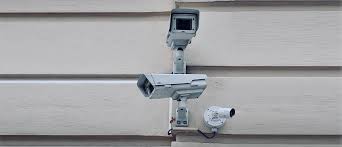
    11. Consider Home Security Cameras: Installing security cameras around your property can provide valuable surveillance footage in case of a break-in or suspicious activity. Choose cameras with night vision capabilities and remote viewing options for enhanced monitoring.

    12. Utilize Smart Locks: Upgrade to smart locks for added convenience and security. Smart locks allow you to control access to your home via smartphone apps, providing digital keys to trusted individuals and tracking entry logs.

    13. Invest in an Alarm System: A monitored alarm system alerts authorities in case of a security breach, offering swift response times during emergencies. Look for systems with motion detectors, window sensors, and 24/7 monitoring services for comprehensive protection.

    14. Enhance Outdoor Security Lighting: Install motion-activated lights around the perimeter of your home to deter potential intruders. Well-lit areas reduce hiding spots and increase visibility, making your property less attractive to criminals.

    15. Secure Your Wi-Fi Network: Protect your smart home devices and personal data by securing your Wi-Fi network with a strong password and encryption. Update router firmware regularly and avoid sharing network credentials publicly.

    16. Create a Neighborhood Watch: Collaborate with neighbors to establish a neighborhood watch program. Sharing information about suspicious activities and maintaining open communication can help prevent crimes and promote community safety.

    17. Emergency Preparedness: Develop a home emergency plan that includes evacuation routes, emergency contacts, and a designated meeting point for family members. Practice drills regularly to ensure everyone knows what to do in case of a fire or intrusion.

    18. Secure Home Deliveries: Arrange for secure delivery options or use parcel lockers to prevent package theft. Consider installing a security camera near your front door to monitor deliveries and deter porch pirates.

    19. Regular Maintenance: Keep your home security systems and physical barriers in good condition through regular maintenance. Replace batteries in smoke detectors, test alarm systems, and repair any damaged locks or sensors promptly.

    20. Educate Family Members: Ensure everyone in your household understands basic security protocols, such as locking doors and windows, setting alarms, and recognizing potential threats. Education and awareness are key to maintaining home security.

By implementing these comprehensive home security measures, you can create a safer living environment for you and your family. Remember, investing in home security is an investment in peace of mind and protection against potential risks.

See What’s on the Market Right Now

If you're researching homes in Palm Beach County or anywhere in South Florida, explore current listings by city and see what’s available right now.

Explore Homes by City

Final Thoughts

Implementing these home security tips can significantly enhance the safety and protection of your home and family. Beyond physical security measures, consider investing in a monitored alarm system or smart home technology for added peace of mind. Remember, proactive security measures can make a substantial difference in safeguarding your home against potential threats

Real Estate Resources for South Florida

If you're researching homes or following the South Florida real estate market, exploring listings and property values can provide helpful context for understanding local neighborhoods and housing trends across Palm Beach County.


About the Authors

Chris and Sue Kull are South Florida real estate professionals with more than three decades of experience helping buyers, sellers, and property owners navigate the housing market throughout Palm Beach County and surrounding communities.

Their work focuses on providing clear information, local market insight, and practical guidance so clients can make confident real estate decisions. Over the years they have built a trusted network of industry professionals—including lenders, inspectors, contractors, and legal specialists—to support every stage of the real estate process.

You can explore additional resources, community guides, and real estate tools at www.TheKullGroup.com.

If you have questions about buying, selling, or understanding the local real estate market, you can reach out through our contact page.
Oct. 18, 2025

Want to Sell Your Wellington Home for Top Dollar?

Top-Dollar-Wellington-Home-Sale.jpg

Want to Sell Your Wellington Home for Top Dollar?

Are you considering selling your Wellington home and aiming to secure top dollar for it? Selling a property is a significant undertaking, and maximizing its value requires careful planning and execution. In this competitive real estate market, it’s essential to make your home stand out and appeal to potential buyers who are willing to pay a premium price.

Curious What Your Home Might Be Worth?

Home values across Palm Beach County and South Florida change constantly. See what buyers may currently be willing to pay for homes in your neighborhood.

Check Your Home Value

Want to Sell your Wellington Home for Top Dollar

In this article, I’m going to provide you with some valuable insights and expert tips to help you navigate the selling process successfully. From enhancing curb appeal to making strategic upgrades, I’ll guide you through the steps to ensure you sell your Wellington home for top dollar!

8 Tips for Obtaining Top Dollar for Your Home

1. Pressure Washing: Revitalize Your Exterior

First impressions matter! The exterior of your home is the first thing buyers see, whether it’s in person or in photographs. So to make a lasting positive impact, you should consider investing in pressure washing services to clean your roof, house, driveway, sidewalk, and/or patio. Removing built-up grime and dirt will instantly freshen up your property, making it more inviting and appealing.

2. Weed Out Unwanted Growth

Unkempt flowerbeds, driveways, sidewalks, and patios can detract from your home’s overall aesthetic and appeal. Prior to listing your home for sale, you’ll want to take the time to meticulously weed these areas. If you don’t have the time or are unable to do so, hire a local landscaping company. By having a clean and well-maintained outdoor space, you’ll create an atmosphere of care and attention to detail that can sway potential buyers.

3. Tree Trimming: Enhance Curb Appeal

Overgrown trees, hedges, and bushes can obstruct views, block natural light, and create a sense of neglect. Hiring a professional tree trimming service, such as The Local Tree Experts, can transform your landscape into a well-manicured and visually appealing environment. A properly trimmed yard not only enhances curb appeal but also signals to buyers that your property has been well cared for.

4. Painting: A Fresh Coat Makes a Difference

One of the most cost-effective ways to increase your home’s value is through a fresh coat of paint. So if you want to sell your Wellington home for top dollar, consider painting. Pay particular attention to the front door, interior black steel doors, and moldings, as these areas often receive the most abuse and are closely scrutinized. Opt for neutral wall colors when listing your Wellington home for sale, as they appeal to a wider range of potential buyers.

5. Eliminate Unpleasant Odors

Unpleasant odors can be a major turn-off for potential buyers. So you’ll want to take proactive steps to eliminate strong smells from your home, such as pet odors, smoke, and cooking aromas. Avoid using overpowering air fresheners or candles, as they can be off-putting as well. A clean and fresh-smelling home will create a positive atmosphere that potential buyers will appreciate.

6. Declutter and Organize

Cluttered and disorganized spaces can make a home feel cramped and unappealing. Prior to listing your Wellington home for sale, it’s important to declutter all rooms, including closets, cabinets, and the garage. Potential buyers will open doors and explore the available storage, so it’s important to create an impression of ample space. Consider donating or storing items that you no longer need to create a clean and organized environment. Also, remember you’re moving, so it’s never too early to start packing items up that you don’t regularly use.

7. Address Repairs

If you want to sell your Wellington home for top dollar, making repairs is a must. A home with visible repairs needed can create doubts in the minds of potential buyers. Before listing your property, tackle both major and minor repairs. Fix leaky faucets, replace broken light fixtures, repair damaged walls, and attend to any other visible issues. A well-maintained home instills confidence in buyers and makes it that much easier to sell your Wellington home.

8. Smart Upgrades

While making upgrades can increase your home’s value, it’s crucial to choose the right ones. Avoid investing in upgrades that only cover up underlying issues. For instance, granite countertops may not compensate for outdated or deteriorating cabinets. A top Wellington Realtor will be able to advise you on how to prepare your house and which upgrades will yield the highest return on investment.

See What’s on the Market Right Now

If you're researching homes in Palm Beach County or anywhere in South Florida, explore current listings by city and see what’s available right now.

Explore Homes by City

Final Thoughts

When it comes to selling your Wellington home, maximizing its value requires attention to detail and strategic planning. By implementing these 8 tips, you can significantly enhance your home’s appeal and attract buyers willing to pay top dollar. Remember, a clean, well-maintained, staged home stands the best chance of commanding a premium price. So if you want to sell your Wellington home for top dollar, make sure to take the necessary steps to prepare it.

Real Estate Resources for South Florida

If you're researching homes or following the South Florida real estate market, exploring listings and property values can provide helpful context for understanding local neighborhoods and housing trends across Palm Beach County.


About the Authors

Chris and Sue Kull are South Florida real estate professionals with more than three decades of experience helping buyers, sellers, and property owners navigate the housing market throughout Palm Beach County and surrounding communities.

Their work focuses on providing clear information, local market insight, and practical guidance so clients can make confident real estate decisions. Over the years they have built a trusted network of industry professionals—including lenders, inspectors, contractors, and legal specialists—to support every stage of the real estate process.

You can explore additional resources, community guides, and real estate tools at www.TheKullGroup.com.

If you have questions about buying, selling, or understanding the local real estate market, you can reach out through our contact page.
Oct. 18, 2025

Top 10 Alternatives to Decorating Your Home Without Paint

Alternative-Home-Decor-Ideas.jpg

Top 10 Alternatives to Decorating Your Home Without Paint

Decorating your home is not just about adding color; it's about expressing your personality and creating a space that feels uniquely yours. While paint is a popular choice for adding color and pattern to walls, there are numerous alternatives that offer creative ways to decorate without relying on paint. Whether you're a renter looking for temporary solutions or a homeowner seeking sustainable options, these alternatives can transform your space while adding style and personality.

Curious What Your Home Might Be Worth?

Home values across Palm Beach County and South Florida change constantly. See what buyers may currently be willing to pay for homes in your neighborhood.

Check Your Home Value

1. Wallpaper

Wallpaper remains a timeless and elegant choice for adding color and pattern to walls. Available in a wide range of designs, from bold geometrics to delicate florals, wallpaper can instantly transform a room. Modern peel-and-stick wallpapers make installation and removal easy, making them ideal for renters or anyone who likes to change their decor frequently. Look for eco-friendly options made from sustainable materials like bamboo or recycled paper for added environmental benefits.

2. Wall Decals

Wall decals are an affordable and versatile way to add personality to your walls. These adhesive stickers come in a variety of shapes, sizes, and designs, allowing you to create custom murals or accent pieces without the permanence of paint. They're perfect for children's rooms, adding whimsy and color without the commitment of traditional paint. Plus, they can be easily removed without damaging the wall, making them ideal for temporary decor changes.

3. Textiles

Textiles such as curtains, rugs, and throw pillows are essential elements of interior design that can add color, texture, and warmth to any room. Layering different textiles allows you to create depth and visual interest while enhancing comfort and coziness. Choose fabrics that complement your decor style and color scheme, and don't be afraid to mix patterns and textures for a curated look.

4. Wall Murals

For those looking to make a bold statement, wall murals offer an eye-catching alternative to traditional paint. Whether you choose a pre-made design or commission a custom mural, these oversized artworks can transform a blank wall into a stunning focal point. From nature-inspired scenes to abstract art, the possibilities are endless for creating a personalized space that reflects your taste and style.

5. Wood Paneling or Shiplap

Wood paneling and shiplap are classic choices for adding warmth and texture to walls. Whether you prefer the natural beauty of wood grain or a painted finish, these architectural details can instantly elevate a room's aesthetic. Use wood paneling to create an accent wall or install shiplap horizontally or vertically for a modern farmhouse look. Both options provide a timeless appeal that can complement a variety of decor styles.

6. Beadboard

Beadboard is a type of wainscoting that adds a touch of traditional charm to interiors. Made from narrow vertical planks, beadboard is often used in bathrooms, kitchens, and mudrooms to create a cozy, cottage-inspired feel. It can be painted in any color to match your decor scheme or left unfinished for a rustic, natural look. Beadboard is a versatile option for adding architectural interest to walls without the commitment of full-wall paint.

7. Stone or Brick Veneer

For a rustic or industrial aesthetic, consider incorporating stone or brick veneer into your interior design. These durable materials add texture and visual interest to walls, creating a dramatic focal point in any room. Stone and brick veneer can be applied as an accent wall or used to cover entire surfaces, offering a low-maintenance alternative to traditional masonry. Choose from a variety of styles and finishes to achieve the look you desire, from rugged natural stone to sleek, modern brick.

8. Wall Art

Artwork is a versatile and expressive way to decorate walls without paint. Whether you prefer paintings, prints, or sculptures, wall art allows you to showcase your personal style and interests. Create a gallery wall with a mix of framed artwork or hang a single large piece as a focal point. The key is to choose pieces that resonate with you and complement your existing decor. Consider mixing different mediums and styles for a curated look that reflects your unique taste.

9. Wall Stencils

Stencils are a creative way to add pattern and detail to walls without the commitment of wallpaper or paint. Available in a variety of designs, from intricate motifs to geometric patterns, stencils allow you to customize your space with minimal effort. Simply secure the stencil to the wall, apply paint with a roller or brush, and carefully remove the stencil to reveal the design. Stencils are ideal for accent walls, borders, or creating a focal point in any room.

10. Photo Gallery Wall

Creating a gallery wall with photographs is a personal and meaningful way to decorate your home. Mix and match frames in different sizes and styles to create a curated display that tells a story. Whether you choose color or black-and-white photos, family portraits, or travel snapshots, a gallery wall adds character and personality to any space. Arrange your photos in a grid pattern for a clean, modern look or create an eclectic mix for a more bohemian vibe.

See What’s on the Market Right Now

If you're researching homes in Palm Beach County or anywhere in South Florida, explore current listings by city and see what’s available right now.

Explore Homes by City

Final Thoughts

Exploring these alternatives to paint opens up a world of possibilities for creating a personalized and stylish home. Whether you're looking to make a temporary change or a long-term investment, these options allow you to express your creativity while enhancing your living environment. From wallpaper and wall decals to textiles and wood paneling, there's an alternative to paint that's perfect for every style and budget. Embrace these decorating ideas and transform your space into a place that reflects your unique personality and taste.

Real Estate Resources for South Florida

If you're researching homes or following the South Florida real estate market, exploring listings and property values can provide helpful context for understanding local neighborhoods and housing trends across Palm Beach County.


About the Authors

Chris and Sue Kull are South Florida real estate professionals with more than three decades of experience helping buyers, sellers, and property owners navigate the housing market throughout Palm Beach County and surrounding communities.

Their work focuses on providing clear information, local market insight, and practical guidance so clients can make confident real estate decisions. Over the years they have built a trusted network of industry professionals—including lenders, inspectors, contractors, and legal specialists—to support every stage of the real estate process.

You can explore additional resources, community guides, and real estate tools at www.TheKullGroup.com.

If you have questions about buying, selling, or understanding the local real estate market, you can reach out through our contact page.

Oct. 18, 2025

12 Key Steps to Renting Out Your First Property

First-Property-Rental-Guide.jpg

12 Key Steps to Renting Out Your First Property

Owning your first property opens the door to generating additional income through rental ventures, providing a stable source of revenue year-round. However, before becoming a landlord, there are critical considerations and steps to master to ensure a successful rental experience. This guide outlines twelve practical steps to help first-time landlords gain confidence in their rental property ventures.

Curious What Your Home Might Be Worth?

Home values across Palm Beach County and South Florida change constantly. See what buyers may currently be willing to pay for homes in your neighborhood.

Check Your Home Value

Step 1: Know Your Rental Laws and Regulations

Understanding and complying with rental laws and regulations is crucial to avoiding legal pitfalls when renting out a property. Each state has specific laws governing landlord-tenant relationships, covering areas such as lease agreements, tenant rights, eviction procedures, and fair housing practices. For instance, under the Fair Housing Act, landlords cannot discriminate based on race, color, national origin, religion, sex, familial status, or disability.

Moreover, if you plan to rent to military personnel, additional considerations under the Servicemembers Civil Relief Act (SCRA) come into play. This federal law provides protections for military tenants, including the ability to terminate a lease early due to deployment or permanent change of station orders. Understanding these legal requirements ensures a smooth rental process and protects both landlords and tenants.

Step 2: Evaluate the Financial Viability of Renting Your Property

Before renting out your property, it's essential to assess its financial viability. Start by estimating the potential rental income your property can generate. Research local rental market trends and use online tools to gauge competitive rental rates in your area. Consider factors like property size, location, and amenities when setting a rental price.

In addition to rental income, calculate ongoing expenses such as property maintenance, insurance premiums, property taxes, and any mortgage payments. Understanding your financial obligations ensures that renting out your property will be profitable and sustainable in the long run.

Step 3: Prepare Your Property for Tenants

Preparing your property for tenants is crucial to attracting quality renters and maintaining a positive landlord-tenant relationship. Begin by conducting necessary repairs and maintenance tasks, such as fixing leaks, repainting walls, and ensuring all utilities are in working order. Consider enhancing the property's curb appeal through landscaping and decluttering interiors to create an inviting atmosphere.

Document the property's condition before tenants move in to establish a baseline and protect against disputes over security deposits later on. A well-maintained property not only attracts desirable tenants but also minimizes vacancy periods between leases.

Step 4: Create a Detailed Lease Agreement

A comprehensive lease agreement is essential to clarifying the rights and responsibilities of both landlords and tenants. Include important terms such as rent amount, lease duration, security deposit requirements, maintenance responsibilities, and any specific rules or restrictions for the property. Tailor the lease agreement to comply with state and local laws and consider consulting a real estate attorney to ensure legal compliance and protect your interests.

For landlords considering renting to military tenants, incorporate a military clause in the lease agreement. This clause allows military personnel to terminate the lease early under specific circumstances related to military service obligations.

Step 5: Set the Right Rent

Setting the appropriate rental price is critical to attracting tenants while maximizing your property's income potential. Conduct thorough market research to determine competitive rental rates in your area. Consider factors such as property location, amenities, and local market demand when setting the rent. Pricing your property competitively ensures it remains attractive to potential tenants and minimizes vacancy periods.

Step 6: Market Your Rental Property

Effective marketing is essential to reaching potential tenants and filling vacancies quickly. Utilize a combination of online listing platforms, social media channels, and real estate websites to showcase your property. Include high-quality photos, detailed descriptions, and highlight unique features that set your property apart from others in the area.

Craft compelling property listings that convey key selling points and attract serious inquiries. Respond promptly to tenant inquiries, schedule property viewings, and maintain open communication throughout the rental application process.

Step 7: Screen Your Potential Tenants Thoroughly

Screening prospective tenants thoroughly is crucial to selecting reliable renters who will uphold their lease obligations. Conduct background checks, verify employment and income sources, and contact previous landlords for references. Screening criteria should be applied consistently to all applicants to avoid discrimination and ensure fairness.

For landlords renting to military personnel or tenants with unique needs, adapt screening criteria to accommodate specific circumstances while complying with fair housing laws. A rigorous screening process minimizes the risk of tenant disputes, late payments, or property damage during the lease term.

Step 8: Understand the Tax Implications of Renting

As a landlord, understanding the tax implications of rental income and expenses is essential for financial planning and compliance. Keep detailed records of rental income, expenses, and deductions, including property maintenance, repairs, insurance premiums, and mortgage interest payments.

Consult with a tax professional or accountant to optimize your tax strategy and take advantage of available deductions and credits. Proper tax planning ensures that you meet your tax obligations and maximize your profitability as a rental property owner.

Step 9: Build a Plan for Rent Collection and Management

Establishing a clear plan for rent collection and property management is essential for maintaining a smooth landlord-tenant relationship. Outline payment due dates, acceptable payment methods, and consequences for late payments in the lease agreement. Consider using automated rent collection systems to streamline the process and reduce administrative burden.

For landlords seeking hands-off management solutions, consider hiring a property management company to handle rent collection, property maintenance, tenant communications, and legal compliance. A professional property manager can alleviate the responsibilities of day-to-day management and ensure efficient operations.

Step 10: Maintain the Property Regularly

Regular property maintenance is crucial to preserving the value of your investment and ensuring tenant satisfaction. Schedule routine inspections, address maintenance requests promptly, and invest in preventive measures such as smoke detectors and HVAC servicing. Maintaining a well-kept property enhances tenant retention, reduces turnover costs, and protects your long-term investment.

Step 11: Handle Tenant Turnover Efficiently

Efficiently managing tenant turnover is essential for minimizing vacancy periods and maximizing rental income. Develop an inspection checklist to document property conditions before and after each tenancy, addressing any necessary repairs or cleaning. Swiftly resolve tenant-related issues to prepare the property for new renters promptly.

Planning for efficient tenant turnover ensures continuity in rental income and fosters positive landlord-tenant relationships. Implementing proactive management practices reduces downtime and enhances property profitability over time.

Step 12: Plan for Long-Term Success

Successful property management involves continuous learning and adaptation to evolving market trends and regulatory changes. Stay informed about local rental market conditions, tenant preferences, and legal requirements to make informed decisions. Consider reinvesting rental profits into property improvements or expanding your rental portfolio to achieve long-term financial goals.

See What’s on the Market Right Now

If you're researching homes in Palm Beach County or anywhere in South Florida, explore current listings by city and see what’s available right now.

Explore Homes by City

Continual education and proactive management practices position landlords for sustained success and profitability in the rental property market. By prioritizing tenant satisfaction, legal compliance, and financial prudence, landlords can build a portfolio of successful rental properties over time.

Real Estate Resources for South Florida

If you're researching homes or following the South Florida real estate market, exploring listings and property values can provide helpful context for understanding local neighborhoods and housing trends across Palm Beach County.


About the Authors

Chris and Sue Kull are South Florida real estate professionals with more than three decades of experience helping buyers, sellers, and property owners navigate the housing market throughout Palm Beach County and surrounding communities.

Their work focuses on providing clear information, local market insight, and practical guidance so clients can make confident real estate decisions. Over the years they have built a trusted network of industry professionals—including lenders, inspectors, contractors, and legal specialists—to support every stage of the real estate process.

You can explore additional resources, community guides, and real estate tools at www.TheKullGroup.com.

If you have questions about buying, selling, or understanding the local real estate market, you can reach out through our contact page.

Oct. 18, 2025

9 Shocking Facts Home Buyers Don’t Know

Home-Buying-Facts.jpg

9 Shocking Facts Home Buyers Don’t Know

In today’s digital age, more homebuyers are turning to the internet to kickstart their home search. While online resources provide a wealth of information, not all of it is tailored to the specific nuances of local markets or individual buyer needs. Below, we uncover nine surprising facts that many homebuyers overlook but are crucial for making informed decisions in the home buying process.

Curious What Your Home Might Be Worth?

Home values across Palm Beach County and South Florida change constantly. See what buyers may currently be willing to pay for homes in your neighborhood.

Check Your Home Value
    1. Property Taxes Will Be Reassessed
      One of the most common surprises for new homeowners is the reassessment of property taxes after purchase. While MLS listings may display current property tax amounts, these figures are often based on the seller’s assessment and may not reflect what the buyer will pay post-purchase. In areas like Palm Beach County, Florida, property taxes typically range from 1.75% to 2.25% of the purchase price, leading to potentially significant increases in tax obligations once reassessed.

    2. HOA Fees Matter When Buying a Home
      Homeowners Association (HOA) fees can significantly impact a buyer’s financial picture, yet many buyers fail to consider these fees in their initial budgeting. For buyers obtaining financing, HOA fees can affect their loan approval amount, sometimes reducing the approved mortgage amount if not factored into the initial application. It’s crucial for buyers to discuss potential HOA fees with their lender to avoid surprises later in the buying process.

    3. Real Estate Websites Aren’t Always Accurate
      While real estate websites aggregate listings from the MLS (Multiple Listing Service), not all sites update listings in real-time. This delay can lead to situations where a property listed as available online may already be under contract or sold by the time a buyer inquires. Moreover, some real estate portals allow user edits, which can further compromise listing accuracy and confuse prospective buyers.

    4. Online Home Value Estimates Are Often Inaccurate
      Automated home value estimates provided by online platforms are convenient but notoriously inaccurate. These estimates rely on algorithms that analyze recent sales data in the area but often fail to account for specific property conditions, renovations, or unique features that can significantly impact a home’s market value. For accurate pricing guidance, buyers should consult with local real estate professionals who can provide personalized market analyses.

    5. Sellers Typically Pay the Real Estate Commission
      Contrary to common misconceptions, it is typically the seller who pays the real estate commission for both the listing agent and the buyer’s agent. Buyers may only be responsible for commission costs if explicitly agreed upon in writing, such as in dual agency scenarios where the buyer agrees to cover a portion of the commission not offered by the seller.

    6. Misconceptions About Saving Money Through Listing Agents
      Many buyers believe they can save money by working directly with the listing agent, assuming they will receive a discount on commissions. However, commission agreements are typically negotiated and set before a property is listed, meaning any potential savings are often minimal or non-existent. Moreover, dual agency situations can present conflicts of interest, as the listing agent may prioritize the seller’s interests over those of the buyer.

    7. Understanding the Role of Listing Agents Online
      When buyers find a property listed on a real estate agent’s personal website, they may assume that agent is the property’s listing agent. In reality, real estate agents often display listings through IDX (Internet Data Exchange) feeds, which aggregate properties from the MLS onto their websites. Thus, the agent hosting the listing may not be the listing agent, leading to confusion among buyers about representation and property availability.

    8. The Importance of Choosing the Right Lender
      The choice of lender can significantly influence a buyer’s offer in competitive real estate markets. Sellers may prefer offers from buyers using reputable lenders known for timely closings and responsive service. Conversely, offers backed by out-of-state or lesser-known lenders may be viewed skeptically by sellers, potentially impacting the competitiveness of the buyer’s offer, especially in multiple-offer situations.

    9. Not All Properties Qualify for Financing
      Certain property types, such as condominiums, may have specific financing restrictions that limit a buyer’s options. For example, many condo communities in Palm Beach County do not qualify for FHA financing and often require higher down payments than traditional single-family homes. Understanding these financing limitations beforehand can prevent wasted time and disappointment during the home search process.New CTA with motion - explore current listings

See What’s on the Market Right Now

If you're researching homes in Palm Beach County or anywhere in South Florida, explore current listings by city and see what’s available right now.

Explore Homes by City

Final Thoughts

Navigating the complexities of the home-buying process can be daunting, particularly for first-time buyers or those unfamiliar with local market dynamics. Hiring a knowledgeable Realtor® can provide invaluable guidance, ensuring buyers make informed decisions every step of the way.

Real Estate Resources for South Florida

If you're researching homes or following the South Florida real estate market, exploring listings and property values can provide helpful context for understanding local neighborhoods and housing trends across Palm Beach County.


About the Authors

Chris and Sue Kull are South Florida real estate professionals with more than three decades of experience helping buyers, sellers, and property owners navigate the housing market throughout Palm Beach County and surrounding communities.

Their work focuses on providing clear information, local market insight, and practical guidance so clients can make confident real estate decisions. Over the years they have built a trusted network of industry professionals—including lenders, inspectors, contractors, and legal specialists—to support every stage of the real estate process.

You can explore additional resources, community guides, and real estate tools at www.TheKullGroup.com.

If you have questions about buying, selling, or understanding the local real estate market, you can reach out through our contact page.

Oct. 18, 2025

11 Ways to Streamline Your Home and Revive its Value

Modern-Home-Interior-Design-Ideas.jpg

11 Ways to Streamline Your Home and Revive its Value

Have you ever wondered what your home would look like if it was designed by someone else? A few changes and renovations can make the difference between a house and a home. We all want our homes to have good value as we are the ones who live in them. But sometimes, it's hard to figure out where to start and what changes need to be made.

Curious What Your Home Might Be Worth?

Home values across Palm Beach County and South Florida change constantly. See what buyers may currently be willing to pay for homes in your neighborhood.

Check Your Home Value

Including High Ceilings

High ceilings look great and can make a room look airy. If your ceilings are too low, they might be the reason buyers hesitate to purchase your home. High ceilings are a sign of class and expensive property. If your budget is low, you can only change the living room and patio ceiling or form a design that gives it an elevated feel. Most of the time, this is done by adding crown moldings which can be framed in oak or stained to match the color of your walls. The ceiling plays a great role in the room interior. A well-designed home has elevated ceilings and enlarged windows. A well-placed chandelier can also make you feel like your home is something beyond. Plus, high ceilings are a great way to add space and volume without adding on square footage. They also give off the illusion of an open floor plan, even if it’s just the living room or kitchen!

Adding Colors in Small Doses

Colors enhance the moods of those who love to live in a home. That’s why you need to be careful about how much and what colors you add when redesigning your living room, bedroom, or kitchen. You want the paint color to reflect your personality but not overwhelm it with whatever mood is projected from outside of your house. Small doses of color can be just what the doctor ordered. If you’re worried about becoming overwhelmed by one new paint color, add it in small droplets to your walls and furniture with complementary colors. For example, if you love purple hues then go for lilac on the wall with violet bedding or raspberry area rugs that pull the design together while keeping all other walls neutral or white.

Add Wall Art

Wall art is a great way to bring color into your home. It’s also easy and inexpensive to do! Choose from canvas, framed prints, or posters for different decorating styles. For those who love the clean lines of black-and-white photos with pops of bright colors such as reds and yellows, frame them in white or black frames to give them a modern look. You can also cover a wall by hanging vintage Ikat rugs in various designs and sizes to create a unique art wall.

See What’s on the Market Right Now

If you're researching homes in Palm Beach County or anywhere in South Florida, explore current listings by city and see what’s available right now.

Explore Homes by City

Painting the Walls a Bright Color

Painting your walls any bright, light colors is an easy way to make rooms feel larger and more open. Pale neutrals are also great choices for modern designs because they provide contrast without taking away from natural light. The best part about painting your home? You can do it yourself with these handy DIY painting tips and equipment to make painting your home as easy and efficient. It’s by far the most inexpensive way to streamline your home and add value.

Updating Kitchen Countertops

Upgrading your kitchen countertop is an excellent way to give it a new look that will increase its market value. Replacing outdated ones with newer, more modern styles such as granite or glass can also add visual depth to open floor plans so you’ll get more bang for your buck when it comes to redesigning. The best part about changing out the countertops? It’s not a difficult or time-consuming task and you can save money by doing so yourself! With all the DIY kitchen tips available on Pinterest, you’ll be able to update your counters without breaking the bank. A stylish and classic kitchen helps you increase the value of your home.

Adding Storage in the Kitchen

The kitchen is a room that many people spend hours a day in, and can also be where clutter tends to accumulate quickly. Add some extra shelving or cabinets for food items like spices and cooking oils to prevent countertop clutter from building up too much, and add more space by storing pots, pans, and other cooking items in cabinets above the counter.

Making Sure Your Home has Natural Light

This is one of the first things that buyers will notice. Try to avoid over-lighting and use natural light whenever possible. Design your home with large windows to keep the light in. A home with natural light looks appealing and inviting. If your home has no windows or a smaller one, build one or design the front wall made of glass to give the space a wider and airy feel. Move furniture away from the walls for a brighter and airier feel.

Updating Outdated Décor

These days it is very easy to find inexpensive items that will update an old space in style – from affordable furniture pieces that add pops of color or layout changes with fresh wallpaper or original artwork for sale and paint colors, to trendy vintage finds like artwork and furniture. An up-to-date home can be a refreshing change for you and your family, but also makes it more appealing to potential buyers.

Enlarging the Bathroom

Beautiful and well-designed homes have large bathrooms that are inviting and spacious. Ensure that your bathroom is not cramped by making it more than one free of charge space for the shower, bathtub, or Jacuzzi to ensure you have enough space for a comfortable experience. You can also design it with features such as towel racks, cabinets, storage spaces, and high ceilings. Adding a fireplace or gas stove can also make them more attractive features in the house.

Adding Personal Touches

Your home reflects your personality. It can be a reflection of who you are, your culture, and the family members that live with you. You don’t have to spend hours decorating it or hiring professionals for this service. A few touches like hand-picked pictures on the wall, candles in every room, and plants will make it feel like home.

Final Thoughts


Your home is your escape place, your earning, your dream, and your life. You design it according to your taste, style, and comfort. Every bit of it is designed with lots of love, care, and intention. You want it to be classic and chic, stylish and trendy, comfortable and inviting. To make your home more appealing and cozy, we suggest you buy statement and high-quality rugs for your home at a local or online retailer, such RugKnots. It doesn’t have to be costly or timely to streamline your home and add value.Ending Block

Real Estate Resources for South Florida

If you're researching homes or following the South Florida real estate market, exploring listings and property values can provide helpful context for understanding local neighborhoods and housing trends across Palm Beach County.


About the Authors

Chris and Sue Kull are South Florida real estate professionals with more than three decades of experience helping buyers, sellers, and property owners navigate the housing market throughout Palm Beach County and surrounding communities.

Their work focuses on providing clear information, local market insight, and practical guidance so clients can make confident real estate decisions. Over the years they have built a trusted network of industry professionals—including lenders, inspectors, contractors, and legal specialists—to support every stage of the real estate process.

You can explore additional resources, community guides, and real estate tools at www.TheKullGroup.com.

If you have questions about buying, selling, or understanding the local real estate market, you can reach out through our contact page.
Oct. 18, 2025

What Landlords Really Check for During a Move-Out Inspection

move-out-inspection-checklist.jpg

What Landlords Really Check for During a Move-Out Inspection

Moving out of a rental property is a significant milestone that involves several key steps, including understanding the lease agreement and preparing for the move-out inspection. This inspection is crucial as it determines whether tenants receive their full security deposit back or face deductions for damages or cleaning issues.

Understanding the Move-Out Inspection Process

A move-out inspection is a comprehensive evaluation conducted by landlords or property managers to assess the condition of the rental unit after tenants vacate. Its primary goal is to identify any damages beyond normal wear and tear, ensuring that the property is returned to its original state as documented in the move-in inspection report.

See What’s on the Market Right Now

If you're researching homes in Palm Beach County or anywhere in South Florida, explore current listings by city and see what’s available right now.

Explore Homes by City

Why Is a Move-Out Inspection Important?

For tenants, a move-out inspection is vital because it directly impacts the refund of their security deposit. Landlords use this inspection to document any necessary repairs or cleaning that may be deducted from the deposit. Understanding what landlords check during this process can help tenants prepare effectively and potentially avoid financial surprises.

Move-Out Inspection Checklist: What Landlords Check

  1. General Cleanliness and Condition: The cleanliness of the rental unit is a major focus during the move-out inspection. Tenants are expected to leave the property in a clean and tidy state, free from dust, dirt, and personal belongings. This includes thorough cleaning of all rooms, including hidden areas such as cabinets and underneath appliances.

  2. Walls and Paint Condition: Landlords inspect walls for any damage, such as holes, scratches, or marks. While minor wear and tear is usually acceptable, significant damages may result in deductions from the security deposit. Tenants should consider repairing any noticeable damage and touching up paint as needed to maintain the property’s condition.

  3. Carpets and Flooring: Assessments of carpets and flooring focus on identifying stains, wear, and damage. Tenants with pets may be required to professionally clean carpets to remove pet odors and stains. Proper maintenance of flooring helps minimize deductions for cleaning or replacement costs.

  4. Kitchen & Appliances: The kitchen undergoes detailed scrutiny, including appliances and surfaces. Tenants should clean appliances thoroughly, removing all food residue and grease. Countertops, sinks, and cabinets should also be cleaned to ensure they are free from stains and dirt.

  5. Bathroom Cleanliness & Plumbing: Bathroom inspections cover cleanliness and functionality. Landlords check for cleanliness around sinks, toilets, showers, and tubs, as well as any signs of mold or mildew. Plumbing issues such as leaks or drainage problems are also assessed, with tenants responsible for reporting and addressing such issues promptly.

  6. Windows, Doors, & Locks: Functional windows, intact door frames, and secure locks contribute to the property’s overall safety and security. Tenants should ensure that windows open and close properly, doors are free from damage, and all locks are in working order. Any issues should be reported and resolved before the move-out inspection.

Pre-Move-Out Inspection: Planning Ahead

Opting for a pre-move-out inspection can be beneficial for tenants. This optional step allows tenants to identify and address potential issues before the final inspection, minimizing unexpected deductions from the security deposit. During this inspection, landlords may provide feedback on cleaning or repair needs, giving tenants an opportunity to rectify them promptly.New CTA with motion - explore current listingsNew CTA with motion - explore current listings

Curious What Your Home Might Be Worth?

Home values across Palm Beach County and South Florida change constantly. See what buyers may currently be willing to pay for homes in your neighborhood.

Check Your Home Value

Move-Out Inspection Report: Documentation and Details

A move-out inspection report is a detailed record of the rental property’s condition at the time of inspection. It typically includes descriptions of any damages or cleaning issues, supported by photographs for documentation. This report serves as a basis for determining the amount of the security deposit refund, with deductions outlined for necessary repairs or cleaning costs.

How to Maximize Your Security Deposit Refund

To increase the likelihood of receiving a full security deposit refund, tenants should:

  • Maintain Regular Cleaning: Regular cleaning and maintenance throughout the lease term help preserve the property’s condition.

  • Conduct a Pre-Move-Out Inspection: A pre-move-out inspection allows tenants to identify and address any issues early, reducing the risk of deductions.

  • Document Property Condition: Take photos and notes of the property’s condition before moving out to document any pre-existing damages or issues.

  • Address Maintenance Issues Promptly: Report any maintenance issues, such as leaks or appliance malfunctions, to the landlord promptly to prevent further damage.

Final Thoughts on the Move-Out Inspection Process


Navigating a move-out inspection requires careful preparation and attention to detail. By understanding what landlords check during this process and taking proactive steps to maintain the property’s condition, tenants can facilitate a smooth transition and secure their security deposit refund.

Real Estate Resources for South Florida

If you're researching homes or following the South Florida real estate market, exploring listings and property values can provide helpful context for understanding local neighborhoods and housing trends across Palm Beach County.


About the Authors

Chris and Sue Kull are South Florida real estate professionals with more than three decades of experience helping buyers, sellers, and property owners navigate the housing market throughout Palm Beach County and surrounding communities.

Their work focuses on providing clear information, local market insight, and practical guidance so clients can make confident real estate decisions. Over the years they have built a trusted network of industry professionals—including lenders, inspectors, contractors, and legal specialists—to support every stage of the real estate process.

You can explore additional resources, community guides, and real estate tools at www.TheKullGroup.com.

If you have questions about buying, selling, or understanding the local real estate market, you can reach out through our contact page.

Oct. 18, 2025

Financial Tips for First-Time Homebuyers with Urgent Costs

financial-tips-first-time-homebuyers.jpg

Financial Tips for First-Time Homebuyers with Urgent Costs

Purchasing your first home is an exhilarating milestone—it’s a step toward independence, security, and a space to call your own. But, alongside the excitement often comes a flood of expenses that can feel overwhelming. From the cost of moving to surprise repairs, first-time homebuyers frequently face financial demands they may not have prepared for.

Common Expenses First-Time Homebuyers Encounter

The thrill of getting the keys to your new home can quickly evaporate when the expensive reality of making a new home liveable becomes a pressing need. While having a down payment or mortgage approval feels like you may have cleared the biggest hurdle to a happily-ever-after home, post-purchase costs can often catch first-time buyers off guard. Here are some of the most common expenses:

    1. Moving Costs: Hiring movers, renting moving trucks, or even just purchasing boxes and supplies can add up quickly. Depending on the distance, hiring a professional moving company can cost hundreds—or even thousands—of dollars.

    2. Essential Repairs: These are not the aesthetic updates you might have planned but urgent repairs that affect safety and functionality. Broken plumbing, leaky roofs, or faulty wiring demand immediate attention, leaving little to no room for delay.

    3. Utility Fees: New homeowners are often surprised by additional costs like utility deposits, activation fees, or unexpectedly high first-time bills. Some older or larger homes can have higher utility needs than initially anticipated.

    4. Basic Furnishings: Even if you’re bringing furniture from your previous residence, chances are you’ll need additional items to adapt to your new home’s needs. Essentials like curtains, kitchen appliances, or even light fixtures can quickly strain your budget.

    5. Maintenance and Upkeep: It’s easy to overlook the ongoing costs of maintaining a home, such as lawn care, pest control, and other regular upkeep. These expenses can add up significantly over time.

    6. Homeowners Insurance and Property Taxes: Protecting your investment by taking out homeowners insurance is essential, but the cost can vary greatly depending on your location and coverage needs. Additionally, property taxes are an ongoing expense that first-time buyers should factor into their budgets.

    7. Homeowners Association (HOA) Fees: If your new home is part of a community with an HOA, you may be required to pay monthly or annual fees. These can cover shared amenities like swimming pools, gyms, or landscaping, but they can also add an unexpected recurring cost to your financial obligations.

Curious What Your Home Might Be Worth?

Home values across Palm Beach County and South Florida change constantly. See what buyers may currently be willing to pay for homes in your neighborhood.

Check Your Home Value

Smart Financial Strategies to Manage Immediate Expenses

Taking control of your finances starts with preparation and a focus on essential needs. Strategic decisions now could save you from long-term financial strain. Here’s how to do it:

  1. Create a Budget and Prioritize Needs: Plan your immediate expenses carefully through a detailed and realistic budget. Start by ranking expenses in order of urgency. Stick strictly to your budget to avoid overspending on non-essential items and track every dollar spent to ensure you stay on track.

  2. Explore Financial Products for Support: If immediate expenses exceed your current savings, financial products can help provide relief. Consider options like personal loans for quick access to funds with fixed repayment schedules or credit cards with low-interest rates for smaller costs.

  3. Negotiate Where Possible: Before committing to services like movers or home repair contractors, shop around and collect multiple quotes to compare. Negotiate for reduced rates or package deals to save on costs.

  4. Avoid Financial Pitfalls: While financial tools can be helpful, misuse can lead to long-term debt. Avoid overspending on non-essentials, ignoring small repairs that can escalate into larger issues, and misusing high-interest credit for unnecessary improvements.

Planning Ahead for Financial Stability

Once immediate expenses are under control, plan for a stable financial future in your new home:

  1. Build an Emergency Fund: Set aside a percentage of your income every month for emergencies. Even starting with a small amount can build a cushion over time to handle unexpected repairs without relying on loans or credit cards.

  2. Invest in Home Insurance: Look into additional coverage like a home warranty to protect major systems or appliances, providing access to long-term savings during emergencies.

  3. Plan for Future Maintenance: Proactively budget for regular maintenance tasks like painting or HVAC servicing to prevent major expenses down the line.

  4. Reassess and Adjust: Regularly review and adjust your budget as circumstances change to prioritize savings and upcoming projects.

Buying your first home is a momentous achievement, but it can also be financially challenging. By preparing for common expenses and following smart financial strategies, you can alleviate unnecessary stress and enjoy turning your house into a home.

See What’s on the Market Right Now

If you're researching homes in Palm Beach County or anywhere in South Florida, explore current listings by city and see what’s available right now.

Explore Homes by City

From prioritizing repairs to considering loans for immediate costs, these practical steps will ensure you take charge of your financial health. With clear budgeting, smart planning, and an eye on long-term goals, your first homeownership experience can be a joy rather than a strain.

Real Estate Resources for South Florida

If you're researching homes or following the South Florida real estate market, exploring listings and property values can provide helpful context for understanding local neighborhoods and housing trends across Palm Beach County.


About the Authors

Chris and Sue Kull are South Florida real estate professionals with more than three decades of experience helping buyers, sellers, and property owners navigate the housing market throughout Palm Beach County and surrounding communities.

Their work focuses on providing clear information, local market insight, and practical guidance so clients can make confident real estate decisions. Over the years they have built a trusted network of industry professionals—including lenders, inspectors, contractors, and legal specialists—to support every stage of the real estate process.

You can explore additional resources, community guides, and real estate tools at www.TheKullGroup.com.

If you have questions about buying, selling, or understanding the local real estate market, you can reach out through our contact page.

Oct. 17, 2025

9 Common Showing Pitfalls Sellers Make & How to Avoid Them

avoid-showing-pitfalls-home-sellers.jpg

9 Common Showing Pitfalls Sellers Make & How to Avoid Them

When selling a home, first impressions matter. A showing is a buyer’s opportunity to envision themselves living in a space, and any distraction can turn them away. Yet, many sellers unknowingly make critical mistakes that hinder a successful showing. If buyers can’t comfortably explore a home, they’re unlikely to move forward with an offer. Below are some of the most common showing pitfalls that sellers make and how they can avoid them.

Curious What Your Home Might Be Worth?

Home values across Palm Beach County and South Florida change constantly. See what buyers may currently be willing to pay for homes in your neighborhood.

Check Your Home Value

Top 9 Showing Pitfalls Sellers Make

      1. Being Home for Showings
        One of the biggest mistakes and showing pitfalls that sellers make is sticking around during showings. While it might seem helpful to be available for questions, buyers typically feel uncomfortable when the owner is present, even if they sit outside on their patio. They may rush through the home, avoiding open discussions with their agent and failing to form an emotional connection to the property.

        Solution: Always leave the house before a scheduled showing. You need to let buyers explore at their own pace and visualize the home as their own. If leaving is not an option, get in your car and park across the street, go for a walk, or go to a neighbor’s house.

      2. Pets Being Present
        Sellers often assume that crating their dog or confining a cat to a bedroom is enough during showings. Unfortunately, this can still be problematic. Some buyers have allergies, fears, or simply dislike animals. A barking or whining dog in a crate can be a major distraction, and even the presence of a pet’s belongings (like litter boxes or food bowls) can leave a negative impression.

        Solution: If possible, remove pets entirely during showings. Arrange for a friend, neighbor, or pet daycare to watch them. If that’s not feasible, ensure pet areas are spotless, and all traces of pets (beds, food dishes, toys) are tucked away.

      3. Bad Smells
        Bad smells don’t sell! Smells have a powerful effect on buyers, more than most people realize. While you may be accustomed to the smell of your home, buyers will notice even the slightest odor—whether it’s from pets, last night’s dinner, or an overpowering air freshener. The smell of bleach or cleaning products can also be a red flag to some buyers, leading them to wonder if you’re masking an issue like mold or smoke or even worse ending the showing and walking out.

        Solution: Maintain neutral, fresh scents. Avoid cooking pungent foods before showings, and ensure pet areas are clean. Instead of strong air fresheners, use mild natural scents, like freshly baked cookies, or diffuse a light citrus essential oil, like lemon. Opening windows for fresh air is always a good idea before a showing, weather permitting of course.

      4. Cluttered and Hard-to-Navigate Spaces
        Clutter is one of the biggest deterrents to potential buyers. When a home is filled with too much furniture, personal items, or general mess, it feels smaller and less inviting. Buyers may struggle to see the full potential of the space, focusing on the clutter rather than the home itself.

        Additionally, if buyers can’t easily walk through a home, they won’t feel comfortable. Narrow pathways, blocked doorways, or cluttered rooms or countertops make showings awkward and can make the home feel even smaller. Some sellers also make it difficult to access key areas like the garage, or backyard, leaving buyers wondering if there’s something to hide.

        Solution: Declutter as much as possible before putting your home on the market. Remove excess furniture, clear countertops, and organize closets. Aim for a clean, minimalist look that highlights the home’s best features. Renting a storage unit for extra belongings can be a great short-term investment.

        Once decluttered walk through your house as if you were a buyer, noting any tight spots or obstacles. Paths of travel should be at least 3 feet wide. So you may need to rearrange furniture to create an open flow. It’s important to make sure all doors and closets are easy to open as well. Sellers need to remember that they’re moving and will need to pack up their home anyway. Getting a head start will not only make the selling process less stressful but also help avoid one of the most common showing pitfalls.

      5. Limiting Showing Availability
        One of the most common mistakes and showing pitfalls sellers make is restricting showing times. While it can be inconvenient to leave the house at a moment’s notice, limiting showings reduces the number of potential buyers who can view the home. If a buyer can’t see a home, they can’t buy it.

        Solution: Be as flexible as possible with showings. The more accessible your home is, the higher the chance of receiving offers. If you have restrictions, try to keep them minimal and work with your agent to accommodate serious buyers. Don’t advertise restrictions, such as 24-hour notice because you may be able to accommodate the showing that day and/or piggy back off another showing around the same time.

      6. Poor Lighting and Dark Spaces
        A dark home can feel unwelcoming and small. Bad lighting can diminish a home’s appeal, whether due to closed blinds, heavy drapery, dim lighting, or poor staging. Buyers want bright, light, and airy spaces that feel inviting. Insufficient lighting can also make a home feel outdated, as dimly lit spaces can highlight imperfections and make rooms appear smaller than they actually are.

        Solution: Before showings, open all blinds and curtains to maximize natural light. Remove heavy drapes or replace them with sheer, light-filtering curtains to brighten the space. Turn on all lamps and overhead lights, even during the day, to create a warm and inviting atmosphere.

        If needed, update light bulbs to brighter LED options for a crisp, clean look. Consider adding floor lamps in darker corners to enhance brightness and ensure all rooms feel open and welcoming. Well-lit spaces create a more inviting and spacious feel, which can make a home more appealing to buyers.

      7. Leaving Personal Items on Display
        Family photos, religious artifacts, political memorabilia, and personal documents can be distracting for buyers. These items make it harder for buyers to picture themselves in the home, as they reinforce the idea that it still belongs to someone else. Personal decor choices, such as niche artwork or collections, can also divert attention from the home’s features.

        Solution: Depersonalize the space as much as possible. Replace family photos with neutral artwork, store away personal items, and create a space that appeals to a broad audience. Consider removing any items that may spark strong opinions or emotions, such as sports team memorabilia or bold decorative pieces.

        The goal is to create a neutral, welcoming atmosphere that allows buyers to envision their own belongings in the space. If needed, consult a stager to achieve a balanced, universally appealing look. Simple touches like fresh flowers or tasteful decor can help maintain warmth without feeling overly personal.

      8. Overly Themed or Dated Décor
        While your home’s style may reflect your personal taste, an overly themed or outdated interior can deter buyers. Bold paint colors, excessive wallpaper, and heavy drapery can make a home feel dated or hard to customize.

        Solution: Consider neutralizing the décor with modern, buyer-friendly updates. A fresh coat of neutral white paint, simple furniture arrangements, and minimal accessories can go a long way in making the home feel move-in ready.

      9. Neglecting Curb Appeal
        First impressions start before buyers even walk through the front door. A neglected yard, peeling paint, or cluttered porch can turn buyers off before they step inside. So many sellers tend to focus on preparing the interior of their home and completely forget about the exterior, making it one of the biggest showing pitfalls.

        Solution: Enhance curb appeal by keeping the lawn mowed, bushes trimmed, and pathways clear. A fresh coat of paint on the front door, a clean doormat, and potted plants can add a welcoming touch. Make sure to pressure-wash the driveway and sidewalk for a polished look.

        Also, make sure exterior lighting is functional and welcoming, especially for evening showings. Small details like a well-maintained mailbox and neatly arranged outdoor furniture can also make a big difference. The goal is to create a strong first impression that makes buyers excited to see the rest of the home, not get back in their car and drive away.Curious about what your home is worth?

See What’s on the Market Right Now

If you're researching homes in Palm Beach County or anywhere in South Florida, explore current listings by city and see what’s available right now.

Explore Homes by City

Final Thoughts
A successful home showing creates an inviting, distraction-free environment where buyers can envision themselves living in the space. Avoiding common showing pitfalls—especially these 9 showing pitfalls is a must! By taking proactive steps to prepare your home, you’ll maximize its appeal and increase your chances of a successful sale.

Sellers who choose not to avoid these pitfalls should understand that their home may sell for less—or not at all. It’s important to prioritize what matters most: staying in the backyard during showings or taking a short drive down the block to give buyers space.

Real Estate Resources for South Florida

If you're researching homes or following the South Florida real estate market, exploring listings and property values can provide helpful context for understanding local neighborhoods and housing trends across Palm Beach County.


About the Authors

Chris and Sue Kull are South Florida real estate professionals with more than three decades of experience helping buyers, sellers, and property owners navigate the housing market throughout Palm Beach County and surrounding communities.

Their work focuses on providing clear information, local market insight, and practical guidance so clients can make confident real estate decisions. Over the years they have built a trusted network of industry professionals—including lenders, inspectors, contractors, and legal specialists—to support every stage of the real estate process.

You can explore additional resources, community guides, and real estate tools at www.TheKullGroup.com.

If you have questions about buying, selling, or understanding the local real estate market, you can reach out through our contact page.