
Insights, strategy, and real estate guidance across Palm Beach County.

May 4, 2026

How Appraisals Quietly Shape Buyer and Seller Expectations in South Florida

South Florida home exterior with an appraiser evaluating property condition illustrating how appraisals influence buyers and sellers locally

How Appraisals Quietly Shape Buyer and Seller Expectations in South Florida

Most buyers and sellers think of an appraisal as a checkpoint—a number that either supports the deal or disrupts it. But in practice, appraisals influence expectations long before that report is ever delivered. In South Florida, where pricing can shift quickly between neighborhoods, property types, and even individual streets, appraisal outcomes often reshape how both sides interpret value in real time. Understanding how appraisals influence buyers and sellers isn’t just about avoiding surprises. It’s about recognizing how one independent opinion can recalibrate an entire negotiation, sometimes subtly and sometimes all at once. That matters more now, especially in markets where perception and pricing don’t always move in sync.

Why Appraisals Rarely Match What People Expect

Appraisals are not designed to confirm what a buyer is willing to pay or what a seller hopes to receive. They are built around comparable sales, adjustments, and recent data—often looking backward while the market is trying to move forward. That gap is where expectations begin to diverge.

In South Florida, this gap can feel wider. One neighborhood may have a mix of updated and original-condition homes. Another may have rapid price movement due to demand shifts or new development nearby. Appraisers work within strict guidelines, but those guidelines don’t always capture the nuance of why a specific buyer values a home differently.

As a result, buyers may feel a property is worth more based on competition or lifestyle fit, while sellers may anchor to recent listing activity rather than closed sales. The appraisal steps in as a neutral reference point—but not always a satisfying one for either side.

How Appraisals Reset Buyer Behavior Mid-Transaction

When an appraisal comes in lower than expected, it doesn’t just affect financing—it changes how the buyer thinks about the purchase. What felt like a confident decision can suddenly feel uncertain.

Buyers often begin reassessing risk. They may question whether they’re overpaying, even if they originally felt comfortable with the price. In competitive areas, that hesitation can create friction where there was none before. It’s not always about affordability—it’s about confidence.

On the other hand, when an appraisal meets or exceeds the contract price, it tends to reinforce the buyer’s decision. The number becomes a form of validation, even though it’s just one interpretation of value. That psychological effect carries weight, especially in markets where pricing varies from block to block, like many areas surrounding West Palm Beach homes for sale.

Short answer:
Appraisals influence buyer expectations by either reinforcing confidence or introducing doubt.
A lower-than-expected appraisal can shift the focus from “do I want this home?” to “is this price justified?”

What Sellers Often Misinterpret About Appraisals

Sellers tend to view appraisals as a test of whether their pricing strategy was correct. But that’s not quite accurate. An appraisal reflects how a third party interprets recent sales—not necessarily how the market will respond to a specific property.

In South Florida, this distinction matters. Two homes with similar square footage may have very different levels of updating, outdoor usability, or layout efficiency. Buyers may see those differences clearly, but appraisal adjustments don’t always capture them in a way that feels proportional.

When an appraisal comes in lower than expected, sellers sometimes interpret it as a loss in value. In reality, it’s often a signal about how the property compares to recent transactions under standardized criteria—not how it competes in the current moment.

Short answer:
An appraisal does not determine what your home is worth in the open market.
It determines what value can be supported through comparable sales under lending guidelines.

Understand What Your Home May Be Worth

If this topic is making you think about your own property, checking your home’s current value can help put the local market into perspective.

Check Your Home Value

The Gap Between Market Momentum and Appraisal Data

Real estate markets don’t move in perfect alignment with appraisal timelines. In South Florida, where pricing can shift due to seasonal demand, migration patterns, or interest rate changes, that gap becomes more noticeable.

Appraisals rely on closed sales, which means they reflect decisions made weeks or months earlier. Buyers, however, are making decisions based on current inventory and competition. Sellers are positioning homes based on what they see happening right now—not what already closed.

This creates a timing mismatch. A home may attract strong offers based on current demand, but the appraisal may not fully support that price if comparable sales haven’t caught up yet. That doesn’t mean the price is wrong—it means the data is trailing the market.

Understanding this dynamic helps both sides interpret appraisal results more accurately. It shifts the conversation from “who is right?” to “what information is being used?”

What This Means for Buyers and Sellers in South Florida

Appraisals act as a stabilizing force in transactions, but they also introduce a layer of interpretation that can influence decisions beyond the numbers. For buyers, they can reinforce confidence or introduce hesitation depending on how closely the value aligns with expectations. For sellers, they can confirm positioning or create a need to reassess strategy.

In South Florida, where pricing varies across neighborhoods and property types, the impact of an appraisal often depends on how well expectations were aligned from the beginning. When buyers and sellers enter a transaction with a clear understanding of how appraisals work, the outcome becomes easier to navigate—even if the number isn’t exactly what either side anticipated.

The key is not to treat the appraisal as a final verdict, but as one data point within a broader decision. The market ultimately determines value, but the appraisal influences how that value is interpreted in the moment.

FAQ: Appraisals and Real Estate Expectations

Can a low appraisal kill a deal even if both buyer and seller agree on the price?

Yes, especially when financing is involved. Lenders base loan amounts on the appraised value, not the contract price. If the appraisal comes in low, the buyer may need to bring additional cash or renegotiate the price. Even if both parties agree initially, the financing structure can force a change. However, options like price adjustments, appraisal disputes, or buyer contributions can sometimes keep the deal together.

Do appraisals affect home values in the long term, or just during a transaction?

Appraisals primarily influence individual transactions, but their impact can extend beyond that moment. Since appraisals rely on recent comparable sales, they indirectly contribute to future pricing patterns. However, they don’t control the market. Buyer demand, inventory levels, and broader economic conditions ultimately shape long-term values. Appraisals simply reflect and reinforce those trends rather than create them.

Keep Exploring South Florida Real Estate

If you're researching market trends, comparing communities, or trying to better understand how broader real estate topics affect local decisions, reviewing more South Florida resources can help put the market into context.


About the Authors

Chris and Sue Kull are South Florida real estate professionals with more than three decades of experience helping buyers, sellers, and property owners navigate real estate decisions throughout Palm Beach County and surrounding communities.

May 4, 2026

Living and Selling in Lake Worth, FL: What Ownership Really Feels Like Over Time

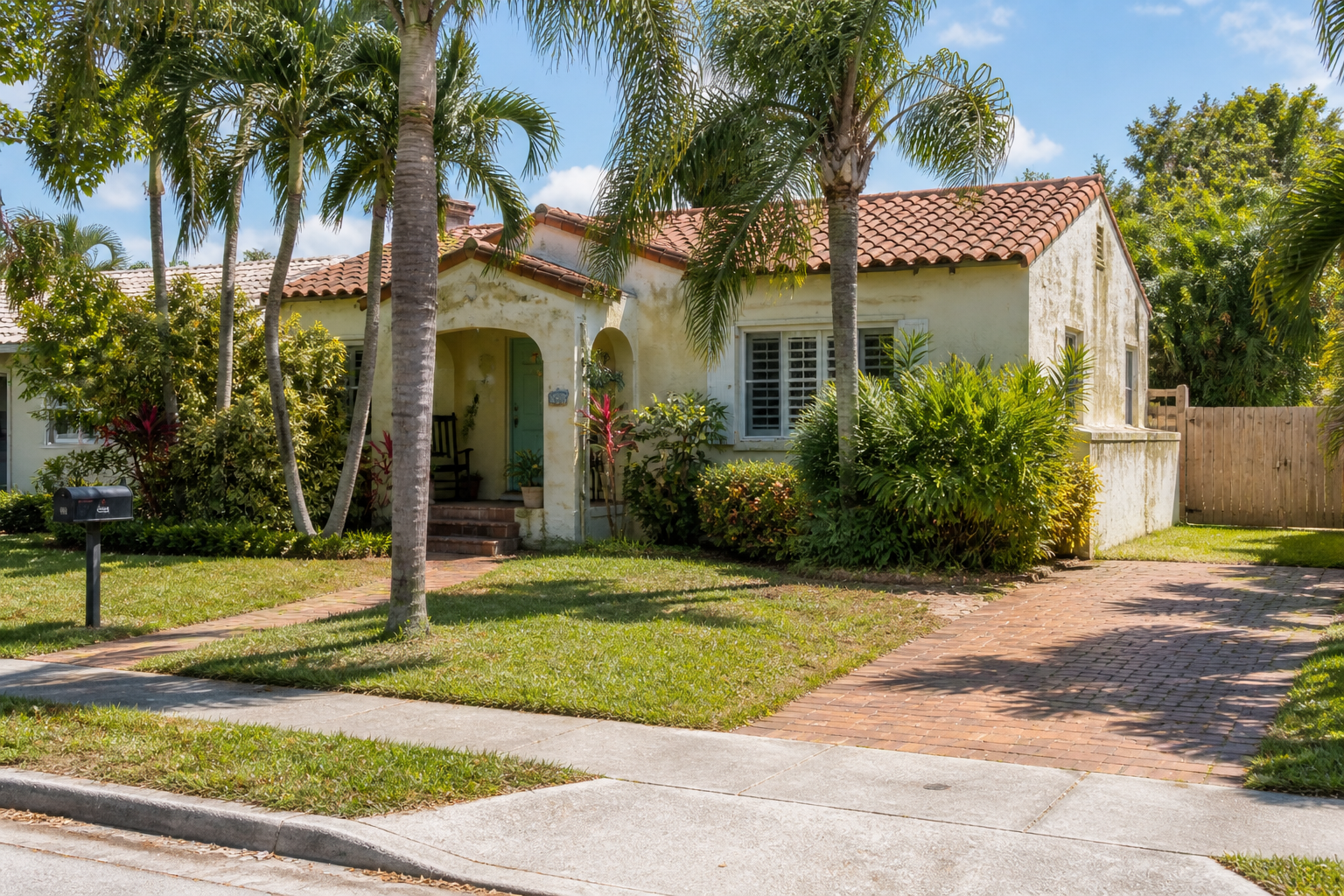
Older South Florida home in Lake Worth with mature landscaping showing long-term ownership and maintenance tied to selling a home in Lake Worth FL

Living and Selling in Lake Worth, FL: What Ownership Really Feels Like Over Time

There’s a certain rhythm to living in Lake Worth that doesn’t fully reveal itself right away. At first, it feels expressive—colorful streets, a mix of older homes and newer pockets, a pace that feels slightly more grounded than its neighbors. But over time, daily life here becomes more defined by how the home fits into that rhythm. For many homeowners, that’s where the conversation around selling a home in Lake Worth FL actually begins—not as a reaction to the market, but as a reflection of how ownership feels after years of living in it. Compared to nearby areas that lean newer or more structured, Lake Worth holds onto character. The question becomes whether that character still aligns with how you want to live moving forward.

How Lake Worth Feels Once You’ve Settled In

Lake Worth doesn’t operate on uniformity. One block can feel completely different from the next. Over time, that becomes part of the experience. Some homeowners find it engaging—a sense that the neighborhood has identity and variation. Others begin to notice how that same variation translates into upkeep, long-term planning, and consistency in property condition.

Daily life here often includes a balance between enjoying the charm of older architecture and managing the realities that come with it. Systems age differently. Layouts reflect earlier design priorities. Outdoor spaces require attention in a climate that doesn’t slow down. That balance can feel rewarding at first—but over time, it becomes something you actively manage.

For homeowners comparing options, this is often where nearby communities like Royal Palm Beach homes for sale start to enter the conversation. The contrast isn’t about better or worse—it’s about how predictable or simplified daily ownership feels depending on where you are.

Explore Homes in This Area

If you're considering a move, browsing available homes can help you understand pricing, layouts, and what’s currently on the market in this area.

Search Homes by City

Ownership Over Time: Where Character Meets Responsibility

There’s a point where the appeal of character intersects with the reality of ownership. In Lake Worth, that often means understanding how older homes perform over time in South Florida conditions. Roofing, electrical systems, plumbing, and exterior materials all age differently here—and not always evenly.

What begins as manageable maintenance can gradually require more consistency. Homeowners start thinking ahead—about upgrades, replacements, or simply keeping things aligned with current standards. It’s not always about major issues. It’s about the accumulation of smaller responsibilities that don’t fully go away.

That’s where understanding Lake Worth home values and ownership becomes more than a market question—it becomes a lifestyle evaluation. How much time, effort, and cost does it take to maintain the home at the level you want? And does that still align with how you want to live?

Before making any decision, many homeowners take a step back and evaluate what their property might realistically be worth in today’s market. That clarity often reframes the conversation entirely.

Buying Into Lake Worth: What New Owners Should Understand

For buyers, Lake Worth offers something that more uniform communities don’t—variety. Architectural styles, lot sizes, and neighborhood dynamics create a wide range of options. That can be appealing, especially for buyers looking for something that feels distinct.

But over time, buyers who stay long enough begin to understand that variety comes with responsibility. A home that feels unique may require more customization, more maintenance, or more attention than initially expected. That doesn’t make it a negative decision—but it does make it one that benefits from foresight.

Buyers who approach Lake Worth with a long-term ownership mindset tend to navigate it more effectively. They evaluate not just the purchase price, but the ongoing relationship they’ll have with the property. That perspective often leads to better alignment between expectation and reality.

Selling a Home in Lake Worth FL: Timing, Positioning, and Reality

When it comes to selling a home in Lake Worth FL, the conversation is rarely just about listing a property. It’s about understanding how that property fits into the broader mix of inventory—and how buyers are evaluating it in real time.

Homes here are often compared not only to each other, but to nearby areas where construction is newer or layouts are more standardized. That means positioning becomes critical. Buyers aren’t just looking at features—they’re assessing future responsibility, potential updates, and long-term usability.

For sellers, that creates an important decision point. Do you prepare the home to compete more directly with newer inventory, or do you position it to attract buyers who value its existing character? The right answer depends on the property, but the strategy matters more than the timing.

Understanding that dynamic early allows sellers to approach the process with control instead of reacting to market feedback after the fact.

Understand What Your Home Might Sell For

If you're thinking about selling in this area, knowing your home’s current value is the first step toward understanding your options.

Check Your Home Value

What This Means for Buyers and Sellers in South Florida

Lake Worth sits in an interesting position within Palm Beach County. It offers character, variation, and access—but it also reflects the realities of long-term ownership in a climate that demands consistency. That combination creates movement in the market.

Some buyers are drawn to the uniqueness and are willing to invest in maintaining it. Others move toward areas where ownership feels more predictable. Sellers often find themselves at the intersection of those two groups—deciding how to position their home based on what buyers value most at that moment.

That’s why understanding the broader South Florida market matters. It’s not just about what your home is—it’s about how it compares to everything else available. And in a region with as much diversity as Palm Beach County, that comparison shapes both opportunity and outcome.

Where the Decision Usually Becomes Clear

For many homeowners, the decision doesn’t come from a single event. It comes from a shift in perspective. The home that once felt engaging starts to feel like something that requires ongoing management. The effort begins to outweigh the experience.

That’s when homeowners start looking outward. Not urgently—but thoughtfully. They begin comparing what they have to what might feel simpler, more aligned, or easier to maintain over time.

At that point, the question isn’t whether Lake Worth is a good place to live. It’s whether the way you’re living within it still fits what you want moving forward. That distinction is what ultimately drives the next step.

Keep Exploring South Florida Real Estate

If you're comparing communities, reviewing local real estate trends, or exploring where you might want to live next, continue exploring to better understand your options.

Frequently Asked Questions About Lake Worth Real Estate

Is Lake Worth a good place to sell a home right now?

It depends on how your property compares to others currently on the market. Lake Worth has a mix of older and updated homes, so buyers evaluate based on condition, layout, and long-term maintenance expectations. Homes that are well-positioned—either updated or priced appropriately for their condition—tend to attract consistent interest. Understanding how your home fits within that range is key before deciding when to sell.

How do Lake Worth home values compare to nearby areas?

Lake Worth home values often reflect the diversity of the housing stock. Compared to more uniform communities, there can be wider variation depending on condition, upgrades, and location within the city. Nearby areas with newer construction may show more consistency, but Lake Worth offers opportunities for both value and appreciation depending on how the property is maintained and positioned over time.

What should buyers be cautious about when purchasing in Lake Worth?

Buyers should look beyond initial appearance and focus on long-term ownership factors. Older homes may require updates to systems such as roofing, plumbing, or electrical. It’s important to evaluate not just the purchase price, but what it will take to maintain or improve the home over time. A thorough inspection and a forward-looking mindset can help avoid unexpected challenges later.

Do homes in Lake Worth require more maintenance than other areas?

In many cases, yes—especially with older properties. South Florida’s climate accelerates wear on materials, and homes that haven’t been fully updated may require more consistent attention. However, this varies by property. Some homes have already undergone significant improvements, while others still reflect their original construction. Understanding the specific condition of a home is more important than generalizing the entire area.

How do I know if it’s time to move out of Lake Worth?

The decision usually comes down to how the home fits your current lifestyle. If maintaining the property feels like more effort than you want to continue giving, or if your priorities have shifted toward simplicity or predictability, it may be time to explore other options. It’s less about the city itself and more about whether your home still aligns with how you want to live day to day.

May 4, 2026

When Your Home Starts to Feel Like Work Instead of Comfort

South Florida homeowner looking at a house needing upkeep showing signs your home feels like too much work and ongoing maintenance fatigue

When Your Home Starts to Feel Like Work Instead of Comfort

It doesn’t happen all at once. Most South Florida homeowners don’t wake up one day and decide their home is too much—they start noticing it in pieces. A weekend that disappears into yard work. A repair that turns into three. An insurance renewal that feels higher than expected. Over time, the home that once felt comfortable starts to feel like something you have to stay ahead of. In a climate like Palm Beach County, where heat, humidity, and seasonal wear accelerate everything, that shift matters more than people realize. If your home is starting to feel like work instead of a place to relax, it’s usually not temporary—it’s a signal that something has changed.

The Moment It Stops Feeling Like “Yours”

There’s a point where ownership quietly changes. Not legally—but mentally. You stop enjoying the home and start managing it. Instead of thinking about how you use the space, you start thinking about what needs to be done next.

It often shows up in subtle ways. You delay small projects because they feel like too much effort. You start budgeting for things before they even break. You walk through your home and notice what needs attention instead of what you enjoy about it.

In neighborhoods like West Palm Beach and Greenacres, this shift is common, especially in homes that were built for a different stage of life. Larger layouts, older systems, and outdoor maintenance can slowly turn from manageable into constant. The home hasn’t changed overnight—but your tolerance for managing it has.

That’s the moment most people overlook. And it’s the one that matters most.

Why It Feels Heavier in South Florida Than It Should

This isn’t just about upkeep—it’s about environment. In South Florida, homes age differently. Roofs take more sun exposure. Air conditioning systems work harder and longer. Landscaping grows faster and needs constant attention. And every storm season adds another layer of responsibility.

What used to be occasional maintenance becomes ongoing management. You’re not just fixing things—you’re staying ahead of them. A small issue ignored can turn into something bigger quickly in this climate, which means you’re always thinking one step ahead.

That’s where the fatigue sets in. Not from one big problem, but from the realization that the cycle doesn’t really stop. The home starts requiring more consistency, more attention, and more energy than it used to give back.

If You’re Thinking About Moving, It Usually Starts Here

Most homeowners don’t randomly decide to move. It builds over time. If you’re starting to think about selling and moving into something newer or easier to maintain, it usually comes down to one of these situations. Choose the one that feels closest to you.

Your home is starting to feel like too much to manage →

Maintenance, repairs, or simply keeping up with everything may be taking more time and energy than you want to keep giving.

You’re trying to make a smarter financial move →

You may be thinking about reducing expenses, using your equity differently, or moving into a home that fits your long-term plans better.

You want something newer, simpler, and easier to live in →

Many homeowners reach a point where they want less maintenance, a more efficient layout, and a home that feels easier day to day.

What Happens When You Push Through It Instead of Addressing It

Most homeowners don’t act on this feeling right away. They adjust. They take on more. They assume it’s just part of owning a home in Florida. But over time, that approach creates pressure.

Weekends become maintenance windows. Small repairs get postponed until they stack up. Costs start to feel less predictable—insurance, upkeep, replacements. And eventually, something forces a decision. A major repair. A system failure. A moment where the effort no longer feels worth it.

That’s when decisions become reactive instead of strategic.

There’s a difference between choosing to move and feeling like you have to. Recognizing the pattern early gives you control over timing, options, and outcome. It allows you to step back and evaluate instead of reacting under pressure.

One of the first steps is understanding where you stand financially right now. Before making any decisions, it helps to see what your home could realistically sell for today. That clarity changes how you approach everything that comes next.

What This Means for Buyers and Sellers in South Florida

This shift doesn’t happen in isolation. When homeowners begin to feel this kind of fatigue, there’s often a different group of buyers moving toward the same properties. Some are looking for value in homes they’re willing to update. Others are specifically searching for opportunities where they can improve a property over time.

At the same time, newer communities and lower-maintenance homes continue to attract buyers who want simplicity. That creates a natural exchange—one group stepping out of maintenance-heavy homes while another steps in with a different perspective.

Understanding that dynamic matters. It means your home may still have strong demand even if it no longer fits your lifestyle. And it means there are likely options available that align better with how you want to live moving forward.

The Turning Point Most Homeowners Recognize Too Late

There’s usually a moment where it becomes clear. Not dramatic—just honest. You realize you’re spending more time maintaining the home than enjoying it. You start thinking about what life would feel like with less responsibility tied to the property.

It might be after dealing with another repair. Or preparing for storm season again. Or realizing that keeping everything “just right” takes more effort than you want to keep giving.

That’s the turning point. Not when something breaks—but when your priorities shift.

This is often where homeowners begin to explore what a simpler, lower-maintenance move could actually look like in real terms. If that’s where you are, you can start exploring what that transition could look like without committing to anything yet.

FAQ: When Your Home Starts Feeling Like Too Much

How do I know if I’m just tired of upkeep or if it’s time to seriously consider moving?

If the feeling is consistent and tied to how you use your time, it’s worth paying attention to. When maintenance starts replacing activities you actually enjoy, or when you’re regularly thinking about what needs to be fixed next, it’s no longer temporary frustration. It’s a shift in how the home fits your lifestyle. That doesn’t mean you have to move—but it does mean the decision deserves a closer look.

Can I sell my home without taking on more repairs, or will that hurt my outcome?

In many South Florida markets, there are buyers who expect to do updates themselves, especially in homes that are structurally sound but dated. The key is understanding which issues affect value and which ones simply affect presentation. Not every repair needs to be completed before selling. A clear strategy can help you avoid unnecessary work while still positioning the property effectively in the market.

May 2, 2026

Handling Difficult Probate Properties Without Increasing Attorney Workload

complex probate property discussion with legal documents and house model in a large professional office setting for florida attorneys

Handling Difficult Probate Properties Without Increasing Attorney Workload

Some probate properties move through the process with minimal disruption.

Others introduce layers of complexity that extend beyond standard execution.

These situations are not defined by a single issue. They are defined by how multiple variables interact at the same time—each one affecting how the property can be handled, when it can move, and what is required to move it forward.

This is where complexity begins to reshape the demands of the case.

What Makes a Probate Property Complex

Complexity rarely comes from one factor alone.

It often develops when multiple conditions overlap. A property may have deferred maintenance while also involving out-of-state heirs. Title may require clarification while access is inconsistent. Market positioning may be affected while coordination between parties is still unresolved.

Each factor is manageable individually.

It is the combination that creates friction.

This is where standard workflows begin to require additional layers of attention.

Why Complex Situations Increase Involvement

When multiple variables are active at the same time, decisions cannot be made in isolation.

A change in one area affects another. Preparation decisions influence valuation. Coordination affects timing. Title or documentation impacts how the property can be transferred or sold.

This interdependence slows execution.

Not because progress stops, but because each step requires additional alignment before it can continue.

At that point, the case begins requiring more active oversight.

How Complexity Creates Overlapping Decision Points

In straightforward cases, decisions follow a sequence.

In complex cases, decisions begin to overlap.

Preparation may need to begin before final pricing is established. Coordination may need to occur before access is fully defined. Title considerations may affect how decisions are structured from the outset.

These overlapping requirements create a process where multiple steps must be managed simultaneously rather than sequentially.

This is where execution becomes more demanding.

Why Issues Do Not Resolve in a Single Pass

In complex scenarios, resolution is rarely immediate.

Addressing one issue may reveal another. Clarifying one point may require additional information elsewhere. Progress tends to occur in stages rather than in a single, continuous movement.

This pattern is consistent with how risk develops in other parts of the process, as seen in probate real estate risk management in Florida, where small issues expand through interaction rather than isolation.

The difference here is that multiple issues are active at the same time.

Local Factors Can Add Another Layer of Complexity

Property location can influence how complexity unfolds.

In markets like Stuart, property condition and buyer expectations may affect how preparation is approached. In The Acreage, land use, property type, or access considerations may introduce additional variables.

These factors do not create complexity on their own, but they can add to it when other variables are already present.

When the Process Becomes Difficult to Contain

As complexity increases, the ability to contain execution within a simple structure decreases.

More coordination is required. More communication is needed. More adjustments occur as new information is introduced.

This is where the process can begin to feel less predictable.

Not because it is unmanageable—but because it is no longer linear.

What Changes When Complexity Is Managed Through Structure

When complex situations are handled within a defined execution framework, variables are addressed in a coordinated way.

Dependencies are identified early. Tasks are aligned based on how they affect each other. Movement is structured so that progress can continue even as multiple factors are being managed at the same time.

This reduces the need for repeated oversight.

Instead of reacting to each issue as it arises, the process moves forward with a coordinated approach.

Within probate real estate support for attorneys in Florida, this structure is what allows complex properties to be handled without expanding the demands of the case.

How This Affects the Case Overall

When complexity is managed effectively, the case remains more stable.

Progress continues without requiring constant re-alignment. Communication becomes more focused. Decisions are made within a framework that accounts for multiple variables rather than reacting to them individually.

The attorney is no longer required to manage each point of interaction as it develops.

The process remains controlled, even in complex situations.

When This Shift Becomes Necessary

This becomes relevant when multiple variables begin affecting the property at the same time.

Not because the situation is unmanageable, but because handling those variables within the case structure alone begins to increase the level of involvement required.

At that stage, allowing complexity to remain inside the case often leads to continued oversight.

Managing it within a structured execution layer allows the process to continue without that expansion.

Maintaining Control Without Increasing Complexity

The objective is not to eliminate complexity.

It is to prevent complexity from increasing the demands placed on the case.

When execution is structured, even difficult properties can move forward without requiring ongoing intervention at every step.

If the property has begun introducing multiple overlapping variables, this is typically where containing that complexity becomes useful.

Handle Complex Properties Without Expanding the Case

If a probate property is introducing multiple variables, overlapping decisions, or ongoing coordination challenges, that layer can be handled separately without affecting how the case is managed.

  • Where complexity typically begins forming
  • What causes multiple issues to interact at the same time
  • How execution can be structured to manage overlapping variables
  • How control remains fully with the attorney throughout the process

No change to your process. No added obligation.

Review How This Can Be Handled

Frequently Asked Questions

What makes a probate property more complex to handle?

This typically occurs when multiple factors—such as condition, coordination, title, or access—are active at the same time. It is the interaction between these variables that increases complexity.

Does managing complex situations separately reduce control over the case?

No. The purpose is to coordinate execution across multiple variables while the attorney maintains full authority over all decisions and direction.

May 2, 2026

Where Probate Property Issues Begin Requiring More Attorney Involvement Than Expected

probate real estate risk review with legal documents and house model in a professional office setting for florida attorneys

Where Probate Property Issues Begin Requiring More Attorney Involvement Than Expected

Most probate cases are structured to move forward without unnecessary exposure.

Authority is defined. Steps are outlined. The process is designed to limit uncertainty as decisions are carried out.

When the property enters the case, that structure is still intact.

What changes is not the legal framework—it is the number of variables that must be managed alongside it.

This is where risk begins to form, not as a single event, but as a collection of small issues that expand the amount of attention required to move the case forward.

Where Risk Begins to Develop Inside the Process

Risk in probate real estate is rarely immediate or obvious.

It builds through incomplete information, delayed action, or misaligned execution. A property may have condition concerns that are not fully identified. Access may not be consistently managed. Documentation may not align with how the property is being handled in practice.

Each of these factors is manageable on its own.

But when they are not addressed in a coordinated way, they begin to introduce uncertainty into the process.

That uncertainty is what increases involvement.

Why Small Issues Tend to Expand Over Time

Most property-related issues do not remain static.

A minor repair concern may become a negotiation issue. A timing gap may affect buyer perception. A documentation inconsistency may delay progression at a later stage.

What begins as a contained item often develops into something that affects multiple parts of the process.

This is where risk is not created—it is revealed over time.

How Execution Gaps Create Exposure

Risk is often introduced not by decisions, but by how those decisions are carried out.

A property may be priced appropriately but not prepared in a way that supports that pricing. Access may be granted, but not controlled. Communication may occur, but not consistently.

These gaps do not always stop progress.

But they create conditions where outcomes become less predictable.

At that point, the process requires more oversight to maintain stability.

Why Issues Begin Circling Back Into the Case

When execution is not contained, issues tend to return.

A concern raised during inspection may lead to additional negotiation. A delay in preparation may affect timing and pricing. A coordination issue may require clarification before progress can continue.

Each return point creates another moment where the case must pause, adjust, and move forward again.

This pattern mirrors how other areas of the process begin expanding involvement, such as probate real estate timelines in Florida, where small delays accumulate into larger disruptions.

Local Conditions Can Increase Risk Sensitivity

Property behavior is also influenced by location.

In areas like Boca Raton, buyer expectations around condition and presentation may increase sensitivity to execution gaps. In Port St. Lucie, pricing and timing responsiveness can amplify how quickly issues affect progress.

These conditions do not create risk, but they can magnify it when it is present.

When Oversight Becomes Continuous

As issues accumulate, the level of oversight required to maintain progress increases.

Updates need to be reviewed more closely. Decisions may need to be revisited. Communication becomes more frequent to ensure alignment across all moving parts.

This is where the case begins requiring attention that extends beyond its original scope.

Not because something has failed—but because stability now depends on continued involvement.

What Changes When Risk Is Managed Through Execution

When execution is handled within a defined structure, risk is addressed before it expands.

Condition is evaluated early. Preparation aligns with positioning. Access is controlled. Communication is consistent.

Issues are still identified—but they are resolved within the execution layer rather than returning to the case.

This reduces the number of times the process needs to pause and adjust.

Within probate real estate support for attorneys in Florida, this is what prevents small issues from developing into ongoing involvement.

How This Affects the Case Overall

When risk is managed proactively, the case remains more stable.

Progress is less dependent on resolving unexpected issues. Communication is more consistent. Decisions do not need to be revisited as frequently.

The attorney is no longer positioned as the point where emerging issues must be addressed in real time.

The process moves forward with fewer interruptions.

When This Shift Becomes Necessary

This becomes relevant when small issues begin appearing more frequently than expected.

Not because the case is at risk of failure, but because the number of variables requiring attention continues to grow.

At that stage, allowing those variables to remain within the case often leads to ongoing involvement.

Separating that layer allows the process to continue without carrying that exposure.

Maintaining Progress Without Increasing Oversight

The objective is not to eliminate every issue.

It is to prevent those issues from requiring continued attention within the case.

When execution is structured, risk is managed before it expands, allowing the process to move forward without increasing the level of oversight required.

If the property has begun introducing multiple points of uncertainty, this is typically where containing that layer becomes useful.

Keep Small Issues From Becoming Ongoing Involvement

If property-related issues are beginning to require additional oversight, repeated clarification, or ongoing attention, that layer can be handled separately without affecting how the case is managed.

  • Where risk typically begins forming during execution
  • What causes small issues to expand over time
  • How execution can be structured to reduce exposure
  • How control remains fully with the attorney throughout the process

No change to your process. No added obligation.

Review How This Can Be Handled

Frequently Asked Questions

Why do probate property issues require more attorney involvement over time?

This typically occurs when small execution gaps are not addressed early. As those issues develop, they begin affecting multiple parts of the process, requiring additional oversight and clarification.

Does managing risk separately reduce control over the case?

No. The purpose is to allow execution to address potential issues before they expand, while the attorney maintains full authority over all decisions and direction.

May 2, 2026

Helping Clients Decide What to Do With a Probate Property Without Extending the Case

probate heir coordination discussion with legal documents and house model in a professional office setting for florida attorneys

Helping Clients Decide What to Do With a Probate Property Without Extending the Case

Most probate property decisions are not difficult because there are no options.

They are difficult because there are too many.

Sell, hold, transfer, rent, repair, or dispose as-is are all viable paths depending on the property, the estate, and the individuals involved. Each option introduces a different set of timelines, expectations, and outcomes.

This is where decision-making can begin to slow—not from uncertainty alone, but from the weight of competing directions.

Where Multiple Options Begin to Stall Progress

At the outset, exploring multiple options appears productive.

Each path is evaluated. Scenarios are discussed. Outcomes are compared.

But when those paths remain open at the same time, they begin to compete with each other.

Preparation may be delayed because the final direction is not confirmed. Pricing becomes unclear because it depends on the selected path. Timing cannot be aligned because each option carries different requirements.

At that point, the case is no longer moving forward—it is waiting for direction.

Why Indecision Creates Ongoing Involvement

Indecision does not stop the process completely.

It creates partial movement.

Conversations continue. Information is gathered. Possibilities are revisited as new details emerge. But without a defined path, these efforts do not lead to execution.

Instead, they extend the period where decisions remain open.

This is where the attorney often becomes the point where options are revisited, clarified, and re-evaluated over time.

How Competing Paths Create Repeated Conversations

Each potential direction introduces its own logic.

Selling may depend on market timing. Holding may depend on long-term considerations. Transfer decisions may involve valuation and internal agreement.

When these paths are discussed simultaneously, they generate overlapping conversations.

A decision in one direction may be paused while another is considered. That pause often leads to additional questions, additional clarification, and additional alignment before movement can continue.

This pattern reflects how repeated discussions form in other areas of the case, such as probate property valuation strategy in Florida, where multiple interpretations lead to continued conversation rather than resolution.

Why Timing Becomes Unclear Without a Defined Direction

Each decision path carries its own timeline.

Preparation timelines differ from as-is sale timelines. Holding strategies extend beyond immediate execution. Transfers may require additional coordination before completion.

When the direction is not selected, none of these timelines can fully begin.

This creates a gap where the case continues, but the property does not move with it.

Over time, that gap becomes more noticeable—and requires more explanation.

How External Factors Add Pressure to the Decision

Market conditions, property condition, and coordination requirements can all influence how decisions are made.

In markets like Boynton Beach, buyer activity may create urgency around timing. In Palm Beach Gardens, expectations around presentation and pricing may affect which path is most viable.

These factors do not create indecision, but they can increase the complexity of choosing a direction.

When Decision-Making Becomes the Bottleneck

At a certain point, the decision itself becomes the factor that determines whether progress continues.

Tasks that depend on direction remain incomplete. Communication increases as options are revisited. The case begins to adjust around the absence of a defined path.

This is where the property is no longer moving through the case.

The case is moving around the property.

What Changes When a Path Is Defined Early

When a clear direction is established, competing paths no longer influence execution.

Preparation aligns with the chosen outcome. Pricing reflects the selected strategy. Timelines begin based on defined requirements rather than hypothetical scenarios.

Decisions no longer need to be revisited because they have been resolved.

This allows the property to move forward as part of the case, rather than delaying it.

Within probate real estate support for attorneys in Florida, this clarity is what prevents decision-making from continuing to extend the process.

How This Affects the Case Overall

When direction is clear, communication becomes more focused.

Updates are tied to progress rather than possibilities. Coordination aligns with execution rather than discussion. The case moves forward without needing to revisit the same decision points repeatedly.

The attorney is no longer positioned as the point where multiple options are continually evaluated.

The process becomes more predictable.

When This Shift Becomes Necessary

This becomes relevant when options continue to be discussed without leading to a defined outcome.

Not because there is uncertainty, but because multiple paths remain active at the same time.

At that stage, continuing to explore options within the case often leads to extended timelines and repeated involvement.

Defining a path allows the process to continue without that delay.

Maintaining Progress Without Reopening Direction

The objective is not to limit available options.

It is to prevent those options from remaining open once a direction is selected.

When execution is aligned with a defined path, decisions remain in place and progress continues without repeated reconsideration.

If the property has begun slowing the case through ongoing evaluation, this is typically the point where establishing direction becomes useful.

Keep Decision-Making From Slowing the Case

If multiple options are continuing to delay progress, create repeated conversations, or prevent execution from beginning, that layer can be handled separately without affecting how the case is managed.

  • Where decision-making typically begins to stall progress
  • What causes multiple paths to remain active at the same time
  • How a defined direction allows execution to move forward
  • How control remains fully with the attorney throughout the process

No change to your process. No added obligation.

Review How This Can Be Handled

Frequently Asked Questions

Why do probate property decisions often delay progress?

This typically occurs when multiple options remain open at the same time. Each path introduces different requirements, and without a defined direction, execution cannot fully begin.

Does choosing a direction early limit available options?

No. The purpose is to allow a selected path to move forward without continued reconsideration, while the attorney maintains full authority over all decisions and direction.

May 2, 2026

When Heirs Disagree, the Attorney Often Becomes the Middle Point of Every Decision

probate heir coordination discussion with legal documents and house model in a professional office setting for florida attorneys

When Heirs Disagree, the Attorney Often Becomes the Middle Point of Every Decision

Most probate cases assume alignment.

There is a defined authority structure, a general understanding of the outcome, and an expectation that decisions will follow that path.

When the property is introduced, that alignment can begin to shift—not because authority changes, but because interests, expectations, and interpretations begin to diverge.

This is typically where the case starts requiring more coordination than originally anticipated.

Where Alignment Begins to Break Down

At the outset, heirs may appear to be in agreement.

But agreement at a high level does not always translate into agreement at the decision level.

Questions around timing, pricing, condition, or whether to sell at all can introduce different perspectives. Each perspective may be reasonable on its own, but they do not always move in the same direction.

This is where alignment begins to separate into individual positions.

Once that separation occurs, decisions require more than authority—they require coordination.

Why Property Decisions Amplify Differences

Real estate decisions are rarely neutral.

They carry financial weight, emotional attachment, and differing interpretations of value. One heir may prioritize speed. Another may prioritize price. Another may want to retain the property altogether.

These differences do not always prevent a decision from being made.

But they often influence how that decision is reached—and how many times it is revisited before it holds.

How Disagreement Turns Into Ongoing Communication

When perspectives are not aligned, communication increases.

Clarifications are requested. Positions are explained. Decisions are revisited to ensure all parties understand or accept the outcome.

These interactions are not inherently problematic.

But they rarely resolve in a single exchange.

Instead, they form a pattern of continued communication that extends beyond the initial decision.

This is where disagreement begins shaping the flow of the case.

Why the Attorney Becomes the Point of Re-Centering

When multiple perspectives need to be aligned, the process requires a stable point.

In many cases, that point becomes the attorney.

Not because the attorney is responsible for resolving the differences, but because the case structure positions them as the central point of communication and clarification.

Each time alignment needs to be re-established, the conversation returns to the same place.

Over time, this can shift the role from oversight to active coordination.

How Decision Cycles Begin to Form

Disagreement does not always stop progress—it often slows it.

A decision is introduced. It is discussed. It is adjusted. It is revisited after additional input or time.

Each pass brings the process closer to resolution, but it also increases the number of interactions required to reach it.

These cycles are similar to how pricing conversations repeat when expectations are not aligned, as seen in probate property valuation strategy in Florida.

The difference is that here, the repetition is driven by people rather than numbers.

Local Factors Can Add to Coordination Complexity

Property location can introduce additional variables into heir coordination.

In areas like Wellington, property type and use expectations may influence how heirs view timing or value. In Greenacres, buyer pool and condition considerations may affect how quickly decisions need to be made.

These factors do not create disagreement, but they can amplify it by adding more variables to the discussion.

When Coordination Becomes the Workload

At a certain point, the effort required to maintain alignment can become its own layer of work.

Each update requires explanation. Each decision requires confirmation. Each shift requires communication to ensure all parties remain aligned.

This is where the case is no longer simply moving forward.

It is being managed through coordination.

The property is no longer just an asset—it becomes a source of ongoing interaction.

What Changes When Coordination Is Handled Separately

When the coordination layer is handled independently, the case structure does not need to carry those interactions.

Communication between parties can continue without requiring the attorney to remain the central point of alignment. Decisions can be organized and moved forward without repeated re-centering.

This does not remove disagreement.

It removes the need for that disagreement to be managed within the case itself.

Within probate real estate support for attorneys in Florida, this separation is what prevents coordination from continuing to expand inside the file.

How This Affects the Case Overall

When coordination is no longer carried within the case, communication becomes more structured.

Updates are clearer. Decisions are more consistent. Alignment is maintained without requiring repeated involvement at each step.

The attorney is no longer positioned as the point where every perspective must be reconciled.

The case progresses with fewer interruptions.

When This Shift Becomes Necessary

This becomes relevant when disagreement begins generating more communication than movement.

Not because conflict exists, but because the process required to manage it continues to draw time back into the case.

At that stage, allowing coordination to remain inside the case often leads to ongoing involvement.

Separating that layer allows the process to continue without carrying that demand.

Maintaining Progress Without Becoming the Middle Point

The objective is not to eliminate differences in perspective.

It is to prevent those differences from requiring ongoing management within the case.

When coordination is handled independently, alignment can be maintained without repeatedly returning to the same central point.

If the property has begun requiring ongoing coordination between parties, this is typically where separating that layer becomes useful.

Keep Coordination From Pulling You Into the Middle of Every Decision

If disagreement between heirs is creating repeated communication, alignment gaps, or ongoing coordination, that layer can be handled separately without affecting how the case is managed.

  • Where coordination typically begins increasing
  • What causes decisions to be revisited between parties
  • How communication can continue without requiring central involvement
  • How control remains fully with the attorney throughout the process

No change to your process. No added obligation.

Review How This Can Be Handled

Frequently Asked Questions

Why do disagreements between heirs increase attorney involvement?

This typically occurs because differing perspectives require alignment before decisions can move forward. Without a separate coordination layer, those interactions tend to return to the attorney as the central point of communication.

Does handling coordination separately affect control over decisions?

No. The purpose is to allow communication and alignment to continue without requiring additional involvement, while the attorney maintains full authority over all decisions and direction.

May 2, 2026

How Pricing Questions Lead to Repeated Client Conversations in Probate Cases

probate property valuation documents with house model and law books in a professional office setting for florida attorneys

How Pricing Questions Lead to Repeated Client Conversations in Probate Cases

Property valuation in probate is often treated as a single step.

Determine the value, align expectations, and move forward.

In practice, it rarely stays contained that way.

Pricing tends to evolve—not because the initial assessment was incorrect, but because new information continues to enter the process after that initial decision is made.

This is where valuation stops being a one-time determination and begins influencing ongoing involvement.

Where Valuation Begins to Extend Beyond a Single Decision

At the outset, value appears definable.

Comparable sales are reviewed. Market conditions are considered. A price range is established.

But that number is only stable if nothing changes around it.

Condition may be reassessed. Preparation decisions may alter how the property is presented. Market response may shift expectations. Each of these factors introduces a new version of value.

At that point, valuation is no longer a fixed point—it becomes a moving reference.

Why Pricing Becomes a Continuing Conversation

Unlike legal determinations, pricing is influenced by perception as much as data.

Buyers respond to presentation. Heirs respond to expectations. Market feedback introduces interpretation.

When those inputs are not aligned at the outset, pricing does not settle—it adjusts.

Each adjustment creates a new conversation.

What begins as agreement becomes discussion. Discussion becomes reconsideration. And over time, the same topic continues to return in different forms.

How Expectation Gaps Create Repetition

Valuation is rarely the issue on its own.

The gap between expectation and outcome is where repetition forms.

An heir may expect a higher result. Market feedback may indicate otherwise. A price reduction may be suggested, then questioned, then revisited again after additional time passes.

These cycles are not disruptive individually.

But they extend the number of times the same decision needs to be addressed.

This is where valuation begins increasing the amount of communication surrounding the case.

Why Market Feedback Changes the Conversation Mid-Process

Once a property enters the market, valuation is no longer theoretical.

It is tested.

Showings, inquiries, and offers begin shaping how the property is perceived in real time. If that feedback differs from initial expectations, the conversation shifts.

Price may need to be adjusted. Strategy may need to be reconsidered. Timing may become a factor.

Each shift introduces another decision point.

Without a contained execution structure, those decisions tend to return to the attorney for alignment.

Condition and Preparation Influence Value More Than Expected

Property condition does not just affect pricing—it affects how pricing is interpreted.

A property that requires work may receive fewer offers. A property that is prepared may attract stronger interest. These outcomes influence how value is perceived after the initial pricing decision.

If preparation decisions are made after valuation, they can change the context in which that valuation was set.

This creates another point where pricing may be revisited.

That relationship between condition and execution is part of what drives repeated involvement across the case, similar to how timeline gaps begin forming in probate real estate timelines in Florida.

Local Market Behavior Shapes Pricing Stability

Valuation is also influenced by how specific markets respond.

In areas like Delray Beach, buyer expectations around presentation and pricing precision can create quicker feedback loops. In Lake Worth, condition and buyer pool differences may lead to longer evaluation periods before offers materialize.

These variations affect how stable pricing remains once the property is active.

When they are not accounted for early, they often lead to adjustments after the fact.

When Pricing Starts Driving the Workflow Instead of Supporting It

At a certain point, valuation can begin shaping how the case moves forward.

Decisions are delayed while expectations are aligned. Communication increases as pricing is revisited. Progress depends on resolving differences rather than executing the next step.

This is where pricing shifts from being an input to becoming a driver of the process.

The case begins adapting to valuation rather than moving through it.

What Changes When Valuation Is Stabilized Through Execution

When valuation is supported by a defined execution layer, it becomes more stable.

Condition, preparation, positioning, and market response are aligned before pricing is relied upon to guide decisions. Adjustments, when necessary, are made within a structured framework rather than through repeated open discussion.

This reduces the number of times valuation needs to be revisited.

Instead of generating ongoing conversations, pricing supports forward movement.

Within probate real estate support for attorneys in Florida, this alignment is what prevents valuation from continuing to expand involvement inside the case.

How This Affects the Overall Case

When pricing is no longer being revisited repeatedly, communication becomes more consistent.

Expectations remain aligned. Decisions do not need to be reopened. Progress continues without requiring additional explanation at each step.

The attorney is no longer positioned as the point where valuation differences are resolved.

The case moves forward with fewer interruptions.

When This Shift Becomes Necessary

This becomes relevant when pricing begins generating more conversation than movement.

Not because valuation was incorrect, but because it was not supported by execution.

At that stage, continuing to address pricing within the case often leads to repeated involvement.

Separating that layer allows the process to continue without that repetition.

Maintaining Progress Without Reopening Pricing Decisions

The objective is not to eliminate adjustments.

It is to prevent those adjustments from requiring repeated discussion inside the case.

When execution supports valuation, pricing becomes a tool for movement rather than a source of ongoing conversation.

If the property has begun generating repeated pricing discussions, this is typically the point where stabilizing that layer becomes useful.

Keep Pricing From Driving Repeated Conversations

If valuation is beginning to generate ongoing discussion, expectation gaps, or repeated adjustments, that layer can be handled separately without affecting how the case is managed.

  • Where pricing conversations typically begin repeating
  • What causes valuation to shift after initial decisions are made
  • How execution can stabilize pricing before it creates additional workload
  • How control remains fully with the attorney throughout the process

No change to your process. No added obligation.

Review How This Can Be Handled

Frequently Asked Questions

Why does probate property pricing often lead to repeated discussions?

This usually occurs when valuation is influenced by evolving factors such as condition, market response, and expectations. Without a defined execution structure, those changes create multiple versions of the same decision, leading to repeated conversations.

Does stabilizing valuation affect control over pricing decisions?

No. The purpose is to allow pricing to move forward within a structured framework, while the attorney maintains full authority over all decisions and direction.

May 2, 2026

Why Probate Property Delays Often Turn Into More Work for the Attorney

probate real estate timeline documents with house model and law books in a professional office setting for florida attorneys

Why Probate Property Delays Often Turn Into More Work for the Attorney

Most probate timelines are structured to move forward in a defined sequence.

Then the property enters the process, and timelines begin to shift—not because the structure is unclear, but because execution introduces dependencies that do not resolve at the same pace as the legal steps.

What appears as a delay at the surface is often something more specific underneath.

Progress becomes dependent on completion, not just direction.

Where Property Timelines Begin to Separate From Case Timelines

Legal progression is based on defined actions. Filings are completed. Deadlines are met. Steps follow in order.

Property-related progress does not follow that same pattern.

Access has to be coordinated. Condition has to be evaluated. Preparation decisions may need to be made. Vendors, buyers, or third parties introduce timing that is not fully controlled within the case itself.

At that point, the case is no longer moving on a single timeline.

It is moving on two—one legal, one operational.

This separation is where delays begin forming.

Why Delays Rarely Exist as a Single Event

Most delays are not caused by one major disruption.

They form through accumulation.

A scheduling gap. A decision that requires additional input. A task that cannot move forward until another is completed. Each item is manageable on its own, but together they extend the timeline in ways that are difficult to isolate.

The result is not a visible stop—it is a gradual slowing.

Movement continues, but at an uneven pace.

How Delays Begin Creating Additional Involvement

As timelines extend, communication increases.

Clients ask for updates. Heirs request clarification. Expectations begin to shift as the original timeline becomes less predictable.

At that point, the attorney is often placed in the position of explaining progress that is no longer strictly tied to legal steps.

This is where delays begin creating additional involvement—not because the case has changed, but because the timeline has.

Why Timeline Gaps Lead to Repeated Clarification

When progress is not continuous, it requires interpretation.

Each pause creates a moment where someone needs to understand what is happening next. When that understanding is not clearly defined through execution, it often returns to the attorney for clarification.

These moments are not disruptive individually.

But they repeat.

And over time, the need to interpret the timeline becomes part of the workload.

This pattern connects directly to how responsibility expands within the case, as outlined in how probate real estate becomes an ongoing responsibility for attorneys.

Local Conditions Can Extend Timelines in Different Ways

Property timelines are also influenced by location.

In markets like Port St. Lucie, pricing sensitivity and buyer pacing can affect how quickly offers materialize. In Jupiter, access, condition expectations, and preparation standards can introduce different timing dependencies.

These are not obstacles—they are variables that affect how long each step takes to complete.

When those variables are not managed within a separate execution layer, they tend to extend the case timeline indirectly.

When Delays Shift From Timing Issues to Structural Issues

At a certain point, delays stop being isolated timing issues and begin affecting the structure of the case itself.

Decisions are deferred because prior steps are incomplete. Communication increases because expectations need to be reset. Progress becomes dependent on resolution of items that were not originally part of the case structure.

This is where the timeline is no longer just extended—it is altered.

The case begins adapting to the property, rather than the property fitting within the case.

What Changes When the Timeline Is Not Carried by the Case

When the operational timeline is handled independently, the case is no longer responsible for absorbing those delays.

Tasks move forward based on completion rather than availability within the file. Coordination continues without requiring additional clarification at each step. Progress remains consistent because it is no longer tied to unresolved dependencies.

This allows the legal timeline to remain intact, even as property-related tasks continue in parallel.

Within probate real estate support for attorneys in Florida, this separation is what prevents delays from continuing to expand inside the case itself.

How the Case Feels When Timeline Pressure Is Reduced

The difference is not speed—it is consistency.

Updates remain aligned with actual progress. Expectations are easier to maintain. Communication becomes more direct because fewer gaps need to be explained.

The attorney is no longer positioned as the point where timeline uncertainty is interpreted.

The case moves forward with fewer interruptions.

When This Shift Becomes Relevant

This shift becomes necessary when delays begin stacking rather than resolving.

Not because something has gone wrong, but because the number of small dependencies has reached a point where they continue extending the timeline.

At that stage, allowing those dependencies to remain inside the case often leads to continued involvement.

Separating them allows the process to continue without carrying that weight.

Maintaining Progress Without Extending the Case

The objective is not to eliminate delays entirely.

It is to prevent those delays from expanding the scope of the case.

When execution is handled independently, the timeline continues moving without requiring additional interpretation or repeated clarification.

If the property has begun extending the timeline rather than moving within it, this is typically the point where separating that layer becomes useful.

Keep Timeline Delays From Expanding the Case

If the property is beginning to extend the timeline through coordination gaps, dependencies, or repeated follow-up, that layer can be handled separately without affecting how the case progresses.

  • Where timeline gaps typically begin forming
  • What causes delays to compound instead of resolve
  • How execution can continue without extending the case timeline
  • How control remains fully with the attorney throughout the process

No change to your process. No added obligation.

Review How This Can Be Handled

Frequently Asked Questions

Why do probate property timelines tend to extend beyond expectations?

This usually occurs when execution introduces dependencies such as coordination, access, preparation, or third-party involvement. These elements do not always move at the same pace as the legal process, creating gradual extensions rather than a single delay.

Does managing the timeline separately affect control over the case?

No. The purpose is to allow execution to continue without requiring additional involvement, while the attorney maintains full control over all legal decisions and direction.

May 1, 2026

When Authority Is Unclear, Probate Property Decisions Start Circling Back to the Attorney

probate property authority documents with house model and law books in a professional office setting for attorneys in florida

When Authority Is Unclear, Probate Property Decisions Start Circling Back to the Attorney

Most probate cases establish authority early in the process.

But when it comes to the property, that clarity does not always translate cleanly into execution. Questions that appear straightforward on paper begin returning in practice—often in slightly different forms each time.

What begins as a single point of clarification can quickly become a repeating pattern.

This is typically where the property starts drawing the attorney back into decisions that should have already been resolved.

Where Authority Becomes Less Defined in Practice

Authority in probate is structured. There is a designated decision-maker, and that role is clear within the legal framework.

But property decisions introduce variables that do not always align neatly with that structure.

Access, pricing, preparation, timing, and buyer response all require interpretation in real time. Even when authority is defined, these elements can create hesitation or differing expectations among heirs, personal representatives, or other involved parties.

That gap between defined authority and practical execution is where additional involvement begins to form.

Why Property Decisions Tend to Reopen

Unlike legal determinations, property-related decisions are often influenced by changing conditions.

A valuation may shift based on market feedback. A preparation decision may change once condition is fully understood. A timing decision may evolve based on access or coordination constraints.

Each adjustment introduces a new version of the same decision.

When those changes are not contained, the decision is no longer final—it becomes ongoing. And each iteration tends to return to the same point of authority for confirmation.

How Multiple Voices Begin Influencing a Single Decision

Property decisions often involve more than one perspective.

Heirs may have different expectations. Personal representatives may have different priorities. External input—whether from contractors, buyers, or advisors—can introduce additional viewpoints.

Even when authority is clearly defined, these influences can create friction around how a decision should be applied.

That friction does not always stop progress, but it often slows it—and increases the likelihood that the attorney is asked to re-center the direction.

Why Clarification Does Not Always Reduce Involvement

It is common to assume that once authority is clarified, decisions will move forward cleanly.

In practice, clarification solves structure—but not execution.

Someone still needs to apply the decision, coordinate the next steps, and ensure that movement continues without interruption. When that layer is not clearly handled, the question is not whether a decision has been made, but whether it has been carried out consistently.

This is where even clear authority can still lead to repeated involvement.

The broader pattern of how these loops form begins earlier in the case, as outlined in how probate real estate becomes an ongoing responsibility for attorneys, where the property starts attaching itself to the file through repeated coordination points.

Local Conditions Can Add Another Layer of Complexity

Authority questions do not exist in isolation—they are often influenced by local property conditions.

In markets like Jupiter, buyer expectations around pricing and presentation can influence how decisions are perceived and revisited. In West Palm Beach, timing, access, and vendor coordination may introduce additional variables that affect how decisions are carried out.

These factors do not change authority—but they can increase how often decisions are questioned or revisited during execution.

When Authority Becomes a Repeating Checkpoint

Once decisions begin cycling, authority can shift from being a defined structure to a repeated checkpoint.

Instead of moving forward from a decision, the process pauses to confirm it again. Each pause may seem minor, but together they create a pattern where progress depends on reconfirmation rather than execution.

This is where time is not lost in large delays, but in repeated small interruptions.

What Changes When Execution Is Separated From Authority

When the operational side of the property is handled independently, authority does not need to be revisited as frequently.

Decisions can be carried out consistently without requiring additional confirmation. Coordination continues without creating new points of hesitation. The property moves forward based on execution rather than repeated validation.

This allows authority to remain what it was intended to be: a defined structure, not a recurring requirement.

Within probate real estate support for attorneys in Florida, this separation is what prevents decisions from continuing to cycle back into the case.

How This Affects the Case Overall

When authority is no longer revisited at each step, the case becomes more consistent.

Communication remains aligned. Decisions do not need to be re-explained. Progress continues without repeated pauses.

The attorney is no longer positioned as the point where every property-related decision returns for confirmation.

The structure remains intact—but the repetition is removed.

When This Shift Becomes Necessary

This becomes relevant when decisions begin returning instead of resolving.

Not because authority is unclear, but because execution has not been separated from it.

At that stage, continuing to handle both inside the case often leads to ongoing involvement.

Separating them allows the process to continue without that repeated demand.

Maintaining Control Without Repeating Decisions

The objective is not to change who has authority.

It is to prevent authority from becoming something that must be revisited at every step.

When execution is handled independently, decisions remain in place and the process continues without needing to return to them repeatedly.

If the property has begun requiring confirmation rather than movement, this is typically the point where separating that layer becomes useful.

Keep Decisions From Circling Back Into the Case

If property-related decisions are no longer resolving cleanly and have begun returning for confirmation, that layer can be handled separately without affecting how authority is structured.

  • Where decisions typically begin repeating
  • What causes authority to be revisited during execution
  • How decisions can move forward without repeated confirmation
  • How control remains fully with the attorney throughout the process

No change to your process. No added obligation.

Review How This Can Be Handled

Frequently Asked Questions

Why do probate property decisions keep coming back to the attorney?

This usually happens when execution has not been separated from authority. Even when decisions are clearly defined, the coordination required to carry them out can create repeated confirmation points that return to the attorney.

Does clarifying authority eliminate repeated involvement?

No. Clarification defines who makes decisions, but it does not ensure those decisions are carried out without interruption. When execution is handled separately, decisions move forward without needing to be revisited.