Insights, strategy, and real estate guidance across Palm Beach County.

May 10, 2026

What Market Conditions Mean for South Florida Owners Now

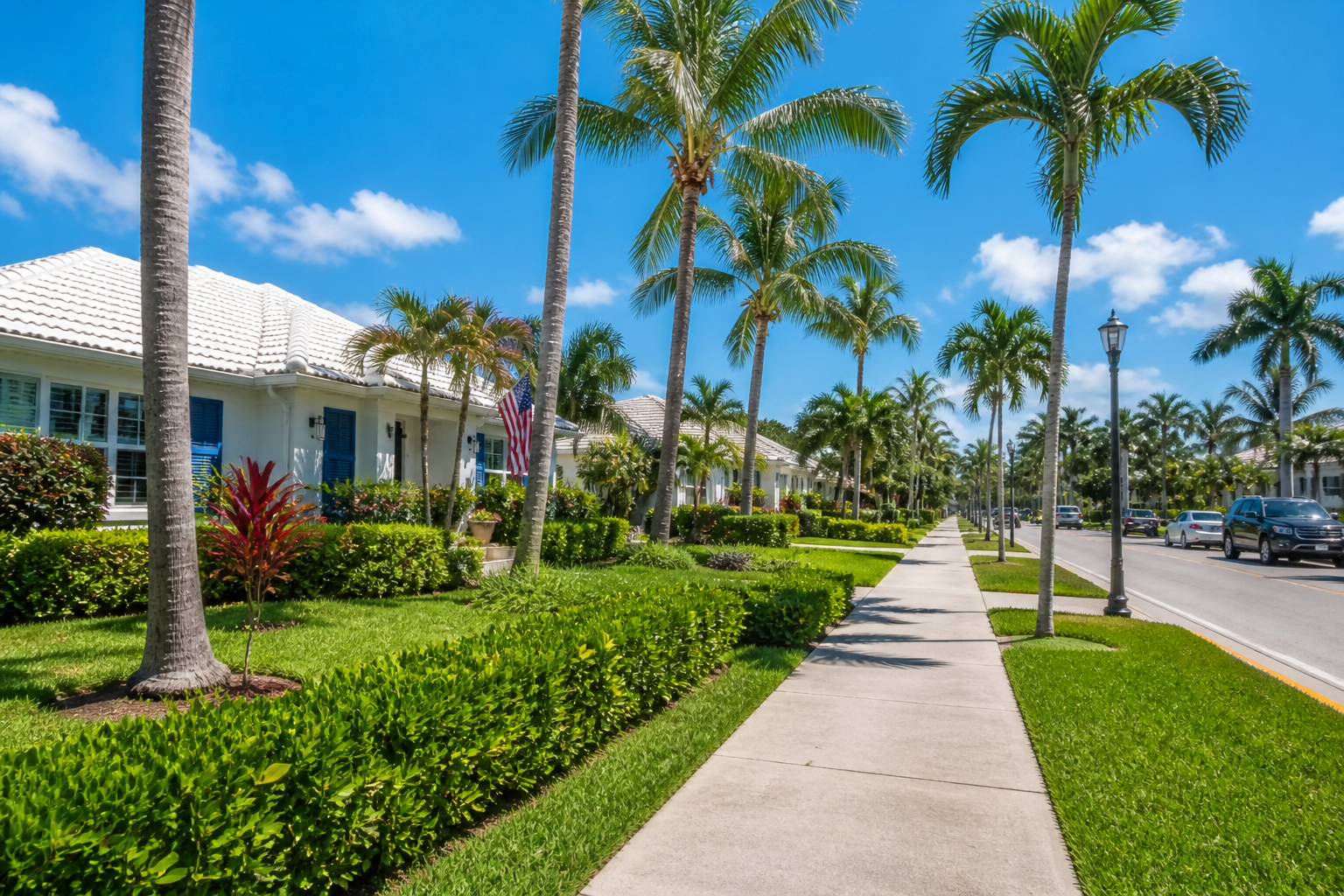
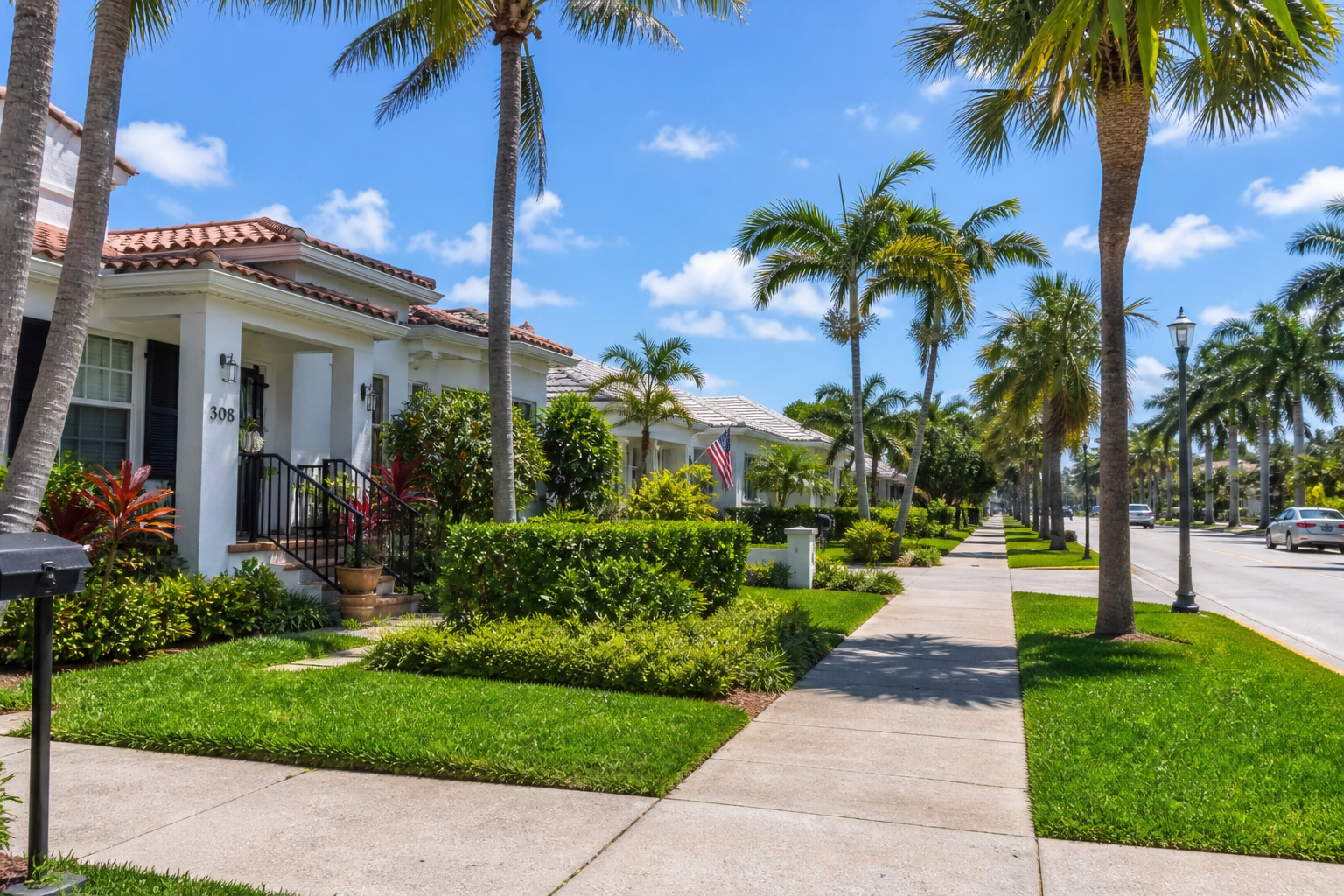
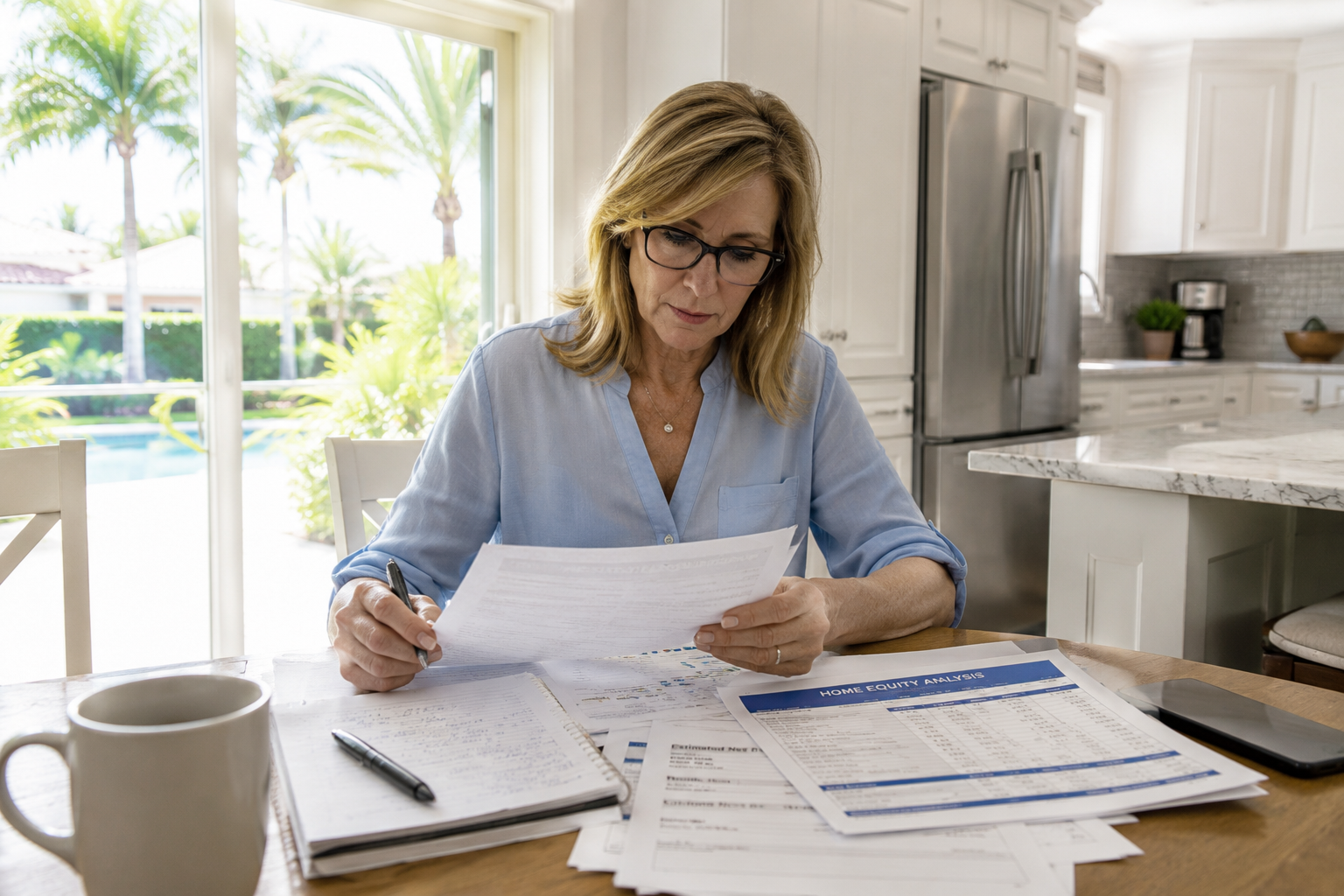
Sunny Royal Palm Beach Florida neighborhood with palm trees, residential homes, and bright South Florida natural light.

What Today’s Market Conditions Really Mean for Everyday Homeowners

Market conditions sound abstract until they begin affecting ordinary homeowner decisions. In South Florida, those decisions rarely happen in a clean, logical order. A homeowner notices insurance rising. Then property taxes feel heavier. A neighbor sells. Inventory shifts. A buyer hesitates. A repair quote arrives higher than expected. Suddenly the market is not just something happening “out there.” It starts shaping whether staying feels smart, whether selling feels possible, and whether buying another home feels manageable. That is the part many homeowners quietly struggle to interpret. Market conditions are not only about prices, interest rates, or headlines. They affect timing, confidence, leverage, and emotional bandwidth. For Palm Beach County homeowners, the real question is often not whether the market is good or bad. It is whether the current conditions support the decision they are already starting to consider.

The Market Feels Different When You Own the House

People talk about the housing market as if it is one shared experience. It is not.

A buyer feels the market through monthly payment pressure, interest rates, inventory choices, and the fear of overpaying. A seller feels it through pricing expectations, property condition, buyer hesitation, and the worry that waiting too long may reduce flexibility. A homeowner who is not actively moving may still feel the market through insurance renewals, maintenance costs, tax assessments, and the question of whether their equity is still useful.

That is why broad market commentary often misses the homeowner’s reality.

A headline may say inventory is improving, prices are shifting, or buyers are cautious. But the practical meaning depends on the person reading it. For one homeowner, more inventory may create the confidence to sell because there are more places to go next. For another, it may mean their own property needs sharper pricing and cleaner preparation to stand out.

The market does not hand every homeowner the same message.

Cost Pressure Has Changed the Way People Interpret Value

In South Florida, value is no longer just about what a home might sell for. It is also about what the home costs to keep.

Insurance, HOA fees, taxes, repairs, roof age, flood considerations, and storm preparation all affect how homeowners feel about their current position. A house can appreciate and still feel less comfortable to own. That contradiction is becoming more common.

Some homeowners are sitting on meaningful equity but feel increasingly cautious. They are not necessarily unhappy with the home. They are tired of the unpredictability around it.

That changes the decision.

Instead of asking only, “What could I sell for?” homeowners are asking, “What does staying continue to require?” The difference matters because a strong sale price may not be enough if the next move is unclear, the current home needs work, or the cost of ownership keeps absorbing more financial energy.

For many owners, checking the current value of the property through a local home value review is not about curiosity. It is a way to understand whether their options are expanding or narrowing.

Understand What Your Home May Be Worth

If this topic is making you think about your own property, checking your home’s current value can help put the local market into perspective.

Check Your Home Value

Buyer Caution Is Not the Same as Buyer Disinterest

One of the easiest mistakes sellers make is assuming cautious buyers are not serious. In many cases, they are serious. They are simply more careful.

Today’s buyers are calculating more than the purchase price. They are looking at insurance, taxes, repair exposure, roof condition, association costs, commute patterns, and the possibility that future expenses may change. In South Florida, that kind of caution is not irrational. It is part of the ownership environment.

This is especially important in communities where lifestyle appeal is strong but carrying costs vary widely. A buyer comparing Wellington homes for sale may be weighing more than neighborhood preference. They may be comparing HOA expectations, property size, roof age, insurance comfort, school-year routines, commute patterns, and whether the home feels manageable beyond the closing date.

That changes how sellers should think about preparation.

A clean, well-presented home still matters. But clarity matters just as much. Buyers want to understand what they are stepping into. If too much feels uncertain, they may hesitate even when they like the property.

What This Means for Buyers and Sellers in South Florida

For sellers, current market conditions make discipline more important. The days when strong demand could cover every pricing mistake, property issue, or weak presentation are less reliable. Buyers may still want the home, but they need enough confidence to act.

That confidence comes from realistic pricing, strong preparation, clear property information, and an honest understanding of how buyers are evaluating risk.

For buyers, the market requires patience without paralysis. Waiting for perfect conditions can become its own problem. Interest rates, insurance costs, inventory, and prices rarely align neatly. A buyer may need to focus less on finding a perfect market and more on finding a property that fits their financial life, maintenance tolerance, and daily routine.

Everyday homeowners sit between those two pressures.

They may not be active buyers or sellers yet, but they are watching the market because it affects their next decision. Should they stay and keep improving the home? Should they sell before another repair cycle begins? Should they move while equity still gives them flexibility? Should they wait for more certainty?

The market rarely answers those questions directly. It creates conditions. The homeowner has to interpret what those conditions mean for their own life.

Explore South Florida Real Estate by City

If you're comparing areas, home types, or market conditions, browsing homes by city can help put local pricing and location tradeoffs into perspective.

Explore Homes by City

The Hidden Decision Is Usually About Timing

Most homeowners do not wake up one morning and decide the market suddenly matters. They notice it slowly.

A conversation with a neighbor. A news story. A renewal notice. A repair estimate. A listing that sells faster than expected. Another one that sits. These small signals begin to accumulate, and eventually the homeowner starts wondering whether the timing of their own decision has changed.

Timing is not only about catching the highest price. That is too narrow.

Good timing means making a move while the decision still feels voluntary, while the home can be prepared thoughtfully, and while the next step can be evaluated without panic. Poor timing often happens when the decision gets delayed until stress forces it: a major repair, a cost increase, a health change, a family transition, or a sudden need to move.

South Florida makes timing more layered because ownership itself can shift quickly. Insurance rules, storm seasons, maintenance demands, and buyer expectations can all affect how a property feels from one year to the next.

The homeowner who understands this does not need to rush. But they should avoid pretending that waiting is always neutral.

Market Conditions Are Personal Before They Are Strategic

There is a reason market uncertainty feels exhausting. It asks people to make personal decisions using imperfect information.

Should I sell now?

Can I afford to buy again?

Will my home still feel manageable in three years?

Is my equity helping me, or is it just sitting inside a property that keeps getting more expensive to own?

These are not purely financial questions. They are life-structure questions. A homeowner may be trying to reduce maintenance, move closer to family, prepare for retirement, change school zones, simplify after years of upkeep, or stop carrying a home that no longer fits the way life actually works.

That is why today’s market conditions should be interpreted through the owner’s real situation, not through headlines alone. A market that feels uncertain for one person may create opportunity for another. A seller with strong equity and a well-prepared home may have options. A buyer with clear priorities may still make a smart purchase. A homeowner who is tired of increasing costs may discover that doing nothing has become the most expensive choice emotionally, even if it feels safe on paper.

Frequently Asked Questions

How should South Florida homeowners interpret today’s market conditions?

Homeowners should interpret market conditions through their own timing, equity, carrying costs, and long-term plans. A broad market update may not explain whether staying, selling, or buying makes sense for one household. In South Florida, insurance, taxes, maintenance, HOA fees, and property condition can change the meaning of the market for each homeowner.

Does buyer caution mean it is a bad time to sell?

Buyer caution does not automatically mean it is a bad time to sell. It means sellers need stronger pricing discipline, clearer property preparation, and more realistic expectations. Serious buyers are still making decisions, but many are evaluating insurance exposure, repairs, roof age, monthly costs, and long-term ownership comfort more carefully than before.

Keep Exploring South Florida Real Estate

If you're researching market trends, comparing communities, or trying to better understand how broader real estate topics affect local decisions, reviewing more South Florida resources can help put the market into context.


About the Authors

Chris and Sue Kull are South Florida real estate professionals with more than three decades of experience helping buyers, sellers, and property owners navigate real estate decisions throughout Palm Beach County and surrounding communities.
May 10, 2026

Lake Worth FL Real Estate and Long-Term Livability Fit Today

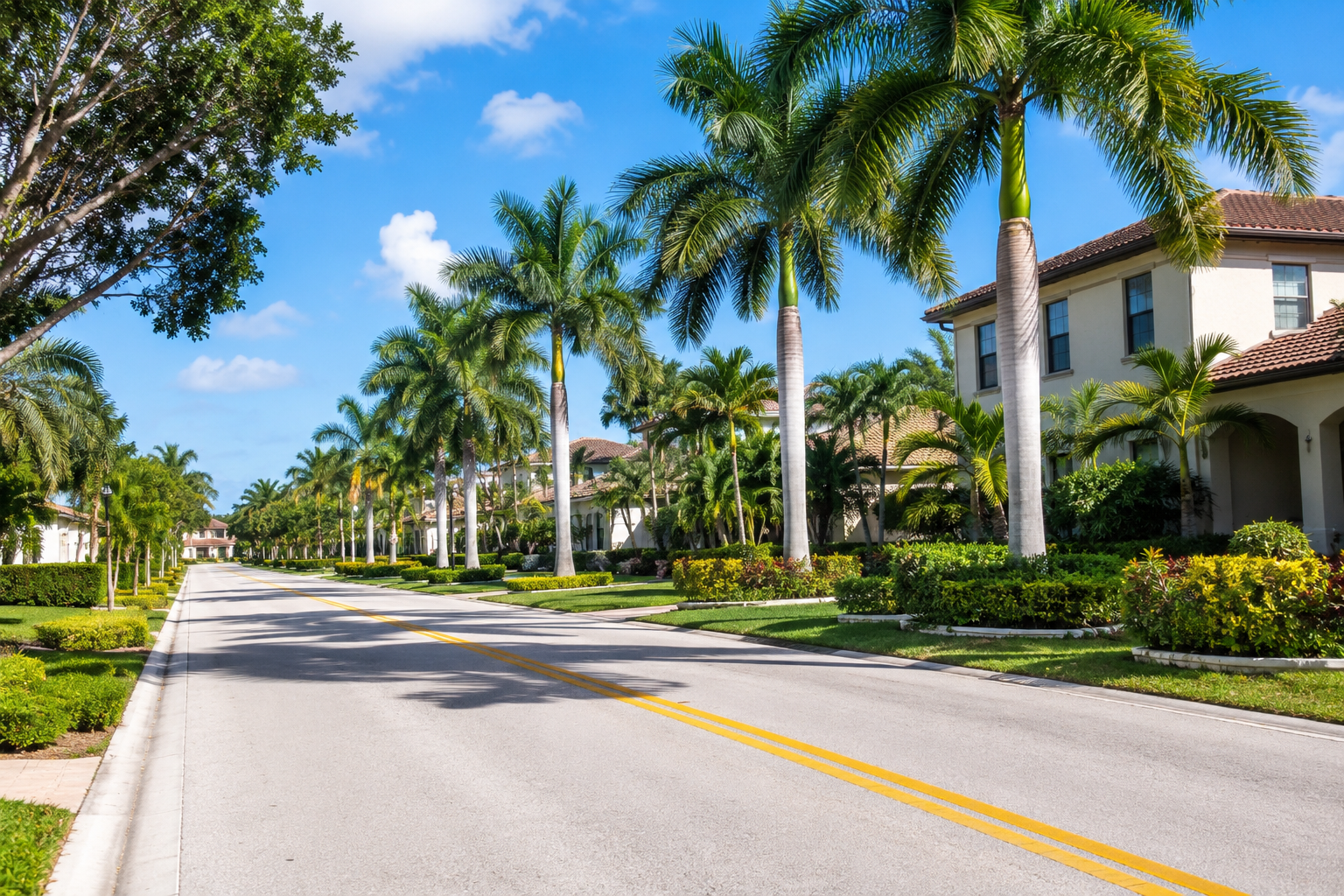
Sunny Lake Worth Florida neighborhood with palm trees and well-kept homes representing local real estate and daily livability.

How Lake Worth Balances Lifestyle, Location, and Long-Term Livability

Lake Worth FL real estate is not easy to understand from a distance because the city does not behave like a single, simple housing market. It has coastal influence, older residential pockets, suburban areas, historic character, newer ownership expectations, and a daily rhythm that changes depending on where someone lives within the broader Lake Worth area. That is why surface impressions can mislead buyers and sellers. Some people are drawn to the location because it feels connected, practical, and less polished than more uniform parts of Palm Beach County. Others need to look carefully at property condition, neighborhood texture, insurance exposure, commute routes, and long-term maintenance. Living in Lake Worth FL can make sense for people who value access and character, but it also requires more interpretation than a quick listing search provides. The real question is not whether Lake Worth is appealing. It is whether the specific version of Lake Worth fits the life someone is trying to sustain.

Lake Worth Is Best Understood in Layers

Some cities feel consistent from one neighborhood to the next. Lake Worth does not work that way.

That is not a flaw. It is part of what makes the city more nuanced than many buyers expect. The experience can change meaningfully depending on whether someone is closer to the coastal side, in an older residential pocket, near major roads, west of denser activity, or in a more planned community setting within the greater Lake Worth area.

Daily life may feel walkable and connected in one area, more car-dependent in another, and more traditionally suburban farther west. A buyer who only studies price ranges can miss the bigger issue: the same city name can represent very different ownership environments.

This is where Lake Worth rewards patience.

People who understand the city neighborhood by neighborhood tend to make clearer decisions. They do not assume every home carries the same lifestyle, maintenance profile, or long-term fit. They look at the street, the property age, the surrounding pattern, the commute, the insurance considerations, and how the area will feel after the excitement of the purchase fades.

Daily Living Depends on How Much Texture You Want Around You

Lake Worth has a different emotional quality than more uniform communities. It can feel active, practical, eclectic, established, and lived-in. For some buyers, that feels refreshing. For others, it can feel less predictable than they expected.

There is a difference between liking character and wanting to manage everything that comes with it.

Older homes may offer charm, mature landscaping, or a location that feels connected to the city’s identity. They may also come with roof questions, updating needs, insurance review, older systems, or maintenance decisions that require more attention. Newer or more suburban parts of the broader Lake Worth area may offer a different kind of ease, but they may not provide the same sense of local texture.

A person’s routine matters here. Someone who wants convenient access to errands, restaurants, local streets, and regional routes may appreciate the way Lake Worth sits within Palm Beach County. Someone who wants a quieter, more controlled environment may need to be more selective about neighborhood choice.

That is why buyers reviewing Lake Worth homes for sale should look beyond the property photos. The real evaluation is how the home, street, location, and ownership demands will work together over time.

Explore Homes by City

If you're comparing areas, home types, or neighborhood environments, browsing homes by city can help put pricing and location tradeoffs into perspective.

Explore Homes by City

Location Is One of Lake Worth’s Strengths, but It Comes With Tradeoffs

Lake Worth’s position in Palm Beach County is one of the reasons it stays relevant to different kinds of buyers. It offers access to coastal areas, central county routes, employment corridors, shopping, medical services, and neighboring communities without feeling as removed as some western markets.

That access has real value.

Still, access does not mean every part of Lake Worth functions the same way. Traffic patterns, school-year routines, bridge access, major road proximity, and commute direction can shape daily life more than buyers expect. A home may look close to everything on a map, but the actual rhythm of driving, errands, work, and weekend routines may tell a more specific story.

This is especially important for buyers comparing Lake Worth with communities farther west or northwest. A household reviewing Royal Palm Beach homes for sale may be weighing a different version of daily life: more inland structure, different lot patterns, different commute expectations, and a different relationship to density.

Neither setting is automatically more practical. The right choice depends on what someone is trying to reduce or protect. Less driving. More room. Older character. Newer systems. A stronger suburban rhythm. More immediate access. Each tradeoff matters because daily satisfaction is usually shaped by small repeated conveniences, not one dramatic feature.

Ownership in Lake Worth Requires a Clear View of Condition

Property condition carries weight in every South Florida market, but in Lake Worth it deserves especially careful attention because the housing stock can vary widely.

Some homes have been updated thoughtfully. Others may need work that is not obvious in photos. Roof age, electrical systems, plumbing, windows, drainage, insurance eligibility, permits, additions, and maintenance history can all affect the true ownership experience.

This is where buyers need discipline.

A home that seems affordable at purchase can become expensive if deferred maintenance appears after closing. A property with charm may still need a practical review of systems and future costs. A renovated home may look finished but still require careful questions about the quality and scope of the work.

Sellers need to understand the same reality from the other side. Buyers in Lake Worth may be drawn to character and location, but they are also cautious. They want to know what they are inheriting. If the home has updates, documentation matters. If there are older components, pricing and positioning need to reflect that honestly.

Strong presentation helps, but clarity helps more.

What This Means for Buyers and Sellers in South Florida

For buyers, Lake Worth requires a more careful definition of value. The lowest price may not be the best long-term choice if the home carries heavier maintenance, insurance uncertainty, or a location pattern that complicates daily life. The more expensive home may be easier to own if the systems, updates, location, and routine fit are stronger.

This is why buyer caution in Lake Worth is usually practical, not negative. People are trying to understand what the home will feel like after closing. Will the commute work? Will the property require constant attention? Are the improvements meaningful? Does the neighborhood support the way they actually live?

For sellers, the city’s diversity means positioning has to be specific. A Lake Worth listing should not rely on broad statements about lifestyle or location. It should help buyers understand the property’s real strengths: access, updates, lot utility, neighborhood feel, outdoor space, condition, layout, or long-term livability.

There is also an emotional layer. Buyers considering Lake Worth often want something that feels less generic. But they still need confidence. Sellers who can combine character with clear information tend to reduce friction. Sellers who rely only on charm may leave buyers with unanswered questions.

The Long-Horizon Fit Is Not the Same for Every Buyer

Some people settle into Lake Worth because it gives them a mix they have trouble finding elsewhere: location, variety, character, and access without the same feel as more polished or more distant markets.

Others discover that the fit is not right.

They may want more uniform neighborhoods. They may want newer homes with fewer unknowns. They may want a quieter inland routine, a stricter gated environment, or a community where the ownership expectations feel more predictable. That does not make Lake Worth wrong. It makes the decision more personal than a simple search result can explain.

Long-term livability depends on tolerance for variation. Some buyers enjoy the fact that Lake Worth does not feel overly standardized. Some do not. Some appreciate older homes and local character. Others would rather trade charm for newer systems and fewer maintenance questions.

The best Lake Worth decision starts with an honest assessment of how someone wants to live five years from now, not just what feels interesting during the search. A home can be appealing and still be the wrong ownership fit. A neighborhood can seem less dramatic and still support a better daily life.

Sellers Need to Understand How Buyers Read the City

Lake Worth sellers often benefit from the city’s location and name recognition, but buyers do not interpret those advantages automatically. They compare. They question. They look for signs that the home will be manageable, insurable, functional, and worth the tradeoffs.

A seller may see the home through years of familiarity. A buyer sees risk and possibility at the same time.

That gap matters. If a property has strong updates, those updates need to be clear. If the location offers meaningful access, that should be explained in practical terms. If the home has older features, the pricing conversation needs to account for how buyers will perceive future work.

Lake Worth can attract buyers who are open-minded, but open-minded does not mean careless. Many are trying to balance lifestyle, budget, condition, and long-term stability. The homes that resonate are usually the ones where the story and the facts match.

That is the steady approach this city requires. Not hype. Not overstatement. Just a clear understanding of what the property offers and what the buyer will need to feel comfortable choosing it.

Frequently Asked Questions

Is Lake Worth a good fit for buyers who want character and convenience?

Lake Worth can be a strong fit for buyers who value location, established neighborhoods, local texture, and access to central Palm Beach County. The fit depends heavily on the specific area and property condition. Buyers who want uniform neighborhoods or newer homes with fewer maintenance questions should compare carefully before deciding, because Lake Worth offers variety rather than one consistent ownership experience.

What should sellers in Lake Worth understand before listing?

Sellers should understand that buyers often evaluate Lake Worth homes through both opportunity and caution. Location and character can attract attention, but condition, roof age, insurance considerations, updates, permits, and pricing discipline matter. A strong listing should make the home’s practical value clear so buyers understand not only what the property looks like, but how it may function after closing.

Keep Exploring South Florida Real Estate

If you're comparing communities, evaluating lifestyle tradeoffs, or trying to better understand how different parts of South Florida align with your long-term goals, reviewing additional local resources can help create clearer perspective.


About the Authors

Chris and Sue Kull are South Florida real estate professionals with more than three decades of experience helping buyers, sellers, and property owners navigate real estate decisions throughout Palm Beach County and surrounding communities.

May 10, 2026

What Home Equity Allows South Florida Owners to Do

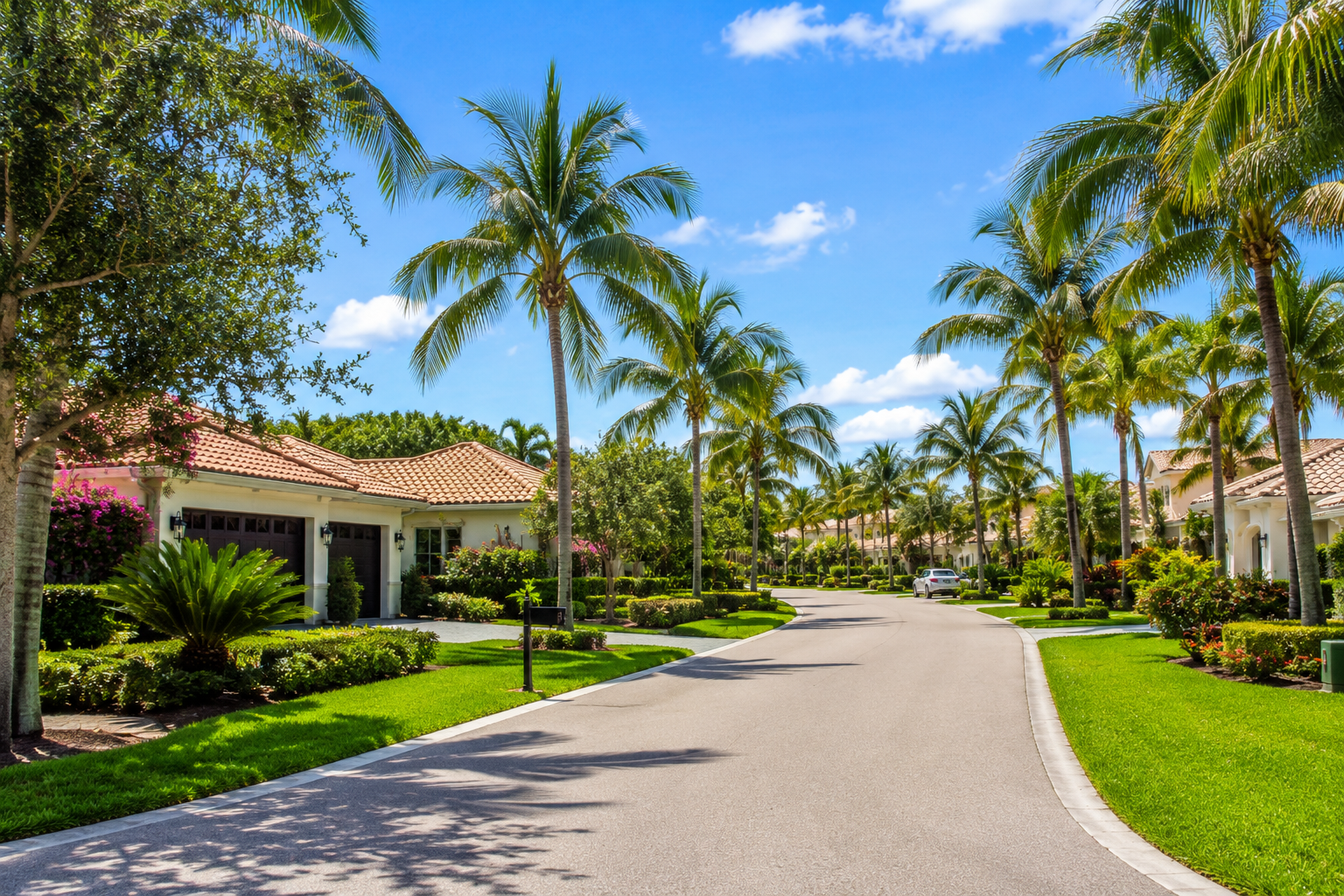
South Florida homeowner reviewing home equity paperwork and housing costs while considering a financially smarter move to a newer or lower-maintenance home.What Your Home Equity Really Allows You to Do Right Now
Home equity can look comforting on paper and still feel confusing in real life. Many South Florida homeowners know their property may be worth more than it was years ago, but they are less certain about what that actually gives them permission to do. Stay longer? Sell while the value is strong? Move into something newer? Reduce monthly pressure? Use the equity to reposition before insurance, taxes, maintenance, or future repairs absorb more of the benefit? That is where the decision becomes more emotional than most people expect. Equity is not just a number. It can become a doorway, a safety buffer, or a missed opportunity depending on timing, costs, and the home someone wants to live in next. For many Palm Beach County homeowners, the real question is no longer simply, “What is my home worth?” It is, “What does that value allow me to change?”

Equity Only Matters If It Improves the Next Decision

There is a difference between having equity and using equity well.

A homeowner may have built meaningful value over time, especially in areas where prices rose sharply during the past several years. That can feel reassuring. But equity does not automatically create clarity. It has to be compared against the cost of staying, the cost of selling, the cost of buying again, and the quality of life the next home would actually provide.

Some homeowners assume equity means they are in a strong position no matter what. Others assume moving will be too expensive before they have done the math. Both reactions can lead to hesitation.

The more useful question is narrower: would using the equity create a better ownership structure than the one you have now?

That may mean reducing repairs. It may mean moving into a newer home with fewer immediate projects. It may mean choosing a location with a different cost profile. It may mean keeping a mortgage but lowering the amount of stress attached to the home itself.

Equity is not the finish line. It is leverage. What matters is whether that leverage creates a more sustainable life after the move.

In South Florida, the Cost of Staying Changes the Math

Many homeowners evaluate their home equity without fully weighing what the current home may continue to require. That is especially important in South Florida, where insurance pressure, roof age, storm preparation, property taxes, HOA fees, and maintenance demands can quietly change the value of staying put.

A home can be worth more and still feel financially inefficient.

That is the part people often miss. Strong equity does not always mean the best move is to remain in place indefinitely. If the home is older, expensive to insure, costly to maintain, or larger than the owner still needs, the equity may be useful because it creates options before those pressures become heavier.

For someone in Wellington, the conversation may begin with property value, but it rarely ends there. A homeowner reviewing Wellington homes for sale may be comparing not only prices, but also the kind of ownership experience they want next: newer construction, smaller maintenance footprint, different HOA environment, or a layout that fits better now than it did ten years ago.

That is why equity should be read alongside future costs, not separately from them.

If You’re Thinking About Moving, It Usually Starts Here

Most homeowners don’t randomly decide to move. It builds over time. If you’re starting to think about selling and moving into something newer or easier to maintain, it usually comes down to one of these situations. Choose the one that feels closest to you.

Your home is starting to feel like too much to manage →

Maintenance, repairs, or simply keeping up with everything may be taking more time and energy than you want to keep giving.

You’re trying to make a smarter financial move →

You may be thinking about reducing expenses, using your equity differently, or moving into a home that fits your long-term plans better.

You want something newer, simpler, and easier to live in →

Many homeowners reach a point where they want less maintenance, a more efficient layout, and a home that feels easier day to day.

The Hidden Question Is Whether Your Equity Buys Relief

Some people think about equity as profit. That is understandable, but it can be incomplete.

Equity may also buy relief.

Relief from a home that needs constant attention. Relief from a layout that no longer fits. Relief from a property that feels expensive to protect, repair, insure, or manage. Relief from wondering whether the next major project will erase part of the advantage gained through appreciation.

This is where the decision becomes personal. A homeowner may not be desperate to sell. They may even like the home. But liking a home and wanting to keep carrying it are not the same thing.

For many South Florida owners, equity creates the possibility of moving before frustration becomes urgency. That timing matters. Decisions made from strength usually feel different from decisions made after a repair problem, insurance surprise, or financial squeeze forces the conversation.

A current property value review through your home value can help put the question into clearer perspective, but the number is only the beginning. The better conversation is what that number can realistically do for you.

Comparing Areas Means Comparing Ownership Structures

Moving from one South Florida home to another is not only a location decision. It is a financial structure decision.

A homeowner may be comparing Palm Beach County equity against options in another market, another neighborhood, or another type of home. The appeal may be a newer roof, lower maintenance, more predictable expenses, or a property that better matches the next stage of life. The address matters, but the ownership experience matters more.

This is why comparing nearby markets requires more than looking at asking prices. A home in Boynton Beach may offer a different lifestyle pattern, access point, housing mix, or cost profile than a home farther west. Someone reviewing Boynton Beach homes for sale may not be looking for the same day-to-day experience as someone focused on Wellington, Port St. Lucie, or another inland option.

Equity can open choices, but choices still need discipline.

A lower purchase price does not automatically mean a better financial move. A newer home does not automatically mean lower total cost. A different city does not automatically solve ownership stress. The right move is the one where the equity, carrying costs, lifestyle, and long-term maintenance picture work together instead of fighting each other.

What This Means for Buyers and Sellers in South Florida

For sellers, equity can create room to think more strategically. It may allow them to sell before the current home needs another round of major investment. It may create flexibility to move into a home that is easier to maintain or better aligned with future expenses. It may also allow them to reposition into a market where their dollars stretch differently.

But equity can also create false confidence.

A seller may focus on the top-line value and underestimate transaction costs, repairs, buyer expectations, insurance concerns, or what they will need to spend on the next home. In South Florida, where roof condition, wind mitigation, flood considerations, and maintenance history can influence buyer confidence, the quality of the property matters as much as the strength of the market.

For buyers, equity from a prior home can be powerful because it may reduce the pressure of the next purchase. It can help with down payment strength, cash positioning, or choosing a home that fits long-term costs better. Still, buyers need to be careful not to use equity simply to afford more house if the goal is actually to create a more sustainable ownership life.

The strongest decisions usually come from matching the financial move to the emotional problem. If the current home feels expensive, unpredictable, or harder to manage, the next home should not recreate the same pressure in a different form.

Using Equity Well Requires an Honest Look at Timing

Timing is rarely perfect. Waiting can feel safe because it avoids disruption. Moving can feel risky because it forces decisions into the open.

Still, doing nothing is also a decision.

If ownership costs are rising, if maintenance is accumulating, or if the home no longer fits the way life works now, waiting may have a cost that is harder to see. It may mean another insurance renewal, another repair cycle, another season of upkeep, or another year of equity tied to a home that feels less aligned with the future.

For some homeowners, the financial lane becomes clear only after they admit that the current home is not necessarily wrong. It is just no longer efficient.

That distinction matters because it removes shame from the decision. Selling a home with strong equity does not mean abandoning something good. It can mean using what the home has built to create a better next chapter.

If the goal is to make a more financially thoughtful move, the next step is not pressure. It is clarity. A focused look at using equity to make a smarter South Florida move can help connect the current value of the home to the kind of ownership structure that may make more sense now.

Frequently Asked Questions

How do I know if my equity is enough to make a move worthwhile?

Equity becomes meaningful when it creates a stronger next position after selling costs, moving expenses, the next purchase price, and future ownership costs are considered. The question is not only how much value you have built, but whether using that value could reduce financial pressure, improve predictability, or help you move into a home that fits your life better now.

Can using home equity help reduce long-term ownership stress?

It can, but only if the next home is chosen carefully. Equity may help you move into a newer, easier, or more financially manageable property, but it should not simply be used to buy a more expensive version of the same problem. The goal is to compare total ownership costs, maintenance expectations, insurance exposure, and lifestyle fit before deciding.

Keep Exploring South Florida Real Estate

If you're trying to better understand whether staying, selling, or simplifying makes sense, exploring more South Florida real estate guidance can help create clarity before making a major decision.


About the Authors

Chris and Sue Kull are South Florida real estate professionals with more than three decades of experience helping homeowners, buyers, sellers, and relocating families navigate real estate decisions throughout Palm Beach County and surrounding communities.

May 10, 2026

Wellington FL Real Estate and Daily Life Realities Today

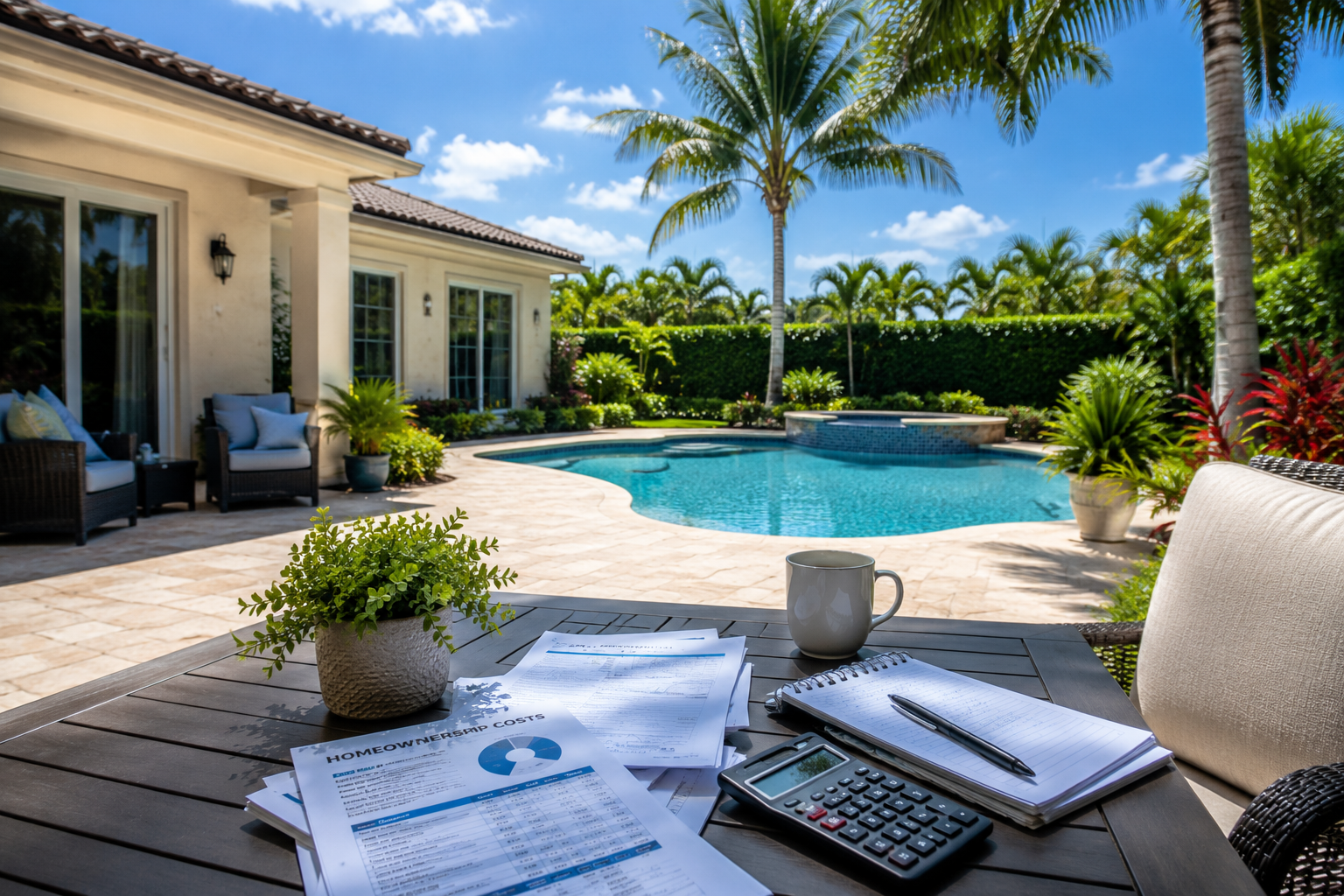
Sunny Wellington Florida residential street with palm trees and well-maintained homes representing local real estate and daily living.What Buyers and Sellers Should Understand About Wellington, FL
Wellington FL real estate is often discussed through its most visible traits: gated communities, equestrian properties, strong neighborhoods, and a lifestyle that feels more organized than many parts of South Florida. Those impressions are not wrong, but they are incomplete. Wellington is a place where daily routines matter as much as the home itself. The way people experience the city depends on commute patterns, school-year rhythms, seasonal traffic, HOA expectations, property maintenance, and how much structure they want around their day-to-day life. For some buyers, Wellington feels calm, polished, and practical. For others, it can feel more spread out, more association-driven, or less spontaneous than they expected. Sellers also need to understand that buyers are not only evaluating bedrooms, finishes, and square footage. They are trying to decide whether the lifestyle behind the address fits the way they actually live.

Wellington Makes the Most Sense When Daily Life Matches the Setting

Some communities look appealing from a distance but feel different once routines settle in. Wellington is one of those places where the fit becomes clearer after someone imagines an ordinary Tuesday, not a weekend showing.

The city tends to reward people who value space, order, neighborhood consistency, and a quieter residential rhythm. Many areas feel intentionally planned. Streets often have a calmer pace than denser coastal markets. Homes may offer larger lots, more separation, or a stronger sense of privacy than buyers find farther east.

That structure is part of the appeal.

It is also part of the tradeoff. Wellington is not usually the choice for someone who wants constant walkable nightlife, quick coastal access, or the energy of a more urban environment. The city functions differently. Life is often built around school schedules, work commutes, errands, equestrian activity, youth sports, community routines, and home-centered living.

For the right buyer, that feels grounding. For the wrong buyer, it can feel too quiet or too spread out. That distinction matters because satisfaction in Wellington often comes from compatibility, not surface admiration.

The Ownership Experience Is More Layered Than the First Impression

Wellington homes can present beautifully. Many neighborhoods have mature landscaping, thoughtful layouts, gated entrances, or a polished residential feel. But ownership here is not only about how a property looks. It is about what the home requires over time.

HOA expectations can shape everything from exterior appearance to maintenance standards. Larger homes may carry higher upkeep demands. Pool care, landscaping, roof age, insurance considerations, storm preparation, and association rules can all become part of the ownership rhythm.

People sometimes underestimate that.

A buyer may fall in love with the privacy of a larger lot, then later realize the landscaping requires more attention than expected. Another may appreciate a gated community but need to understand the association’s rules, fees, and approval process before making assumptions. Equestrian-area buyers may be drawn to land, barns, and space, but those properties require a different level of operational awareness than a typical suburban home.

Wellington can be an excellent place to own property, but it favors buyers who understand the full environment they are entering. The home is only one piece. The neighborhood structure, carrying costs, maintenance expectations, and daily logistics all shape the experience.

Buyers Often Need to Look Past the Lifestyle Image

Wellington has a strong identity, and strong identities can simplify decision-making too much. A buyer may hear “Wellington” and immediately think of equestrian life, family neighborhoods, good residential structure, or a certain level of stability. Those associations are common for a reason, but they do not apply the same way across every property or every part of the city.

One buyer may be looking for a gated community with predictable surroundings. Another may want acreage. Another may care most about school access, commute patterns, or proximity to shopping and medical services. Someone else may want a seasonal home tied to equestrian activity but not understand how different winter and summer rhythms can feel.

The question is not simply whether Wellington is desirable. The better question is which version of Wellington fits the buyer’s actual life.

That is where many search decisions become more practical. Buyers comparing Wellington homes for sale should pay attention to how each neighborhood affects routine, not just how the listing appears online. A beautiful home in the wrong daily pattern can become frustrating. A less dramatic home in the right setting can feel better after six months than it did on day one.

Wellington rewards thoughtful comparison. It does not reward assumptions.

Explore Homes by City

If you're comparing areas, home types, or neighborhood environments, browsing homes by city can help put pricing and location tradeoffs into perspective.

Explore Homes by City

Where Wellington Sits Within Palm Beach County

Wellington occupies a specific place in Palm Beach County’s housing landscape. It is not coastal in the way Jupiter, Juno Beach, or Delray Beach are coastal. It is not as urbanized as West Palm Beach. It does not feel like a purely inland affordability play either.

Its position is more nuanced.

Wellington often appeals to people who want South Florida access without living directly in the coastal flow. They may want more residential quiet, more room, more neighborhood structure, or a different pace than they find east of I-95. At the same time, they still want access to Palm Beach County employment, shopping, medical services, schools, recreation, and regional routes.

The tradeoff is distance. Depending on where someone works, travels, or spends their free time, that distance can feel minor or meaningful. Commutes toward the coast, downtown West Palm Beach, Boca Raton, or northern Palm Beach County need to be considered honestly. A drive that feels reasonable during a weekend showing may feel different during a regular workweek.

This is also where nearby-city comparisons become useful. Someone considering Wellington may also look at communities farther east or south depending on commute needs, price sensitivity, and lifestyle preferences. For example, buyers reviewing Boynton Beach homes for sale may be weighing a different mix of access, density, coastal proximity, and housing variety.

Neither choice is automatically better. The right answer depends on the life being built around the home.

What This Means for Buyers and Sellers in South Florida

For buyers, Wellington requires a more complete evaluation than a simple neighborhood preference. The city can be a strong fit for people who want stability, space, school-year structure, equestrian access, or a quieter residential environment. It may be less ideal for buyers who want immediate coastal proximity, dense walkability, or a less structured ownership setting.

That does not make Wellington limited. It makes it specific.

Specificity matters in real estate because the best decisions usually come from alignment. Buyers should look at commute routes, community rules, property maintenance, insurance considerations, HOA expectations, and how the home supports their actual routine. A Wellington property can look appealing in photos and still be the wrong fit if the daily pattern feels inconvenient.

For sellers, the message is different but connected. Wellington buyers are often lifestyle-sensitive. They may care about condition, privacy, neighborhood feel, school access, association stability, outdoor space, and whether the property feels manageable. Sellers who understand those concerns can position the home with more clarity.

This does not mean overstating the lifestyle or trying to make every home sound exceptional. Buyers can sense that quickly. Strong positioning comes from explaining the property honestly: what kind of living pattern it supports, what it offers that is hard to replicate, and what a buyer should understand before comparing it with other South Florida options.

In Wellington, buyer caution is often practical rather than negative. People want to know whether the home will work after the excitement of the purchase fades.

Seller Psychology Is Different in a City With Strong Identity

Sellers in Wellington often know the city has a recognizable reputation. That can create confidence, but it can also create blind spots.

A strong city identity does not automatically carry every listing. Buyers still compare condition, layout, lot utility, HOA fees, roof age, insurance exposure, renovation quality, and neighborhood fit. They also compare the home against alternatives in nearby communities that may offer different tradeoffs.

A seller may think, “This is Wellington, so buyers will understand the value.” Some will. Others need the value translated clearly.

That translation matters. A home near equestrian activity may appeal strongly to one buyer and mean very little to another. A gated community may create confidence for one household and feel restrictive to someone else. A larger lot may feel like freedom to one buyer and maintenance to another.

The goal is not to convince every buyer. It is to help the right buyer understand why the property fits the life they are trying to create.

Pricing also needs discipline. In a city with strong emotional appeal, sellers can sometimes overvalue the idea of the location while buyers focus more narrowly on condition, cost, and comparison. The market responds best when the story of the home and the reality of the home are aligned.

Long-Term Livability Comes Down to Fit, Not Image

Living in Wellington FL can feel peaceful, structured, and deeply practical when the fit is right. The city supports people who want residential calm, community consistency, room to breathe, and a lifestyle that feels less compressed than some other South Florida markets.

But the same qualities that attract one person can create friction for another.

Distance from the coast may not matter to someone whose life is centered around schools, horses, home, and local routines. It may matter a lot to someone who wants beach access several times a week. HOA structure may comfort one owner and frustrate another. A larger home may feel like success at purchase and feel like work later if the household’s needs change.

That is why Wellington should be understood through lived experience, not reputation alone.

The city has a clear identity, but real estate decisions are personal. The better someone understands the rhythm of daily life, the more likely they are to choose well. The better a seller understands buyer psychology, the more accurately they can present the property. Wellington is not a one-size-fits-all answer. It is a strong answer for the right person, in the right property, with the right expectations.

Frequently Asked Questions

Is Wellington a good fit for buyers who want a quieter South Florida lifestyle?

Wellington can be a strong fit for buyers who want residential calm, neighborhood structure, space, and a more home-centered routine. It tends to work best for people who value planned communities, school-year rhythms, equestrian access, or a quieter inland setting. Buyers who want dense walkability, constant nightlife, or quick coastal access should compare the daily logistics carefully before deciding.

What should sellers understand before listing a home in Wellington?

Sellers should understand that Wellington’s reputation helps, but it does not replace strong positioning. Buyers still evaluate condition, pricing, roof age, insurance considerations, HOA costs, layout, and lifestyle fit. A well-presented Wellington home should make the property’s practical value clear, not just rely on the city name. The strongest listings help buyers understand how the home will function after closing.

Keep Exploring South Florida Real Estate

If you're comparing communities, evaluating lifestyle tradeoffs, or trying to better understand how different parts of South Florida align with your long-term goals, reviewing additional local resources can help create clearer perspective.


About the Authors

Chris and Sue Kull are South Florida real estate professionals with more than three decades of experience helping buyers, sellers, and property owners navigate real estate decisions throughout Palm Beach County and surrounding communities.

May 10, 2026

Insurance and Ownership Costs Reshaping Moves

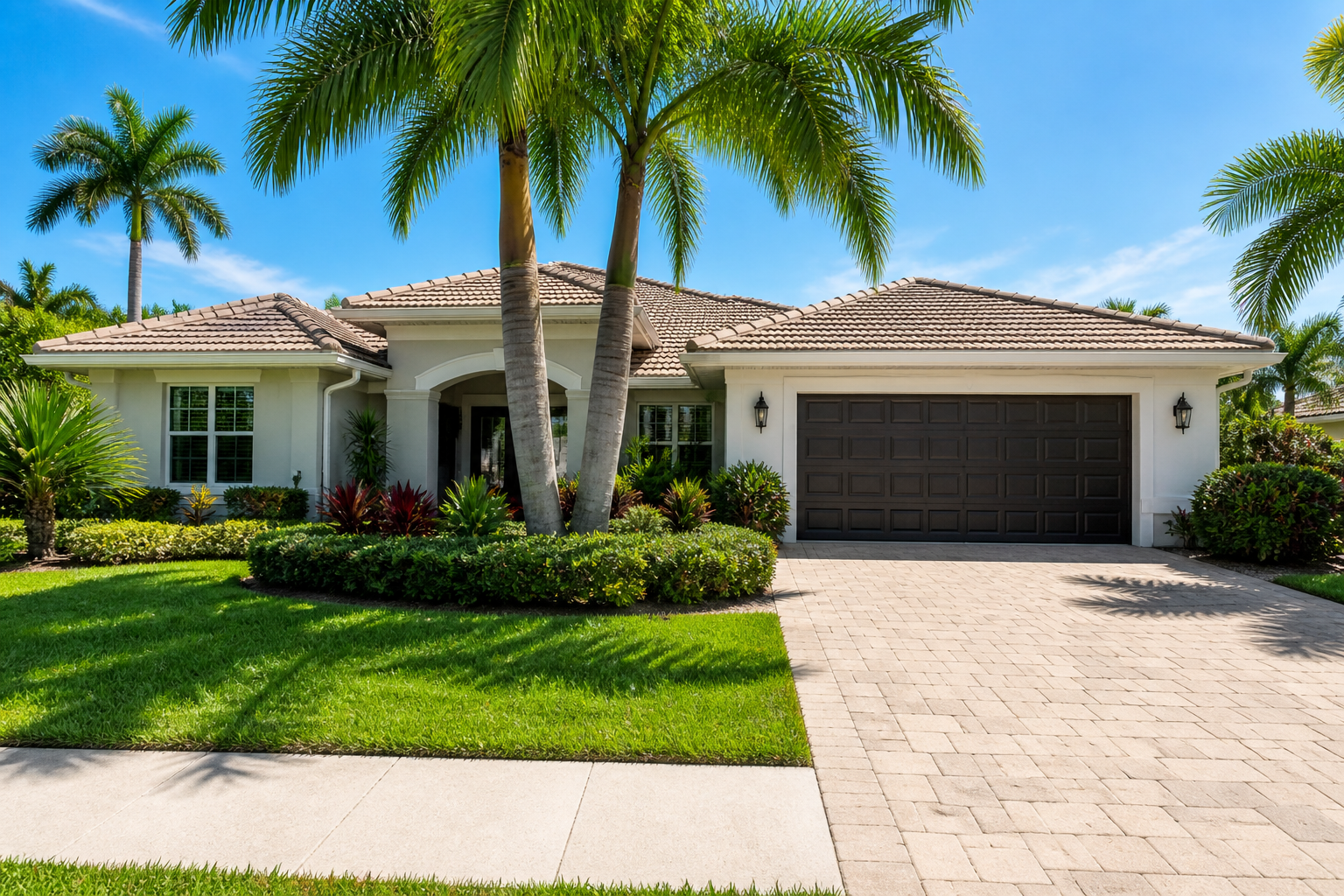
South Florida home exterior representing insurance, maintenance, taxes, and ownership costs influencing moving decisions.What Insurance and Ownership Costs Can Change About a Move
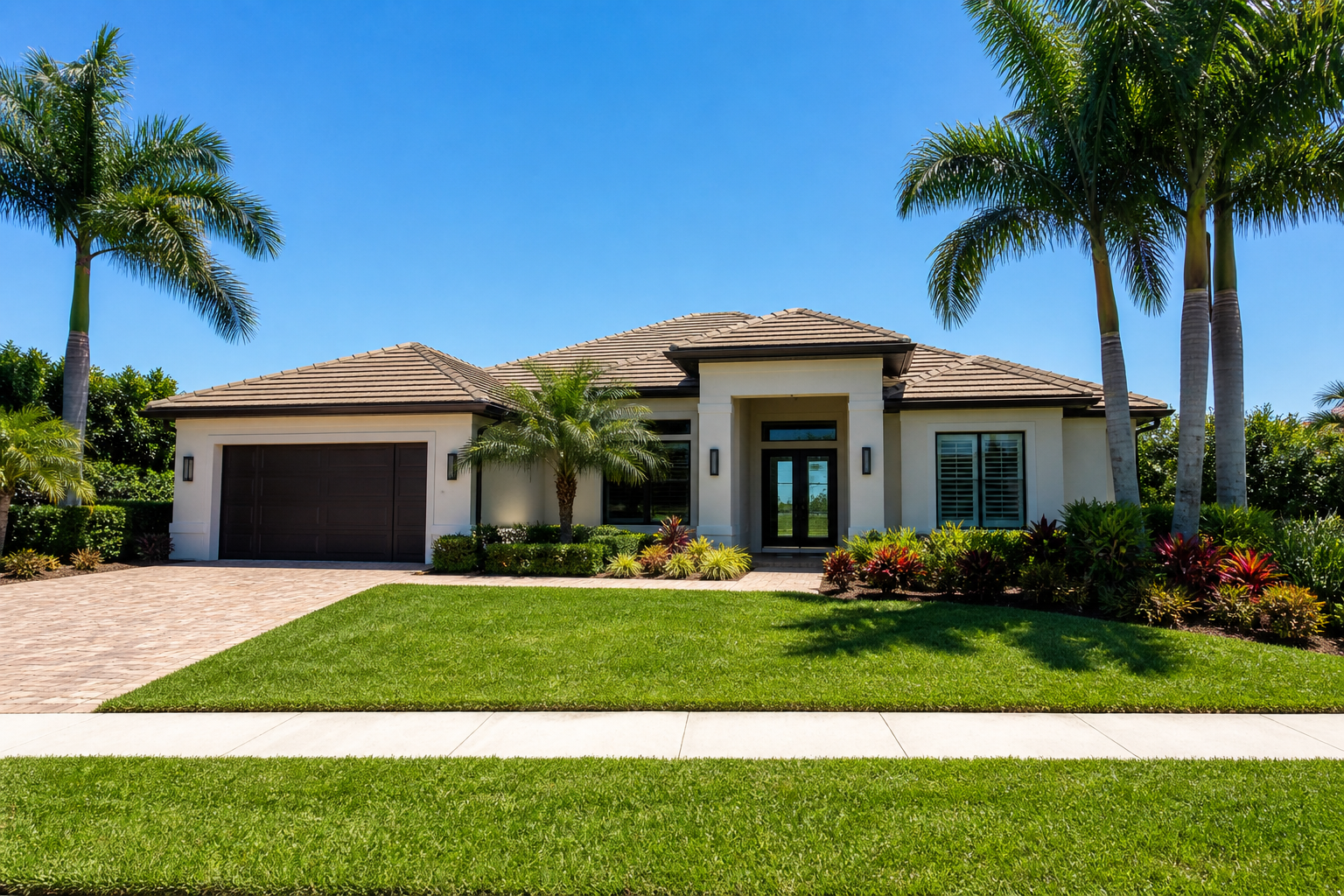
In South Florida, the cost of owning a home can change the way a person feels about staying long before they decide to leave. The mortgage may be familiar. The neighborhood may still feel right. The memories may still matter. But insurance renewals, tax changes, HOA increases, roof concerns, storm preparation, and repair expectations can slowly alter the experience of ownership. That is the part many people underestimate. A moving decision is not always triggered by wanting something bigger, newer, or more impressive. Sometimes the home simply begins to require more attention, more money, and more emotional bandwidth than the owner wants to keep giving it. In Palm Beach County and surrounding communities, that pressure carries a different weight because homes are affected by weather exposure, property age, association rules, coastal risk, and rising maintenance expectations. Eventually, the question changes from whether someone likes the home to whether the home still feels manageable.

The House Payment Is Only One Part of the Decision

Most people know their mortgage payment. They may even know their taxes and insurance off the top of their head. What is harder to measure is the way those costs feel when they stop behaving predictably.

A homeowner can absorb one increase. Maybe two.

Then the roof needs attention. The insurance renewal arrives higher than expected. The HOA discusses another budget adjustment. A repair that used to feel optional starts to feel like something a buyer, lender, or insurer may care about later.

That is when the home begins to feel different.

The issue is not always affordability in the strict sense. Many South Florida homeowners can still afford the property they own. The deeper issue is whether the property still supports the lifestyle they expected it to provide. A home that once felt stable can begin to feel administratively heavy. More decisions. More documents. More contractors. More uncertainty before storm season.

Ownership fatigue usually builds quietly. It rarely announces itself as a single dramatic moment.

Why Insurance Pressure Changes the Feeling of Staying

Insurance is different from other housing costs because it changes the emotional relationship a person has with the home. A higher electric bill is frustrating. A higher insurance premium can feel like a warning.

In South Florida, insurance connects directly to roof age, wind mitigation, flood exposure, hurricane preparation, and the broader condition of the property. That makes it feel personal. The house is not just a place to live. It becomes something that must be defended, documented, maintained, and justified.

For some owners, this creates a subtle kind of tension. They still like the location. They may not want to move. But they start wondering whether staying means accepting a future of rising costs and recurring property decisions.

That thought can be enough to shift timing.

A homeowner who planned to wait three more years may begin evaluating the market sooner. A buyer who once focused mainly on price may start asking harder questions about roof condition, flood zones, association fees, insurance history, and the total cost of ownership after closing.

Understand What Your Home May Be Worth

If this topic is making you think about your own property, checking your home’s current value can help put the local market into perspective.

Check Your Home Value

What This Means for Buyers and Sellers in South Florida

For buyers, the real comparison is no longer just one home against another. It is one ownership environment against another.

A lower purchase price may not mean a better fit if the home brings higher insurance exposure, older systems, unclear maintenance history, or association costs that make the monthly picture less comfortable. Buyers are becoming more sensitive to the difference between buying a home and living with it.

For sellers, this changes how value is interpreted. Presentation still matters. Pricing still matters. But clarity matters more than many owners realize. Buyers want to understand what they are inheriting when they purchase the home: the roof, the systems, the association environment, the likely maintenance path, and the financial texture of ownership.

A well-prepared South Florida listing does not simply look attractive. It reduces uncertainty.

That matters because uncertainty has become expensive. If a buyer senses too many unanswered questions, they may discount the property emotionally before they ever make an offer. If a seller understands that dynamic early, they can make better decisions about preparation, documentation, pricing, and timing.

The Hidden Pressure Is Often Routine Disruption

Housing costs are usually discussed in financial terms, but the daily-life effect is often more revealing.

When ownership becomes more complicated, routines change. Homeowners spend more time monitoring bills, calling contractors, reviewing association notices, preparing for storms, or wondering whether the next renewal will bring another surprise.

That mental load matters.

A home may still be beautiful and still feel burdensome. A property may still have equity and still feel misaligned with the owner’s next chapter. This is especially common when the house was a good fit for one season of life but begins to feel oversized, aging, expensive, or maintenance-heavy in another.

South Florida adds its own layers. Storm season has a rhythm. Seasonal demand affects timing. Older homes may carry different repair expectations. Coastal and inland properties can create different ownership concerns. Even two homes with similar prices can feel very different once insurance, upkeep, and daily management enter the picture.

Moving Can Become a Strategy for Regaining Control

Not every homeowner facing higher costs should sell. That would be too simplistic. Some owners are better served by improving the property, adjusting budgets, reviewing insurance options, or waiting for a more favorable moment.

But for others, moving becomes less about escape and more about control.

Control over monthly exposure. Control over maintenance responsibilities. Control over storm preparation. Control over how much of daily life the home is allowed to consume.

That is why newer construction, lower-maintenance properties, different communities, or more manageable layouts can become appealing even when the current home still has emotional value. The decision is not always about rejecting the old home. Sometimes it is about choosing a simpler ownership experience.

In practical terms, rising ownership costs can shorten a homeowner’s timeline, narrow a buyer’s choices, and make property condition more important than it appeared a few years ago. The market is not only responding to prices. It is responding to the lived experience of owning real estate in a more expensive environment.

Frequently Asked Questions

How do rising insurance costs affect whether someone decides to move?

Rising insurance costs can make a home feel less predictable, especially when they combine with repairs, roof concerns, taxes, or association fees. In South Florida, that pressure often affects timing before it creates an urgent financial problem. Homeowners may begin exploring options earlier because they want to reduce uncertainty, avoid future repair exposure, or move into a property that feels easier to manage over time.

Should buyers look beyond the mortgage payment when comparing homes?

Yes. Buyers should look at the full ownership picture, including insurance, taxes, HOA fees, roof age, flood considerations, maintenance history, and likely future repairs. A home with a lower price can still be more expensive or stressful to own if the carrying costs are higher. In South Florida, the best comparison is often not just purchase price, but how manageable the home feels after closing.

Keep Exploring South Florida Real Estate

If you're researching market trends, comparing communities, or trying to better understand how broader real estate topics affect local decisions, reviewing more South Florida resources can help put the market into context.


About the Authors

Chris and Sue Kull are South Florida real estate professionals with more than three decades of experience helping buyers, sellers, and property owners navigate real estate decisions throughout Palm Beach County and surrounding communities.

May 4, 2026

Inspection Issues After Contract in Palm Beach County

Palm Beach County home exterior under bright sunlight representing a property under contract during inspection period

What Happens When Inspection Issues Show Up After You Go Under Contract?

Most sellers feel like the deal is done once a contract is signed.

In reality, one of the most unpredictable parts of the process often comes next—the buyer’s inspection.

This is where many deals in Palm Beach County begin to shift, slow down, or fall apart entirely.

Why the Inspection Phase Changes Everything

Once a home goes under contract, the buyer typically has a defined inspection period to evaluate the condition of the property.

At that point, the buyer is not just confirming the home—they are looking for issues that could affect value, safety, or future costs.

That creates a new dynamic:

  • The buyer is gathering leverage
  • The seller is working within contract timelines
  • The negotiation resets around condition—not price

This is where uncertainty becomes a deciding factor.

What Buyers Typically Do With Inspection Findings

When issues are discovered, buyers rarely ignore them. Instead, they use the findings to renegotiate the terms of the deal.

That may include:

  • Requesting repairs before closing
  • Asking for seller credits
  • Renegotiating the purchase price
  • Delaying the timeline to evaluate further

In some cases, buyers may choose to walk away altogether if the findings create too much uncertainty.

That uncertainty is what often turns a straightforward transaction into a reactive negotiation that favors the buyer.

Where Sellers Lose Leverage

By the time inspection issues surface, the seller is already committed to the contract timeline.

This limits flexibility. The property is effectively off the market, and the seller is now negotiating within a defined window while the buyer evaluates whether to proceed.

That shift matters.

It means decisions are no longer proactive—they are responses to what the buyer has uncovered.

The Cost of Late-Stage Surprises

Inspection surprises can create more than just negotiation challenges. They can impact the entire transaction:

  • Extended timelines that affect your next move
  • Unexpected repair costs or concessions
  • Loss of momentum in the sale
  • The need to return to the market if the deal falls apart

In Palm Beach County, issues related to roofs, insurance requirements, electrical systems, plumbing, and HVAC are common triggers during inspection.

When those come up late, they often carry more weight than they would have earlier in the process.

Why This Connects Back to Pre-Listing Strategy

This is why preparation before listing matters more than most sellers realize.

When you understand potential issues upfront, you are not reacting to a buyer’s inspection—you are entering the market with a plan.

If you have not read it yet, this explains how that approach works before you ever go under contract:

Should You Get a Pre-Listing Inspection Before Selling in Palm Beach County?

The difference is simple: you either discover issues on your terms—or respond to them on the buyer’s timeline.

How to Navigate the Inspection Phase More Strategically

Even if a home is already under contract, how you handle the inspection phase can still influence the outcome.

That may involve:

  • Understanding which requests are reasonable
  • Knowing when to negotiate versus concede
  • Evaluating the risk of pushing back
  • Keeping the transaction moving without losing position

This is where experience and preparation come together. Every situation is different, and the right approach depends on the property, the findings, and the buyer’s response.

Start With a Stronger Position

The inspection phase is where many transactions are tested.

If you are planning to sell in Palm Beach County, understanding how inspection findings can impact your deal—and how to prepare for them—can make the process far more predictable.

Start With a Conversation

Before you list, it helps to understand how inspection findings could impact your sale and what steps may give you a stronger position from the beginning.

  • Understand where deals typically shift
  • Prepare for inspection-related negotiations
  • Build a plan before going to market

Start the Conversation

May 4, 2026

Pre-Listing Inspection Before Selling in Palm Beach County

Palm Beach County home prepared for sale with clean landscaping and bright natural sunlight

Should You Get a Pre-Listing Inspection Before Selling in Palm Beach County?

Most sellers think the deal is decided when an offer comes in.

In reality, many deals in Palm Beach County change—or fall apart—after the inspection. That is when uncertainty shows up, and it often shifts leverage away from the seller.

A pre-listing inspection changes that dynamic before the home ever hits the market.

What a Pre-Listing Inspection Actually Does

A pre-listing inspection is completed before your home goes active for sale. Instead of waiting for a buyer to uncover concerns during their own inspection period, you understand the condition of the property before negotiations begin.

This is not about adding another step to the process. It is about controlling how the sale unfolds instead of reacting to it once a buyer is already under contract.

That clarity allows you to decide what to address, what to disclose, how to price, and how to position the home from the beginning.

Why This Matters More Than Most Sellers Realize

Buyers do not only react to what they see. They react to uncertainty.

That uncertainty is what often turns a clean deal into a negotiation that favors the buyer.

When inspection issues appear after a contract is signed, buyers may start questioning the home, the price, or the terms they originally agreed to. That can lead to repair requests, credits, delays, or a weakened negotiation position.

  • Unexpected repair demands
  • Price renegotiation after contract
  • Delayed closing timelines
  • Buyer hesitation or contract fallout

By understanding the property condition upfront, you reduce the chance that the inspection becomes the moment where the deal shifts against you. 

In many cases, these issues do not just affect the outcome—they change how the entire transaction unfolds once you are already under contract.

Here’s what typically happens when inspection issues show up after a home goes under contract.

It Is Not About Fixing Everything

A pre-listing inspection does not mean every item needs to be repaired before listing.

In many cases, the value is in knowing what exists before a buyer uses it as leverage. Some items may be worth addressing. Others may be better handled through pricing, disclosure, or negotiation strategy.

The advantage is not perfection. The advantage is preparation.

How This Impacts Pricing and Negotiation

Once a home is under contract, leverage can shift quickly. The buyer is reacting to inspection findings, and the seller is forced to respond under deadline pressure.

By the time issues are discovered during a buyer’s inspection, the seller is already committed to the contract timeline, which limits flexibility and shifts negotiating power.

When you already understand the condition of the home, you can enter the market with a stronger plan. That may help reduce surprises, protect momentum, and create a cleaner path from offer to closing.

This is especially important in Palm Beach County, where property age, insurance concerns, roof condition, HVAC systems, and deferred maintenance can all influence buyer confidence.

When a Pre-Listing Inspection Makes the Most Sense

This approach becomes especially important when:

  • The home is older or has not been updated recently
  • You are concerned about roof, electrical, plumbing, or HVAC questions
  • You want to avoid major surprises after accepting an offer
  • You are planning another move and need a smoother timeline
  • You want stronger control before going to market

It is not required in every situation. But when condition, timing, or negotiation control matters, it can be one of the smartest steps a seller takes before listing.

Start With Clarity Before You List

Every home is different, and every seller has different priorities. The right preparation strategy depends on the property, the market, the timing, and the outcome you want.

If you are thinking about selling in Palm Beach County, a pre-listing inspection may help you understand what could affect your sale before a buyer discovers it for you.

The difference is not the inspection itself. It is whether you discover issues on your terms—or react to them on the buyer’s timeline.

Start With a Conversation

Before you decide how to prepare your home or when to go to market, it helps to understand what approach actually gives you the strongest position.

  • Clarify timing and market positioning
  • Understand how condition may impact negotiation
  • Build a stronger plan before listing

Start the Conversation

May 4, 2026

What It’s Like to Live in Delray Beach, FL—and How It Fits Different Lifestyles Over Time

Delray Beach Florida residential neighborhood with palm trees and homes showing what it is like to live in Delray Beach FL lifestyle

What It’s Like to Live in Delray Beach, FL—and How It Fits Different Lifestyles Over Time

For many people trying to understand what is it like to live in Delray Beach FL, the answer doesn’t come from one defining feature. It’s not just the beach, the downtown, or the neighborhoods—it’s how those pieces fit together depending on how you actually live. Some buyers connect with Delray Beach immediately because it feels active and social. Others take a little longer to recognize that the city can also operate at a slower, more contained pace depending on where and how you live within it. Compared to nearby areas that lean more residential or more seasonal, Delray Beach tends to offer a wider range of daily experiences. That flexibility is what makes it appealing—but it’s also what requires a closer look before deciding if it truly fits your lifestyle long term.

How Daily Life Changes Depending on Where You Are in the City

Delray Beach isn’t experienced the same way by everyone. Two people can live just a few miles apart and describe completely different routines. Closer to the downtown corridor, life tends to feel more active—walkable, social, and connected to restaurants, events, and nightlife. Further west, the pace shifts. Neighborhoods feel more residential, more private, and less influenced by daily activity from outside the community.

This contrast is what draws a wide range of buyers. It allows you to choose not just a home, but a version of the city that aligns with how you want your days to feel. For some, that means being able to step outside and engage immediately. For others, it means having access without being surrounded by it.

That flexibility is part of what separates Delray Beach from nearby areas like Lantana homes for sale, where the experience tends to feel more consistent from one neighborhood to the next. In Delray, the variation is the defining characteristic.

Explore Homes in This Area

If you're considering a move, browsing available homes can help you understand pricing, layouts, and what’s currently on the market in this area.

Search Homes by City

The Lifestyle Isn’t Just About Activity—It’s About Control

One of the reasons Delray Beach works for different lifestyles is that it gives you control over how much of the city you engage with. You can build a routine around convenience and accessibility, or you can create distance from it without leaving the area entirely.

This becomes more important over time. What feels exciting at first—being close to everything—may shift into a preference for quieter surroundings. Or the opposite may happen. The ability to adjust without relocating to a completely different city is part of what keeps Delray Beach relevant for long-term ownership.

From a practical standpoint, this flexibility reduces the need to “predict” your future lifestyle perfectly. Instead of choosing between activity and calm, you’re choosing how close you want to be to each.

That’s also why buyers evaluating Delray Beach homes for sale often focus less on the city as a whole and more on how specific areas within it function day to day.

How the Real Estate Market Reflects Those Lifestyle Differences

The structure of the market follows the same pattern as daily life—varied, layered, and influenced by location within the city. Pricing isn’t uniform because lifestyle isn’t uniform. A property closer to the center of activity carries a different kind of value than one further removed, even if the homes share similar characteristics.

This can feel inconsistent to buyers coming from more predictable markets. But in Delray Beach, value is often tied to how the property fits into your routine rather than just its physical attributes.

For homeowners, this creates an important consideration. Understanding how your property is perceived within that structure can influence both buying and selling decisions. Many people start by getting a clear picture of their home’s current value in relation to nearby properties. That context helps make sense of how the market is actually behaving.

Buying in Delray Beach Means Deciding How You Want to Live—Not Just Where

Because the city offers multiple ways to live within it, the buying process becomes more about alignment than comparison. Two homes may look similar on paper but feel completely different depending on their location and surrounding environment.

Buyers who move through this process effectively tend to focus on how their routine will function rather than just the property itself. Where will you spend most of your time? How often will you engage with the surrounding area? What level of activity feels right day to day?

Answering those questions early helps narrow options in a meaningful way. Without that clarity, it’s easy to move back and forth between properties that serve different versions of the same city.

Selling in Delray Beach Requires Positioning Around Lifestyle Fit

For sellers, the same dynamics that shape buying decisions also define how a property should be positioned. Buyers aren’t just evaluating the home—they’re evaluating how it fits into their version of Delray Beach.

This means that pricing, presentation, and marketing all benefit from understanding which lifestyle the property supports. A home that aligns with walkability and activity should be framed differently than one that offers privacy and separation from the center of the city.

When that alignment is clear, buyers tend to respond more quickly and with more confidence. When it’s not, even well-priced homes can take longer to connect with the right audience.

Understand What Your Home Might Sell For

If you're thinking about selling in this area, knowing your home’s current value is the first step toward understanding your options.

Check Your Home Value

What This Means for Buyers and Sellers in South Florida

Delray Beach represents a different kind of decision within the South Florida market. It’s not just about choosing a location—it’s about choosing how you want your daily life to function within that location. The range of options within the city creates both opportunity and complexity.

Buyers who understand how the city fits their routine tend to move forward with more confidence. Sellers who recognize how their property aligns with specific lifestyle preferences tend to position themselves more effectively in the market.

In a region where many cities offer strong amenities and access, the difference often comes down to how clearly a place fits your life. Delray Beach tends to offer that clarity—but only once you understand how to evaluate it.

Where the Decision Starts to Make Sense

For most buyers, the decision doesn’t come from comparing every option equally. It comes from recognizing when one environment begins to feel more natural than the others. In Delray Beach, that moment often happens when a specific area within the city aligns with how you want to spend your time.

At that point, the search becomes more focused. Instead of evaluating everything, you’re refining within a smaller set of options that already make sense. That shift tends to bring clarity to the process and reduce the uncertainty that often slows buyers down.

For sellers, that same clarity works in reverse. When a property clearly supports a specific lifestyle within the city, it tends to stand out more quickly to the buyers who are already looking for that fit.

Keep Exploring South Florida Real Estate

If you're comparing communities, reviewing local real estate trends, or exploring where you might want to live next, continue exploring to better understand your options.

Frequently Asked Questions About Living in Delray Beach

Is Delray Beach better for an active or quiet lifestyle?

It can support both, depending on where you choose to live within the city. Areas closer to downtown tend to feel more active and social, while neighborhoods further out offer more privacy and separation. The key is understanding how different parts of the city function so you can align your home with the level of activity that feels right for you over time.

How does Delray Beach compare to nearby coastal towns?

Delray Beach typically offers more variation in lifestyle within a single city. Nearby towns may feel more consistent, but also more limited in how you can adjust your daily routine. In Delray, you can move between different environments without leaving the city, which gives homeowners more flexibility as their preferences change.

Are home prices consistent throughout Delray Beach?

No, pricing can vary significantly depending on location, proximity to key areas, and overall property condition. Homes that offer easier access to activity or walkability often carry different value compared to those in quieter residential sections. Understanding those differences is important when evaluating options or setting expectations as a seller.

What should buyers focus on when choosing a home here?

Buyers should focus on how their daily routine will function in each location. That includes considering proximity to activities, traffic patterns, and how often they want to engage with the surrounding environment. The right home is the one that supports how you actually plan to live, not just the one that looks appealing on paper.

How can sellers position their home more effectively in this market?

Sellers benefit from identifying which type of lifestyle their home supports and presenting it accordingly. Buyers are often searching for a specific way of living within the city, so aligning the property with that expectation can make it easier for the right audience to recognize the fit quickly.

May 4, 2026

What Low-Maintenance Living Actually Means in Palm Beach County

South Florida low-maintenance home with clean landscaping and simple exterior design reflecting easier living in Palm Beach County

What Low-Maintenance Living Actually Means in Palm Beach County

For many homeowners in South Florida, the idea of “low-maintenance living” starts as a vague preference and slowly turns into a serious consideration. What once felt manageable—yard work, repairs, constant upkeep—begins to take more time and energy than it gives back. If you’ve been wondering what low-maintenance living means in Palm Beach County, it’s usually not about doing less for the sake of it. It’s about removing friction from your daily life. In areas like Delray Beach homes for sale, this shift is becoming more common as homeowners reassess how they want to live moving forward. The question isn’t whether your current home is “too much”—it’s whether it still fits the way you want to spend your time.

Low-Maintenance Doesn’t Mean Less Living—It Means Less Managing

There’s a misconception that moving into a lower-maintenance home means sacrificing space, comfort, or lifestyle. In reality, it often means the opposite. The difference isn’t in what you have—it’s in what you’re responsible for.

Think about what actually takes your time now. It’s rarely one big thing. It’s the accumulation: maintaining landscaping that grows year-round, keeping systems running in a humid climate, preparing for seasonal weather, addressing small repairs before they become larger ones. None of these are unusual—but together, they create a cycle.

In many South Florida homes, especially older properties or larger layouts, that cycle doesn’t pause. Low-maintenance living is about stepping out of that constant loop. It’s not about removing ownership—it’s about redefining what ownership requires from you day to day.

If You’re Thinking About Moving, It Usually Starts Here

Most homeowners don’t randomly decide to move. It builds over time. If you’re starting to think about selling and moving into something newer or easier to maintain, it usually comes down to one of these situations. Choose the one that feels closest to you.

Your home is starting to feel like too much to manage →

Maintenance, repairs, or simply keeping up with everything may be taking more time and energy than you want to keep giving.

You’re trying to make a smarter financial move →

You may be thinking about reducing expenses, using your equity differently, or moving into a home that fits your long-term plans better.

You want something newer, simpler, and easier to live in →

Many homeowners reach a point where they want less maintenance, a more efficient layout, and a home that feels easier day to day.

Where Most Homes Start to Feel Like Work Instead of Comfort

The shift usually isn’t dramatic. It shows up in small decisions. You delay projects. You notice things you used to ignore. You start thinking ahead about what will need attention next.

In South Florida, this is amplified by the environment. Heat, moisture, and storms don’t just affect your home occasionally—they shape how often you need to stay ahead of things. Air conditioning systems run harder. Exteriors require more upkeep. Landscaping doesn’t slow down.

Over time, that turns into a pattern. Instead of enjoying the home, you’re managing it. And while nothing may be “wrong,” the experience changes.

This is often the point where homeowners begin to step back and look at what their home is worth today. Not because they’ve decided to move, but because they want to understand what their options actually are.

The Types of Homes That Actually Reduce Maintenance

Not every newer home or smaller property automatically means less work. The structure of the home matters more than the size.

In Palm Beach County, lower-maintenance living often shows up in a few specific ways. Newer construction tends to reduce near-term system concerns. Condos and townhomes shift exterior responsibilities away from the homeowner. Smaller, more efficient layouts reduce the amount of space you’re maintaining.

But the real difference is consistency. Homes designed with lower maintenance in mind tend to require less ongoing attention, not just fewer major repairs. That’s what changes the daily experience.

In areas like Lantana homes for sale, for example, some buyers find a balance between location and simpler property types that reduce the overall workload of ownership.

Why Waiting Often Makes the Decision More Difficult

Many homeowners recognize the shift but choose to push through it. They assume it’s temporary or just part of owning a home in Florida. But over time, that approach creates a different kind of pressure.

Small issues stack. Costs become less predictable. The time required to maintain the home increases. Eventually, the decision becomes reactive—triggered by a major repair or a moment of frustration—rather than intentional.

There’s a difference between choosing to simplify and feeling forced to. Recognizing the pattern early allows you to evaluate your options from a position of control.

This is typically where homeowners begin to explore what a simpler move would actually look like. If you’re starting to think that way, it may be worth taking a closer look at how a lower-maintenance move could change your day-to-day life without committing to anything yet.

What This Means for Buyers and Sellers in South Florida

This shift toward lower-maintenance living isn’t happening in isolation. It’s influencing how buyers and sellers interact across the market. As more homeowners look for simplicity, demand increases for properties that offer it.

That creates opportunity on both sides. Sellers with homes that require more upkeep may find buyers who see value in that, especially if the price reflects it. At the same time, buyers seeking easier living are often willing to prioritize properties that reduce long-term responsibility.

The key is understanding where your property fits within that dynamic—and what kind of lifestyle it supports.

FAQ: Low-Maintenance Living in Palm Beach County

Does moving to a low-maintenance home mean giving up space or comfort?

Not necessarily. Many homeowners find that they’re not using all of their space the way they once did. Moving into a more efficient layout often maintains comfort while reducing the amount of space that needs attention. The goal isn’t to give something up—it’s to align your home with how you actually live today, which often feels more comfortable over time.

How do I know if it’s the right time to make a move toward something easier?

If the thought has been consistent, it’s worth exploring. Most homeowners don’t act on the first moment of frustration—but when the feeling becomes a pattern, it usually signals a shift in priorities. The right time isn’t based on urgency. It’s based on clarity. Understanding your options before you need to act allows you to make a more controlled decision.

May 4, 2026

What It’s Like to Live in West Palm Beach, FL—and Why It Clicks Faster for Some Buyers

West Palm Beach Florida neighborhood with palm trees and residential homes showing what it is like to live in West Palm Beach FL lifestyle

What It’s Like to Live in West Palm Beach, FL—and Why It Clicks Faster for Some Buyers

Some cities take time to grow on you. West Palm Beach isn’t usually one of them. For many buyers trying to figure out what is it like to live in West Palm Beach FL, the decision feels surprisingly quick. There’s a clarity to how the city operates—how it balances access, energy, and everyday convenience—that tends to resonate early in the search process. Compared to nearby areas that feel more residential or more spread out, West Palm Beach offers a sense of immediacy. You can see how life would function here without needing to imagine it. That’s often the difference. It’s not that other cities lack value—it’s that West Palm Beach makes its case faster, especially for buyers who prioritize access, variety, and a lifestyle that feels connected rather than segmented.

Why the City Feels Intuitive Almost Immediately

There’s a practical rhythm to West Palm Beach that becomes apparent quickly. You don’t have to spend weeks figuring out how to navigate daily life here. The layout makes sense. Major roads connect cleanly. Downtown activity blends into residential areas without feeling disconnected. For many buyers, that removes a layer of uncertainty early on.

That ease stands in contrast to areas where you need to “learn” the layout over time. In communities like Greenacres homes for sale, daily life tends to feel more contained and predictable, which works for some buyers. But in West Palm Beach, the appeal often comes from how quickly you can understand how your day-to-day would actually function.

That immediate clarity is one of the reasons buyers exploring West Palm Beach homes for sale tend to form a strong opinion early. The city doesn’t require as much interpretation—it presents itself clearly.

Explore Homes in This Area

If you're considering a move, browsing available homes can help you understand pricing, layouts, and what’s currently on the market in this area.

Search Homes by City

Daily Life Isn’t Just Convenient—It’s Layered

Convenience alone doesn’t explain the draw. What stands out over time is how layered the lifestyle becomes. You have access to downtown restaurants, waterfront areas, and cultural spaces—but you’re not required to engage with all of it every day. The city allows for variation in how you live within it.

Some buyers connect with the energy immediately. Others appreciate that it’s there without needing to be at the center of it. That flexibility becomes more important over time than most people expect.

In practical terms, this means your routine can shift without requiring a move. You can live in a quieter neighborhood while still being close to activity. You can engage with the city when you want to and step away when you don’t. That balance is harder to replicate in areas that lean heavily toward one lifestyle or another.

For buyers evaluating long-term fit, that adaptability often becomes a deciding factor.

How the Real Estate Market Reflects That Lifestyle

The structure of the market mirrors the way people use the city. You’ll find a mix of older homes, newer construction, condos, and properties in varying stages of updating. That variety creates options—but it also requires a different level of evaluation.

Buyers don’t just compare price and size. They compare how a property fits into their version of the city. A home closer to downtown may carry a different type of value than one further out, even if the specifications are similar.

That’s why pricing can feel inconsistent to buyers who are used to more uniform markets. In West Palm Beach, value is often tied to lifestyle alignment as much as it is to physical features.

Before making a decision, many buyers and homeowners find it useful to understand how current market conditions are influencing property values. It helps clarify how different areas and property types are being evaluated in real time.

Buying Decisions Tend to Happen Faster Here

Because the city presents itself clearly, buyers often move through the decision process more quickly. That doesn’t mean rushing—it means fewer unknowns.

When buyers can easily visualize how they’ll live in a home and how that home fits into the city, hesitation tends to decrease. The decision becomes less about speculation and more about alignment.

This can create competitive situations in certain segments of the market, particularly where location and usability intersect well. Buyers who wait for perfect clarity sometimes find themselves competing with others who recognized the fit earlier.

Understanding that dynamic helps buyers approach the process with the right expectations. It’s not about urgency—it’s about recognizing when the decision has already made sense.

Selling in West Palm Beach Means Positioning for Perspective

From a seller’s perspective, the same clarity that helps buyers decide quickly also shapes how homes are evaluated. Buyers aren’t just comparing properties—they’re comparing how each one fits into their version of the city.

That means positioning becomes critical. A home isn’t just marketed on features—it’s framed within how it allows someone to live in West Palm Beach. Proximity, layout, and usability all carry weight depending on the buyer’s priorities.

Sellers who understand this tend to approach the market differently. Instead of focusing solely on comparable properties, they consider how buyers are interpreting those properties in the context of their lifestyle goals.

That shift in perspective often leads to stronger positioning and clearer expectations during the selling process.

Understand What Your Home Might Sell For

If you're thinking about selling in this area, knowing your home’s current value is the first step toward understanding your options.

Check Your Home Value

What This Means for Buyers and Sellers in South Florida

West Palm Beach occupies a unique position in the South Florida market. It offers a level of accessibility and lifestyle variation that tends to resonate quickly with certain buyers. That speed of connection influences how the market behaves.

Buyers who recognize the fit early often move with more confidence. Sellers who understand how buyers are evaluating that fit can position their homes more effectively. The result is a market that can feel more responsive than areas where decisions take longer to form.

For anyone navigating South Florida real estate, this dynamic is important to understand. It’s not just about pricing or inventory—it’s about how quickly a city communicates its value to the people considering it.

Where the Decision Becomes Clear

For many buyers, the turning point isn’t a specific home—it’s the moment they realize the city itself makes sense. Once that happens, the search narrows. Options that might have felt comparable before start to separate based on how well they align with that realization.

West Palm Beach tends to create that moment earlier than most. It doesn’t require as much interpretation, and that clarity often leads to more confident decisions.

For sellers, that same clarity works in reverse. When a property aligns well with how buyers want to experience the city, it stands out more quickly. That’s where positioning and presentation begin to matter most.

Keep Exploring South Florida Real Estate

If you're comparing communities, reviewing local real estate trends, or exploring where you might want to live next, continue exploring to better understand your options.

Frequently Asked Questions About Living in West Palm Beach

What makes West Palm Beach feel different from nearby areas?

The difference often comes down to how quickly the city becomes understandable. The layout, access points, and variety of lifestyle options tend to make sense early in the search process. Buyers don’t need as much time to figure out how they would live there. Compared to more contained or uniform areas, West Palm Beach offers a mix of activity and flexibility that appeals to a wider range of preferences.

Is West Palm Beach better for full-time living or part-time residents?

It works well for both, but for different reasons. Full-time residents often value the balance between activity and everyday convenience. Part-time residents tend to focus on access to waterfront areas, dining, and seasonal events. The city supports both lifestyles without requiring major adjustments, which is part of what makes it attractive across different types of buyers.

How does traffic and accessibility impact daily life?

Compared to more spread-out areas, West Palm Beach offers relatively direct access to major roads and key locations. While traffic can vary depending on time and season, the overall structure of the city allows for predictable movement. That predictability becomes important over time, especially for residents who want consistency in how they navigate their daily routines.

Are home prices in West Palm Beach consistent across neighborhoods?

No, and that’s part of what defines the market. Pricing can vary significantly depending on location, condition, and proximity to key areas. Two homes with similar features may carry different values based on how they fit into the overall lifestyle of the city. Buyers need to evaluate each property within its specific context rather than relying on broad comparisons.

What should sellers focus on when listing a home in West Palm Beach?

Sellers should focus on how their property aligns with buyer expectations of the city. That includes not just features, but usability, location, and how the home supports daily living. Buyers are evaluating more than just the property—they’re evaluating how it fits into their version of West Palm Beach. Positioning the home within that perspective can make a meaningful difference in how it’s received.