
Insights, strategy, and real estate guidance across Palm Beach County.

March 6, 2026

Momentum Returns: What Rising Consumer Confidence Could Mean for Florida Homebuyers

thekullgroup/florida-consumer-confidence-housing-market-buyers-optimism

Momentum Returns: What Rising Consumer Confidence Could Mean for Florida Homebuyers

Florida’s real estate market is influenced by many factors—interest rates, housing inventory, employment trends, and population growth. But one element that often receives less attention plays a powerful role in shaping buying behavior: consumer confidence. When people feel optimistic about their financial future, they’re more likely to make major purchases, including homes.

Recent economic research indicates that Florida consumer sentiment is trending upward, marking several months of gradual improvement. This shift reflects growing confidence in personal financial conditions and expectations about the broader economy. While optimism doesn’t guarantee immediate real estate activity, it often serves as an early signal that buyers may be preparing to reenter the market.

For South Florida buyers and sellers, understanding how consumer sentiment influences housing decisions provides valuable insight into where the market may be heading. Confidence affects how households view job stability, interest rates, and long-term investments—three critical components of homeownership decisions.

Let’s take a closer look at why consumer optimism matters and how it can influence the real estate landscape across Florida.

See What’s on the Market Right Now

If you're researching homes in Palm Beach County or anywhere in South Florida, explore current listings by city and see what’s available right now.

Explore Homes by City

Understanding Consumer Sentiment and Why It Matters

Consumer sentiment measures how individuals feel about the economy, their financial situation, and their expectations for the future. Economists track these attitudes because they often predict spending behavior.

When sentiment improves, people generally feel more comfortable making large financial commitments. These may include:

  • Purchasing a home

  • Renovating existing property

  • Buying vehicles or major household items

  • Investing in long-term assets

Housing decisions are especially sensitive to confidence levels. Buying a home typically represents the largest financial transaction most households will make, so optimism about income stability and economic conditions can strongly influence timing.

In Florida, improving consumer sentiment may signal that more households are beginning to feel financially secure enough to consider entering the housing market.


Recent Trends in Florida Consumer Confidence

Recent data from economic researchers in Florida shows that consumer sentiment has increased for several consecutive months. The improvement reflects stronger views about both current financial conditions and expectations for the future.

Several key indicators contributed to the increase:

Personal Financial Outlook

Many Floridians report feeling more positive about their personal financial situation compared with a year ago. Rising employment stability and moderating inflation have contributed to this shift.

When individuals feel their financial footing is improving, they often begin considering long-term goals such as homeownership.

Willingness to Make Major Purchases

Another indicator of growing optimism is increased confidence about buying large household items. Economists track this metric because it reflects willingness to take on financial commitments.

Historically, when households begin purchasing appliances, furniture, or vehicles again, the housing market often experiences increased activity soon afterward.

Expectations for the Economy

Consumer sentiment surveys also measure expectations about the national economy over the next year and several years into the future. Recent improvements in these categories suggest many Floridians believe economic conditions may continue stabilizing.

These expectations can influence decisions about buying property, relocating, or upgrading homes.


The Relationship Between Confidence and Home Buying

Real estate markets often move in cycles that reflect broader economic confidence.

When confidence is high, buyers tend to feel more comfortable committing to mortgage payments and long-term financial responsibilities. They believe their income will remain stable and that homeownership will support their financial future.

Conversely, when confidence falls, households may delay purchases even if interest rates or home prices are attractive.

This psychological element explains why housing markets sometimes remain quiet even when financial conditions appear favorable on paper.

Confidence acts as a bridge between economic conditions and actual consumer behavior.


Interest Rates and Consumer Expectations

Another factor influencing Florida’s consumer sentiment is the outlook for interest rates.

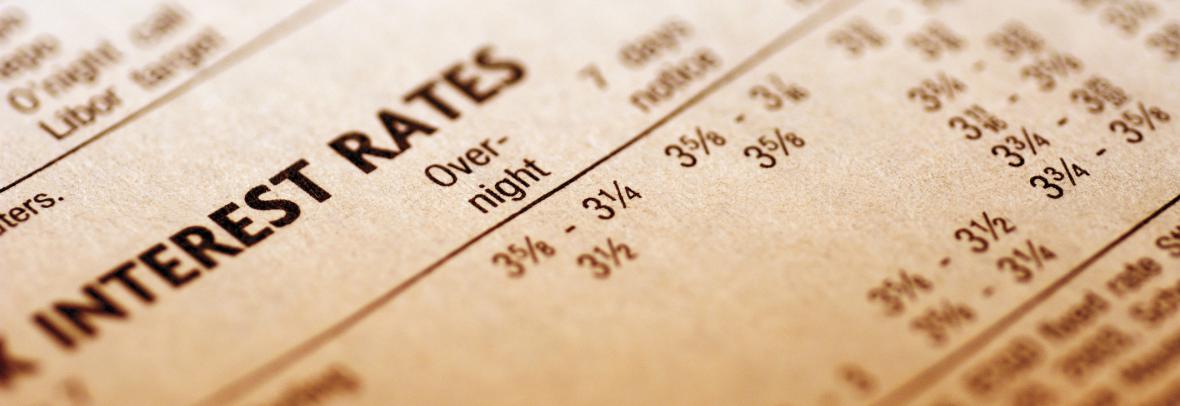
In recent years, mortgage rates climbed significantly from the historic lows seen during the pandemic. Higher borrowing costs initially slowed housing activity as buyers adjusted to new financing conditions.

However, as inflation begins to ease and economic indicators stabilize, many consumers believe interest rates may gradually decline or stabilize.

This expectation can motivate potential buyers to reenter the market, especially if they believe waiting too long could mean missing opportunities.

For buyers in South Florida, understanding rate trends alongside personal financial readiness can help determine when purchasing makes sense.

Curious What Your Home Might Be Worth?

Home values across Palm Beach County and South Florida change constantly. See what buyers may currently be willing to pay for homes in your neighborhood.

Check Your Home Value

Differences in Financial Confidence Across Income Levels

While overall consumer sentiment has improved in Florida, economic optimism is not evenly distributed across all households.

Research indicates that individuals with lower annual incomes remain more cautious about their financial outlook. Rising living costs and borrowing expenses can weigh more heavily on households with tighter budgets.

In contrast, higher-income households may feel more confident due to rising asset values, including investments and property.

This divergence can influence housing demand patterns across different price ranges. Entry-level housing markets may experience slower recovery if affordability challenges remain significant.

Understanding these dynamics helps explain why some segments of the housing market move faster than others.


How Economic Confidence Shapes Housing Demand

When consumer optimism grows, several housing market trends often follow.

Increased Home Searches

Potential buyers who had paused their search may begin exploring listings again. Even if they do not immediately purchase, increased search activity often precedes stronger demand.

More Confident Offers

Buyers who feel financially secure may be more willing to make competitive offers or act quickly when they find the right property.

Greater Mobility

Improved financial outlooks can encourage homeowners to consider relocating, upgrading, or downsizing. This mobility helps increase housing inventory, which can support healthier market balance.

Renovation and Investment Activity

Homeowners who feel optimistic about the future may also invest in property improvements, which can enhance neighborhood appeal and property values.


Florida’s Unique Real Estate Environment

Florida’s housing market responds not only to economic conditions but also to population growth and lifestyle migration.

Over the past decade, the state has attracted new residents from across the country due to factors such as:

  • Warm climate and coastal lifestyle

  • No state income tax

  • Expanding job markets

  • Retirement migration

These trends create consistent housing demand even during periods of national economic uncertainty.

Improving consumer sentiment within Florida reinforces these underlying demographic drivers.

For South Florida communities, rising confidence may strengthen housing demand among both local buyers and new arrivals.


External Factors That Could Influence Future Confidence

Although recent sentiment data reflects growing optimism, economists continue monitoring several global and national factors that could influence consumer confidence.

Energy prices, geopolitical developments, and trade policy changes can affect inflation and economic stability.

For example, disruptions in global energy markets could increase fuel prices, which might influence household budgets.

While these developments may create short-term volatility, consumer confidence often adjusts gradually as people adapt to changing economic conditions.

Monitoring these broader trends helps economists evaluate whether the recent improvement in consumer sentiment is likely to continue.


What This Means for Buyers and Sellers

For individuals considering real estate decisions in Florida, consumer confidence offers an important context.

When sentiment improves, it often indicates that buyers are regaining comfort with long-term financial commitments.

This does not necessarily mean immediate surges in housing activity, but it can signal a gradual shift toward increased engagement in the market.

For buyers, rising optimism may encourage earlier planning, mortgage pre-approval, and exploration of available homes.

For sellers, stronger sentiment can translate into greater buyer interest and increased showing activity.

In real estate, emotional confidence and financial readiness often work together to drive decisions.


The Importance of Long-Term Perspective

Real estate markets rarely move in straight lines. Economic conditions, interest rates, and consumer attitudes constantly evolve.

However, housing remains one of the most durable long-term investments available to households.

Historically, buyers who enter the market during periods of cautious optimism often benefit from gradual market strengthening over time.

Understanding consumer sentiment trends helps buyers and sellers interpret the broader environment rather than focusing solely on short-term headlines.


Final Thoughts

The recent rise in Florida consumer sentiment reflects a growing sense of financial optimism among many households. As confidence improves, people often feel more comfortable making significant financial decisions, including purchasing homes.

While economic conditions can change, the connection between consumer confidence and housing activity remains consistent. When individuals believe their financial future is stable, they are more likely to pursue long-term investments such as homeownership.

For buyers and sellers across South Florida, these sentiment trends offer insight into how the market may evolve in the months ahead. By staying informed about economic conditions and maintaining a long-term perspective, households can make thoughtful real estate decisions that support both lifestyle goals and financial stability.

Real Estate Resources for South Florida

If you're researching homes or following the South Florida real estate market, exploring listings and property values can provide helpful context for understanding local neighborhoods and housing trends across Palm Beach County.


About the Authors

Chris and Sue Kull are South Florida real estate professionals with more than three decades of experience helping buyers, sellers, and property owners navigate the housing market throughout Palm Beach County and surrounding communities.

Their work focuses on providing clear information, local market insight, and practical guidance so clients can make confident real estate decisions. Over the years they have built a trusted network of industry professionals—including lenders, inspectors, contractors, and legal specialists—to support every stage of the real estate process.

You can explore additional resources, community guides, and real estate tools at www.TheKullGroup.com.

If you have questions about buying, selling, or understanding the local real estate market, you can reach out through our contact page.
March 6, 2026

The House as a Financial Anchor: Why Home Equity Matters More as Retirement Approaches

thekullgroup/home-equity-retirement-planning-house-as-nest-egg.

The House as a Financial Anchor: Why Home Equity Matters More as Retirement Approaches

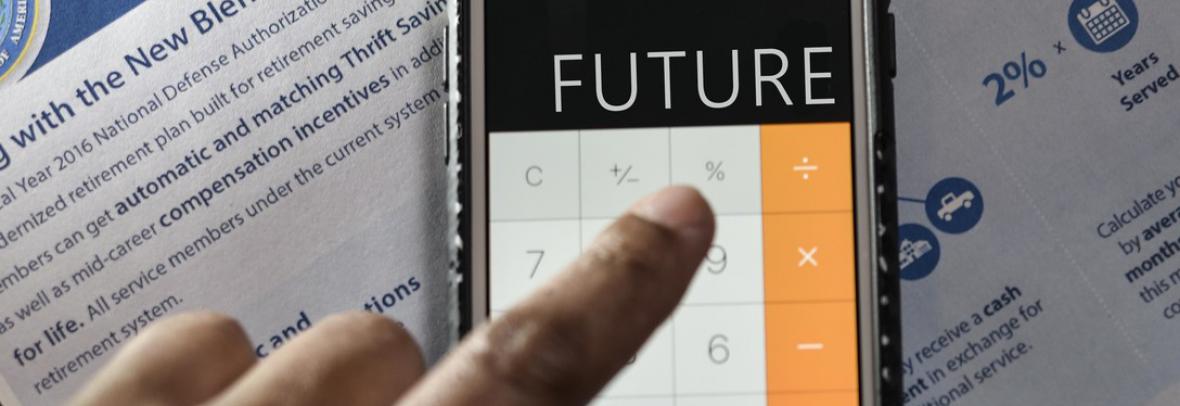
For decades, Americans were told that retirement security rested on a simple formula: work steadily, save diligently, and build a nest egg through pensions or retirement accounts. But the financial reality for many households today looks very different. Rising living costs, inconsistent access to employer retirement plans, and longer life expectancies have made saving for retirement more complicated than it once seemed.

As a result, many people are taking a fresh look at one of the most significant assets they own — their home. Home equity and retirement planning have become closely connected topics, particularly for homeowners entering their 50s and 60s. For many middle-class families, the house they purchased decades earlier has quietly grown into their largest source of wealth.

In South Florida and across the country, this shift is changing how homeowners think about long-term financial planning. Instead of viewing a home only as a place to live, many now see it as a financial anchor that can support them later in life. Understanding how housing wealth fits into retirement planning can help homeowners make more informed decisions about saving, borrowing, and managing expenses as they move toward retirement.

See What’s on the Market Right Now

If you're researching homes in Palm Beach County or anywhere in South Florida, explore current listings by city and see what’s available right now.

Explore Homes by City

Why Home Equity Has Become So Important

Traditional retirement savings accounts such as 401(k)s and IRAs remain important financial tools. However, many Americans have found it difficult to accumulate the level of savings they expected.

Research consistently shows that a large portion of workers have relatively modest retirement balances. At the same time, surveys suggest that Americans believe they may need more than a million dollars to retire comfortably.

That gap between expected needs and actual savings has pushed many households to reconsider how housing wealth fits into the retirement picture.

Home equity represents the portion of a home’s value that the homeowner truly owns — the difference between the market value of the property and the remaining mortgage balance. Over time, equity grows in two ways:

  1. Property appreciation as home values rise

  2. Loan repayment as homeowners pay down their mortgage balance

For homeowners who have owned their property for many years, these two forces can create substantial wealth even without aggressive investing.

In many cases, that accumulated housing equity exceeds the value of traditional retirement accounts.


How Long-Term Homeownership Builds Wealth

One reason home equity becomes so powerful over time is the length of ownership. Many homeowners remain in the same property for twenty years or more. During that period, several financial dynamics work in their favor.

First, mortgage payments gradually reduce the principal balance of the loan. Each payment increases the homeowner’s ownership stake in the property.

Second, real estate values tend to rise over long periods of time, even though markets may fluctuate in the short term.

When these two trends combine — rising home values and declining loan balances — the result is a growing equity position that can become a significant financial asset.

For homeowners approaching retirement, that equity often represents decades of accumulated wealth that can potentially support future financial needs.


The Role of Home Equity in Retirement Planning

While retirement accounts are designed specifically for long-term savings, housing wealth offers a different kind of financial flexibility.

For many retirees, their home becomes a financial resource that can help address several challenges, including:

  • Supplementing retirement income

  • Managing rising living expenses

  • Funding healthcare or long-term care needs

  • Providing financial stability during market downturns

Because housing equity is tied to a tangible asset, it often grows quietly in the background while homeowners focus on other financial priorities.

This explains why economists increasingly describe home equity as one of the most important financial cushions available to retirees.


Downsizing: A Traditional Strategy for Accessing Equity

One of the most common ways retirees access home equity is through downsizing.

Downsizing typically involves selling a larger home and purchasing a smaller or more manageable property. The difference between the sale price and the cost of the new home can free up funds that support retirement expenses.

This strategy can also reduce ongoing housing costs such as property taxes, maintenance, and utilities.

For many retirees, downsizing provides both financial and lifestyle benefits. A smaller property may require less upkeep while still offering the stability of homeownership.

However, downsizing decisions often involve emotional considerations as well. Homes hold memories, community connections, and a sense of familiarity that can make relocation difficult.

Because of this, not every homeowner views downsizing as the right solution.


The Growing Interest in Reverse Mortgages

Another option gaining attention in recent years is the reverse mortgage.

A reverse mortgage allows homeowners aged 62 and older to convert a portion of their home equity into cash without selling the property. Instead of making monthly payments to a lender, the lender pays the homeowner through a lump sum, monthly payments, or a line of credit.

The loan is typically repaid when the homeowner sells the property, moves out permanently, or passes away.

For retirees facing rising costs or limited income, reverse mortgages can provide additional financial flexibility. The funds can be used for everyday expenses, healthcare costs, or other needs.

However, reverse mortgages are complex financial products and may not be appropriate for every situation. Fees, interest accrual, and inheritance considerations all play a role in evaluating whether this option makes sense.


Trade-Offs When Using Housing Wealth

While home equity can be a powerful financial resource, accessing it requires thoughtful planning.

Several factors deserve careful consideration:

Housing Costs May Continue in Retirement

Many retirees still carry mortgage balances or face ongoing property expenses such as taxes, insurance, and maintenance. Housing costs rarely disappear entirely.

Emotional Attachment to the Home

Homes often represent years of memories and personal identity. Selling or borrowing against a property can feel emotionally challenging.

Long-Term Financial Planning

Using housing equity too quickly could reduce financial flexibility later in retirement. It is important to balance immediate needs with long-term stability.

Because of these factors, financial advisors often recommend viewing housing equity as one piece of a broader retirement strategy rather than the sole solution.

Curious What Your Home Might Be Worth?

Home values across Palm Beach County and South Florida change constantly. See what buyers may currently be willing to pay for homes in your neighborhood.

Check Your Home Value

Retirement Challenges Facing New Generations

As younger generations approach retirement, concerns about financial readiness are becoming more common.

Many workers lack access to employer-sponsored retirement plans, which limits their ability to accumulate savings consistently.

Others face rising living costs that make long-term saving difficult. Healthcare expenses, inflation, and longer life expectancy also increase the amount of money needed to support retirement.

These challenges have prompted growing discussion about the role housing wealth might play in helping future retirees maintain financial independence.

For some households, the home they purchased earlier in life may ultimately provide the financial stability that traditional savings alone cannot.


Building Retirement Savings Earlier in Life

While housing wealth can support retirement planning, financial experts still encourage individuals to build retirement savings as early as possible.

Small contributions made consistently over time can grow significantly through compound interest.

For example, starting to save in one’s twenties often requires far smaller monthly contributions than beginning later in life.

The longer investments have to grow, the less pressure individuals face when approaching retirement.

Even modest savings habits can make a meaningful difference over decades.


Why Homeownership Still Matters

Despite changing economic conditions, homeownership continues to play a central role in long-term financial security for many Americans.

Owning a home provides stability and a predictable housing payment structure that renters do not always experience.

Over time, homeowners also benefit from the gradual accumulation of equity, which can serve as a financial resource when needed.

For many retirees, the value of their home becomes one of their most important financial assets.

This is particularly true for middle-income households whose retirement accounts may be modest compared to the value of their property.


Final Thoughts

Retirement planning is rarely straightforward, and financial circumstances vary widely from household to household. Yet one trend has become increasingly clear: for many Americans, housing wealth plays a growing role in long-term financial stability.

Decades of homeownership can quietly build equity that becomes a valuable resource later in life. Whether accessed through downsizing, refinancing strategies, or other financial tools, home equity can help supplement retirement income and provide flexibility when unexpected expenses arise.

At the same time, relying solely on housing wealth carries its own risks. The most effective retirement strategies often combine multiple elements, including savings, investments, and housing assets.

For homeowners approaching retirement, understanding how equity fits into the broader financial picture can help guide thoughtful decisions about the future. With careful planning, the home that provided stability for years can also support financial security in the decades ahead.

Real Estate Resources for South Florida

If you're researching homes or following the South Florida real estate market, exploring listings and property values can provide helpful context for understanding local neighborhoods and housing trends across Palm Beach County.


About the Authors

Chris and Sue Kull are South Florida real estate professionals with more than three decades of experience helping buyers, sellers, and property owners navigate the housing market throughout Palm Beach County and surrounding communities.

Their work focuses on providing clear information, local market insight, and practical guidance so clients can make confident real estate decisions. Over the years they have built a trusted network of industry professionals—including lenders, inspectors, contractors, and legal specialists—to support every stage of the real estate process.

You can explore additional resources, community guides, and real estate tools at www.TheKullGroup.com.

If you have questions about buying, selling, or understanding the local real estate market, you can reach out through our contact page.
March 6, 2026

When Mortgage Rates Were 16%: What History Really Tells Us About Today’s Housing Market

thekullgroup/historical-mortgage-rates-vs-home-prices-affordability-chart

When Mortgage Rates Were 16%: What History Really Tells Us About Today’s Housing Market

Mortgage rates are one of the most talked-about forces in real estate. When buyers begin thinking about purchasing a home, the first question many ask is simple: “Where are rates right now?” But focusing only on today’s mortgage rates can sometimes miss the bigger picture.

The reality is that mortgage rates, home prices, and income levels all work together to shape affordability. A rate that seems high in one decade may actually be normal when viewed across a longer historical timeline. Likewise, a lower rate does not automatically mean homes are more affordable.

Understanding the history of mortgage rates helps buyers put today’s market into perspective. While recent years saw historically low rates that many people came to view as “normal,” those levels were actually an exception rather than the rule.

Looking back across several decades shows how dramatically mortgage financing conditions have changed — and why the relationship between rates, prices, and wages ultimately determines what buyers can afford.

See What’s on the Market Right Now

If you're researching homes in Palm Beach County or anywhere in South Florida, explore current listings by city and see what’s available right now.

Explore Homes by City

Mortgage Rates Through the Decades

Mortgage rates have fluctuated significantly over the past half century, responding to inflation, economic policy, and broader financial conditions.

The 1970s: Rising Inflation and Climbing Rates

During the 1970s, the United States faced rising inflation and economic instability. As the Federal Reserve attempted to control inflation, interest rates began increasing steadily.

Mortgage rates that had once been considered manageable started climbing toward double-digit territory by the end of the decade. Borrowing costs were becoming a larger concern for buyers.

The Early 1980s: The Highest Mortgage Rates in History

The early 1980s marked the peak of mortgage interest rates in modern history. In an effort to combat runaway inflation, the Federal Reserve dramatically increased borrowing costs across the economy.

By 1981, the average 30-year mortgage rate reached roughly 16 percent, levels that seem almost unimaginable today.

For buyers at the time, the cost of borrowing was extraordinarily high. Monthly mortgage payments were heavily influenced by interest costs, making financing a home significantly more expensive.

Yet despite these extremely high rates, many Americans still purchased homes — often because home prices themselves were relatively low compared to modern standards.

The 1990s: Rates Begin a Long Decline

As inflation stabilized and economic growth improved, mortgage rates gradually began to fall throughout the late 1980s and 1990s.

During this era, rates commonly hovered between 7 and 10 percent. While these levels were far above the pandemic-era lows seen decades later, they represented a major improvement from the early 1980s.

For many homeowners, falling rates created opportunities to refinance mortgages and lower monthly payments.

The 2000s: Moderate Rates and Rapid Market Growth

Entering the 2000s, mortgage rates generally stayed between the mid-5 percent and low-7 percent range.

This period saw significant growth in housing markets nationwide. However, some lending practices — including subprime mortgages and adjustable-rate loans — masked underlying financial risks.

When the housing market collapsed in 2008, the Federal Reserve intervened aggressively to stabilize the economy.

The 2010s and Early 2020s: Historically Low Rates

Following the financial crisis, interest rates fell to levels never previously seen in modern housing markets.

Throughout much of the 2010s, mortgage rates often stayed between 3 and 5 percent. During the pandemic years of 2020 and 2021, they dropped even further, dipping below 3 percent for some borrowers.

These ultra-low rates dramatically increased home buying demand. Millions of buyers entered the market, fueling strong price growth across many regions.

The result was one of the most competitive housing markets in modern history.

The Recent Market: Rates Return to Historical Norms

As inflation surged following the pandemic, the Federal Reserve raised interest rates again in 2022 and 2023.

Mortgage rates climbed back above 7 percent before gradually easing to the mid-6 percent range in recent years.

While these rates may feel high compared to pandemic lows, historically they fall within a range that many economists consider fairly typical for long-term mortgage lending.


Why Mortgage Rates Alone Don’t Tell the Whole Story

Looking at mortgage rates in isolation can be misleading. True affordability depends on three interconnected factors:

  • Interest rates

  • Home prices

  • Household income

Over time, these variables have shifted in different directions.

In earlier decades, interest rates were higher but home prices were dramatically lower relative to income. Today, buyers often face the opposite scenario — lower rates but significantly higher home prices.

This shift has reshaped the financial equation for modern buyers.

Curious What Your Home Might Be Worth?

Home values across Palm Beach County and South Florida change constantly. See what buyers may currently be willing to pay for homes in your neighborhood.

Check Your Home Value

Comparing Homeownership Costs Across Generations

To better understand how affordability has changed, consider how mortgage payments relate to household income over time.

In the mid-1980s, the typical American home cost under $80,000. Mortgage rates were high, but the overall loan amount was relatively small.

Even with double-digit interest rates, the average monthly mortgage payment consumed a smaller share of household income than many buyers face today.

Fast forward to the modern market, where home prices have risen dramatically over several decades.

Even with lower interest rates, the larger loan amounts required to purchase homes today can result in higher monthly payments relative to income.

In other words, the real affordability challenge often comes from home prices rather than interest rates alone.


How Different Generations Experienced the Housing Market

Every generation enters the housing market under different economic conditions. These variations shape long-term wealth building and homeownership patterns.

Baby Boomers

Many Baby Boomers entered the housing market when home prices were relatively affordable compared to wages. While they faced higher interest rates early on, declining rates over time allowed many to refinance and reduce borrowing costs.

This combination of price growth and falling rates helped create significant home equity for this generation.

Generation X

Generation X buyers often purchased homes during periods of moderate mortgage rates in the 1990s and early 2000s.

However, many experienced the effects of the housing market collapse in 2008, which led to foreclosures and reduced property values in certain regions.

Despite that disruption, Gen X homeownership has recovered in recent years.

Millennials

Millennials entered adulthood during a time of historically low interest rates. But they also encountered rapidly rising home prices and stricter lending requirements following the financial crisis.

These factors made entering the housing market more challenging for many young buyers.

Generation Z

The newest generation of potential homebuyers faces a market defined by high home prices and elevated borrowing costs compared to the ultra-low rates of the early pandemic years.

As a result, many younger buyers are delaying purchases while saving for down payments or waiting for more favorable market conditions.


What Today’s Buyers Can Learn From Housing History

Looking back across decades of mortgage trends reveals an important lesson: every housing market presents its own challenges and opportunities.

Some buyers face high interest rates. Others confront rising home prices. Still others enter the market during economic uncertainty.

Yet throughout these cycles, homeownership has remained one of the most consistent paths to long-term wealth building in the United States.

Over time, homeowners benefit from several key financial advantages:

  • Property value appreciation

  • Fixed housing costs through long-term mortgages

  • The ability to refinance if interest rates decline

  • Equity accumulation through principal payments

These factors often matter more over the long term than the exact interest rate at the moment of purchase.


Understanding the Role of Mortgage Strategy

For modern buyers, navigating today’s market often requires thoughtful financial planning.

Rather than focusing solely on interest rates, successful buyers often consider the broader picture, including:

  • How long they expect to stay in a home

  • Whether refinancing may be possible in the future

  • How mortgage payments fit into their overall financial goals

A home purchase is not just a short-term financial decision. It’s a long-term investment that unfolds over years or even decades.

Understanding how rates interact with prices and income can help buyers make informed decisions rather than reacting to headlines.


Final Thoughts

Mortgage rates have experienced dramatic swings over the past fifty years, from the double-digit peaks of the early 1980s to the historically low levels of the pandemic era. While today’s rates may appear high compared to recent years, they sit within a range that has been common throughout much of modern housing history.

The bigger challenge for today’s buyers is often the price of homes relative to income, rather than the interest rate itself.

By understanding how mortgage rates, home prices, and income interact, buyers can gain valuable perspective on today’s market conditions. Real estate cycles change over time, but the long-term benefits of homeownership — stability, equity growth, and financial security — remain remarkably consistent.

For buyers evaluating the current housing market, history offers an important reminder: every generation faces a different version of the same question. The key is understanding the market environment and making informed decisions that support long-term financial goals.

Real Estate Resources for South Florida

If you're researching homes or following the South Florida real estate market, exploring listings and property values can provide helpful context for understanding local neighborhoods and housing trends across Palm Beach County.


About the Authors

Chris and Sue Kull are South Florida real estate professionals with more than three decades of experience helping buyers, sellers, and property owners navigate the housing market throughout Palm Beach County and surrounding communities.

Their work focuses on providing clear information, local market insight, and practical guidance so clients can make confident real estate decisions. Over the years they have built a trusted network of industry professionals—including lenders, inspectors, contractors, and legal specialists—to support every stage of the real estate process.

You can explore additional resources, community guides, and real estate tools at www.TheKullGroup.com.

If you have questions about buying, selling, or understanding the local real estate market, you can reach out through our contact page.

March 6, 2026

The Credit Score Advantage: Why Buyers With Strong Credit Unlock More Home Options

thekullgroup/credit-score-home-buying-power-mortgage-approval-south-florida

The Credit Score Advantage: Why Buyers With Strong Credit Unlock More Home Options

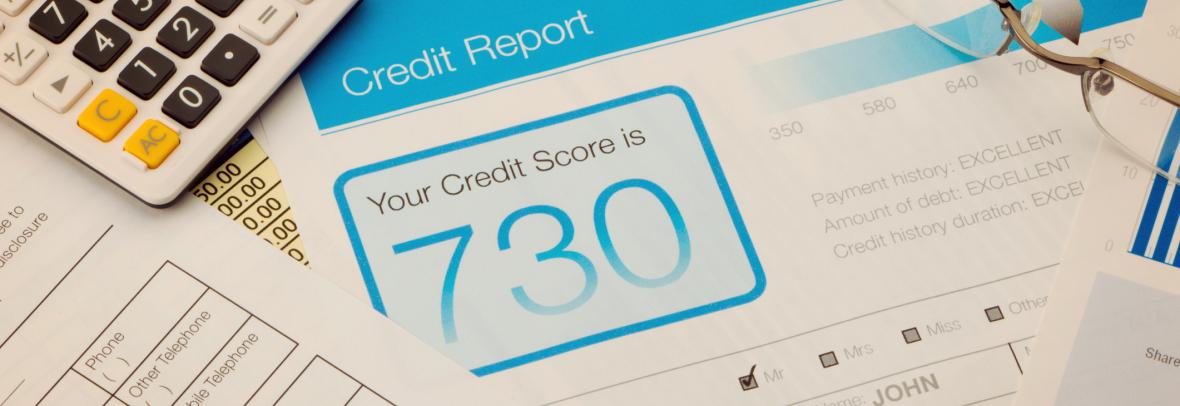
For anyone planning to purchase a home in South Florida, understanding how credit works is one of the most important financial steps in the process. Credit scores and home buying power are closely connected, influencing everything from mortgage approval to the interest rate attached to your loan. While many buyers focus primarily on home prices or mortgage rates, lenders often begin with one key question: how strong is the borrower’s credit profile?

A credit score functions as a financial snapshot that helps lenders determine the likelihood that a borrower will repay a loan. Higher scores signal lower risk, which typically results in better loan terms, lower interest rates, and a smoother approval process. Lower scores, on the other hand, may limit loan options or increase borrowing costs.

In today’s housing market — where affordability and financing strategies matter more than ever — maintaining a healthy credit score can dramatically influence what buyers can afford. Whether you’re a first-time buyer, relocating to Palm Beach County, or preparing to upgrade to a larger home, understanding how credit affects buying power can help you approach the market with confidence and clarity.

See What’s on the Market Right Now

If you're researching homes in Palm Beach County or anywhere in South Florida, explore current listings by city and see what’s available right now.

Explore Homes by City

What a Credit Score Really Measures

At its core, a credit score predicts how reliably someone manages borrowed money. Financial institutions rely on these scores because they provide a standardized way to assess risk. If a borrower has consistently paid debts on time and maintained responsible credit habits, lenders are more comfortable extending larger loans at lower interest rates.

The most widely used scoring model is the FICO score, which ranges from 300 to 850. While different lenders may use slightly different thresholds, scores generally fall into several categories:

  • Excellent: 800 and above

  • Very Good: 740–799

  • Good: 670–739

  • Fair: 580–669

  • Poor: Below 580

For home buyers, the difference between these ranges can translate into thousands of dollars over the life of a mortgage.

For example, someone with a higher credit score may qualify for a lower interest rate. Even a small difference in rates can significantly reduce monthly mortgage payments and total interest paid over time. That’s why many financial advisors encourage buyers to review and strengthen their credit profiles well before applying for a home loan.


The Five Key Factors That Shape Your Credit Score

Although credit scoring models may vary slightly, most rely on the same general factors. Understanding these components can help buyers maintain strong credit habits.

Payment History

Payment history is the single most important element of a credit score. Lenders want to know whether borrowers pay their bills on time. Late payments, collections accounts, and defaults can quickly damage a credit profile.

Consistent on-time payments demonstrate reliability, which lenders reward with better loan terms.

Credit Utilization

Credit utilization measures how much of your available credit you are currently using. For example, if a borrower has a credit card limit of $10,000 and carries a $3,000 balance, their utilization rate is 30%.

Experts generally recommend keeping utilization below 30%, and even lower if possible. High balances relative to credit limits can signal financial stress to lenders.

Length of Credit History

The longer a borrower has maintained credit accounts, the more data lenders have to evaluate. Older accounts often contribute positively to credit scores because they show a longer track record of financial behavior.

New Credit Applications

Each time someone applies for credit, a lender performs a hard inquiry on the borrower’s credit report. Multiple inquiries within a short period may suggest financial instability and can slightly reduce a credit score.

Credit Mix

Lenders like to see a variety of credit types managed responsibly. This may include credit cards, auto loans, student loans, or mortgages. A diverse credit mix shows borrowers can handle different types of debt.


How Credit Scores Affect Mortgage Rates

One of the most significant ways credit impacts home buying is through mortgage interest rates.

Mortgage lenders use credit scores to determine how risky a loan might be. Borrowers with higher scores typically qualify for lower interest rates because they are considered less likely to default.

Even a modest difference in interest rates can have a major impact on affordability. For instance, two borrowers purchasing similarly priced homes could end up with very different monthly payments depending on their credit scores.

Lower rates translate into:

  • Lower monthly mortgage payments

  • Reduced total interest over the life of the loan

  • Greater purchasing power

In practical terms, this means buyers with stronger credit may qualify for more expensive homes while maintaining similar monthly payments.


Credit Scores and Buying Power

Beyond interest rates, credit scores influence overall buying power. Lenders evaluate several financial metrics when determining how much someone can borrow, including income, existing debt, and credit history.

A stronger credit score can:

  • Expand mortgage options

  • Reduce required down payments

  • Improve approval odds

  • Speed up underwriting

Buyers with lower credit scores may still qualify for certain loan programs, but they may face higher interest rates, stricter lending requirements, or larger down payment expectations.

That’s why many real estate professionals encourage buyers to check their credit several months before beginning the home search. Addressing small issues early can make a meaningful difference when it comes time to apply for financing.


Why Maintaining Credit Is Easier Than Rebuilding It

One of the most important lessons about credit is that maintaining a good score is far easier than repairing a damaged one.

Negative events such as missed payments, collections accounts, or bankruptcies can remain on credit reports for years. Even a single late payment may impact a credit score for an extended period.

Because of this, prevention is often the best strategy. Consistent financial habits — paying bills on time, managing balances responsibly, and avoiding excessive borrowing — help protect credit scores from unexpected declines.

Buyers planning to enter the housing market should treat credit management as part of their overall home buying preparation.

Curious What Your Home Might Be Worth?

Home values across Palm Beach County and South Florida change constantly. See what buyers may currently be willing to pay for homes in your neighborhood.

Check Your Home Value

Strategies to Improve Your Credit Score

For buyers looking to strengthen their credit before purchasing a home, several practical steps can make a difference.

Pay Bills on Time

Payment history carries the greatest weight in credit scoring models. Setting up automatic payments or reminders can help ensure that bills are paid consistently.

Reduce Credit Card Balances

Lower balances relative to available credit limits can improve credit utilization ratios. Paying down existing balances often results in quick improvements to credit scores.

Avoid Frequent Credit Applications

Applying for multiple credit accounts within a short timeframe can temporarily reduce credit scores. Buyers preparing for a mortgage should avoid opening unnecessary new accounts.

Review Credit Reports Regularly

Errors on credit reports are more common than many people realize. Checking reports periodically allows consumers to identify mistakes and dispute inaccurate information.

Establish Credit if You’re New

Individuals with limited credit histories may consider options like secured credit cards or becoming an authorized user on a trusted family member’s account. Some programs also report rent and utility payments to credit bureaus, helping build a positive history.


Checking Your Credit Report

Consumers are entitled to review their credit reports from the three major credit bureaus — Equifax, Experian, and TransUnion — each year at no cost.

Regular monitoring allows borrowers to track progress and ensure that credit information remains accurate.

Many banks and financial apps also offer free credit monitoring tools, making it easier than ever to stay informed about credit health.


The Role Credit Plays in the Home Buying Process

For buyers in South Florida, credit often influences the first step in the home buying journey: mortgage pre-approval.

During pre-approval, lenders review financial information including income, debts, assets, and credit history. This process helps determine how much a buyer may be eligible to borrow.

A stronger credit profile can streamline this stage and provide buyers with greater negotiating confidence once they begin viewing homes.

From the lender’s perspective, credit provides insight into long-term financial reliability. From the buyer’s perspective, it opens doors to better financing options.


Final Thoughts

Buying a home is one of the largest financial decisions most people will make, and credit scores play a significant role in shaping that process. Strong credit can unlock better mortgage rates, expand purchasing power, and simplify the path to homeownership.

The habits that support healthy credit — consistent payments, responsible borrowing, and careful financial planning — are also the habits that strengthen long-term financial stability.

For buyers preparing to enter the South Florida housing market, reviewing and improving credit well in advance of a home purchase can make a meaningful difference. By understanding how credit scores influence borrowing power, buyers can approach the market with clearer expectations and stronger financial footing.

In real estate, preparation often determines opportunity. A well-managed credit profile ensures that when the right home appears, buyers are ready to move forward confidently.

Real Estate Resources for South Florida

If you're researching homes or following the South Florida real estate market, exploring listings and property values can provide helpful context for understanding local neighborhoods and housing trends across Palm Beach County.


About the Authors

Chris and Sue Kull are South Florida real estate professionals with more than three decades of experience helping buyers, sellers, and property owners navigate the housing market throughout Palm Beach County and surrounding communities.

Their work focuses on providing clear information, local market insight, and practical guidance so clients can make confident real estate decisions. Over the years they have built a trusted network of industry professionals—including lenders, inspectors, contractors, and legal specialists—to support every stage of the real estate process.

You can explore additional resources, community guides, and real estate tools at www.TheKullGroup.com.

If you have questions about buying, selling, or understanding the local real estate market, you can reach out through our contact page.

March 6, 2026

Backyards That Sell: Outdoor Features Buyers Love in South Florida Homes

thekullgroup/south-florida-backyard-outdoor-living-pergola-pool-entertaining-space

Backyards That Sell: Outdoor Features Buyers Love in South Florida Homes

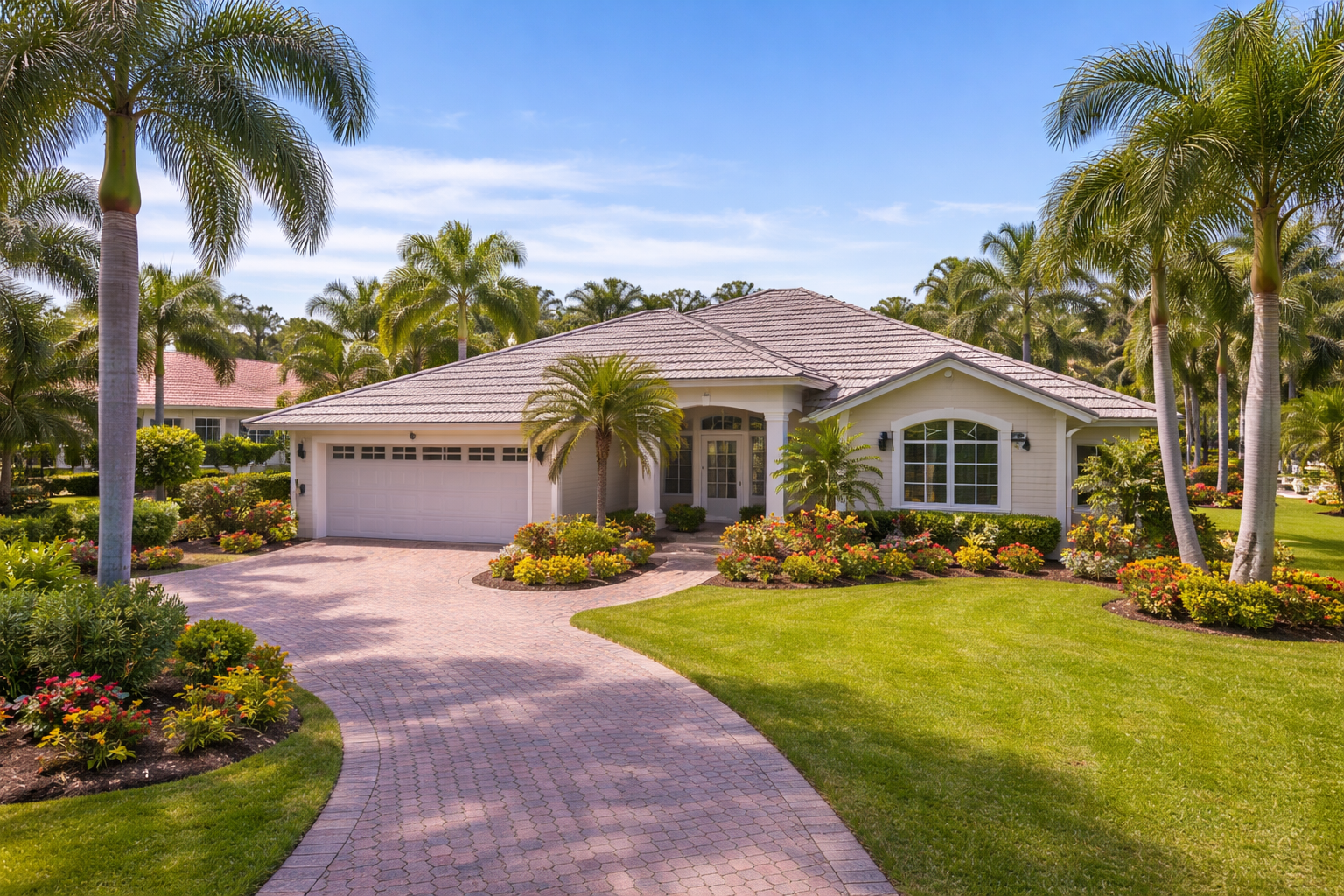
Across South East Florida, buyers are increasingly paying attention to something that used to be considered secondary: the backyard. Outdoor living areas have evolved from simple patios into extensions of the home itself. For many buyers browsing listings today, the outdoor environment is just as important as the kitchen or living room.

In fact, a large share of homeowners say outdoor living is a top renovation priority. Studies on outdoor trends show that many homeowners upgrade their yards to improve aesthetics, create better spaces for entertaining, and expand usable living space. In warm climates like Palm Beach County, Broward County, and Martin County, that motivation is even stronger. With year-round sunshine and mild winters, outdoor areas become everyday spaces rather than occasional luxuries.

For sellers preparing a property for the market, thoughtfully designed outdoor features can dramatically influence buyer perception. For buyers, these upgrades can mean immediate enjoyment without the cost and time of building them later.

Let’s look at several outdoor features that consistently capture buyer attention — and why they matter in the South Florida real estate market.

Curious What Your Home Might Be Worth?

Home values across Palm Beach County and South Florida change constantly. See what buyers may currently be willing to pay for homes in your neighborhood.

Check Your Home Value

Why Outdoor Living Matters in South Florida Real Estate

Unlike colder climates where outdoor space is seasonal, South Florida allows homeowners to use their yards nearly every day of the year. This creates a natural demand for spaces that support relaxation, social gatherings, and recreation.

Buyers today often look for properties that offer:

  • Outdoor dining areas

  • Covered patios or pergolas

  • Backyard entertainment spaces

  • Relaxation zones with water features or hammocks

These elements help a home feel larger without actually increasing interior square footage.

In real estate terms, outdoor spaces enhance perceived livable space — a powerful psychological advantage when buyers compare multiple properties.

For sellers, investing in a few thoughtful outdoor upgrades can improve listing appeal, photography, and showing experiences.


Water Features: Creating an Outdoor Retreat

Water features have long been associated with relaxation, and they continue to stand out in residential landscapes.

A backyard fountain, for example, can become a natural focal point in an outdoor environment. The sound of gently flowing water adds a calming layer to the space, creating an atmosphere that feels removed from the everyday pace of life.

From a design perspective, fountains and small water features work well in:

  • Garden seating areas

  • Patio courtyards

  • Poolside landscaping

They can also attract birds and wildlife, which contributes to the tranquil character many homeowners want from a backyard environment.

In South Florida neighborhoods, water features are especially effective when paired with tropical landscaping, natural stone, and shaded seating areas.


Shade Structures: Comfort in the Florida Sun

South Florida sunshine is beautiful — but it can also be intense. That’s why shade structures have become one of the most desirable outdoor features for homeowners.

Pergolas and gazebos offer a solution that blends functionality with design. These structures provide protection from direct sunlight while maintaining an open-air feel.

Modern pergolas often include:

  • Integrated lighting

  • Ceiling fans

  • Hanging plant hooks

  • Retractable shade covers

Hardtop gazebos are another popular option, particularly for homeowners who entertain frequently. They create a defined outdoor “room” that feels comfortable even during the hottest summer months.

For buyers touring homes, a shaded outdoor space signals immediate usability. Instead of imagining future improvements, they can picture hosting friends or relaxing outdoors right away.


Hammocks: A Simple Touch That Changes the Atmosphere

Not every outdoor upgrade requires construction or major investment. Sometimes the most appealing features are the simplest ones.

A hammock positioned between two mature trees instantly communicates relaxation. It’s a visual cue that the backyard is meant for slowing down and enjoying the environment.

In properties with mature landscaping, hammocks can create a natural lounging area beneath shaded canopies. When paired with garden lighting or nearby seating areas, they help transform an ordinary yard into a personal retreat.

While hammocks may seem small compared to pergolas or patios, they contribute to the emotional experience buyers have when viewing a home.


Game Zones: Backyards Designed for Entertainment

For homeowners who enjoy hosting gatherings, game zones can significantly increase the entertainment value of an outdoor space.

These areas create opportunities for social interaction that extend beyond traditional dining or seating arrangements.

Examples of backyard game zones include:

  • Bocce ball courts

  • Putting greens

  • Cornhole setups

  • Lawn game areas

A small putting green, for instance, can appeal to golf enthusiasts while providing a fun activity for guests. Bocce courts offer a relaxed game environment that fits perfectly with outdoor barbecues and weekend gatherings.

Designating a specific portion of the yard for games keeps activity areas separate from dining spaces, helping the overall layout feel organized.

For buyers who enjoy entertaining, these features help them visualize how they might use the space themselves

See What’s on the Market Right Now

If you're researching homes in Palm Beach County or anywhere in South Florida, explore current listings by city and see what’s available right now.

Explore Homes by City

Outdoor Living Rooms: Extending the Interior Outside

One of the most significant trends in home design is the concept of the outdoor living room.

Instead of simply placing patio furniture outside, homeowners are creating environments that mirror interior spaces. Comfortable seating, coffee tables, and outdoor rugs help define these areas.

Many outdoor living rooms also include:

  • Fire pits or fire tables

  • Mounted televisions

  • Outdoor kitchens

  • Built-in seating walls

In South Florida, screened enclosures are another popular feature that protects outdoor spaces from insects while allowing airflow.

For real estate listings, these outdoor rooms photograph beautifully and immediately suggest a lifestyle buyers find appealing.


Landscaping That Frames the Space

While features like pergolas and fountains attract attention, landscaping plays an equally important role in shaping the overall experience of a backyard.

Strategic landscaping can create:

  • Privacy from neighboring properties

  • Visual depth and layered design

  • Defined areas for relaxation and activity

Tropical plants, palms, flowering shrubs, and ornamental grasses are common elements in South Florida yards. When arranged thoughtfully, they soften architectural lines and make outdoor spaces feel more inviting.

Maintained landscaping also signals pride of ownership, which can influence buyer confidence.


Why Outdoor Upgrades Help Homes Sell

In competitive markets, buyers often evaluate several homes in a short period of time. Small differences can determine which property stands out.

Outdoor features enhance:

  • Listing photography

  • First impressions during showings

  • Emotional connection to the home

Buyers may not initially search for features like pergolas or fountains, but when they see them, they often elevate the overall perception of the property.

For homeowners planning to sell, these upgrades don’t always require large investments. Even modest enhancements can create a memorable environment that buyers remember.


Tips for Homeowners Considering Outdoor Improvements

Before investing in outdoor upgrades, homeowners should consider a few practical factors.

First, focus on usability rather than novelty. Features that support everyday living — such as shade, seating, and lighting — tend to deliver the most value.

Second, maintain design consistency. Materials, colors, and landscaping should complement the home’s architecture.

Third, avoid overbuilding relative to the neighborhood. Outdoor improvements should enhance the property without pushing it far beyond surrounding homes.

Finally, prioritize maintenance. Clean surfaces, trimmed landscaping, and functional lighting are often just as important as the features themselves.


Final Thoughts

Outdoor living spaces have become central to how homeowners experience their properties. In warm climates like South Florida, a well-designed backyard isn’t just decorative — it’s an extension of the home.

Features like fountains, pergolas, hammocks, and game areas help create environments where people gather, relax, and entertain. For buyers, these spaces add emotional appeal and practical value. For sellers, they can elevate the entire presentation of a property.

Whether you’re preparing a home for the market or planning improvements for long-term enjoyment, investing in outdoor living areas is one of the most impactful ways to enhance a property.

In South Florida real estate, the backyard is no longer an afterthought — it’s often the feature buyers remember most.

Real Estate Resources for South Florida

If you're researching homes or following the South Florida real estate market, exploring listings and property values can provide helpful context for understanding local neighborhoods and housing trends across Palm Beach County.


About the Authors

Chris and Sue Kull are South Florida real estate professionals with more than three decades of experience helping buyers, sellers, and property owners navigate the housing market throughout Palm Beach County and surrounding communities.

Their work focuses on providing clear information, local market insight, and practical guidance so clients can make confident real estate decisions. Over the years they have built a trusted network of industry professionals—including lenders, inspectors, contractors, and legal specialists—to support every stage of the real estate process.

You can explore additional resources, community guides, and real estate tools at www.TheKullGroup.com.

If you have questions about buying, selling, or understanding the local real estate market, you can reach out through our contact page.
March 3, 2026

Royal Palm Beach, FL Real Estate for Buyers Who Want Energy Without the Coastal Frenzy

thekullgroup/royal-palm-beach-fl-suburban-lifestyle-single-family-home

Royal Palm Beach, FL Real Estate for Buyers Who Want Energy Without the Coastal Frenzy

Introduction

Royal Palm Beach, FL real estate appeals to buyers who want South Florida access without the nonstop pace of the coastline. Located in central Palm Beach County, this community offers a lifestyle that balances motion and calm. It’s close enough to beaches, employment hubs, and shopping corridors to stay connected — yet far enough west to feel settled at the end of the day.

For homeowners, Royal Palm Beach often becomes a long-term decision rather than a temporary stop. Buyers relocating from more congested areas are frequently drawn here for the breathing room, the manageable traffic patterns, and the sense that daily life doesn’t feel rushed.

Whether you’re buying your first home in the area, relocating within Palm Beach County, or considering selling, understanding the rhythm of Royal Palm Beach is essential. This isn’t about chasing trends. It’s about choosing a place where your daily routine feels sustainable.

Planning a Move in South Florida?

Whether you’re exploring homes or thinking about selling, local guidance can help you understand your options and next steps.


Living in Royal Palm Beach, FL

Royal Palm Beach sits just west of Wellington and east of the agricultural acreage that stretches toward Loxahatchee. That positioning creates a subtle shift in atmosphere. While it’s only minutes from major east-west corridors like Southern Boulevard and Okeechobee Boulevard, the immediate environment feels calmer than many coastal communities.

The lifestyle here is largely drivability-based, but not in a burdensome way. Grocery stores, gyms, coffee shops, and medical offices are typically within a short drive. Residents often develop predictable routes — morning errands, afternoon workouts, evening park walks. Traffic patterns are generally straightforward, especially compared to eastern Palm Beach County.

Neighborhoods consist primarily of single-family homes, townhomes, and villas built over the past few decades. Many streets are lined with palms and mature landscaping. Lakes are common features, offering water views without the premium pricing seen closer to the Intracoastal.

Energy in Royal Palm Beach tends to center around parks and community events rather than nightlife. Commons Park serves as a focal point for exercise, sports leagues, and weekend gatherings. The lifestyle leans active but grounded.

People who choose Royal Palm Beach often say they appreciate having options — they can head east for ocean access or west for open space. That flexibility shapes how residents move through their week.


Royal Palm Beach, FL Real Estate Market Overview

Royal Palm Beach, FL real estate is shaped by steady demand rather than sudden spikes. Buyers are typically motivated by value relative to neighboring Wellington and other parts of central Palm Beach County.

Pricing reflects this positioning. Homes here generally offer more square footage or yard space for the investment compared to coastal alternatives. Inventory moves in cycles, but properties that show well and are realistically priced tend to attract attention quickly.

The market activity tone is measured. Buyers often compare multiple neighborhoods before committing. They consider commute time, access to retail, HOA guidelines, and overall feel. It’s not unusual for buyers to revisit areas at different times of day before making a decision.

Sellers benefit from presenting homes as turnkey and functional. In this market, practical upgrades — updated kitchens, newer roofs, maintained landscaping — tend to resonate more than dramatic design statements.

Royal Palm Beach rewards patience and preparation rather than impulse decisions.

Explore Homes Across Palm Beach County

If you're researching where to live in South Florida, exploring different communities can help you understand neighborhoods, lifestyle, and available homes.

Or browse listings by community here:

Search Homes by City

Buying a Home in Royal Palm Beach, FL

Buyers entering Royal Palm Beach often arrive with a clear motivation: they want convenience without congestion.

Common property types include:

  • Single-family homes with two- or three-car garages

  • Lakefront residences within HOA communities

  • Townhomes offering low-maintenance living

  • Villas with manageable yard space

Many neighborhoods are governed by homeowners associations, so reviewing community guidelines and monthly fees is part of the process. Buyers should factor in HOA regulations regarding exterior changes, parking, and landscaping.

Walkability varies by subdivision. While Royal Palm Beach is largely car-dependent for daily errands, certain pockets offer closer proximity to parks and shopping centers. Buyers who value morning walks or nearby recreation often prioritize homes adjacent to green space.

Timing a purchase here is less about urgency and more about clarity. Having financing pre-approved and knowing your comfort zone for monthly expenses positions you to act when the right property appears.

Emotionally, many buyers choose Royal Palm Beach because it feels stable. It’s not flashy, but it feels livable — and that distinction matters


Selling a Home in Royal Palm Beach, FL

Sellers in Royal Palm Beach benefit from emphasizing usability and condition. Buyers want homes that fit into their lives without requiring immediate renovation.

Preparation often includes:

  • Neutral interior updates

  • Clean, trimmed landscaping

  • Roof and HVAC documentation

  • Professional photography that highlights natural light

Pricing should reflect recent comparable sales within the same subdivision. Overreaching can slow momentum, while accurate positioning tends to generate steady interest.

Buyer psychology here leans thoughtful rather than impulsive. They often weigh commute convenience and neighborhood feel before submitting offers. Sellers who provide clear maintenance records and transparent disclosures help build trust.

Royal Palm Beach transactions frequently proceed smoothly when both sides approach the process with realistic expectations.


Frequently Asked Questions About Royal Palm Beach, FL Real Estate

1. Is Royal Palm Beach expensive to live in?

Royal Palm Beach is generally more affordable than many coastal Palm Beach County communities. Housing prices vary by neighborhood and condition, but buyers often find better value for square footage here compared to areas closer to the ocean. Everyday expenses align with broader county standards, making it a practical choice for those seeking balance.

2. Is Royal Palm Beach good for families?

Many families are drawn to Royal Palm Beach because daily routines feel manageable. Parks, recreation facilities, and residential neighborhoods create a structured environment for active lifestyles. The atmosphere is less hectic than coastal zones, which appeals to households looking for predictability and community engagement.

3. How far is Royal Palm Beach from major employment centers?

Royal Palm Beach is approximately 20–30 minutes from downtown West Palm Beach depending on traffic. It offers straightforward access to Wellington and Palm Beach International Airport. East-west corridors provide relatively direct commuting routes, which is a key factor for working professionals.

4. What types of homes are common in Royal Palm Beach?

Single-family homes dominate the landscape, often featuring attached garages and lake views. Townhomes and villas are also available in certain subdivisions. Architectural styles reflect late 20th and early 21st century Florida construction, with practical layouts and outdoor living space.

5. Is Royal Palm Beach a good place to buy or sell a home?

For buyers, Royal Palm Beach offers livability and value. For sellers, well-maintained homes typically attract consistent interest. It’s a market that supports steady ownership rather than rapid turnover, making it suitable for those planning to stay for several years.


Conclusion

Royal Palm Beach attracts buyers who want access to South Florida’s opportunities without absorbing the intensity of coastal living. Its appeal lies in balance — close enough to employment and entertainment hubs, yet far enough to maintain a calmer daily rhythm.

For homeowners, this community supports long-term stability and predictable living. For relocators, it provides a manageable entry point into Palm Beach County.

Choosing Royal Palm Beach isn’t about chasing a headline. It’s about selecting a place that aligns with how you actually live — how you commute, shop, exercise, and unwind.

When approached thoughtfully, Royal Palm Beach, FL real estate offers more than a property. It offers a sustainable routine.

Real Estate Resources for South Florida

If you're researching homes or following the South Florida real estate market, exploring listings and property values can provide helpful context for understanding local neighborhoods and housing trends across Palm Beach County.

Search Homes by City See Your Home Value


About the Authors

Chris and Sue Kull are South Florida real estate professionals with more than three decades of experience helping buyers, sellers, and property owners navigate the housing market throughout Palm Beach County and surrounding communities.

Their work focuses on providing clear information, local market insight, and practical guidance so clients can make confident real estate decisions. Over the years they have built a trusted network of industry professionals—including lenders, inspectors, contractors, and legal specialists—to support every stage of the real estate process.

You can explore additional resources, community guides, and real estate tools at www.TheKullGroup.com.

If you have questions about buying, selling, or understanding the local real estate market, you can reach out through our contact page.

March 3, 2026

Royal Palm Beach, FL: Where Predictable Neighborhood Design Meets Everyday Family Life

thekullgroup/royal-palm-beach-fl-family-neighborhood-lakefront-homes

Royal Palm Beach, FL: Where Predictable Neighborhood Design Meets Everyday Family Life

Introduction

Royal Palm Beach, FL real estate attracts buyers who value structure, accessibility, and the comfort of a well-planned community. Located in central Palm Beach County, Royal Palm Beach has built a reputation as a place where day-to-day life feels manageable. Streets are laid out with intention, parks are woven into neighborhoods, and commercial centers are positioned close enough to be convenient without overwhelming residential areas.

For homeowners, this is a market that tends to reward patience and steady upkeep. For buyers relocating from other parts of Florida or out of state, Royal Palm Beach offers a clear sense of what to expect: established subdivisions, consistent property styles, and neighborhoods designed for long-term use rather than rapid turnover.

If you’re considering buying, selling, or relocating, understanding how people actually live here — not just how homes are priced — is the key to making a confident decision.

See What’s on the Market Right Now

If you're researching homes in Palm Beach County or anywhere in South Florida, explore current listings by city and see what’s available right now.

Explore Homes by City

Living in Royal Palm Beach, FL

Royal Palm Beach sits just west of Wellington and east of the western agricultural areas of Palm Beach County. It offers a central position without the congestion associated with more coastal municipalities. Residents have straightforward access to Southern Boulevard, Okeechobee Boulevard, and State Road 7, making daily commuting practical.

Neighborhoods in Royal Palm Beach were designed with predictability in mind. Many subdivisions include sidewalks, lakes, community pools, and green space. Streets tend to be residential rather than cut-through corridors, which contributes to a quieter environment. Parks such as Commons Park serve as routine gathering spaces for exercise, sports, and weekend events.

Housing styles are largely single-family homes built between the 1980s and early 2000s, with newer construction pockets mixed in. Lot sizes are moderate and manageable, appealing to homeowners who want yard space without excessive maintenance.

Daily life here often follows a simple rhythm: school drop-offs, local grocery runs, youth sports, and evening walks. Royal Palm Beach doesn’t feel transient. Many residents remain for years, which supports neighborhood continuity and long-term stability.


Royal Palm Beach, FL Real Estate Market Overview

Royal Palm Beach, FL real estate is shaped by steady owner-occupancy rather than dramatic swings. Homes tend to hold value well due to consistent demand from buyers seeking affordability relative to neighboring Wellington.

Pricing reflects the balance between location and practicality. While not positioned as a luxury-driven market, Royal Palm Beach provides solid mid-range options that appeal to families, professionals, and retirees who prefer a quieter inland setting.

Inventory conditions fluctuate seasonally, but properties that are well-maintained and accurately priced typically move at a reasonable pace. Homes requiring updates may sit longer, particularly if cosmetic improvements are needed.

Market activity generally reflects measured decision-making rather than urgency. Buyers evaluate school proximity, commute time, HOA guidelines, and long-term livability before committing.

This is not a market driven by speculative flips. Instead, it tends to reward buyers and sellers who think in five- to ten-year horizons.


Buying a Home in Royal Palm Beach, FL

Buyers entering Royal Palm Beach should expect organized neighborhoods and predictable layouts. Many communities are governed by homeowners associations, so reviewing HOA rules and fees is an important step in due diligence.

Common property types include:

  • Single-family homes with two- or three-car garages

  • Lakefront properties within planned communities

  • Townhomes and villas in smaller subdivisions

  • Occasional new-construction infill developments

Lot sizes are typically suburban in scale, offering outdoor space without acreage-level maintenance.

Timing matters less here than preparation. Buyers who have financing in place and a clear understanding of their budget are positioned to move confidently when the right property appears.

For relocators unfamiliar with Palm Beach County, Royal Palm Beach offers a middle-ground alternative: more affordability than some neighboring communities while maintaining close proximity to employment centers and retail hubs.

Long-term ownership often works well here. Properties tend to appreciate gradually, supported by steady demand rather than volatility.


Selling a Home in Royal Palm Beach, FL

Sellers in Royal Palm Beach benefit from presenting their homes as well-maintained and move-in ready. Buyers in this market prioritize functionality and condition over flashy upgrades.

Preparation steps often include:

  • Fresh paint and neutral finishes

  • Landscaping cleanup

  • Roof and HVAC maintenance records

  • Addressing minor deferred repairs

Pricing strategy should reflect comparable sales within the subdivision. Overpricing in this market can lead to extended days on market, while realistic pricing often results in steady showing activity.

Psychologically, buyers here are cautious but committed. They may view multiple homes before making a decision, but once they feel confident in value and condition, transactions tend to move forward smoothly.

Sellers who approach listing preparation methodically often experience stronger results.

Curious What Your Home Might Be Worth?

Home values across Palm Beach County and South Florida change constantly. See what buyers may currently be willing to pay for homes in your neighborhood.

Check Your Home Value

Frequently Asked Questions About Royal Palm Beach, FL Real Estate

1. Is Royal Palm Beach expensive to live in?

Royal Palm Beach is generally considered more affordable than many coastal areas of Palm Beach County. Housing costs vary by neighborhood and property condition, but overall, it offers solid value for single-family homes. Utility expenses and property taxes align with county standards. For buyers seeking balance between affordability and accessibility, it remains a practical option.

2. Is Royal Palm Beach good for families?

Royal Palm Beach is often chosen by families due to its organized subdivisions, access to parks, and manageable daily logistics. Sidewalks, green spaces, and established residential areas support routine activities like walking, biking, and local recreation. The community design prioritizes livability rather than density, which appeals to long-term homeowners.

3. How far is Royal Palm Beach from major employment centers?

Royal Palm Beach is approximately 20–30 minutes from downtown West Palm Beach depending on traffic. It also offers convenient access to Wellington, Palm Beach International Airport, and major retail centers. Commuters typically rely on Southern Boulevard or Okeechobee Boulevard for direct east-west travel.

4. What types of homes are common in Royal Palm Beach?

The housing stock primarily consists of single-family homes built from the late 20th century through early 2000s. Many properties include garages, modest yards, and lake views. Townhomes and villas are available in select communities. Architectural styles are typically contemporary Florida suburban designs.

5. Is Royal Palm Beach a good place to buy or sell a home?

For buyers, Royal Palm Beach offers predictability and long-term stability. For sellers, the market rewards homes that are priced appropriately and well maintained. It is a community that supports steady ownership rather than rapid turnover, making it suitable for those planning to remain for several years.


Conclusion

Royal Palm Beach works well for individuals and families who value structured neighborhoods, manageable commutes, and steady homeownership. It is not a market driven by short-term excitement. Instead, it appeals to buyers who prioritize routine, predictability, and long-term planning.

For relocators unfamiliar with Palm Beach County, Royal Palm Beach provides an accessible entry point into South Florida living without sacrificing organization or convenience. For current homeowners, maintaining property condition and thinking ahead often supports stable equity growth.


Real estate decisions here benefit from patience and perspective. When approached thoughtfully, Royal Palm Beach offers a practical and durable place to call home.

Real Estate Resources for South Florida

If you're researching homes or following the South Florida real estate market, exploring listings and property values can provide helpful context for understanding local neighborhoods and housing trends across Palm Beach County.


About the Authors

Chris and Sue Kull are South Florida real estate professionals with more than three decades of experience helping buyers, sellers, and property owners navigate the housing market throughout Palm Beach County and surrounding communities.

Their work focuses on providing clear information, local market insight, and practical guidance so clients can make confident real estate decisions. Over the years they have built a trusted network of industry professionals—including lenders, inspectors, contractors, and legal specialists—to support every stage of the real estate process.

You can explore additional resources, community guides, and real estate tools at www.TheKullGroup.com.

If you have questions about buying, selling, or understanding the local real estate market, you can reach out through our contact page.

March 3, 2026

What 2026 Credit Score Changes Mean for South Florida Homebuyers and Sellers

What 2026 Credit Score Changes Mean for South Florida Homebuyers and Sellers

If you’ve been hearing that credit scoring is changing, you’re not mistaken. As we move deeper into 2026, updates to credit models and reporting standards are beginning to reshape how lenders evaluate borrowers — particularly in the mortgage world.

For buyers in South East Florida, these changes could influence qualification timelines, approval thresholds, and even purchasing power. For sellers and agents, understanding these shifts helps anticipate who may qualify, when they qualify, and how smoothly transactions move from contract to closing.

At The Kull Group, we believe informed clients make stronger decisions. Let’s break down what’s changing, what’s not, and how these credit score updates may affect real estate activity across Palm Beach County, Broward County, and Martin County.

See What’s on the Market Right Now

If you're researching homes in Palm Beach County or anywhere in South Florida, explore current listings by city and see what’s available right now.

Explore Homes by City

The Big Shift: New Credit Scoring Models

For years, most mortgage lenders relied heavily on older FICO scoring models. That framework is evolving.

In 2026, lenders are expanding their use of newer scoring systems such as VantageScore 4.0 and FICO 10. These models introduce two major changes:

  1. Broader financial data inclusion

  2. Greater emphasis on long-term credit behavior

VantageScore 4.0: A Fuller Financial Picture

VantageScore 4.0 allows lenders to incorporate additional information such as:

  • Rent payments

  • Utility payments

  • Telecom accounts

  • Other recurring financial obligations

For borrowers with limited credit histories — often called “thin file” borrowers — this can be significant.

Historically, renters who paid consistently on time saw little benefit because those payments weren’t reflected in traditional credit scoring. Now, that behavior may count toward establishing or strengthening a credit profile.

It’s important to note: this does not automatically mean loan approval. But it does give lenders a more comprehensive view of financial responsibility.

In South Florida, where many buyers transition from renting to owning, this shift could help more qualified renters enter the housing market.


FICO 10: Patterns Over Snapshots

FICO 10 introduces another important adjustment. Instead of evaluating credit based on a single moment in time, it looks at credit behavior trends over approximately two years.

This means:

  • Consistency matters more

  • Large debt spikes carry more weight

  • Ongoing habits are more influential than short-term fixes

In practical terms, someone who recently paid down debt to boost their score temporarily may not see the same benefit as in older models. Lenders are examining how borrowers manage credit over time.

For mortgage applicants in Palm Beach County and surrounding areas, that makes long-term credit discipline more important than ever.


Buy Now, Pay Later (BNPL) Reporting: A New Variable

Another 2026 change that could affect borrowers is the inclusion of Buy Now, Pay Later (BNPL) activity in credit reporting.

BNPL programs allow consumers to split purchases into installment payments. Previously, these accounts often operated outside traditional credit reporting systems.

That’s changing.

How BNPL Reporting Could Help

If you:

  • Make payments on time

  • Avoid overextending

  • Use BNPL responsibly

This reporting could strengthen your credit history.

For younger buyers entering the South East Florida real estate market, BNPL may provide an additional way to build credit.


How BNPL Could Hurt

Missed payments, however, may now:

  • Lower your credit score

  • Increase debt-to-income ratios

  • Raise red flags during underwriting

Mortgage lenders examine both credit score and total obligations. Multiple BNPL accounts with outstanding balances could impact approval.

For buyers planning to apply for a mortgage, disciplined BNPL usage is essential.


What This Means for Mortgage Qualification in 2026

The core underwriting factors remain the same:

  • Credit score

  • Debt-to-income ratio (DTI)

  • Income stability

  • Asset reserves

What’s changing is how credit scores are calculated and interpreted.

Potential Impacts on Borrowers

  1. More first-time buyers may establish credit eligibility

  2. Approval timing may shift as lenders adjust to new models

  3. Some borrowers may see modest score fluctuations

  4. Long-term financial behavior becomes more visible

In South Florida’s competitive real estate environment, qualification clarity is critical. Sellers want confident buyers. Buyers want predictable underwriting.

These scoring changes may create short-term adjustments as lenders refine processes.


What Is Not Changing

While headlines suggest dramatic transformation, the fundamentals of credit health remain consistent.

Strong credit habits still include:

  • Paying bills on time

  • Keeping credit utilization low

  • Avoiding excessive new accounts

  • Maintaining stable employment

  • Monitoring credit reports regularly

Even under new scoring models, these behaviors remain foundational.

For homebuyers in Broward County or Martin County, the best preparation for mortgage approval still centers around financial consistency.

Curious What Your Home Might Be Worth?

Home values across Palm Beach County and South Florida change constantly. See what buyers may currently be willing to pay for homes in your neighborhood.

Check Your Home Value

How These Changes May Affect Real Estate Transactions

From an agent’s perspective, credit scoring adjustments could influence:

  • Pre-approval timelines

  • Conditional underwriting

  • Loan program eligibility

  • Closing schedules

If more renters qualify due to expanded scoring models, demand may increase in certain price segments.

Conversely, borrowers who relied on short-term credit optimization strategies may face more scrutiny under FICO 10.

Understanding these nuances allows sellers to interpret buyer strength more accurately.


South East Florida Market Considerations

Real estate in South East Florida operates within a dynamic financial ecosystem. Mortgage qualification plays a major role in transaction velocity.

In markets such as:

  • West Palm Beach

  • Boca Raton

  • Fort Lauderdale

  • Jupiter

  • Wellington

Credit-based approval capacity directly impacts buyer participation.

If new scoring models broaden eligibility, certain price points may see increased activity.

However, mortgage rates and broader economic conditions will continue to influence affordability more significantly than scoring adjustments alone.


Preparing for a Mortgage in 2026

If you’re considering buying in the next 6–12 months, now is the time to:

  1. Pull your credit report

  2. Review outstanding BNPL accounts

  3. Pay down revolving balances

  4. Avoid opening unnecessary new lines of credit

  5. Maintain steady income documentation

For sellers, encouraging potential buyers to secure updated pre-approvals using current scoring models can reduce surprises.


The Long-Term Implications

Credit scoring evolution reflects a broader shift toward inclusive financial evaluation. By incorporating rent and utility data, lenders recognize real-world payment behavior.

For South Florida’s diverse population, this may create expanded access to homeownership.

At the same time, greater transparency means financial missteps are harder to mask.

Borrowers who manage credit consistently over time are likely to benefit most.


Final Thoughts

The 2026 credit score updates are not a radical overhaul — but they are meaningful refinements.

For buyers in South East Florida, these changes may:

  • Improve access for thin-file borrowers

  • Increase accountability for inconsistent credit habits

  • Shift how lenders evaluate payment patterns

For sellers and agents, staying informed allows better anticipation of approval timing and buyer strength.

The core message remains simple: consistency wins.

Strong financial habits, disciplined debt management, and strategic planning will continue to support successful mortgage approval — regardless of the scoring model.

As always, at The Kull Group, we monitor financial and lending trends closely so our clients can navigate the South Florida real estate market with clarity and confidence.

Real Estate Resources for South Florida

If you're researching homes or following the South Florida real estate market, exploring listings and property values can provide helpful context for understanding local neighborhoods and housing trends across Palm Beach County.


About the Authors

Chris and Sue Kull are South Florida real estate professionals with more than three decades of experience helping buyers, sellers, and property owners navigate the housing market throughout Palm Beach County and surrounding communities.

Their work focuses on providing clear information, local market insight, and practical guidance so clients can make confident real estate decisions. Over the years they have built a trusted network of industry professionals—including lenders, inspectors, contractors, and legal specialists—to support every stage of the real estate process.

You can explore additional resources, community guides, and real estate tools at www.TheKullGroup.com.

If you have questions about buying, selling, or understanding the local real estate market, you can reach out through our contact page.

March 3, 2026

Refinancing Before Retirement: A Strategic Decision for South Florida Homeowners in 2026

thekullgroup/south-florida-retirement-mortgage-refinance-planning-2026

Refinancing Before Retirement: A Strategic Decision for South Florida Homeowners in 2026

As homeowners across South East Florida approach retirement, one question keeps coming up in real estate and financial conversations: does refinancing make sense this close to retirement?

For decades, the traditional goal was clear — enter retirement mortgage-free. But financial planning has evolved. Today’s pre-retirees are looking at mortgage debt differently, especially as interest rates shift, underwriting standards remain strict, and 2026 policy changes begin to impact healthcare and retirement planning.

At The Kull Group, we work with many homeowners in Palm Beach County, Broward County, and Martin County who are evaluating whether to refinance before they step away from full-time employment. The answer isn’t one-size-fits-all. It depends on timing, income stability, rate position, and long-term plans.

Let’s break down what’s happening in today’s market — and what could tip the balance.

See What’s on the Market Right Now

If you're researching homes in Palm Beach County or anywhere in South Florida, explore current listings by city and see what’s available right now.

Explore Homes by City

The Changing Mindset Around Mortgage Debt in Retirement

Historically, retiring without a mortgage was considered the gold standard of financial security. But many modern retirees no longer view mortgage debt as automatically negative.

Some choose to:

  • Preserve liquidity rather than tie up cash in home equity

  • Lower monthly payments to increase retirement cash flow

  • Refinance before income changes

  • Access equity strategically

The question is no longer “Should I have a mortgage in retirement?” but rather “Does this mortgage structure serve my broader financial plan?”

That’s a far more nuanced discussion.


Why Some Pre-Retirees Are Refinancing Now

1. Income Qualification Is Easier Before Retirement

One of the most important factors in refinancing is income verification. Mortgage underwriting depends heavily on documented, consistent income.

Once you retire, qualifying can become more complicated. Lenders will evaluate:

  • Social Security income

  • Pension income

  • Investment distributions

  • Debt-to-income ratio (DTI)

  • Credit score

Without a traditional salary, underwriting may be more restrictive.

Refinancing while still employed often provides stronger qualification flexibility.


2. Reducing Monthly Expenses Before Fixed Income Begins

Lowering a mortgage payment can create breathing room before retirement.

If a refinance reduces monthly principal and interest payments, that extra cash flow can:

  • Strengthen retirement savings

  • Offset rising healthcare costs

  • Reduce stress during the transition phase

For homeowners with rates above today’s market levels, even a moderate rate reduction could produce meaningful monthly savings.

However, the math must justify the move.


3. Avoiding Higher-Cost Options Later

Some homeowners consider reverse mortgages later in retirement. While those products serve specific needs, they typically come with higher upfront costs and different interest structures.

Refinancing while employed — particularly if you’re considering a cash-out refinance for strategic reasons — may be less expensive than alternative borrowing options down the road.

Timing matters.


The “Refinance Paradox” in Today’s Market

Despite rising refinance activity nationwide, many homeowners are already sitting on historically low rates.

A significant percentage of homeowners locked in mortgage rates below 6% during prior years. If your existing rate is already lower than current market rates, a simple rate-and-term refinance may not make sense.

This creates what some analysts call a “refinance paradox”:

  • Refinance applications are up

  • But many homeowners won’t benefit from rate reductions

If you currently hold a mortgage in the 3% to 5% range, refinancing into a higher rate would increase costs — unless you’re restructuring for another strategic reason.

On the other hand, homeowners holding rates in the high 6% or 7% range may find opportunities if rates dip further.


The Break-Even Rule: The Most Important Calculation

Refinancing isn’t free. Closing costs, lender fees, and related expenses can total thousands of dollars.

Before refinancing, calculate your break-even point:

  1. Determine your monthly savings

  2. Divide total closing costs by monthly savings

  3. That equals the number of months needed to recover costs

If your break-even period is 18 months, but you plan to sell in a year, refinancing likely doesn’t make sense.

If you plan to stay in the home for 5–10 years, the long-term savings may justify the upfront expense.

Retirement planning demands long-term thinking.


Adjusting the Loan Term: Powerful but Costly

Refinancing isn’t just about lowering rates. It can also change loan length.

Some homeowners refinance from a 20-year loan to a new 30-year term to reduce monthly payments.

This creates:

  • Lower monthly obligation

  • Increased long-term interest paid

Lower payments may provide short-term relief. But extending a mortgage by another decade means carrying debt deeper into retirement and paying significantly more in total interest.

The trade-off must align with your retirement timeline.

If your goal is reducing financial pressure during early retirement, extending the term might help. But if your priority is eliminating debt sooner, it could conflict with long-term objectives.


2026 Financial Changes That Could Influence the Decision

Several developments in 2026 may affect retirement budgets and refinancing decisions.

1. Medicare Premium Increases

Healthcare expenses remain one of the largest line items in retirement planning. Even modest increases in Medicare premiums can impact monthly cash flow.

If refinancing meaningfully lowers mortgage expenses, that savings could offset rising healthcare costs.

Every dollar matters when income becomes fixed.


2. Higher Retirement Contribution Limits

Contribution limits for retirement accounts are increasing.

For homeowners still working, refinancing to reduce monthly obligations could free up funds to:

  • Max out 401(k) contributions

  • Increase IRA funding

  • Accelerate final pre-retirement savings

That trade-off may create stronger long-term financial security.

Curious What Your Home Might Be Worth?

Home values across Palm Beach County and South Florida change constantly. See what buyers may currently be willing to pay for homes in your neighborhood.

Check Your Home Value

3. Long-Term Care Planning Flexibility

New rules allow limited penalty-free withdrawals to pay for long-term care insurance.

Some homeowners consider cash-out refinancing to address future care costs. However, policy changes may provide alternative funding pathways without tapping home equity.

Understanding these options reduces the need for rushed financial decisions.


South Florida-Specific Considerations

In South East Florida, real estate plays a central role in retirement planning.

Many homeowners in Palm Beach County, Broward County, and Martin County have accumulated significant equity over the past decade.

Before refinancing, consider:

  • Are you planning to age in place?

  • Is downsizing within five years likely?

  • Will you relocate out of state?

  • Are you carrying flood or wind insurance costs that affect affordability?

If a sale is likely within a short timeframe, refinancing may not make financial sense.

If your intention is to remain in your property long-term, restructuring the mortgage may align with that plan.


When Refinancing Makes Sense Near Retirement

Refinancing may be worth exploring if:

  • You can secure a materially lower rate

  • You plan to remain in the home beyond the break-even period

  • You want to stabilize payments (e.g., converting from ARM to fixed)

  • You need to eliminate private mortgage insurance (PMI)

  • You want to strategically restructure cash flow before income shifts

It likely does not make sense if:

  • Your current rate is already lower than market rates

  • You plan to move within two years

  • You are chasing minor savings without considering closing costs

  • You are extending your term without a clear retirement strategy

Refinancing is a financial tool — not a financial solution by itself.


The Timing Factor: Why Acting Before Retirement Can Matter

Qualification is often strongest while you’re employed.

Once retired, demonstrating income capacity can become more complex. Lenders evaluate:

  • Income consistency

  • Asset distribution patterns

  • Debt ratios

Waiting could narrow options.

If refinancing is under consideration, running the numbers before retirement provides clarity — even if you ultimately decide not to proceed.


Final Thoughts: Strategy Over Emotion

Refinancing near retirement is not about following old financial rules or reacting to headlines. It’s about alignment.

Does restructuring your mortgage strengthen your retirement plan?
Does it reduce risk or create unnecessary cost?
Will you stay in the home long enough to benefit?

In South East Florida’s evolving real estate market, your home is likely one of your largest assets. Decisions surrounding it should be made with precision, not impulse.

At The Kull Group, we encourage homeowners nearing retirement to approach refinancing as part of a broader strategy — not as a standalone move.

Run the numbers. Evaluate timing. Consider how long you’ll remain in the property. Then decide based on long-term clarity.

Real Estate Resources for South Florida

If you're researching homes or following the South Florida real estate market, exploring listings and property values can provide helpful context for understanding local neighborhoods and housing trends across Palm Beach County.


About the Authors

Chris and Sue Kull are South Florida real estate professionals with more than three decades of experience helping buyers, sellers, and property owners navigate the housing market throughout Palm Beach County and surrounding communities.

Their work focuses on providing clear information, local market insight, and practical guidance so clients can make confident real estate decisions. Over the years they have built a trusted network of industry professionals—including lenders, inspectors, contractors, and legal specialists—to support every stage of the real estate process.

You can explore additional resources, community guides, and real estate tools at www.TheKullGroup.com.

If you have questions about buying, selling, or understanding the local real estate market, you can reach out through our contact page.

March 3, 2026

Fresh Floors, Stronger First Impressions: How Smart Carpet Care Protects Your Home’s Value in South Florida

thekullgroup/south-east-florida-home-fresh-carpet-clean-flooring-first-impression

Fresh Floors, Stronger First Impressions: How Smart Carpet Care Protects Your Home’s Value in South Florida

By The Kull Group Marketing Team

When buyers walk into a home, they make decisions faster than most homeowners realize. In South East Florida’s competitive real estate market, those first few seconds can shape how the entire property is perceived. Fresh flooring — especially carpeting — plays a quiet but powerful role in that moment.

At The Kull Group, we’ve seen how worn, stained, or flattened carpet can subtly drag down a showing, even when the rest of the home is well maintained. On the other hand, clean, properly cared-for carpet creates a sense of comfort, cleanliness, and pride of ownership. Whether you’re preparing to sell or simply protecting your investment long-term, maintaining carpet properly is about more than appearance — it’s about value, air quality, and longevity.

According to industry standards, well-maintained residential carpeting can last 10 to 15 years. Without proper care, that lifespan can be cut in half. In a market where buyers expect move-in-ready homes, protecting your flooring is a smart, proactive strategy.

See What’s on the Market Right Now

If you're researching homes in Palm Beach County or anywhere in South Florida, explore current listings by city and see what’s available right now.

Explore Homes by City

Why Carpet Condition Matters in the South Florida Market

In South East Florida, flooring expectations vary. Some luxury properties lean toward tile or hardwood, while many family homes and bedrooms still rely on carpet for warmth and comfort. When carpet is present, buyers expect it to feel fresh — not tired.

Carpet impacts:

  • First impressions during showings

  • Indoor air quality

  • Perceived cleanliness

  • Overall home value

Even minor wear can signal deferred maintenance to a buyer. That perception alone can affect negotiation leverage.

Carpet fibers trap dust, allergens, and particulate matter. When not maintained properly, this buildup can dull the carpet’s appearance and compromise air quality — something today’s buyers are increasingly aware of.


1. Remove Shoes at the Door

One of the simplest habits homeowners can adopt is removing shoes upon entering the home.

Industry experts note that most soil entering a property is dry particulate matter tracked in on footwear. These tiny particles act like abrasives, grinding into carpet fibers and weakening their structure over time. The result? Flattened texture, dull appearance, and premature wear.

In South Florida, where sand, landscaping debris, and fine grit are common, this is especially important. Encouraging family members and guests to remove shoes dramatically reduces fiber breakdown.

For sellers preparing for showings, implementing a “shoes off” policy during listing preparation can make a noticeable difference in how carpet presents.


2. Follow the “Rule of 15” with Entry Mats

Entry mats are not just decorative — they are a frontline defense.

Industrial matting standards suggest at least 15 feet of matting is needed to effectively capture the majority of dirt and debris from foot traffic. This concept is often called the “Rule of 15.”

In practical terms:

  • Place a durable mat outside every entrance

  • Add an interior mat immediately inside the door

  • Ensure mats are large enough for multiple footsteps

This layering system significantly reduces what makes it onto carpeted surfaces.

For homeowners in South East Florida, where summer rain and landscaping debris are frequent, proper mat placement is a low-cost, high-impact improvement.


3. Vacuum Strategically — Not Occasionally

Vacuuming is often underestimated. It’s not just about visible crumbs; it’s about removing dry soil before it embeds into the backing of the carpet.

High-traffic areas — hallways, family rooms, entryways — should be vacuumed daily when possible. Lower-traffic areas can be addressed less frequently.

For optimal results:

  • Use a vacuum with a HEPA filter

  • Adjust height settings to match carpet pile

  • Replace bags or empty canisters regularly

HEPA filtration ensures dust is captured instead of redistributed into the air, improving indoor air quality — an important factor in humid climates like Florida’s.

For sellers, a consistent vacuum routine during the listing period keeps fibers upright and fresh between showings.


4. Schedule Professional Deep Cleaning

Routine vacuuming is essential, but it does not replace professional deep cleaning.

Major carpet manufacturers recommend Hot Water Extraction every 12 to 18 months to maintain warranties. This process removes embedded debris, oils, and allergens that standard vacuuming cannot reach.

In South East Florida’s humid environment, deep cleaning also helps reduce trapped moisture and odors.

Before listing a home, professional carpet cleaning is one of the most cost-effective improvements you can make. It refreshes color, lifts flattened fibers, and creates a clean scent that buyers immediately notice.

From a return-on-investment standpoint, this small expense often prevents buyers from mentally deducting replacement costs during negotiations.


5. Reapply Carpet Protectant

Most new carpets come with factory-applied protectants designed to repel spills and reduce staining. Over time, that protective layer wears down.

Reapplying a protectant product creates a barrier that lowers the surface tension of fibers. This allows spills to sit on top longer, giving homeowners time to blot before permanent stains form.

For busy households or homes with pets, this extra layer can extend carpet life significantly.

For sellers, applying protectant after a professional cleaning can help keep carpet in show-ready condition during the marketing period.


Carpet and Indoor Air Quality

In Florida’s climate, indoor air quality is a legitimate concern. Carpet acts as a filter, trapping dust and allergens. When maintained properly, this can be beneficial. When neglected, it becomes problematic.

Regular vacuuming with HEPA filtration and scheduled deep cleaning help ensure carpet contributes positively to the home environment.

Buyers today often ask about air systems, duct cleaning, and filtration. Clean flooring supports the narrative of a well-maintained home.


When to Replace Instead of Refresh

While maintenance extends life, there comes a point when replacement is the smarter move.

Consider replacement if:

  • Stains remain after professional cleaning

  • Padding feels uneven or compressed

  • Strong odors persist

  • Carpet is over 12–15 years old

In South East Florida’s competitive real estate environment, visibly outdated carpet can immediately position a property as “project-ready” instead of move-in ready.

At The Kull Group, we help sellers evaluate whether cleaning or replacing will deliver stronger returns before going to market.

Curious What Your Home Might Be Worth?

Home values across Palm Beach County and South Florida change constantly. See what buyers may currently be willing to pay for homes in your neighborhood.

Check Your Home Value

Carpet Care and Home Value in South East Florida

Buyers rarely say, “The carpet made me buy this house.” But they often say, “The carpet needs to be replaced.”

That difference matters.

In neighborhoods across Palm Beach County, Broward County, and Martin County, presentation drives perception. Clean flooring suggests consistent maintenance across the entire home.

For homeowners not planning to sell soon, preserving carpet still protects long-term equity. Avoiding premature replacement can save thousands of dollars.

In our experience, flooring maintenance is one of the most overlooked — yet impactful — areas of home preparation.


A Strategic Approach for Sellers

If you’re preparing to list your home in South East Florida, here’s a simple action plan:

  1. Remove shoes consistently for 30–60 days before listing

  2. Install proper entry mats

  3. Vacuum high-traffic areas daily

  4. Schedule professional hot water extraction

  5. Reapply protectant after cleaning

These steps elevate the home’s overall presentation without major renovation.

And in a market where buyers often view multiple properties in one afternoon, small advantages add up.


Final Thoughts

Carpet may not be the flashiest feature in a home, but it plays a quiet role in how buyers feel when they walk through the door.

Fresh floors communicate care. They suggest that the home has been maintained, not merely occupied. In South East Florida’s real estate market, that subtle message can strengthen negotiating position and shorten time on market.

Whether you’re protecting your investment for the next decade or preparing to sell in the near future, thoughtful carpet maintenance is a smart move.

If you’re unsure whether cleaning, protecting, or replacing makes the most sense for your property, The Kull Group is here to help you evaluate the options with clarity and strategy.

Real Estate Resources for South Florida

If you're researching homes or following the South Florida real estate market, exploring listings and property values can provide helpful context for understanding local neighborhoods and housing trends across Palm Beach County.


About the Authors

Chris and Sue Kull are South Florida real estate professionals with more than three decades of experience helping buyers, sellers, and property owners navigate the housing market throughout Palm Beach County and surrounding communities.

Their work focuses on providing clear information, local market insight, and practical guidance so clients can make confident real estate decisions. Over the years they have built a trusted network of industry professionals—including lenders, inspectors, contractors, and legal specialists—to support every stage of the real estate process.

You can explore additional resources, community guides, and real estate tools at www.TheKullGroup.com.

If you have questions about buying, selling, or understanding the local real estate market, you can reach out through our contact page.