Insights, strategy, and real estate guidance across Palm Beach County.

March 2, 2026

The Acreage, FL Real Estate: A Straightforward Guide for Buyers Weighing Space, Commute, and Location

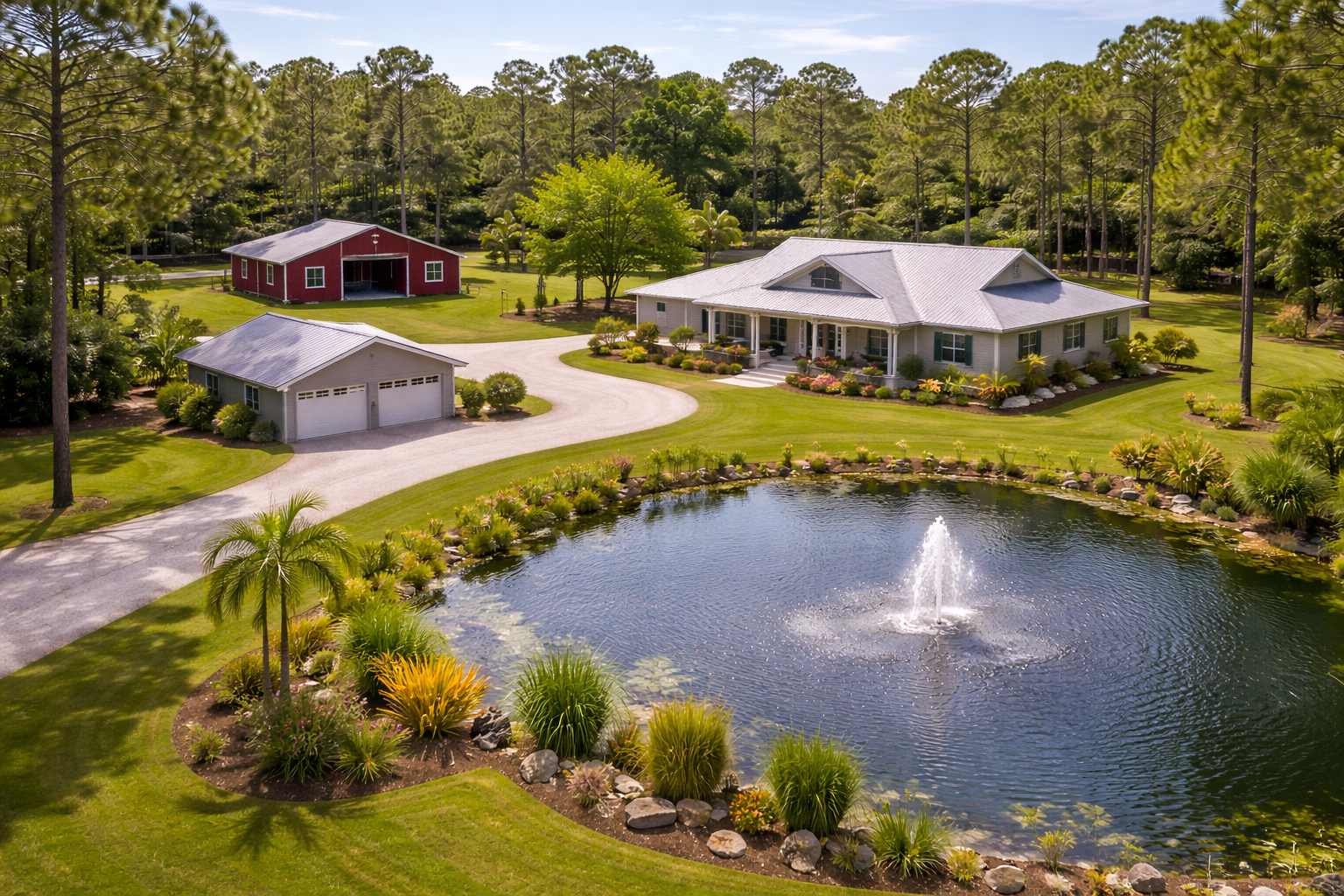
thekullgroup/the-acreage-fl-one-acre-rural-home-with-detached-garage-and-barn

The Acreage, FL Real Estate: A Straightforward Guide for Buyers Weighing Space, Commute, and Location

For buyers unfamiliar with western Palm Beach County, The Acreage, FL real estate often comes up during one specific search: “Where can I get more space without moving too far from everything?” That question usually signals a relocation decision, not just a home search.

The Acreage is not a beach town. It’s not a high-rise corridor. It’s not a gated golf community. Instead, it’s a large-lot residential area west of the more densely developed parts of Palm Beach County. For many relocating buyers, it offers a balance between accessibility and land — something increasingly difficult to find in South Florida.

If you’re considering a move to Palm Beach County and trying to compare communities like Wellington, Royal Palm Beach, West Palm Beach, or even Loxahatchee, this guide will break down what The Acreage offers, how commuting works, and how to decide whether it aligns with your long-term plans

See What’s on the Market Right Now

If you're researching homes in Palm Beach County or anywhere in South Florida, explore current listings by city and see what’s available right now.

Explore Homes by City

Living in The Acreage, FL

The Acreage is located west of Royal Palm Beach and north of Wellington, in unincorporated Palm Beach County. It is primarily residential, characterized by one-acre (or larger) parcels, detached garages, workshops, barns, and a noticeable absence of dense development.

For buyers relocating from urban or suburban markets, the first thing you’ll notice is spacing. Homes are set back from the road. There are fewer sidewalks and no uniform subdivision layout. It feels open — not isolated, but spread out.

The housing stock varies. You’ll find:

  • Older ranch-style homes built decades ago

  • Updated properties with metal roofs and impact windows

  • New construction on formerly vacant lots

  • Homes with detached garages or accessory buildings

Unlike master-planned communities, there are limited HOA restrictions. That flexibility allows residents to park boats, trailers, or work vehicles more freely than in more regulated neighborhoods.

From a daily living perspective, most errands require driving. Grocery stores, retail centers, medical facilities, and restaurants are typically 10–20 minutes away depending on your exact location within The Acreage. For some buyers, that’s a drawback. For others, it’s a reasonable trade-off for land and privacy.

The atmosphere is quiet and residential. There’s less through-traffic than in denser parts of Palm Beach County. For relocators seeking breathing room without completely disconnecting from infrastructure, The Acreage often enters the conversation.


The Acreage, FL Real Estate Market Overview

The Acreage, FL real estate market functions differently from coastal or condo-heavy markets in South Florida. It is almost entirely single-family homes on large parcels, which means inventory turnover is steadier rather than fast-paced.

Pricing trends are influenced by:

  • Lot size and configuration

  • Property condition

  • Age of major systems (roof, HVAC, septic)

  • Road access and drainage

Because most homes rely on well water and septic systems, buyers pay close attention to inspections. Properties that demonstrate well-maintained systems often perform better than those that require deferred maintenance.

Inventory levels fluctuate throughout the year, but the market does not typically experience the intense bidding competition seen in highly walkable or coastal communities. Instead, buyers tend to evaluate carefully and compare properties across nearby alternatives.

When comparing The Acreage to:

  • Wellington – Wellington offers more structured neighborhoods and amenities but typically smaller lots and more HOA oversight.

  • Royal Palm Beach – Royal Palm Beach features more traditional suburban subdivisions with sidewalks and centralized retail.

  • West Palm Beach – West Palm Beach offers urban access and waterfront proximity but significantly higher density.

The Acreage stands out for land value relative to price and long-term flexibility.


Buying a Home in The Acreage, FL

For buyers relocating from outside the area, decision-making usually revolves around two key factors: commute and lifestyle trade-offs.

Commute Considerations

Drive times vary based on destination. Typical routes connect residents to:

  • West Palm Beach business districts

  • I-95 and the Florida Turnpike

  • Palm Beach International Airport

  • Wellington’s retail and equestrian corridors

Commute times are manageable for many professionals, but traffic patterns during peak hours should be evaluated before committing. Unlike walkable city neighborhoods, daily driving is part of life here.

Property Types and Expectations

Most homes are detached single-family residences on one-acre lots. Common features include:

  • Long driveways

  • Detached garages or barns

  • Room for additions or future improvements

  • Large backyards suitable for landscaping or projects

HOAs are uncommon, which gives owners more autonomy. However, it also means aesthetic consistency varies street to street.

Buyers should budget for:

  • Septic inspections

  • Well water testing

  • Insurance evaluations for roof age

  • Drainage assessments

For those unfamiliar with rural-adjacent infrastructure, understanding these systems is critical.

The Acreage often appeals to buyers who prioritize land and independence over proximity to nightlife or beach access.


Selling a Home in The Acreage, FL

Selling in The Acreage requires clear communication about what the property offers and how it compares to nearby options.

Because many buyers are relocating and unfamiliar with the area, sellers benefit from highlighting:

  • Drive times to major corridors

  • Recent system updates

  • Lot usability and drainage improvements

  • Zoning allowances

Preparation should focus on:

  • Maintaining acreage and trimming overgrowth

  • Presenting outbuildings in organized condition

  • Providing documentation for septic and well servicing

Pricing strategy should reflect current condition and realistic comparisons. Larger lots do not automatically command higher values if mechanical systems are aging. Conversely, well-maintained homes on clean, functional parcels often stand out in listing searches.

Market psychology here favors transparency. Buyers are often comparing The Acreage to Wellington or Royal Palm Beach simultaneously. Demonstrating why your property fits a particular buyer profile helps create clarity.

Curious What Your Home Might Be Worth?

Home values across Palm Beach County and South Florida change constantly. See what buyers may currently be willing to pay for homes in your neighborhood.

Check Your Home Value

Frequently Asked Questions About The Acreage, FL Real Estate

1. Is The Acreage expensive to live in?

Relative to coastal Palm Beach County markets, The Acreage is generally more affordable per square foot of land. While home prices vary by condition and lot size, buyers typically receive larger parcels compared to Wellington or West Palm Beach. Ongoing costs may include septic and well maintenance, but many residents consider those manageable in exchange for privacy and flexibility.

2. Is The Acreage good for families?

Families who prioritize space and a quieter setting often find The Acreage appealing. Larger lots provide room for outdoor activities and pets. However, daily errands and school drop-offs require driving, as the area is not designed for walkability. For households comfortable with a vehicle-dependent lifestyle, it can offer a stable residential environment.

3. How far is The Acreage from major employment centers?

Commute times vary depending on destination, but West Palm Beach, Wellington, and highway access are generally within reasonable driving distance. Buyers should test commute routes during peak traffic hours to determine practicality. While not centrally urban, The Acreage remains connected enough for many working professionals.

4. What types of homes are common in The Acreage?

Single-family homes on one-acre or larger parcels dominate the area. Many properties include detached garages, barns, or accessory structures. Architectural styles vary widely, reflecting decades of development rather than uniform subdivision construction. This variety allows buyers to choose between updated homes and properties with renovation potential.

5. Is The Acreage a good place to buy or sell a home?

For buyers seeking space and land flexibility within Palm Beach County, The Acreage can be a practical choice. For sellers, properly maintained homes with clear documentation often attract serious interest. The market operates at a measured pace, rewarding thoughtful preparation rather than rapid speculation.


Conclusion

The Acreage, FL real estate appeals to buyers evaluating relocation through a practical lens. It offers more land than many neighboring communities while maintaining reasonable access to employment centers and highways.

If you are comparing Wellington, Royal Palm Beach, or West Palm Beach, the key question becomes this: do you prefer structured amenities and walkability, or space and autonomy?

The Acreage is not designed around density or nightlife. It is built around acreage, distance between homes, and long-term residential use. For many relocating buyers, that balance between separation and accessibility becomes the deciding factor.

Understanding commute patterns, infrastructure differences, and property maintenance expectations will help determine whether The Acreage fits your goals.

Real Estate Resources for South Florida

If you're researching homes or following the South Florida real estate market, exploring listings and property values can provide helpful context for understanding local neighborhoods and housing trends across Palm Beach County.


About the Authors

Chris and Sue Kull are South Florida real estate professionals with more than three decades of experience helping buyers, sellers, and property owners navigate the housing market throughout Palm Beach County and surrounding communities.

Their work focuses on providing clear information, local market insight, and practical guidance so clients can make confident real estate decisions. Over the years they have built a trusted network of industry professionals—including lenders, inspectors, contractors, and legal specialists—to support every stage of the real estate process.

You can explore additional resources, community guides, and real estate tools at www.TheKullGroup.com.

If you have questions about buying, selling, or understanding the local real estate market, you can reach out through our contact page.
March 1, 2026

The Acreage, FL Real Estate: Where Privacy and Patience Shape Long-Term Ownership

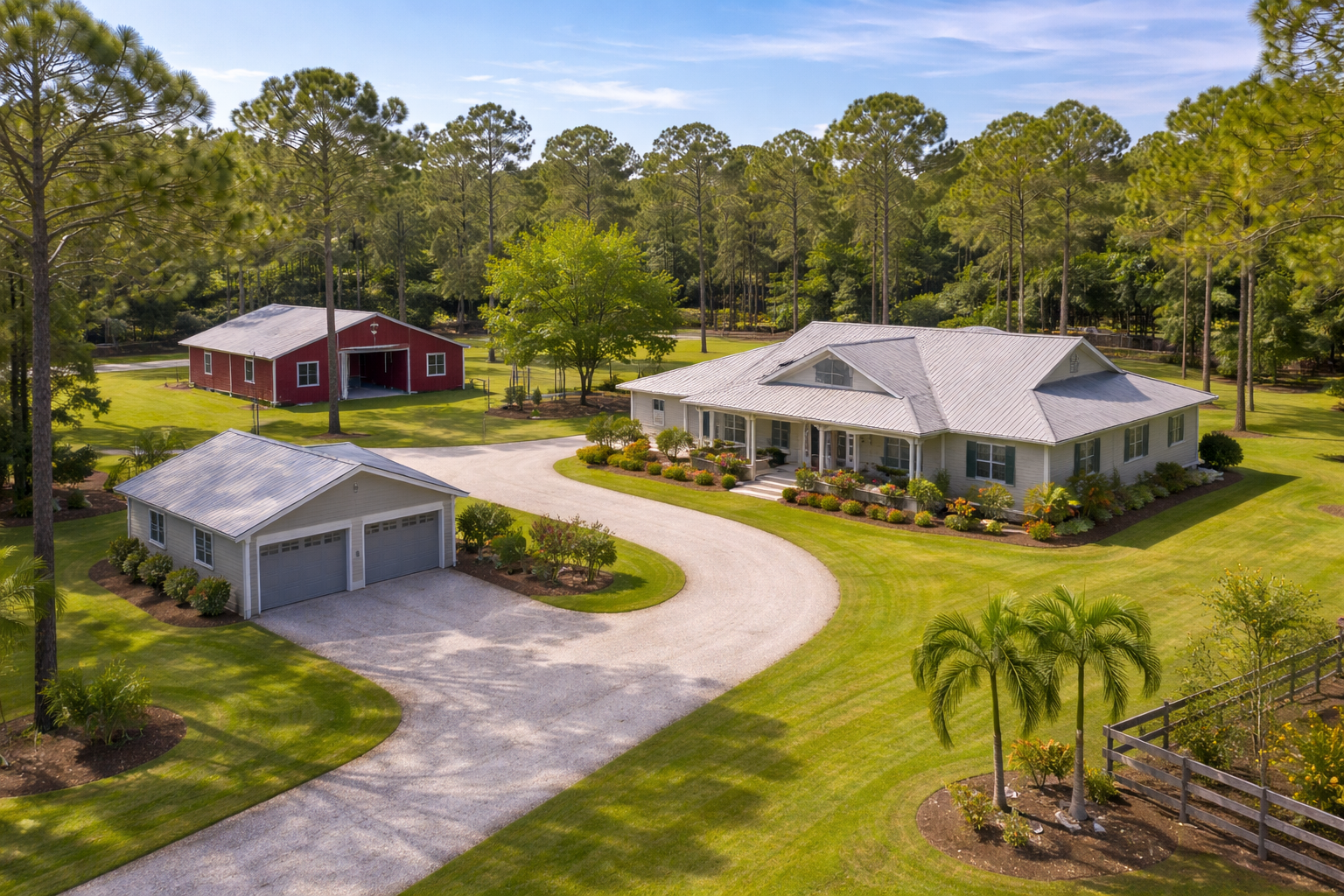
thekullgroup/the-acreage-fl-private-one-acre-home-with-detached-barn

The Acreage, FL Real Estate: Where Privacy and Patience Shape Long-Term Ownership

The Acreage, FL real estate attracts a particular type of homeowner — someone thinking beyond the next few years. In western Palm Beach County, this community offers distance from density, larger parcels, and a sense of separation that has become increasingly difficult to find in South Florida. For buyers and sellers who value discretion, long-horizon ownership, and steady equity accumulation, The Acreage stands apart.

Unlike coastal high-rise markets or tightly packed subdivisions, The Acreage operates on a slower timeline. Properties here are rarely impulse purchases. They are selected carefully — for lot configuration, long-term use potential, and the ability to maintain privacy without sacrificing regional access.

If you are evaluating South Florida property through the lens of stability, control, and ownership patience, this guide will outline how The Acreage fits into that strategy.


Living in The Acreage, FL

The Acreage is located west of Royal Palm Beach and north of Wellington, within unincorporated Palm Beach County. It is not a master-planned community. It does not revolve around clubhouses or gated entrances. Instead, its defining characteristic is land.

Most homes sit on parcels of roughly one acre or more. Streets are broader, properties are set back from the road, and fences, barns, detached garages, and workshops are common. The spacing between homes creates a visual and acoustic buffer that many residents prioritize.

Privacy is not an amenity here — it is part of the structure of the neighborhood.

From a regional standpoint, The Acreage remains accessible. Commuters can reach West Palm Beach, Wellington, and major highways with predictable drive times. However, once home, the atmosphere shifts. Traffic diminishes. Noise levels drop. The community feels residential rather than transitional.

Architecturally, there is variation. You will see older ranch-style properties, custom homes with metal roofs, and more recent construction filling in previously vacant parcels. There is no uniform façade requirement. That flexibility supports ownership customization over time.

Residents often choose The Acreage because it allows them to build equity quietly. They are less concerned with rapid appreciation cycles and more focused on usable land, structural integrity, and adaptability.

See What’s on the Market Right Now

If you're researching homes in Palm Beach County or anywhere in South Florida, explore current listings by city and see what’s available right now.

Explore Homes by City

The Acreage, FL Real Estate Market Overview

The Acreage, FL real estate market behaves differently than high-turnover segments along the coast. Transaction volume tends to be steady rather than frenetic. Properties often remain in families for extended periods.

Pricing here reflects a combination of lot size, structural condition, and infrastructure quality. Because homes rely on septic systems and well water in many sections, buyers evaluate mechanical components carefully. Roof age, drainage, elevation, and land usability factor heavily into valuation.

Inventory levels fluctuate, but listings do not disappear overnight. Buyers tend to conduct due diligence thoroughly. Sellers who prepare properties thoughtfully — addressing systems, maintaining acreage, and presenting documentation — are positioned more favorably.

Equity accumulation in The Acreage is often gradual. Land retains intrinsic value, and improvements made strategically over time can enhance resale positioning. Because there is no heavy condominium or high-density influence, market shifts tend to be less volatile than in urban cores.

The long-term trajectory of the area shows gradual refinement. Roads have improved. New builds have replaced older structures. Yet the fundamental identity — space, separation, and independence — remains intact.


Buying a Home in The Acreage, FL

Purchasing in The Acreage requires a different checklist than buying in a subdivision with municipal utilities and association oversight.

Common property types include:

  • Single-story ranch homes on large parcels

  • Custom-built residences with detached garages

  • Homes featuring barns or storage buildings

  • Properties designed for multi-use land functionality

Buyers should anticipate inspections that focus on:

  • Septic systems and drain fields

  • Well pumps and water quality

  • Roof durability

  • Electrical panel capacity

  • Drainage grading across acreage

HOAs are uncommon, which allows flexibility but also requires personal responsibility for maintenance. Roads may be paved or partially improved depending on location within the community.

Timing decisions in The Acreage rarely hinge on immediate appreciation expectations. Instead, buyers evaluate whether a property can support long-term plans. Some owners expand square footage years after purchase. Others add outbuildings or reconfigure landscaping to enhance privacy.

Because lots are larger, property upkeep should be factored into ownership planning. Landscaping, fencing, and irrigation require ongoing attention.

The Acreage appeals to buyers who are comfortable holding property through cycles rather than attempting short-term repositioning.


Selling a Home in The Acreage, FL

Selling in this community requires presenting the property as a stable asset rather than a speculative opportunity.

Preparation should begin with infrastructure clarity. Buyers in this segment want to understand:

  • Septic servicing history

  • Well maintenance records

  • Roof installation dates

  • Flood zone status

  • Insurance compatibility

Land presentation is equally important. Overgrown acreage can obscure value. Clear property lines, maintained driveways, and organized outbuildings communicate stewardship.

Pricing strategy should reflect both land value and structural condition. Large lots alone do not command premium pricing if mechanical systems are outdated. Conversely, well-maintained properties with thoughtful upgrades often generate strong interest.

Market psychology here favors patience. Buyers move carefully. They often compare multiple properties before making decisions. Sellers who recognize this measured pace and price accordingly tend to avoid extended listing periods.

Because The Acreage attracts owners focused on longevity, transparency during the transaction builds confidence.

Curious What Your Home Might Be Worth?

Home values across Palm Beach County and South Florida change constantly. See what buyers may currently be willing to pay for homes in your neighborhood.

Check Your Home Value

Frequently Asked Questions About The Acreage, FL Real Estate

1. Is The Acreage expensive to live in?

The Acreage is generally considered moderate in cost relative to coastal Palm Beach County. While property taxes and insurance align with county standards, larger lots provide more land per dollar compared to high-density communities. Ownership expenses may include septic maintenance and well servicing, but many residents view these costs as manageable trade-offs for increased privacy and independence.

2. Is The Acreage good for families?

Families who value space and separation often find The Acreage appealing. Larger yards provide room for outdoor activity, pets, and projects. The absence of heavy traffic and the lower density contribute to a quieter environment. While it does not offer centralized amenities like gated communities, it supports households seeking discretion and long-term residential stability.

3. How far is The Acreage from major employment centers?

Drive times vary depending on destination, but West Palm Beach, Wellington, and other employment corridors are reachable within a reasonable commute. Access to major highways supports regional connectivity. Buyers should evaluate commute patterns during peak hours to ensure alignment with their schedules, particularly if working east of the community.

4. What types of homes are common in The Acreage?

Single-family homes on one-acre or larger parcels dominate the landscape. Many properties include detached garages, barns, or additional storage structures. Architectural styles vary, ranging from older ranch homes to custom builds. The lack of uniform design restrictions allows properties to evolve according to owner preferences over time.

5. Is The Acreage a good place to buy or sell a home?

For buyers seeking long-term ownership with privacy and land flexibility, The Acreage can align well with those goals. For sellers, properties that are maintained carefully and priced realistically tend to attract selective, serious buyers. The market operates on a measured timeline, rewarding patience and preparation.

Conclusion

The Acreage, FL real estate is not driven by flash or short-term velocity. It is defined by land, discretion, and long-horizon thinking. Owners here often hold properties for extended periods, improving them gradually and allowing equity to build steadily.

For those who prioritize privacy, structural integrity, and adaptability over density and amenities, The Acreage offers a distinct option within Palm Beach County. It requires thoughtful evaluation — from septic systems to drainage patterns — but rewards owners with control and separation that is increasingly rare in South Florida.

Whether buying or selling, success in this market depends less on speed and more on clarity, preparation, and patience.

Real Estate Resources for South Florida

If you're researching homes or following the South Florida real estate market, exploring listings and property values can provide helpful context for understanding local neighborhoods and housing trends across Palm Beach County.


About the Authors

Chris and Sue Kull are South Florida real estate professionals with more than three decades of experience helping buyers, sellers, and property owners navigate the housing market throughout Palm Beach County and surrounding communities.

Their work focuses on providing clear information, local market insight, and practical guidance so clients can make confident real estate decisions. Over the years they have built a trusted network of industry professionals—including lenders, inspectors, contractors, and legal specialists—to support every stage of the real estate process.

You can explore additional resources, community guides, and real estate tools at www.TheKullGroup.com.

If you have questions about buying, selling, or understanding the local real estate market, you can reach out through our contact page.

March 1, 2026

The Acreage, FL Real Estate: A Practical Look at Space, Access, and How the Area Is Changing

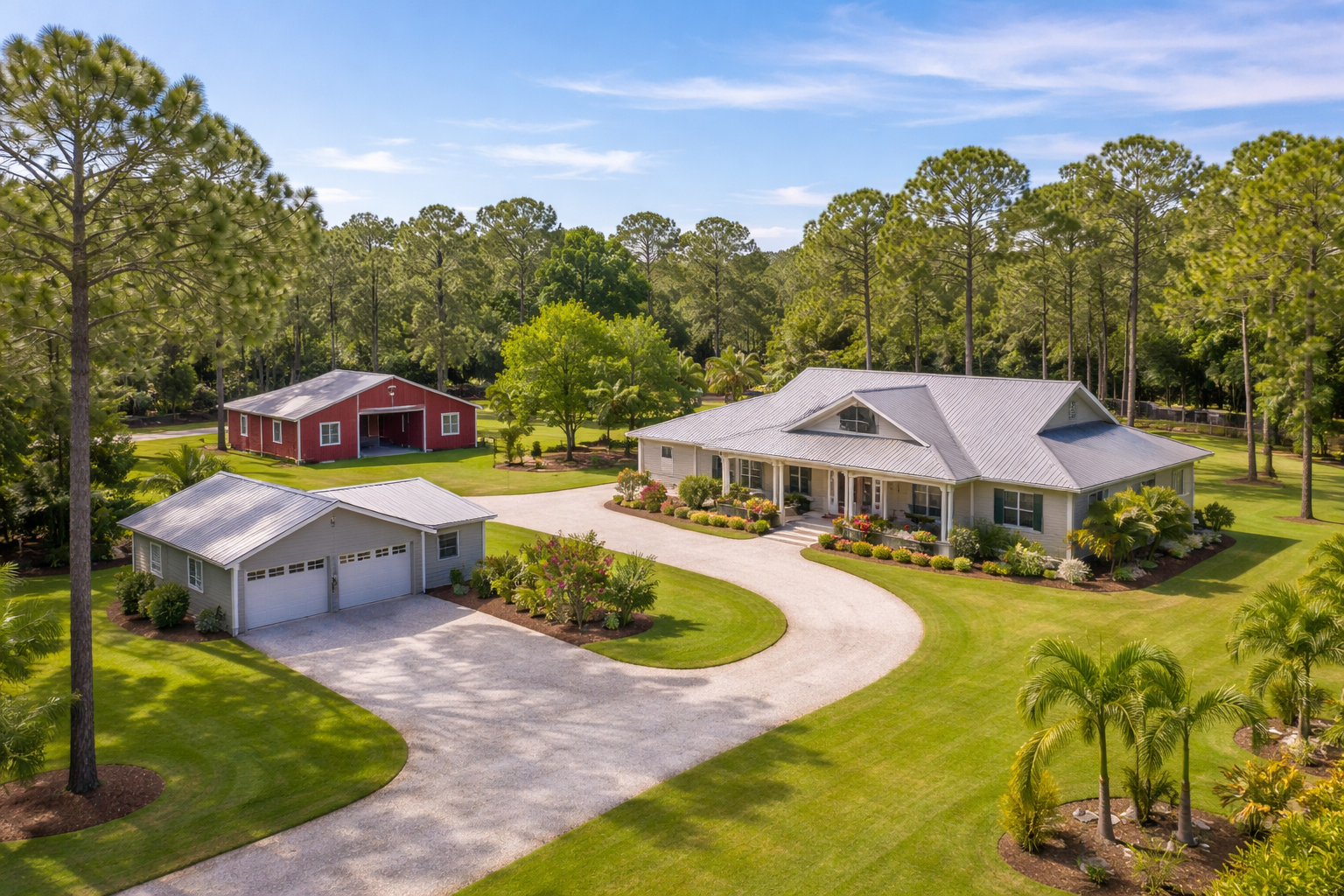
thekullgroup/the-acreage-fl-large-lot-single-family-home-evolution

The Acreage, FL Real Estate: A Practical Look at Space, Access, and How the Area Is Changing

If you’ve been researching The Acreage, FL real estate, you’ve likely noticed one consistent theme: space. Larger lots, fewer sidewalks, more room between neighbors — and yet, you’re still within reach of the core Palm Beach County corridor. For buyers, sellers, and relocators evaluating practical options in South Florida, The Acreage represents something different from master-planned suburban communities or coastal condo markets.

The Acreage offers entry points into Palm Beach County homeownership that feel more flexible and less condensed. It has evolved over time from largely rural parcels into a community where long-time residents, new buyers, and relocating families coexist. It’s not flashy, and it doesn’t try to be. Instead, it appeals to buyers who prioritize land, utility, and manageable long-term costs.

If you’re weighing accessibility, budget alignment, and how an area may develop over the next decade, this guide will walk you through what matters.

See What’s on the Market Right Now

If you're researching homes in Palm Beach County or anywhere in South Florida, explore current listings by city and see what’s available right now.

Explore Homes by City

Living in The Acreage, FL

The Acreage is located in western Palm Beach County, just north of Royal Palm Beach and west of West Palm Beach. While technically unincorporated, it functions as a well-defined residential community with its own rhythm and identity.

Geographically, it offers a middle ground. You’re removed from the congestion of coastal areas, yet still within driving distance of:

  • West Palm Beach employment centers

  • I-95 and the Turnpike

  • Wellington retail and medical corridors

  • Palm Beach International Airport

The neighborhood feel is distinct. Most properties sit on large lots — often around an acre or more — and streets tend to be wider and less uniform than in planned subdivisions. You won’t find rows of identical homes. Instead, you’ll see a mix of older ranch-style houses, updated properties with detached structures, and newer builds gradually filling in vacant parcels.

The atmosphere is quieter and more self-contained. Residents often value privacy, practical land use, and the ability to expand or modify their property over time. It’s common to see sheds, workshops, boats, RVs, and work vehicles — things that many HOA-driven communities restrict.

The Acreage has gradually shifted from rural roots toward a more established residential area. Infrastructure has improved over the years, and local schools, parks, and community services have expanded. Still, it retains a sense of autonomy that attracts buyers who want more control over how they use their property.


The Acreage, FL Real Estate Market Overview

The Acreage, FL real estate market does not mirror coastal Palm Beach County pricing patterns. Instead, it operates within its own range, largely influenced by lot size, property condition, and access to utilities.

Pricing trends tend to reflect steady movement rather than dramatic swings. Because most homes sit on sizable parcels, land value plays a significant role. Buyers often evaluate properties based on:

  • Acreage and lot layout

  • Septic and well condition

  • Roof and HVAC age

  • Potential for future additions

Inventory in The Acreage fluctuates seasonally, but it is typically less compressed than in high-density neighborhoods. Properties may remain on the market longer than in tightly packed subdivisions, especially if they require updates. However, well-maintained homes with functional layouts and modern systems attract consistent interest.

Market activity feels measured. Buyers are deliberate. Sellers who price realistically and present their homes clearly tend to see steady showings rather than bidding wars.

Importantly, the area has seen gradual infill development. Vacant lots are being built on, and some older homes are being renovated or replaced. This evolution influences long-term value perception without turning the area into a fully uniform subdivision.


Buying a Home in The Acreage, FL

For buyers, The Acreage often represents a practical entry point into Palm Beach County homeownership — particularly for those who want more land without stepping into significantly higher price brackets closer to the coast.

Common property types include:

  • Ranch-style single-family homes

  • Properties with detached garages or workshops

  • Homes with pools and screened patios

  • Newer construction on previously vacant parcels

When buying here, expectations should align with reality. Many homes rely on well water and septic systems rather than municipal utilities. Buyers should budget for inspections and potential maintenance specific to those systems.

HOAs are rare compared to other parts of South Florida. This flexibility is part of the appeal, but it also means neighborhood standards vary from street to street.

Timing considerations matter less in terms of rapid appreciation and more in terms of condition and lot suitability. Buyers often prioritize:

  • Drainage quality

  • Road access (paved vs. dirt roads in certain sections)

  • Elevation and flood considerations

  • Distance to primary commuting routes

For relocators unfamiliar with South Florida’s geography, it’s important to map daily drive times rather than rely solely on distance. Traffic patterns can vary depending on time of day.

Ultimately, buyers drawn to The Acreage tend to be seeking usable space and manageable ownership costs rather than polished, turnkey uniformity.


Selling a Home in The Acreage, FL

Selling in The Acreage requires understanding what today’s buyers are evaluating.

Presentation still matters — but differently than in coastal communities. Buyers here look closely at:

  • Roof age and structural condition

  • Septic and well functionality

  • Yard maintenance and drainage

  • Fencing and outbuildings

Preparation should focus on mechanical reliability and curb clarity. Clearing overgrown areas, addressing visible wear, and organizing outdoor structures can significantly influence perception.

Pricing strategy must reflect the specific property’s strengths. Larger lots do not automatically justify higher prices if interior systems are outdated. Conversely, updated homes on well-maintained parcels can stand out quickly.

Market timing psychology in The Acreage tends to reward realism. Buyers are practical. They compare condition, lot quality, and access carefully. Homes priced in alignment with those expectations move steadily. Overpricing can lead to extended days on market.

Because the community continues to evolve gradually, sellers benefit from demonstrating how their property fits into that forward trajectory — whether through updates, energy efficiency, or improved land use.

Curious What Your Home Might Be Worth?

Home values across Palm Beach County and South Florida change constantly. See what buyers may currently be willing to pay for homes in your neighborhood.

Check Your Home Value

Frequently Asked Questions About The Acreage, FL Real Estate

1. Is The Acreage expensive to live in?

The Acreage is generally perceived as more affordable than many coastal Palm Beach County areas, especially when considering lot size. While property taxes and insurance reflect county-wide standards, buyers often find they can purchase more land for their budget here compared to more densely developed communities. Maintenance costs may differ due to well and septic systems, but many residents view that trade-off as worthwhile for increased space.

2. Is The Acreage good for families?

Many families choose The Acreage for its larger lots and reduced density. The ability to have outdoor space for recreation, pets, or projects appeals to households seeking flexibility. While it lacks the structured amenities of master-planned communities, it offers a quieter residential environment where daily routines revolve around home rather than communal facilities.

3. How far is The Acreage from major employment centers?

Drive times vary depending on destination and traffic, but most residents can reach West Palm Beach business districts within a reasonable commute. Access to the Florida Turnpike and major east-west corridors connects The Acreage to broader Palm Beach County. Buyers should evaluate commuting routes during peak hours to determine what works best for their schedule.

4. What types of homes are common in The Acreage?

Single-family homes dominate the landscape, typically on large parcels. Ranch-style houses are common, along with properties that include detached garages, barns, or workshops. Newer construction homes have been added in recent years, often replacing vacant lots. Architectural styles vary, reflecting the area’s gradual evolution over time.

5. Is The Acreage a good place to buy or sell a home?

For buyers seeking land and flexibility, The Acreage can offer a balanced entry into Palm Beach County real estate. For sellers, demand remains steady for well-maintained properties priced realistically. The market is practical rather than speculative, making preparation and transparency important for successful transactions.


Conclusion

The Acreage, FL real estate appeals to buyers and homeowners who think in practical terms. It offers accessibility to Palm Beach County without requiring coastal-level budgets. It provides room to adapt properties over time. And it continues to evolve gradually without losing its core identity.

This is not a market driven by trend cycles or luxury positioning. It is shaped by land use, mechanical reliability, and steady neighborhood growth.

If you value space, flexibility, and measured change over flash and speed, The Acreage may align with your goals. As with any purchase or sale, informed decision-making — grounded in property condition, commuting patterns, and long-term plans — remains the foundation of success.

Real Estate Resources for South Florida

If you're researching homes or following the South Florida real estate market, exploring listings and property values can provide helpful context for understanding local neighborhoods and housing trends across Palm Beach County.


About the Authors

Chris and Sue Kull are South Florida real estate professionals with more than three decades of experience helping buyers, sellers, and property owners navigate the housing market throughout Palm Beach County and surrounding communities.

Their work focuses on providing clear information, local market insight, and practical guidance so clients can make confident real estate decisions. Over the years they have built a trusted network of industry professionals—including lenders, inspectors, contractors, and legal specialists—to support every stage of the real estate process.

You can explore additional resources, community guides, and real estate tools at www.TheKullGroup.com.

If you have questions about buying, selling, or understanding the local real estate market, you can reach out through our contact page.

March 1, 2026

Considering Skipping a Home Inspection in South Florida? Read This First

south-florida-home-inspection-roof-electrical-evaluation.jpg

Considering Skipping a Home Inspection in South Florida? Read This First

In competitive real estate markets, buyers sometimes feel pressure to move quickly. Multiple offers, tight timelines and seller leverage can tempt purchasers to waive contingencies — including the home inspection. But before choosing to buy without a home inspection in South Florida, it’s critical to understand what’s at stake.

A home inspection is designed to identify visible issues with a property’s structure and systems. It is not a guarantee that nothing is wrong. It is not a warranty. And it is certainly not something to dismiss lightly.

Across Palm Beach County, Broward County and Miami-Dade, inspection decisions can have lasting financial consequences. Before skipping this step, buyers should understand what inspections include, what they don’t, and how missing information can turn into costly surprises after closing.

Let’s walk through the realities.


What a Home Inspection Actually Covers

A standard home inspection is primarily a visual evaluation of a property’s accessible components. Inspectors examine:

  • Roofing systems

  • Structural elements

  • Electrical panels and wiring

  • Plumbing systems

  • HVAC units

  • Appliances

  • Windows and doors

  • Exterior grading

The goal is to identify obvious defects or safety concerns.

However, inspections typically do not include invasive testing. Inspectors do not open walls, dismantle major systems, or guarantee that hidden issues don’t exist.

Understanding these limitations is essential before making decisions.

See What’s on the Market Right Now

If you're researching homes in Palm Beach County or anywhere in South Florida, explore current listings by city and see what’s available right now.

Explore Homes by City

What May Be Missed Without Additional Testing

Many buyers assume a home inspection is comprehensive. In reality, certain issues often require specialized assessments.

Standard inspections may not include:

  • Mold testing

  • Radon testing

  • Termite or pest inspections

  • Sewer line scope evaluations

  • Infrared thermal imaging

  • Environmental hazard screenings

In South Florida’s humid climate, mold and moisture issues can be especially important to assess. In coastal areas, salt air corrosion and roof integrity deserve careful evaluation.

If buyers waive inspections entirely, they lose the opportunity to identify even visible red flags — let alone hidden ones.


Licensing Requirements Vary

Not every state regulates inspectors the same way.

Some states require licensing with continuing education requirements. Others regulate by statute, and some have fewer formal requirements.

Even when licensing is required, standards can differ.

Buyers in South Florida should verify:

  • The inspector’s licensing status

  • Years of experience

  • Professional association memberships

  • Whether the inspector carries errors and omissions (E&O) insurance

E&O insurance protects buyers in cases of negligence. Without it, recovering losses can be difficult.

Choosing a qualified inspector matters just as much as having an inspection.


Why Buyers Feel Pressure to Waive Inspections

In competitive markets, buyers sometimes believe waiving inspection contingencies strengthens their offer.

This tactic may appear appealing in multiple-offer situations. However, it transfers all risk to the buyer.

Waiving an inspection means:

  • Accepting unknown structural risks

  • Losing negotiation leverage

  • Assuming repair costs without recourse

  • Potentially jeopardizing financing if issues surface later

In Palm Beach County and Broward County markets, competition fluctuates by segment. Luxury homes may operate differently from entry-level condos.

But regardless of price point, skipping due diligence can create avoidable risk.


The Financial Consequences of Skipping

Minor repairs can become major expenses.

For example:

  • Replacing a roof can cost tens of thousands of dollars.

  • HVAC system replacement may reach five figures.

  • Foundation or structural repairs can escalate quickly.

  • Mold remediation in humid climates can be extensive.

Without an inspection, buyers may not learn about these issues until after closing — when responsibility becomes theirs.

Even if a home appears well-maintained, unseen problems can exist.


The Value of Attending the Inspection

When buyers choose to conduct an inspection, participation matters.

Attending in person allows buyers to:

  • Ask direct questions

  • Observe potential issues

  • Run appliances through full cycles

  • Understand maintenance recommendations

  • Prioritize repairs

An inspection report is helpful. But seeing and discussing findings firsthand often provides deeper understanding.

In South Florida, where hurricane protection systems, drainage and roofing materials matter significantly, hands-on observation is especially valuable.


Negotiation Leverage and Repair Credits

An inspection report doesn’t necessarily mean walking away.

It creates leverage.

Buyers can request:

  • Seller repairs

  • Price reductions

  • Closing cost credits

  • Extended warranties

Even in balanced or seller-favored markets, documented issues can justify negotiation.

Without inspection findings, buyers lose that strategic tool.


The Condo Factor in South Florida

In South East Florida, condominium purchases carry unique considerations.

While associations handle exterior maintenance, buyers still need inspections for:

  • Interior plumbing

  • Electrical panels

  • HVAC systems

  • Appliance condition

  • Balcony structural integrity (if accessible)

Additionally, reviewing condo association financials and reserve studies is critical.

Waiving inspection on a condo doesn’t eliminate risk — it simply limits awareness.


Inspection Contingencies vs. As-Is Contracts

Many Florida contracts are written “as-is,” meaning sellers are not obligated to make repairs.

However, buyers still retain the right to inspect and cancel within a defined period.

This structure allows buyers to:

  • Conduct due diligence

  • Negotiate if necessary

  • Exit if findings are significant

Waiving inspection removes this safety valve entirely.

Curious What Your Home Might Be Worth?

Home values across Palm Beach County and South Florida change constantly. See what buyers may currently be willing to pay for homes in your neighborhood.

Check Your Home Value

Common Misconceptions

“The home looks fine.”
Surface appearance doesn’t guarantee structural soundness.

“It’s a new construction.”
Even new homes can have construction defects or incomplete installations.

“The seller disclosed everything.”
Disclosures rely on seller knowledge. Not all issues are known.

“I’ll save money by skipping it.”
Inspection fees are modest compared to potential repair costs.


When Might Waiving Be Considered?

In rare situations — such as seasoned investors purchasing distressed properties with renovation budgets already planned — inspection waivers may align with strategy.

However, for primary residence buyers, especially those relocating to South Florida, skipping inspections typically introduces unnecessary risk.

For out-of-state buyers unfamiliar with Florida’s climate and construction norms, inspections are even more critical.


The Role of Insurance and Risk Management

Homeowners insurance in Florida can be complex.

Some insurers require:

  • Four-point inspections

  • Roof certifications

  • Wind mitigation reports

Skipping inspection may complicate insurance underwriting or reveal issues after policy binding.

Being proactive protects buyers from surprises during underwriting.


Educated Buyers Make Better Decisions

Knowledge reduces risk.

Before waiving an inspection, buyers should ask:

  • Am I financially prepared for unexpected repairs?

  • Do I fully understand Florida-specific property risks?

  • Is this property priced appropriately given potential unknowns?

  • Would inspection findings meaningfully change my decision?

Often, the answer becomes clear.


Seller Perspective

From a seller’s standpoint, inspection waivers may appear attractive.

However, transparency can foster smoother transactions.

Buyers who feel confident about a property’s condition are less likely to experience post-closing disputes or regret.

Pre-listing inspections, in some cases, can also strengthen listing positioning.


South Florida-Specific Inspection Priorities

Given regional conditions, inspections in Palm Beach County, Broward County and Miami-Dade should pay particular attention to:

  • Roof age and hurricane durability

  • Impact windows and shutters

  • Electrical panel safety

  • Drainage grading

  • HVAC performance in high humidity

  • Mold potential

  • Termite activity

Florida’s climate introduces considerations not always present in other regions.


The Bottom Line

Skipping a home inspection may seem like a shortcut — but it’s rarely a wise one.

Inspections are not perfect. They have limitations. They are visual, not invasive. But they remain one of the most effective tools buyers have to protect their investment.

In South Florida real estate markets, where weather, moisture and insurance requirements add complexity, due diligence is essential.

Even in competitive markets, caution is not weakness. It is strategy.

Before waiving an inspection contingency, understand the potential cost of that decision — not just today, but years down the line

Real Estate Resources for South Florida

If you're researching homes or following the South Florida real estate market, exploring listings and property values can provide helpful context for understanding local neighborhoods and housing trends across Palm Beach County.


About the Authors

Chris and Sue Kull are South Florida real estate professionals with more than three decades of experience helping buyers, sellers, and property owners navigate the housing market throughout Palm Beach County and surrounding communities.

Their work focuses on providing clear information, local market insight, and practical guidance so clients can make confident real estate decisions. Over the years they have built a trusted network of industry professionals—including lenders, inspectors, contractors, and legal specialists—to support every stage of the real estate process.

You can explore additional resources, community guides, and real estate tools at www.TheKullGroup.com.

If you have questions about buying, selling, or understanding the local real estate market, you can reach out through our contact page.

March 1, 2026

Outdoor Features That Boost Value in South Florida Homes

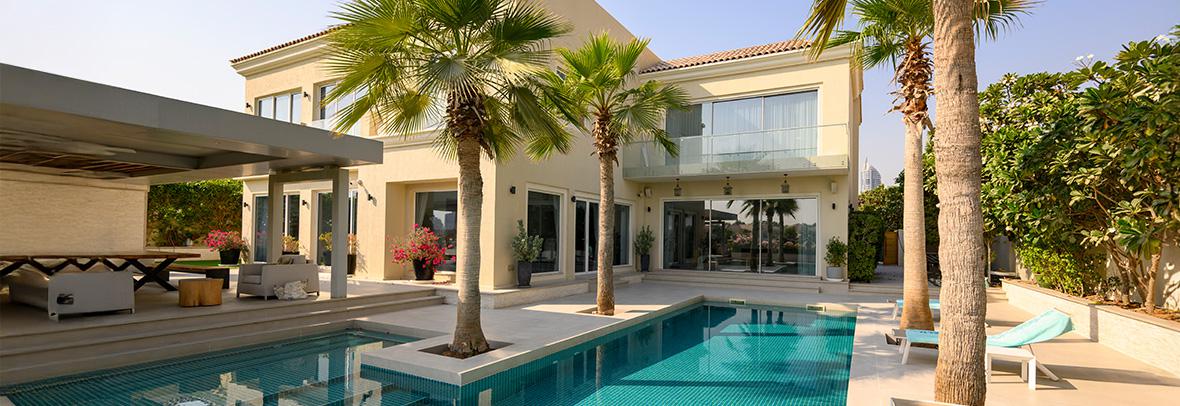
thekullgroup/south-florida-hardscaping-patio-pergola-outdoor-living

Outdoor Features That Boost Value in South Florida Homes

In South East Florida, outdoor living isn’t a bonus — it’s a way of life. From weekend barbecues in Wellington to waterfront evenings in Palm Beach County and shaded patios in Broward, the exterior of a home often carries as much weight as the interior. That’s why smart hardscaping has become one of the most strategic upgrades for homeowners who want to improve functionality and strengthen resale value.

Hardscaping refers to the non-living elements of your landscape — patios, driveways, walkways, retaining walls, decks, pergolas, outdoor kitchens and fire features. When designed thoughtfully, these features shape how people move through a property, manage Florida’s heavy rain patterns, reduce maintenance demands and create usable outdoor living space year-round.

For homeowners in South Florida real estate markets, investing in outdoor structure can offer both lifestyle rewards and measurable market appeal. Let’s explore how the right outdoor features can elevate your home’s value and position it more competitively.


Why Hardscaping Matters in South Florida

In climates with four distinct seasons, landscaping often cycles through dormant periods. In Florida, outdoor spaces are used almost year-round. Buyers expect functional patios, structured seating areas, shaded zones and durable surfaces that can handle both sun exposure and heavy rainfall.

Unlike turf or plantings, hardscaping provides:

  • Long-term durability

  • Lower ongoing maintenance

  • Defined entertaining areas

  • Improved drainage control

  • Clear property organization

In competitive Palm Beach County and Broward County real estate markets, well-designed outdoor spaces often influence buyer perception before they even step inside

Curious What Your Home Might Be Worth?

Home values across Palm Beach County and South Florida change constantly. See what buyers may currently be willing to pay for homes in your neighborhood.

Check Your Home Value

Expanding Livable Square Footage Without Adding Walls

One of the most overlooked benefits of hardscaping is that it effectively increases usable living space without altering a home’s footprint.

A well-designed patio or deck functions as an outdoor room. Add a pergola for shade or a built-in firepit for ambiance, and suddenly the backyard becomes an extension of the kitchen or living room.

Buyers in South East Florida increasingly value:

  • Outdoor kitchens

  • Covered lanais

  • Paver patios

  • Seating walls

  • Structured garden pathways

These elements transform a yard from “open lawn” into a purposeful environment.

When marketed properly, these upgrades can justify stronger pricing because they improve everyday living.


Drainage and Function: Florida’s Unique Challenge

In Florida, drainage is not optional — it’s essential.

Hard surfaces shed water quickly. Without proper grading and planning, runoff can pool near foundations or erode soil.

Strategic hardscaping addresses:

  • Water direction and slope

  • Erosion control

  • Foundation protection

  • Low areas prone to pooling

Retaining walls, French drains, permeable pavers and rock channels all help manage Florida’s intense summer rains.

Homes with visible drainage solutions often appeal to informed buyers who understand the long-term importance of water management.


Walkways and Driveways: First Impressions Matter

The path to your front door sets the tone for buyer perception.

Cracked concrete or patchy turf can undermine curb appeal. In contrast, well-laid pavers or structured stone walkways communicate care and attention to detail.

Driveways serve both function and aesthetic value. Paver driveways, stamped concrete or decorative finishes can elevate a property’s appearance significantly.

In Palm Beach County real estate listings, exterior presentation directly influences showing activity.


Patios, Decks and Pergolas: Defined Outdoor Rooms

Buyers want defined outdoor areas — not just empty yard space.

Decks and patios:

  • Create clear entertaining zones

  • Protect lawn areas from wear

  • Support outdoor furniture and grills

  • Enhance year-round usability

Pergolas and gazebos add architectural interest while offering shade — a critical feature in South Florida’s climate.

When outdoor areas feel intentional rather than improvised, buyers see added value.


Fire Features and Focal Points

Outdoor firepits and fireplaces are increasingly popular in South Florida, particularly in higher-end neighborhoods.

Even in warmer climates, fire features provide:

  • Visual anchor points

  • Evening gathering areas

  • Design focal elements

  • Lifestyle appeal

Small prefabricated units may cost a few hundred dollars, while custom installations can reach higher investment levels.

When done correctly, fire features help outdoor spaces feel complete.


Retaining Walls and Structural Enhancements

Properties with elevation changes benefit significantly from retaining walls.

These structures:

  • Prevent erosion

  • Stabilize slopes

  • Expand usable flat space

  • Improve overall safety

In areas with uneven terrain, retaining walls can unlock previously unusable yard sections.

Buyers appreciate properties where terrain challenges have already been addressed professionally.

See What’s on the Market Right Now

If you're researching homes in Palm Beach County or anywhere in South Florida, explore current listings by city and see what’s available right now.

Explore Homes by City

Cost Considerations and Planning

Hardscaping projects vary widely in cost.

Smaller projects such as gravel paths, edging or prefabricated firepits can remain budget-friendly.

Larger projects — patios, retaining walls, outdoor kitchens or pergolas — can range into the thousands or tens of thousands, depending on materials and labor.

Factors influencing cost include:

  • Excavation requirements

  • Drainage engineering

  • Permit fees

  • Material selection

  • Labor availability

  • Local building codes

Planning ahead allows homeowners to secure contractor schedules before peak seasons.


Hiring the Right Professional

Some projects are manageable DIY efforts. Simple gravel pathways or edging can be handled with patience and basic tools.

However, projects involving structural loads, grading, utilities or drainage require licensed professionals.

When hiring a contractor:

  • Obtain at least three estimates

  • Confirm licensing and insurance

  • Request references

  • Clarify material specifications

  • Outline payment schedules in writing

Red flags include unusually low bids, vague scope descriptions or excessive upfront payment demands.

Professional planning protects both budget and resale value.


Hardscaping and Resale Appeal

From a marketing standpoint, outdoor upgrades must align with neighborhood expectations.

In Wellington, expansive paver patios and pool decks resonate strongly.

In coastal Broward communities, structured waterfront seating areas can command attention.

In Palm Beach County, outdoor kitchens and covered lanais often enhance luxury appeal.

The key is proportional investment. Overbuilding for the neighborhood rarely yields full return.

Strategic improvements that match local buyer expectations tend to perform best.


Maintenance Benefits

Hard surfaces require less upkeep than turf or garden beds.

Benefits include:

  • Reduced mowing

  • Lower irrigation needs

  • Fewer seasonal plant replacements

  • Year-round visual consistency

In South Florida, where lawn maintenance costs accumulate quickly, low-maintenance exteriors appeal to busy homeowners and second-home buyers.


Sustainability and Material Selection

Material choices matter in Florida’s climate.

Common hardscaping materials include:

  • Natural stone

  • Concrete pavers

  • Brick

  • Treated wood

  • Composite decking

  • Decorative gravel

Permeable pavers are growing in popularity because they allow water to filter through, reducing runoff.

Choosing regionally available materials can reduce costs and simplify maintenance.


Outdoor Living as a Market Expectation

Today’s buyers increasingly expect functional outdoor areas.

Especially post-2020 lifestyle shifts, outdoor living is no longer optional — it’s anticipated.

Buyers look for:

  • Defined dining areas

  • Covered seating

  • Functional pathways

  • Adequate lighting

  • Drainage solutions

Homes lacking these features may require buyers to mentally budget upgrades.

Homes that already provide structured outdoor space feel move-in ready.


Long-Term Durability

Done correctly, hardscaping lasts decades.

Unlike cosmetic interior upgrades that may cycle every 5–10 years, quality stonework and structural outdoor features endure.

This longevity contributes to long-term equity protection.

For homeowners thinking strategically about resale positioning, durable outdoor improvements offer stability.


Final Thoughts

Outdoor features that boost value aren’t simply decorative. In South East Florida, hardscaping shapes how a home functions, drains, entertains and presents itself to the market.

Walkways guide movement. Patios create gathering spaces. Retaining walls protect structure. Pergolas define rooms. Drainage solutions safeguard foundations.

When planned thoughtfully and executed professionally, hardscaping transforms a yard into a purposeful extension of the home.

In competitive Palm Beach County, Broward County and Wellington real estate markets, outdoor living is not an afterthought — it’s part of the home’s identity.

Invest wisely, build with intention, and your outdoor space can serve both daily living and long-term value.

Real Estate Resources for South Florida

If you're researching homes or following the South Florida real estate market, exploring listings and property values can provide helpful context for understanding local neighborhoods and housing trends across Palm Beach County.


About the Authors

Chris and Sue Kull are South Florida real estate professionals with more than three decades of experience helping buyers, sellers, and property owners navigate the housing market throughout Palm Beach County and surrounding communities.

Their work focuses on providing clear information, local market insight, and practical guidance so clients can make confident real estate decisions. Over the years they have built a trusted network of industry professionals—including lenders, inspectors, contractors, and legal specialists—to support every stage of the real estate process.

You can explore additional resources, community guides, and real estate tools at www.TheKullGroup.com.

If you have questions about buying, selling, or understanding the local real estate market, you can reach out through our contact page.
Feb. 27, 2026

Consumer Confidence Edges Up in 2026 — But Will It Move the Housing Market?

thekullgroup/south-florida-housing-market-consumer-confidence-2026

Consumer Confidence Edges Up in 2026 — But Will It Move the Housing Market?

South Florida real estate has always been closely tied to consumer sentiment. When buyers feel secure about their income, employment and long-term stability, they make bigger financial decisions. When uncertainty lingers, hesitation follows.

In February, the national consumer confidence index ticked up to 91.2, improving modestly from January’s revised 89 reading. While that rebound is welcome news after a sharp dip, the broader picture remains complicated. Short-term expectations remain below 80 for the 13th straight month — a level often associated with recession concerns.

So the real question for homeowners, buyers, and sellers across South East Florida is this: Is slightly better confidence enough to meaningfully impact the housing market?

Let’s break down what’s happening and what it could mean locally.


A Closer Look at Consumer Confidence

The Conference Board’s consumer confidence index measures how Americans feel about current economic conditions and their expectations for the next six months.

February’s reading of 91.2 reflects a modest recovery. However, the expectations component — which gauges outlook on income, business conditions, and employment — remains subdued at 72.

Why does that matter?

Historically, readings below 80 in the expectations index can signal caution among consumers. When people feel uncertain about the future, large purchases — especially homes — tend to slow.

At the same time, Americans’ assessments of their current situation dipped slightly. Inflation mentions remain elevated, and discussions around trade policy and politics have increased.

In short, consumers feel somewhat better — but not confident enough to be aggressive.

See What’s on the Market Right Now

If you're researching homes in Palm Beach County or anywhere in South Florida, explore current listings by city and see what’s available right now.

Explore Homes by City

The Labor Market: Stable, But Slower

Economists describe the labor market as “low hire, low fire.” Businesses are neither expanding hiring aggressively nor cutting staff dramatically.

January saw the addition of 130,000 nonfarm jobs, stronger than expected. However, job growth in 2025 has slowed significantly compared to 2024’s robust pace.

Total job gains in 2025 stand at just over 580,000 — roughly one-fourth of the prior year’s pace.

For real estate, employment stability matters more than rapid job growth. If households feel secure in their jobs, they’re more likely to consider buying or selling.

Right now, the labor market appears stable — but not booming.


Spending Intentions: Big-Ticket Items See Uptick

Interestingly, February’s data showed increased plans to purchase big-ticket items such as:

  • Used vehicles

  • Furniture

  • Televisions

  • Smartphones

These purchases often precede housing activity. When consumers start replacing cars and upgrading furniture, it can indicate improving financial comfort.

However, home-buying expectations remained largely unchanged.

That suggests consumers may feel better about moderate purchases — but still cautious about committing to real estate.


Economic Growth Slows, But Doesn’t Stall

U.S. GDP growth slowed to 1.4% in the final quarter of last year. That slowdown followed two strong quarters of 4.4% and 3.8%.

The deceleration reflects:

  • A temporary federal government shutdown

  • Reduced consumer spending

  • Ongoing effects of higher interest rates

Despite the slowdown, the economy continues to grow.

For housing, modest growth is preferable to contraction. A steady, if slower, economy can support gradual market improvement.


Mortgage Rates and Sentiment

Consumer confidence and mortgage rates often interact.

When rates rise, confidence can dip. When rates stabilize or fall, confidence tends to recover gradually.

Mortgage rates have recently hovered near 6%, down from prior peaks but still elevated compared to pandemic-era lows.

For buyers in South East Florida, rates in the 6% range are not prohibitive — but they do require careful financial planning.

If consumer confidence continues trending upward alongside stable rates, we may see incremental improvement in housing activity.


South East Florida: A Different Dynamic

National sentiment doesn’t always translate directly to South Florida real estate.

Our region benefits from:

  • Ongoing migration from high-tax states

  • International buyer activity

  • Strong tourism economy

  • No state income tax

  • Cash-heavy luxury market

Luxury buyers, in particular, are less dependent on consumer sentiment surveys and mortgage rate changes.

In Miami-Dade, Broward, and Palm Beach County, high-end transactions continue to show resilience.

Mid-market buyers, however, are more sensitive to confidence shifts.


Buyers: Watching and Waiting

Many potential buyers are in observation mode.

They are asking:

  • Will rates drop further?

  • Will home prices soften?

  • Will job growth remain stable?

Slightly improved confidence may reduce anxiety — but it hasn’t yet triggered urgency.

For buyers who have been sidelined, the current environment offers:

  • More balanced inventory

  • Slightly improved affordability

  • Negotiation opportunities in certain segments

The key question is timing versus readiness. Confidence is rising slowly — but decisions remain measured.


Sellers: Managing Expectations

Sellers should recognize that while consumer confidence has improved, it is not exuberant.

This means:

  • Overpricing can lead to stagnation

  • Strategic presentation is essential

  • Pricing alignment with current demand matters

In condo markets with elevated inventory, buyer hesitation can amplify competition.

In single-family segments, stability remains stronger — but buyer selectivity has increased.

Sellers who understand the cautious mindset of buyers can adjust strategy accordingly.

Curious What Your Home Might Be Worth?

Home values across Palm Beach County and South Florida change constantly. See what buyers may currently be willing to pay for homes in your neighborhood.

Check Your Home Value

Inventory and Market Balance

Inventory levels across South East Florida vary by property type.

Condos in certain counties show elevated supply, creating buyer leverage.

Single-family homes remain closer to balanced market conditions.

If confidence continues its gradual improvement, modest increases in buyer activity may absorb some inventory.

However, a sudden surge appears unlikely without stronger economic signals.


Inflation and Household Psychology

Inflation continues to shape consumer psychology.

Even if wage growth remains steady, elevated prices for essentials like groceries and insurance impact discretionary spending confidence.

Housing decisions are influenced not just by mortgage rates — but by overall cost-of-living stability.

If inflation trends downward further in 2026, confidence could strengthen more meaningfully.

Until then, cautious optimism defines the landscape.


The Long View for Homeownership

Consumer confidence tends to move in cycles.

Historically, housing markets do not require extremely high confidence levels to function — they require stability.

Right now, stability is present.

What’s missing is enthusiasm.

For long-term homeowners in South East Florida, current conditions represent normalization rather than crisis.

For buyers, patience and preparation may be rewarded.

For sellers, strategic pricing and presentation remain essential.


Is It Enough?

So, is slightly better consumer confidence enough to move the housing market?

Probably not dramatically — at least not yet.

However, incremental improvement matters.

Housing markets rarely shift overnight. They evolve gradually as:

  • Employment stabilizes

  • Rates settle

  • Inflation cools

  • Confidence rebuilds

If February’s uptick marks the beginning of a sustained upward trend, we may see more meaningful housing activity by late 2026.

If confidence stalls again, the market may remain steady but subdued.


What We’re Watching

As marketing director for The Kull Group in South East Florida, the indicators we monitor closely include:

  • Consumer expectations index

  • Mortgage rate trends

  • Job growth stability

  • Local inventory levels

  • Migration patterns

Right now, none signal dramatic change — but none signal downturn either.

The environment remains balanced, cautious, and gradually stabilizing.


Final Thoughts

Consumer confidence edged higher in February. It’s a positive signal — but not a transformative one.

The South East Florida housing market remains resilient due to regional strengths, cash activity, and migration trends.

For buyers, slightly improved confidence may provide reassurance — but decisions remain deliberate.

For sellers, patience and preparation remain essential.

In today’s market, steady progress beats sudden swings.

And for now, confidence is improving — one small step at a time.

Real Estate Resources for South Florida

If you're researching homes or following the South Florida real estate market, exploring listings and property values can provide helpful context for understanding local neighborhoods and housing trends across Palm Beach County.


About the Authors

Chris and Sue Kull are South Florida real estate professionals with more than three decades of experience helping buyers, sellers, and property owners navigate the housing market throughout Palm Beach County and surrounding communities.

Their work focuses on providing clear information, local market insight, and practical guidance so clients can make confident real estate decisions. Over the years they have built a trusted network of industry professionals—including lenders, inspectors, contractors, and legal specialists—to support every stage of the real estate process.

You can explore additional resources, community guides, and real estate tools at www.TheKullGroup.com.

If you have questions about buying, selling, or understanding the local real estate market, you can reach out through our contact page.

Feb. 27, 2026

How Wealthy Buyers Are Reshaping South Florida Real Estate in 2026

thekullgroup/south-florida-luxury-waterfront-home-cash-buyer-market-2026

How Wealthy Buyers Are Reshaping South Florida Real Estate in 2026

South Florida real estate has always attracted attention — but in 2026, the influence of wealthy buyers is becoming more visible than ever. From record-setting waterfront estates to eight-figure condo purchases, luxury home sales are surging across Miami-Dade and Broward counties, helping steer pricing trends and strategy statewide.

Recent data shows that $1 million-and-up home sales jumped 21% year-over-year in Miami-Dade and 14% in Broward. Condo sales in the $1 million-plus category also climbed sharply, with Miami-Dade up 21% and Broward up 26%.

These aren’t isolated spikes. Luxury sales have remained strong for months, and ultra-luxury transactions — particularly $10 million and $20 million-plus properties — are redefining how the South Florida housing market behaves.

For buyers and sellers across South East Florida, understanding how high-net-worth individuals influence pricing, inventory, and negotiation dynamics is essential.

Let’s examine how wealthy buyers are shifting the landscape — and what it means for the broader market.


The Surge in Luxury Sales

In January alone, high-end home sales surged in both Miami-Dade and Broward counties.

Key highlights include:

  • 21% increase in $1 million-plus sales in Miami-Dade

  • 14% increase in $1 million-plus sales in Broward

  • 26% increase in Broward’s $1 million-plus condo segment

  • Consistent month-over-month growth in ultra-luxury activity

These gains build on late-2025 momentum, when luxury single-family sales also posted double-digit increases.

South Florida is now widely regarded as the nation’s leading ultra-luxury real estate market, particularly for $20 million-plus condominium sales and $10 million-plus residential transactions.

Luxury isn’t simply holding steady — it’s accelerating.

Curious What Your Home Might Be Worth?

Home values across Palm Beach County and South Florida change constantly. See what buyers may currently be willing to pay for homes in your neighborhood.

Check Your Home Value

Cash Buyers: A Powerful Market Force

One of the most significant dynamics shaping South Florida real estate is the dominance of cash transactions in the luxury segment.

The Miami metro area leads the nation in cash purchases.

Why does this matter?

Cash buyers are largely insulated from mortgage rate fluctuations. While rising rates can slow mid-market segments, high-net-worth buyers often transact without financing.

This provides the luxury market with stability even when broader housing affordability shifts.

Cash dominance contributes to:

  • Faster closing timelines

  • Reduced contract contingencies

  • Stronger negotiating leverage

  • Less sensitivity to rate volatility

In practical terms, while first-time buyers may hesitate over half-point rate changes, ultra-luxury buyers often proceed unaffected.


The Migration of Wealth

High-profile purchases have captured headlines recently. Tech founders, finance executives, and business leaders are acquiring significant properties across Miami Beach, Coconut Grove, Indian Creek Village, and other exclusive enclaves.

Several factors are driving this wealth migration:

  • Florida’s lack of state income tax

  • Favorable regulatory climate

  • Lifestyle appeal

  • International access

  • Privacy-focused communities

While media attention often centers on billionaires, the broader story is about sustained capital inflow from states like California and New York.

This migration strengthens pricing support at the top end — and that impact trickles down.


How Luxury Influences Mid-Market Real Estate

It’s easy to assume luxury sales only affect waterfront mansions. In reality, they influence the broader South Florida housing ecosystem.

Here’s how:

1. Price Anchoring

When high-value properties trade at record levels, they reset expectations. Even if a home isn’t ultra-luxury, pricing psychology shifts upward across nearby markets.

2. Trade-Up Activity

Luxury buyers often sell mid-tier properties before purchasing higher-end homes. This creates movement within the $800,000 to $2 million segment.

3. Market Confidence

Strong luxury performance signals economic resilience. That confidence can re-energize buyer sentiment across all price brackets.

4. Construction and Development

Developers respond to ultra-luxury demand with new projects, which impacts labor, materials, and land values statewide.

The ripple effect is measurable.


The Condo Market Divide

While luxury condos are surging, the broader condo market tells a more nuanced story.

In Miami-Dade and Broward:

  • Existing condo inventory is elevated

  • Months of supply exceed balanced market levels

  • Negotiation leverage often favors buyers

In Miami-Dade, nearly 14 months of condo inventory exists. In Broward, supply exceeds 11 months. A balanced market typically ranges from six to nine months.

This creates opportunity.

For buyers seeking value, particularly in the $500,000 to $600,000 range, negotiation flexibility may be stronger than in recent years.

Luxury condos are thriving — but mid-tier condo sellers may need strategic pricing.


Single-Family Homes: A More Balanced Picture

The single-family market remains more balanced.

Broward shows roughly five months of supply, while Miami-Dade exceeds six months. This places single-family homes closer to equilibrium.

Demand for detached properties — especially those with privacy, waterfront access, or upgraded finishes — remains steady.

While not as explosive as the ultra-luxury segment, single-family homes continue to perform consistently.

See What’s on the Market Right Now

If you're researching homes in Palm Beach County or anywhere in South Florida, explore current listings by city and see what’s available right now.

Explore Homes by City

The Role of Inventory

Inventory levels vary dramatically by segment.

Ultra-luxury properties remain limited in number, especially on exclusive waterfront parcels. Scarcity supports premium pricing.

Mid-market condos face surplus conditions, giving buyers negotiation leverage.

Single-family homes fall somewhere in between.

This segmentation means strategy must be tailored — one pricing approach does not fit all property types.


South East Florida Beyond Miami-Dade and Broward

While headlines often focus on Miami and Fort Lauderdale, the influence extends north into Palm Beach County.

Palm Beach County has experienced:

  • Strong luxury estate activity

  • Growing interest in golf communities

  • Increased relocation from the Northeast

  • Continued demand for waterfront homes

Ultra-luxury movement in Miami often spreads northward, as buyers explore alternatives with similar tax advantages and lifestyle benefits.

For sellers in Palm Beach County, this broader luxury wave can support pricing confidence.


What This Means for Buyers

If you’re buying in South East Florida, consider:

  • Luxury segments are competitive and often cash-driven.

  • Mid-market condos may offer negotiation flexibility.

  • Single-family homes remain balanced but steady.

  • Timing matters less than property quality and pricing accuracy.

For mid-tier buyers, opportunities may exist in oversupplied condo segments.

For luxury buyers, preparation and decisiveness remain critical.


What This Means for Sellers

For sellers, market positioning is key.

Luxury sellers should:

  • Price strategically based on recent comparable sales

  • Highlight exclusivity and privacy

  • Prepare for sophisticated buyer scrutiny

Mid-market condo sellers may need:

  • Competitive pricing

  • Strong staging

  • Incentives such as seller concessions

Single-family sellers should:

  • Focus on presentation

  • Emphasize lifestyle amenities

  • Understand buyer payment sensitivity

Market conditions vary dramatically by segment.


The Mortgage Rate Factor

Because luxury markets rely heavily on cash, they remain insulated from rate swings.

Mid-market buyers, however, are rate-sensitive.

If mortgage rates trend downward further in 2026, demand may strengthen across price brackets. But if rates stabilize, current segment trends may continue.

Luxury remains largely unaffected.


Long-Term Implications

South Florida’s position as a premier luxury destination appears durable.

Structural advantages include:

  • International appeal

  • Climate and lifestyle

  • Tax structure

  • Infrastructure investment

  • Strong tourism economy

As long as these fundamentals remain intact, high-net-worth migration is likely to continue influencing the real estate landscape.


Final Thoughts

Wealthy buyers are not just purchasing trophy properties — they are reshaping South Florida real estate.

Luxury sales growth, cash dominance, and migration trends are influencing pricing psychology, development patterns, and inventory dynamics statewide.

For buyers, this creates segmentation.
For sellers, it demands precision.
For investors, it signals resilience at the top end of the market.

South East Florida is no longer just a vacation destination — it’s a capital destination.

And that distinction continues to define the market in 2026.

Real Estate Resources for South Florida

If you're researching homes or following the South Florida real estate market, exploring listings and property values can provide helpful context for understanding local neighborhoods and housing trends across Palm Beach County.


About the Authors

Chris and Sue Kull are South Florida real estate professionals with more than three decades of experience helping buyers, sellers, and property owners navigate the housing market throughout Palm Beach County and surrounding communities.

Their work focuses on providing clear information, local market insight, and practical guidance so clients can make confident real estate decisions. Over the years they have built a trusted network of industry professionals—including lenders, inspectors, contractors, and legal specialists—to support every stage of the real estate process.

You can explore additional resources, community guides, and real estate tools at www.TheKullGroup.com.

If you have questions about buying, selling, or understanding the local real estate market, you can reach out through our contact page.

Feb. 27, 2026

Yard Upgrades That Make a Big Difference in South East Florida Real Estate

thekullgroup/south-florida-home-curb-appeal-landscaping-privacy-trees-2026

Yard Upgrades That Make a Big Difference in South East Florida Real Estate

In South East Florida real estate, first impressions are not optional — they’re decisive. Before buyers notice your kitchen countertops, flooring, or ceiling height, they notice the driveway, the front yard, and the landscaping. Curb appeal sets the tone for everything that follows.

Spring is renovation season across the country, but in Florida, landscaping upgrades aren’t limited to one season. Our year-round growing climate gives homeowners a unique opportunity to enhance exterior spaces at almost any time. And in a competitive housing market, the right yard upgrades can dramatically influence buyer perception before they even step inside.

Whether you’re preparing to sell or simply want to improve your home’s visual impact, strategic plant selection and privacy landscaping can create meaningful value. Let’s explore the yard upgrades that make the biggest difference in Florida’s residential market.

Curious What Your Home Might Be Worth?

Home values across Palm Beach County and South Florida change constantly. See what buyers may currently be willing to pay for homes in your neighborhood.

Check Your Home Value

Why Curb Appeal Carries Extra Weight in Florida

In Palm Beach County and surrounding South Florida communities, outdoor living is part of daily life. Buyers expect lush landscaping, defined outdoor spaces, and privacy buffers. A home with a flat, underdeveloped yard often feels incomplete compared to neighboring properties with established plantings.

Because Florida buyers often relocate from colder climates, they’re particularly drawn to tropical greenery, vibrant color, and layered plant design. Landscaping reinforces the lifestyle buyers imagine when they move here.

The yard isn’t just decoration — it’s part of the home’s identity.


Add Color Strategically for Maximum Impact

One of the simplest and most cost-effective upgrades is adding seasonal color. Bright, healthy plantings immediately elevate a property’s presence.

In South Florida, popular flowering options include:

  • Bougainvillea

  • Hibiscus

  • Ixora

  • Firebush

  • Azaleas (in certain microclimates)

  • Tropical crotons

Color draws attention to entryways and architectural features. When positioned around front doors, pathways, or driveways, vibrant plantings frame the home naturally.

The key is restraint. Too many competing colors can overwhelm the eye. Strategic placement — rather than blanket planting — produces a more refined look.

For sellers, fresh mulch combined with seasonal color often produces one of the highest visual returns per dollar spent.


Native Plants: Smart and Sustainable Choices

Choosing native or Florida-adapted plants isn’t just environmentally responsible — it’s practical.

Native landscaping offers several advantages:

  • Better resilience during heat and humidity

  • Lower irrigation requirements

  • Fewer pest management concerns

  • Compatibility with existing ecosystems

In South East Florida, plants like Simpson’s stopper, coontie, saw palmetto, and muhly grass thrive with minimal intervention.

Non-native plants may survive temporarily but can struggle during extreme heat, heavy rainfall, or drought cycles. Buyers increasingly value low-maintenance landscaping that doesn’t require constant replacement.

Consulting a knowledgeable local nursery ensures plant compatibility with South Florida’s USDA hardiness zone.


Trees for Privacy: A Major Buyer Priority

Privacy landscaping remains one of the most requested exterior upgrades in Florida real estate.

Many South Florida neighborhoods feature homes built in close proximity. When fencing options are limited by HOA regulations or local ordinances, trees become the preferred solution.

Popular privacy tree options in Florida include:

  • Podocarpus

  • Clusia

  • Areca palms

  • Sweet viburnum

  • Needlepoint holly

Fast-growing varieties provide quicker screening but require proper spacing to avoid overcrowding. Buyers appreciate mature privacy buffers, particularly in backyard entertaining areas.

A well-planted privacy line around patios or pools can transform the emotional feel of a property.

See What’s on the Market Right Now

If you're researching homes in Palm Beach County or anywhere in South Florida, explore current listings by city and see what’s available right now.

Explore Homes by City

Evergreen Structure for Year-Round Appeal

Unlike northern climates where deciduous trees shed leaves dramatically, Florida landscaping can remain green year-round.

Evergreens create consistent visual structure. They maintain depth during dry seasons and reinforce a polished look.

In South Florida, evergreen varieties include:

  • Southern magnolia

  • Green giant arborvitae (in suitable zones)

  • Podocarpus

  • Ficus hedging

  • Dwarf yaupon holly

Evergreens also help reduce noise from nearby roads and provide subtle wind buffering.

When staging a property for sale, a consistently green yard photographs far better than one with sparse seasonal coverage.


Layering: The Secret to a Finished Landscape

The most attractive Florida yards incorporate layers.

Instead of flat lawn space alone, layered landscaping includes:

  • Groundcover

  • Low shrubs

  • Mid-height plantings

  • Canopy trees

This layering technique adds visual depth. It also frames architectural lines and softens sharp edges of driveways or foundations.

Buyers subconsciously associate layered landscaping with care and maintenance.


Entryway Enhancements That Boost Perceived Value

Front entry areas carry disproportionate influence on buyer perception.

Simple upgrades can include:

  • Potted tropical plants flanking the doorway

  • Updated landscape lighting

  • Defined walkways with trimmed borders

  • Fresh mulch or decorative stone

Lighting is particularly powerful. Soft uplighting on trees or architectural columns enhances evening showings.

In South East Florida’s active twilight market, exterior lighting contributes to both beauty and safety perception.


Lawn Condition Matters — Even in Tropical Climates

While tropical plantings often steal attention, lawn condition still matters.

A healthy St. Augustine or Zoysia lawn signals consistent maintenance. Patchy grass or visible weeds suggest neglect.

Before listing, homeowners should:

  • Address brown spots

  • Repair irrigation systems

  • Edge sidewalks cleanly

  • Maintain mowing schedule

Even in communities where smaller lawn footprints are common, tidy grass creates visual continuity.


Budget-Friendly Upgrades with High Return

Not every yard improvement requires significant expense.

Cost-effective upgrades include:

  • Fresh mulch application

  • Pressure washing driveways and walkways

  • Trimming overgrown hedges

  • Replacing outdated exterior house numbers

  • Installing simple solar pathway lights

These modest improvements can dramatically shift buyer perception without straining budgets.

In Florida’s competitive real estate market, small details often influence offer strength.


Outdoor Living Extensions

South Florida buyers place high value on usable outdoor space.

While major renovations like pool installation are costly, smaller enhancements can still elevate appeal:

  • Defined patio seating areas

  • Decorative gravel borders

  • Simple pergolas

  • Raised garden beds

  • Outdoor dining arrangements

When buyers envision themselves using the yard, emotional connection increases.


Maintenance Signals Matter

Landscaping sends subtle signals about overall property condition.

Overgrown trees, neglected hedges, or invasive species may cause buyers to question broader maintenance.

Conversely, well-maintained landscaping suggests:

  • Regular property care

  • Stable ownership

  • Attention to detail

Those perceptions influence confidence during negotiations.


The Role of Landscaping in Competitive Pricing

In South East Florida, pricing competition is tight in many segments. When similar homes are listed at comparable price points, landscaping can tip the scale.

A buyer comparing two homes may favor the property that feels more complete — even if interiors are similar.

Curb appeal increases:

  • Showing requests

  • Time spent on listing photos

  • Overall perceived value

And perceived value often shapes final sale price.


Environmental Considerations in Florida

Given South Florida’s weather patterns, landscaping decisions should factor in:

  • Hurricane resilience

  • Drainage patterns

  • Salt tolerance (in coastal areas)

  • Water restrictions

Proper tree placement away from structures reduces storm risk. Thoughtful drainage planning prevents pooling issues.

Buyers increasingly evaluate environmental preparedness.


Final Thoughts

In Florida’s competitive housing market, curb appeal truly counts. Landscaping is often the first and most lasting impression a buyer forms.

Strategic yard upgrades — whether through color, privacy trees, native plant selection, or layered design — can transform a property’s visual impact without excessive cost.

For sellers, exterior improvements offer measurable return through enhanced buyer confidence.
For homeowners staying long term, landscaping enhances daily enjoyment and property pride.

The right plants don’t just beautify a yard.

They help a home stand out before buyers even walk through the door.

Real Estate Resources for South Florida

If you're researching homes or following the South Florida real estate market, exploring listings and property values can provide helpful context for understanding local neighborhoods and housing trends across Palm Beach County.


About the Authors

Chris and Sue Kull are South Florida real estate professionals with more than three decades of experience helping buyers, sellers, and property owners navigate the housing market throughout Palm Beach County and surrounding communities.

Their work focuses on providing clear information, local market insight, and practical guidance so clients can make confident real estate decisions. Over the years they have built a trusted network of industry professionals—including lenders, inspectors, contractors, and legal specialists—to support every stage of the real estate process.

You can explore additional resources, community guides, and real estate tools at www.TheKullGroup.com.

If you have questions about buying, selling, or understanding the local real estate market, you can reach out through our contact page.

Feb. 25, 2026

Lower Mortgage Rates Are Expanding Buyer Power in Florida

thekullgroup/south-florida-home-for-sale-lower-mortgage-rates-boost-buying-power-2026

Lower Mortgage Rates Are Expanding Buyer Power in Florida — Here’s What It Means for 2026

After several years of affordability pressure, buyers are finally seeing meaningful relief. Lower mortgage rates, flattening home value growth, and modest income gains are collectively expanding purchasing power — both nationwide and here in South East Florida.

According to new housing research, a median-income U.S. household can now comfortably afford a $331,483 home with a 20% down payment — roughly $30,000 more than just a year ago. That’s a substantial shift in buying power, and it has real implications for the Florida real estate market heading into spring and summer 2026.

While affordability challenges haven’t disappeared, doors that were firmly closed in 2023 are beginning to reopen. For buyers and sellers across Palm Beach County and the surrounding region, understanding how lower mortgage rates unlock more homes is key to making informed decisions.

Let’s break down what’s happening — and what it means locally.

See What’s on the Market Right Now

If you're researching homes in Palm Beach County or anywhere in South Florida, explore current listings by city and see what’s available right now.

Explore Homes by City

The Numbers Behind the Shift

Mortgage rates have declined from an average of 6.96% in January 2025 to approximately 6.1% recently. While that may not sound dramatic compared to pandemic-era lows, the impact on monthly payments is meaningful.

The typical mortgage payment — excluding taxes and insurance, assuming a 20% down payment — is now 8.4% lower than a year ago.

Combine that with slightly higher incomes and stabilized home value growth, and median-income households have gained more than $30,000 in buying power.

That’s the highest purchasing power level seen since early 2022, when mortgage rates were still below 5%.

For context, buying power reached a low point in October 2023 when rates averaged 7.62%, the highest monthly average since 2000. At that time, affordability constraints sidelined many potential buyers.

Today’s improvement doesn’t restore pandemic pricing — but it does change the conversation.


What “Buying Power” Really Means

Buying power refers to the maximum home price a household can comfortably afford based on income, interest rates, and standard underwriting assumptions.

When rates fall:

  • Monthly payments decline

  • Qualification thresholds expand

  • Debt-to-income ratios improve

  • Lenders approve larger loan amounts

Even modest rate declines can significantly impact affordability.

For example, a drop from 7% to 6% on a 30-year mortgage can reduce a monthly payment by hundreds of dollars, depending on the loan size. That change can increase price flexibility without increasing income.

In Florida’s competitive markets, that flexibility matters.


Inventory Is Recovering — And That Matters

Affordability improvements are happening alongside inventory recovery.

There are now 6% more homes on the market compared to a year ago. Nationwide, nearly 447,000 homes fall within reach of a median-income household — representing 40.3% of listings, up from 34.8% last year.

In practical terms, buyers have more options.

That combination — improved buying power plus rising inventory — creates a healthier environment than the tight conditions of 2021 and 2022.

For Florida buyers who paused their search due to rate spikes, this shift may offer renewed opportunity.


The Florida Impact

South East Florida real estate operates within national trends but has its own unique drivers:

  • Ongoing migration from high-tax states

  • International interest

  • Tourism-driven demand

  • Limited coastal land supply

Lower mortgage rates expand buying power here just as they do nationally. However, in high-demand Florida markets, increased qualification can quickly translate into renewed competition.

When more buyers qualify for financing, demand rises.

And when demand rises, price stabilization can shift back toward moderate appreciation.

This dynamic is especially relevant in markets like:

  • Palm Beach County

  • Miami-Fort Lauderdale-West Palm Beach metro

  • Jupiter and Palm Beach Gardens

  • Wellington and surrounding acreage communities

Improved affordability doesn’t just benefit buyers — it reactivates the market.


Miami’s Affordable Inventory Growth

Among major metro areas, Miami has seen a notable increase in affordable listings. Nearly 3,000 more homes are now within reach for median-income buyers compared to a year ago.

That increase reflects both improved rates and modest value adjustments in some segments.

For South Florida specifically, this creates opportunity in:

  • Condo markets

  • Inland suburban neighborhoods

  • Entry-level single-family homes

  • Select townhome communities

Buyers who were priced out in 2023 may now find viable options.


Does This Mean the Market Is “Affordable” Again?

Not exactly.

As Zillow economist Kara Ng noted, the $30,000 increase in buying power is meaningful — but it does not suddenly restore affordability for everyone.

Many buyers still face:

  • Elevated insurance premiums

  • Property tax adjustments

  • Down payment challenges

  • HOA fee increases

  • Limited supply in certain price brackets

Affordability is improving incrementally, not dramatically.

But incremental improvement can still shift buyer behavior.

Curious What Your Home Might Be Worth?

Home values across Palm Beach County and South Florida change constantly. See what buyers may currently be willing to pay for homes in your neighborhood.

Check Your Home Value

Why Lower Rates Often Spark More Activity

There’s a natural economic reflex when rates decline.

Buyers who were hesitant re-engage. Mortgage pre-approvals increase. Showing activity rises. Contracts follow.

Spring is historically the most active season in real estate. With buying power at its highest level in nearly four years, 2026 may see stronger seasonal momentum than recent years.

However, there is an important balancing factor.

When more buyers qualify, demand increases. Increased demand can absorb inventory quickly — limiting how long affordability gains last.

This is the cyclical nature of housing markets.


What Buyers Should Consider Now

If you’re a buyer in South East Florida, the current environment offers a window of opportunity — but it requires preparation.

Consider:

  • Getting fully pre-approved, not just pre-qualified

  • Evaluating total monthly cost, including insurance

  • Expanding geographic search areas

  • Understanding condo association health and reserves

  • Acting decisively when a well-priced home appears

Buying power gains create opportunity — but hesitation can shrink that window if demand accelerates.


What Sellers Should Know

Sellers should recognize that buyer qualification is improving.

That means:

  • More active showings

  • Expanded buyer pools

  • Renewed urgency in some price ranges

However, pricing strategy remains critical. Buyers remain payment-focused. Homes priced realistically tend to move quickly. Overpriced listings may linger even in improving conditions.

Presentation also matters. Well-maintained homes photograph better and compete more effectively in digital searches.

Lower rates don’t eliminate buyer scrutiny — they simply increase buyer participation.


Could Rates Fall Further?

Housing forecasts suggest rates may continue trending downward through 2026, though dramatic declines are unlikely without broader economic disruption.

Even a modest additional drop could further increase buying power.

However, as history shows, improved affordability often stimulates demand quickly — which can limit price declines or even restart appreciation in competitive markets.

In South East Florida, migration remains a strong underlying force. That supports long-term stability.


The Bigger Picture

Affordability does not change overnight. It evolves through gradual shifts in rates, wages, and supply.

Right now, several favorable conditions are aligning:

  • Rates are lower than last year

  • Inventory is recovering

  • Wage growth has edged upward

  • Price growth has flattened

Together, these factors create a more balanced market environment.

Balanced markets tend to produce healthier transaction volume — benefiting buyers, sellers, and agents alike.


Final Thoughts

Lower mortgage rates are unlocking more homes for buyers — both nationally and here in South East Florida. A $30,000 increase in buying power is significant. It expands options and reactivates buyers who previously felt sidelined.

While affordability challenges remain, the current trajectory suggests stabilization rather than further contraction.

For buyers, this may be a strategic time to re-engage.
For sellers, it may be the moment to position your home competitively.
For the broader Florida market, it signals renewed energy heading into 2026.

The window isn’t wide open — but it’s no longer shut.

Real Estate Resources for South Florida

If you're researching homes or following the South Florida real estate market, exploring listings and property values can provide helpful context for understanding local neighborhoods and housing trends across Palm Beach County.


About the Authors

Chris and Sue Kull are South Florida real estate professionals with more than three decades of experience helping buyers, sellers, and property owners navigate the housing market throughout Palm Beach County and surrounding communities.

Their work focuses on providing clear information, local market insight, and practical guidance so clients can make confident real estate decisions. Over the years they have built a trusted network of industry professionals—including lenders, inspectors, contractors, and legal specialists—to support every stage of the real estate process.

You can explore additional resources, community guides, and real estate tools at www.TheKullGroup.com.

If you have questions about buying, selling, or understanding the local real estate market, you can reach out through our contact page.

Feb. 25, 2026

The 3 Changes That Would Truly Fix Housing Affordability

thekullgroup/south-east-florida-housing-affordability-outlook-2026-real-estate-market

The 3 Changes That Would Truly Fix Housing Affordability — And Why They’re Unlikely in 2026

Housing affordability remains one of the most pressing challenges facing buyers in 2026 — especially those who missed the ultra-low mortgage rate window of 2020 and 2021. At that time, rates dipped below 3% in some cases, creating a once-in-a-generation opportunity. Today, with mortgage rates hovering near 6% and home prices significantly higher than pre-pandemic levels, many buyers feel permanently priced out.

So what would it actually take to restore true affordability?

According to national housing data and economist analysis, one of three major shifts would need to occur: dramatically lower mortgage rates, sharply higher household incomes, or significantly lower home prices.

On paper, those sound simple. In reality, each scenario faces serious structural barriers.

For buyers and sellers in South East Florida real estate, understanding these dynamics is critical. Let’s break down the three affordability levers — and why meaningful relief may not come from any single one.


1. Mortgage Rates Would Need to Fall Dramatically

The most obvious solution to affordability pressure is lower mortgage rates.

To meaningfully reset affordability to pre-pandemic levels, economists estimate rates would need to fall to roughly 2.65%. That’s a level last seen during emergency pandemic-era monetary policy.

Today’s environment is very different.

With rates near 6%, a drop of that magnitude would likely require:

  • A severe economic slowdown

  • Significant Federal Reserve intervention

  • A major contraction in inflation

  • Financial market instability

In other words, something disruptive would need to happen.

Lower rates certainly improve monthly payment calculations. But dramatic rate reductions also stimulate demand quickly. When more buyers re-enter the market simultaneously, competition increases — which tends to push home prices higher.

That’s the affordability paradox.

As Max Slyusarchuk, CEO of A&D Mortgage, noted: when affordability improves, more buyers jump in. That demand often offsets the benefit.

In South East Florida, where inventory remains relatively constrained and migration continues, even modest rate declines can generate competitive activity.

See What’s on the Market Right Now

If you're researching homes in Palm Beach County or anywhere in South Florida, explore current listings by city and see what’s available right now.

Explore Homes by City

2. Household Incomes Would Need to Surge

The second lever is income growth.

According to Realtor.com analysis, median household income would need to rise approximately 56% to restore affordability at today’s home prices and mortgage rates.

That kind of income growth is rare outside long, sustained economic expansions.

Wage growth has improved in recent years, but it has not kept pace with the rapid appreciation in housing values since 2019. Nationally, home prices have risen more than 50% in that period, while income growth has lagged significantly behind.

In South East Florida, this gap is particularly visible.

While high-income earners relocating from the Northeast and West Coast can absorb higher price points, local wage growth does not always match home value increases.

For affordability to reset through income growth alone, we would need:

  • Broad wage acceleration

  • Stable inflation

  • Strong job creation

  • Sustained economic expansion

That combination is difficult to engineer quickly.


3. Home Prices Would Need to Fall Substantially

The third potential shift would be a sharp home price correction — roughly 35%, according to national estimates.

At first glance, price declines seem like the most straightforward solution. But structural factors make this scenario unlikely.

Several key realities limit the probability of a major correction:

Homeowner Equity Is Extremely High

Millions of homeowners have built substantial equity since 2020. Many either purchased before the pandemic or refinanced into ultra-low mortgage rates.

Homeowners with strong equity positions are less likely to sell under financial pressure.

Lending Standards Are Conservative

Unlike the pre-2008 housing market, today’s lending standards are more stringent. Borrowers are better qualified. Adjustable-rate mortgage exposure is limited compared to prior cycles.

That reduces systemic risk.

Millions of Owners Have No Mortgage

A significant percentage of U.S. homeowners own their homes outright. Without a mortgage obligation, these owners are insulated from rate fluctuations and less likely to face distress selling.

Inventory Remains Tight

Despite periodic increases, housing supply remains below long-term averages. In many South East Florida markets, inventory is improving but not surging.

Without excess supply, sharp price declines are difficult to sustain.

Taken together, these factors create price stability — even if transaction volume slows.


Why Affordability Is So Persistent

Housing affordability challenges are not driven by one variable. They’re the result of layered forces:

  • Pandemic-era appreciation

  • Migration patterns

  • Limited new construction

  • Rising insurance costs

  • Land constraints in coastal markets

  • Construction labor shortages

In South East Florida specifically, population growth and lifestyle migration continue to create underlying demand.

When demand remains steady and supply remains constrained, affordability pressure persists.


The Florida Perspective

South East Florida is not insulated from national affordability trends, but it does have unique dynamics.

Key regional factors include:

  • Inbound migration from higher-cost states

  • International buyer interest

  • Limited buildable coastal land

  • Growing infrastructure investment

  • Strong tourism economy

Buyers relocating from markets like New York, New Jersey, California, and Illinois often bring higher purchasing power. That capital inflow supports pricing stability even when local affordability is stretched.

Additionally, Florida’s lack of state income tax continues to attract wealth transfers.

Curious What Your Home Might Be Worth?

Home values across Palm Beach County and South Florida change constantly. See what buyers may currently be willing to pay for homes in your neighborhood.

Check Your Home Value

What This Means for First-Time Buyers

Nationally, the share of first-time buyers has contracted significantly over the past two decades.

High down payments, elevated rates, and price growth have raised the barrier to entry.

In South East Florida, first-time buyers often adjust expectations by:

  • Expanding search areas

  • Considering townhomes or condos

  • Exploring FHA or VA loan options

  • Seeking seller concessions

  • Looking inland instead of coastal

Flexibility has become essential.

Waiting for rates to return to 2% is not a strategy — it’s speculation.


What This Means for Sellers

For sellers, affordability challenges influence buyer psychology.

Homes priced strategically move. Homes priced optimistically tend to sit longer.

Sellers should understand:

  • Buyers are payment-focused, not price-focused.

  • Rate shifts impact urgency.

  • Well-prepared homes command stronger offers.

While dramatic price declines are unlikely, overpricing in a cautious market can lead to stagnation.


The Stabilization Scenario

Rather than dramatic shifts, the more probable path is gradual stabilization.

This may include:

  • Modest rate fluctuations

  • Incremental wage growth

  • Slower home price appreciation

  • Improved but balanced inventory levels

This type of normalization doesn’t create affordability overnight — but it allows markets to function more predictably.

Predictability supports planning.


The Demand Reality

Even when affordability improves slightly, demand often rises in response.

As Slyusarchuk pointed out, when rates drop or incomes rise, more buyers qualify. Increased qualification expands demand. Expanded demand pushes prices upward.

It’s a self-correcting mechanism.

In Florida’s active migration environment, this cycle can move quickly.


Long-Term Ownership Strategy

For buyers concerned about affordability, the most practical approach is long-term thinking.

Historically:

  • Real estate values trend upward over time.

  • Inflation erodes fixed-rate mortgage costs.

  • Equity builds gradually.

Trying to time dramatic affordability resets rarely produces consistent results.

Ownership decisions should be based on:

  • Financial readiness

  • Lifestyle stability

  • Long-term plans

Not predictions of economic shocks.


Final Thoughts

The idea that affordability will reset through a dramatic drop in rates, massive wage increases, or a 35% home price decline is unlikely in the current economic environment.

Structural protections — including homeowner equity, conservative lending, and tight inventory — provide market stability.

For South East Florida real estate, this means:

  • Gradual adjustments are more likely than sudden corrections.

  • Buyers must remain flexible.

  • Sellers must remain strategic.

Affordability is a complex equation. But waiting for a perfect storm of favorable conditions may not be realistic.

Planning within today’s environment — not yesterday’s — is often the more productive path forward.

Real Estate Resources for South Florida

If you're researching homes or following the South Florida real estate market, exploring listings and property values can provide helpful context for understanding local neighborhoods and housing trends across Palm Beach County.


About the Authors

Chris and Sue Kull are South Florida real estate professionals with more than three decades of experience helping buyers, sellers, and property owners navigate the housing market throughout Palm Beach County and surrounding communities.

Their work focuses on providing clear information, local market insight, and practical guidance so clients can make confident real estate decisions. Over the years they have built a trusted network of industry professionals—including lenders, inspectors, contractors, and legal specialists—to support every stage of the real estate process.

You can explore additional resources, community guides, and real estate tools at www.TheKullGroup.com.

If you have questions about buying, selling, or understanding the local real estate market, you can reach out through our contact page.