
Insights, strategy, and real estate guidance across Palm Beach County.

Oct. 13, 2025

14 Common Problems Found During Home Inspections

home-inspection-common-issues.jpg

14 Common Problems Found During Home Inspections

Buying a home is one of the most significant investments you’ll make in your lifetime. A home inspection is an essential part of the buying process, providing a closer look at the property’s condition and revealing potential issues that may not be visible during a showing. Some findings are minor and easily addressed, while others can have a greater impact on the sale or may lead to negotiations with the seller.

Understanding the most common problems found during home inspections can help you make informed decisions, prioritize repairs, and avoid surprises after moving in. Here’s a comprehensive look at 14 issues home inspectors often uncover.

See What’s on the Market Right Now

If you're researching homes in Palm Beach County or anywhere in South Florida, explore current listings by city and see what’s available right now.

Explore Homes by City

What is a Home Inspection?

A home inspection is essentially a professional check-up on a property. Typically conducted after a buyer goes under contract, the inspection helps assess the overall condition of the home, including:

  • Roof and attic

  • Plumbing and electrical systems

  • Heating, ventilation, and air conditioning (HVAC)

  • Structural elements such as the foundation and walls

The home inspector provides a written report summarizing any damage, safety concerns, or maintenance issues. While it’s not a pass-or-fail test, the inspection gives buyers critical insights and a roadmap for repairs or negotiations with the seller.


14 Most Common Home Inspection Findings

Below are 14 issues that frequently appear in home inspection reports, along with explanations of why they matter and how they can be addressed.

1. Dirty AC Coils

HVAC systems often show signs of neglect, and dirty coils are a common finding. While not a major issue, dirty coils reduce efficiency and force the system to work harder, increasing energy costs. Regular maintenance and cleaning can resolve this problem.


2. Missing Anti-Tip Bracket on Range

The anti-tip bracket prevents stoves from tipping forward if weight is placed on an open oven door. It’s a safety feature required for all modern ranges but is often overlooked. Installing the bracket is quick, inexpensive, and crucial for household safety.


3. No Auto-Closure on Interior Garage Door

Many homes have a door between the garage and the living space that should automatically close. Auto-closing doors are important for:

  • Safety (prevents fire spread)

  • Preventing carbon monoxide from entering the home

  • Energy efficiency

This is typically an easy fix, but it’s a frequent note on inspection reports.


4. Missing or Cracked Caulk

Caulking around windows, doors, bathtubs, and showers protects your home from water damage and drafts. Cracked or missing caulk can allow moisture to seep in, causing mold, mildew, and rot. A simple tube of caulk can resolve these issues, making it an inexpensive maintenance task.


5. Window Issues

Windows may be difficult to open, fail to stay up, or feel stuck. Common causes include broken sash springs, worn-out hardware, or lack of lubrication. Properly functioning windows are vital for:

  • Safety (emergency egress)

  • Energy efficiency

  • Overall functionality

Repairs are usually straightforward, though older or damaged windows may require replacement.


6. Electrical: GFCI Not Tripping

GFCI outlets are designed to prevent electrical shock in areas near water. If they don’t trip during inspection, it can indicate a malfunction. While this is a safety concern, it’s also one of the most common findings and is typically easy to fix by a licensed electrician.


7. Minor Plumbing Leaks

Slow leaks under sinks or around faucets may seem minor but can lead to:

  • Water damage

  • Mold growth

  • Pest attraction

Promptly addressing these leaks can prevent more serious issues later on.


8. Running Toilet

A constantly running toilet is often caused by a worn flapper, misaligned float, or faulty fill valve. Though inexpensive to repair, it wastes water and can increase utility bills if ignored.


9. Clogged or Slow-Draining Sinks

Debris like hair, soap, and food particles can cause partial or full drain blockages. While minor clogs can be cleared with plungers, drain snakes, or natural cleaners, persistent issues may require professional plumbing services.


10. Broken or Missing Roof Tiles

Roof tiles protect the home from weather damage, but over time, they can crack or go missing. Damaged tiles should be repaired promptly to prevent water infiltration, which can cause ceiling, wall, or structural damage.


11. Roof Leaks

Leaks indicate potential problems with flashing, underlayment, or aging roofing materials. Even small leaks can escalate into major water damage if not addressed. A roofing professional should assess the severity to determine whether repairs or replacement are necessary.


12. Wood Rot

Wood exposed to moisture, such as window frames or door jambs, can develop rot. This weakens structural integrity and may spread if untreated. Repairing wood rot early prevents more extensive damage and potential safety hazards.


13. Toilet Loose to the Ground

A loose toilet often results from a worn wax ring or loose bolts. While not an urgent problem, it can lead to water seepage under the base, causing floor damage or mold. Fixing this simple issue prevents bigger problems in the future.


14. Insufficient Attic Insulation

Lack of proper insulation reduces energy efficiency, making it harder to maintain comfortable indoor temperatures. This can increase heating and cooling costs. Adding insulation is often a cost-effective way to improve energy efficiency and comfort.


Understanding the Home Inspector’s Limitations

It’s important to note that home inspectors are not specialists in every area. If a potential problem is flagged, such as a roof leak or HVAC issue, it may require evaluation by a contractor or specialist. Inspectors provide an overview and identify concerns, but professional assessments can confirm severity and necessary repairs.

Curious What Your Home Might Be Worth?

Home values across Palm Beach County and South Florida change constantly. See what buyers may currently be willing to pay for homes in your neighborhood.

Check Your Home Value

What Are Your Options After an Inspection?

Once you receive the inspection report, buyers typically have several options:

  1. Request Repairs: Ask the seller to fix issues before closing.

  2. Negotiate Credits: Request a credit to handle repairs after moving in.

  3. Cancel the Contract: If major defects are discovered, buyers may have the right to walk away depending on the contract terms.

Most inspection findings are not deal breakers. Common problems like dirty AC coils, missing caulk, or minor leaks can usually be managed without affecting the sale. The key is to prioritize significant safety or structural issues.


Fixing Repairs Before Move-In

Some buyers delay repairs until after closing, but addressing critical issues early can save time and money:

  • Minor leaks, slow drains, or loose fixtures are inexpensive to repair.

  • Safety-related fixes, like GFCI outlets or auto-closing doors, should be prioritized.

  • For children or elderly household members, installing anti-tip brackets or other safety features is crucial.

Proactive repairs reduce stress and ensure your home is move-in ready.


Final Thoughts

A home inspection is meant to uncover potential problems, but most findings are manageable. Understanding the common issues—from minor plumbing leaks and electrical quirks to roof and insulation concerns—prepares buyers to make informed decisions.

Key takeaways:

  • Home inspectors provide a comprehensive overview but are not specialized in every trade.

  • Many common issues are minor and can be easily repaired.

  • Serious problems like roof leaks or wood rot should be addressed promptly.

  • Buyers have options: request repairs, negotiate credits, or, in extreme cases, walk away.


Working with an experienced Realtor and licensed home inspector ensures you understand which issues are urgent, which can be negotiated, and which are typical maintenance items. By approaching inspections with knowledge and perspective, buyers can confidently navigate the home-buying process and avoid unexpected surprises after closing.

Real Estate Resources for South Florida

If you're researching homes or following the South Florida real estate market, exploring listings and property values can provide helpful context for understanding local neighborhoods and housing trends across Palm Beach County.


About the Authors

Chris and Sue Kull are South Florida real estate professionals with more than three decades of experience helping buyers, sellers, and property owners navigate the housing market throughout Palm Beach County and surrounding communities.

Their work focuses on providing clear information, local market insight, and practical guidance so clients can make confident real estate decisions. Over the years they have built a trusted network of industry professionals—including lenders, inspectors, contractors, and legal specialists—to support every stage of the real estate process.

You can explore additional resources, community guides, and real estate tools at www.TheKullGroup.com.

If you have questions about buying, selling, or understanding the local real estate market, you can reach out through our contact page.

Oct. 13, 2025

Ready to Sell Your Wellington Home? 5 Things to Know First

selling-wellington-home-tips.jpg

Ready to Sell Your Wellington Home? 5 Things to Know First

Selling a home is an exciting milestone, but it can also be a complex process. For homeowners in Wellington, Florida, knowing where to start is essential to ensure a smooth and profitable sale. From understanding your home’s value to planning your next move, there are several key considerations to address before listing your property.

In this guide, we’ll walk you through five important things to know before selling your Wellington home, helping you make informed decisions and set yourself up for a successful sale.

Curious What Your Home Might Be Worth?

Home values across Palm Beach County and South Florida change constantly. See what buyers may currently be willing to pay for homes in your neighborhood.

Check Your Home Value

1. Determine the Value of Your Home

The first step in selling your Wellington home is understanding its true market value. While online home value estimators may provide a rough idea, they rarely capture the nuances of the local real estate market.

Why a local Realtor matters:

  • A Comparable Market Analysis (CMA) compares your home to similar properties currently for sale, pending, or recently sold in your neighborhood.

  • Experienced Realtors can account for unique features of your home, local demand, and recent market trends that online tools can’t capture.

  • Knowing your home’s value helps you price it correctly, which can shorten time on the market and maximize your return.

Tips for homeowners:

  • Consult multiple Realtors to get a comprehensive view.

  • Consider the condition of your home, upgrades, and location.

  • Avoid overpricing, as it can deter buyers and lead to a longer sale period.


2. Understand How Much You Owe

Before putting your home on the market, it’s critical to know your total financial obligations. This includes:

  • Mortgage balances

  • Home equity lines of credit

  • Liens or other encumbrances

  • Pre-payment penalties, if applicable

Why it matters:

  • Knowing your payoff amounts helps you estimate your net proceeds.

  • Avoid surprises at closing that could leave you bringing money to the table.

  • Allows you to plan strategically if you need to coordinate buying your next home.

Tip: Request a payoff statement from your lender rather than relying solely on your bank statement. This ensures accuracy and prevents misunderstandings about your remaining balance.

See What’s on the Market Right Now

If you're researching homes in Palm Beach County or anywhere in South Florida, explore current listings by city and see what’s available right now.

Explore Homes by City

3. Calculate Your Estimated Net Proceeds

Once you know your home’s value and what you owe, the next step is estimating your net proceeds from the sale. This is the money you’ll walk away with after all expenses are paid.

Expenses may include:

  • Real estate commissions

  • Title and escrow fees

  • Doc stamps and recording fees

  • Any other closing-related costs

By subtracting these costs from your expected sale price, you can determine whether selling your Wellington home is financially advantageous. Understanding your net proceeds can also help you plan your next move, whether you’re buying, renting, downsizing, or upsizing.

Tips:

  • Get a detailed breakdown from your Realtor or closing agent.

  • Budget for minor repairs or staging costs that may arise before listing.

  • Keep a small buffer for unexpected expenses.


4. Assess the Costs of Repairs and Home Improvements

First impressions matter. Buyers are often willing to pay more for a home that looks well-maintained and updated. Before listing your property, consider what improvements or repairs could increase appeal and value.

Low-cost updates:

  • Fresh paint in neutral tones

  • New light fixtures or hardware

  • Clean and polish floors and surfaces

Moderate investments:

  • Updating kitchen or bathroom fixtures

  • Replacing outdated appliances

  • Landscaping improvements

High-impact renovations:

  • Adding a bathroom or bedroom if feasible

  • Replacing flooring or countertops

  • Modernizing bathrooms or kitchen spaces

Tips for maximizing value:

  • Focus on improvements that enhance curb appeal and buyer impressions.

  • Avoid over-improving; upgrades should align with neighborhood standards.

  • Always budget wisely to ensure improvements offer a strong return on investment.


5. Plan Where You’re Going

Selling a home isn’t just about leaving your current property—it’s about moving into your next chapter. Whether you plan to buy another home, rent temporarily, or relocate, having a clear plan is essential.

Questions to consider:

  • Are you buying a new home before selling your current one?

  • Do you need a temporary rental or storage solution?

  • Will your sale proceeds cover your next purchase?

  • Have you prepared a backup plan in case your home doesn’t sell as quickly as expected?

Planning your next steps ensures a smooth transition and prevents unnecessary stress. It also helps coordinate timing between selling your current home and moving into your next property.


Bonus Tips for a Smooth Sale in Wellington

In addition to these five critical steps, consider the following to make your home more attractive and your sale more efficient:

Stage Your Home

  • Declutter and depersonalize spaces to help buyers imagine themselves living there.

  • Highlight key features, such as updated kitchens, bathrooms, or outdoor spaces.

  • Professional staging can boost perceived value and speed up the sale.

Market Effectively

  • Work with a Realtor who knows the Wellington market and has a strong marketing strategy.

  • Use high-quality photos, virtual tours, and social media to attract buyers.

  • Consider open houses or private showings to generate interest.

Be Flexible with Showings

  • Make your home available for potential buyers at convenient times.

  • Remove pets, personal items, and clutter to allow buyers to focus on the home.

  • Keep your property clean and well-maintained throughout the selling process.

Price Strategically

  • Base your asking price on your CMA, market trends, and professional advice.

  • Avoid overpricing, which can deter buyers and extend the time on the market.

  • Pricing your home correctly from the start often results in faster sales and higher offers.


Common Questions About Selling Your Wellington Home

Q: Should I sell my home before buying my next one?
A: It depends on your financial situation and local market conditions. Selling first can give you cash for your next purchase, while buying first may require temporary financing or bridge loans.

Q: How long does it take to sell a home in Wellington?
A: Average time on the market varies depending on location, price, condition, and demand. Consulting a local Realtor will provide a realistic timeline.

Q: What improvements have the best return on investment?
A: Kitchens and bathrooms typically offer the highest ROI. Curb appeal enhancements, neutral updates, and modern finishes also attract buyers.

Q: Do I need a Realtor to sell my home?
A: While it’s possible to sell without an agent, a local Realtor offers market expertise, negotiation skills, and access to marketing tools that can help you sell faster and at a better price.


Final Thoughts

Selling your Wellington home is an important financial and personal decision. By understanding your home’s value, knowing your payoff obligations, calculating net proceeds, budgeting for repairs or updates, and planning your next move, you’ll set yourself up for a smooth and successful sale.

Key takeaways:

  1. Get a Comparable Market Analysis to determine accurate home value.

  2. Know your total payoff amounts, including mortgages and liens.

  3. Estimate your net proceeds, accounting for all selling costs.

  4. Assess repairs and updates that could enhance buyer appeal.

  5. Plan your post-sale strategy, including your next home or rental.

Taking the time to prepare and strategize ensures you’ll sell your home efficiently, maximize your return, and transition seamlessly to your next chapter.


Whether you’re a first-time seller or have sold homes before, consulting a local Wellington Realtor is one of the best ways to navigate the selling process successfully. With the right preparation, pricing, and marketing strategy, your home can sell quickly and for top dollar.

Real Estate Resources for South Florida

If you're researching homes or following the South Florida real estate market, exploring listings and property values can provide helpful context for understanding local neighborhoods and housing trends across Palm Beach County.


About the Authors

Chris and Sue Kull are South Florida real estate professionals with more than three decades of experience helping buyers, sellers, and property owners navigate the housing market throughout Palm Beach County and surrounding communities.

Their work focuses on providing clear information, local market insight, and practical guidance so clients can make confident real estate decisions. Over the years they have built a trusted network of industry professionals—including lenders, inspectors, contractors, and legal specialists—to support every stage of the real estate process.

You can explore additional resources, community guides, and real estate tools at www.TheKullGroup.com.

If you have questions about buying, selling, or understanding the local real estate market, you can reach out through our contact page.
Oct. 13, 2025

How to Improve Your Credit Score | 8 Easy Tips

improve-credit-score-tips.jpg

How to Improve Your Credit Score | 8 Easy Tips

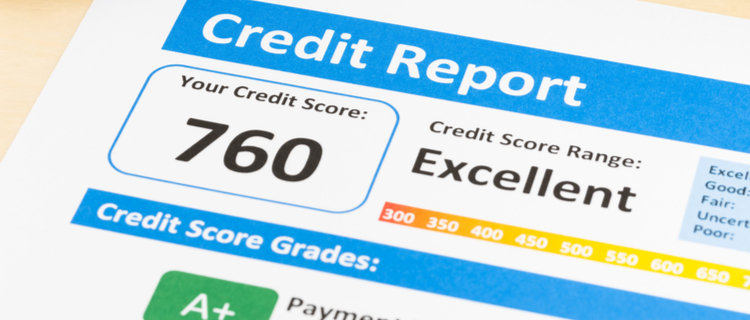
Having excellent credit opens doors. From lower interest rates on mortgages and auto loans to better credit card offers and financial security, a strong credit score benefits nearly every aspect of your financial life. On the other hand, poor credit can create roadblocks, limiting opportunities and adding unnecessary stress.

Even if your credit score is below 800, there’s good news: with consistent effort and the right strategies, you can improve your score over time. In this guide, we’ll explore 8 easy tips to improve your credit score, why they matter, and some frequently asked questions about the credit-building process.

See What’s on the Market Right Now

If you're researching homes in Palm Beach County or anywhere in South Florida, explore current listings by city and see what’s available right now.

Explore Homes by City

What is a Credit Score?

A credit score is a number ranging from 350 to 850 that represents your creditworthiness based on your credit history. Lenders, landlords, and other financial institutions use it to evaluate risk when approving loans, credit cards, or rental applications.

Credit scores are primarily based on five factors:

  1. Payment History (35%) – Making payments on time is the most influential factor.

  2. Amount Owed (30%) – High balances relative to credit limits can lower your score.

  3. Length of Credit History (15%) – Older credit accounts help establish reliability.

  4. Types of Credit (10%) – A mix of credit cards, installment loans, and mortgages is beneficial.

  5. New Credit (10%) – Opening multiple accounts quickly can reduce your score temporarily.

Scores are calculated using data from the three major credit bureaus: Equifax, Experian, and TransUnion. Understanding your credit score and how it’s calculated is the first step toward improving it.


8 Easy Tips to Improve Your Credit Score

1. Review Your Credit Report

Before you can improve your credit score, you need to know what’s on your credit report. Obtain a copy from each of the three major bureaus and review every entry carefully.

Why it matters:

  • Errors or outdated information can lower your score.

  • Disputing inaccuracies may lead to an immediate increase in your score once corrected.

  • You’ll have a clear picture of what needs improvement.

Tip: If you notice mistakes, follow the bureaus’ official dispute process. This may take some time, but correcting errors is crucial for accurate scoring.

Curious What Your Home Might Be Worth?

Home values across Palm Beach County and South Florida change constantly. See what buyers may currently be willing to pay for homes in your neighborhood.

Check Your Home Value

2. Pay On Time

Your payment history is the most important factor in your credit score. Making all payments on time, and preferably in full, establishes reliability in the eyes of lenders.

Strategies to avoid late payments:

  • Set up automatic payments for bills or credit cards.

  • Schedule reminders a few days before due dates.

  • Pay more than the minimum whenever possible.

Even one late payment can have a negative impact, so staying on top of due dates is essential.


3. Catch Up on Past Due Accounts

If you’ve fallen behind on any payments, it’s important to catch up as soon as possible. While paying late balances may not immediately increase your credit score, it will prevent further damage and show creditors that you’re taking responsibility.

Tips:

  • Contact creditors to set up a payment plan if needed.

  • Prioritize accounts that are closest to default.

  • Keep documentation of any arrangements in case of disputes.

Catching up stabilizes your credit and prevents it from dropping further.


4. Pay Off Debt

High balances relative to your credit limits can lower your score. Paying off debt, especially credit cards, demonstrates responsible credit usage.

Effective strategies:

  • Snowball Method: Pay off smaller balances first to gain momentum.

  • Avalanche Method: Pay off higher-interest accounts first to save money in interest.

  • Avoid maxing out credit cards. Keeping balances below 30% of your available credit is ideal.

Paying off debt improves your credit utilization ratio, which can boost your score over time.


5. Clear Up Collection Accounts

Collection accounts can significantly damage your credit score. Resolving these accounts may improve your score, though sometimes settling a debt can cause a temporary dip.

What to do:

  • Verify the debt is accurate. Dispute any incorrect claims.

  • Negotiate a payment or settlement with the collection agency.

  • Consider professional assistance for complex cases.

Although hiring help may cost money, it can be worthwhile for long-term credit improvement.


6. Limit New Credit Inquiries

Every time you apply for new credit, a hard inquiry is recorded on your credit report. Multiple inquiries in a short time can lower your score.

Tips:

  • Apply for new credit only when necessary.

  • Avoid “shopping” for credit excessively, such as multiple store cards or loan applications in a short period.

  • Focus on improving existing accounts rather than opening new ones.


7. Keep Old Accounts Open

The length of your credit history affects your score. Even if you no longer use old accounts, keeping them open with a $0 balance can positively impact your credit.

Benefits:

  • Maintains a longer average account age.

  • Shows a stable credit history to lenders.

  • Provides available credit without increasing debt risk.


8. Use Credit Strategically

If you primarily use cash for purchases and lack credit accounts, your credit score may not reflect responsible financial behavior. A few tips:

  • Maintain two to three credit cards with low balances.

  • Make consistent, on-time payments.

  • Avoid overextending your credit limit.

  • Diversify credit types if possible, like a small installment loan or a credit builder loan.

Strategic use of credit builds a positive payment history and demonstrates responsible borrowing.


FAQs About Credit Scores

Can I improve my credit score in 30 days?

Significant improvement in 30 days is challenging but possible. Steps include:

  • Reviewing and disputing errors on your credit report.

  • Paying off outstanding balances.

  • Reducing credit utilization.

  • Paying all bills on time.

Long-term habits, however, are essential for sustained improvement.

Why are my credit scores different?

Scores vary between credit bureaus due to:

  • Different scoring models (FICO vs. VantageScore).

  • Variations in reported account information.

  • Timing of updates and reporting.

How can I improve my credit without a credit card?

  • Make all payments on time to build positive history.

  • Consider a secured credit card with a cash deposit.

  • Become an authorized user on a trusted individual’s credit card.

  • Use credit builder loans or rent reporting services.

Can a short sale affect my credit score?

Yes, but less severely than foreclosure or bankruptcy. Understanding the impact beforehand is important for future financial planning.

How can I improve my score with collections?

  • Verify accuracy of the debt.

  • Dispute incorrect or outdated collections.

  • Negotiate payments or settlements with the creditor.

  • Maintain on-time payments on all other accounts.


Final Thoughts

Improving your credit score takes time, patience, and consistent effort. There are no instant fixes, but by following these 8 tips, you can start building better credit today:

  1. Review your credit report for accuracy

  2. Pay all bills on time

  3. Catch up on past-due accounts

  4. Reduce debt balances

  5. Resolve collections carefully

  6. Limit new credit inquiries

  7. Keep old accounts open

  8. Use credit strategically

Monitoring your credit regularly, making timely payments, and practicing responsible financial habits will lead to sustained improvements. Whether your goal is to qualify for a mortgage, reduce interest rates, or simply gain financial confidence, these steps are the foundation for long-term credit health.

Remember, excellent credit isn’t just a number—it’s a tool that helps you achieve your financial goals and unlocks opportunities for homeownership, loans, and more.

Real Estate Resources for South Florida

If you're researching homes or following the South Florida real estate market, exploring listings and property values can provide helpful context for understanding local neighborhoods and housing trends across Palm Beach County.


About the Authors

Chris and Sue Kull are South Florida real estate professionals with more than three decades of experience helping buyers, sellers, and property owners navigate the housing market throughout Palm Beach County and surrounding communities.

Their work focuses on providing clear information, local market insight, and practical guidance so clients can make confident real estate decisions. Over the years they have built a trusted network of industry professionals—including lenders, inspectors, contractors, and legal specialists—to support every stage of the real estate process.

You can explore additional resources, community guides, and real estate tools at www.TheKullGroup.com.

If you have questions about buying, selling, or understanding the local real estate market, you can reach out through our contact page.
Oct. 12, 2025

10 Bathroom Updates that Add Value and Help Sell Your Home

bathroom-updates-for-selling.jpg

10 Bathroom Updates that Add Value and Help Sell Your Home

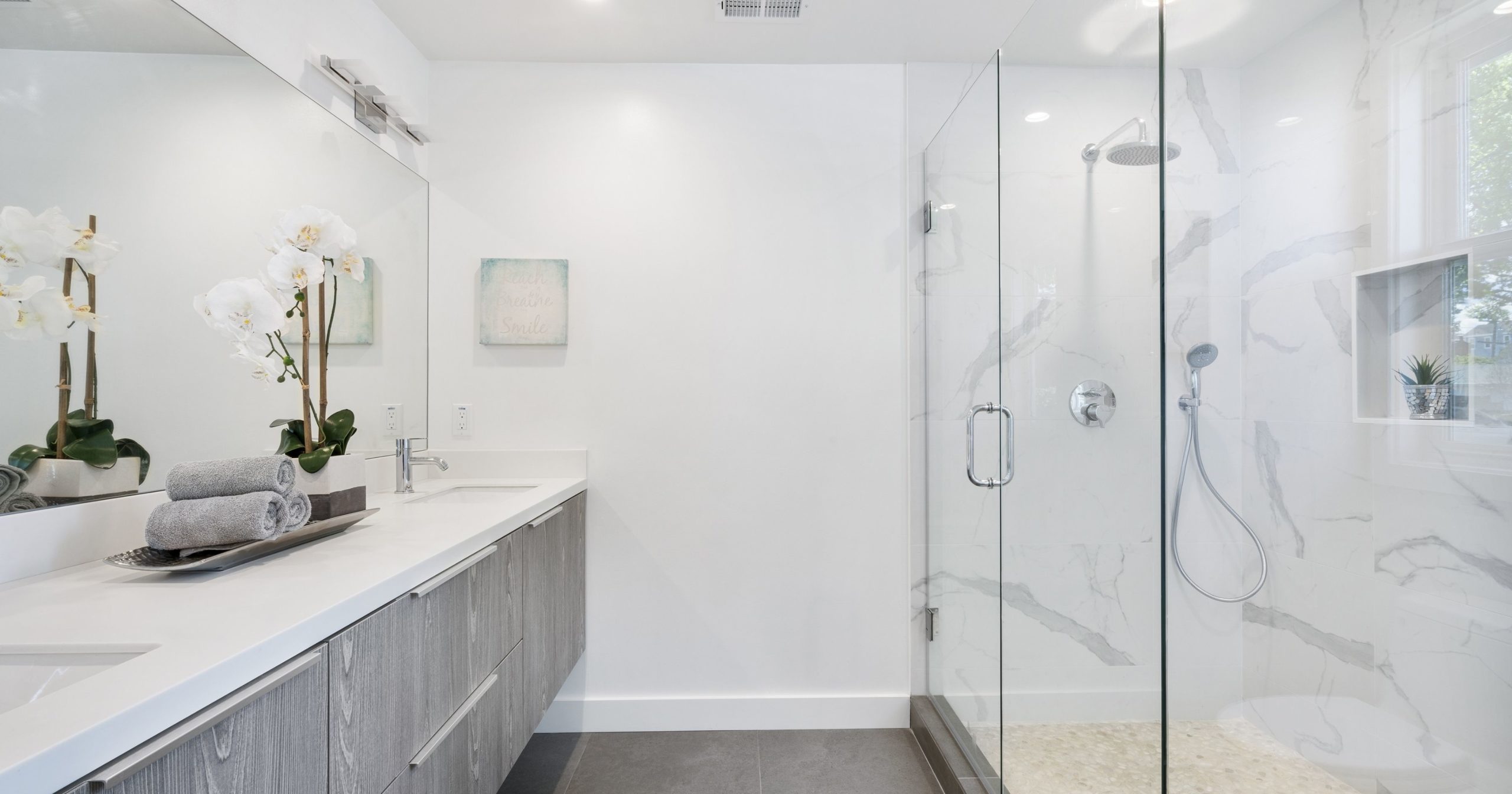
When it comes to selling your home, bathrooms are one of the most important spaces buyers notice. A clean, modern, and well-maintained bathroom can significantly impact a buyer’s perception of your home and even influence the sale price. Conversely, outdated or neglected bathrooms can deter potential buyers or lower your home’s value.

Whether you’re working with a tight budget or planning a larger renovation, there are updates you can make to enhance your bathrooms and make your home more appealing to buyers. Below, we’ve compiled 10 bathroom updates that add value and help sell your home, organized by budget and effort.

Curious What Your Home Might Be Worth?

Home values across Palm Beach County and South Florida change constantly. See what buyers may currently be willing to pay for homes in your neighborhood.

Check Your Home Value

Minimal Bathroom Updates (Budget-Friendly Options Under $500)

Even small improvements can make a big difference. If you’re short on time or money, these updates can provide an immediate boost to your bathroom’s appeal.

1. Painting the Walls

A fresh coat of paint is one of the most cost-effective ways to update a bathroom. Neutral colors like soft grays, beige, or crisp white are ideal because they appeal to a broad range of buyers.

Tips for Painting:

  • Use semi-gloss paint to resist moisture and mildew.

  • Prepare surfaces carefully by masking edges and covering fixtures.

  • Choose a color that complements your flooring and fixtures for a cohesive look.

Painting can instantly refresh your bathroom, making it feel cleaner, brighter, and more inviting.

2. Improving the Light

Lighting plays a crucial role in how a bathroom feels. Dim or outdated lighting can make even a clean bathroom appear dull.

Simple Light Upgrades:

  • Replace old bulbs with energy-efficient LED lights.

  • Add additional lighting over vanities or in darker corners.

  • Consider a modern light fixture for style and function.

Better lighting can make a small bathroom feel larger and more welcoming, which buyers appreciate.

3. Installing New Faucets

Faucets are a focal point in the bathroom and can quickly show their age if they’re tarnished or dripping. Installing new faucets is a relatively inexpensive way to modernize your space.

Tips for Faucet Selection:

  • Avoid the cheapest options; choose attractive but affordable finishes.

  • Look for faucets that match other hardware in the bathroom for a cohesive design.

  • Consider water-saving models to appeal to environmentally-conscious buyers.

New faucets can make the sink area feel polished and cared-for without a major remodel.

See What’s on the Market Right Now

If you're researching homes in Palm Beach County or anywhere in South Florida, explore current listings by city and see what’s available right now.

Explore Homes by City

Mini DIY Renovations (Moderate Investment and Effort)

If you have a bit more time and budget, these DIY updates can enhance the overall look and functionality of your bathroom.

4. Bathroom Accessories

Updating towel bars, hooks, and toilet paper holders is a simple way to refresh your bathroom. Small hardware upgrades are low-cost but highly noticeable.

Tips:

  • Replace worn or outdated accessories with modern finishes like brushed nickel or matte black.

  • Coordinate with your faucet and cabinet hardware for a unified look.

5. Mirrors

Mirrors can make a bathroom feel brighter and more spacious. A larger mirror or a framed vanity mirror can dramatically improve the room’s appearance.

Mirror Tips:

  • If you already have a large mirror, consider adding a decorative frame.

  • Look for affordable mirrors online or at home improvement stores.

  • Make sure the mirror complements your vanity style and overall bathroom aesthetic.

6. Cabinetry Facelift

Cabinet updates don’t always require a full replacement. Simple changes can make old cabinets feel new:

  • Replace or polish cabinet knobs and pulls.

  • Apply a fresh coat of paint for a modern look.

  • Adjust or replace hinges as needed.

Even small improvements to cabinetry can make the bathroom feel more contemporary and well-maintained.

7. Countertops

If your countertops are worn, chipped, or outdated, consider replacing them. Neutral-colored countertops appeal to buyers and help the bathroom feel fresh and clean.

Countertop Tips:

  • Opt for durable, low-maintenance materials like quartz, granite, or laminate.

  • Stick with neutral colors for broad appeal.

  • If countertops are in good condition, a thorough cleaning may suffice.


Big Budget Updates (Higher Investment, High Impact)

For homeowners with the time and resources, these updates can significantly increase your home’s value and attractiveness to buyers.

8. Vanity Units

A new vanity can completely transform a bathroom. Consider the following when selecting a vanity:

  • Storage: Ample drawers and cabinets are appealing to buyers.

  • Neutral Colors: Stick to colors that complement the rest of the bathroom.

  • Countertops: Granite or quartz tops add elegance without being overly expensive.

A stylish vanity provides a focal point for the bathroom and makes it look updated and functional.

9. Tile Updates

Floor and wall tiles show wear over time, especially in high-moisture areas. Damaged or outdated tiles can make a bathroom feel neglected.

Tile Tips:

  • Repair or replace broken grout and tiles.

  • Choose neutral colors to appeal to a wide range of buyers.

  • Consider affordable yet stylish tiles to modernize the space.

  • Focus on flooring first; shower wall updates may require professional installation.

Even a partial tile refresh can improve both aesthetics and perceived value.

10. Bathroom Fixtures (Toilet, Tub, and Sink)

While toilets, tubs, and sinks can often be cleaned to look presentable, older fixtures may need more attention:

  • Bathtub: Minor scratches or discoloration can be addressed with repaint kits.

  • Sink and Toilet: Ensure they’re clean, functional, and free of damage.

  • Hardware: Update any handles, drains, or other visible elements.

Replacing or refinishing fixtures can elevate the bathroom’s look without a full remodel.


Staging Your Bathroom

Once updates are complete, staging is key to maximizing buyer appeal. A well-staged bathroom makes the space feel inviting and functional.

Staging Tips:

  • Remove all personal items, including toiletries and bath mats.

  • Clear countertops, leaving minimal accessories such as decorative soaps or glass jars with bath salts.

  • Arrange fresh towels neatly on racks or counters.

  • Ensure the bathroom is sparkling clean, including mirrors, floors, and fixtures.

Staging allows buyers to imagine themselves using the space, increasing the likelihood of a quick sale.


Final Thoughts

Bathroom updates don’t have to break the bank to make an impact. Even minimal investments, such as painting, new lighting, or updated faucets, can enhance your home’s appeal and value. More extensive renovations, including new vanities, tiles, or countertops, can significantly increase buyer interest and help your home sell faster.

When deciding which updates to make, consider:

  • Your budget and available time

  • The current condition of your bathroom

  • What local buyers expect in comparable homes

For sellers unsure about which updates will add the most value, consulting a local real estate agent or visiting open houses in your area is a smart strategy. By taking the time to make strategic bathroom improvements, you can help your home stand out and attract buyers willing to pay a premium.

Real Estate Resources for South Florida

If you're researching homes or following the South Florida real estate market, exploring listings and property values can provide helpful context for understanding local neighborhoods and housing trends across Palm Beach County.


About the Authors

Chris and Sue Kull are South Florida real estate professionals with more than three decades of experience helping buyers, sellers, and property owners navigate the housing market throughout Palm Beach County and surrounding communities.

Their work focuses on providing clear information, local market insight, and practical guidance so clients can make confident real estate decisions. Over the years they have built a trusted network of industry professionals—including lenders, inspectors, contractors, and legal specialists—to support every stage of the real estate process.

You can explore additional resources, community guides, and real estate tools at www.TheKullGroup.com.

If you have questions about buying, selling, or understanding the local real estate market, you can reach out through our contact page.

Oct. 12, 2025

5 Reasons a Real Estate Agent Will Request a Buyer’s Pre-Approval Letter

buyer-pre-approval-letter.jpg

5 Reasons a Real Estate Agent Will Request a Buyer’s Pre-Approval Letter

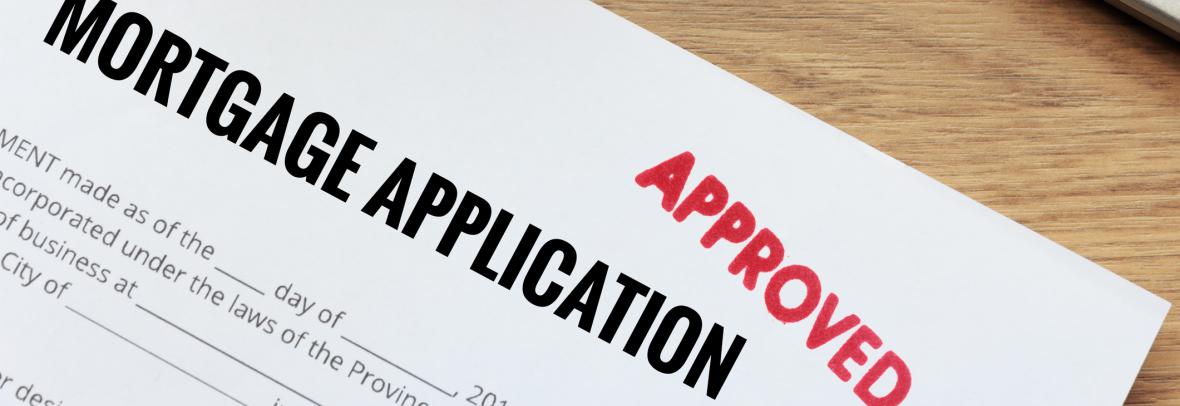
If you’ve ever tried to look at homes for sale, you may have noticed a common requirement: agents often ask for a pre-approval letter before scheduling showings or accepting offers. While it can feel frustrating at first, there’s a good reason for this step in the home-buying process.

A pre-approval letter is a document from a lender stating that a buyer qualifies for a mortgage up to a specified amount. It not only shows that a buyer is serious, but it also provides agents and sellers with valuable information to streamline the transaction.

In this article, we’ll explore five key reasons agents request pre-approval letters, what it means for buyers, and how this step ultimately benefits everyone involved in the home-buying process

See What’s on the Market Right Now

If you're researching homes in Palm Beach County or anywhere in South Florida, explore current listings by city and see what’s available right now.

Explore Homes by City

1. Confirming the Buyer is Qualified

One of the primary reasons an agent requests a pre-approval letter is to confirm that a prospective buyer is financially qualified for a mortgage. Not every homebuyer who applies for a mortgage will ultimately be approved, and sometimes those who are approved qualify for a smaller amount than anticipated.

Lending standards have changed significantly over the past 15 years. Today, prospective buyers must provide detailed documentation, including:

  • Tax returns

  • Bank statements

  • Paycheck stubs

  • Credit history

Because of these stringent requirements, the lender thoroughly reviews a buyer’s finances before issuing a pre-approval letter. The benefit is clear: once a buyer has been pre-approved, it’s highly unlikely their loan will be denied during underwriting—unless something catastrophic occurs.

Why This Matters:

  • Buyers can confidently schedule home inspections, appraisals, and other steps.

  • Agents and sellers can trust the buyer is capable of closing the deal.

  • Reduces wasted time showing homes to unqualified buyers.


2. Ensuring Affordability

Even if a lender approves a buyer for a large mortgage, that doesn’t always mean the buyer can comfortably afford the monthly payments. Pre-approval provides a detailed breakdown of the buyer’s financial obligations and helps determine a realistic price range.

During the pre-approval process, lenders evaluate:

  • Principal and interest payments

  • Property taxes

  • Homeowners insurance

  • HOA fees or assessments

Many buyers rely on simple online mortgage calculators, which may only include principal and interest. Once additional costs are considered, the estimated monthly payment may exceed the buyer’s budget. Pre-approval ensures buyers understand their true affordability, preventing disappointment and financial strain.

Curious What Your Home Might Be Worth?

Home values across Palm Beach County and South Florida change constantly. See what buyers may currently be willing to pay for homes in your neighborhood.

Check Your Home Value

3. Clarifying Loan Terms

Before submitting an offer, buyers need to know the terms of their mortgage. This includes:

  • Type of loan (conventional, FHA, VA, etc.)

  • Down payment amount

  • Whether seller concessions are needed

  • Expected timeline for closing and clearing contingencies

For example, a buyer earning a high income may be pre-approved for a significant loan. But without knowing the loan type, down payment requirements, and closing timeline, they cannot make a realistic or competitive offer.

Benefits of Knowing Loan Terms:

  • Enables buyers to make informed offers

  • Avoids delays in closing due to financial uncertainties

  • Provides transparency between buyers, agents, and sellers


4. Protecting Sellers’ Time and Effort

Preparing a home for showings is a significant undertaking for sellers. Tasks include:

  • Cleaning and tidying the house

  • Arranging furniture and décor

  • Removing children, pets, or personal items

Sellers, like agents, don’t want to waste time showing homes to buyers who may not be financially capable of making a purchase. Pre-approval letters serve as proof of buyer readiness, ensuring that showings and offers are from serious prospects.

Some sellers even require a pre-approval letter before scheduling an appointment. This practice protects the seller’s time and ensures the process moves efficiently.

Why This Matters:

  • Reduces wasted showings for unqualified buyers

  • Helps agents prioritize serious buyers

  • Improves the overall efficiency of the home-selling process


5. Demonstrating Loyalty and Serious Intent

Most buyers will only view homes through a real estate agent unless they’re purchasing a For Sale By Owner (FSBO) property. Since agents are compensated only when a sale is completed, they want to ensure they’re working with buyers who are ready, willing, and able.

A pre-approval letter provides this assurance, showing the agent that the buyer:

  • Has the financial backing to make an offer

  • Is committed to using the agent’s services

  • Understands their purchasing capacity

Key Details on a Pre-Approval Letter:

  • Lender’s contact information

  • Buyer’s name and current address

  • Loan program and approved amount

Sharing this information upfront demonstrates trust and commitment. Conversely, a buyer unwilling to provide a pre-approval letter may be considered less serious or potentially unqualified.


Frequently Asked Questions About Pre-Approval Letters

How do I get a pre-approval letter?

Reach out to a mortgage lender, who will provide a list of required documents. Typically, you’ll need:

  • Tax returns

  • Bank statements

  • Pay stubs or proof of income

Once the lender reviews your financial information, they will issue a pre-approval letter if you qualify.

Can I buy a house for more than my pre-approval amount?

It depends. You can discuss with your lender whether your financial situation allows for a higher loan amount. Keep in mind that the pre-approval represents the lender’s assessment of your current financial status.

Is a pre-approval letter required before seeing a property?

Not always, but most real estate agents will request one before scheduling showings to ensure serious and qualified buyers.

Does my lender need a home inspection report?

No. Lenders generally do not require the inspection report, but they may require an appraisal before approving a mortgage.

Is it illegal to forge a pre-approval letter?

Yes. Forging a pre-approval letter is considered fraud and can lead to severe consequences, including fines and potential imprisonment.


Why Pre-Approval Should Come First

Looking at homes before getting pre-approved is like putting the cart before the horse. Buyers can easily fall in love with homes they can’t afford, creating disappointment and wasted time.

Getting pre-approved ensures that:

  • You know your price range and what you can truly afford

  • You can make realistic offers based on your loan terms

  • Agents and sellers take you seriously as a buyer

By working with a trusted Realtor and lender from the start, buyers can streamline the home-buying process, avoid surprises, and gain confidence in their financial readiness.


Final Thoughts

A pre-approval letter is far more than just a piece of paper. It’s proof of financial qualification, a tool to determine affordability, a guide for loan terms, a way to protect sellers’ time, and a demonstration of buyer loyalty.

Homebuyers who obtain pre-approval before starting their property search benefit from:

  • A clear understanding of their budget

  • Confidence in submitting offers

  • Smoother, faster transactions

In today’s competitive housing market, skipping the pre-approval step can lead to frustration and missed opportunities. Whether you’re a first-time homebuyer or an experienced investor, securing a pre-approval letter should be one of your first steps before touring homes or submitting offers.

Remember: the earlier you get pre-approved, the more empowered you’ll be to find and secure your dream home.

Real Estate Resources for South Florida

If you're researching homes or following the South Florida real estate market, exploring listings and property values can provide helpful context for understanding local neighborhoods and housing trends across Palm Beach County.


About the Authors

Chris and Sue Kull are South Florida real estate professionals with more than three decades of experience helping buyers, sellers, and property owners navigate the housing market throughout Palm Beach County and surrounding communities.

Their work focuses on providing clear information, local market insight, and practical guidance so clients can make confident real estate decisions. Over the years they have built a trusted network of industry professionals—including lenders, inspectors, contractors, and legal specialists—to support every stage of the real estate process.

You can explore additional resources, community guides, and real estate tools at www.TheKullGroup.com.

If you have questions about buying, selling, or understanding the local real estate market, you can reach out through our contact page.

Oct. 12, 2025

What Exactly Is a Home Warranty and What Does It Do?

home-warranty-coverage.jpg

What Exactly Is a Home Warranty and What Does It Do?

Owning a home is one of life’s biggest achievements, but with it comes responsibilities, including the maintenance and repair of appliances and home systems. While home insurance protects the structure of your property, it typically does not cover breakdowns of your furnace, dishwasher, or HVAC system. This is where a home warranty comes into play—a service plan designed to save homeowners money and stress by covering repairs and replacements of major systems and appliances.

In this guide, we’ll explain what a home warranty is, what it covers, who can benefit, and what to look for when choosing a provider.

See What’s on the Market Right Now

If you're researching homes in Palm Beach County or anywhere in South Florida, explore current listings by city and see what’s available right now.

Explore Homes by City

What is a Home Warranty?

A home warranty is a service contract that covers the repair or replacement of major home systems and appliances that break down due to normal wear and tear. Unlike home insurance, which protects against structural damage from events like fire or storms, a home warranty specifically helps with the operational failures of items such as:

  • HVAC systems

  • Water heaters

  • Dishwashers

  • Washers and dryers

  • Electrical systems

Essentially, a home warranty provides peace of mind by reducing the financial burden of unexpected repairs. Many homeowners find that a well-chosen home warranty can save hundreds, or even thousands, of dollars over the life of their plan.


How Much Does a Home Warranty Cost?

The average home warranty plan costs between $400 and $600 per year, though this varies based on the coverage selected, the provider, and your state of residence. While home warranty services aren’t as tightly regulated as insurance, policies can vary widely. This makes it essential for homeowners to carefully research coverage terms, limitations, and provider reputations.


What Does a Home Warranty Cover?

Coverage depends on the plan, but most home warranties fall into one of three categories: basic, systems, or comprehensive plans.

Typical Coverage Includes:

  • Furnace/Heating Systems – Covers repair or replacement of heating units.

  • Air Conditioning & Ductwork – HVAC repairs are often included in premium plans.

  • Plumbing – Covers pipes, faucets, and drains for operational failure.

  • Electrical System – Circuit breakers, wiring issues, and outlets may be covered.

  • Kitchen Appliances – Ovens, dishwashers, garbage disposals, and refrigerators.

  • Laundry Appliances – Washers and dryers.

  • Ceiling Fans & Doorbells – Often included in premium or optional coverage.

  • Water Heaters – Repair or replacement if it stops working.

Premium plans may include more extensive coverage, while basic plans often have limitations that could leave homeowners paying out-of-pocket for significant repairs.

Optional Coverage

Many top home warranty companies allow customization through optional add-ons. These can include:

  • Roofing

  • Pools or spas

  • Second refrigerators or freezers

  • Wine coolers or specialty appliances

Optional coverage is ideal for homeowners who want to protect high-value items that aren’t included in standard plans.

Curious What Your Home Might Be Worth?

Home values across Palm Beach County and South Florida change constantly. See what buyers may currently be willing to pay for homes in your neighborhood.

Check Your Home Value

Who Can Benefit from a Home Warranty?

While nearly any homeowner could benefit from a home warranty, some groups gain more value than others:

Homeowners with Newer Homes

Owners of newer homes may see fewer claim denials because most appliances and systems are in good condition. Home warranty coverage in these cases can prevent unexpected repair bills from becoming financial burdens.

Older Homes

Homes with older appliances or systems can be trickier. Pre-existing conditions are a common reason for claim denials. Premium coverage is often more expensive for older homes, and it’s crucial to check whether your items are eligible for coverage.

Home Sellers and Buyers

Home warranties can also serve as a marketing tool in real estate transactions:

  • Sellers: Offering a transferable warranty can make a property more appealing to buyers.

  • Buyers: Purchasing a home with an existing warranty provides immediate coverage and reduces worries about unexpected repairs.

By offering or obtaining a home warranty during a real estate transaction, both parties can enjoy peace of mind.


Location Matters

The state and local climate can affect appliance wear and tear, and consequently, your warranty’s value. For example:

  • Florida: High humidity and heat accelerate wear on HVAC systems, water heaters, and plumbing.

  • Northern States: Cold winters may increase furnace or heating system failures.

Because of these regional factors, there are often many providers in high-demand areas like Florida. However, more competition can sometimes lead to companies cutting corners or offering less transparent coverage.


Choosing the Right Home Warranty Provider

Not all home warranty companies are equal. To ensure you get the best value, consider the following steps:

1. Research Company Reputation

Check independent reviews on Google, Yelp, and Better Business Bureau (BBB) ratings. Look for:

  • Frequent claim denials

  • Delayed responses to customer service inquiries

  • Slow dispatch of contractors

  • Payment delays or complicated claim procedures

A trustworthy company should have a solid reputation and clear, transparent processes.

2. Compare Plans and Coverage

Once you’ve shortlisted reliable providers, compare policies:

  • Coverage Terms: Understand what is included, excluded, and the circumstances under which claims may be denied.

  • Coverage Limits: Check maximum payouts for repairs or replacements to ensure they match your potential costs.

  • Optional Add-Ons: Consider adding coverage for high-value items or systems not included in the base plan.

  • Claim Filing Process: Know how to submit a claim, the deadlines, and required documentation.

3. Read the Fine Print

Many providers include fine print that could limit coverage or create loopholes. Read contracts carefully and ask questions if anything is unclear. It’s better to understand potential limitations upfront than be surprised later.


Advantages of Having a Home Warranty

A good home warranty plan offers several benefits:

  1. Financial Protection: Prevents unexpected repair costs from impacting your budget.

  2. Convenience: One call can dispatch a contractor for covered items, saving time and effort.

  3. Peace of Mind: Reduces stress associated with broken appliances or systems.

  4. Customizable Coverage: Optional add-ons allow protection for your most valuable assets.

  5. Marketability: Adds value to your home for potential buyers if you plan to sell.


Potential Drawbacks

While home warranties can be helpful, they aren’t perfect:

  • Pre-Existing Conditions: Repairs for existing issues may be denied.

  • Service Fees: Most plans require a service call fee for each repair.

  • Limited Coverage: Basic plans may not cover all appliances or systems, requiring careful selection of the right plan.

  • Provider Variability: Customer service and claim approval processes differ widely between companies.

Being aware of these limitations allows homeowners to make informed decisions about whether a home warranty aligns with their needs.


Tips for Maximizing Home Warranty Value

  • Document Your Appliances: Keep receipts, manuals, and photos to simplify claim processing.

  • Schedule Regular Maintenance: Properly maintained systems are less likely to fail and more likely to be covered.

  • Understand Your Coverage: Know exactly what’s included and excluded.

  • Read Reviews: Research provider reputations to avoid companies with poor customer service.

  • Use Optional Add-Ons Wisely: Only include coverage for items that are likely to fail or are costly to replace.


Final Thoughts

Home warranty plans can be a lifesaver for homeowners, offering financial protection, peace of mind, and convenience. Whether you’re protecting a single appliance or covering all major systems, choosing the right provider is critical. Take the time to research coverage options, compare policies, read the fine print, and understand local considerations.


With careful planning, a home warranty can save you money, reduce stress, and help you maintain a well-functioning, safe, and comfortable home. Whether you’re a new homeowner, a seller looking to attract buyers, or someone who wants added security for your property, a well-chosen home warranty is a smart investment.

Real Estate Resources for South Florida

If you're researching homes or following the South Florida real estate market, exploring listings and property values can provide helpful context for understanding local neighborhoods and housing trends across Palm Beach County.


About the Authors

Chris and Sue Kull are South Florida real estate professionals with more than three decades of experience helping buyers, sellers, and property owners navigate the housing market throughout Palm Beach County and surrounding communities.

Their work focuses on providing clear information, local market insight, and practical guidance so clients can make confident real estate decisions. Over the years they have built a trusted network of industry professionals—including lenders, inspectors, contractors, and legal specialists—to support every stage of the real estate process.

You can explore additional resources, community guides, and real estate tools at www.TheKullGroup.com.

If you have questions about buying, selling, or understanding the local real estate market, you can reach out through our contact page.

Oct. 12, 2025

The Salvation Army | FREE Donation Pick-Up in West Palm Beach, Florida

salvation-army-donation-pickup.jpg

The Salvation Army | FREE Donation Pick-Up in West Palm Beach, Florida

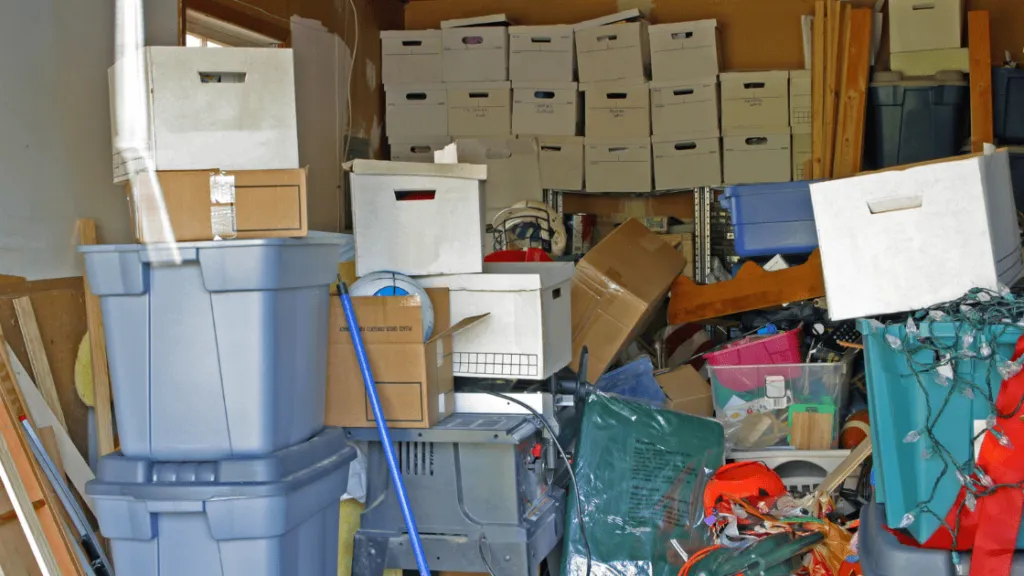
Giving back to the community is a rewarding experience, and one of the simplest ways to do that is by donating items you no longer need. For residents in West Palm Beach, Florida, The Salvation Army makes it easier than ever to contribute. Not only do they accept donations at their local locations, but they also offer FREE donation pick-up for those who have large items or simply cannot make it to a drop-off center.

Whether you’re decluttering your home, helping a seller clear out a property, or just looking to support a charitable cause, The Salvation Army is ready to help.

Curious What Your Home Might Be Worth?

Home values across Palm Beach County and South Florida change constantly. See what buyers may currently be willing to pay for homes in your neighborhood.

Check Your Home Value

Why Donate to The Salvation Army?

The Salvation Army is one of the most recognized and trusted charitable organizations worldwide. Founded in 1865, it provides critical services such as food programs, disaster relief, rehabilitation services, housing support, and youth programs. When you donate to The Salvation Army, your contributions help fund these programs, directly benefiting those in need in your local community and beyond.

Benefits of Donating:

  • Tax Deduction: All donations are tax-deductible. You’ll receive a receipt to submit with your tax filings.

  • Free Pick-Up: Large donations, like furniture or appliances, can be collected directly from your home.

  • Supporting Programs: Proceeds from donated items fund programs that provide vital services to those in need.

  • Reduce Waste: Donating prevents usable items from ending up in landfills.


How the FREE Donation Pick-Up Works

The process for donating large items with The Salvation Army is simple and convenient. Here’s how it works:

Step 1: Schedule Your Pick-Up

You can arrange for your donation to be picked up either online or by phone.

During scheduling, you’ll provide details about your items, including quantity, type, and pick-up location. The Salvation Army will confirm your appointment and provide instructions on how to prepare your items.

Step 2: Prepare Your Items for Donation

Before the pick-up, make sure your items are clean and ready to go. For large items, such as furniture or appliances, it’s helpful to make them accessible for loading. Smaller items should be boxed or bagged securely.

Step 3: Donation Pick-Up

On the day of the appointment, trained Salvation Army staff or volunteers will arrive to collect your items. They will provide a receipt for your tax records.

Example: One West Palm Beach real estate agent shared that they coordinated a donation from an out-of-state seller who had a house full of furniture. Within days, The Salvation Army picked up the entire collection—free of charge. This demonstrates how flexible and efficient their pick-up service is.


What Can You Donate?

The Salvation Army accepts a wide variety of items. These donations not only support charitable programs but also help individuals in need furnish their homes or acquire essential items. Here’s a detailed list of items you can donate in West Palm Beach, Florida:

  • Appliances: Refrigerators, stoves, microwaves, washers, dryers, and more.

  • Artwork/Paintings: Framed or unframed, decorative pieces that add value to homes or thrift stores.

  • Bedding: Blankets, sheets, pillowcases, and comforters.

  • Clothing/Shoes: Men’s, women’s, and children’s apparel in good condition.

  • Computers/Electronics: Laptops, desktop computers, printers, and other electronics.

  • Dishes/Glassware: Plates, cups, utensils, and kitchen accessories.

  • Household Goods: Furniture, lamps, home décor, and general household items.

  • Patio Furniture: Outdoor seating, tables, and decorative items.

  • Sporting Goods: Exercise equipment, bikes, sports gear, and recreational items.

The key is that items should be in usable condition. Damaged or broken items may not be accepted, but many times The Salvation Army can advise on what can be recycled or repurposed.


Drop-Off Locations

If you prefer to drop off your donations yourself, The Salvation Army provides several convenient locations in West Palm Beach and Lake Worth, Florida. You can find the closest drop-off location using their official website:

https://southernusa.salvationarmy.org/florida/locations-1

Tip: Some locations may have specific hours for drop-off, so it’s a good idea to confirm the times before visiting.


Why Use The Salvation Army’s Pick-Up Service?

While it’s possible to drop off items yourself, there are several reasons why scheduling a free pick-up is beneficial:

1. Convenience

Large furniture and household items can be heavy and cumbersome. Free pick-up saves you the time and effort of transporting them yourself.

2. Speed

Scheduling a pick-up can often be done within days, meaning your items are on their way to supporting charitable programs quickly.

3. Safety

Heavy or bulky items pose a risk of injury when moving them. Using trained staff reduces the risk of accidents.

4. Tax Benefits

When items are picked up, staff will provide a receipt for your records, making it easy to claim a tax deduction.

5. Positive Impact

Knowing your items will be used to support people in need provides peace of mind. Donations can go to families, shelters, or community programs throughout Palm Beach County.


How Donations Make a Difference

Donating to The Salvation Army doesn’t just clear out your home—it helps families and individuals in need. Here’s how your contributions make an impact:

  • Housing Support: Furniture and household items help furnish shelters or affordable housing for families.

  • Disaster Relief: Donated goods are sometimes used in emergency relief efforts for communities affected by natural disasters.

  • Employment and Training Programs: Proceeds from donations fund programs that provide job training and employment assistance.

  • Community Services: Your donations support meal programs, after-school initiatives, and rehabilitation services.

Even items that may seem small, like gently used clothing or electronics, can significantly improve someone’s quality of life.

See What’s on the Market Right Now

If you're researching homes in Palm Beach County or anywhere in South Florida, explore current listings by city and see what’s available right now.

Explore Homes by City

Tips for a Successful Donation Pick-Up

To ensure your experience with The Salvation Army is smooth and effective, keep these tips in mind:

  1. Schedule Early: Appointments can fill up quickly, so plan ahead to secure a convenient time.

  2. List Your Items: Make a detailed list of what you’re donating for both the pick-up team and your tax records.

  3. Prepare Large Items: Clear pathways and remove obstacles so volunteers can safely pick up furniture and appliances.

  4. Pack Smaller Items: Box up clothing, dishes, or electronics to simplify loading.

  5. Keep Receipts: Ask for a receipt from the staff for tax purposes. Even small donations can qualify for a deduction if itemized properly.


Other Organizations Offering Free Pick-Up

While The Salvation Army is one of the most well-known organizations, there are other groups in Palm Beach County that offer free donation pick-up, including:

  • Goodwill Industries

  • Habitat for Humanity ReStores

  • Local church donation programs

  • Community charities specializing in furniture or clothing

Each organization may have specific items they accept, so it’s a good idea to check their websites or call ahead before scheduling a pick-up.


Final Thoughts

Decluttering your home doesn’t have to be stressful, and giving back to the community is easier than ever in West Palm Beach, Florida. The Salvation Army provides a simple, convenient, and free donation pick-up service that benefits both you and those in need.

From furniture and appliances to clothing and sporting goods, your unwanted items can be transformed into valuable resources for families and individuals throughout Palm Beach County. Plus, your donations are tax-deductible, making it a financially savvy way to give back.

Whether you’re a homeowner, renter, or real estate professional coordinating a large donation, The Salvation Army makes the process quick, safe, and impactful. Schedule your pick-up today and make a difference in your community.

Schedule Your Donation Pick-Up:

Find Drop-Off Locations Near You:
https://southernusa.salvationarmy.org/florida/locations-1


Give back today—your donation matters!


Real Estate Resources for South Florida

If you're researching homes or following the South Florida real estate market, exploring listings and property values can provide helpful context for understanding local neighborhoods and housing trends across Palm Beach County.


About the Authors

Chris and Sue Kull are South Florida real estate professionals with more than three decades of experience helping buyers, sellers, and property owners navigate the housing market throughout Palm Beach County and surrounding communities.

Their work focuses on providing clear information, local market insight, and practical guidance so clients can make confident real estate decisions. Over the years they have built a trusted network of industry professionals—including lenders, inspectors, contractors, and legal specialists—to support every stage of the real estate process.

You can explore additional resources, community guides, and real estate tools at www.TheKullGroup.com.

If you have questions about buying, selling, or understanding the local real estate market, you can reach out through our contact page.
Oct. 12, 2025

Home Insurance and 5 Terrific Benefits of Having It

home-insurance-benefits.jpg

Home Insurance and 5 Terrific Benefits of Having It

Owning a home is a dream come true for many. From choosing the perfect location to designing your space exactly how you want it, homeownership brings an incredible sense of pride and accomplishment. However, along with the joys of owning a home come responsibilities and risks. Accidents, natural disasters, or unexpected events can threaten your property and financial security. This is why home insurance is more than just a formality—it’s a vital safeguard for homeowners.

In this article, we’ll discuss what home insurance is, the five key benefits of having it, and how to choose the right policy to protect your property and peace of mind.

See What’s on the Market Right Now

If you're researching homes in Palm Beach County or anywhere in South Florida, explore current listings by city and see what’s available right now.

Explore Homes by City

What is Home Insurance?

Home insurance, also known as homeowners insurance, is a type of coverage that protects your house and personal belongings from potential risks. It serves as a safety net, covering financial losses from accidents, natural disasters, theft, or liability claims.

Many homeowners purchase insurance not only to protect their property but also to meet mortgage lender requirements. There are numerous insurance plans available online, allowing you to select a policy that fits your budget and provides coverage tailored to your needs.


5 Terrific Benefits of Having Home Insurance

While home insurance comes with a cost, the benefits far outweigh the expense. Here are five of the most important advantages:


1. Dwelling Protection

The primary purpose of home insurance is to protect the structure of your home—your dwelling—from unforeseen events such as fire, storms, or other hazards. Without insurance, homeowners face the risk of losing their most significant investment and having to bear the entire cost of repairs or rebuilding.

Most homeowners insure their homes for around 75% to 80% of the property’s full value, though you can opt for full coverage if you wish. In the event of damage, insurance typically covers the majority of repair or rebuilding costs, providing financial security and peace of mind.

Why It Matters:

  • Protects your home from unexpected events

  • Minimizes financial risk if disaster strikes

  • Ensures your lifelong investment is covered


2. Coverage for Detached Structures

Home insurance isn’t limited to the main house. Many policies extend coverage to detached structures on your property. Examples include:

  • Garages

  • Sheds

  • Fences

  • Dog houses

Typically, detached structures are insured for about 10% of your policy’s dwelling coverage. However, you can adjust the coverage limit to suit your needs, especially if you have valuable outbuildings or additional structures.

Why It Matters:

    • Protects property beyond the main house

    • Covers repairs or replacement for detached structures

    • Provides flexibility for customizing coverageCurious about what your home is worth?

Curious What Your Home Might Be Worth?

Home values across Palm Beach County and South Florida change constantly. See what buyers may currently be willing to pay for homes in your neighborhood.

Check Your Home Value

3. Liability Coverage

One of the most crucial benefits of home insurance is liability coverage. Accidents can happen, and if someone gets injured on your property, you could be held legally responsible. Medical bills, legal fees, and potential lawsuits can quickly become financially overwhelming.

Home insurance with liability coverage helps cover these costs, protecting you from expensive claims and giving you peace of mind. Coverage typically includes:

  • Injuries occurring on your property

  • Legal fees if the injured party sues

  • Settlements for damages you are legally responsible for

Why It Matters:

  • Protects your finances in case of accidents

  • Covers medical and legal costs

  • Provides peace of mind knowing you are covered


4. Coverage of Home Contents

Home insurance also protects your personal belongings inside the home. This includes furniture, electronics, appliances, clothing, and other valuables. If a covered event, such as a fire, storm, or theft, damages your property, your insurance policy reimburses you for the loss—sometimes fully, sometimes partially depending on the policy.

To ensure you receive adequate compensation, maintain an inventory of your belongings, including photos, receipts, and purchase dates. This documentation can help speed up claims processing.

Why It Matters:

  • Protects your personal possessions

  • Helps you recover financially after loss or damage

  • Offers peace of mind knowing your valuables are insured


5. Loss of Use Insurance

Sometimes your home may become temporarily uninhabitable due to damage from a covered event. Loss of use insurance, also known as additional living expenses coverage, provides financial support for temporary relocation.

This coverage can include:

  • Hotel accommodations

  • Meals and travel expenses

  • Other necessary costs incurred while your home is being repaired or rebuilt

Why It Matters:

  • Provides financial support during displacement

  • Covers expenses for temporary living arrangements

  • Reduces stress during unexpected home repairs


How to Purchase Home Insurance

Choosing the right home insurance policy is just as important as having insurance itself. Here’s a step-by-step guide to help you make an informed decision:

1. Determine Your Coverage Needs

Start by assessing what you need to insure. Consider:

  • The replacement value of your home

  • The value of personal belongings

  • Detached structures and special features

  • Liability and loss of use coverage requirements

Knowing your needs helps you select a policy that provides adequate protection without paying for unnecessary coverage.

2. Compare Insurance Providers

There are thousands of insurance companies available, each offering different rates, coverage options, and customer service levels. Take time to research and compare policies from multiple providers. Look for:

  • Customer reviews and ratings

  • Claims processing efficiency

  • Coverage options and flexibility

  • Discounts for bundling policies or security systems

3. Ask Questions and Get Recommendations

Don’t hesitate to ask friends, family, or real estate professionals for recommendations. Ask questions such as:

  • What coverage levels are typical for my area?

  • Are there any exclusions I should be aware of?

  • How responsive is the insurance company to claims?

Thorough research ensures you select a reputable provider with policies that meet your needs.

4. Review Policy Details Carefully

Before signing, carefully review your policy. Pay attention to:

  • Deductibles and coverage limits

  • Exclusions and additional coverage options

  • Premium payment terms

  • Renewal and cancellation policies

Understanding the fine print prevents surprises and ensures you’re adequately covered.


Additional Tips for Maximizing Home Insurance Benefits

To get the most out of your home insurance, consider these practical tips:

  • Document Your Home and Belongings: Keep photos, receipts, and records of major purchases to support claims.

  • Invest in Home Security: Many insurers offer discounts for security systems, smoke detectors, and fire alarms.

  • Review Policies Regularly: Update your coverage when you make home improvements, purchase valuable items, or experience lifestyle changes.

  • Consider Natural Disaster Coverage: If you live in areas prone to floods, earthquakes, or hurricanes, check if your standard policy covers these events or if additional coverage is needed.


The Bottom Line

Home insurance is more than a financial safety net—it provides peace of mind, protects your investment, and covers you in case of unexpected events. The five key benefits—dwelling protection, detached structure coverage, liability coverage, home contents coverage, and loss of use insurance—highlight the critical role insurance plays in safeguarding your home and personal belongings.

By selecting the right policy, comparing providers, and reviewing your coverage regularly, you can ensure that your home, your belongings, and your finances are protected. In today’s unpredictable world, home insurance isn’t just recommended—it’s essential.


Owning a home is a major milestone, and home insurance allows you to enjoy it fully, knowing that you are covered for life’s unexpected challenges.

Real Estate Resources for South Florida

If you're researching homes or following the South Florida real estate market, exploring listings and property values can provide helpful context for understanding local neighborhoods and housing trends across Palm Beach County.


About the Authors

Chris and Sue Kull are South Florida real estate professionals with more than three decades of experience helping buyers, sellers, and property owners navigate the housing market throughout Palm Beach County and surrounding communities.

Their work focuses on providing clear information, local market insight, and practical guidance so clients can make confident real estate decisions. Over the years they have built a trusted network of industry professionals—including lenders, inspectors, contractors, and legal specialists—to support every stage of the real estate process.

You can explore additional resources, community guides, and real estate tools at www.TheKullGroup.com.

If you have questions about buying, selling, or understanding the local real estate market, you can reach out through our contact page.

Oct. 12, 2025

How To Declutter and Save Money on Costs When Moving

declutter-save-money-moving.jpg


How To Declutter and Save Money on Costs When Moving

Moving to a new house can be an exciting chapter in life, but it’s no secret that it’s also physically, mentally, and financially exhausting. From deciding whether to buy or rent your next home to coordinating packing, transportation, and unpacking, the process can quickly become overwhelming. One of the most effective ways to make moving easier, less stressful, and more affordable is to declutter your current home before you start packing.

This guide will explore what decluttering is, how it can save you money on moving costs, tips for turning your unwanted items into cash, and practical strategies for keeping your move as smooth as possible.

Curious What Your Home Might Be Worth?

Home values across Palm Beach County and South Florida change constantly. See what buyers may currently be willing to pay for homes in your neighborhood.

Check Your Home Value

What Is Decluttering?

Decluttering is the process of going through your belongings and deciding what you truly need, want, or use—and what you don’t. This involves sorting through items and deciding whether to keep, sell, donate, or discard them.

Decluttering isn’t just about tidying up; it has broader benefits for your mental health, focus, sleep, and overall happiness. For those moving, decluttering also helps reduce moving costs, lighten the load for movers, and make your new space feel fresh and organized.


How Decluttering Saves Money During a Move

When moving house, every item you take with you comes with an associated cost. The fewer items you have, the less money you’ll spend on packing materials, moving services, and consumables. Here’s how decluttering can help save you money:

1. Less Money Spent on Packing Materials

Packing materials such as boxes, bubble wrap, packing tape, and labels may seem inexpensive individually, but costs add up quickly when you have a lot to move. Here’s an approximate range for common packing supplies:

  • Cardboard Boxes: $2.59 – $12.94 each, depending on size and type

  • Bubble Wrap: $0.39 – $0.52 per meter, depending on width

  • Packing Tape: $1.29 – $1.93 per roll

By decluttering, you can reduce the number of items you need to pack, ultimately requiring fewer boxes and supplies. For example, if you eliminate items that would have filled ten boxes, you could save over $120 in packing materials alone!

2. Lower Removals or “Man and Van” Costs

Hiring a professional removals company or a “man and van” service is a common solution for moving. The cost of these services is directly affected by the number of items you’re moving. Fewer belongings mean:

  • You may not need a larger moving van or multiple trips.

  • Fewer movers are required to handle the load.

  • Packing, loading, and unloading are quicker and easier.

By decluttering, you reduce both the size and complexity of your move, saving money and minimizing stress.

3. Reduced Spending on Consumable Items

Decluttering isn’t limited to furniture, clothing, or appliances—it also applies to consumables like food, toiletries, and cleaning supplies. A few weeks before your move:

  • Sort Your Kitchen: Discard expired or unwanted food items. Plan meals around what remains to use up your inventory.

  • Bathroom Essentials: Go through toiletries and dispose of products you won’t need during the move.

  • Avoid Impulse Shopping: Refrain from buying new groceries or household items before the move. Wait until you’re settled in your new home to restock.

This approach reduces waste, lightens your load, and saves money.

See What’s on the Market Right Now

If you're researching homes in Palm Beach County or anywhere in South Florida, explore current listings by city and see what’s available right now.

Explore Homes by City

How to Turn Your Clutter into Cash

One of the best ways to offset moving expenses is to sell unwanted items. Decluttering provides a financial benefit beyond saving on moving costs. Here’s how you can turn your clutter into cash:

  • Garage Sales: Host a sale to clear out items you no longer need. A garage sale is also a fun way to say goodbye to neighbors.

  • Online Marketplaces: Platforms like Facebook Marketplace, Craigslist, or eBay are excellent options for selling furniture, electronics, and collectibles.

  • Donate and Deduct: If you donate items to charity, you may qualify for tax deductions, providing indirect financial savings.

Extra cash from selling items can help cover moving expenses such as transportation, packing materials, or professional cleaning services.


Other Benefits of Decluttering Before Moving

Decluttering isn’t just financially smart—it has practical and emotional advantages too:

  • Easier Move: Fewer items mean faster packing, loading, and unloading.

  • Simpler Home Staging: If you’re selling your home, decluttering makes staging easier and can increase your property’s appeal to buyers.

  • Reduced Stress: A clean, organized space makes moving less overwhelming.

  • Efficient Organization: Less clutter in your new home makes decorating, cleaning, and organizing much simpler.

By tackling clutter before moving day, you can focus on settling into your new home instead of managing unnecessary items.


Decluttering Tips for a Smooth Move

Decluttering can be a daunting task, but with the right strategy, it can be manageable and even satisfying. Here are practical tips to help you get started:

1. Start Early

Decluttering takes time, especially if you’ve lived in your home for years. Begin weeks or even months in advance to avoid last-minute stress. Schedule regular decluttering sessions and tackle one area at a time.

2. Categorize Your Items

Use five categories when sorting belongings:

  • Keep: Items you use regularly and want in your new home.

  • Sell: Items with value that you no longer need.

  • Give Away: Items friends or family might want.

  • Donate: Goods suitable for charity organizations.

  • Dispose: Broken, damaged, or worn-out items.

3. Purge Paperwork

Old paperwork can accumulate quickly. Shred or discard documents you no longer need, keeping only important records such as tax files, property documents, and essential bills.

4. Be Ruthless with Unused Items

If you haven’t used an item in over six months, chances are you won’t use it again. Letting go of unused items lightens your load and reduces moving stress.

5. Get Creative with Sentimental Items

For items with sentimental value, consider giving them to friends or family who will appreciate them. Otherwise, be honest with yourself about what you can realistically take to your new home.

6. Don’t Delay Difficult Areas

Basements, attics, and lofts often contain years’ worth of accumulated items. Tackle these areas early to prevent last-minute chaos.

7. Price Items Appropriately

If selling items, price them according to age, condition, and market value. Overpricing may result in items not selling, wasting time and effort.


Bonus Tips for Saving Money When Moving

In addition to decluttering, consider these strategies to further reduce moving expenses:

  • Create a Moving Checklist: Organize tasks like packing, notifying utilities, and scheduling movers to stay on track.

  • Compare Moving Quotes: Get estimates from multiple moving companies to find the best value.

  • Use Free or Low-Cost Supplies: Check local stores, recycling centers, or online marketplaces for affordable packing materials.

  • Plan Your Move Strategically: Mid-month or off-season moves often cost less than peak times.

  • Ask for Help: Friends or family may assist with packing or transport, reducing labor costs.


Bottom Line

Moving is an expensive and challenging process, but decluttering before your move can save you time, money, and stress. By reducing the number of items you take with you, you lower packing material costs, minimize moving service charges, and reduce the effort required to settle into your new home.

Beyond financial benefits, decluttering promotes mental clarity, reduces stress, and helps you start fresh in your new space. With strategic planning, early preparation, and practical decluttering tips, your move can be smoother, more affordable, and even enjoyable.


Whether you’re moving into a new house or apartment, follow these steps to declutter effectively and save money on your upcoming move. Your future self—and your wallet—will thank you!

Real Estate Resources for South Florida

If you're researching homes or following the South Florida real estate market, exploring listings and property values can provide helpful context for understanding local neighborhoods and housing trends across Palm Beach County.


About the Authors

Chris and Sue Kull are South Florida real estate professionals with more than three decades of experience helping buyers, sellers, and property owners navigate the housing market throughout Palm Beach County and surrounding communities.

Their work focuses on providing clear information, local market insight, and practical guidance so clients can make confident real estate decisions. Over the years they have built a trusted network of industry professionals—including lenders, inspectors, contractors, and legal specialists—to support every stage of the real estate process.

You can explore additional resources, community guides, and real estate tools at www.TheKullGroup.com.

If you have questions about buying, selling, or understanding the local real estate market, you can reach out through our contact page.

Oct. 12, 2025

Moving Cross Country? 5 Tips for Transporting Your Vehicle

cross-country-car-transport.jpg

Moving Cross Country? 5 Tips for Transporting Your Vehicle

Moving across the country can be both exciting and overwhelming. There’s the thrill of starting fresh in a new location, exploring unfamiliar neighborhoods, and envisioning a new life. But along with that excitement comes a long list of tasks: sorting through your belongings, packing, cleaning, and coordinating logistics. If you’re moving with a vehicle, an additional challenge emerges: how to safely and efficiently transport your car to your new home.

While it may seem daunting, transporting your vehicle doesn’t have to be stressful. With careful planning, attention to detail, and the right auto shipping company, you can ensure your car arrives safely and on schedule. This guide provides five essential tips to help you transport your vehicle smoothly when moving cross country.

See What’s on the Market Right Now

If you're researching homes in Palm Beach County or anywhere in South Florida, explore current listings by city and see what’s available right now.

Explore Homes by City

1. Find the Right Auto Shipping Company

Choosing the right auto shipping company is critical to a smooth vehicle transport experience. Not all car transport services are created equal, so take the time to research and compare options.

Factors to Consider

Company Experience
Look for companies with experience transporting vehicles like yours and with knowledge of shipping to your destination. Experienced auto shippers can navigate complex logistics, anticipate potential challenges, and provide a reliable service. Check customer reviews and references to ensure the company has a history of successful deliveries.

Shipping Rates
While cost shouldn’t be the only factor, competitive pricing is important. Car shipping rates typically range from a few hundred to a few thousand dollars depending on distance, vehicle size, and shipping method. Be cautious of companies offering rates that seem too good to be true—they may cut corners or lack proper insurance coverage.

Professionalism
A reputable auto shipping company will employ trained, professional staff. Verify that the drivers and staff handling your vehicle have undergone background checks and hold the necessary licenses and permits. Professionalism ensures your car is treated with care throughout the journey.

Shipping Options
Auto shippers often offer several transport methods, including:

  • Open Transport: The most common and cost-effective method, where your car is shipped on an open trailer.

  • Enclosed Transport: Offers added protection from weather and road debris but at a higher cost.

  • Door-to-Door vs. Terminal-to-Terminal: Door-to-door service picks up and delivers your car directly to your home, while terminal-to-terminal requires dropping off and picking up your vehicle at designated locations.

Choosing a method depends on your budget, vehicle type, and personal preference.


2. Prepare Transportation Documents

Before shipping your car, gather the necessary documents. Auto shipping companies require documentation to verify ownership, registration, and insurance coverage. Proper paperwork ensures your car is accepted for transport without delays.

Commonly Required Documents

  • Vehicle Registration and Title: Confirms that you are the legal owner of the car.

  • ID: Acceptable forms include driver’s licenses, passports, or social security cards.

  • Auto Insurance: While most companies carry cargo insurance, some may request your insurance information for documentation purposes.

  • Absent Owner Authorization Letter: If you won’t be present to receive your car at the destination, provide a letter authorizing another individual to accept delivery on your behalf.

Ensure all documents are up to date and accurately completed. Incomplete or missing paperwork can delay the shipping process.


3. Inspect for Pre-Existing Damages

Documenting your vehicle’s condition before shipping protects you from potential disputes over damages. Pre-existing scratches, dents, or chips should be noted and photographed.

How to Perform a Proper Vehicle Inspection

  1. Clean Your Car: Wash the exterior to clearly see any cosmetic damages.

  2. Survey for Damages: Check for scratches, dents, cracks, or chips. Don’t overlook the roof, bumpers, and wheels.

  3. Take Detailed Photos: Capture your car from multiple angles, including close-ups of any existing damage. Include a date stamp on each photo.

  4. Store Copies Safely: Keep digital and physical copies in a secure folder or thumb drive for reference in case of claims.

This inspection provides a clear baseline and simplifies filing claims if your car is damaged during transport.


4. Remove Personal Belongings

One of the most common mistakes when shipping a car is leaving personal items inside. Auto shipping insurance usually covers the vehicle itself, not the contents inside. Leaving belongings in your car can lead to theft or damage that isn’t covered.

Tips for Clearing Your Vehicle

  • Remove items from the trunk, glove compartment, and storage areas.

  • Take out any valuables, including electronics, personal documents, and keepsakes.

  • Clean out the car interior to prevent shifting objects during transport.

By removing personal belongings, you reduce the risk of disputes and ensure that your vehicle is transported safely.


5. Check Tires and Fluids

Although your car won’t be driven extensively during transport, it still needs to be in good working condition for loading, unloading, and occasional relocation on the trailer. Proper maintenance minimizes the risk of mechanical issues during transport.

Pre-Shipping Maintenance Checklist

  • Tires: Check for cracks, punctures, or low pressure. Inflate tires to the manufacturer’s recommended levels.

  • Fluids: Check oil, brake fluid, windshield washer fluid, coolant, and power steering fluids. Top off as needed.

  • Gas Tank: Keep the gas tank at about ¼ to ½ full. Too much fuel adds unnecessary weight, while too little may hinder the car’s operation for loading/unloading.

  • Battery: Ensure the battery is fully charged and in good condition.

A well-maintained vehicle reduces complications and ensures a smooth shipping process.

Curious What Your Home Might Be Worth?

Home values across Palm Beach County and South Florida change constantly. See what buyers may currently be willing to pay for homes in your neighborhood.

Check Your Home Value

Curious about what your home is worth?

Curious What Your Home Might Be Worth?

Home values across Palm Beach County and South Florida change constantly. See what buyers may currently be willing to pay for homes in your neighborhood.

Check Your Home Value

XXXXXXXXXXXXXXXXXXXXXXXXXXXXXXXXXXXXX


Additional Tips for a Smooth Auto Shipping Experience

Beyond the five main tips, consider these additional recommendations:

Communicate Clearly With Your Shipping Company

  • Confirm pickup and delivery dates.

  • Discuss preferred routes, if applicable.

  • Provide special instructions for high-value or classic vehicles.

Consider Transport Insurance

Even though most auto shippers provide basic cargo insurance, you may want to purchase additional coverage for added peace of mind. Check with your insurance company to understand options and limitations.

Choose the Right Season

Weather can impact vehicle transport, especially in areas prone to snow, ice, or heavy rain. Consider scheduling shipping during mild weather for added safety.

Track Your Vehicle

Some auto shippers offer GPS tracking services, allowing you to monitor your vehicle’s location during transit. This provides reassurance and transparency throughout the journey.


Common Questions About Vehicle Shipping

How Long Does Shipping Take?
Cross-country shipping can take anywhere from a few days to a couple of weeks depending on distance, route, and transport method. Door-to-door service is often faster than terminal-to-terminal.

Is Shipping a Car Expensive?
Costs vary based on distance, vehicle type, transport method, and timing. Expect to pay anywhere from $500 to $2,000 for standard auto transport. Enclosed shipping and expedited services cost more.

Can I Ship a Classic or Exotic Car?
Yes, but ensure the auto shipping company has experience handling high-value vehicles. Enclosed transport is usually recommended to protect your investment.

What If I Need to Ship More Than One Vehicle?
Many companies offer multi-car transport services. Coordinate with the company for scheduling and potential discounts.


Final Thoughts

Transporting your vehicle across the country may seem overwhelming at first, but with the right preparation, the process can be simple, safe, and stress-free. By selecting a reputable auto shipping company, preparing the necessary documents, inspecting your car, removing personal belongings, and performing essential maintenance checks, you can ensure that your vehicle arrives at your new home in pristine condition.


Moving is already a big life change—don’t let the logistics of transporting your car add unnecessary stress. With careful planning and professional support, your cross-country move can be smooth, efficient, and worry-free.

Real Estate Resources for South Florida

If you're researching homes or following the South Florida real estate market, exploring listings and property values can provide helpful context for understanding local neighborhoods and housing trends across Palm Beach County.


About the Authors

Chris and Sue Kull are South Florida real estate professionals with more than three decades of experience helping buyers, sellers, and property owners navigate the housing market throughout Palm Beach County and surrounding communities.

Their work focuses on providing clear information, local market insight, and practical guidance so clients can make confident real estate decisions. Over the years they have built a trusted network of industry professionals—including lenders, inspectors, contractors, and legal specialists—to support every stage of the real estate process.

You can explore additional resources, community guides, and real estate tools at www.TheKullGroup.com.

If you have questions about buying, selling, or understanding the local real estate market, you can reach out through our contact page.