
Insights, strategy, and real estate guidance across Palm Beach County.

Oct. 12, 2025

What Should a Housekeeper Clean? A Helpful Cleaning Guide

housekeeper-cleaning-guide.jpg

What Should a Housekeeper Clean? A Helpful Cleaning Guide

Maintaining a clean home is essential for comfort, health, and overall well-being. Yet, with busy schedules, work commitments, and family responsibilities, keeping up with household chores can be challenging. This is where hiring a professional housekeeper can make a world of difference.

In this helpful guide, we’ll break down what a housekeeper should clean, the differences between housekeepers and house cleaners, how deep cleaning differs from standard cleaning, the costs and time involved, and key tips for homeowners looking to hire the right professional.

Curious What Your Home Might Be Worth?

Home values across Palm Beach County and South Florida change constantly. See what buyers may currently be willing to pay for homes in your neighborhood.

Check Your Home Value

What is a Housekeeper?

It’s important to first understand what a housekeeper is—and how they differ from a house cleaner. While both roles involve cleaning, the scope and frequency of their services vary:

  • Housekeeper: Provides ongoing cleaning services, which can range from several times a week to bi-weekly or monthly. Housekeepers often take care of routine cleaning, laundry, organization, and even minor home maintenance tasks.

  • House Cleaner: Typically hired for one-time or infrequent cleaning projects, such as deep cleans for moving in or out, post-renovation cleanups, or seasonal cleaning.

Essentially, a housekeeper is part of your household routine, helping maintain your home consistently, whereas a house cleaner is usually task-specific and occasional.


What Should a Housekeeper Clean?

Cleaning a house is not a “one-size-fits-all” job. Different homes have unique layouts, flooring, and cleaning needs. However, there are essential tasks every professional housekeeper should address. Here’s a room-by-room guide:

1. Kitchen

  • Wipe down the exterior of cabinets to remove grease and dirt.

  • Clean countertops and backsplashes to remove grime.

  • Wipe down the exterior of appliances, including the refrigerator, oven, microwave, and dishwasher.

  • Scrub sinks and faucets to eliminate stains and residue.

  • Sweep and mop kitchen floors to ensure cleanliness and sanitation.

2. Bathrooms

  • Thoroughly clean and disinfect toilets, including the bowl, seat, lid, and surrounding areas.

  • Scrub showers, tubs, tiles, and glass doors to remove soap scum and mold buildup.

  • Wipe down sinks, faucets, countertops, and mirrors.

  • Clean any cabinetry or storage surfaces.

  • Sweep, mop, and sanitize bathroom floors.

3. Bedrooms

  • Make beds neatly, changing linens as needed.

  • Dust nightstands, dressers, shelves, and other surfaces.

  • Vacuum carpets, rugs, and mop hard flooring.

4. Living Areas

  • Dust and polish furniture surfaces such as sofas, chairs, coffee tables, and entertainment centers.

  • Wipe down electronic devices, including TVs, gaming consoles, and sound systems.

  • Vacuum carpets and rugs, mop hard floors.

5. General Tasks

  • Dust all surfaces, including light fixtures, ceiling fans, window sills, and baseboards.

  • Empty and replace trash bins in all rooms.

This checklist represents standard cleaning tasks a professional housekeeper should cover during regular visits.

See What’s on the Market Right Now

If you're researching homes in Palm Beach County or anywhere in South Florida, explore current listings by city and see what’s available right now.

Explore Homes by City

What Does a Deep Clean Involve?

A standard cleaning maintains your home’s cleanliness, but sometimes a deeper approach is necessary. Deep cleaning addresses areas that are often overlooked and removes hidden dirt, grime, and allergens.

Typical Deep Cleaning Tasks

  1. Cleaning Under Furniture and Appliances – Move furniture and appliances to clean hard-to-reach areas and remove dust, dirt, and allergens.

  2. Window Cleaning – Clean windows inside and out for a sparkling, clear view.

  3. Cleaning Out the Refrigerator – Remove expired food, spills, and odors; clean shelves and drawers thoroughly.

  4. Cleaning Cabinets and Pantry – Empty, clean, and organize kitchen cabinets and pantry spaces.

  5. Laundry and Changing Bed Linens – Wash, dry, fold clothes, and replace bed linens.

  6. Wiping Down Walls – Remove dust, fingerprints, and stains from walls for a fresh appearance.

  7. Cleaning Baseboards – Dust and wipe down baseboards to remove accumulated debris and restore their look.

Deep cleaning is usually more time-consuming than regular cleaning and is often done on a scheduled basis—such as quarterly, semi-annually, or before special occasions.


How Much Does a Housekeeper Charge?

The cost of hiring a housekeeper depends on several factors: the size of your home, the level of cleaning required, and the frequency of visits. Typical rates range from $25 to $75 per hour. Some housekeepers may offer discounted rates for recurring services or long-term contracts.

Factors Affecting Cost:

  • Size and layout of the home

  • Frequency of cleaning (weekly, bi-weekly, monthly)

  • Type of cleaning (standard vs. deep cleaning)

  • Number of cleaners involved

  • Additional services such as laundry, organization, or pet care


How Long Does a Housekeeper Take to Clean a House?

The duration of a cleaning session depends on the home’s size, cleaning needs, and whether it’s routine or deep cleaning.

  • Average-sized home (1,500–2,000 sq ft): 2–4 hours for standard cleaning.

  • Larger homes or homes needing extensive cleaning: 4–6 hours or more.

  • Smaller homes or light cleaning: 1–2 hours.

Additional factors include:

  • Presence of pets

  • Number of occupants

  • Special cleaning requests from the homeowner


How Should a Homeowner Prepare for a House Cleaning?

Professional housekeepers are there to clean—not to pick up clutter or organize personal belongings. Preparing your home ensures the cleaning process is efficient:

  • Pick up toys, clothes, and personal items from floors and surfaces.

  • Clear countertops, tables, and desks for easy access.

  • Ensure pets are secured if needed.

By doing so, housekeepers can focus on cleaning tasks and complete the job more efficiently.


9 Questions to Ask a Housekeeper Before Hiring Them

Before hiring a housekeeper, ask essential questions to ensure they’re a good fit for your home and cleaning expectations:

  1. What services do you offer? Clarify the range of tasks, such as general cleaning, deep cleaning, laundry, or organization.

  2. What is your experience and background? Ask about previous work, training, and whether they have undergone background checks.

  3. Do you have references? Speak with prior clients to assess reliability and quality of work.

  4. Are you insured and bonded? Verify liability coverage to protect against accidents or damages.

  5. What is your availability and scheduling flexibility? Ensure their schedule aligns with your needs.

  6. What are your rates and payment terms? Clarify hourly or per-job rates, and any additional charges.

  7. Can or should you be home during cleaning? Discuss whether you’ll provide instructions in person or allow independent access.

  8. How do you handle communication and feedback? Determine how concerns or special requests are addressed.

  9. Who provides the cleaning products? Decide whether the housekeeper brings supplies or you provide preferred products.

Asking these questions helps homeowners hire a competent, trustworthy professional who meets their specific cleaning requirements.


Benefits of Hiring a Professional Housekeeper

Hiring a housekeeper goes beyond just having a clean home—it impacts lifestyle, health, and well-being. Benefits include:

  • Time-Saving: Frees up time for family, work, and personal activities.

  • Consistent Cleanliness: Regular visits ensure your home stays clean and organized.

  • Professional Expertise: Housekeepers know the best cleaning methods and products for different surfaces and materials.

  • Healthier Environment: Reduces allergens, dust, and bacteria, improving air quality and reducing illness risk.

  • Stress Reduction: Knowing your home is maintained by a professional reduces anxiety and household stress.


Final Thoughts

Maintaining a clean home doesn’t have to be a stressful or overwhelming task. A professional housekeeper can transform your home into a pristine, organized, and welcoming environment.

By understanding what housekeepers should clean, how deep cleaning differs from standard cleaning, the associated costs, and how to prepare your home, you can enjoy a stress-free cleaning experience. Asking the right questions before hiring ensures you find a trustworthy, competent professional who meets your household needs.


Investing in a housekeeper isn’t just about cleanliness—it’s about creating a healthier, more organized, and enjoyable living space for you and your family.

Real Estate Resources for South Florida

If you're researching homes or following the South Florida real estate market, exploring listings and property values can provide helpful context for understanding local neighborhoods and housing trends across Palm Beach County.


About the Authors

Chris and Sue Kull are South Florida real estate professionals with more than three decades of experience helping buyers, sellers, and property owners navigate the housing market throughout Palm Beach County and surrounding communities.

Their work focuses on providing clear information, local market insight, and practical guidance so clients can make confident real estate decisions. Over the years they have built a trusted network of industry professionals—including lenders, inspectors, contractors, and legal specialists—to support every stage of the real estate process.

You can explore additional resources, community guides, and real estate tools at www.TheKullGroup.com.

If you have questions about buying, selling, or understanding the local real estate market, you can reach out through our contact page.

Oct. 12, 2025

Flood Risk Awareness: A Helpful Guide for Florida Homeowners

Florida-Flood-Risk-Awareness.jpg

Flood Risk Awareness: A Helpful Guide for Florida Homeowners

Introduction

Florida is known for its sunshine, beautiful beaches, and vibrant communities, but it’s also one of the most flood-prone states in the U.S. With hurricanes, heavy rainfall, storm surges, and occasional tornadoes, homeowners in the Sunshine State face unique challenges when it comes to protecting their property. Whether you are purchasing a new home, renovating your current property, or simply planning ahead, understanding flood risks and taking preventative measures is crucial. As the saying goes, prevention is better than cure—especially when it comes to protecting your home and family.

This guide will equip Florida homeowners with the knowledge and strategies needed to mitigate flood-related risks, preserve property value, and ensure peace of mind during hurricane season or unexpected weather events.

Curious What Your Home Might Be Worth?

Home values across Palm Beach County and South Florida change constantly. See what buyers may currently be willing to pay for homes in your neighborhood.

Check Your Home Value

What to Consider When Buying a Home in Florida

Buying a home is more than choosing the right floor plan or selecting a neighborhood with great amenities. Your property’s location plays a vital role in determining flood risk. Before purchasing, consider the following factors:

1. Location and Elevation
Low-lying areas and properties near rivers, lakes, or the coastline are naturally more prone to flooding. Homes built on elevated land or with higher foundations have a lower risk of flood damage. Check FEMA flood maps and local zoning regulations to assess your potential property’s risk.

2. Proximity to Amenities
During emergencies, access to hospitals, schools, supermarkets, and essential services is critical. Being close to resources can make evacuations easier and provide quick access to help if a flood occurs.

3. Structural Suitability and Modifications
Some homes are better designed to withstand floods than others. Properties with basements or older foundations may require modifications to prevent water intrusion. Engaging a qualified inspector or contractor can help identify potential vulnerabilities.

4. Expert Guidance
Enlisting the help of a knowledgeable estate agent familiar with flood zones and local building codes can make a significant difference. Their expertise will help you navigate the complexities of buying a home in a flood-prone area and ensure that you make an informed, confident decision.


The Importance of Risk Assessments

A comprehensive risk assessment is a key step for any Florida homeowner, whether buying a new home or safeguarding an existing property. Risk assessments identify potential hazards, allowing you to take proactive steps to mitigate them.

Benefits of a Risk Assessment:

  • Identifies flood-prone areas around your home and neighborhood

  • Highlights vulnerabilities in your home’s structure or systems

  • Provides recommendations for preventative measures, including drainage improvements and reinforcement of foundations

  • Helps determine appropriate insurance coverage to protect against potential losses

Ultimately, a risk assessment empowers homeowners to make informed decisions, reduce potential damages, and enhance safety and resilience against floods and other natural disasters.

See What’s on the Market Right Now

If you're researching homes in Palm Beach County or anywhere in South Florida, explore current listings by city and see what’s available right now.

Explore Homes by City

Natural Disaster Risks in Florida

Florida’s unique geography comes with a variety of natural disaster risks. Understanding these threats helps homeowners prepare more effectively:

1. Hurricanes
Florida is situated in the heart of hurricane territory. Hurricanes bring high winds, torrential rainfall, and storm surges that can inundate coastal communities. Hurricane season runs from June 1st to November 30th, keeping residents alert each year.

2. Flooding
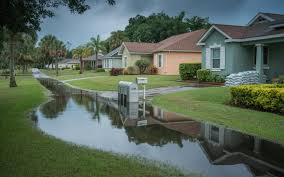
Heavy rainfall, combined with Florida’s flat terrain and sometimes inadequate drainage systems, can result in flash floods and riverine floods. These floods can affect both coastal and inland areas.

3. Tornadoes
While less frequent than hurricanes, tornadoes can cause localized destruction, posing risks to homes and property.

Being aware of these natural hazards and their seasonal patterns allows homeowners to take timely precautions, such as installing flood barriers or creating an evacuation plan.


Types of Floods in Florida

Floods in Florida can be categorized as either natural or non-natural. Understanding these distinctions is critical for effective prevention and mitigation.

Natural Floods

Natural floods occur due to environmental factors:

  • Heavy Rainfall: Intense or prolonged rainfall can overwhelm drainage systems and saturate soil, leading to surface runoff.

  • Overflowing Rivers and Lakes: Rivers and lakes can overflow their banks during heavy rains, inundating surrounding properties.

  • Storm Surges: Hurricanes or tropical storms push seawater inland, flooding coastal areas.

  • Inadequate Drainage: Aging or poorly maintained drainage infrastructure can exacerbate flooding, particularly in urban areas.

Non-Natural Floods

Non-natural floods, also called indoor or artificial flooding, result from issues inside the home or property:

  • Plumbing Failures: Leaking or burst pipes, faulty fixtures, or damaged connections can cause significant water damage.

  • Appliance Malfunctions: Dishwashers, washing machines, and water heaters may malfunction, leading to water accumulation.

  • Roof Leaks: Damaged roofs can allow water to enter, causing interior flooding.

  • Basement Seepage: Poor foundation drainage or cracks in walls can allow groundwater to seep inside.

Preventing non-natural floods involves regular maintenance, inspections, and the installation of water detection systems or backflow valves.


How to Prepare Your Home for a Flood

Even with local government measures in place, homeowners must take proactive steps to protect their property. Here’s how:

1. Elevate Essential Items
Raise appliances, electrical outlets, and valuables off the ground. Consider shelving or platforms for items in low-lying areas to prevent water damage.

2. Secure Utilities
Elevate electrical panels, heating systems, and HVAC units above potential flood levels. Install backflow valves on sewer lines to prevent sewage backups.

3. Create a Flood Emergency Kit
Assemble supplies including non-perishable food, water, flashlights, batteries, first aid supplies, and important documents. Store them in a waterproof container and keep them easily accessible.

4. Develop an Evacuation Plan
Plan routes and designate a meeting point outside flood zones. Know your local emergency shelters and evacuation procedures.

5. Install Flood Barriers
Sandbags, flood gates, and door seals can help keep water out. Check for gaps or cracks in walls and foundations and seal them as needed.

6. Review Insurance Coverage
Standard homeowners’ insurance policies often exclude flood damage. Purchase flood insurance if you live in a flood-prone area to protect your property and belongings.

7. Stay Informed
Monitor weather forecasts, flood warnings, and emergency alerts. Staying informed allows you to act quickly if a flood is imminent.


Final Thoughts

Florida’s natural beauty comes with inherent risks. Floods are unpredictable and can have devastating consequences if not planned for. Conducting a risk assessment, preparing your home, and staying informed are crucial steps to minimize potential damage and safeguard your family.

Taking these precautions not only ensures safety but can also enhance your home’s value and resale potential. By being proactive, Florida homeowners can navigate hurricane season and unexpected weather events with confidence, knowing their homes and families are better protected.

Real Estate Resources for South Florida

If you're researching homes or following the South Florida real estate market, exploring listings and property values can provide helpful context for understanding local neighborhoods and housing trends across Palm Beach County.


About the Authors

Chris and Sue Kull are South Florida real estate professionals with more than three decades of experience helping buyers, sellers, and property owners navigate the housing market throughout Palm Beach County and surrounding communities.

Their work focuses on providing clear information, local market insight, and practical guidance so clients can make confident real estate decisions. Over the years they have built a trusted network of industry professionals—including lenders, inspectors, contractors, and legal specialists—to support every stage of the real estate process.

You can explore additional resources, community guides, and real estate tools at www.TheKullGroup.com.

If you have questions about buying, selling, or understanding the local real estate market, you can reach out through our contact page.
Oct. 11, 2025

8 Valuable Lessons I Learned From an Interior Designer

interior-design-lessons-tips.jpg

8 Valuable Lessons I Learned From an Interior Designer

Have you ever walked into a beautifully designed room and wondered what makes it look so effortlessly elegant? Recently, I had the opportunity to work with a professional interior designer, and the experience taught me a wealth of practical and inspiring lessons about creating a functional and visually appealing living space.

In this article, I’ll share 8 valuable lessons I learned from an interior designer that can help elevate your home’s style, comfort, and harmony.

Curious What Your Home Might Be Worth?

Home values across Palm Beach County and South Florida change constantly. See what buyers may currently be willing to pay for homes in your neighborhood.

Check Your Home Value

XXXXXXXXXXXXXXXXXXXXXXXXXXXXXXXXXXXXX


1. Rug Size Matters

One of the first insights I gained was that rug size can dramatically influence the look and feel of a room. A properly sized rug anchors the furniture and creates a cohesive seating area.

  • Ensure the rug is large enough to extend under the front legs of sofas and chairs.

  • Avoid rugs that are too small, as they can make furniture appear disconnected or floating.

  • Consider layering rugs for texture and warmth while maintaining proportion with the space.

A correctly sized rug creates balance, ties the room together, and instantly elevates its design.


2. Curtain Placement and Rods Are Key

Curtains do more than cover windows—they frame them and enhance the room’s overall aesthetic. Here’s what I learned:

  • Hang curtains higher: Install rods at least six inches above the window frame to create the illusion of height.

  • Extend the rod beyond the window: Curtains should flank the window when open, allowing maximum natural light.

  • Floor-length drapes: Ensure curtains reach the floor for a clean, polished look.

  • Complement the style: Select curtain rods that match the room’s decor and materials.

Proper curtain placement can make a room feel taller, wider, and more sophisticated.


3. TV and Art Placement Matters

When arranging televisions and artwork on walls, placement is crucial for both function and style.

  • TV placement: Consider viewing angles from all seating areas. Avoid hanging the TV too high or too low, which can make viewing uncomfortable or create a floating effect.

  • Artwork placement: Hang art at eye level, approximately 57–60 inches from the floor to the center. This ensures it’s visually accessible and complements the room’s scale.

  • Balance: Artwork and TV placement should maintain harmony in the space without crowding the walls.

Correct placement allows both functional viewing and aesthetic enjoyment.


4. Plank Flooring Direction Matters

Even the direction of plank flooring can affect the perception of a room’s size and shape.

  • Planks laid perpendicular to the main entrance can make the space appear wider.

  • Planks laid parallel can elongate the room, creating a sense of depth.

  • Always consider the room’s dimensions, ceiling height, and natural light to determine the best orientation.

Strategically laid flooring subtly enhances the room’s visual flow and overall design.

See What’s on the Market Right Now

If you're researching homes in Palm Beach County or anywhere in South Florida, explore current listings by city and see what’s available right now.

Explore Homes by City

5. Avoid Matchy-Matchy Items

Gone are the days of perfectly coordinated furniture sets. One of the designer’s key lessons: embrace diversity.

  • Mix styles, colors, and materials for a dynamic, interesting space.

  • Vary shapes and furniture legs—avoid a room full of identical rectangular pieces.

  • Example: Swap a wooden bed frame for a fabric one, or mix different side tables and chairs.

A thoughtfully mismatched combination creates a curated, intentional look rather than a cookie-cutter feel.


6. Keep Major Elements Neutral

A fundamental principle of interior design is neutrality in walls, large furniture, and window treatments.

  • Neutrals provide a timeless backdrop and flexibility in decorating.

  • Add personality with accessories: throw pillows, blankets, rugs, or art can bring color and character.

  • Accessories can be updated seasonally or when trends change without major renovations.

This approach allows you to refresh a room easily while keeping the main design elements versatile.


7. Less Is More

The mantra “less is more” is central to creating a balanced and serene environment.

  • Avoid overcrowding rooms with furniture or decor items.

  • Not every wall needs artwork, and not every surface needs to be filled.

  • Clutter-free spaces feel larger, more tranquil, and inviting.

Embracing minimalism enhances both functionality and visual appeal, making your home feel more open and organized.


8. Add Plants for Life and Energy

Finally, one of the simplest yet most impactful lessons: incorporate plants.

  • Plants, greenery, or even faux stems bring vitality and freshness to a space.

  • They improve air quality, add texture, and soften harsh architectural lines.

  • Position plants strategically to complement furniture layouts, brighten corners, and create focal points.

Adding greenery is a low-cost way to breathe life into your home while enhancing the atmosphere.


Final Thoughts

Working with a professional interior designer provided me with invaluable insights into the art and science of creating a harmonious living environment. From proper rug sizing to strategic flooring, neutral backdrops, and the power of plants, each lesson contributes to a home that is both beautiful and functional.

By applying these 8 interior design principles, you can transform your space into a welcoming, aesthetically pleasing home that reflects your personality and lifestyle. Whether you’re redecorating a single room or updating your entire home, these lessons will help you approach design with intention and confidence.

Elevate your home’s style, create harmony, and enjoy the process of curating a space that truly feels like yours.

Real Estate Resources for South Florida

If you're researching homes or following the South Florida real estate market, exploring listings and property values can provide helpful context for understanding local neighborhoods and housing trends across Palm Beach County.


About the Authors

Chris and Sue Kull are South Florida real estate professionals with more than three decades of experience helping buyers, sellers, and property owners navigate the housing market throughout Palm Beach County and surrounding communities.

Their work focuses on providing clear information, local market insight, and practical guidance so clients can make confident real estate decisions. Over the years they have built a trusted network of industry professionals—including lenders, inspectors, contractors, and legal specialists—to support every stage of the real estate process.

You can explore additional resources, community guides, and real estate tools at www.TheKullGroup.com.

If you have questions about buying, selling, or understanding the local real estate market, you can reach out through our contact page.

Oct. 11, 2025

7 Things To Know About Investing in Vacation Property

vacation-property-investment-guide.jpg

7 Things To Know About Investing in Vacation Property

Investing in vacation property can be both exciting and profitable, but it comes with responsibilities alongside the perks. From personal enjoyment to rental income, owning a second home can offer a unique lifestyle and financial opportunity. However, before diving in, it’s important to understand the key considerations that make a vacation property a worthwhile investment.

If you’re thinking about purchasing a vacation home—whether in Wellington, Florida, or another desirable location—here are 7 things you should know before investing.

See What’s on the Market Right Now

If you're researching homes in Palm Beach County or anywhere in South Florida, explore current listings by city and see what’s available right now.

Explore Homes by City

1. Determine Your Purpose

The first step in purchasing a vacation property is to clearly define your goals.

  • Personal Use: Some buyers want a getaway for family and friends, providing a home away from home whenever needed.

  • Rental Income: Others aim to generate revenue by renting the property to vacationers.

  • Hybrid Approach: Many investors want both—a place to enjoy themselves and a source of income when the property is not in use.

Understanding your purpose will guide your property selection, location, and budgeting decisions. A home that balances personal enjoyment and income potential is ideal for many vacation property investors.


2. Understand the 1% Rule

For investors, the 1% rule is a helpful guideline for evaluating rental properties. It asks: Will the monthly rental income exceed 1% of the property’s purchase price?

  • If the answer is yes, the property is likely to generate positive cash flow.

  • Tools like vacation property investment calculators can help estimate potential income and expenses, ensuring that the property meets your financial goals.

This simple calculation can save investors from purchasing properties that won’t be profitable.


3. Consider the Condition of the Property

The condition of a vacation home is critical, especially if you won’t be there to oversee repairs.

  • Maintenance-Friendly: Choose a property that doesn’t require extensive renovations.

  • Fixer-Uppers: If you buy a property needing upgrades, ensure that improvements can be made gradually without disrupting rental potential.

  • Rent-Ready: Ideally, your property should be capable of generating income from day one.

A property in good condition allows you to focus on rental income and personal enjoyment rather than constant repairs.

Curious What Your Home Might Be Worth?

Home values across Palm Beach County and South Florida change constantly. See what buyers may currently be willing to pay for homes in your neighborhood.

Check Your Home Value

4. Account for Upkeep Costs

Owning a vacation property involves more than just the purchase price. Consider ongoing expenses such as:

  • Property taxes and homeowners insurance

  • Regular maintenance and repairs

  • HOA fees, if applicable

  • Cleaning and turnover costs for rental guests

Understanding these costs upfront ensures that your investment remains financially viable and that surprises don’t eat into your profits.


5. Furnishings Matter

A vacation rental property often needs to be fully furnished and functional for renters.

  • Check if the property is already furnished, and assess the condition of furniture, appliances, and kitchenware.

  • If furnishings are required, budget for essentials like beds, tables, kitchen utensils, and linens.

  • Consider aesthetic appeal—modern, comfortable, and neutral decor attracts more renters.

Well-furnished properties are more appealing to renters and can command higher rental rates.


6. Plan for Property Management

If you don’t live near your vacation property, professional property management is essential.

  • Management companies handle bookings, maintenance, cleaning, and emergency issues.

  • Some condos and vacation communities provide in-house management, while others require independent arrangements.

  • Reliable management ensures that your property remains in top condition, guests are satisfied, and rental income is maximized.

Having a plan in place for remote management protects your investment and minimizes stress.


7. Location is Key

The location of your vacation property is one of the most important factors influencing both enjoyment and rental potential.

  • Personal Use: Choose a location that suits your lifestyle and interests. Privacy, scenery, and proximity to favorite activities may be priorities.

  • Income Potential: High-demand areas, such as beach communities, ski resorts, or other popular destinations, attract more renters and higher rental rates.

  • Accessibility: Consider travel time, local amenities, and attractions that draw visitors.

A strategic location enhances your property’s value, rental potential, and personal enjoyment.


Additional Tips for Vacation Property Investors

Investing in a vacation property requires research and preparation. Here are a few extra considerations:

  • Research the Market: Understand seasonal rental trends, occupancy rates, and typical rental income in your target area.

  • Financing: Explore financing options and ensure you have a mortgage plan that works for investment purposes.

  • Insurance Coverage: Vacation homes may require specialized insurance policies to cover rental activities, natural disasters, and liability.

  • Legal Compliance: Check local zoning laws, HOA rules, and short-term rental regulations. Compliance is essential to avoid fines and disruptions.

Being thorough in your research and planning ensures a smooth investment process and protects your financial interests.


Why Vacation Property Can Be a Smart Investment

Vacation homes offer unique advantages:

  • Dual Use: Enjoy personal getaways while generating rental income.

  • Appreciation: Desirable locations often see property values increase over time.

  • Tax Benefits: Certain expenses related to a rental property may be tax-deductible, including mortgage interest, property taxes, and management fees.

  • Lifestyle: Owning a vacation property provides flexibility, comfort, and convenience for family and friends.

With careful planning and consideration, a vacation property can be both a profitable investment and a source of enjoyment.


Final Thoughts

Investing in a vacation property requires careful thought, research, and planning. From determining your purpose and analyzing potential rental income to assessing property condition and location, each factor plays a crucial role in your success.

By considering these 7 essential tips—purpose, the 1% rule, property condition, upkeep costs, furnishings, property management, and location—you can make an informed decision that balances personal enjoyment with financial return.

Whether you’re looking to create lasting memories for your family or generate additional income, owning a vacation home can be a rewarding experience. With the right preparation, your vacation property can become both a profitable investment and a cherished retreat.


Contact us today to explore vacation properties in South Florida, one of the best regions for rental potential and personal enjoyment. Let us help you find the perfect vacation home that suits your lifestyle and investment goals.

Real Estate Resources for South Florida

If you're researching homes or following the South Florida real estate market, exploring listings and property values can provide helpful context for understanding local neighborhoods and housing trends across Palm Beach County.


About the Authors

Chris and Sue Kull are South Florida real estate professionals with more than three decades of experience helping buyers, sellers, and property owners navigate the housing market throughout Palm Beach County and surrounding communities.

Their work focuses on providing clear information, local market insight, and practical guidance so clients can make confident real estate decisions. Over the years they have built a trusted network of industry professionals—including lenders, inspectors, contractors, and legal specialists—to support every stage of the real estate process.

You can explore additional resources, community guides, and real estate tools at www.TheKullGroup.com.

If you have questions about buying, selling, or understanding the local real estate market, you can reach out through our contact page.
Oct. 11, 2025

8 Signs It’s Time to Replace Your Roof

roof-replacement-signs-guide.jpg

8 Signs It’s Time to Replace Your Roof

Even well-maintained roofs eventually show signs of wear. Pay attention to these indicators:

1. Damaged Shingles

Shingles may curl at the edges, crack, or buckle. Asphalt shingles may lose granules over time, creating bald spots and leaving your roof vulnerable to leaks. Damaged shingles indicate that the roof is aging and may require partial or full replacement.

2. Bald Spots

Missing granules create bald spots, often appearing after storms or due to prolonged sun exposure. Bald areas reduce the roof’s ability to shed water effectively and can accelerate wear.

3. Missing Shingles in Roof Valleys

Roof valleys, where two roof sections meet, direct water into gutters. Missing or damaged shingles in these areas can lead to leaks and water pooling, potentially causing structural damage.

4. Water Damage on Ceilings and Walls

Sometimes roof leaks are not obvious. Watch for stains, discoloration, or mold on ceilings and walls, which may indicate hidden water intrusion from a compromised roof.

5. Sagging Roof Deck

A sagging roof deck suggests structural issues. Moisture buildup or accumulated snow and ice can cause the decking to weaken, necessitating professional inspection and likely roof replacement.

6. Moss or Algae Growth

Moss and algae growth can create unsightly dark streaks. While not immediately dangerous, extensive growth may hold moisture against the shingles, accelerating deterioration. Depending on the severity, cleaning or replacement may be required.

7. Leaks

Visible leaks during rain or snowmelt are clear signs that your roof is failing. Prompt attention is essential to prevent damage to interior structures, insulation, and personal belongings.

8. Higher Energy Bills

An aging or damaged roof can compromise insulation, leading to drafts and heat loss. If you notice a spike in heating or cooling costs, it may indicate that your roof is no longer effectively regulating indoor temperatures.

Curious What Your Home Might Be Worth?

Home values across Palm Beach County and South Florida change constantly. See what buyers may currently be willing to pay for homes in your neighborhood.

Check Your Home Value

Considerations Before Roof Replacement

A roof replacement is a significant investment. Proper planning ensures the project is successful and stress-free. Keep these factors in mind:

  • Budget: Establish a clear budget that includes materials, labor, and contingencies.

  • Trusted Contractor: Research local contractors, check references, and verify licensing and insurance.

  • Timing: Schedule replacement during favorable weather conditions to prevent delays and complications.

  • Style & Color: Choose shingles or materials that complement your home’s exterior aesthetic.

  • Warranty Options: Discuss manufacturer and installer warranties for peace of mind and long-term protection.

Careful consideration and proactive planning make roof replacement more manageable and ensure the project enhances your home’s value.


Final Thoughts

Your roof protects one of your most valuable assets—your home. Recognizing the signs that it may need replacement is critical to maintaining safety, comfort, and property value.

From damaged shingles and bald spots to leaks and rising energy bills, these eight indicators help homeowners determine when it’s time to act.

See What’s on the Market Right Now

If you're researching homes in Palm Beach County or anywhere in South Florida, explore current listings by city and see what’s available right now.

Explore Homes by City

A well-maintained roof ensures structural integrity, energy efficiency, and peace of mind. By staying vigilant with inspections, addressing repairs promptly, and planning for replacement when necessary, you safeguard your home and family for years to come.

Investing in a roof replacement may seem daunting, but the long-term benefits—both financial and protective—make it a decision worth careful consideration.

Real Estate Resources for South Florida

If you're researching homes or following the South Florida real estate market, exploring listings and property values can provide helpful context for understanding local neighborhoods and housing trends across Palm Beach County.


About the Authors

Chris and Sue Kull are South Florida real estate professionals with more than three decades of experience helping buyers, sellers, and property owners navigate the housing market throughout Palm Beach County and surrounding communities.

Their work focuses on providing clear information, local market insight, and practical guidance so clients can make confident real estate decisions. Over the years they have built a trusted network of industry professionals—including lenders, inspectors, contractors, and legal specialists—to support every stage of the real estate process.

You can explore additional resources, community guides, and real estate tools at www.TheKullGroup.com.

If you have questions about buying, selling, or understanding the local real estate market, you can reach out through our contact page.
Oct. 11, 2025

7 Brilliant Energy-Efficient Ideas for Every Home

energy-efficient-home-tips.jpg

7 Brilliant Energy-Efficient Ideas for Every Home

Energy efficiency is a cornerstone of modern home design. Beyond lowering utility bills, it reduces your carbon footprint and enhances the style and functionality of your living spaces. With thoughtful planning, energy-efficient upgrades can elevate your home from ordinary to extraordinary, creating an environment that is both beautiful and sustainable.

Here are 7 brilliant energy-efficient ideas you can implement to make your home greener, more comfortable, and visually appealing.

Curious What Your Home Might Be Worth?

Home values across Palm Beach County and South Florida change constantly. See what buyers may currently be willing to pay for homes in your neighborhood.

Check Your Home Value

1. Natural Light Maximization

Harnessing natural light is one of the simplest ways to improve energy efficiency and create a welcoming ambiance. Proper daylighting reduces the need for artificial lighting and can improve mental well-being.

  • Large Windows: Install expansive, south-facing windows to flood interiors with daylight and visually expand your rooms.

  • Skylights: Perfect for bathrooms, hallways, or rooms with limited wall space, skylights brighten areas that might otherwise feel dim.

  • Light Wells: Ideal for basements or lower-level rooms, light wells provide a stylish solution to introduce sunlight into hard-to-reach spaces.

Incorporating natural light not only reduces energy consumption but also elevates the aesthetic of your home.


2. Solar Panels & Energy Storage Systems

Solar panels are a powerful way to reduce reliance on non-renewable energy sources. They can significantly lower electricity bills and showcase your commitment to sustainability.

  • Energy Storage Systems: Adding batteries allows excess energy collected during the day to be used at night or during low-sunlight periods, maximizing efficiency.

  • Government Incentives: Many regions offer rebates, tax credits, and other incentives for solar installations, making it a financially smart investment.

Solar panels and energy storage systems may not be purely aesthetic, but they send a clear statement about your home’s modern, eco-friendly approach.


3. Insulation, Draught-Proofing, & Thermal Bridges

Preventing energy loss is critical for a comfortable, cost-efficient home. Proper insulation and sealing help maintain consistent indoor temperatures while reducing heating and cooling expenses.

  • Insulate Walls, Floors, and Ceilings: Proper insulation slows heat transfer, keeping interiors warm in winter and cool in summer.

  • Double or Triple-Glazed Windows: These provide superior insulation compared to single-pane windows and are an attractive feature in modern homes.

  • Draught-Proofing: Seal gaps around doors, windows, and other potential air leaks to eliminate cold drafts.

  • Address Thermal Bridges: Insulate structural points where heat may escape, ensuring maximum energy efficiency.

By addressing these key areas, you can create a cozy, energy-efficient environment that saves money year-round

See What’s on the Market Right Now

If you're researching homes in Palm Beach County or anywhere in South Florida, explore current listings by city and see what’s available right now.

Explore Homes by City

4. Energy-Efficient Lighting

Artificial lighting is a significant contributor to household energy consumption. Making smart lighting choices reduces energy usage while enhancing interior design.

  • LED Lighting: LEDs consume far less electricity than incandescent bulbs, last longer, and come in various stylish designs.

  • Dimmer Switches & Controls: Adjust lighting levels to suit your needs, reducing energy consumption when full brightness isn’t required.

  • Task Lighting: Illuminate specific areas like countertops, reading nooks, or workspaces to reduce the need for general lighting.

Smart lighting solutions combine functionality with energy savings, improving both aesthetics and efficiency.


5. Green Roofs & Vertical Gardens

Green roofs and vertical gardens not only boost energy efficiency but also add a striking visual element to your property.

  • Green Roofs: A layer of vegetation on the roof insulates the building, reduces stormwater runoff, and improves air quality.

  • Vertical Gardens: Install them on exterior walls or balconies to regulate indoor climate, purify the air, and provide a visually appealing, eco-friendly design.

These solutions make your home more sustainable while creating a lush, vibrant living environment.


6. Energy-Efficient Appliances & Smart Home Devices

Modern appliances and smart home devices are transforming energy efficiency in households.

  • Energy-Efficient Appliances: Look for Energy Star-certified refrigerators, washers, dryers, and dishwashers to reduce energy consumption without sacrificing performance.

  • Smart Devices: Thermostats, lighting systems, and energy monitors allow you to optimize energy usage, control devices remotely, and track consumption patterns.

Together, these devices provide convenience, cost savings, and a contemporary, high-tech aesthetic for your home.


7. Sustainable Building Materials

Selecting eco-friendly materials for your home construction or renovation reflects environmental responsibility while enhancing design.

  • Reclaimed or Recycled Wood: Ideal for flooring, furniture, or accent walls, repurposing wood reduces waste while adding charm.

  • Bamboo: Rapidly renewable and versatile, bamboo is suitable for flooring, cabinetry, and furniture.

  • Recycled Metal: Perfect for roofing, exterior cladding, or countertops, recycled metal saves resources while offering modern appeal.

Sustainable materials demonstrate a long-term commitment to environmental stewardship and set your home apart in terms of style and value.


Why Energy Efficiency Matters

Investing in energy-efficient solutions goes beyond immediate cost savings. Benefits include:

  • Lower Utility Bills: Efficient systems and insulation reduce energy consumption, saving money year-round.

  • Reduced Carbon Footprint: Sustainable practices contribute to a healthier environment.

  • Increased Property Value: Energy-efficient features are highly desirable to buyers and can make your home more marketable.

  • Enhanced Comfort: Proper insulation, lighting, and ventilation create a more pleasant living environment.

By prioritizing energy efficiency, homeowners can enjoy both financial and environmental rewards while elevating their home’s overall design.


Final Thoughts

Energy-efficient homes are stylish, functional, and environmentally responsible. By incorporating natural light, solar panels, insulation, efficient lighting, green roofs, smart appliances, and sustainable materials, you create a living space that is comfortable, modern, and eco-conscious.

These upgrades are not only practical—they also enhance your home’s market appeal, reduce long-term costs, and contribute to a greener future. Embracing energy-efficient design allows you to enjoy a beautiful home while making a positive impact on the planet.

Take the step toward sustainability today, and transform your home into a space that is as energy-efficient as it is stylish.

Real Estate Resources for South Florida

If you're researching homes or following the South Florida real estate market, exploring listings and property values can provide helpful context for understanding local neighborhoods and housing trends across Palm Beach County.


About the Authors

Chris and Sue Kull are South Florida real estate professionals with more than three decades of experience helping buyers, sellers, and property owners navigate the housing market throughout Palm Beach County and surrounding communities.

Their work focuses on providing clear information, local market insight, and practical guidance so clients can make confident real estate decisions. Over the years they have built a trusted network of industry professionals—including lenders, inspectors, contractors, and legal specialists—to support every stage of the real estate process.

You can explore additional resources, community guides, and real estate tools at www.TheKullGroup.com.

If you have questions about buying, selling, or understanding the local real estate market, you can reach out through our contact page.
Oct. 11, 2025

What Moving Tips Are Actually Useful? 9 Game-Changing Strategies

useful-moving-tips-guide.jpg

What Moving Tips Are Actually Useful? 9 Game-Changing Strategies

Relocating to a new home or city can be a stressful and complicated process, especially if you have a tight deadline. Proper planning and organization are key to a smooth move. Following practical moving tips not only reduces stress but can also save you money and time. Below, we’ve compiled 9 game-changing moving tips that can make your relocation easier and more efficient.

Curious What Your Home Might Be Worth?

Home values across Palm Beach County and South Florida change constantly. See what buyers may currently be willing to pay for homes in your neighborhood.

Check Your Home Value

1. Know as Much as You Can About the Right Moving Companies

Choosing a reliable moving company is critical to a successful move. Professional movers can significantly ease the relocation process, but not all movers are created equal.

  • Research: Read reviews and customer feedback to understand the company’s reliability and service quality.

  • Verify Services: Ensure the company offers the specific services you need, such as packing, long-distance moving, or fragile item handling.

  • Understand Policies: Check damage and refund policies to avoid surprises on moving day.

Be wary of companies that appear professional online but are just small operations with minimal equipment. Booking reputable movers months in advance can save a lot of last-minute stress.


2. Make Your Own Moving Checklist

A moving checklist is essential for keeping track of all tasks. The smallest tasks, such as returning keys or transferring utilities, can be easily overlooked.

  • List Everything: Include packing, labeling, transferring services, and cleaning tasks.

  • Set Reminders: Prioritize tasks and set deadlines to ensure everything gets done on time.

  • Update Regularly: Cross off completed items to stay organized and reduce last-minute chaos.

Creating a personalized checklist ensures nothing is forgotten, no matter how big or small.


3. Declutter Before Packing

Moving is the perfect opportunity to sort through your belongings and get rid of items you no longer need.

  • Sell or Donate: Hold a garage sale or donate usable items.

  • Dispose of Unused Items: Throw away old or broken items that no longer serve a purpose.

  • Pack Only What You Need: Fewer belongings mean less to organize, pack, and move, saving both time and money.

Being selective with what you take can also make your new space feel cleaner and more organized from day one.

See What’s on the Market Right Now

If you're researching homes in Palm Beach County or anywhere in South Florida, explore current listings by city and see what’s available right now.

Explore Homes by City

4. Be Resourceful in Getting Moving Boxes

Moving boxes can get expensive, but there are ways to save money while acquiring quality boxes:

  • Ask Local Stores: Grocery and liquor stores often have sturdy boxes they would otherwise recycle.

  • Check Condition: Ensure boxes are in good shape, free of tears or water damage.

  • Re-use Boxes: Using previously owned boxes can save a significant amount on moving costs.

Free or low-cost boxes allow you to allocate more of your moving budget toward professional services or other essentials.


5. Pack Electronics Carefully

Electronics are fragile and can be easily damaged during a move. Proper packing is crucial:

  • Use Original Boxes: If available, they provide the best fit and protection.

  • Cushion Items: Use bubble wrap, blankets, or towels to protect devices.

  • Separate Components: Keep cords, remotes, and small parts organized in labeled bags.

Taking the time to properly pack electronics ensures that your expensive equipment arrives safely at your new home.


6. Set a Time and Date for Disconnecting Services

Disconnecting utilities and services isn’t as simple as flipping a switch. Plan ahead:

  • Notify Companies: Contact gas, electricity, water, internet, and cable companies at least a week in advance.

  • Collect Equipment: Return remotes, routers, and other devices to avoid extra charges.

  • Schedule Transfers: Ensure new services are activated at your new home to avoid downtime.

Proper scheduling ensures a smooth transition and avoids unexpected interruptions in service.


7. Use Small Boxes for Heavy Items

Heavy items like books, tools, or gym equipment can be difficult to lift and transport.

  • Small Boxes: Use smaller boxes for heavy objects to make them easier to carry.

  • Large Boxes: Reserve large boxes for lightweight items such as bedding, pillows, or linens.

  • Balanced Packing: Distribute weight evenly to prevent boxes from breaking and to simplify loading.

Organizing boxes by weight and content not only protects your items but also helps movers work efficiently.


8. Pack Decorations Ahead of Time

Decorative and fragile items require special attention:

  • Wrap Carefully: Use bubble wrap, packing paper, or soft fabrics to protect delicate pieces.

  • Organize by Weight: Place heavy items at the bottom of the box and lighter, fragile items on top.

  • Separate Components: Disassemble lamps and other complex decorations, and pack artwork separately.

  • Consider Humidity: Include desiccants to protect against moisture damage.

Packing decorations in advance reduces the risk of breakage and ensures that items are ready for immediate setup in your new home.


9. Label Everything

Labeling boxes may seem tedious, but it saves significant time during unloading and unpacking:

  • Room Labels: Indicate which room each box belongs to.

  • Content Labels: Note the contents to find items quickly.

  • Fragile Items: Mark delicate items clearly to ensure careful handling.

Proper labeling streamlines both movers’ work and your own unpacking process, allowing you to settle into your new home faster.


Additional Tips for a Stress-Free Move

  • Start Early: Begin packing items you rarely use 60–90 days before the move.

  • Hire Professional Help: If budget allows, professional movers and packers can speed up the process and reduce stress.

  • Stay Organized: Keep all receipts, service transfer confirmations, and moving documents in one accessible location.

  • Plan Your Route: Ensure movers know the layout of your new home and parking arrangements for a smoother unloading process.

Preparation and organization are the key to making your move as stress-free and efficient as possible.


Final Thoughts

Moving doesn’t have to be overwhelming. By researching moving companies, creating a thorough checklist, decluttering, packing strategically, and labeling boxes, you can make your relocation smoother and more manageable. Professional movers can further enhance efficiency, but following these practical tips yourself ensures a stress-reduced moving experience.


The key takeaway? Start early, stay organized, and focus on efficiency. These strategies allow you to enjoy the excitement of a new home without the chaos often associated with moving day.

Real Estate Resources for South Florida

If you're researching homes or following the South Florida real estate market, exploring listings and property values can provide helpful context for understanding local neighborhoods and housing trends across Palm Beach County.


About the Authors

Chris and Sue Kull are South Florida real estate professionals with more than three decades of experience helping buyers, sellers, and property owners navigate the housing market throughout Palm Beach County and surrounding communities.

Their work focuses on providing clear information, local market insight, and practical guidance so clients can make confident real estate decisions. Over the years they have built a trusted network of industry professionals—including lenders, inspectors, contractors, and legal specialists—to support every stage of the real estate process.

You can explore additional resources, community guides, and real estate tools at www.TheKullGroup.com.

If you have questions about buying, selling, or understanding the local real estate market, you can reach out through our contact page.

Oct. 11, 2025

7 Easy Ways to Improve Your Garden Before Selling

garden-improvements-before-selling.jpg

7 Easy Ways to Improve Your Garden Before Selling

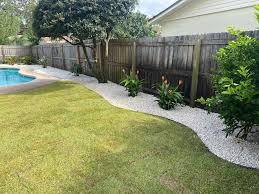
In today’s competitive housing market, sellers need every advantage to make their homes stand out. Curb appeal is one of the most influential factors when attracting potential buyers. According to Realtor magazine, homes with an attractive exterior can sell for up to 7% more than those that appear neglected.

A well-maintained garden not only boosts your home’s aesthetic appeal but can also increase its value by 5% to 20% through landscaping improvements. For many buyers, a beautiful garden is a key selling point, creating a sense of care, comfort, and lifestyle potential.

Here are 7 easy ways to improve your garden before selling, making it a highlight rather than a liability.

Curious What Your Home Might Be Worth?

Home values across Palm Beach County and South Florida change constantly. See what buyers may currently be willing to pay for homes in your neighborhood.

Check Your Home Value

1. View the Garden from the Buyer’s Perspective

The first step is to see your garden through a buyer’s eyes. Imagine approaching your home for the first time—what impression does the garden make?

  • Weed the driveway and paths to create clean walkways.

  • Prune and trim trees and bushes for a neat and well-kept look.

  • Power wash siding, driveways, and patios to remove dirt and grime.

  • Rake leaves and remove debris regularly to maintain a tidy appearance.

Remember, the backyard is just as important as the front. A clean, organized space shows buyers that the home is well cared for and extends the living space outdoors.


2. Prepare Your Lawn in Advance

A lush, green lawn is a major selling point. Proper lawn preparation takes time, so start weeks before listing your home.

  • Remove moss and weeds.

  • Fill in bare patches with grass seed or sod.

  • Edge the lawn for clean lines.

  • Apply fertilizer to ensure vibrant, healthy grass.

Regular mowing and maintenance keep your lawn in show-ready condition, making a strong first impression on buyers.


3. Declutter the Garden

Just as you would declutter inside the home, remove distractions from your garden.

  • Store hoses, tools, toys, and ladders out of sight.

  • Keep garden furniture minimal and neat.

  • Ensure flower beds and planters are tidy and well-arranged.

A clutter-free garden looks larger, more organized, and more inviting to buyers, letting them focus on the space rather than personal items.

See What’s on the Market Right Now

If you're researching homes in Palm Beach County or anywhere in South Florida, explore current listings by city and see what’s available right now.

Explore Homes by City

4. Install a Zen Garden

For larger backyards, consider adding a Zen garden.

  • Requires a minimum of 12ft by 18ft of space.

  • Low-maintenance design appeals to buyers who prefer minimal upkeep.

  • Use retaining walls to separate the Zen garden from other parts of the yard, maintaining a clean, peaceful look.

Zen gardens create a calm and visually appealing area that can differentiate your home from others on the market.


5. Add Outdoor Lighting

Outdoor lighting can transform a garden, enhancing safety and curb appeal.

  • Place lights along pathways, driveways, and fences.

  • Consider solar lights for eco-friendliness and lower utility costs.

  • Affordable lighting options are available online and in home improvement stores, often costing under $200 for a full setup.

Well-placed lighting highlights your home’s best features and creates a welcoming atmosphere for evening showings.


6. Give the Fences a Lift

Fences are both functional and aesthetic. An old, peeling fence can be an instant turn-off for buyers.

  • If the fence is in good condition, a fresh coat of paint or stain can rejuvenate it.

  • Consider repairs or replacement if the structure is damaged.

  • Fences provide privacy, security, and a sense of completeness for your property.

A well-maintained fence sends a message that the property is cared for and ready to move into.


7. Install One Main Selling Feature

Adding a highlight feature in your garden can make it memorable for buyers.

  • Decking: Wooden decks provide outdoor living space and boast a 64.8% ROI.

  • Patios: Create transitional areas for furniture and social gatherings, potentially adding up to 10% value to the home.

  • Water Features: Ponds or eco-friendly fountains add charm and appeal to environmentally conscious buyers.

Choose one feature that enhances your garden’s functionality and aesthetic, giving buyers a reason to fall in love with the outdoor space.


Bonus Tips: Flowers, Planters, and Maintenance

  • Add potted plants near entrances or along pathways for bursts of color.

  • Bedding and flower borders can brighten lawn areas and highlight garden layouts.

  • Regular maintenance: Continue mowing, weeding, and leaf removal even after listing. Consistency keeps the garden in top shape for showings.

Investing just a few hours each week ensures the garden remains a key selling point rather than a liability.


Why Garden Improvements Matter

Landscaping and outdoor improvements are not just for aesthetics—they influence buyer perception and property value. A clean, organized, and attractive garden:

  • Increases curb appeal and first impressions.

  • Signals to buyers that the home is well-maintained.

  • Enhances the overall lifestyle appeal of the property.

  • Can provide measurable returns on investment when selling.

For sellers, focusing on low-maintenance, visually appealing upgrades is essential, particularly for buyers who may not want to spend time on heavy garden work.


Final Thoughts

Improving your garden before selling doesn’t need to be complicated or expensive. By viewing the space from a buyer’s perspective, preparing your lawn, decluttering, adding one standout feature, and maintaining cleanliness, you can dramatically increase your home’s appeal.


Regular upkeep ensures the garden remains attractive throughout the selling process, helping your home stand out in a competitive market. With a little effort and planning, your garden can become one of your home’s strongest selling points.

Real Estate Resources for South Florida

If you're researching homes or following the South Florida real estate market, exploring listings and property values can provide helpful context for understanding local neighborhoods and housing trends across Palm Beach County.


About the Authors

Chris and Sue Kull are South Florida real estate professionals with more than three decades of experience helping buyers, sellers, and property owners navigate the housing market throughout Palm Beach County and surrounding communities.

Their work focuses on providing clear information, local market insight, and practical guidance so clients can make confident real estate decisions. Over the years they have built a trusted network of industry professionals—including lenders, inspectors, contractors, and legal specialists—to support every stage of the real estate process.

You can explore additional resources, community guides, and real estate tools at www.TheKullGroup.com.

If you have questions about buying, selling, or understanding the local real estate market, you can reach out through our contact page.
Oct. 11, 2025

7 Appealing Home Improvement DIY Tips and Tricks

diy-home-improvement-tips-tricks.jpg


7 Appealing Home Improvement DIY Tips and Tricks

Investing time and effort into home improvement is one of the most effective ways to increase the value, functionality, and appeal of your property. The best part? Many projects can be DIY-friendly and budget-conscious. Whether you’re preparing to sell, looking to revamp your space, or simply want to enjoy a fresher, more functional home, a few strategic improvements can make a world of difference.

Here’s a beginner-friendly guide to 7 appealing home improvement DIY tips and tricks that can breathe new life into your home.

Curious What Your Home Might Be Worth?

Home values across Palm Beach County and South Florida change constantly. See what buyers may currently be willing to pay for homes in your neighborhood.

Check Your Home Value

1. Change Cabinetry Hardware

Updating cabinet knobs and pulls is one of the simplest and most cost-effective ways to refresh your home. Swapping out hardware in kitchens, bathrooms, or even closets can immediately elevate a room’s look without major renovation.

  • Choose materials that complement your décor, whether brass, stainless steel, glass, or stone.

  • Replacing knobs and handles takes just minutes and requires minimal tools—a cordless drill is a worthwhile addition to your DIY toolkit.

This small upgrade can give your cabinets a polished, updated feel, enhancing the overall appeal of your space.


2. Replace Torn Window Screens

Window screens often suffer from wear and tear over time—from pets, fallen branches, or general use. Replacing torn screens is a simple DIY project that improves both functionality and appearance.

  • Materials needed: replacement screening, rubber spline, and a spline roller (or a flat tool like an old credit card).

  • This project keeps insects out, enhances curb appeal, and is a cost-effective way to maintain your windows.

Replacing screens is quick, affordable, and adds to the home’s overall maintenance and comfort.


3. Upgrade Your Bathroom

Bathrooms are among the most scrutinized spaces in a home. Even small improvements can make a significant impact on aesthetics and resale value.

  • Replace faucets, showerheads, and, if needed, the toilet.

  • Re-caulk tubs, sinks, and tiles to freshen the space and prevent leaks.

  • Update accessories like shower curtains, towel bars, and mirrors for an immediate style boost.

A clean, well-maintained bathroom can sway a buyer who is on the fence and provides a brighter, more enjoyable space for your household.

See What’s on the Market Right Now

If you're researching homes in Palm Beach County or anywhere in South Florida, explore current listings by city and see what’s available right now.

Explore Homes by City

4. Paint It Up

A fresh coat of paint is one of the fastest and most cost-effective ways to transform a room or your home’s exterior.

  • Use high-quality paint to ensure durability and a smooth finish.

  • Consider a variety of color palettes—from bold accent walls to soft, neutral tones.

  • Brighten trims, doors, or cabinetry with glossy or contrasting colors for added appeal.

Painting is not just about aesthetics—it can also protect surfaces and refresh older spaces, making your home feel modern and well cared for.


5. Expand Storage Space

Clutter-free homes feel more spacious and comfortable. Adding storage solutions is a DIY-friendly way to improve functionality and organization:

  • Install shelves, bookcases, or cabinets in underutilized spaces like under stairs, knee walls, or under beds.

  • Modular furniture options provide customizable storage solutions that can adapt as your needs evolve.

  • Simple solutions, like wall racks for coats or kitchen items, can immediately reduce clutter.

Expanding storage not only helps you live more comfortably but also enhances the perceived value of your home.


6. Improve Your Front Door

The front door is the first thing visitors and potential buyers see, making it a key feature for curb appeal.

  • Replace damaged or warped doors to improve both appearance and security.

  • If your door is solid but worn, a fresh coat of paint or stain can rejuvenate its look.

  • Decorative options like large glass panels or stylish hardware can add charm and character.

A well-maintained, visually appealing front door creates a welcoming impression and sets the tone for the rest of the home.


7. Revive Your Flooring

Worn or outdated flooring can make a home feel tired. Fortunately, there are budget-friendly DIY solutions:

  • Peel-and-stick vinyl tiles are easy to install and come in a wide variety of styles.

  • Consider eco-friendly options like bamboo or other renewable materials for a modern, sustainable touch.

  • Replacing old carpets or tiles can dramatically improve both the look and feel of your home.

Flooring upgrades contribute to a cleaner, fresher appearance and enhance overall comfort and livability.


Why DIY Home Improvement Matters

Home improvement isn’t just about aesthetics—it’s about value, functionality, and long-term enjoyment. By focusing on cost-effective, impactful DIY projects, homeowners can:

  • Increase resale value without breaking the budget.

  • Make everyday living more comfortable and organized.

  • Learn new skills and gain confidence for future projects.

  • Improve curb appeal, which can have a significant effect if you’re preparing to sell.

Even small changes, like new cabinet hardware or refreshed paint, can make a house feel like new.


Final Thoughts

Whether you’re sprucing up your current home or preparing for a future sale, these 7 DIY home improvement tips offer practical, budget-friendly solutions that make a noticeable difference. From minor cosmetic updates to functional enhancements, taking the time to improve your home not only increases its value but also enhances your daily living experience.


Remember to prioritize projects that will have the most impact and match your skill level. With a bit of effort and creativity, you can transform your space, improve functionality, and make your home a place you’ll love—and potential buyers will admire.

Real Estate Resources for South Florida

If you're researching homes or following the South Florida real estate market, exploring listings and property values can provide helpful context for understanding local neighborhoods and housing trends across Palm Beach County.


About the Authors

Chris and Sue Kull are South Florida real estate professionals with more than three decades of experience helping buyers, sellers, and property owners navigate the housing market throughout Palm Beach County and surrounding communities.

Their work focuses on providing clear information, local market insight, and practical guidance so clients can make confident real estate decisions. Over the years they have built a trusted network of industry professionals—including lenders, inspectors, contractors, and legal specialists—to support every stage of the real estate process.

You can explore additional resources, community guides, and real estate tools at www.TheKullGroup.com.

If you have questions about buying, selling, or understanding the local real estate market, you can reach out through our contact page.

Oct. 11, 2025

What is DOM in Real Estate and Do They Matter?

dom-in-real-estate-explained.jpg

What is DOM in Real Estate and Do They Matter?

If you’re buying or selling a home, you may have come across the abbreviation DOM and wondered what it means. DOM stands for Days on Market, and it’s a key metric in real estate that can offer insight into the property’s performance and the state of the market. But what exactly does it mean, and why should buyers and sellers pay attention to it?

In this article, we’ll break down everything you need to know about DOM, how it can be used, and tips for sellers to keep their homes selling quickly

See What’s on the Market Right Now

If you're researching homes in Palm Beach County or anywhere in South Florida, explore current listings by city and see what’s available right now.

Explore Homes by City

Understanding DOM (Days on Market)

Days on Market (DOM) is the number of days a property has been listed for sale in the Multiple Listing Service (MLS). DOM begins accruing from the day a listing is entered into the MLS and continues until the property goes under contract.

However, it’s important to note that not all status changes stop the DOM clock. The three most common statuses in MLS systems are contingent, back-up, and pending, with pending typically being the only status that halts the DOM count.


Why DOM Matters

DOM can provide valuable insight for both buyers and sellers:

  • For Buyers:

    • A low DOM can indicate a hot, new listing that may attract multiple offers. Buyers may also infer that the seller isn’t likely to negotiate much.

    • A high DOM can suggest that the property is overpriced or that there may be issues deterring buyers. However, high DOM can also reflect a property that has recently had a price reduction, so it’s important to review the property history before making assumptions.

  • For Sellers:

    • Keeping DOM low is crucial to selling quickly and achieving a desirable sale price. Overpriced homes or homes with limited accessibility can accumulate DOM, which may negatively influence buyer perception.


Can Days on Market Be Adjusted?

Once a property is listed, DOM cannot be adjusted retroactively. It continues to accrue until the property goes under contract or is removed from the market. However, if a listing is canceled or expires and later re-entered, DOM may reset to zero depending on the MLS rules.

Understanding CDOM

Cumulative Days on Market (CDOM) is the total number of days a property has been listed, including all past listings, even with different agents. CDOM reflects the complete history of a property on the market and can’t be fully reset unless the home is off the market for a specified period—typically one year in most MLS systems

Curious What Your Home Might Be Worth?

Home values across Palm Beach County and South Florida change constantly. See what buyers may currently be willing to pay for homes in your neighborhood.

Check Your Home Value

How Sellers Can Reduce DOM

Several factors contribute to a home’s DOM. By addressing these key areas, sellers can reduce time on market and increase their chances of selling for top dollar.

1. List Price

One of the most common mistakes sellers make is overpricing their home. Setting a price too high can discourage buyers, leading to an extended DOM.

  • Tip: Research comparable properties in your area and set a practical, competitive price. A realistic price attracts serious buyers and often results in quicker offers.


2. Access and Flexibility

If buyers can’t easily view a property, the home will accumulate DOM. Sellers should be flexible with:

  • Showing times

  • Scheduling through agents

  • Accommodating pets or children during showings

Tip: Simplify showing instructions for agents to increase accessibility and reduce delays.


3. Appearance and Maintenance

First impressions matter. A home that looks neglected or cluttered can stall the selling process.

  • Staging: Professionally staged homes generally sell faster and for higher prices.

  • Repairs: Ensure all maintenance issues, such as leaky faucets, broken fixtures, or worn flooring, are addressed before listing.

  • Cleanliness: Deep cleaning and a fresh coat of paint can dramatically enhance the appeal of your home.


4. Willingness to Negotiate

Sellers must keep emotions in check and be open to negotiations.

  • Tip: Every offer is a starting point. Even if it’s below your ideal price, it signals buyer interest. Flexibility in negotiations often leads to quicker sales and reduces DOM.


5. Marketing Strategy

Effective marketing is critical in attracting buyers quickly:

  • Professional Photography: High-quality photos are essential, as most buyers first see listings online.

  • Detailed Descriptions: Highlight features of the home, neighborhood amenities, and unique selling points.

  • Digital Marketing: Consider using MLS syndication, social media, email drip campaigns, and open houses to maximize exposure.


6. Hire a Top Realtor

Not all Realtors are created equal. Hiring a knowledgeable, experienced agent can make a significant difference in reducing DOM.

  • Tip: Interview multiple agents and select one with a proven track record of selling homes quickly for top dollar. Their market insights, pricing expertise, and marketing strategy are critical to a smooth transaction.


Using DOM to Make Informed Decisions

While DOM is a useful metric, buyers and sellers should not rely solely on it. Here’s how to interpret DOM effectively:

  • Short DOM: Indicates a property is new or in high demand. Buyers should act quickly.

  • Long DOM: Could suggest overpricing, market challenges, or property-specific issues. Always review price history and other market data.

  • Trends Matter: Compare DOM with local market trends to understand if a long DOM is due to the property itself or broader market conditions.


Final Thoughts

DOM and CDOM are valuable tools in real estate, providing insight into market activity, buyer behavior, and property desirability. For buyers, understanding DOM helps gauge the competitiveness of a listing and anticipate seller behavior. For sellers, managing DOM is crucial to achieving a successful sale quickly.

By pricing competitively, maintaining an attractive and accessible property, marketing effectively, and working with an experienced Realtor, sellers can minimize DOM and maximize their net proceeds.


Ultimately, DOM matters—but context matters even more. Always consider DOM alongside pricing history, market conditions, and property specifics to make informed decisions.

Real Estate Resources for South Florida

If you're researching homes or following the South Florida real estate market, exploring listings and property values can provide helpful context for understanding local neighborhoods and housing trends across Palm Beach County.


About the Authors

Chris and Sue Kull are South Florida real estate professionals with more than three decades of experience helping buyers, sellers, and property owners navigate the housing market throughout Palm Beach County and surrounding communities.

Their work focuses on providing clear information, local market insight, and practical guidance so clients can make confident real estate decisions. Over the years they have built a trusted network of industry professionals—including lenders, inspectors, contractors, and legal specialists—to support every stage of the real estate process.

You can explore additional resources, community guides, and real estate tools at www.TheKullGroup.com.

If you have questions about buying, selling, or understanding the local real estate market, you can reach out through our contact page.