Insights, strategy, and real estate guidance across Palm Beach County.

May 24, 2026

Lake Worth FL Home Selling With Local Lifestyle Context

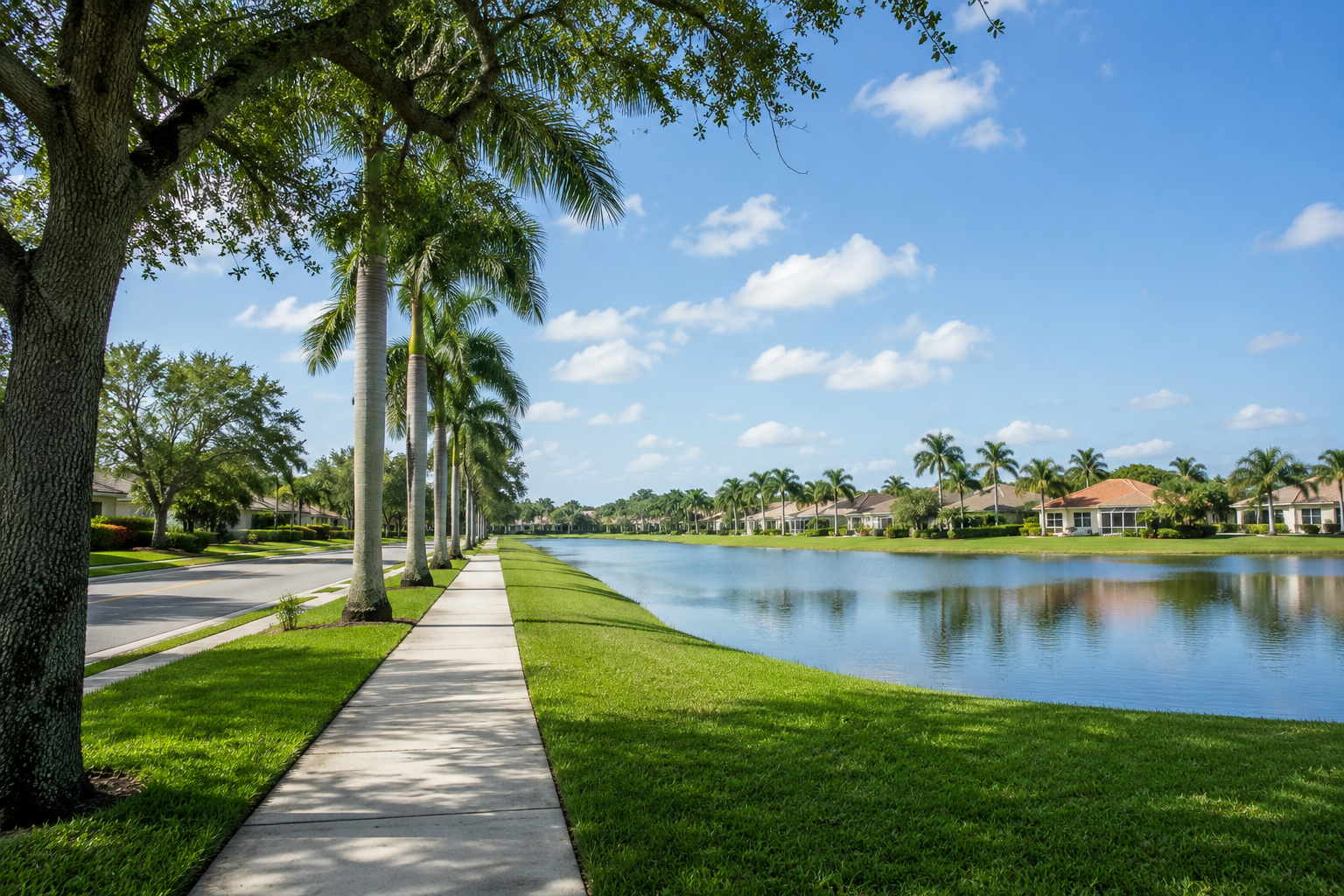
Palm-lined residential street in Lake Worth Florida with manicured landscaping and a well-kept South Florida home in bright daylight.

Selling a Home in Lake Worth FL Starts With Understanding Fit

For many homeowners, selling a home in Lake Worth FL is not only a pricing decision. It is often connected to how the property, the neighborhood, and the daily routine still fit the way life is actually being lived. Lake Worth has layers. Some owners value the character, proximity, and older-home personality. Others eventually feel the weight of upkeep, insurance concerns, layout limitations, or changing household needs.

That is where the decision becomes more nuanced than a simple market question. Compared with more uniform suburban areas nearby, Lake Worth can feel more varied from one pocket to another. A home may have strong appeal to one buyer and feel less practical to another. Sellers who understand that difference are usually better prepared to position the property clearly, without overexplaining or guessing.

Lake Worth Is Best Understood Through Daily Routine

Lake Worth is not a city people experience the same way from every address. Daily life can feel very different depending on where the home sits, how the streets connect, how close the owner is to major roads, and how much older-home maintenance is part of the equation.

Some buyers are drawn to the character and convenience. They like established neighborhoods, mature landscaping, and a setting that feels less newly manufactured. For those buyers, Lake Worth can make emotional sense quickly. They are not always looking for perfect symmetry. They may be looking for location, personality, and a home that feels grounded in a real neighborhood.

Other buyers hesitate. They may compare Lake Worth with newer-feeling communities or more predictable suburban layouts. That does not make the city weaker. It means fit matters. A buyer reviewing Lake Worth homes for sale is often sorting through more than price. They are trying to understand what ownership will feel like after the closing.

Ownership Realities Shape Buyer Confidence

Older homes can carry charm, but charm does not erase practical concerns. Roof age, insurance eligibility, electrical updates, plumbing condition, impact protection, drainage, HVAC age, and exterior maintenance all affect how buyers respond. In South Florida, those items are not side details. They influence confidence.

A seller may see a well-loved home. A buyer may see future decisions.

That gap is where positioning matters. Not every issue needs to be solved before listing, but every meaningful issue needs to be understood. A home that is priced and presented with awareness can feel far more trustworthy than a home that appears polished on the surface but leaves buyers uncertain about what they are inheriting.

Lake Worth home values and ownership decisions often depend on this practical layer. Two homes with similar square footage can produce very different buyer reactions if one feels easier to insure, maintain, and update. The Kull Group’s role in this type of conversation is not to make the city sound simpler than it is. It is to help sellers understand how buyers are likely to interpret the property in real-world terms.

How Lake Worth Compares With Nearby Suburban Alternatives

Comparison fatigue is common in Palm Beach County. Buyers rarely look at one city in isolation. They compare lifestyle, price, commute patterns, home age, maintenance expectations, lot size, and the emotional feel of the neighborhood. Lake Worth often enters that comparison as a more layered option.

Someone considering Lake Worth may also be looking west, north, or into communities with a more planned suburban rhythm. A buyer studying Royal Palm Beach homes for sale, for example, may be weighing a different kind of daily experience: wider suburban layouts, different ownership expectations, and a more consistent neighborhood pattern in many areas.

That comparison does not create a winner and loser. It clarifies the tradeoff.

Lake Worth may appeal to buyers who want proximity, character, established streets, or a less standardized housing feel. It may be less comfortable for buyers who want newer systems, predictable layouts, or fewer questions about future updates. Sellers benefit when they understand which buyer is most likely to connect with the home and which buyer may need more practical reassurance.

Explore Homes by City

If you're comparing areas, home types, or neighborhood environments, browsing homes by city can help put pricing and location tradeoffs into perspective.

Explore Homes by City

Seller Positioning Depends on More Than Recent Sales

Comparable sales matter, but they do not explain the whole story in Lake Worth. A seller also has to consider how the home feels against competing options. Is the property easier to maintain than buyers might expect? Does the layout support today’s routines? Are the updates meaningful or mostly cosmetic? Will insurance questions appear early? Does the outdoor space feel useful, or does it feel like another responsibility?

These questions influence buyer behavior before an offer is ever written.

A seller who understands the home’s practical strengths can present them clearly. A seller who understands the likely objections can prepare instead of react. Sometimes that means addressing a repair. Sometimes it means improving documentation. Sometimes it means adjusting expectations around pricing, timing, or negotiation.

There is also an emotional side. Longtime owners often remember the home through years of use, improvement, and attachment. Buyers see the same property through risk, lifestyle fit, and future cost. Good guidance helps translate between those two perspectives without dismissing either one.

What This Means for Buyers and Sellers in South Florida

Lake Worth shows why South Florida real estate decisions are rarely just about square footage. Buyers are often trying to reduce uncertainty. They want to know how a home will live, what it may require, and whether the location supports their routine. Sellers are trying to understand how much of their home’s value is obvious to the market and how much needs to be explained through preparation, pricing, and presentation.

Buyer caution is not always resistance. Sometimes it is a request for clarity.

In Lake Worth, that clarity may involve ownership history, condition, update quality, insurance readiness, and how the property compares with homes in nearby communities. A seller who ignores those concerns may mistake hesitation for lack of interest. A buyer who ignores them may choose a home that feels attractive but becomes harder to own than expected.

This is where The Kull Group’s local interpretation becomes useful. The decision is not only “What is the home worth?” It is also “Who is the home right for, what concerns will they have, and how should the property be understood in the larger Palm Beach County market?”

Long-Term Fit Matters After the Excitement Fades

Early interest can be emotional. Long-term satisfaction is usually more practical.

A buyer may love a Lake Worth home because it has character, location, or a feeling that newer homes do not always provide. After living there, the lasting fit depends on daily details: traffic patterns, maintenance rhythm, storage, layout, outdoor upkeep, storm preparation, and how the home handles changing needs over time.

Sellers should think about that honestly. The strongest positioning does not pretend every home fits every buyer. It identifies the buyer who will understand the property’s strengths and accept its responsibilities with open eyes.

That kind of positioning protects trust. It also reduces wasted energy. When a home is presented with local context, buyers can evaluate it more confidently, and sellers can avoid leaning on generic selling language that does not match the property’s real-world appeal.

Frequently Asked Questions

What should I think about before selling a home in Lake Worth FL?

Start with condition, buyer expectations, and how your home compares with nearby alternatives. In Lake Worth, buyers often look closely at roof age, insurance-related concerns, updates, layout, and maintenance needs. Pricing matters, but so does clarity. A well-positioned home helps buyers understand not only the value, but also what ownership may feel like after closing.

Why do some buyers hesitate when comparing Lake Worth with nearby cities?

Buyer hesitation often comes from uncertainty, not dislike. Lake Worth can offer character, location, and established neighborhoods, but some buyers compare that with newer layouts, more predictable communities, or lower perceived maintenance. The right fit depends on lifestyle, budget, tolerance for upkeep, and daily routine. Clear property information helps buyers decide with more confidence.

Keep Exploring South Florida Real Estate

If you're comparing communities, evaluating lifestyle tradeoffs, or trying to better understand how different parts of South Florida align with your long-term goals, reviewing additional local resources can help create clearer perspective.


About the Authors

Chris and Sue Kull are South Florida real estate professionals with more than three decades of experience helping buyers, sellers, and property owners navigate real estate decisions throughout Palm Beach County and surrounding communities.
May 24, 2026

Why Homeowners Move Sooner Than They Planned

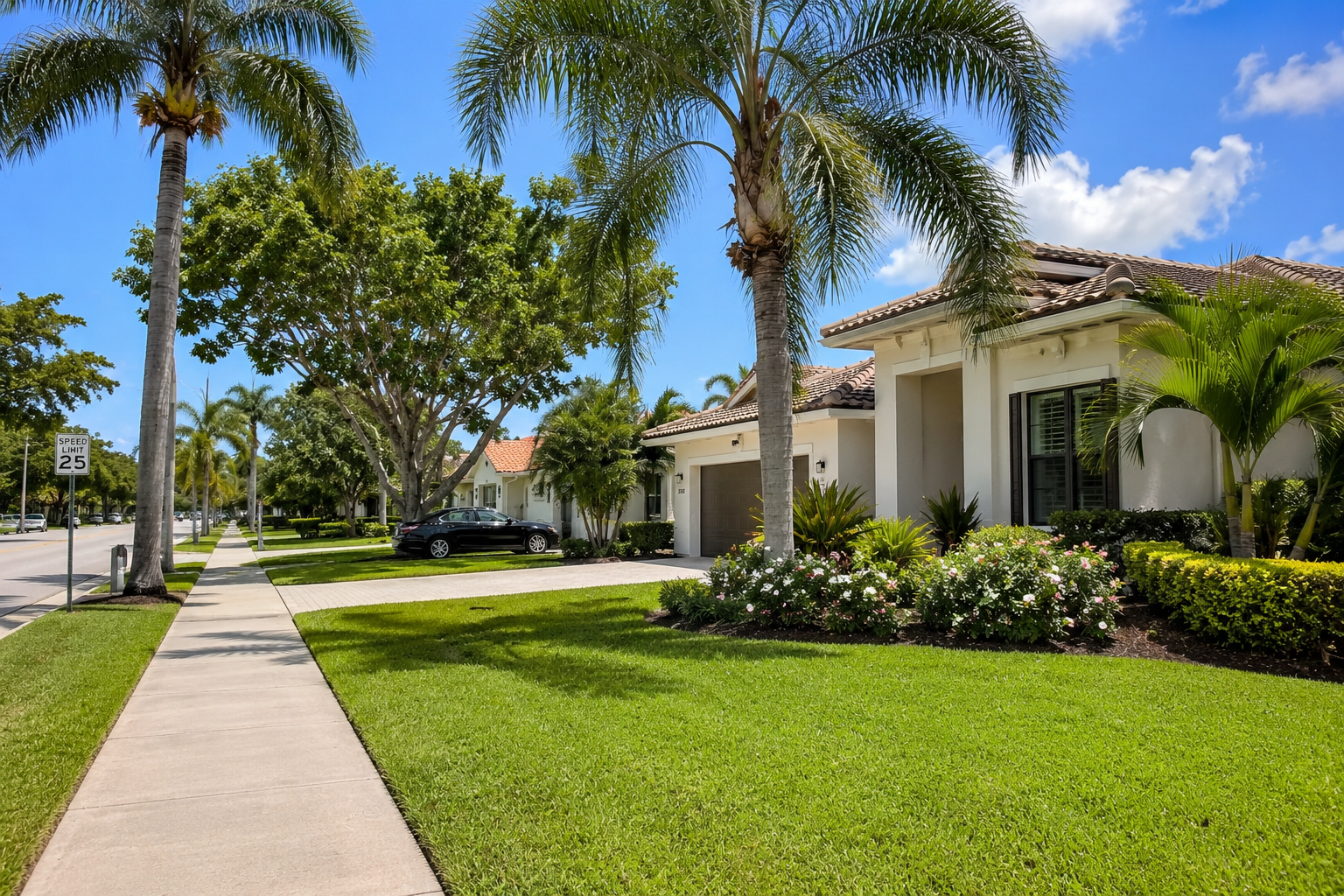
Beautiful South Florida residential home in Wellington featuring tropical landscaping, palm trees, bright natural light, and a calm neighborhood atmosphere that reflects the relaxed Palm Beach County lifestyle.

Why Homeowners Move Sooner Than They Planned

Most homeowners do not wake up one morning and decide the house is too much. It usually starts smaller than that. A repair gets delayed. A storm prep list feels heavier than it used to. The yard, roof, windows, insurance notices, service appointments, and weekend maintenance begin taking up more mental space than expected.

In South Florida, that feeling can build quietly because ownership here asks more from a homeowner than many people realize. Heat, humidity, storms, aging systems, rising costs, and changing lifestyle needs can turn a once-comfortable home into something that feels harder to carry.

That does not always mean selling is the right move. But it does mean the question deserves attention before frustration turns into urgency.

The Decision Often Starts Before Anyone Says It Out Loud

Many homeowners begin evaluating a move long before they tell family, neighbors, or even themselves. They may still like the home. They may still feel attached to the street, the memories, and the familiar routines. That is what makes the decision complicated.

The tension is not always about dislike. More often, it is about mismatch.

A home that worked well ten or fifteen years ago may now require more energy, more coordination, and more patience than the homeowner wants to keep giving. The layout may feel less convenient. The second floor may feel less useful. The pool may feel more like a responsibility than a pleasure. Small repairs may no longer feel small.

For homeowners in communities like Wellington, that realization can be especially subtle because many properties offer space, privacy, and lifestyle benefits that are hard to replace. But space also has to be maintained. Larger lots, older systems, seasonal preparation, and exterior upkeep can slowly change how a home feels day to day.

Ownership Fatigue Usually Builds Through Repetition

One repair is manageable. Three in a year feels different. A single insurance increase is frustrating. Repeated cost pressure changes how people think about the house. Preparing once for storm season is normal. Doing it year after year while also managing roof age, shutters, trees, drainage, generators, and contractors can wear people down.

That is ownership fatigue.

It is not laziness. It is not panic. It is the slow realization that the home now requires more physical, emotional, and financial attention than it once did. Homeowners often keep pushing through because they are responsible people. They handle the repairs. They make the calls. They maintain the property. They absorb the stress.

Eventually, though, the question changes from “Can we keep doing this?” to “Do we want to keep doing this?”

If You’re Thinking About Moving, It Usually Starts Here

Most homeowners don’t randomly decide to move. It builds over time. If you’re starting to think about selling and moving into something newer or easier to maintain, it usually comes down to one of these situations. Choose the one that feels closest to you.

Your home is starting to feel like too much to manage →

Maintenance, repairs, or simply keeping up with everything may be taking more time and energy than you want to keep giving.

You’re trying to make a smarter financial move →

You may be thinking about reducing expenses, using your equity differently, or moving into a home that fits your long-term plans better.

You want something newer, simpler, and easier to live in →

Many homeowners reach a point where they want less maintenance, a more efficient layout, and a home that feels easier day to day.

When the House Still Has Value but No Longer Fits

One of the hardest parts of this decision is that the home may still be a good home. It may be well located, desirable, and valuable. That can make homeowners feel guilty for questioning whether they still want to live there.

But market value and lifestyle fit are not the same thing.

A home can be worth a significant amount and still feel exhausting. It can have equity, location strength, and buyer appeal while no longer supporting the way the owner wants to live. That is why understanding value matters before making assumptions. A realistic estimate from a local source such as a Palm Beach County home value review can help separate emotion from practical options.

Some homeowners discover they have more flexibility than they expected. Others realize the numbers do not yet support a move. Both answers are useful. Clarity is the point.

The South Florida Layer Makes the Decision More Personal

South Florida ownership has its own rhythm. Roof condition matters. Insurance underwriting matters. HVAC age matters. Impact glass, shutters, drainage, landscaping, pool systems, and exterior maintenance all affect how manageable a home feels.

In areas like Boynton Beach, where homeowners may be comparing older established neighborhoods with newer, lower-maintenance options nearby or farther north, the decision is rarely just about square footage. It is about how much house-related friction they want in daily life.

That is why some people move sooner than planned. Not because the home failed them. Because the season of life changed.

For one homeowner, the turning point may be another major repair. For another, it may be the realization that weekends are being spent managing the property instead of enjoying life. For someone else, it may be watching costs rise while the home feels less aligned with future plans.

What This Means for Buyers and Sellers in South Florida

For sellers, ownership fatigue can affect timing, preparation, and decision quality. A homeowner who waits until they are completely overwhelmed may rush repairs, accept incomplete advice, or make decisions from frustration rather than strategy.

A calmer approach starts earlier. It looks at condition, likely buyer expectations, market timing, property presentation, equity position, and realistic next-step options before pressure takes over.

For buyers, this same pattern matters because many homes coming to market are not being sold simply because someone wants a change. They may be sold because the owner is ready to release the burden of maintenance, cost, or lifestyle mismatch. Understanding that can shape negotiations, repair conversations, and expectations around older South Florida homes.

This is where experienced local guidance matters. The Kull Group often helps homeowners interpret the practical side of these decisions without forcing the answer. Sometimes the best move is to prepare now and sell later. Sometimes it is to simplify sooner. Sometimes it is simply to understand the options clearly enough to stop carrying the uncertainty alone.

The Realization Moment Usually Feels Quiet

There is often a moment when a homeowner stops asking whether they can keep up and starts admitting that they may not want to.

That moment does not need to become a rushed listing decision. It can become a planning decision. Homeowners who are beginning to feel that the house has become too much can explore what it means when a home starts to feel harder to manage before deciding whether a move actually makes sense.

That distinction matters. Selling from exhaustion can create regret. Planning from awareness can create control.

The goal is not to convince yourself to move. The goal is to understand whether staying still feels sustainable, whether simplifying would reduce pressure, and whether your current home still supports the life you are trying to build now.

Frequently Asked Questions

How do I know if I am truly ready to move or just tired of maintenance?

Start by separating temporary frustration from repeated patterns. If one repair or expense caused the feeling, you may simply need a plan for the house. If the home consistently feels draining, expensive, inconvenient, or harder to manage than you want, it may be worth exploring options. You do not need to decide immediately. A practical review of condition, value, costs, and lifestyle fit can help you understand whether staying, improving, or moving is the more reasonable path.

Should I wait until the house needs major repairs before deciding?

Waiting can feel easier emotionally, but it may reduce your control. In South Florida, roof age, insurance concerns, storm preparation, and deferred maintenance can influence buyer confidence and sale timing. Reviewing your options before major repairs become urgent gives you more room to think clearly. You may still decide to stay. But knowing the likely value, repair exposure, and next-step choices can prevent a rushed decision later.

Keep Exploring South Florida Real Estate

If you're trying to better understand whether staying, selling, or simplifying makes sense, exploring more South Florida real estate guidance can help create clarity before making a major decision.


About the Authors

Chris and Sue Kull are South Florida real estate professionals with more than three decades of experience helping homeowners, buyers, sellers, and relocating families navigate real estate decisions throughout Palm Beach County and surrounding communities.

May 22, 2026

Why Wellington FL Homes Often Connect Faster With Buyers

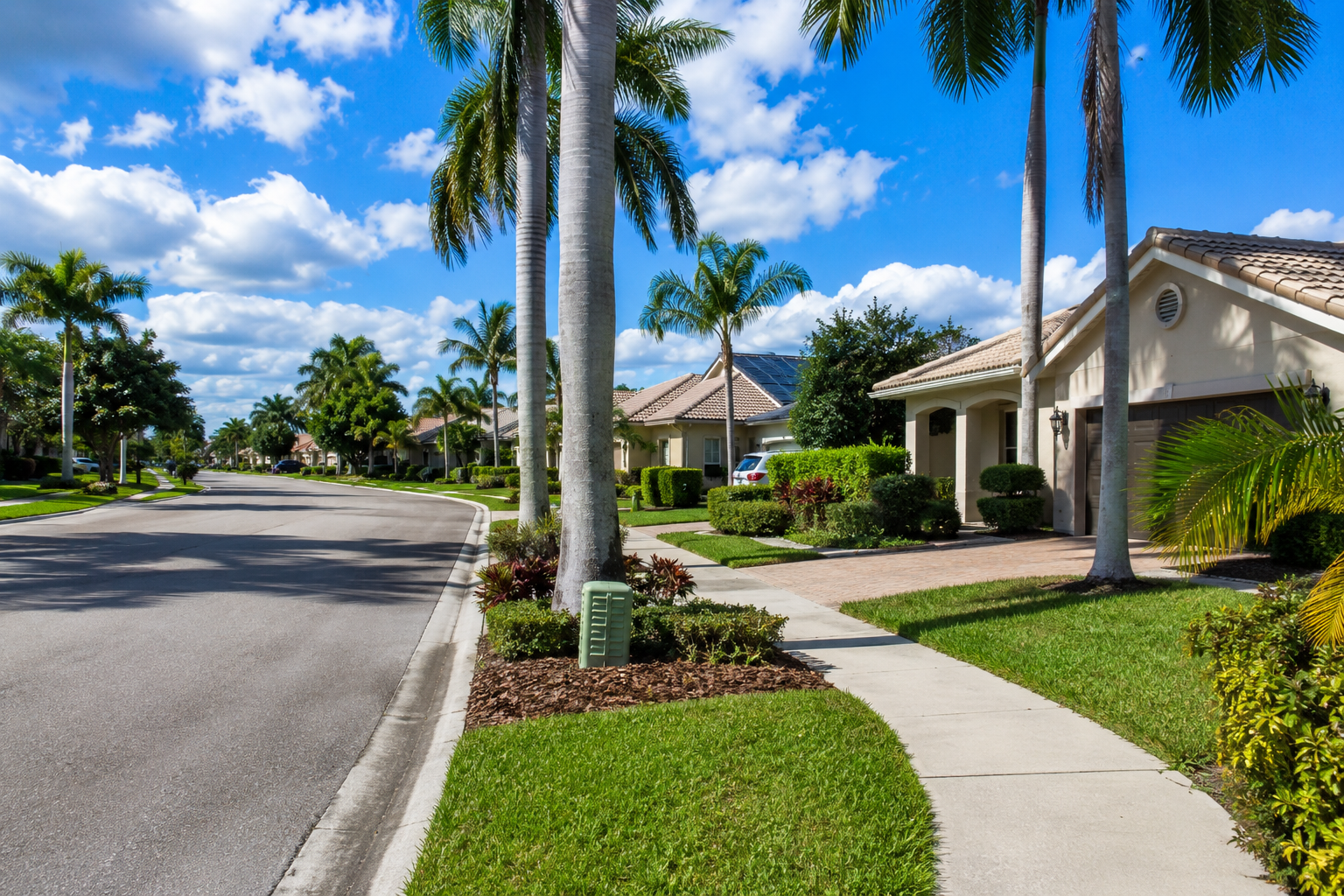
Palm tree-lined residential street in Wellington Florida with sidewalks, manicured lawns, and well-maintained suburban homes.

Why Some Buyers Connect With Wellington Faster Than Nearby Alternatives

Selling a home in Wellington FL often requires more than understanding square footage, recent sales, and basic neighborhood demand. Wellington tends to create a faster emotional reaction in certain buyers because the city feels different from many nearby alternatives in Palm Beach County. Some buyers immediately understand its slower residential rhythm, larger planned communities, equestrian identity, family routines, and west-of-coast lifestyle structure. Others need time to decide whether that environment fits how they actually live.

That difference matters for sellers. Wellington is not always evaluated the same way as coastal, denser, or more commuter-centered communities. Buyers often compare it against places that feel more urban, more compact, or more convenient to different work and lifestyle patterns. The strength of Wellington is not that it fits everyone. Its strength is that when the fit is clear, buyers often recognize it quickly. Understanding that behavior helps sellers position the home with more confidence and helps buyers avoid choosing an area that only looks right on paper.

Wellington Works Best When Buyers Understand the Daily Rhythm

Wellington has a residential pace that feels intentional. The city does not usually attract people who want a dense downtown lifestyle, constant nightlife, or a coastal environment where the beach defines daily identity. It tends to make more sense for buyers who want room to settle into routines, manage family schedules, live near parks and community spaces, or feel anchored in a more suburban part of western Palm Beach County.

That daily rhythm is one reason buyers sometimes connect with Wellington faster than nearby alternatives. They may drive through the area and notice that the decision feels less about one feature and more about how the whole place functions. Streets feel planned. Neighborhoods feel separated enough to create identity. Errands, school routines, equestrian activity, youth sports, and home-centered living tend to shape how people experience the city.

For sellers, this changes how a home should be understood. A Wellington property is not only competing on finishes or list price. It is being judged by whether the home supports the lifestyle a buyer is already trying to build. A buyer comparing Wellington homes for sale may be looking for a certain floor plan, but the deeper question is usually whether the home makes daily life feel easier, more grounded, or more compatible with long-term routines.

Some buyers need that space and order. Others may feel the distance from the coast or downtown energy more sharply than they expected. Neither reaction is wrong. It simply shows why Wellington tends to reward clear lifestyle fit rather than broad, generic appeal.

The Ownership Experience Is Strong, But It Comes With Expectations

Owning in Wellington often feels different from owning in communities where smaller lots, tighter streets, or older housing patterns dominate the decision. Many Wellington homes are part of planned neighborhoods, gated communities, larger subdivisions, or areas where buyers expect a certain level of maintenance and presentation. That creates stability, but it also creates responsibility.

Buyers often respond well to Wellington when they want a home that feels organized, private, and substantial. They may be drawn to larger floor plans, pool homes, community amenities, garage space, or neighborhood environments that support family life. At the same time, those same features can raise questions about upkeep, insurance, roof age, landscaping, HOA rules, seasonal maintenance, and long-term ownership costs.

That is where Wellington home values and ownership become connected. Value is not only about what a buyer can afford on the purchase date. It is also about whether the buyer understands what the home will require over time. A home with strong curb appeal, a functional layout, and visible care can create confidence quickly. A home with deferred maintenance, confusing updates, or unclear positioning may make buyers hesitate even when the location is desirable.

For homeowners preparing to sell, this is important. Wellington buyers may be practical, but they are not usually indifferent. They often look closely at whether the property feels well managed. They notice whether major systems appear cared for. They compare outdoor spaces, roof condition, kitchen usefulness, natural light, privacy, and how the home lives during a normal week.

Presentation in Wellington should not feel forced or overly polished. It should reduce uncertainty. The goal is to help the right buyer understand the home without creating friction that distracts from the lifestyle fit.

Why Wellington Can Feel More Immediate Than Nearby Communities

Some Palm Beach County communities require buyers to sort through competing identities. A buyer may be trying to decide between coastal convenience, urban access, newer construction, affordability, commute routes, school preferences, or lifestyle flexibility. Wellington tends to clarify the decision faster because its identity is less ambiguous.

The equestrian presence gives the city a distinct seasonal rhythm. Even buyers who are not directly involved in equestrian life often notice how much that identity influences the area’s feel, traffic patterns, rental demand, seasonal activity, and perception of prestige. The city also has a strong family-oriented structure, with neighborhoods that often appeal to buyers who want space, predictability, and a less compressed version of South Florida living.

That does not mean Wellington is simple. Its neighborhoods can feel very different from one another. Some areas feel more established. Others feel newer, more amenity-driven, or more private. Certain homes appeal strongly to buyers who want equestrian access or larger property characteristics. Others appeal to families, seasonal residents, or buyers moving west because they want more home for their money than they might find closer to the coast.

Compared with Boynton Beach homes for sale, Wellington often presents a different lifestyle calculation. Boynton Beach can offer access to a wider mix of coastal proximity, commuting routes, and east-west housing options. Wellington is more specific. It asks buyers to decide whether the western Palm Beach County rhythm fits their real life, not just their budget.

That specificity is why some buyers connect quickly. They are not merely choosing a home. They are recognizing a pattern of living that feels familiar before they can fully explain it.

Explore Homes by City

If you're comparing areas, home types, or neighborhood environments, browsing homes by city can help put pricing and location tradeoffs into perspective.

Explore Homes by City

What Sellers Should Understand About Buyer Psychology in Wellington

A Wellington seller benefits from understanding how buyers emotionally process the area. Many buyers do not arrive with only one question. They are often comparing commute tolerance, school routines, home size, neighborhood feel, outdoor space, HOA structure, seasonal traffic, and how the city will feel after the excitement of the move wears off.

That kind of buyer is not always persuaded by aggressive selling language. They are more likely to respond to clarity. They want to see how the home lives. They want to understand whether the layout supports everyday movement. They want to know whether the outdoor space is usable, whether the home feels maintained, and whether the neighborhood environment matches the life they are trying to build.

In Wellington, sellers can lose momentum when they treat the property as interchangeable with homes in surrounding cities. The location has its own psychology. A pool home in Wellington may speak to family routines, weekend hosting, seasonal visitors, or a buyer who wants more residential privacy. A home near equestrian areas may carry a different interpretation than a home in a more traditional gated subdivision. A property with updates may need to be positioned around confidence and livability, not simply cosmetic appeal.

Pricing also has to respect buyer caution. When a home is priced without acknowledging condition, neighborhood expectations, or competing choices nearby, buyers may pause rather than negotiate quickly. That hesitation is not always about dislike. Often, it is about uncertainty. A buyer may like Wellington, but still need the home itself to justify the commitment.

The stronger the presentation, the easier it becomes for buyers to connect the property to their future routines. That is where local interpretation matters. A seller does not need hype. A seller needs the home’s best-fit buyer to understand why this property, in this part of Wellington, makes sense.

Buying in Wellington Requires More Than Liking the Look of the Home

Wellington can be appealing on a first visit, especially for buyers who are tired of tighter neighborhoods, older housing stock, or areas that feel busier than expected. The mistake is assuming that liking the look of the city means every part of the city will fit the same way.

Different buyers experience Wellington differently depending on work location, school needs, family structure, seasonal travel, preferred shopping patterns, and tolerance for west Palm Beach County driving. Someone who works nearby may find the city extremely manageable. Someone commuting east or south every day may need a more careful read on drive patterns. A buyer who values larger homes and neighborhood order may feel comfortable quickly. Another buyer may eventually realize they prefer a more compact area with faster access to coastal amenities.

That is why lifestyle fit matters so much. A home can be attractive, fairly priced, and well maintained, yet still be wrong for a buyer whose daily life depends on a different geographic pattern. Wellington rewards buyers who think beyond the showing. How will mornings feel? How often will they drive east? Will weekend routines stay local, or will they constantly pull outside the city? Does the neighborhood feel peaceful or too quiet? Does the HOA structure create comfort or friction?

These questions are not obstacles. They are decision filters. Buyers who ask them early tend to make stronger choices. They are less likely to be distracted by surface-level comparisons and more likely to understand why a home in Wellington either supports their life or complicates it.

What This Means for Buyers and Sellers in South Florida

Wellington shows how South Florida real estate decisions are rarely just about price and property features. Buyers are often trying to solve for identity, routine, predictability, family needs, commute tolerance, and long-term comfort at the same time. Sellers are trying to position a home inside that decision process without overexplaining or overselling it.

In practice, that means Wellington buyers may move quickly when the lifestyle fit is obvious, but they can also become cautious when the home creates unanswered questions. They may value space and neighborhood structure, yet still worry about maintenance, insurance, traffic, HOA expectations, or whether the western location will feel right after several years. That tension is normal. It is part of how serious buyers evaluate a community with a strong identity.

For sellers, the implication is clear: the best strategy is not to make the home sound universally appealing. The better strategy is to make the home understandable to the buyers most likely to value Wellington’s specific lifestyle. That may involve emphasizing care, function, privacy, layout, outdoor living, neighborhood rhythm, or proximity to the routines that matter most to the likely buyer pool.

For buyers, the lesson is equally practical. Comparing South Florida communities requires more than asking which city is popular or which home looks better online. The real decision is whether the city supports the way they actually live. Wellington often becomes the right answer when the buyer wants structure, space, community identity, and a calmer residential pattern. It becomes the wrong answer when the buyer needs a different kind of convenience or daily movement.

Long-Term Livability Depends on Fit, Not Just First Impressions

First impressions can be powerful in Wellington. The city’s organization, landscaping, neighborhood scale, and residential consistency can give buyers a sense of stability that feels reassuring. But long-term livability depends on whether that first impression holds up during ordinary life.

A family with school routines, sports schedules, pets, visiting relatives, or work-from-home needs may find Wellington especially practical. A seasonal buyer may appreciate the structure, privacy, and community feel. A seller who has lived in Wellington for years may understand the value intuitively but still need help translating that value to buyers who are comparing multiple areas across Palm Beach County.

The strongest decisions come from matching the home, neighborhood, and city rhythm to the person making the decision. That is also where experienced local guidance becomes valuable. The Kull Group’s role is not simply to describe homes or repeat market data. It is to help buyers and sellers interpret how a community functions, where tradeoffs appear, and how a real estate decision will likely feel once daily life begins.

Wellington tends to reward that kind of interpretation. It is a city where the right fit can feel clear, but the wrong fit can become expensive emotionally and financially. Buyers who understand the rhythm make more confident choices. Sellers who understand the buyer psychology position their homes with more precision. Both sides benefit when the city is evaluated as a living environment, not just a location on a search map.

Frequently Asked Questions

Why do some buyers choose Wellington over nearby Palm Beach County communities?

Some buyers choose Wellington because the city supports a more residential, structured, and space-oriented lifestyle than many nearby areas. They may want larger homes, planned neighborhoods, equestrian influence, family routines, or a quieter western Palm Beach County setting. Wellington is not the right fit for every buyer, especially those who need faster coastal access or denser daily convenience, but it can feel clear quickly when the lifestyle matches.

What should sellers consider before listing a Wellington home?

Sellers should consider how buyers will interpret the home’s condition, layout, maintenance history, outdoor space, neighborhood setting, and long-term ownership costs. Wellington buyers often respond to homes that feel well cared for and easy to understand. Strong presentation should reduce uncertainty, not create hype. The goal is to help the right buyer connect the property with the daily routines and lifestyle expectations that make Wellington appealing.

Keep Exploring South Florida Real Estate

If you're comparing communities, evaluating lifestyle tradeoffs, or trying to better understand how different parts of South Florida align with your long-term goals, reviewing additional local resources can help create clearer perspective.


About the Authors

Chris and Sue Kull are South Florida real estate professionals with more than three decades of experience helping buyers, sellers, and property owners navigate real estate decisions throughout Palm Beach County and surrounding communities.
May 21, 2026

Delray Beach Real Estate and Daily Living Fit Over Time

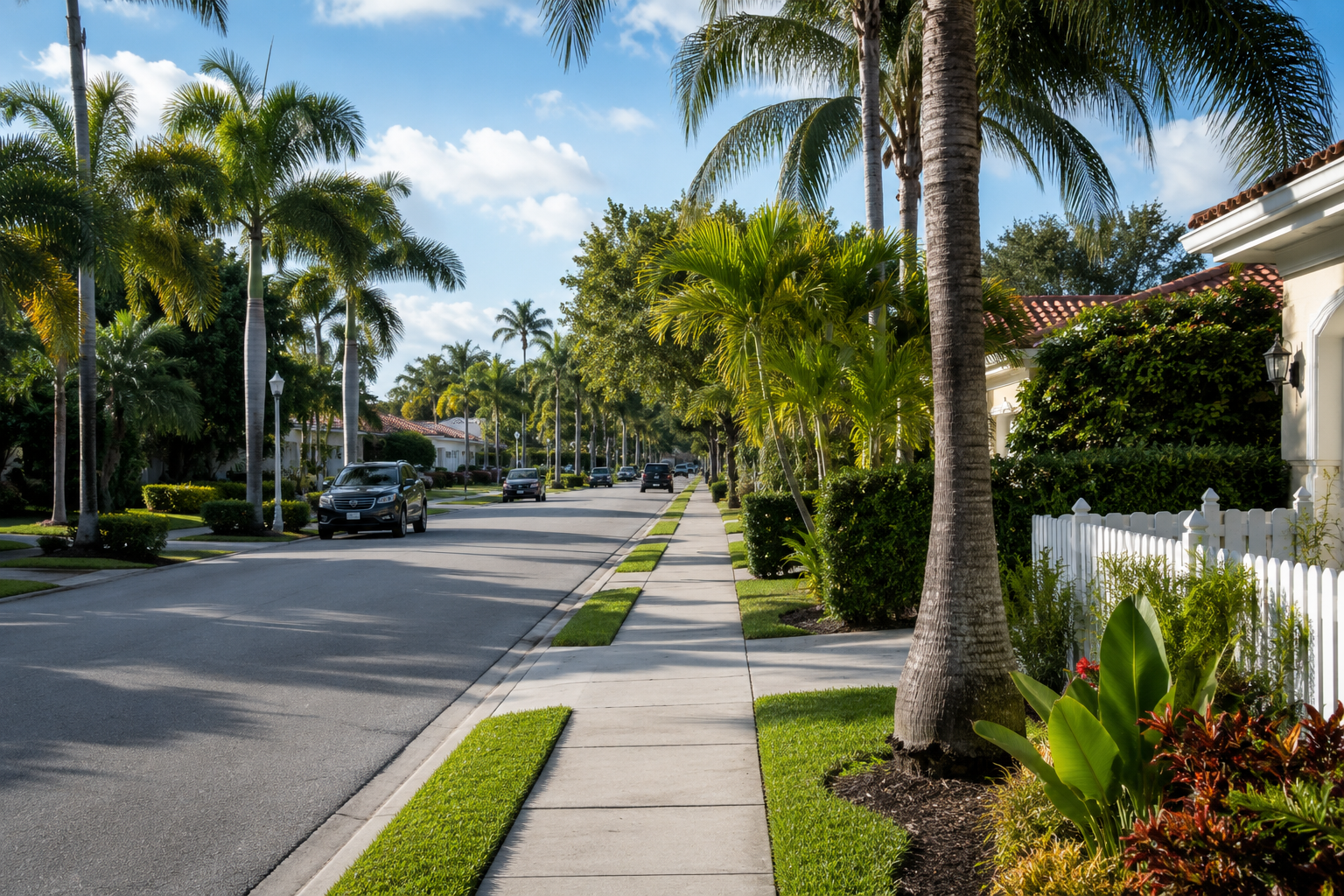
Palm-lined residential street in Delray Beach with sidewalks, tropical landscaping, and well-kept South Florida homes in daylight

How Daily Life in Delray Beach Actually Feels Over Time

Delray Beach FL real estate is often discussed through prices, neighborhoods, beach proximity, and downtown access, but those details only explain part of the decision. The deeper question is how life in Delray Beach actually feels once the novelty settles into routine. Some people are drawn to its energy and walkable pockets. Others discover that the same activity, traffic patterns, parking pressure, and seasonal rhythm require more tolerance than they expected. Delray Beach is not a one-note coastal city. It can feel polished, social, relaxed, busy, established, expensive, casual, and demanding depending on where someone lives and how they move through the area. Compared with quieter nearby communities, Delray often asks residents to accept more activity in exchange for convenience, personality, and access. That tradeoff matters. A good real estate decision here is not just about liking the city. It is about understanding whether the daily experience matches the way someone wants to live.

Delray Beach Has a Strong Personality, and That Shapes Daily Life

Some South Florida cities fade into the background. Delray Beach does not. It has a visible rhythm, a social current, and a level of activity that becomes part of everyday living. For many residents, that is exactly the appeal. Coffee, errands, dining, beach access, fitness routines, and social plans can feel easier to fold into the week because the city gives people places to go without feeling disconnected from home.

That same personality can feel different over time than it does during a weekend visit. A buyer may enjoy Atlantic Avenue during a showing day, then later realize that living near the most active corridors means thinking about parking, traffic timing, event congestion, and seasonal movement. The city rewards people who like convenience and stimulation. It can frustrate people who expected a quieter coastal routine without the operational realities that come with popularity.

Living in Delray Beach FL often works best for people who want their surroundings to feel alive but not chaotic every minute. They may value access more than privacy. They may be willing to trade a little quiet for a shorter drive to restaurants, beach areas, shops, medical services, and everyday conveniences. That tradeoff is not right or wrong. It simply needs to be understood before buying.

Real estate decisions in Delray are also shaped by proximity. A home east of I-95 may create a very different daily pattern than a property farther west. Near-downtown living can feel connected and immediate. Western Delray can feel more residential, more spread out, and more dependent on car routines. The name of the city stays the same, but the lived experience changes significantly.

Daily Routines Matter More Than the Brochure Version of the City

The most accurate way to understand Delray Beach is to imagine an ordinary Tuesday, not a perfect Saturday. Where will groceries happen? How long will it take to cross town during season? Does the household want to walk to dinner, or is quiet outdoor space more important? Will the beach be part of weekly life, or mostly an idea that sounds good during the search?

Buyers sometimes overestimate how much they will use the most visible lifestyle features of a city. They picture beach mornings, downtown evenings, and spontaneous plans. Some absolutely live that way. Others settle into routines built around work, healthcare appointments, family obligations, pets, errands, home maintenance, and traffic timing. Delray can support both patterns, but not every neighborhood supports them equally.

This is where Delray Beach homes for sale should be evaluated through more than bedroom count, lot size, and price. A property that looks right online may create the wrong routine if it places someone too far from the parts of Delray they expect to use. Another home may seem less dramatic at first glance but fit daily life better because the location reduces friction.

For homeowners, the routine test is just as important. A seller may know the city’s appeal, but buyers are not only purchasing Delray Beach as an idea. They are assessing whether the property helps them live the version of Delray they have in mind. A home that supports ease, access, privacy, or lifestyle clarity will usually speak more strongly than one positioned only around broad city appeal.

Ownership in Delray Beach Can Feel Rewarding, but It Is Not Effortless

Delray Beach has many homes with charm, character, and established surroundings. It also has properties where age, maintenance, insurance considerations, roofing history, flood concerns, landscaping, older systems, and renovation expectations can become part of ownership sooner than buyers expect.

That is not a warning against older homes. In many cases, they are part of what gives certain Delray neighborhoods their appeal. Mature landscaping, varied architecture, and less uniform streets can create a sense of place that newer communities may not replicate. The ownership question is whether the buyer understands the cost and responsibility behind that character.

South Florida ownership is already more complex than many people expect. Heat, humidity, storms, insurance scrutiny, roof age, drainage, irrigation, termites, and exterior maintenance all matter. In Delray Beach, those factors may combine with stronger buyer expectations because the city carries name recognition. A home does not simply need to look appealing. It needs to make sense under inspection, insurance review, and long-term maintenance planning.

Sellers should pay attention to that psychology. Buyers may love Delray, but love does not erase caution. When a buyer sees visible deferred maintenance, unclear upgrades, older systems, or unresolved exterior issues, the concern is rarely limited to the item itself. They start wondering what else has been ignored. That doubt can affect showing response, offer strength, inspection negotiations, and the perceived value of the home.

For many owners, preparing a Delray Beach property is less about over-improving and more about reducing uncertainty. Clean documentation, thoughtful presentation, credible pricing, and clear condition signals can help buyers feel the home is understandable. In a city where demand can be strong but buyers are still selective, clarity has real value.

Delray Beach Fits Certain Buyers Naturally and Challenges Others Quietly

Some buyers immediately understand Delray Beach. They want access, movement, social options, beach proximity, and a city that feels distinct from more uniform suburban areas. They may not need the quietest street or the largest home. They want a lifestyle that gives them choices without requiring a long drive for everything.

Other buyers like the idea of Delray more than the experience of living there. They may be drawn to the city’s reputation but become uncomfortable with pricing, seasonal intensity, parking friction, older-home upkeep, or smaller lots in certain areas. The mismatch is not always obvious at first. It often appears when buyers begin comparing actual homes against the lifestyle they imagined.

This is why nearby comparisons matter. Someone who wants coastal access but less daily intensity may evaluate Lantana homes for sale differently after spending time in Delray. Another buyer may compare Lantana and decide they prefer Delray’s stronger city identity, broader dining scene, and more active environment. The comparison does not make one city better. It clarifies fit.

Delray often works for buyers who are honest about tradeoffs. If they want energy, they should expect movement. If they want charm, they should evaluate maintenance. If they want proximity, they should understand pricing. If they want quiet, they need to choose the micro-location carefully rather than assuming the city will provide it automatically.

The buyers who struggle most are usually not the ones with the smallest budgets. They are the ones with unclear priorities. Delray can pull people in several directions at once. Without a strong sense of what daily life should feel like, the search can become scattered.

What This Means for Buyers and Sellers in South Florida

For buyers, Delray Beach requires more interpretation than a simple search filter can provide. Price, square footage, and map location matter, but they do not explain daily fit. A home close to activity may bring convenience and noise. A quieter location may require more driving. A charming older home may offer character while asking for a more realistic maintenance budget. A newer or renovated property may reduce uncertainty but carry a different price expectation.

Buyer caution in Delray is often tied to the cost of being wrong. When someone is paying for a desirable South Florida location, they tend to scrutinize condition, insurance factors, neighborhood feel, and resale flexibility. That caution does not mean they are not serious. It means they are trying to avoid buying the wrong version of the city.

For sellers, positioning matters because buyers are not all responding to Delray Beach in the same way. Some want walkability. Some want privacy. Some want seasonal use. Some want full-time daily convenience. Some care most about condition and lower maintenance exposure. A seller who understands which buyer is most likely to value the property can present the home with more discipline.

Ownership psychology also affects negotiation. Buyers may be willing to pay for location, but they are less willing to absorb uncertainty without explanation. Sellers who prepare the home, document improvements, price realistically, and understand local buyer concerns are usually in a stronger position than sellers who rely only on the city’s reputation.

In South Florida, desirable geography helps, but it does not remove friction. Delray Beach has strong identity and long-term appeal, yet each property still has to pass the test of daily use, financial comfort, condition confidence, and lifestyle alignment.

Long-Term Livability Depends on the Version of Delray You Choose

Delray Beach is not one experience. It is several experiences sharing one city name. That is why long-term satisfaction depends heavily on choosing the right version rather than simply choosing the right address on paper.

A full-time resident may care about weekday traffic, grocery access, medical proximity, maintenance demands, neighborhood quiet, and how easily guests can visit. A seasonal owner may prioritize lock-and-leave convenience, beach access, dining options, and a property that does not require constant attention. A seller moving within Palm Beach County may care less about city image and more about whether the next home reduces daily friction.

Over time, small inconveniences become more important. A drive that felt acceptable during the search can become annoying if repeated several times a week. A lively location can feel energizing at first and intrusive later. A larger property can feel impressive during purchase and burdensome after a few years of upkeep. Delray rewards buyers who think honestly about those patterns before they commit.

The city has staying power because it offers a recognizable mix of coastal access, personality, convenience, and neighborhood variety. Still, lasting satisfaction comes from alignment. The home, location, cost structure, and daily routine have to work together. When they do, Delray Beach can feel deeply livable. When they do not, even a desirable address can feel heavier than expected.

FAQ

Is Delray Beach better for full-time living or seasonal ownership?

Delray Beach can work for both, but the right location and property type may be different. Full-time residents usually focus more on daily traffic, errands, healthcare access, maintenance, and neighborhood quiet. Seasonal owners may prioritize convenience, walkability, beach access, security, and lower day-to-day responsibility. The key is not whether Delray fits one group better. It is whether the specific home supports the way the owner will actually use it.

What should buyers be careful about when considering Delray Beach?

Buyers should look beyond the city’s reputation and evaluate how the home fits daily life. Important issues include location within Delray, insurance factors, roof age, flood considerations, traffic patterns, property condition, maintenance expectations, HOA rules, and resale flexibility. A home can be in a desirable city and still create the wrong routine or cost structure. The strongest decisions come from comparing lifestyle appeal against practical ownership realities.

Keep Exploring South Florida Real Estate

If you're comparing communities, evaluating lifestyle tradeoffs, or trying to better understand how different parts of South Florida align with your long-term goals, reviewing additional local resources can help create clearer perspective.


About the Authors

Chris and Sue Kull are South Florida real estate professionals with more than three decades of experience helping buyers, sellers, and property owners navigate real estate decisions throughout Palm Beach County and surrounding communities.
May 21, 2026

When Selling and Buying Again Makes Financial Sense Now

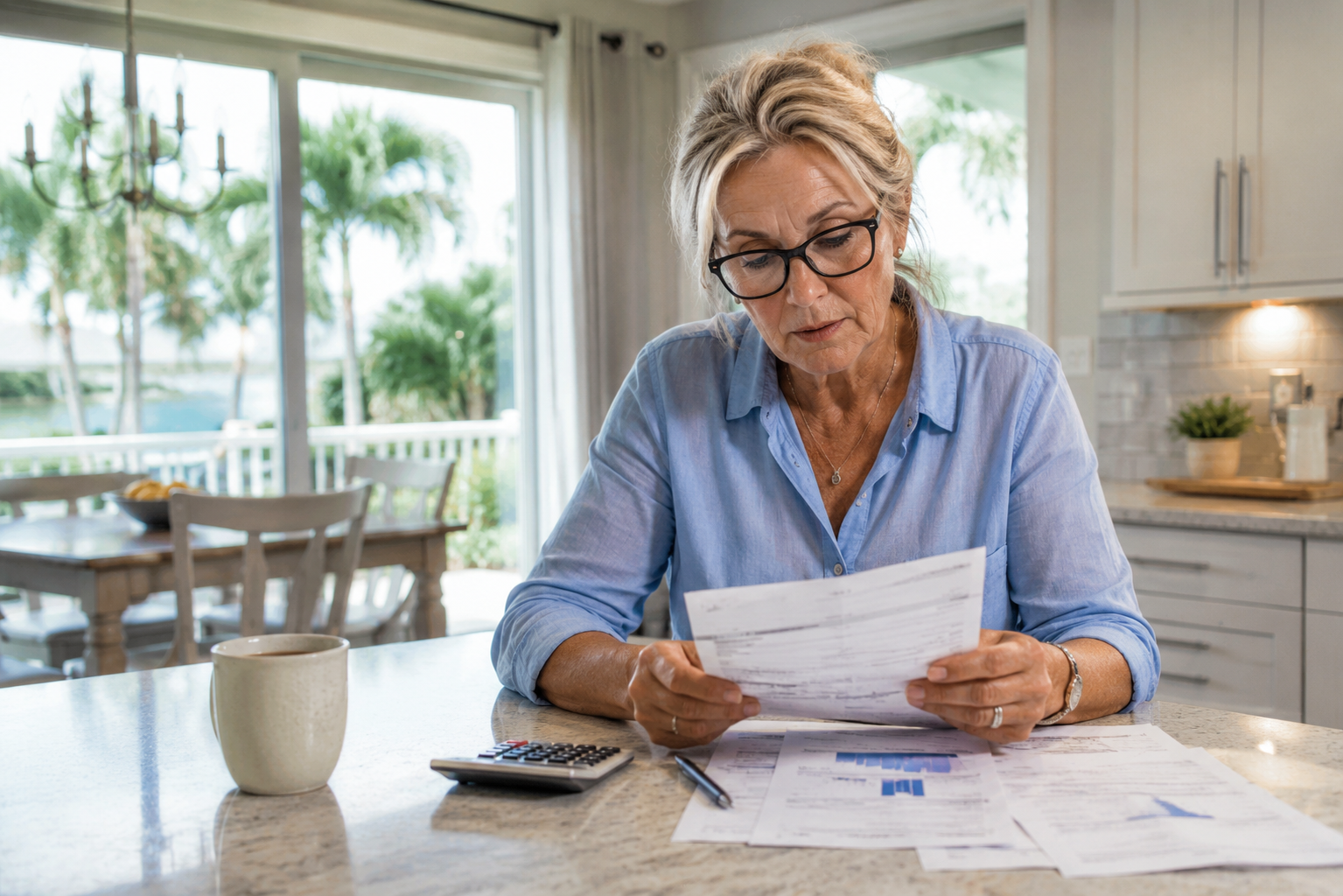
South Florida homeowner reviewing household expenses in a bright kitchen with palm trees visible outside during daylight

When Selling and Buying Again Actually Makes Financial Sense

There is a point when a South Florida homeowner stops asking whether the house is still beautiful and starts asking whether it still makes financial sense. The shift is often quiet. Insurance renewals arrive higher than expected. Maintenance costs feel less predictable. Taxes, repairs, storm preparation, and older-home inefficiencies begin to compete with the lifestyle the home was supposed to support.

That does not automatically mean selling is the right move.

It does mean the decision deserves a more complete look than a simple estimate of what the home might sell for. For many Palm Beach County homeowners, the real question is whether selling and buying again could create a more sustainable ownership structure. Not a cheaper life in every category. Not a perfect reset. A smarter alignment between equity, monthly costs, future risk, and how the homeowner actually wants to live next.

The Financial Question Is Usually Bigger Than the Sale Price

Many homeowners begin with one number: what their home may be worth. That number matters, but it rarely tells the full story. A strong sale price can still lead to a poor move if the next purchase creates higher monthly pressure, weaker flexibility, or a less stable long-term cost structure.

The better question is not only, “What can I sell for?” It is, “What does this home cost me to keep, and what would ownership look like if I repositioned my equity?”

In South Florida, that calculation has become more layered. Insurance is no longer a background expense for many owners. Roof age, wind mitigation credits, flood considerations, carrier changes, and deductibles can influence the real cost of staying. Older systems may still function, but they can carry uncertainty. A home can feel financially comfortable on paper while still creating a growing sense of exposure.

That is why homeowners in coastal and established areas often start comparing current ownership against newer or more predictable options. For someone reviewing the numbers around homes for sale in Delray Beach, the question may not be whether Delray remains desirable. It may be whether the next version of ownership offers better cost control than the current one.

Equity can be useful, but trapped equity does not always improve daily life. If a homeowner has substantial value in a property but is carrying rising upkeep, increasing insurance, or looming repair decisions, the equity may be doing less than it could. Selling and buying again starts to make sense when the move improves the relationship between value, stability, and future financial breathing room.

When the Current Home Starts Creating Financial Drag

Financial drag does not always feel dramatic. It often shows up as a pattern of small decisions that become harder to ignore. A repair is postponed because the quote feels high. An insurance premium renews higher than expected. A roof conversation moves from “someday” to “soon.” A homeowner begins wondering whether the next five years will be more expensive than the last five.

This is where many owners get stuck. The home may be paid down. The neighborhood may still be good. The memories may be meaningful. From the outside, moving can look unnecessary.

Inside the decision, though, the math feels different.

Carrying an older home in South Florida can involve more than mortgage payments. There may be pool upkeep, landscaping, storm preparation, aging HVAC systems, older windows, higher insurance scrutiny, larger utility usage, and the unknown cost of deferred maintenance. None of these automatically justify selling. Together, they may change the financial character of the home.

For homeowners comparing established Palm Beach County locations with smaller or more efficient alternatives, a realistic starting point is understanding both current value and next-step affordability. Reviewing what your home may be worth in today’s market can help frame the conversation, but it should be paired with a clear look at replacement costs, taxes, insurance, and the type of home that would actually reduce pressure.

If You’re Thinking About Moving, It Usually Starts Here

Most homeowners don’t randomly decide to move. It builds over time. If you’re starting to think about selling and moving into something newer or easier to maintain, it usually comes down to one of these situations. Choose the one that feels closest to you.

Your home is starting to feel like too much to manage →

Maintenance, repairs, or simply keeping up with everything may be taking more time and energy than you want to keep giving.

You’re trying to make a smarter financial move →

You may be thinking about reducing expenses, using your equity differently, or moving into a home that fits your long-term plans better.

You want something newer, simpler, and easier to live in →

Many homeowners reach a point where they want less maintenance, a more efficient layout, and a home that feels easier day to day.

The Move Has to Work After the Closing

A move can look smart at the closing table and still feel wrong six months later if the next home was not chosen carefully. This is especially true when homeowners focus only on lowering one expense while ignoring the full ownership picture.

Buying again makes financial sense when the next home improves predictability. That may mean newer construction, lower maintenance exposure, a smaller footprint, better insurance characteristics, newer mechanical systems, or a location where the homeowner’s equity stretches further. It may also mean accepting that the next home is not necessarily less expensive in every visible way, but better structured for the years ahead.

That distinction matters.

A homeowner moving from an older coastal-area property into a newer, more efficient home may not simply be chasing a lower price. They may be reducing repair uncertainty. They may be moving away from a property that demands constant attention. They may be choosing a home where the next five years feel more financially manageable than the last five.

For some owners, that comparison includes nearby communities that offer different price points, home ages, or cost structures. Looking at available homes in Lantana can reveal how much variation exists even within a relatively small part of Palm Beach County. A financially smart move is rarely about one city being universally better. It is about whether a specific home, at a specific price, with specific carrying costs, fits the next stage of ownership.

Equity Can Create Options, but Only If the Move Is Structured Carefully

Home equity can feel reassuring. It can also create a false sense of clarity. A homeowner may know they have gained value, yet still be unsure whether selling would actually improve anything.

The key is not just how much equity exists. It is what that equity can do.

Could it reduce or eliminate a mortgage payment? Could it allow a move into a newer home with less repair exposure? Could it lower financial stress by creating reserves after the purchase? Could it support retirement planning, simplify monthly obligations, or reduce the pressure of maintaining a home that no longer fits?

There is also a quieter issue: some homeowners keep absorbing rising costs because they do not want to make a mistake. They worry about selling too soon, buying too high, losing a familiar location, or underestimating the next home’s expenses. Those concerns are reasonable. A rushed move can damage financial stability. So can staying too long in a property that keeps pulling more money, energy, and uncertainty from the household.

The realization often comes when the homeowner stops seeing the choice as “stay or sell” and starts seeing it as “which ownership structure gives me the strongest position over the next several years?” At that point, exploring whether a financial move to Port St. Lucie or another lower-pressure market makes sense can help turn a vague thought into a more practical comparison.

What This Means for Buyers and Sellers in South Florida

For sellers, the financial decision starts before the home goes on the market. The condition of the property, the likely buyer pool, insurance-related objections, inspection concerns, and pricing strategy all influence how much usable equity remains after the sale. A home that sells for a strong number but requires heavy concessions may not create the same financial outcome as a home that is prepared and positioned carefully.

For buyers, the issue is different. The next home must be evaluated as a cost structure, not just a property. Monthly payment, insurance, taxes, HOA fees, age of major systems, roof condition, location, commute, maintenance needs, and resale flexibility all matter. A newer home can still be financially wrong if the total obligation is too tight. An older home can still be smart if the price, condition, and long-term exposure make sense.

South Florida adds its own pressure points. Insurance can vary sharply from one home to another. Flood zones, roof age, wind mitigation, construction type, and location all affect the conversation. Taxes can reset after purchase. HOA fees can be helpful in one community and burdensome in another. None of these details should be treated casually when the goal is a more sustainable move.

The best decisions usually come from comparing the current home against realistic next-home options before emotions take over. That does not remove uncertainty, but it reduces guesswork. It helps homeowners see whether selling and buying again is likely to create more control, or whether staying and improving the current home remains the stronger financial choice.

The Emotional Side of a Financial Decision

Financial decisions are rarely only financial. A homeowner may feel relief imagining a simpler cost structure, then guilt about leaving a home they have owned for years. They may feel excited about using equity differently, then anxious about buying again. They may know the current home is becoming less efficient, yet still hesitate because moving feels like a major life disruption.

That emotional friction is normal.

In fact, it is often a sign that the decision matters. Selling a home in South Florida is not just a spreadsheet exercise. It can involve identity, routine, family history, neighborhood attachment, and fear of making the wrong next move. A good financial decision should respect those realities instead of brushing them aside.

The goal is not to force certainty before the homeowner is ready. The goal is to create enough clarity that the decision no longer feels like a fog. When the current costs, likely sale outcome, next-home options, and emotional priorities are viewed together, the right direction usually becomes easier to see.

When Selling and Buying Again May Be the Smarter Path

Selling and buying again may make financial sense when the current home is absorbing more money than the lifestyle justifies, when equity could be used more effectively, or when the next home offers better predictability for the years ahead. It may also make sense when the homeowner wants to reduce exposure to major repairs, insurance uncertainty, or ownership responsibilities that no longer feel proportionate.

It does not make sense simply because prices are high, neighbors are selling, or someone says the market is favorable. A smart move has to hold up after the excitement fades. The next home must fit the homeowner’s budget, risk tolerance, lifestyle needs, and long-term plans.

The most useful first step is often not listing the home. It is comparing scenarios. What happens if you stay? What repairs are likely? What costs may rise? What could the home realistically sell for? What would buying again require? What would improve, and what would simply change?

That kind of comparison turns an emotional decision into a more grounded one.

FAQ

How do I know if selling and buying again is financially smarter than staying?

Selling and buying again may be financially smarter if your current home is creating rising costs, repair uncertainty, insurance pressure, or maintenance obligations that no longer match your long-term plans. The decision should compare your likely sale proceeds, remaining equity, next-home purchase costs, taxes, insurance, monthly payment, and future repair exposure. Staying may still be the better choice if the current home remains affordable and manageable. The clearest answer usually comes from comparing both paths side by side.

Should I sell first or find the next home first?

The right order depends on your equity position, financing needs, comfort with timing, and how specific your next-home requirements are. Some homeowners need to sell first to understand their available funds clearly. Others can shop first if they have flexibility, strong financing, or enough reserves to handle overlap. In South Florida, timing should also account for inspection issues, insurance approvals, appraisal risk, and the availability of suitable replacement homes before making a firm decision.

Keep Exploring South Florida Real Estate

If you're trying to better understand whether staying, selling, or simplifying makes sense, exploring more South Florida real estate guidance can help create clarity before making a major decision.


About the Authors

Chris and Sue Kull are South Florida real estate professionals with more than three decades of experience helping homeowners, buyers, sellers, and relocating families navigate real estate decisions throughout Palm Beach County and surrounding communities.

May 18, 2026

West Palm Beach FL Real Estate and Long-Term Livability

West Palm Beach Florida residential street with palm trees, sidewalks, clean landscaping, and bright natural daylight.

West Palm Beach FL Real Estate and Long-Term Livability

West Palm Beach FL real estate is not easy to understand from price, photos, or a quick drive through one neighborhood. The city carries several versions of South Florida living at once: coastal access without being only a beach town, urban convenience without feeling like a large city, older residential pockets beside newer development, and practical neighborhoods where daily routine matters more than image. That mix creates opportunity, but it also asks buyers and sellers to think clearly. Living in West Palm Beach FL can feel efficient, active, layered, and convenient for the right person. For someone expecting one uniform lifestyle, it can feel harder to read. The long-term question is not simply whether the city is appealing. It is whether the location, home type, commute pattern, maintenance profile, and surrounding environment work together in a way that still makes sense years after the purchase.

West Palm Beach Works Best When Buyers Understand the City in Layers

West Palm Beach is not one housing experience. That is the first thing buyers often miss.

Some areas feel close to downtown activity, restaurants, office corridors, cultural spaces, and waterfront energy. Other neighborhoods feel more residential, quieter, and removed from the busier parts of the city. There are older homes with character, condos that function differently from single-family properties, gated communities, established streets, newer infill, and pockets where condition can vary from one property to the next.

That variety makes the city more interesting, but it also makes comparison more difficult. A buyer looking at West Palm Beach homes for sale should not assume that two similarly priced properties offer the same lifestyle. One may offer location efficiency. Another may offer more space. Another may reduce maintenance. Another may require more updates but provide stronger neighborhood character.

The city rewards buyers who look beyond the house and ask how the setting will actually feel during the week.

Daily Living Often Depends on Movement, Not Just Location

West Palm Beach has a way of making location feel important in small daily increments. A few extra minutes can affect school routines, airport access, downtown trips, beach plans, medical appointments, work commutes, and weekend errands. On a map, many areas appear close together. In real life, timing changes the experience.

Morning traffic, bridge patterns, seasonal visitors, construction, parking, and rain can all shift how convenient a location feels. A buyer may like the idea of being near downtown but later realize that their everyday life happens west, north, or south of the core. Another buyer may think they want a quieter residential pocket, then discover they miss being closer to activity.

This is where long-term livability becomes more practical than emotional. The best location is not always the one that sounds most desirable. It is the one that supports the homeowner’s actual routine.

West Palm Beach can be highly livable for people who understand their movement patterns before they choose a property. It can become frustrating for people who buy the idea of the city without testing the rhythm of their own life inside it.

Ownership Reality Changes by Property Type

A condo near the water, an older single-family home, a townhouse in an association, and a renovated property in an established neighborhood can all sit inside the same general city market. They do not create the same ownership experience.

That matters.

Some buyers are drawn to lower exterior maintenance and prefer an association-managed setting. They may accept monthly fees, building rules, parking restrictions, and shared decision-making because the tradeoff feels worthwhile. Others want more control and privacy, even if that means taking responsibility for landscaping, roof age, exterior upkeep, insurance, storm preparation, and repairs.

Older homes can bring charm and location strength, but they often require clearer attention to systems and maintenance. Newer or updated homes may reduce uncertainty, though they can come with different pricing pressures or association structures. In South Florida, the ownership conversation is rarely just about the mortgage. Insurance, assessments, flood considerations, roof condition, wind mitigation, and long-term upkeep can shape comfort just as much as the purchase price.

A home can be affordable to buy and still feel heavy to own.

Explore Homes by City

If you're comparing areas, home types, or neighborhood environments, browsing homes by city can help put pricing and location tradeoffs into perspective.

Explore Homes by City

How West Palm Beach Compares With More Suburban Alternatives

Some buyers compare West Palm Beach with nearby communities because they are trying to decide how much city access they want in daily life. That comparison can be useful, but only if it is honest.

West Palm Beach often appeals to people who value access, movement, variety, and proximity. It can make sense for buyers who want to be near employment centers, downtown activity, the airport, coastal areas, medical services, and established Palm Beach County infrastructure. The tradeoff is that the city may feel less uniform than more planned suburban communities.

Buyers considering Greenacres homes for sale may be looking for a different kind of routine. Greenacres can feel more residential and inland, with a different relationship to pricing, traffic, home styles, and day-to-day movement. That does not make one better than the other. It changes the lifestyle equation.

The decision often comes down to what the buyer wants to be close to, what they want to avoid managing, and how much variation they are comfortable accepting around them.

What This Means for Buyers and Sellers in South Florida

For buyers, West Palm Beach requires sharper interpretation than a simple neighborhood search. The city can offer strong lifestyle access, but the details matter: building condition, association structure, parking, commute direction, storm exposure, insurance factors, nearby redevelopment, and how the street feels at different times of day. A buyer who only compares square footage may miss the reason one property feels easier to live with than another.

For sellers, positioning should reflect the actual buyer psychology of the property. A home close to activity should not be marketed the same way as a quieter residential property. A well-maintained older home needs clarity around updates and care. A condo may need explanation around fees, rules, building condition, and convenience. A single-family home may need to communicate privacy, control, outdoor space, and maintenance confidence.

South Florida buyers are cautious in ways that are easy to misunderstand. Many are not only asking if they like the home. They are asking how the home will behave after closing.

That question shapes offers, inspections, negotiation, and confidence.

The Long-Horizon Buyer Looks Past the First Impression

West Palm Beach can impress quickly. The location, water access, downtown proximity, older neighborhoods, newer development, and central Palm Beach County position all create immediate appeal. But long-term satisfaction usually comes from looking beyond the first impression.

The better question is how the property will support life after the excitement settles. Will the commute still feel reasonable? Will the home’s maintenance profile remain manageable? Will association fees feel justified? Will parking, traffic, noise, or building rules become irritating? Will the neighborhood direction support confidence over time?

Some buyers need energy around them. Others need quiet. Some want walkability. Others want a driveway, yard, and more separation. Some are comfortable with older homes if the location is strong. Others prefer predictability even if it means moving farther from the city center.

West Palm Beach does not answer those questions for the buyer. It forces the buyer to answer them honestly.

Sellers Benefit From Explaining Fit, Not Just Features

Sellers often focus on visible features: updates, lot size, flooring, kitchen finishes, bedroom count, outdoor space. Those details matter, but they are not always enough in West Palm Beach.

Buyers are also interpreting fit. They want to understand what life will feel like in that particular location. Is the home easier for someone who works downtown? Does it suit someone who travels often and values airport access? Is it better for a buyer who wants a more established neighborhood? Does the property require a buyer comfortable with older-home ownership? Does the association simplify life or add constraints?

Strong seller positioning does not need to exaggerate. It needs to make the property understandable.

When buyers understand the fit, they are less likely to reduce the home to a list of objections. When they do not understand it, every uncertainty gets heavier.

FAQ

Is West Palm Beach better for buyers who want convenience?

West Palm Beach can work well for buyers who value access to downtown, coastal areas, the airport, medical services, and central Palm Beach County routes. Convenience depends on the exact property location and daily routine. A home that feels convenient for one buyer may feel busy or inefficient for another. Buyers should test commute patterns, parking, traffic timing, and how often they expect to use nearby services before deciding.

What should sellers understand about West Palm Beach buyer behavior?

West Palm Beach buyers often evaluate more than price and features. They look closely at location, condition, insurance concerns, association costs, parking, neighborhood feel, and long-term maintenance. Sellers benefit from presenting the property in a way that explains practical fit. Clear maintenance history, realistic pricing, strong presentation, and honest positioning can help buyers understand why the home makes sense instead of focusing only on potential concerns.

Keep Exploring South Florida Real Estate

If you're comparing communities, evaluating lifestyle tradeoffs, or trying to better understand how different parts of South Florida align with your long-term goals, reviewing additional local resources can help create clearer perspective.


About the Authors

Chris and Sue Kull are South Florida real estate professionals with more than three decades of experience helping buyers, sellers, and property owners navigate real estate decisions throughout Palm Beach County and surrounding communities.

May 18, 2026

Repair Expectations Before Selling a Florida Home

South Florida homeowner reviewing repair notes outside a Wellington Florida home with palm trees and clean landscaping in daylight.

What Homeowners Should Know About Repair Expectations Before Selling

Repair expectations before selling a home in Florida are rarely as simple as fixing what is broken. In South Florida, the conversation often starts before a buyer ever asks for a credit or sends an inspection response. It begins with roof age, insurance concerns, older systems, storm exposure, moisture issues, permit history, and the quiet fear that a buyer may discover something the seller has learned to live with for years. Many homeowners think repairs are only a negotiation issue. They are really a confidence issue. A buyer is not just asking whether the air conditioner works or whether the roof has useful life remaining. They are trying to understand how much uncertainty they are taking on after closing. That is where sellers need clarity before listing, not after an inspection creates pressure.

The Repair Conversation Starts Before the Inspection

Most sellers think repairs become important once the buyer schedules an inspection. By then, the buyer has already formed an impression.

A stained ceiling, worn fascia, uneven flooring, fogged windows, dated electrical panels, slow drains, older appliances, missing maintenance records, and visible deferred upkeep all speak before the inspection report does. Some items may be minor. Others may not be active problems at all. Still, buyers often interpret them as clues.

That is especially true in South Florida, where buyers are not only evaluating condition. They are thinking about insurance eligibility, wind mitigation, roof age, flood exposure, moisture, and how expensive the next few years of ownership might feel. A small issue can become larger in the buyer’s mind when it fits a broader pattern.

The seller may see a home that has worked fine for years.

The buyer may see a list of unknowns.

That gap is where many repair negotiations begin.

Not Every Repair Deserves the Same Attention

Some homeowners try to fix everything before listing. Others resist fixing anything because they assume buyers will ask no matter what. Both reactions can create problems.

The better approach is interpretation. Which repairs affect confidence? Which repairs affect financing, insurance, safety, or perceived risk? Which repairs are cosmetic distractions? Which ones would likely cost less to address before listing than to negotiate after a buyer becomes concerned?

A loose handle, faded paint, or older light fixture may not matter much if the rest of the home feels well cared for. But a roof nearing the end of its life, an aging electrical panel, visible water intrusion, damaged exterior wood, or questionable air conditioning performance can shift the entire conversation. Buyers may not separate those items cleanly. They often add them together emotionally.

Eventually, the house either feels maintained or it feels uncertain.

For sellers reviewing competition in areas such as West Palm Beach homes for sale, repair expectations should be viewed in context. A home does not need to be perfect. It does need to make sense compared with what buyers are seeing nearby.

South Florida Adds Pressure That Sellers Cannot Ignore

Repair expectations in South Florida are shaped by more than buyer preference. The climate changes the way homes age. Sun, humidity, salt air in coastal areas, heavy rain, hurricanes, drainage patterns, and long cooling seasons all affect how buyers interpret condition.

A roof is not just a roof here. It can affect insurance conversations. Windows are not just windows. They may raise questions about storm protection. Moisture stains are not just cosmetic. Buyers may wonder about leaks, drainage, mold, or deferred maintenance. An older air conditioning system may still cool the home, but buyers know replacement costs can be significant.

That does not mean every seller must renovate before selling. It means the seller should understand which issues are likely to carry weight in negotiation.

Some repairs are about appearance.

Others are about trust.

Trust usually matters more.

Understand What Your Home May Be Worth

If this topic is making you think about your own property, checking your home’s current value can help put the local market into perspective.

Check Your Home Value

Seller Repair Negotiation Often Reflects Buyer Anxiety

A buyer’s repair request is not always about the exact cost of the repair. Sometimes it reflects uncertainty that has been building throughout the showing, inspection, and review period.

If the inspection report confirms what the buyer already suspected, the request may become firmer. If the home appeared well maintained and the report reveals a few normal issues, the buyer may respond more reasonably. Presentation, documentation, and pre-listing preparation can influence how the buyer emotionally receives the same information.

This is why seller repair negotiation in South Florida can feel unpredictable. Two homes may have similar inspection findings, but the buyer reaction can be completely different. One buyer sees manageable maintenance. Another sees future expense. One buyer trusts the home. Another starts wondering what else has been missed.

Sellers often focus on the dollar amount. Buyers often focus on the feeling of risk.

That distinction matters. A seller who understands the psychology of repair requests can respond more strategically. Sometimes the right response is a repair. Sometimes it is a credit. Sometimes it is documentation. Sometimes it is holding firm because the issue was already reflected in the price.

What This Means for Buyers and Sellers in South Florida

For sellers, repair expectations should be addressed before the home is exposed to the market. That does not mean making every improvement. It means understanding what the home communicates. A property with visible deferred maintenance may cause buyers to discount more aggressively than the actual repair costs justify. A cleaner, better-prepared home can reduce suspicion even when it is not fully updated.

For buyers, inspection findings need context. Every South Florida home has maintenance realities. Older homes, coastal homes, HOA properties, townhomes, and single-family homes all carry different responsibilities. The question is not whether a home has imperfections. The question is whether those imperfections are normal, manageable, insurable, correctly priced, and consistent with the buyer’s risk tolerance.

Market behavior sits between those two perspectives. Sellers want certainty. Buyers want protection. Repair negotiations become difficult when either side treats the issue too simply.

A strong sale usually depends on reducing confusion before it becomes conflict.

Some Repairs Protect Value Better Than They Increase It

Homeowners sometimes ask whether a repair will “add value.” That question can be misleading.

Certain repairs may not increase the sale price dramatically, but they may protect the price from being reduced later. A repaired leak, serviced air conditioner, corrected safety issue, cleaned exterior, documented roof information, or resolved maintenance concern can help prevent buyer resistance. The value is not always visible as a premium. Sometimes it shows up as fewer objections, smoother negotiation, and a stronger sense of buyer confidence.

That can be hard for sellers to accept because prevention does not always feel rewarding. Nobody congratulates a seller for avoiding a problem that never happened.

But in real transactions, fewer surprises can matter as much as better finishes.

The opposite is also true. Spending money on updates that buyers do not value may leave more important concerns untouched. New décor does not erase an aging roof. Fresh paint does not solve moisture history. A beautiful kitchen may not overcome insurance friction if major systems raise concerns.

Repair planning should be practical, not emotional.

Clarity Before Listing Creates Better Decisions

The most difficult repair decisions often happen when the seller is already under pressure. The home is listed. A buyer is interested. The inspection is complete. The closing date is moving closer. Everyone wants an answer.

That is a poor moment to start thinking clearly.

Before listing, a seller has more room to evaluate. They can decide which issues to address, which to disclose, which to price around, and which to leave for negotiation. They can gather receipts, maintenance records, permits, warranty details, and service history. They can also avoid spending money in places that do not change buyer confidence.

This does not remove all negotiation. It makes negotiation less reactive.

A home does not need to pretend to be newer than it is. Buyers can accept age when the condition, pricing, and presentation feel honest. What creates tension is uncertainty without explanation.

That is where preparation earns its value.

FAQ

Should I make repairs before selling my home in South Florida?

Some repairs are worth addressing before listing, especially if they affect insurance, safety, moisture concerns, major systems, or buyer confidence. Cosmetic issues may matter less if the home otherwise feels well maintained. The best approach is to identify which items could create hesitation during showings or inspection negotiations. Sellers do not need to fix everything, but they should understand which concerns could reduce trust or become more expensive once a buyer is already involved.

Can I sell my Florida home as-is and avoid repair negotiations?

Selling as-is does not always eliminate repair negotiations. It usually means the seller is not obligated to make repairs, but buyers may still inspect the home and request credits, price adjustments, or concessions. In South Florida, buyers may be especially sensitive to roof age, insurance eligibility, HVAC condition, water intrusion, and electrical issues. As-is can work well when pricing, disclosure, and expectations are clear before the inspection period begins.

Keep Exploring South Florida Real Estate

If you're researching market trends, comparing communities, or trying to better understand how broader real estate topics affect local decisions, reviewing more South Florida resources can help put the market into context.


About the Authors

Chris and Sue Kull are South Florida real estate professionals with more than three decades of experience helping buyers, sellers, and property owners navigate real estate decisions throughout Palm Beach County and surrounding communities.
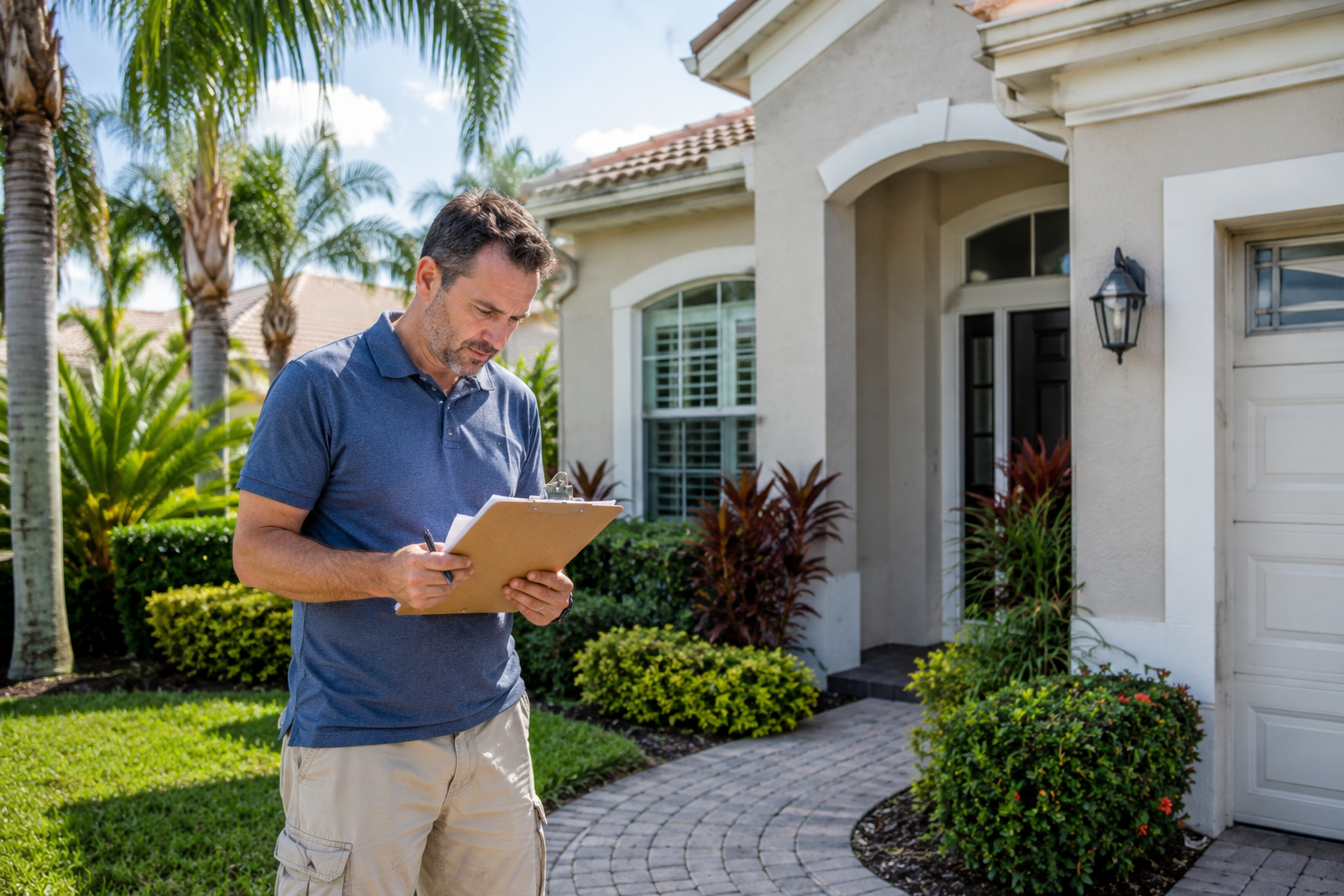
May 18, 2026

Lake Worth FL Living: What Daily Life Really Feels Like

Older Lake Worth Florida homes with palm trees, sidewalks, mature landscaping, and bright natural daylight in a residential neighborhood.

What Is It Like to Live in Lake Worth FL?

Asking what is it like to live in Lake Worth FL usually means looking beyond the surface impression of the city. Lake Worth has a different rhythm than some nearby Palm Beach County communities. It can feel older, more expressive, more textured, and less uniform than areas built around newer subdivisions or planned residential corridors. That character appeals to some buyers immediately and gives others pause. The city’s lifestyle is shaped by proximity, variety, history, traffic patterns, housing age, neighborhood differences, and the practical realities of owning property in coastal South Florida. Compared with more suburban-feeling areas to the west, Lake Worth often requires a more thoughtful read. It is not a city people should evaluate only by a few photos, a single showing, or a general reputation. Daily life here depends heavily on where you are, what kind of home you own, and how well the setting matches your routines.

Lake Worth Feels Different Because It Is Not One Uniform Experience

Lake Worth is not the type of place that gives every resident the same version of daily life. That is part of its appeal, and also part of what buyers need to understand before assuming they know the city.

Some areas feel walkable, older, compact, and connected to the city’s historic personality. Other pockets feel quieter, more residential, and removed from the busier edges. A few locations place residents close to coastal access, downtown energy, and local activity. Others function more like practical Palm Beach County neighborhoods where the daily routine revolves around commuting, errands, schools, home maintenance, and proximity to surrounding cities.

That variety creates real differences in how people experience the city. A buyer looking for character may respond positively to the architecture, street patterns, and less standardized feel. A buyer expecting newer construction, wider roads, larger garages, and highly predictable neighborhood consistency may need more time to adjust expectations.

This is why browsing Lake Worth homes for sale can be useful only if the buyer also studies the surrounding setting. The home itself matters, but in Lake Worth, the block, nearby roads, property age, parking, exterior condition, and surrounding neighborhood pattern often matter just as much.

Daily Life Often Comes Down to Routine Compatibility

The Lake Worth FL lifestyle is not defined by one simple trait. It depends on how someone moves through the week.

For some residents, the city supports a more connected lifestyle. They may like being closer to established areas, local businesses, beaches, restaurants, older neighborhoods, and central Palm Beach County routes. They may appreciate that Lake Worth does not feel overly polished or detached from real life. There is texture here. There is movement. There is visual variety. For buyers who dislike sterile sameness, that can feel refreshing.

For others, the same qualities can feel less convenient. Older streets may not always feel as spacious as newer suburban layouts. Some homes require more attention. Parking, traffic flow, lot configuration, and property upkeep can vary from one area to another. The city rewards buyers who pay attention to how a location will actually function at 7:30 in the morning, during afternoon errands, after heavy rain, or during seasonal traffic changes.

A home can look right online and still not fit someone’s daily pattern. That is especially true in Lake Worth, where lifestyle fit is often discovered through details rather than broad descriptions.

For homeowners trying to compare their current equity position against possible next steps, reviewing a current home value estimate can help turn a general thought about moving into a more practical evaluation.

Older Homes Can Offer Character, but Ownership Requires Clear Eyes

Lake Worth has many properties with personality. That can be one of the reasons buyers are drawn to the city. Older homes may offer architectural charm, mature landscaping, established streets, and a feeling that cannot be easily recreated in newer communities.

Still, charm and responsibility often travel together.

In South Florida, older homes require careful attention to systems, insurance considerations, roof age, electrical updates, plumbing condition, windows, drainage, and storm preparation. A buyer may love the feel of a property but still need to understand what ownership will require after closing. That does not mean older homes should be avoided. It means they should be interpreted honestly.

Some buyers are comfortable with ongoing improvement. They like the idea of making a home their own over time. Others want fewer unknowns and less maintenance complexity. Lake Worth can serve both groups, but not always in the same neighborhood or price range.

Sellers should understand this psychology as well. Buyers evaluating older homes are often not rejecting character. They are weighing future responsibility. A well-presented home with clear maintenance history, thoughtful preparation, and realistic pricing can feel much easier for buyers to trust.

Geographic Position Matters More Than Many Buyers Expect

Lake Worth sits in a part of Palm Beach County where location can change daily life quickly. A few minutes can affect commute behavior, beach access, shopping patterns, school considerations, road noise, and how connected or disconnected a home feels from surrounding areas.

That is one reason buyers comparing Lake Worth with nearby communities should avoid making decisions from price alone. A lower price may come with more property upkeep, a different traffic pattern, or a location that does not support the buyer’s routine. A higher price may make sense if it reduces commute friction, places the buyer closer to preferred amenities, or provides a more comfortable neighborhood environment.

Some buyers who initially look in Lake Worth also compare western or inland options because the lifestyle feels different. Reviewing Royal Palm Beach homes for sale can help clarify that contrast. Royal Palm Beach typically feels more suburban and planned, while Lake Worth often feels more layered, established, and varied from one area to the next.

Neither experience is automatically better. The better fit depends on how someone wants daily life to operate.

Explore Homes by City

If you're comparing areas, home types, or neighborhood environments, browsing homes by city can help put pricing and location tradeoffs into perspective.

Explore Homes by City

What This Means for Buyers and Sellers in South Florida

For buyers, Lake Worth requires more interpretation than surface-level comparison. The right property may offer location, character, value, and lifestyle flexibility. The wrong fit may create frustration if the buyer underestimates maintenance, traffic patterns, neighborhood variation, or the difference between liking a home and living comfortably in it.

Buyers should look carefully at the condition of the home, the feel of the street, the surrounding properties, commute routes, parking, insurance factors, and how the neighborhood changes from weekday to weekend. In Lake Worth, those details are not secondary. They are part of the decision.

For sellers, positioning matters. A Lake Worth home should not be marketed as if every buyer wants the same thing. Some buyers are drawn to charm, central location, mature neighborhoods, and South Florida character. Others need reassurance around maintenance, updates, functionality, and long-term ownership costs. The strongest seller strategy usually recognizes both sides.

Good presentation helps buyers understand what the home offers and what has already been addressed. Overstating the lifestyle can backfire. Clarity usually works better than hype.

The Buyers Who Fit Lake Worth Usually Understand Tradeoffs

Lake Worth tends to work best for buyers who are comfortable evaluating nuance. They do not need every street to feel identical. They do not expect every home to be new, neutral, and predictable. They are willing to compare condition, location, character, price, and lifestyle together instead of relying on one factor.

That does not mean Lake Worth is only for one type of buyer. The city has different property types, price points, and neighborhood settings. But the common thread is that successful buyers usually understand tradeoffs before they commit.

A buyer who wants an older home with personality should be realistic about upkeep. A buyer who wants proximity should evaluate noise and traffic. A buyer attracted to price should look carefully at condition and future expenses. A buyer who wants walkability should verify what that actually feels like from the specific property, not just from a map.

Lake Worth rewards patience. It can also punish assumptions.

Long-Term Livability Depends on Matching the City to the Person

The most important question is not whether Lake Worth is appealing. It is whether the city’s reality fits the person considering it.

Some homeowners want a place with history, color, convenience, and less predictability than a master-planned community. Others want a quieter, more uniform environment with newer homes and fewer day-to-day variables. Both preferences are valid. The mistake is pretending they lead to the same decision.

For buyers, long-term livability means thinking beyond the showing. How will the home feel after six months? Will the maintenance feel manageable? Will the location make life easier or more complicated? Does the neighborhood support the routines that matter most?

For sellers, long-term livability shapes buyer behavior. Buyers are not only purchasing square footage. They are deciding whether the home feels understandable, manageable, and aligned with the life they are trying to build.

Lake Worth can make sense for many different people, but it asks for a more careful read than a simple yes or no.

FAQ

Is Lake Worth FL a good fit for buyers who want character?

Lake Worth can be a strong fit for buyers who value character, older homes, mature neighborhoods, and a less uniform city feel. The key is evaluating condition and location carefully. Character can be appealing, but buyers should still review roof age, systems, insurance factors, parking, drainage, and daily traffic patterns. The best fit is usually someone who appreciates personality while staying realistic about ownership responsibility.

What should sellers understand about buyer expectations in Lake Worth?

Sellers should understand that many Lake Worth buyers are comparing charm against future maintenance. A buyer may like the location and style of a home but still hesitate if updates, repairs, or ownership costs feel unclear. Strong seller positioning should make the property feel understandable. Clean presentation, maintenance transparency, realistic pricing, and clear explanation of improvements can help buyers feel more confident without making the marketing feel exaggerated.

Keep Exploring South Florida Real Estate

If you're comparing communities, evaluating lifestyle tradeoffs, or trying to better understand how different parts of South Florida align with your long-term goals, reviewing additional local resources can help create clearer perspective.


About the Authors

Chris and Sue Kull are South Florida real estate professionals with more than three decades of experience helping buyers, sellers, and property owners navigate real estate decisions throughout Palm Beach County and surrounding communities.
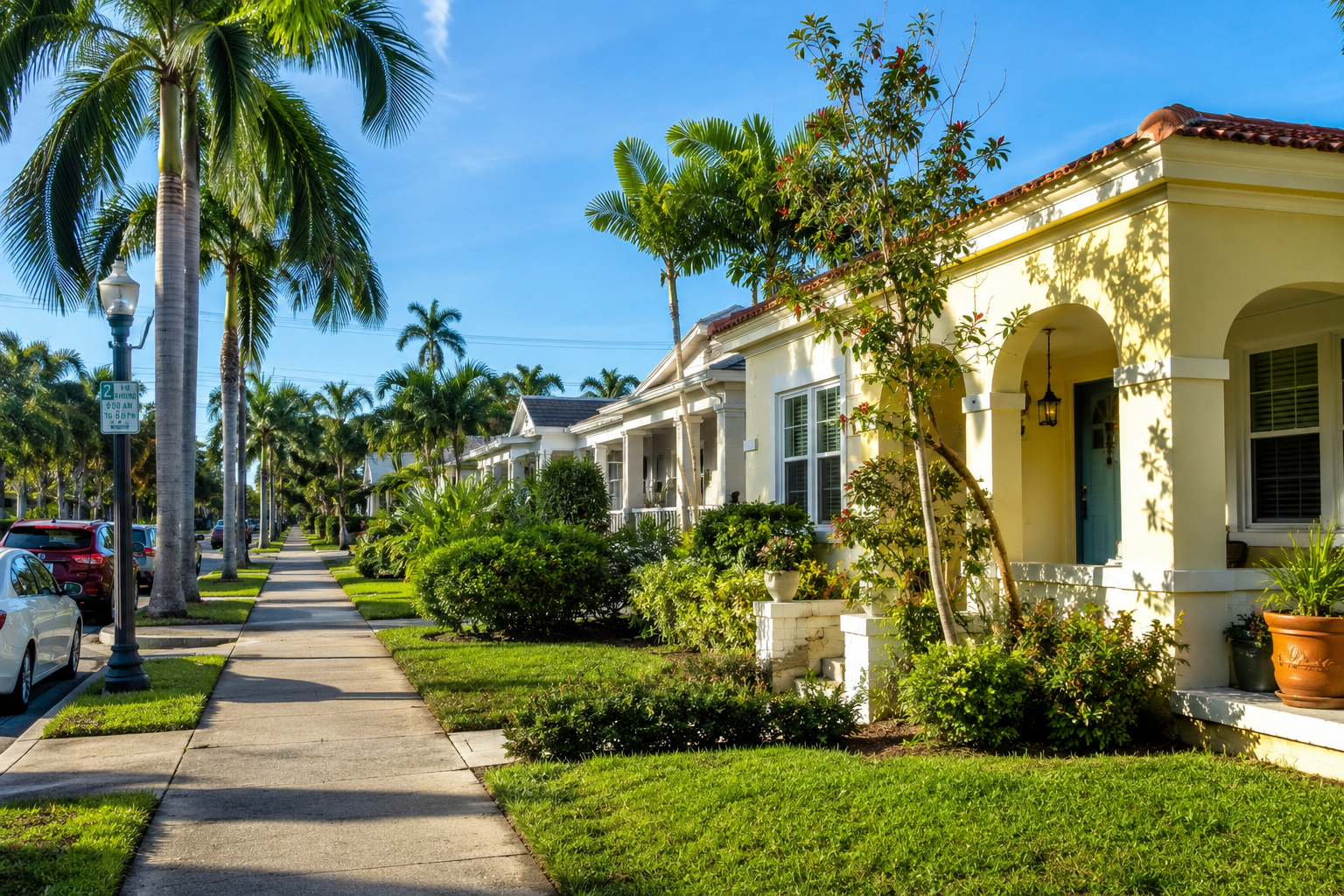
May 18, 2026

Newer vs Older Homes: What Changes Day to Day

Newer South Florida home in Boynton Beach with palm trees, clean landscaping, and bright natural daylight in a quiet neighborhood.

Newer Homes vs Older Homes: What Actually Changes Day to Day

For many South Florida homeowners, the thought of moving does not begin with a dramatic decision. It often starts with smaller moments: another repair appointment, another weekend spent handling maintenance, another reminder that the home takes more coordination than it used to. Older homes can have character, space, location, and memories, but they can also bring routines that quietly become heavier over time. Newer homes are not automatically better for every homeowner, yet they can change the way daily life feels. Less repair uncertainty. More efficient layouts. Fewer surprises. In Palm Beach County and surrounding areas, the question is not only whether a newer home looks appealing. The deeper question is whether your current home still fits the way you want to live day to day.

The Difference Is Often Felt in the Ordinary Parts of the Week

Most homeowners do not compare older homes and newer homes through a spreadsheet first. They feel the difference in the ordinary rhythm of life.

An older home may require more attention before a storm. The air conditioning may work, but feel less predictable. Windows, plumbing, roofing, electrical components, irrigation, flooring, drainage, and exterior surfaces may all carry some level of ongoing concern. None of these issues may be urgent on their own. Together, they can create a background layer of responsibility that follows the homeowner through the week.

Newer homes often reduce that background noise. The benefit is not just cosmetic. It may show up in fewer contractor calls, simpler upkeep, better storage, more functional kitchens, improved energy efficiency, and floor plans that match how people actually live now.

For homeowners comparing older areas with newer options, browsing West Palm Beach homes for sale can make the contrast more visible. Some homes offer location and established character. Others offer newer systems and a simpler daily routine. The right answer depends on what the homeowner is trying to reduce.

Older Homes Can Be Comfortable and Still Feel Complicated

A home does not need to be in poor condition to feel like too much. That is one of the most overlooked parts of this decision.

Many South Florida homeowners live in homes they have maintained well. The property may be attractive, functional, and valuable. Friends may even tell them they would be crazy to sell. But the homeowner knows the truth of the day-to-day experience. They know how often something needs attention. They know which systems are aging. They know what gets checked before heavy rain. They know which repair they postponed because another one came first.

That creates a different kind of fatigue.

It is not always emotional exhaustion. Sometimes it is simply operational drag. The house still works, but it asks for more planning, more phone calls, more upkeep, and more patience than the homeowner wants to keep giving. For some owners, reviewing a current home value estimate becomes the first practical step because it turns a vague feeling into a clearer decision framework.

If You’re Thinking About Moving, It Usually Starts Here

Most homeowners don’t randomly decide to move. It builds over time. If you’re starting to think about selling and moving into something newer or easier to maintain, it usually comes down to one of these situations. Choose the one that feels closest to you.

Your home is starting to feel like too much to manage →

Maintenance, repairs, or simply keeping up with everything may be taking more time and energy than you want to keep giving.

You’re trying to make a smarter financial move →

You may be thinking about reducing expenses, using your equity differently, or moving into a home that fits your long-term plans better.

You want something newer, simpler, and easier to live in →

Many homeowners reach a point where they want less maintenance, a more efficient layout, and a home that feels easier day to day.

Newer Homes Often Change the Maintenance Conversation

The appeal of a newer home is not only the finishes. Counters, floors, cabinets, and lighting matter, but they are not the whole story. The larger shift is predictability.

A newer roof, newer impact windows, newer mechanical systems, newer electrical components, and more current building standards can reduce the number of open questions a homeowner carries. That does not mean there is no maintenance. Every home requires care. But the nature of the care may feel different.

Instead of reacting to one aging system after another, the homeowner may be able to plan more calmly. Instead of wondering what large repair is coming next, they may have a longer runway before major replacements become likely. Instead of feeling tied to a list of projects, they may have more room to enjoy the home without constantly managing it.

That is where simplification becomes real. It is not about avoiding responsibility. It is about choosing a home where the responsibility feels more proportionate to the life the homeowner wants now.

The Layout Can Matter as Much as the Age

Some older South Florida homes were built for a different version of daily life. Formal rooms may not get used. Storage may be limited. Laundry areas may feel inconvenient. Kitchens may be separated from living spaces. Primary suites may lack the privacy, closet space, or bathroom layout homeowners now prefer.

These are not always deal breakers when someone first buys a home. Over time, they can become friction points.

A newer home may offer wider living areas, better indoor-outdoor flow, more efficient storage, larger closets, improved natural light, and layouts that make everyday movement easier. For homeowners who feel like they are constantly working around the house instead of living comfortably inside it, layout becomes more than a design preference.

In nearby areas, reviewing Greenacres homes for sale can help homeowners see how different floor plans, price points, and property types compare without assuming that newer automatically means larger or more expensive.

The Real Question Is What You Want Your Home to Stop Requiring

At some point, the decision becomes less about age and more about relief.

What do you want the home to stop requiring from you? Less weekend maintenance? Fewer repair decisions? Less storm-season preparation? Less space to clean? Fewer aging systems to monitor? A layout that does not require constant compromise?

That question can be clarifying because it moves the homeowner away from vague dissatisfaction and toward a practical decision. A newer home may make sense if the current property still has value but no longer supports the lifestyle the owner wants. Staying may make sense if the concerns are manageable, the location still fits, and the cost of moving does not create enough benefit.

The realization often sounds simple: the house may still be a good house, but it may no longer be the easiest house for this season of life.

When that realization becomes hard to ignore, the next step is usually not to rush. It is to compare options carefully, understand equity, and explore whether a newer, simpler South Florida move would actually improve daily life.

What This Means for Buyers and Sellers in South Florida

For sellers, this topic matters because many buyers are not only looking at price and square footage. They are also evaluating risk, ease, condition, insurance concerns, and how much work the home may require after closing. An older home can still sell strongly, but presentation, maintenance clarity, and realistic positioning become important.

For buyers, the same issue works in reverse. A newer home may feel easier, but it still needs to be evaluated carefully. Monthly costs, location, association rules, taxes, commute patterns, insurance, and long-term flexibility all matter. Simpler does not always mean cheaper. Newer does not always mean better. Older does not always mean burdensome.

The best decision usually comes from comparing the full experience of ownership, not just the purchase price or the list of upgrades.

Clarity Comes From Comparing the Life, Not Just the House

Many homeowners delay this decision because they believe they need to be certain before they begin exploring. In reality, clarity often comes from comparison.

What would your current home require over the next five years? Which repairs are likely? Which improvements would you need to make if you stayed? How much time, energy, and money would that involve? Then compare that with what a newer home might offer: different maintenance expectations, different monthly costs, different location tradeoffs, and a different daily routine.

That process does not force a move. It simply makes the decision more honest.

Some homeowners discover that staying makes sense once they understand the numbers. Others realize they have been tolerating complexity because they had not clearly defined what an easier home would change. Either outcome is useful. The goal is not movement for its own sake. The goal is alignment.

FAQ

Is a newer home always easier to maintain than an older home?

Not always, but newer homes often reduce certain kinds of maintenance uncertainty. A newer roof, newer mechanical systems, updated windows, and more current construction can make daily ownership feel more predictable. That said, every home still needs care, and newer communities may have association rules, fees, or location tradeoffs to evaluate. The better question is whether the newer home reduces the specific responsibilities that are making your current home feel harder to manage.

How do I know if moving into a newer home is worth it?

Start by comparing your current home’s likely costs, repairs, upkeep, and lifestyle friction against what a newer home would actually change. If the move only improves appearances, it may not be enough. If it reduces maintenance pressure, improves daily function, supports better long-term planning, and fits your financial comfort zone, it may be worth exploring seriously. The decision should be based on practical relief, not pressure or impulse.

Keep Exploring South Florida Real Estate

If you're trying to better understand whether staying, selling, or simplifying makes sense, exploring more South Florida real estate guidance can help create clarity before making a major decision.


About the Authors

Chris and Sue Kull are South Florida real estate professionals with more than three decades of experience helping homeowners, buyers, sellers, and relocating families navigate real estate decisions throughout Palm Beach County and surrounding communities.
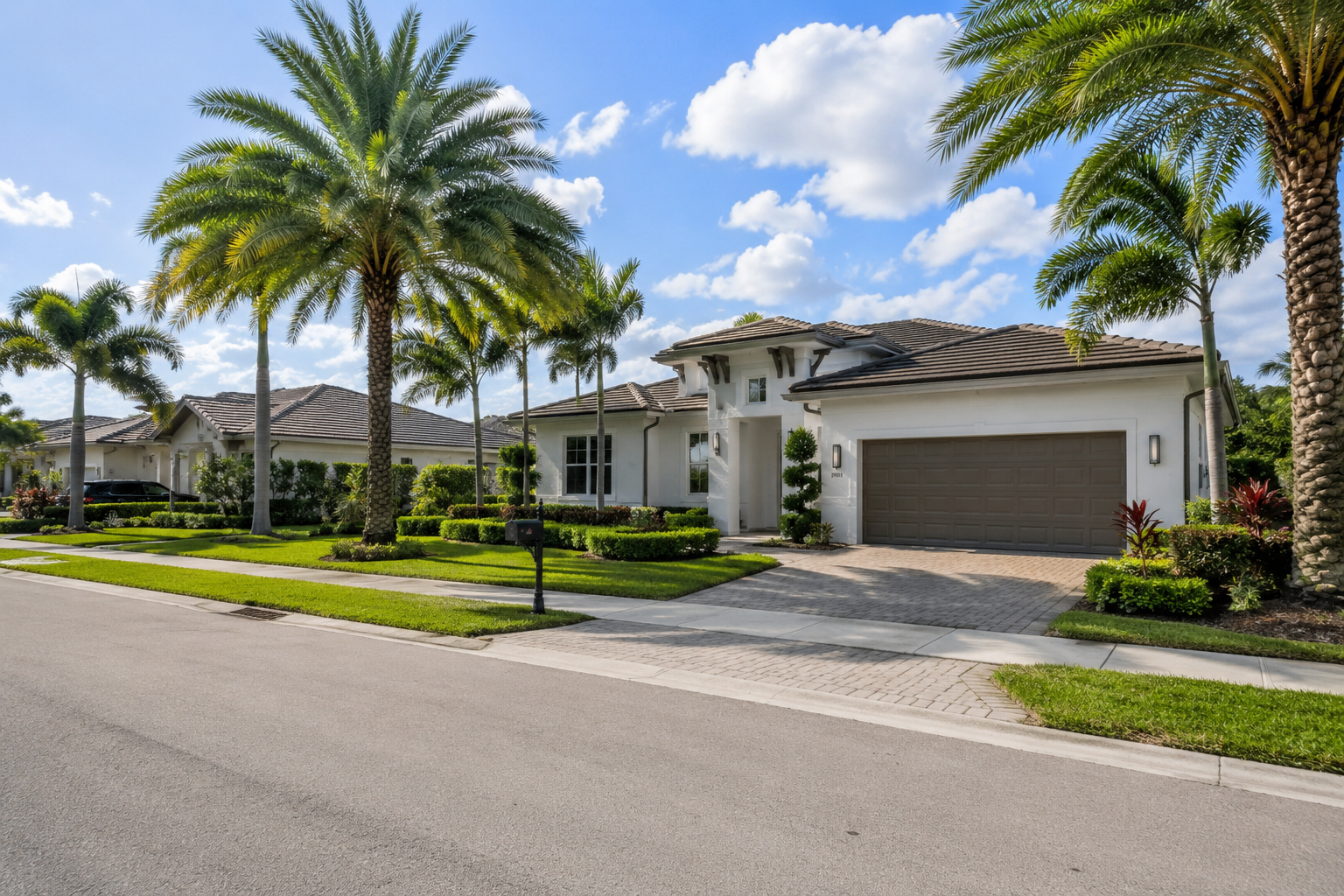
May 14, 2026

Living in Wellington FL: Lifestyle and Daily Reality

#WellingtonFL #WellingtonFlorida #PalmBeachCounty #SouthFloridaLiving #WellingtonHomes #FloridaRealEstate #TheKullGroup #WellingtonNeighborhoods #PalmBeachCountyRealEstate #SouthFloridaHomes

What It’s Really Like to Live in Wellington, FL

People asking what is it like to live in Wellington FL are usually trying to answer something more personal than a map question. They are often trying to understand whether daily life there would feel calmer, easier to manage, more family-oriented, more structured, or more isolating than where they currently live. Wellington tends to attract buyers who are looking for predictability in routine without wanting to feel disconnected from the rest of Palm Beach County. That distinction matters because the experience of living there is less about spectacle and more about rhythm.

Compared to denser coastal environments farther east, Wellington often feels more intentionally spaced out. Roads are wider. Residential areas feel more buffered from commercial activity. Daily errands usually involve driving, but the tradeoff is a greater sense of separation between work, traffic, schools, shopping, and home life. For some people, that feels grounding. Others quickly realize they miss the spontaneity and walkability they were used to elsewhere.

The Pace of Daily Life Feels More Structured Than Spontaneous

One of the clearest aspects of the Wellington FL lifestyle is how routine-oriented the environment feels once someone actually lives there. Mornings tend to start earlier than in some neighboring areas because school schedules, commuting patterns, youth sports, equestrian activity, and family logistics shape much of the city’s movement. Residential streets often quiet down earlier at night than newer buyers initially expect.

That appeals strongly to buyers who want consistency. Parents juggling multiple schedules often describe Wellington as easier to operationally manage than some faster-moving coastal areas. Traffic can still build at certain intersections and during seasonal population increases, but the overall environment tends to reward planning and predictability rather than spontaneity.

Some buyers discover they enjoy having more physical separation between home and entertainment districts. Others realize the opposite. People accustomed to being able to leave their house and immediately access restaurants, nightlife, or dense mixed-use environments sometimes feel disconnected after moving farther west into Wellington.

For homeowners prioritizing space, parking, quieter residential streets, or larger lot configurations, the tradeoff often feels worthwhile. Buyers searching for Wellington homes for sale are frequently balancing lifestyle structure against convenience density, even if they do not initially describe it that way.

Ownership Expectations Shift Once People Spend Time There

Wellington can appear deceptively straightforward during short visits. Streets are clean. Landscaping is maintained. Residential communities often look visually organized from the outside. What many buyers do not fully understand until after moving is how much ownership experience in Wellington depends on maintenance tolerance and routine management.

Homes with larger outdoor spaces, pools, mature landscaping, or community requirements create a more hands-on ownership experience than some buyers are prepared for. Seasonal weather patterns in South Florida also affect how properties age. Roof timelines, drainage behavior, irrigation systems, insurance costs, and exterior upkeep all become more relevant over time than they initially appear during the buying process.

That does not necessarily discourage buyers. In many cases, it attracts them. People relocating from denser urban environments often appreciate having more physical space around them and more control over how their property functions. Still, Wellington tends to reward buyers who think operationally rather than emotionally when evaluating homes.

Some homeowners also begin reassessing equity differently after living there several years. A property that originally felt like a long-term destination may eventually become a stepping stone toward a different lifestyle phase. Buyers occasionally use tools like a home value estimate not because they are ready to sell immediately, but because they want clarity about future flexibility.

People Often Underestimate How Geography Changes Their Routine

The farther west someone lives in Palm Beach County, the more geography starts influencing behavior patterns. Wellington residents often become more intentional about where they shop, where they schedule appointments, and how they structure weekdays because driving patterns matter more there than they do in tighter coastal corridors.

That shift feels manageable for some households and frustrating for others. Buyers moving from large suburban environments frequently adapt quickly because the layout already feels familiar. Buyers relocating from highly walkable cities sometimes struggle with how frequently driving becomes part of ordinary routines.

The emotional side of this is important. Certain people experience Wellington as peaceful because the environment creates separation from noise and congestion. Others quietly interpret the same environment as isolating after the novelty wears off. Neither reaction is wrong. The city simply fits certain behavioral preferences more naturally than others.

It also changes how people think about nearby alternatives. Buyers comparing Wellington with more coastal areas occasionally begin looking at Boynton Beach homes for sale after realizing they want quicker access to restaurants, waterfront areas, or denser commercial activity while still remaining inside Palm Beach County.

Explore Homes by City

If you're comparing areas, home types, or neighborhood environments, browsing homes by city can help put pricing and location tradeoffs into perspective.

Explore Homes by City

Wellington Often Attracts Buyers Looking for Stability Rather Than Excitement

There is a reason many residents remain in Wellington for long periods even after their original motivations change. The city tends to support continuity well. People establish routines there relatively quickly. Friend groups often become tied to schools, sports schedules, equestrian activity, or neighborhood patterns. Over time, daily life can start feeling highly systemized.

That consistency creates emotional comfort for many households. It also explains why some buyers moving into Wellington are less focused on maximizing short-term appreciation and more focused on reducing uncertainty in everyday life.

At the same time, some residents eventually feel constrained by that same predictability. Buyers entering different life stages occasionally discover they want:

  • shorter commutes
  • more nightlife access
  • smaller maintenance obligations
  • more walkability
  • less dependence on structured scheduling

Those transitions do not necessarily reflect dissatisfaction with Wellington itself. They often reflect changing behavioral needs over time. That is why the city tends to appeal most strongly to people whose routines already align with the environment rather than people hoping the environment will completely change their lifestyle.

What This Means for Buyers and Sellers in South Florida

Buyers entering the South Florida market today are generally more cautious than they were several years ago, particularly in suburban family-oriented areas where ownership costs have become more layered. Insurance, maintenance expectations, commuting patterns, HOA structures, and long-term livability are influencing decisions more heavily than simple square footage comparisons.

That has changed how people evaluate Wellington specifically. Buyers tend to spend more time considering whether the city actually matches their day-to-day behavior instead of simply reacting to appearance or school reputation. The emotional side of relocation decisions has become more visible. People are asking more practical questions about routine compatibility, seasonal traffic tolerance, work flexibility, and long-term ownership pressure.

Sellers are adapting as well. Presentation still matters, but buyers now spend more time analyzing operational realities behind the property itself. Homes that feel easy to maintain, functionally organized, and realistically aligned with current buyer expectations often create stronger emotional confidence than homes relying primarily on cosmetic appeal.

That broader shift across Palm Beach County is creating a more behaviorally driven market. Buyers increasingly want environments that reduce friction in everyday life. Sellers who understand that psychological component tend to position their homes more effectively because they are responding to how people actually live rather than how listings are marketed.

Long-Term Livability Depends on Behavioral Compatibility

Some cities create strong first impressions that slowly fade once daily logistics set in. Wellington usually works in the opposite direction. Many residents feel more attached to it after establishing routines because the city begins functioning more efficiently once people understand how to navigate it operationally.

That long-term compatibility is highly dependent on personality and life structure. Buyers who value calm residential patterns, organized routines, larger homesites, and family-centered scheduling often adapt well. Buyers seeking high spontaneity, dense activity, or constantly changing social environments may eventually feel limited there.

Neither perspective makes the city objectively better or worse. It simply reinforces that behavioral fit matters more than many relocation conversations initially acknowledge. The experience of living in Wellington is not defined only by the homes themselves. It is shaped by how the environment interacts with someone’s routines, expectations, stress tolerance, and long-term lifestyle priorities.

FAQs About Living in Wellington, FL

Does Wellington feel isolated compared to other parts of Palm Beach County?

For some residents, Wellington feels quieter and more separated from the faster pace found closer to the coast. That separation can feel calming for households prioritizing structure, residential space, and routine consistency. Others eventually realize they miss having restaurants, nightlife, or waterfront access closer to home. The experience depends heavily on how much someone values convenience density versus quieter suburban spacing.

Is Wellington better suited for long-term homeowners or short-term relocations?

Wellington often works best for buyers planning to settle into consistent routines over several years. The city tends to reward people who value stability, larger residential environments, and long-term lifestyle predictability. Short-term residents can still enjoy the area, but buyers seeking constant activity or rapidly changing environments sometimes find the city feels more operationally structured than they originally expected.

Keep Exploring South Florida Real Estate

If you're comparing communities, evaluating lifestyle tradeoffs, or trying to better understand how different parts of South Florida align with your long-term goals, reviewing additional local resources can help create clearer perspective.


About the Authors

Chris and Sue Kull are South Florida real estate professionals with more than three decades of experience helping buyers, sellers, and property owners navigate real estate decisions throughout Palm Beach County and surrounding communities.