Insights, strategy, and real estate guidance across Palm Beach County.

April 2, 2026

Short Sales in Wellington, Florida: What Homeowners Need to Understand Before Making a Decision

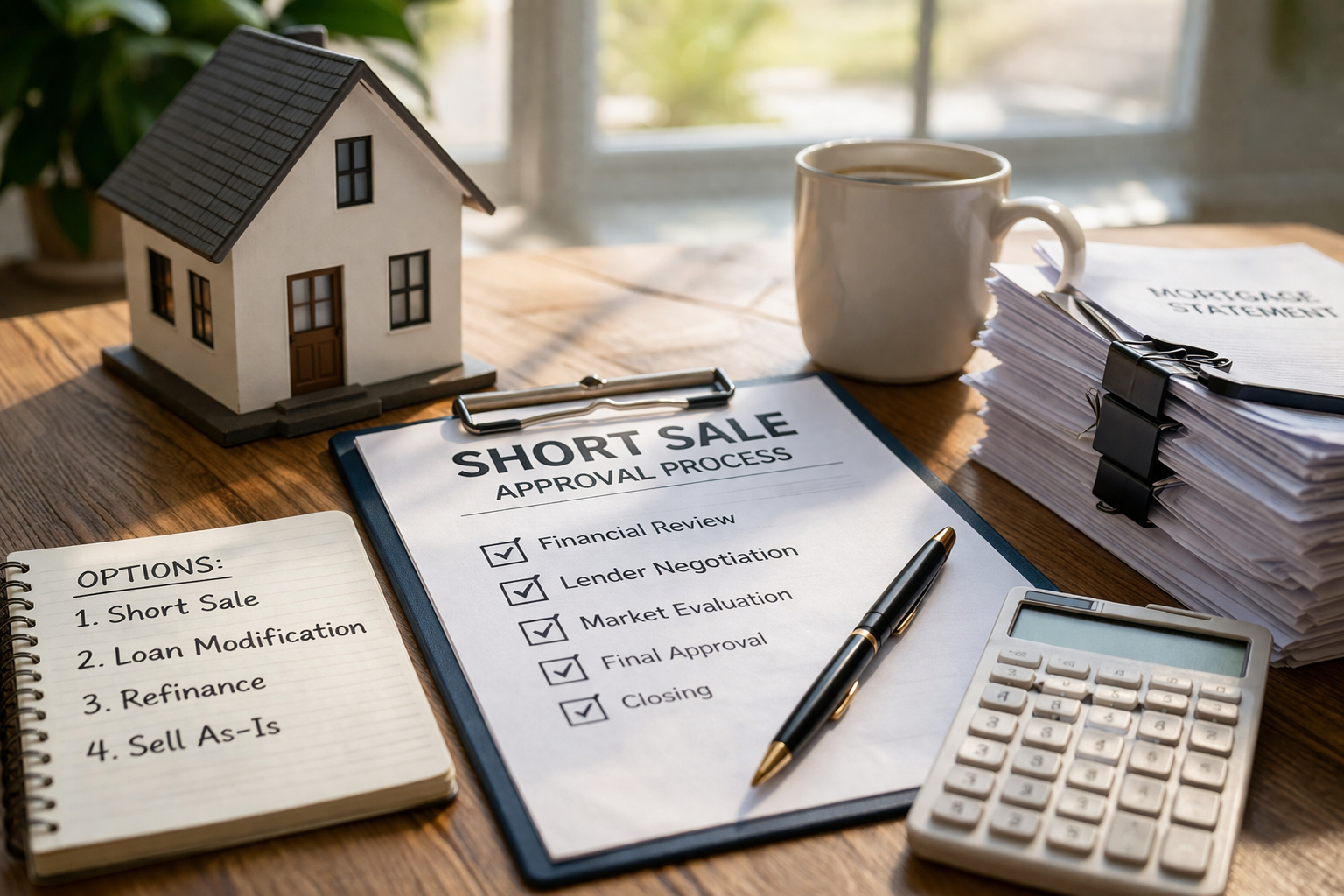
thekullgroup/short-sale-home-process-south-florida-document-review.

Short Sales in Wellington, Florida: What Homeowners Need to Understand Before Making a Decision

If you’re a homeowner in Wellington or anywhere in Palm Beach County and you’re facing financial pressure on your mortgage, the term “short sale” has likely come up.

It’s often presented as a solution—but in reality, it’s a process that comes with trade-offs, timelines, and outcomes that many sellers don’t fully understand upfront.

Before moving forward, it’s important to understand how short sales actually work in today’s South Florida market, when they make sense, and what alternatives may exist.


What a Short Sale Really Means (In Practical Terms)

A short sale occurs when a home is sold for less than the amount owed on the mortgage, and the lender agrees to accept that lower payoff.

But from a transaction standpoint, it’s not just a typical sale with a lower price.

It’s a negotiation between:

  • The homeowner
  • The buyer
  • The lender (and sometimes multiple lenders)

The lender ultimately controls whether the deal is approved, which adds a layer of complexity that many sellers underestimate.

Start Comparing Homes That Actually Fit Your Criteria

If you're evaluating options in Palm Beach County or South Florida, browsing homes by city can help you quickly understand pricing, condition, and location tradeoffs.

Explore Homes by City

Why Short Sales Still Exist in a Strong Market

Palm Beach County has experienced significant price growth in recent years, but short sales haven’t disappeared entirely.

They still occur in situations such as:

  • Adjustable-rate mortgage increases
  • Job loss or income disruption
  • Divorce or major life changes
  • Properties that were refinanced at higher leverage

Even in a strong market, individual circumstances can create situations where a homeowner owes more than the home can realistically sell for.


How the Short Sale Process Actually Works

Understanding the timeline and structure is critical.

Step 1: Financial Evaluation

The homeowner must demonstrate hardship to the lender. This typically involves documentation such as:

  • Income statements
  • Bank records
  • Hardship letters

Step 2: Listing the Property

The home is listed like a traditional sale, but with the understanding that:

  • The lender must approve the final price
  • The timeline will be longer than a standard transaction

Step 3: Receiving an Offer

Once an offer is accepted by the seller, it is submitted to the lender for review.

This is where the process slows down.


Step 4: Lender Review and Approval

The lender evaluates:

  • Market value
  • Seller’s financial situation
  • Net proceeds

They may:

  • Approve the offer
  • Counter the offer
  • Reject the offer

Step 5: Closing (If Approved)

Only after lender approval can the transaction move forward to closing.

In Palm Beach County, this process can take several months, depending on the lender and complexity of the file.


The Biggest Misconception: “It’s Just a Regular Sale”

This is where many homeowners get caught off guard.

A short sale is not simply listing your home at a lower price.

Key Differences

  • You cannot control final approval
  • Timelines are extended and unpredictable
  • Buyers must be patient and committed
  • Negotiations involve third-party decision makers

Because of this, not every buyer is willing to pursue a short sale property.

Get a Better Sense of What Your Home Could Command

If you’re starting to think about selling, checking your home’s current value can help you understand pricing expectations and how your property may fit today’s market.

Check Your Home Value

Financial Implications Sellers Should Know

Short sales can reduce financial burden—but they are not without consequences.

Credit Impact

A short sale will typically affect your credit, though often less severely than a foreclosure.


Deficiency Considerations

In some cases, lenders may pursue the remaining balance (deficiency), though this varies based on:

  • Loan type
  • Negotiation outcome
  • Legal protections

Tax Implications

There may be tax considerations depending on how forgiven debt is treated.

This is an area where professional guidance is important.


Why Some Short Sales Never Get Approved

Not every short sale makes it to closing.

Common reasons include:

Unrealistic Pricing

If the home is listed too low or too high relative to market value, lenders may reject offers.


Incomplete Documentation

Missing or inconsistent financial information can delay or derail the process.


Buyer Drop-Off

Because of the timeline, buyers may walk away before approval is granted.


Market Changes

If market conditions shift during the process, lenders may reevaluate pricing expectations.


Alternatives to a Short Sale That Sellers Should Consider

Before committing to a short sale, it’s worth evaluating other options.

Traditional Sale

In many cases, especially in Wellington, homeowners may have more equity than they realize.

A standard sale could:

  • Fully pay off the mortgage
  • Avoid credit impact
  • Provide more control over timing

Loan Modification

Some lenders offer restructuring options that can make payments more manageable.


Renting the Property

Depending on the situation, converting the home to a rental may provide temporary relief.


Strategic Sale with Investor Support

In some scenarios, working with buyers who specialize in distressed properties can create alternative solutions.


What Buyers Should Know About Short Sales

Short sales can present opportunities—but they come with conditions.

Longer Timelines

Buyers should be prepared for extended waiting periods.


Limited Negotiation Flexibility

Once an offer is submitted, changes may require lender approval again.


Property Condition

Short sale properties are often sold as-is, with limited repairs.


How Short Sales Fit Into Today’s Wellington Market

Compared to past market cycles, short sales are less common today—but they still play a role.

In Wellington, they tend to appear in:

  • Specific financial hardship situations
  • Properties with unique financing structures
  • Cases where timing or circumstances create urgency

Because inventory is still competitive in many segments, properly handled short sales can attract strong interest—but execution is key.


The Most Important Decision Point

For homeowners, the biggest question isn’t “Can I do a short sale?”

It’s:

  • Is this the best option for my situation?
  • Are there alternatives that create a better outcome?
  • What will this mean financially and long-term?

Short sales can be effective—but only when approached with a clear understanding of the process.


Frequently Asked Questions

How long does a short sale take in Florida?

It can take several months, depending on the lender and complexity of the situation.

Do I need lender approval before listing my home?

Not necessarily, but approval will be required before closing.

Will a short sale stop foreclosure?

It can, if completed in time, but timing is critical.

Can I buy another home after a short sale?

Yes, though there may be waiting periods depending on loan type.

Do all lenders approve short sales?

No. Approval depends on the lender’s evaluation of the situation.

Is a short sale better than foreclosure?

In many cases, it may have less severe long-term impact, but each situation is different.

Do I have to pay anything out of pocket?

In many cases, sellers do not bring funds to closing, but this depends on negotiations.


Keep Exploring South Florida Real Estate

If you're comparing communities, researching home values, or trying to better understand the South Florida market, reviewing local resources can help put each city and neighborhood into context.


About the Authors

Chris and Sue Kull are South Florida real estate professionals with more than three decades of experience helping buyers, sellers, and property owners navigate real estate decisions throughout Palm Beach County and surrounding communities.

Their work emphasizes local insight, practical guidance, and clear information to help people make informed decisions at every stage of the process.

You can find additional community guides, search tools, and market resources at TheKullGroup.com.

April 2, 2026

Why Some Homes Sit on the Market: The Staging Mistakes Sellers Don’t Realize They’re Making

thekullgroup/south-florida-home-staging-living-room-clean-modern


Why Some Homes Sit on the Market: The Staging Mistakes Sellers Don’t Realize They’re Making

In Palm Beach County, it’s not unusual to see two similar homes hit the market at the same time—yet one sells quickly while the other lingers.

Price matters, of course. Location always plays a role. But in many cases, the difference comes down to presentation.

Staging isn’t about decorating. It’s about positioning a home so buyers can instantly understand its value. When that positioning is off—even slightly—it can slow down showings, weaken offers, and ultimately impact the final sale price.

If you’re preparing to sell in Wellington or anywhere in South Florida, understanding what not to do is just as important as knowing what works.


The Real Purpose of Staging (And Where Sellers Get It Wrong)

Many homeowners think staging is about making a house look “nice.”

Buyers, however, are not evaluating “nice.” They are evaluating:

  • Space
  • Flow
  • Condition
  • Potential

Staging should remove friction from that evaluation process. When it doesn’t, buyers start questioning the home—even if nothing is actually wrong.

Start Comparing Homes That Actually Fit Your Criteria

If you're evaluating options in Palm Beach County or South Florida, browsing homes by city can help you quickly understand pricing, condition, and location tradeoffs.

Explore Homes by City

Mistake #1: Designing for Taste Instead of Clarity

One of the most common issues is over-personalization.

Bold colors, unique furniture choices, or highly specific decor can make a home feel distinctive—but not always in a way that helps buyers connect.

What Actually Happens

Buyers walk through and start thinking:

  • “This isn’t my style”
  • “I’d have to redo this”
  • “This feels like someone else’s home”

Once that happens, emotional detachment sets in.

What Works Better

Neutral, clean, and intentional spaces allow buyers to project themselves into the home. It’s not about removing personality—it’s about removing distraction.


Mistake #2: Leaving Too Much in the Space

In many Wellington homes, especially those with larger square footage, sellers assume more furniture helps fill the space.

In reality, it often has the opposite effect.

The Problem

Too much furniture:

  • Shrinks perceived room size
  • Disrupts flow
  • Makes the home feel heavier and less open

What Buyers Notice

Even subconsciously, buyers start to feel like the home has less usable space than it actually does.

This is especially important in South Florida, where buyers are often prioritizing openness, light, and indoor-outdoor flow.


Mistake #3: Ignoring the First Impression

The moment a buyer pulls up to a home, the evaluation has already started.

In Palm Beach County, where landscaping and curb appeal are highly visible year-round, this matters more than many sellers expect.

Common Oversights

  • Overgrown landscaping
  • Faded paint or worn entryways
  • Cluttered front areas

Why It Matters

If the exterior creates doubt, buyers walk in already looking for problems instead of focusing on positives.


Mistake #4: Poor Lighting (Especially in Florida Homes)

Natural light is one of the biggest advantages of South Florida homes—but it’s often underutilized.

Where Sellers Miss the Mark

  • Keeping blinds closed
  • Using outdated or dim fixtures
  • Not layering lighting in darker areas

The Impact

A home that should feel bright and inviting can come across as flat or even dated.

Light influences perception more than most sellers realize.


Mistake #5: Trying to Hide Problems Instead of Addressing Them

Some sellers attempt to “stage around” issues like:

  • Minor repairs
  • Worn finishes
  • Outdated fixtures

But buyers are quick to spot inconsistencies.

What Happens During Showings

Instead of focusing on the home’s strengths, buyers start mentally adding up future costs.

This often leads to:

  • Lower offers
  • Hesitation
  • Longer time on market

In many cases, simple updates outperform staging alone.


Mistake #6: Not Accounting for How Buyers Actually View Homes

Today’s buyers don’t start with in-person showings—they start online.

The Reality

Your home is first experienced through:

  • Photos
  • Mobile screens
  • Quick scrolling behavior

Where Staging Falls Short

A home might feel fine in person, but if it doesn’t translate well visually, it won’t generate interest.

This includes:

  • Poor layout presentation
  • Cluttered visual lines
  • Lack of focal points

Staging needs to work for the camera, not just the eye.

Get a Better Sense of What Your Home Could Command

If you’re starting to think about selling, checking your home’s current value can help you understand pricing expectations and how your property may fit today’s market.

Check Your Home Value

Mistake #7: Overlooking Outdoor Spaces

In Wellington and across South Florida, outdoor living is a major selling point.

But many sellers treat outdoor areas as secondary.

Missed Opportunities

  • Empty patios
  • Unused pool areas
  • Lack of defined outdoor spaces

What Buyers Want to See

  • Functional seating areas
  • Clean, maintained surfaces
  • A clear sense of how the space can be used

Outdoor areas are often emotional decision drivers—especially for relocation buyers.


Mistake #8: Staging Without Understanding the Target Buyer

Not every home should be staged the same way.

A family-oriented home, a seasonal residence, and a luxury property all attract different buyers—and those buyers respond to different cues.

What Goes Wrong

Generic staging can feel disconnected from the home’s likely buyer.

What Works Better

Staging should reflect:

  • How the home will be used
  • Who is most likely to buy it
  • What features matter most in that price range

This is where strategy matters more than decoration.


What Actually Drives Results in the Wellington Market

From a real-world standpoint, the homes that perform best tend to have three things in common:

1. Clear Spatial Presentation

Buyers can immediately understand how each room functions.

2. Clean, Neutral Baseline

The home feels move-in ready, even if it’s not newly updated.

3. Strong First Impression (Online and In-Person)

Photos draw attention, and the in-person experience reinforces it.

When these align, homes tend to move faster—and with stronger offers.


The Cost of Getting Staging Wrong

Staging mistakes don’t just affect appearance—they affect outcomes.

Potential consequences include:

  • Fewer showings
  • Longer time on market
  • Price reductions
  • Increased negotiation pressure

In a market like Palm Beach County, where buyers have options, small presentation issues can create real financial impact.


A Smarter Approach to Preparing Your Home

Instead of thinking about staging as a checklist, it’s more effective to think in terms of buyer experience.

Ask:

  • What does a buyer feel when they walk in?
  • Is anything distracting from the home’s strengths?
  • Does the space feel open, usable, and intuitive?

When those questions are answered well, staging becomes less about effort—and more about clarity.


Frequently Asked Questions

Do I need to fully stage my home before selling?

Not always. Many homes benefit from partial staging or strategic adjustments rather than a full setup.

Is staging worth the cost?

In many cases, yes—especially if it helps reduce time on market or improves offer quality.

Should I remove all personal items?

Not necessarily all, but minimizing personal elements helps buyers focus on the home itself.

Can I stage the home myself?

Yes, but it’s important to focus on layout and flow—not just decor.

Does staging matter in a strong market?

Even in strong markets, presentation can influence how quickly and how well a home sells.

What rooms matter most for staging?

Living areas, kitchens, and primary bedrooms tend to have the biggest impact.

Should I stage outdoor areas too?


In South Florida, absolutely. Outdoor space is a key part of the lifestyle buyers are looking for.

Keep Exploring South Florida Real Estate

If you're comparing communities, researching home values, or trying to better understand the South Florida market, reviewing local resources can help put each city and neighborhood into context.


About the Authors

Chris and Sue Kull are South Florida real estate professionals with more than three decades of experience helping buyers, sellers, and property owners navigate real estate decisions throughout Palm Beach County and surrounding communities.

Their work emphasizes local insight, practical guidance, and clear information to help people make informed decisions at every stage of the process.

You can find additional community guides, search tools, and market resources at TheKullGroup.com.
April 2, 2026

Relocating to Wellington, Florida: What People Only Learn After They Move

thekullgroup/wellington-florida-neighborhood-relocation-guide

Relocating to Wellington, Florida: What People Only Learn After They Move

Wellington, Florida consistently attracts buyers from across the country—and for good reason. It offers a balance that’s hard to find: suburban space, strong community structure, equestrian culture, and proximity to major South Florida hubs.

But what often gets overlooked is how different the day-to-day experience can be compared to what buyers expect before they arrive.

If you’re considering a move to Palm Beach County, especially Wellington, it’s worth understanding not just what’s appealing—but what actually shapes your lifestyle once you’re here.


Why Wellington Continues to Attract Relocation Buyers

Wellington isn’t a typical South Florida city. It was intentionally developed as a planned community, which shows in everything from neighborhood layouts to infrastructure.

Buyers are often drawn here for a combination of factors:

  • Larger residential communities with defined layouts
  • Access to equestrian facilities and open land
  • Strong demand driven by seasonal and full-time residents
  • Proximity to West Palm Beach, major highways, and airports

But the appeal goes beyond features—it’s about predictability. Wellington offers a more structured, organized environment compared to some of the more densely built coastal areas.

Start Comparing Homes That Actually Fit Your Criteria

If you're evaluating options in Palm Beach County or South Florida, browsing homes by city can help you quickly understand pricing, condition, and location tradeoffs.

Explore Homes by City

The Reality of Housing in Wellington

One of the first surprises for relocation buyers is how varied the housing options actually are.

Planned Communities vs. Open Neighborhoods

A large portion of Wellington homes are located within HOA-governed communities. These range from entry-level neighborhoods to higher-end developments with amenities.

At the same time, there are non-HOA areas and equestrian properties that offer more flexibility and land.

This creates a key decision point early in the process:

  • Structure and consistency
  • Or flexibility and independence

Pricing Doesn’t Always Match Expectations

Buyers relocating from lower-cost states are often surprised by pricing in Palm Beach County.

While Wellington may offer more space than coastal areas, it’s still part of a high-demand region.

Additional costs to factor in:

  • Property taxes
  • Insurance (especially wind and flood considerations)
  • HOA fees (in many communities)

These variables can significantly impact monthly affordability beyond just the purchase price.


What Daily Life Feels Like in Wellington

Understanding lifestyle is where expectations often diverge from reality.

It’s Not a Walkable Town

Wellington is spread out. Most errands, schools, and activities require driving.

This isn’t a negative—it’s just different from urban environments. But it’s something many relocation buyers underestimate.


Traffic Patterns Are Predictable—but Real

During peak hours and seasonal influx periods, certain corridors can become congested.

Areas near:

  • Major shopping centers
  • Schools
  • Equestrian venues

…tend to experience the most activity.

Locals learn the patterns quickly, but it’s worth considering when choosing a neighborhood.


Community Living Is a Big Part of the Experience

Many neighborhoods operate almost like micro-communities.

This includes:

  • Shared amenities
  • HOA guidelines
  • Organized events or seasonal activity

For some buyers, this adds value. For others, it can feel restrictive.


The Equestrian Influence (Even If You’re Not Involved)

Wellington has a global reputation in the equestrian world, largely due to seasonal events and facilities.

Even if you’re not involved in that lifestyle, it still impacts the market:

  • Seasonal population increases
  • Rental demand spikes during certain months
  • Certain neighborhoods cater specifically to equestrian buyers

This can influence pricing, availability, and even traffic patterns at different times of year.


Common Misconceptions About Moving to Wellington

There are several assumptions that come up repeatedly—and they’re worth addressing.

“All of Wellington Is the Same”

It’s not. Neighborhoods can vary significantly in:

  • Price point
  • HOA involvement
  • Lot size
  • Age of homes

Two homes just a few miles apart can offer very different experiences.


“Newer Means Better”

While newer construction has its advantages, some older communities offer:

  • Larger lots
  • Lower HOA fees
  • Established landscaping

It’s not always a straightforward trade-off.


“HOA Communities Are Easier”

HOAs can simplify maintenance, but they also introduce rules that may not fit every buyer’s preferences.

Understanding those guidelines upfront is critical.


“Insurance Will Be Comparable to Other States”

Florida insurance is a category of its own.

Factors that affect cost include:

  • Roof age
  • Construction type
  • Wind mitigation features
  • Location within Palm Beach County

This is one area where buyers often underestimate expenses.

Get a Better Sense of What Your Home Could Command

If you’re starting to think about selling, checking your home’s current value can help you understand pricing expectations and how your property may fit today’s market.

Check Your Home Value

What Actually Happens During a Relocation Purchase

From a transaction standpoint, relocation buyers often face a slightly different process.

Timeline Expectations

Many buyers come in with tight timelines, but inventory and competition can affect how quickly a purchase happens.

In some cases:

  • Multiple offers are still common
  • Inspection periods can be tight
  • Appraisals can influence negotiations

Financing Considerations

Lenders will evaluate:

  • Credit profile
  • Debt-to-income ratios
  • Employment stability

Out-of-state buyers sometimes encounter additional documentation requirements, especially if they’re changing jobs or working remotely.


Remote vs. In-Person Decisions

Some buyers attempt to purchase remotely, but most ultimately benefit from:

  • Visiting neighborhoods in person
  • Understanding layout and traffic
  • Seeing how communities feel at different times of day

Photos and listings only tell part of the story.


Mistakes Relocation Buyers Often Make

This is where experience really matters.

Focusing Too Much on the Home, Not the Area

A great house in the wrong location can create long-term frustration.


Underestimating Monthly Costs

Mortgage payments are only part of the equation. Taxes, insurance, and HOA fees can shift the overall budget significantly.


Rushing the Decision

Wellington offers a range of options, but each comes with trade-offs. Taking time to understand those differences usually leads to better outcomes.


Not Understanding Resale Factors

Even if you plan to stay long-term, resale matters.

Factors like:

  • School zones
  • Community condition
  • HOA structure

…can influence future value and marketability.


How to Approach a Move to Wellington Strategically

Instead of asking “Where should I buy?”, a better starting point is:

  • What type of lifestyle do I want?
  • How important are amenities vs. flexibility?
  • What is my true monthly comfort level?

From there, the search becomes more focused—and more productive.


Final Thoughts

Wellington offers a unique mix of structure, space, and lifestyle that continues to attract buyers from across the country.

But like any market, it rewards those who take the time to understand it.

The more clarity you have about how you want to live—not just where you want to live—the better your outcome will be.


Frequently Asked Questions

Is Wellington a good place to live year-round?

Yes, many residents live full-time, though the population does increase seasonally.

Are most homes in Wellington part of an HOA?

Many are, but there are also non-HOA neighborhoods and equestrian properties available.

How far is Wellington from the beach?

Typically around 20–30 minutes depending on traffic and destination.

Is Wellington considered expensive?

It depends on your comparison point, but overall costs are higher than many inland areas.

Do I need flood insurance in Wellington?

It depends on the specific property location and elevation—this varies by neighborhood.

Is Wellington good for families?

Many buyers choose Wellington for its community structure and access to schools and amenities.

Can I buy a home remotely?


It’s possible, but most buyers benefit from visiting in person before making a decision.

Keep Exploring South Florida Real Estate

If you're comparing communities, researching home values, or trying to better understand the South Florida market, reviewing local resources can help put each city and neighborhood into context.


About the Authors

Chris and Sue Kull are South Florida real estate professionals with more than three decades of experience helping buyers, sellers, and property owners navigate real estate decisions throughout Palm Beach County and surrounding communities.

Their work emphasizes local insight, practical guidance, and clear information to help people make informed decisions at every stage of the process.

You can find additional community guides, search tools, and market resources at TheKullGroup.com.
April 2, 2026

Behind the Gates: What Living in a Wellington Gated Community Really Looks Like

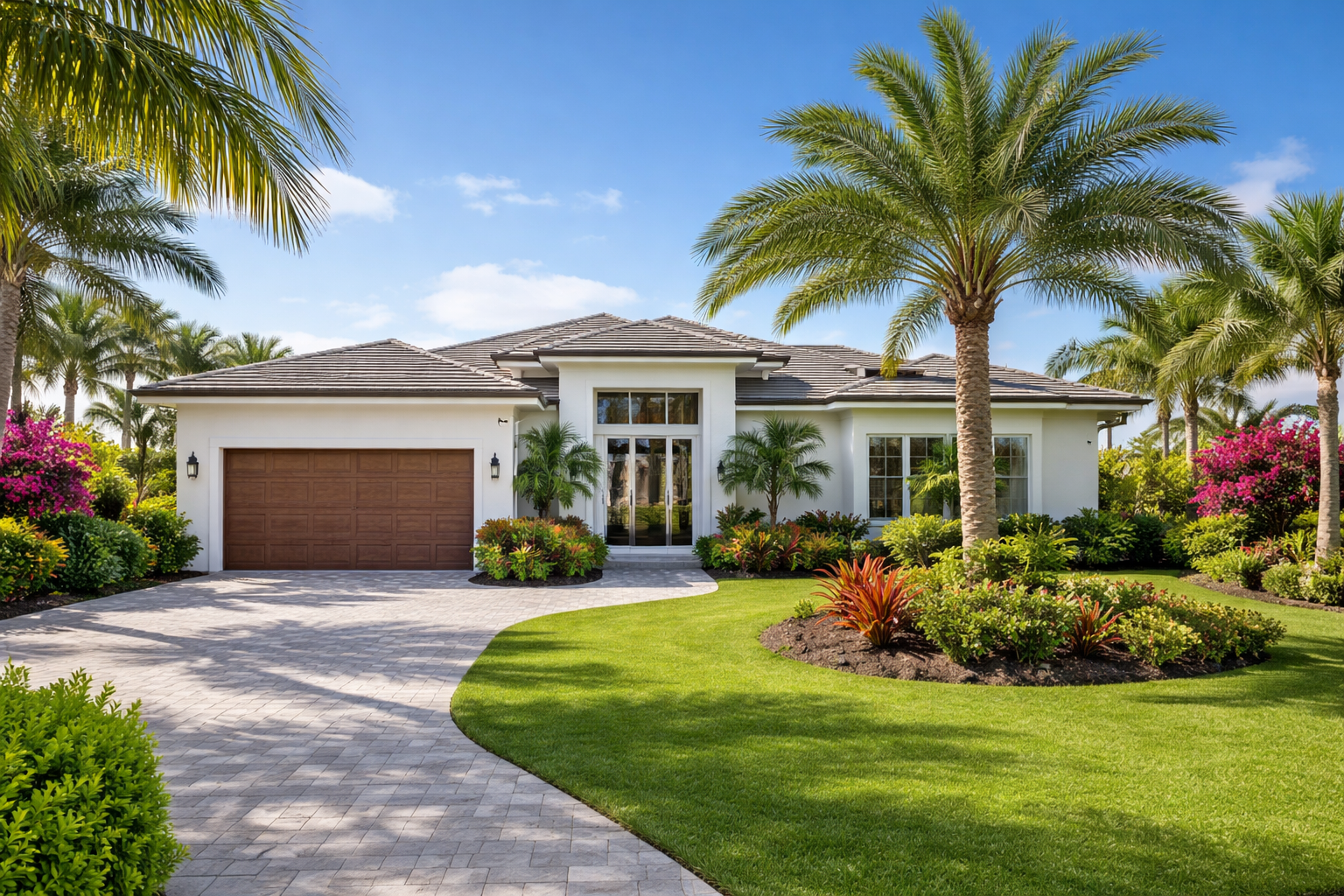
thekullgroup/wellington-fl-gated-community-home-exterior

Behind the Gates: What Living in a Wellington Gated Community Really Looks Like

If you’ve spent any time researching homes in Wellington, Florida, you’ve probably noticed how often the term “gated community” comes up.

It’s one of the defining features of the local housing market—but what that actually means can vary more than most buyers expect.

Some communities offer privacy and luxury amenities. Others are simply designed for controlled access. And in many cases, buyers assume benefits that don’t always match reality.

If you're considering a move in Palm Beach County, understanding how gated communities function—and whether they align with your goals—can help you make a more informed decision.


Why Gated Communities Are So Common in Wellington

Wellington didn’t develop like older cities with open, unrestricted neighborhoods. Much of its growth occurred during periods when planned communities were the preferred model.

Developers built neighborhoods with defined boundaries, shared amenities, and centralized management structures. Gated access became part of that formula—not just for security, but for organization and identity.

Today, gated communities exist across a wide range of price points, from modest single-family neighborhoods to high-end estates and equestrian properties.

In other words, “gated” doesn’t necessarily mean luxury—it means controlled entry.

Start Comparing Homes That Actually Fit Your Criteria

If you're evaluating options in Palm Beach County or South Florida, browsing homes by city can help you quickly understand pricing, condition, and location tradeoffs.

Explore Homes by City

What “Gated” Actually Means (And What It Doesn’t)

There’s a common assumption that gated automatically equals secure, private, and exclusive. In reality, the level of security and oversight varies significantly.

Types of Gated Access You’ll See

Guard-Gated Communities

These typically have staffed entrances with security personnel who verify visitors. This is common in higher-end neighborhoods or communities with more amenities.

Electronic Gate Entry

Residents use codes, keycards, or mobile apps to enter. Visitors may need to call ahead or be granted access remotely.

Hybrid Systems

Some communities have gates during certain hours and open access at others.


What It Does NOT Guarantee

  • Complete privacy
  • Elimination of unwanted visitors
  • Higher resale value by default
  • Uniform lifestyle across all gated neighborhoods

This is where many buyers misinterpret what they’re getting.


The Lifestyle Side: What Daily Living Feels Like

From a day-to-day perspective, gated living in Wellington can feel very different depending on the community.

Convenience vs. Control

While gates can create a sense of order, they also introduce an extra step every time you come and go.

Examples:

  • Guests may need to be pre-approved
  • Deliveries might be delayed or redirected
  • Service providers may require access coordination

For some homeowners, this is a worthwhile trade-off. For others, it becomes an inconvenience over time.


Community Standards and Expectations

Most gated communities are governed by homeowners associations (HOAs), which maintain common areas and enforce guidelines.

These can include:

  • Property maintenance standards
  • Exterior appearance rules
  • Parking regulations
  • Landscaping requirements

In Wellington, HOA involvement is often more structured in gated communities than in non-gated neighborhoods.


Financial Considerations Buyers Often Overlook

One of the biggest surprises for buyers isn’t the gate—it’s the ongoing cost structure.

HOA Fees

Gated communities almost always come with association fees. These can vary widely depending on:

  • Amenities (clubhouses, pools, fitness centers)
  • Staffing (security personnel vs. automated gates)
  • Maintenance responsibilities

In Palm Beach County, it’s not uncommon for these fees to range from moderate to substantial depending on the neighborhood.


Insurance Implications

Some buyers assume gated communities reduce insurance costs. While this can be true in certain cases, it’s not guaranteed.

Insurance providers look at:

  • Construction type
  • Roof age
  • Location (flood zones, coastal exposure)
  • Claims history

The presence of a gate is rarely the deciding factor.


Resale Value: Does a Gate Add Premium?

This is one of the most common questions—and the answer is more nuanced than most expect.

A gated entrance can make a community more appealing to certain buyers, but it doesn’t automatically increase value.

What tends to matter more:

  • Overall neighborhood condition
  • Location within Wellington
  • School zoning
  • Property upgrades
  • Market demand at the time of sale

In some cases, a well-maintained gated community can support stronger pricing. In others, HOA restrictions or fees can narrow the buyer pool.

Get a Better Sense of What Your Home Could Command

If you’re starting to think about selling, checking your home’s current value can help you understand pricing expectations and how your property may fit today’s market.

Check Your Home Value

Common Misconceptions About Gated Communities

Let’s address a few assumptions that frequently come up during home searches.

“Gated Means Safer”

While gates can reduce through traffic, they are not a guarantee of safety. Security varies by community and depends on how access is managed.


“All Gated Communities Are High-End”

Wellington has a wide spectrum of gated neighborhoods. Some are entry-level, others are luxury—but the gate itself isn’t the differentiator.


“HOAs Make Everything Easier”

HOAs can simplify certain aspects of homeownership, but they also introduce rules and oversight that not every buyer wants.


“It’s Always Better for Resale”

Some buyers actively seek gated communities. Others prefer non-gated neighborhoods with fewer restrictions. It depends on the market segment.


Who Gated Communities Typically Work Best For

Gated living tends to align well with certain priorities.

Buyers Who Value Structure

If you prefer consistency in how a neighborhood looks and operates, gated communities often provide that.

Seasonal Residents

For part-time residents, controlled access and maintained surroundings can offer peace of mind.

Buyers Seeking Amenities

Many gated communities in Wellington include shared amenities that add to the lifestyle experience.


When a Gated Community May Not Be the Best Fit

There are also situations where it may not align with your preferences.

Buyers Who Prioritize Flexibility

If you want fewer restrictions on how you use your property, HOA-governed communities may feel limiting.

Frequent Entertainers

Managing guest access repeatedly can become cumbersome.

Cost-Sensitive Buyers

HOA fees can impact overall affordability, especially when combined with insurance and taxes.


A Local Perspective: How This Plays Out in Wellington

In Wellington specifically, gated communities are part of the fabric of the market—but they’re not the only option.

There are also:

  • Non-gated neighborhoods with larger lots
  • Equestrian properties with fewer restrictions
  • Older communities without HOA structures

This gives buyers flexibility—but it also means the decision should be based on lifestyle fit, not just perception.


Final Thoughts: It’s About Fit, Not Just Features

Choosing between a gated and non-gated community isn’t about right or wrong—it’s about alignment.

The key is understanding:

  • What the gate actually provides
  • What it costs (financially and practically)
  • How it fits your day-to-day lifestyle

In a market like Palm Beach County, where options vary widely, clarity upfront leads to better decisions—and fewer surprises later.


Frequently Asked Questions

Are most communities in Wellington gated?

Many are, but not all. Wellington has a mix of gated and non-gated neighborhoods across different price points.

Do gated communities have higher HOA fees?

Often, yes—especially if they include staffed security or extensive amenities.

Can visitors easily access gated communities?

It depends on the system. Some require pre-approval, while others allow resident-controlled entry.

Do gated communities have stricter rules?

Generally, yes. HOA guidelines tend to be more structured in these neighborhoods.

Are gated communities safer?

They may limit access, but they do not eliminate risk entirely.

Do homes in gated communities sell for more?

Not always. Pricing depends on multiple factors beyond the presence of a gate.

Are there gated equestrian communities in Wellington?


Yes, though many equestrian properties are not gated and offer more flexibility.

Keep Exploring South Florida Real Estate

If you're comparing communities, researching home values, or trying to better understand the South Florida market, reviewing local resources can help put each city and neighborhood into context.


About the Authors

Chris and Sue Kull are South Florida real estate professionals with more than three decades of experience helping buyers, sellers, and property owners navigate real estate decisions throughout Palm Beach County and surrounding communities.

Their work emphasizes local insight, practical guidance, and clear information to help people make informed decisions at every stage of the process.

You can find additional community guides, search tools, and market resources at TheKullGroup.com.

April 2, 2026

Credit Score Strategy: What Actually Moves the Needle Before Buying a Home in South Florida

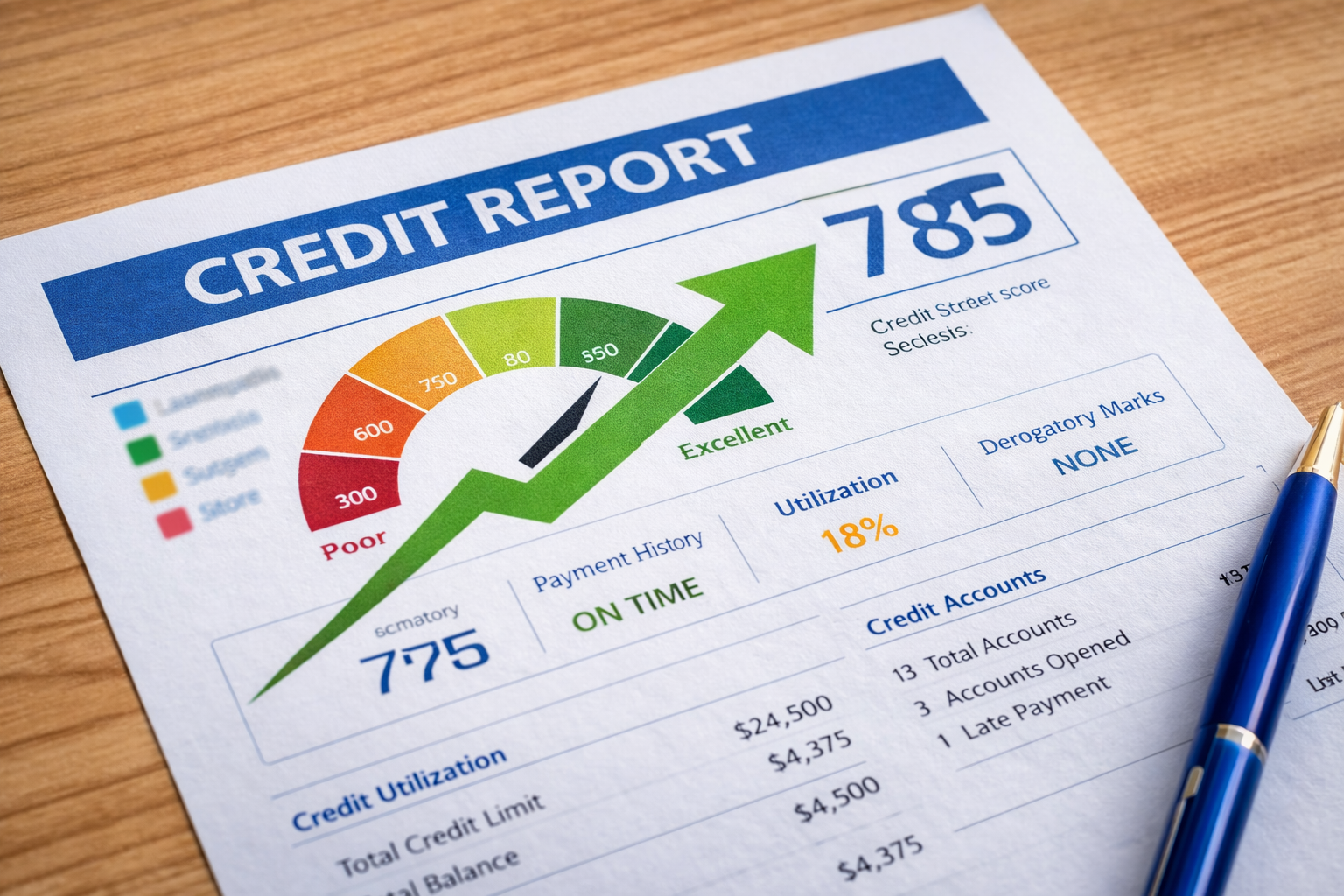
thekullgroup/south-florida-home-exterior-credit-preparation-guide

Credit Score Strategy: What Actually Moves the Needle Before Buying a Home in South Florida

If you’re thinking about buying a home in Palm Beach County, your credit score isn’t just a number—it’s one of the biggest factors shaping your monthly payment, loan options, and long-term financial flexibility.

What many people don’t realize is that improving credit isn’t about chasing a perfect score. It’s about understanding how lenders interpret your financial behavior and making targeted adjustments that produce real results—especially in a competitive South Florida market like Wellington, Lake Worth, or Boynton Beach.

Let’s break down what actually matters, what doesn’t, and how to position yourself for better financing.


Understanding What Lenders Are Really Looking At

A credit score is essentially a risk indicator. But lenders don’t just look at the number—they look at the story behind it.

There are several components that shape your score, but from a real estate standpoint, three areas tend to carry the most weight in underwriting decisions:

Payment Consistency

Late payments signal instability. Even one missed payment can have a disproportionate impact, especially if it’s recent.

Credit Utilization

This refers to how much of your available credit you’re using. High balances—even if you’re making payments—can suggest financial strain.

Credit Longevity

Long-standing accounts help demonstrate reliability over time. New credit lines don’t carry the same weight.

In practice, buyers in South Florida often get approved with a range of scores—but the difference between “approved” and “well-positioned” can mean tens of thousands of dollars over the life of a loan.


The Hidden Impact of Credit on Your Mortgage

Many buyers assume that once they qualify, their credit score doesn’t matter much. That’s not accurate.

A stronger credit profile can affect:

  • Interest rate
  • Loan program eligibility
  • Down payment requirements
  • Mortgage insurance costs

For example, in Palm Beach County, where home prices are higher than the national average, even a small rate difference can significantly change your monthly payment.

This is why credit strategy is often one of the first conversations worth having—before looking at homes.

Start Comparing Homes That Actually Fit Your Criteria

If you're evaluating options in Palm Beach County or South Florida, browsing homes by city can help you quickly understand pricing, condition, and location tradeoffs.

Explore Homes by City

Practical Ways to Strengthen Your Credit Position

Improving your credit isn’t about doing everything at once. It’s about focusing on the actions that create the most impact.

Audit Your Credit Profile First

Before making changes, you need a clear picture of what’s actually being reported.

Look for:

  • Accounts you don’t recognize
  • Incorrect balances
  • Duplicate entries
  • Old negative items that should have aged off

Errors are more common than most people think, and correcting them can sometimes produce quick improvements.


Prioritize Payment Timing

Consistency matters more than strategy here.

Set up:

  • Automatic payments
  • Calendar reminders
  • Backup alerts

In real-world transactions, lenders often review the most recent 12–24 months closely. Even one recent late payment can raise concerns.


Reduce Revolving Balances Strategically

Not all debt is viewed the same way.

Credit cards (revolving debt) tend to impact your score more than installment loans like car payments.

If you’re carrying balances:

  • Focus on lowering utilization below key thresholds (typically 30%, ideally lower)
  • Spread balances across accounts if needed
  • Avoid maxing out individual cards

This is one of the fastest ways to influence your score before applying for a mortgage.


Be Careful With New Credit Activity

Opening new accounts or applying for multiple lines of credit can temporarily lower your score.

This becomes especially important when you're preparing to buy a home.

In South Florida transactions, it’s not uncommon for deals to be delayed—or even fall apart—because a buyer opened a new credit card or financed furniture before closing.


Don’t Rush to Close Old Accounts

It may seem logical to clean up unused accounts, but closing them can actually reduce your available credit and shorten your credit history.

Both of those can negatively impact your score.

In most cases, it’s better to leave older accounts open, even if you rarely use them.


Address Collections Carefully

This is one of the most misunderstood areas.

Paying off a collection doesn’t always improve your score immediately—and in some cases, it can temporarily change how the account is reported.

Before taking action, it’s often worth:

  • Reviewing the age of the account
  • Understanding how it’s being reported
  • Considering whether negotiation or professional guidance makes sense

This is especially relevant for buyers trying to qualify for specific loan programs.


Maintain a Balanced Credit Mix

Lenders prefer to see that you can manage different types of credit responsibly.

This might include:

  • Credit cards
  • Auto loans
  • Installment loans

That said, this is not a reason to open unnecessary accounts. The goal is balance, not volume.

Get a Better Sense of What Your Home Could Command

If you’re starting to think about selling, checking your home’s current value can help you understand pricing expectations and how your property may fit today’s market.

Check Your Home Value

Common Credit Mistakes That Can Cost You a Deal

Even well-qualified buyers can run into issues if they don’t understand how credit behavior affects a pending transaction.

Here are some of the most common missteps seen in Palm Beach County transactions:

Making Large Purchases Before Closing

Buying furniture, appliances, or even a car can shift your debt ratios and impact your approval.

Assuming “Paid Off” Means “No Impact”

Even after paying off debt, it can take time for updates to reflect in your score and credit report.

Ignoring Small Balances

A few small balances across multiple cards can still push utilization higher than expected.

Overcorrecting Too Quickly

Trying to fix everything at once—closing accounts, paying off everything, opening new credit—can create unintended consequences.


What Timing Really Looks Like

There’s no universal timeline for improving credit, but certain changes can produce noticeable results within a few weeks, while others take longer.

In real estate scenarios, here’s how timing typically plays out:

  • Short-term adjustments (30–60 days): Lowering balances, correcting errors
  • Mid-term improvements (2–4 months): Building consistent payment patterns
  • Long-term strengthening (6+ months): Establishing deeper credit history

If you’re planning to buy in South Florida, even a small window of preparation can make a measurable difference.


Why This Matters More in Palm Beach County

South Florida is not a low-cost housing market.

Higher home values mean:

  • Larger loan amounts
  • Greater sensitivity to interest rates
  • More competition among buyers

That combination makes credit optimization more impactful here than in many other parts of the country.

A slightly stronger credit profile can be the difference between:

  • Competing confidently vs. struggling to qualify
  • Securing favorable terms vs. stretching your budget

A More Strategic Way to Think About Credit

Instead of chasing a specific number, it’s more effective to think in terms of positioning.

Ask:

  • Will this improve how a lender views my risk?
  • Will this strengthen my loan options?
  • Will this put me in a better position to compete?

That shift in thinking tends to produce better results than focusing on quick fixes alone.


Frequently Asked Questions

How high does my credit score need to be to buy a home in South Florida?

There’s no single number required. Many loan programs allow for a range of scores, but higher scores typically unlock better terms.

Can I improve my credit quickly before applying for a mortgage?

Some changes—like paying down balances—can have a faster impact, while others take more time.

Should I pay off all my credit cards before applying?

Lowering balances helps, but it’s not always necessary to pay everything off completely. Strategic reduction is often more effective.

Does checking my own credit hurt my score?

No. Personal credit checks are considered soft inquiries and do not impact your score.

Will closing credit cards improve my credit?

Not usually. In many cases, it can reduce your available credit and negatively affect your score.

How long do negative items stay on my credit report?

It depends on the type of item, but many remain for several years before aging off.

Can I still buy a home with past credit issues?

Yes. Many buyers successfully purchase homes with imperfect credit, but preparation and strategy become more important.


Final Thoughts

Improving your credit isn’t about perfection—it’s about understanding how small decisions add up over time.

In a market like Palm Beach County, where every advantage matters, taking a more intentional approach to your credit profile can directly impact your buying power and overall experience.

The key is not just improving your score, but improving how your financial profile is perceived when it matters most.

Keep Exploring South Florida Real Estate

If you're comparing communities, researching home values, or trying to better understand the South Florida market, reviewing local resources can help put each city and neighborhood into context.


About the Authors

Chris and Sue Kull are South Florida real estate professionals with more than three decades of experience helping buyers, sellers, and property owners navigate real estate decisions throughout Palm Beach County and surrounding communities.

Their work emphasizes local insight, practical guidance, and clear information to help people make informed decisions at every stage of the process.

You can find additional community guides, search tools, and market resources at TheKullGroup.com.

April 2, 2026

Why Some of the Best Homes in South Florida Are Sold Before You Ever See Them

thekullgroup/south-florida-off-market-homes-early-access


Why Some of the Best Homes in South Florida Are Sold Before You Ever See Them

There’s a quiet shift happening in real estate that most buyers don’t fully see until it’s too late. Some of the most desirable homes—especially in higher-end markets—are being spoken for long before they ever appear online. Instead of browsing listings and scheduling showings, certain buyers are gaining access through relationships, early conversations, and opportunities that never reach the public market.

While this trend is most visible at the luxury level, its impact is starting to influence how real estate works across Palm Beach County. For buyers, it changes how you search. For sellers, it reshapes how homes are positioned. And for anyone entering the market, it introduces a new reality: the best opportunities aren’t always the most visible ones.

The Rise of Off-Market and Pre-Market Home Sales

In traditional real estate, homes are listed, marketed, and then sold. But that sequence is becoming less predictable in certain segments of the market. Instead, properties are being secured before they are publicly available—sometimes before construction even begins.

This shift is driven by a combination of limited inventory and highly selective buyers. When demand exceeds supply, especially for well-designed or newer homes, buyers start looking for ways to get ahead of the competition. That often means building relationships with agents, builders, and developers who can provide early access.

In South Florida, where new construction and updated homes are consistently in demand, this trend is becoming more relevant. Buyers who rely solely on public listings may only be seeing a portion of what’s actually available.

Start Comparing Homes That Actually Fit Your Criteria

If you're evaluating options in Palm Beach County or South Florida, browsing homes by city can help you quickly understand pricing, condition, and location tradeoffs.

Explore Homes by City

Why Limited Inventory Is Changing Buyer Behavior

One of the biggest forces behind this shift is simple: there aren’t enough high-quality homes to meet demand. Buyers today are more intentional about what they want, and they’re less willing to compromise.

When inventory is limited, waiting for the “right home” to hit the market becomes less effective. Instead, buyers are positioning themselves early—sometimes months in advance—to secure properties that meet their criteria.

This is especially true in areas where demand remains strong. Buyers comparing options in places like Wellington or exploring opportunities in Delray Beach are often competing not just on price, but on timing and access.

Customization Is Driving Earlier Decisions

Another reason buyers are committing earlier is the desire for personalization. Instead of adapting to an existing home, many buyers want input on layout, finishes, and design details.

That level of customization is only possible before or during construction. Once a home is complete, those opportunities disappear. As a result, buyers who know what they want are choosing to engage earlier in the process—even before a property is officially introduced to the market.

In Palm Beach County, where lifestyle and long-term usability are major factors, this approach is becoming more appealing. Buyers are thinking beyond immediate needs and focusing on how a home will serve them over time.

Relationships Are Becoming a Key Advantage

Perhaps the most important takeaway is that access is no longer just about searching—it’s about connections. Buyers who are working closely with experienced professionals are often the first to hear about upcoming opportunities.

This doesn’t mean traditional listings are disappearing, but it does mean that part of the market is becoming more relationship-driven. The strongest opportunities may come from conversations rather than searches.

For buyers entering the South Florida market, understanding this dynamic can make a significant difference. It’s not just about finding homes—it’s about positioning yourself to be considered for them.

What This Means for Buyers and Sellers in South Florida

For buyers, the process is evolving. Relying solely on public listings may limit what you see, especially in competitive segments of the market. Being proactive, building relationships, and understanding where opportunities originate can expand your options.

For sellers, this trend creates flexibility. In some cases, homes can be positioned and sold before full public exposure, particularly if they meet strong demand criteria. This can lead to smoother transactions and more targeted buyer interest.

Across Palm Beach County, this shift reinforces an important idea: real estate is not just about availability—it’s about access, timing, and positioning.

Get a Better Sense of What Your Home Could Command

If you’re starting to think about selling, checking your home’s current value can help you understand pricing expectations and how your property may fit today’s market.

Check Your Home Value

Seeing the Market Beyond What’s Listed

As the market continues to evolve, buyers and sellers alike benefit from looking beyond traditional approaches. Not every opportunity is visible, and not every transaction follows the same path.

Understanding how off-market and pre-market activity works can provide a clearer picture of what’s really happening. It also helps explain why some homes seem to “disappear” quickly—or never appear at all.

In a market like South Florida, where demand remains steady and lifestyle plays a major role, being informed about these shifts allows you to move with more confidence.

Keep Exploring South Florida Real Estate

If you're comparing communities, researching home values, or trying to better understand the South Florida market, reviewing local resources can help put each city and neighborhood into context.


About the Authors

Chris and Sue Kull are South Florida real estate professionals with more than three decades of experience helping buyers, sellers, and property owners navigate real estate decisions throughout Palm Beach County and surrounding communities.

Their work emphasizes local insight, practical guidance, and clear information to help people make informed decisions at every stage of the process.

You can find additional community guides, search tools, and market resources at TheKullGroup.com.

April 2, 2026

Before You Fall in Love With a Home: What Buyers Should Really Look At First

thekullgroup/south-florida-home-buying-checklist-guide

Before You Fall in Love With a Home: What Buyers Should Really Look At First

INTRODUCTION

It’s easy to get emotionally attached to a home. The layout feels right, the finishes look perfect, and before long, it starts to feel like the one. But in real estate—especially in a competitive market like South Florida—making a decision too quickly can lead to long-term consequences that aren’t always obvious at first glance.

Buying a home is one of the largest financial decisions most people will ever make. Looking beyond the surface—past staging, design, and initial impressions—can make the difference between a smart investment and a costly mistake. Understanding pricing, location, and financing before signing is what separates a confident buyer from one who ends up second-guessing their decision later.


Why First Impressions Can Be Misleading in Real Estate

Homes are designed to create emotional reactions. From curb appeal to interior finishes, everything is meant to help buyers picture themselves living there. That’s not a bad thing—but it can distract from the factors that actually determine long-term value.

A home that appears “perfect” at first glance may not align with the surrounding market. If a property stands out too much compared to nearby homes, it could signal overpricing. That doesn’t just affect what you pay today—it can impact your ability to build equity over time.

In South Florida, where neighborhoods can vary significantly from one street to the next, this becomes even more important. Buyers often benefit from stepping back and asking a simple question:

👉 Does this home make sense for this specific area?

Sometimes, choosing a slightly smaller or less updated home in a stronger location leads to better long-term results.

Start Comparing Homes That Actually Fit Your Criteria

If you're evaluating options in Palm Beach County or South Florida, browsing homes by city can help you quickly understand pricing, condition, and location tradeoffs.

Explore Homes by City

Understanding Value Beyond the Listing Price

Price alone doesn’t tell the full story. A home’s value is shaped by multiple factors, including location demand, nearby comparable sales, and how it fits into the surrounding neighborhood.

In markets like Palm Beach County, certain areas naturally command higher prices due to lifestyle, proximity, and demand. That’s not necessarily a red flag—but it does mean buyers should evaluate whether they’re paying for long-term value or short-term appeal.

It’s also important to consider ongoing lifestyle costs. Areas with strong amenities, dining, and entertainment often come with higher day-to-day expenses. For buyers relocating to South Florida, this can be an overlooked part of the decision.

Get a Better Sense of What Your Home Could Command

If you’re starting to think about selling, checking your home’s current value can help you understand pricing expectations and how your property may fit today’s market.

Check Your Home Value

Location Still Matters—But It’s More Than Just a Phrase

“Location” is one of the most repeated phrases in real estate for a reason—but it’s often oversimplified.

What matters isn’t just where the home is located, but how that location fits your lifestyle and priorities.

For example:

  • A more central location may offer easier access to jobs, shopping, and activities
  • A suburban setting may provide more space and privacy
  • Coastal or lifestyle-driven areas may offer walkability and entertainment

Each comes with trade-offs.

In Palm Beach County, buyers often compare areas like:

  • <a href="https://www.thekullgroup.com/wellington-fl-real-estate/">Wellington real estate</a> for stability and community
  • <a href="https://www.thekullgroup.com/delray-beach-homes-for-sale/">Delray Beach homes for sale</a> for lifestyle and walkability

Understanding these differences before committing can prevent mismatches between expectations and daily life.


Financing Decisions Can Shape the Entire Outcome

The type of loan you choose affects far more than your monthly payment—it influences your flexibility, long-term cost, and overall financial comfort.

Buyers who expect to move within a shorter timeframe may consider loan structures that offer lower initial rates, while those planning to stay longer often prioritize stability.

The key is aligning your financing with your plans—not just what seems appealing upfront.

In a changing rate environment, working with a knowledgeable lender can help clarify what options make the most sense for your situation and timeline.


What This Means for Buyers and Sellers in South Florida

For buyers, the takeaway is simple: slow down and evaluate beyond the surface. A home should meet both emotional and financial expectations. Looking at pricing, location, and long-term usability ensures that the decision holds up over time.

For sellers, this reinforces how buyers are thinking today. Properties that are priced correctly, positioned well within their neighborhood, and aligned with buyer expectations tend to perform better. Over-improved homes or homes that don’t match the surrounding area can face more resistance.

In a market like South Florida, where lifestyle plays a major role, both buyers and sellers benefit from understanding how location, condition, and value interact.


Taking a Step Back Before Moving Forward

It’s natural to feel excited when you find a home that checks the right boxes. But stepping back—even briefly—can provide clarity that protects you long after the purchase.

Looking at the full picture—market value, location fit, and financial structure—helps ensure that your decision isn’t just based on how a home looks today, but how it performs for you over time.

A thoughtful approach doesn’t slow you down—it helps you move forward with confidence.


CONCLUSION

Buying a home is both an emotional and financial decision, but the most successful outcomes come from balancing both sides. The homes that feel right should also make sense.

In South Florida’s dynamic market, that means understanding more than just the property—it means understanding the environment around it, the long-term implications, and how everything fits together.


When buyers take the time to evaluate beyond the surface, they don’t just find a home—they make a decision they’re comfortable with long after closing.

Keep Exploring South Florida Real Estate

If you're comparing communities, researching home values, or trying to better understand the South Florida market, reviewing local resources can help put each city and neighborhood into context.


About the Authors

Chris and Sue Kull are South Florida real estate professionals with more than three decades of experience helping buyers, sellers, and property owners navigate real estate decisions throughout Palm Beach County and surrounding communities.

Their work emphasizes local insight, practical guidance, and clear information to help people make informed decisions at every stage of the process.

You can find additional community guides, search tools, and market resources at TheKullGroup.com.

April 2, 2026

What’s Happening This Spring in Palm Beach County: Events, Activities, and Local Favorites

thekullgroup/palm-beach-county-spring-events-things-to-do

What’s Happening This Spring in Palm Beach County: Events, Activities, and Local Favorites

Spring in Palm Beach County brings a noticeable shift—not just in weather, but in energy. From outdoor markets and festivals to family-friendly events and waterfront activities, this time of year is when South Florida truly comes alive. For residents and those considering a move to the area, it’s also a reminder of what makes this region more than just a place to live—it’s a lifestyle.

Whether you're planning your weekends, exploring new neighborhoods, or simply looking for something different to do, the upcoming events and local destinations across Wellington, West Palm Beach, Delray Beach, and surrounding communities offer something for everyone.


Spring Events Across Palm Beach County

Spring events in South Florida tend to blend outdoor experiences, local culture, and community gatherings. Many of these are recurring annual favorites, while others bring something unique each year.

One of the most well-known seasonal staples is the WPB GreenMarket, held on Saturday mornings in West Palm Beach through May 31, 2026. It’s widely recognized as one of the top markets in the country, offering fresh produce, local vendors, flowers, and live music in a relaxed, walkable setting.
👉 https://www.wpb.org/Residents/Community-Events/Events/WPB-GreenMarket

In Delray Beach, the Delray Affair returns April 10–12, 2026. This long-running event transforms the downtown area into a large-scale outdoor showcase featuring art, crafts, and creative displays from vendors across the country.
👉 https://www.thepalmbeaches.com/top-event/delray-affair

For something entirely different, the Barrett-Jackson Auto Auction takes place April 16–18, 2026, at the South Florida Fairgrounds. This nationally recognized event attracts collectors and enthusiasts from around the country.
👉 https://www.barrett-jackson.com/2026-palm-beach?from=navbar

Families in Wellington can take advantage of the annual Wellington Egg Hunt on April 4, 2026, where thousands of eggs are spread across open fields for children to enjoy.
👉 https://www.wellingtonfl.gov/675/Egg-Hunt

Additional highlights include:

These events reflect the diversity of the area—from food and music to family-friendly activities and large-scale attractions.

Start Comparing Homes That Actually Fit Your Criteria

If you're evaluating options in Palm Beach County or South Florida, browsing homes by city can help you quickly understand pricing, condition, and location tradeoffs.

Explore Homes by City

Everyday Experiences: Things to Do Around Town

Beyond scheduled events, Palm Beach County offers a wide range of ongoing activities that residents can enjoy throughout the year.

In Wellington, the Wellington Amphitheater hosts free concerts, markets, and seasonal events that create a consistent sense of community.
👉 https://www.wellingtonfl.gov/603/Amphitheater

For families and visitors, the Palm Beach Zoo in West Palm Beach remains a popular destination, offering daily access along with special evening events throughout the year.
👉 https://www.palmbeachzoo.org/

For something quieter and more scenic, the Morikami Museum and Japanese Gardens in Delray Beach provides a unique cultural experience. Events like the Sunset Stroll on April 23, 2026, combine nature, design, and atmosphere in a way that’s rare in South Florida.
👉 https://morikami.org/

Outdoor and nature-focused options include:

These are the kinds of places that residents tend to revisit over time—not just one-time attractions.


Dining, Shopping, and Local Hangouts

Part of what defines the Palm Beach County lifestyle is the accessibility of well-designed public spaces where dining, shopping, and entertainment come together.

In West Palm Beach, CityPlace offers a central location for restaurants, retail, and events.
👉 https://www.cityplace.com/

Further south, Mizner Park in Boca Raton blends shopping, dining, and cultural attractions in a walkable environment.
👉 https://www.miznerpark.com/en/

Other notable destinations include:

These areas are not just destinations—they’re part of the weekly rhythm for many residents.


What This Means for Buyers and Sellers in South Florida

Lifestyle plays a significant role in real estate decisions, especially in a market like Palm Beach County.

For buyers, access to events, outdoor spaces, dining, and community activities often becomes just as important as the home itself. Proximity to areas like downtown West Palm Beach, Delray Beach, or Wellington can directly influence long-term satisfaction.

For sellers, these same factors shape how a property is positioned in the market. Homes located near active community areas, lifestyle destinations, or well-known local attractions often attract more attention—particularly from out-of-area buyers.

Understanding how lifestyle connects to location helps create stronger positioning, whether you’re entering the market as a buyer or preparing to sell.

Get a Better Sense of What Your Home Could Command

If you’re starting to think about selling, checking your home’s current value can help you understand pricing expectations and how your property may fit today’s market.

Check Your Home Value

A Look at the Bigger Picture

What stands out about Palm Beach County is not just the number of things to do, but the consistency of activity throughout the year.

There’s always:

  • A local event
  • A seasonal attraction
  • A place to gather

That consistency creates stability—not just in lifestyle, but in long-term demand for the area.

For homeowners, that translates into continued interest from buyers.
For buyers, it means investing in a location that offers more than just housing.


CONCLUSION

Spring highlights what Palm Beach County does best—bringing together community, outdoor living, and a wide range of activities that appeal to different lifestyles.

Whether it’s a weekend market, a waterfront destination, or a large-scale festival, these experiences are part of what defines the area. For those already living here, it’s a reminder of why they chose it. For those considering a move, it offers a clear picture of what daily life can look like.

Keep Exploring South Florida Real Estate

If you're comparing communities, researching home values, or trying to better understand the South Florida market, reviewing local resources can help put each city and neighborhood into context.


About the Authors

Chris and Sue Kull are South Florida real estate professionals with more than three decades of experience helping buyers, sellers, and property owners navigate real estate decisions throughout Palm Beach County and surrounding communities.

Their work emphasizes local insight, practical guidance, and clear information to help people make informed decisions at every stage of the process.

You can find additional community guides, search tools, and market resources at TheKullGroup.com.
April 1, 2026

Moving With Pets in South Florida: How to Protect Your Animals During a Big Move

thekullgroup/moving-with-pets-south-florida-home-guide-kull-group

Moving With Pets in South Florida: How to Protect Your Animals (and Your Sanity) During a Big Move

Moving is already one of the most disruptive events in a household—but when you add pets into the equation, the complexity increases fast. For many homeowners and families in South Florida, pets aren’t just part of the household—they’re part of the family. And unlike people, they don’t understand what’s happening when boxes start piling up and routines suddenly change.

That’s where most moves go wrong. It’s not the logistics—it’s the lack of preparation for how pets respond to stress, change, and unfamiliar environments.

In a market like Palm Beach County, where relocations, upsizing, downsizing, and lifestyle moves are happening every day, having a plan for your pets isn’t optional—it’s essential. If handled correctly, your move can feel smooth for everyone involved. If not, it can turn into unnecessary stress, behavioral issues, or even safety risks.


Why Moving Feels So Different for Pets

Pets rely heavily on consistency. Their sense of safety comes from routine, familiar smells, and predictable environments. When you introduce moving boxes, strangers in the home, and a shifting schedule, it creates confusion—and often anxiety.

Dogs may become restless or clingy. Cats may hide or stop eating. Smaller animals can become highly sensitive to noise and environmental changes.

The key shift most homeowners need to make is this:
You’re not just moving your home—you’re transitioning your pet’s entire world.

That means the move needs to be managed from their perspective, not just yours.

Start Comparing Homes That Actually Fit Your Criteria

If you're evaluating options in Palm Beach County or South Florida, browsing homes by city can help you quickly understand pricing, condition, and location tradeoffs.

Explore Homes by City

Preparing Your Pet Before the Move Begins

The smoothest moves start weeks before moving day—not the night before.

One of the simplest but most effective strategies is gradual exposure. When boxes and packing supplies suddenly appear all at once, pets react. But when those same items show up slowly over time, they become part of the environment.

At the same time, maintaining routine becomes critical.

Even as your schedule fills with logistics, keep these consistent:

  • Feeding times
  • Walks and exercise
  • Sleep schedules
  • Interaction and attention

This consistency acts as an anchor for your pet. It tells them that even though things look different, their world is still stable.

If you're planning a move within Palm Beach County, whether into Wellington or surrounding areas, this preparation phase is often the difference between a smooth transition and a chaotic one.


Managing Moving Day Without Risk

Moving day is where things can go sideways quickly—especially for pets.

Doors are open. Movers are coming and going. Noise levels are high. It’s the perfect environment for a frightened pet to escape or get injured.

The safest approach is simple:
Limit exposure to chaos.

You have a few strong options:

  • Keep pets in a closed, secure room
  • Use a crate or carrier in a quiet space
  • Arrange for a friend, family member, or boarding option

For many families, temporarily removing pets from the home during the busiest part of the move is the safest choice.

If pets are staying with you, create a controlled environment where:

  • They cannot access open doors
  • They are not surrounded by strangers
  • They have familiar items nearby (beds, toys, blankets)

This is especially important in active suburban areas like Boynton Beach, where open layouts and frequent foot traffic during a move increase the risk of escape.


Travel and Transition: Getting Your Pet to the New Home Safely

The move itself—whether across town or across the state—is another critical phase.

For most pets, the car ride is one of the most stressful parts of the process. That’s why preparation matters.

Best practices include:

  • Securing pets in a crate or carrier
  • Avoiding loose items in the vehicle
  • Keeping the environment calm and temperature-controlled
  • Bringing familiar items for comfort

If your move involves distance, plan ahead for:

  • Pet-friendly accommodations
  • Breaks for exercise and hydration
  • Safe overnight arrangements

Before the move, it’s also wise to connect with your veterinarian to:

  • Confirm vaccinations are up to date
  • Obtain medical records
  • Discuss stress-reduction options if needed

Setting Up Your New Home the Right Way

Most homeowners focus on unpacking first—but when you have pets, priorities shift.

Your pet’s environment should be one of the first things you establish.

Start by creating a designated area with:

  • Food and water
  • Bedding or crate
  • Familiar toys
  • A quiet, low-traffic location

Introduce your pet to the home gradually. Let them explore in stages rather than overwhelming them with the entire space at once.

If you're moving into a larger property—common in areas like Royal Palm Beach—this becomes even more important. Too much space too quickly can increase anxiety rather than reduce it.

Safety checks are also essential:

  • Secure fences and gates
  • Check screens and windows
  • Remove hazards (plants, chemicals, cords)

Your new home may look perfect—but from a pet’s perspective, it’s full of unknown risks.


What This Means for Buyers and Sellers in South Florida

Pets play a bigger role in real estate decisions than most people realize.

For buyers, especially those relocating, pet-friendly features often influence which homes make the shortlist:

  • Fenced yards
  • Durable flooring
  • Safe outdoor spaces
  • Community pet policies

Understanding how your pet will adjust to a new home can help you make smarter decisions upfront.

For sellers, pet ownership can directly impact how your home is presented and perceived.

Buyers today are highly observant. Signs of pets—odors, damage, clutter—can affect how a home shows.

At the same time, homes that are well-maintained and pet-friendly can stand out in a competitive market.

If you're preparing to sell, it’s worth exploring your positioning through tools like your Palm Beach County home value estimator to understand how condition and presentation influence your pricing strategy.

Get a Better Sense of What Your Home Could Command

If you’re starting to think about selling, checking your home’s current value can help you understand pricing expectations and how your property may fit today’s market.

Check Your Home Value

Helping Your Pet Adjust After the Move

The move doesn’t end when the boxes are unpacked. For your pet, the adjustment period is just beginning.

It’s common to see temporary changes in behavior:

  • Loss of appetite
  • Accidents in the house
  • Increased anxiety or hiding
  • Changes in sleep patterns

These are normal responses to a new environment.

The most effective way to help your pet settle in is to:

  • Re-establish routine immediately
  • Limit time away during the first week
  • Provide extra attention and reassurance
  • Use familiar items from your previous home

If you're moving into a new area like Lake Worth, taking your dog on regular walks early on can help them become familiar with their surroundings and reduce anxiety.

Most pets adjust within a few weeks—but patience is key.


Final Thoughts: A Smooth Move Starts With a Plan

Moving with pets isn’t complicated—but it does require intention.

When you plan ahead, maintain consistency, and prioritize your pet’s experience, the entire process becomes easier—not just for them, but for you.

The biggest mistakes happen when pets are treated as an afterthought in the moving process. The best outcomes happen when they’re part of the plan from the beginning.

In a fast-moving market like South Florida, where transitions happen quickly, having a system in place for your pets ensures nothing gets overlooked.

And when everything is handled the right way, your new home doesn’t just feel like a fresh start for you—it feels like home for them, too.

Keep Exploring South Florida Real Estate

If you're comparing communities, researching home values, or trying to better understand the South Florida market, reviewing local resources can help put each city and neighborhood into context.


About the Authors

Chris and Sue Kull are South Florida real estate professionals with more than three decades of experience helping buyers, sellers, and property owners navigate real estate decisions throughout Palm Beach County and surrounding communities.

Their work emphasizes local insight, practical guidance, and clear information to help people make informed decisions at every stage of the process.

You can find additional community guides, search tools, and market resources at TheKullGroup.com.

April 1, 2026

Selling in 2026 Requires a Different Playbook: The Mistakes That Can Cost Homeowners Time and Money

thekullgroup/south-florida-home-seller-mistakes-2026-pricing-strategy

Selling in 2026 Requires a Different Playbook: The Mistakes That Can Cost Homeowners Time and Money

A lot of homeowners still think selling a home works the way it did a few years ago: list it, wait a few days, and expect strong interest right away. But 2026 is asking more of sellers. Buyers are taking longer to decide, comparing homes more carefully, and pushing harder on price, condition, and concessions. That does not mean homes are not selling. It means the homes that sell well are usually the ones positioned correctly from the start.

For sellers in Palm Beach County and across South Florida, that shift matters. A home can still attract serious buyers and produce a strong outcome, but only when the strategy matches the market. Sellers who rely on old assumptions often create avoidable problems for themselves. The good news is that the biggest mistakes are also the most fixable. If you understand where sellers go wrong in 2026, you can avoid unnecessary delays, protect your pricing power, and move with much more confidence.

The Market Has Changed, and Sellers Have to Change With It

The biggest mistake many homeowners make in 2026 happens before the home even goes live: they approach the market with an outdated mindset.

In a faster, more aggressive market, sellers could get away with testing a high price, overlooking smaller cosmetic issues, or refusing to negotiate because demand was doing most of the heavy lifting. That is not the environment many sellers are walking into now. Buyers have more choices, more time to compare, and more leverage to walk away when something feels off.

That shift changes the seller’s job. It is no longer enough to simply put a home online and hope it stands apart. Sellers need to think about how their home is being judged against every other available option in the same price bracket. Buyers are not only asking, “Do I like this house?” They are asking, “Is this the best value among everything else I can buy right now?”

That is especially important in South Florida, where neighborhoods can vary widely by price point, age of housing stock, HOA structure, and buyer profile. A seller in Wellington real estate may be competing for a different buyer than a seller looking to attract attention from those browsing Lake Worth homes for sale, but the same principle applies: homes that feel overpriced, underprepared, or difficult to buy tend to lose momentum quickly.

Sellers who do well in 2026 are usually realistic early. They study the current market, not the market from memory. They understand that buyer behavior has changed, and they position their home accordingly.

Start Comparing Homes That Actually Fit Your Criteria

If you're evaluating options in Palm Beach County or South Florida, browsing homes by city can help you quickly understand pricing, condition, and location tradeoffs.

Explore Homes by City

Pricing for Yesterday’s Market Is One of the Fastest Ways to Stall a Sale

If there is one decision that shapes everything else, it is pricing.

Many sellers still anchor their expectations to a sale from one or two years ago, or to what a nearby home achieved under very different conditions. That can be dangerous. A home’s value is not determined by what once happened in the neighborhood. It is determined by what buyers are willing to pay now, given the inventory, the competition, interest rates, and the overall presentation of the property.

Overpricing creates a chain reaction. First, fewer buyers schedule showings because the home does not appear competitive in search results. Then the listing begins to sit. Once days on market start adding up, buyers begin wondering what is wrong. Eventually, the seller often has to reduce the price anyway, but now from a weaker negotiating position.

That is why pricing should not be emotional. It should be strategic.

A smart pricing approach in 2026 considers:
recent comparable sales, current active competition, the condition of your home relative to others, and how buyers in your specific area are responding. In some neighborhoods, even a small pricing miss can put a listing at a disadvantage because buyers have enough alternatives to move on without hesitation.

In South Florida, pricing also has to reflect local buyer psychology. In more stable and established areas, buyers tend to notice when a home is stretching beyond what the market supports. That is one reason sellers benefit from studying both neighborhood-level data and broader Palm Beach County home search trends before deciding where to enter the market.

Correct pricing does not mean leaving money on the table. It means avoiding the costly trap of chasing the market downward after the home has already lost early momentum.

Get a Better Sense of What Your Home Could Command

If you’re starting to think about selling, checking your home’s current value can help you understand pricing expectations and how your property may fit today’s market.

Check Your Home Value

Condition Matters More Than Many Sellers Want to Believe

Another major mistake sellers make in 2026 is assuming buyers will overlook repair issues, dated finishes, or presentation problems.

In a more competitive market, buyers compare homes side by side. That means even minor flaws start carrying more weight. A leaky faucet, stained grout, chipped paint, tired landscaping, old light fixtures, or scuffed baseboards might seem small to the seller who lives there every day. But to a buyer, those details often combine into a larger impression: this home may require more work and more money than I want to take on.

That does not mean every seller needs a full renovation before listing. In fact, over-improving can be just as problematic as doing nothing. The goal is not perfection. The goal is confidence.

Sellers should focus on improvements that make the home feel well maintained, clean, and ready for the next owner. That may include:
fresh paint, simple repairs, deep cleaning, decluttering, basic landscaping, updated hardware, improved lighting, and thoughtful staging. These are often the moves that make a property feel more appealing without creating unnecessary expense.

This matters even more in South Florida, where homes compete not only on layout and location, but also on lifestyle. Buyers often expect bright, clean, functional spaces that feel easy to move into. If the home feels like a project, many will either pass or lower their offer to protect themselves from the unknown.

A prepared home does not just photograph better. It reduces buyer hesitation. And in 2026, reducing hesitation is one of the biggest advantages a seller can create.

What This Means for Buyers and Sellers in South Florida

For sellers, the lesson is clear: the market is still workable, but it is less forgiving. Buyers are paying close attention, and they have more room to be selective. That means pricing, presentation, and flexibility are no longer optional advantages. They are part of the baseline for selling successfully.

For buyers, this shift creates opportunity. They may have more negotiating room than they did in a more overheated market, especially when a home has been sitting, needs work, or was priced too aggressively at launch. Buyers who understand the seller’s likely pressure points can often structure stronger offers, request credits, or negotiate repairs with more confidence.

For relocators coming into South Florida, this also changes how they evaluate listings. A home that looks appealing online still needs to hold up against local competition in person. Areas known for lifestyle appeal, such as Delray Beach, may still attract buyers with strong expectations around presentation, design, and move-in readiness. That makes the seller’s preparation even more important.

The broader takeaway is that both sides are operating in a more thoughtful market. Deals are still happening every day, but success is coming from strategy rather than momentum.

Sellers Who Refuse to Negotiate Often End Up Paying for It Later

The third common mistake is treating negotiation like a battle that must be won at every turn.

In 2026, many buyers are coming in with tighter budgets and a sharper eye on their total monthly cost. That means they may ask for help with closing costs, repair credits, rate buydowns, or concessions after inspections. Some sellers react to any request as if it is unreasonable. But in many cases, refusing to engage can cost more than the concession itself.

A rigid seller may lose a qualified buyer over an issue that could have been solved with a smaller compromise. Then the home goes back on the market, collects more days on market, and may attract weaker offers later. What felt like standing firm can quickly become an expensive decision.

That does not mean sellers should say yes to everything. It means they should evaluate requests in context.

The best negotiations usually come from understanding three things:
what the buyer truly cares about, what the local market is supporting, and what the seller’s bigger goal actually is. If a modest concession keeps the deal together and protects your timeline, it may be the smarter move. Especially for sellers relocating for work, family, or lifestyle reasons, certainty often matters more than extracting one last advantage from the transaction.

A skilled agent helps sellers separate emotional reactions from practical decision-making. In today’s market, that guidance is critical.

The Sellers Winning in 2026 Are Usually Doing the Basics Exceptionally Well

There is no secret formula here. Most successful sellers are not doing anything flashy. They are simply aligning with the reality of the market.

They are pricing based on current evidence, not old headlines. They are making the home feel cared for and buyer-ready. They are entering negotiations with a plan rather than with pride. And they are listening to advice rooted in what buyers are actually doing right now.

That is what creates results.

For South Florida homeowners, this is good news. It means success is still very achievable. But it belongs to the sellers who adapt first, not the ones who assume the market should adapt to them.

If you are thinking about selling in 2026, the smartest move is to prepare before you list. Understand your competition. Be honest about your home’s condition. Know where pricing should start. And decide in advance how flexible you are willing to be when buyer requests come in.

That kind of preparation does not just improve your chances of selling. It usually improves the entire experience from start to finish.

Keep Exploring South Florida Real Estate

If you're comparing communities, researching home values, or trying to better understand the South Florida market, reviewing local resources can help put each city and neighborhood into context.


About the Authors

Chris and Sue Kull are South Florida real estate professionals with more than three decades of experience helping buyers, sellers, and property owners navigate real estate decisions throughout Palm Beach County and surrounding communities.

Their work emphasizes local insight, practical guidance, and clear information to help people make informed decisions at every stage of the process.

You can find additional community guides, search tools, and market resources at TheKullGroup.com.