Insights, strategy, and real estate guidance across Palm Beach County.

April 22, 2026

What Happens If You Wait To Sell And Buy In 2026? | Florida Strategy

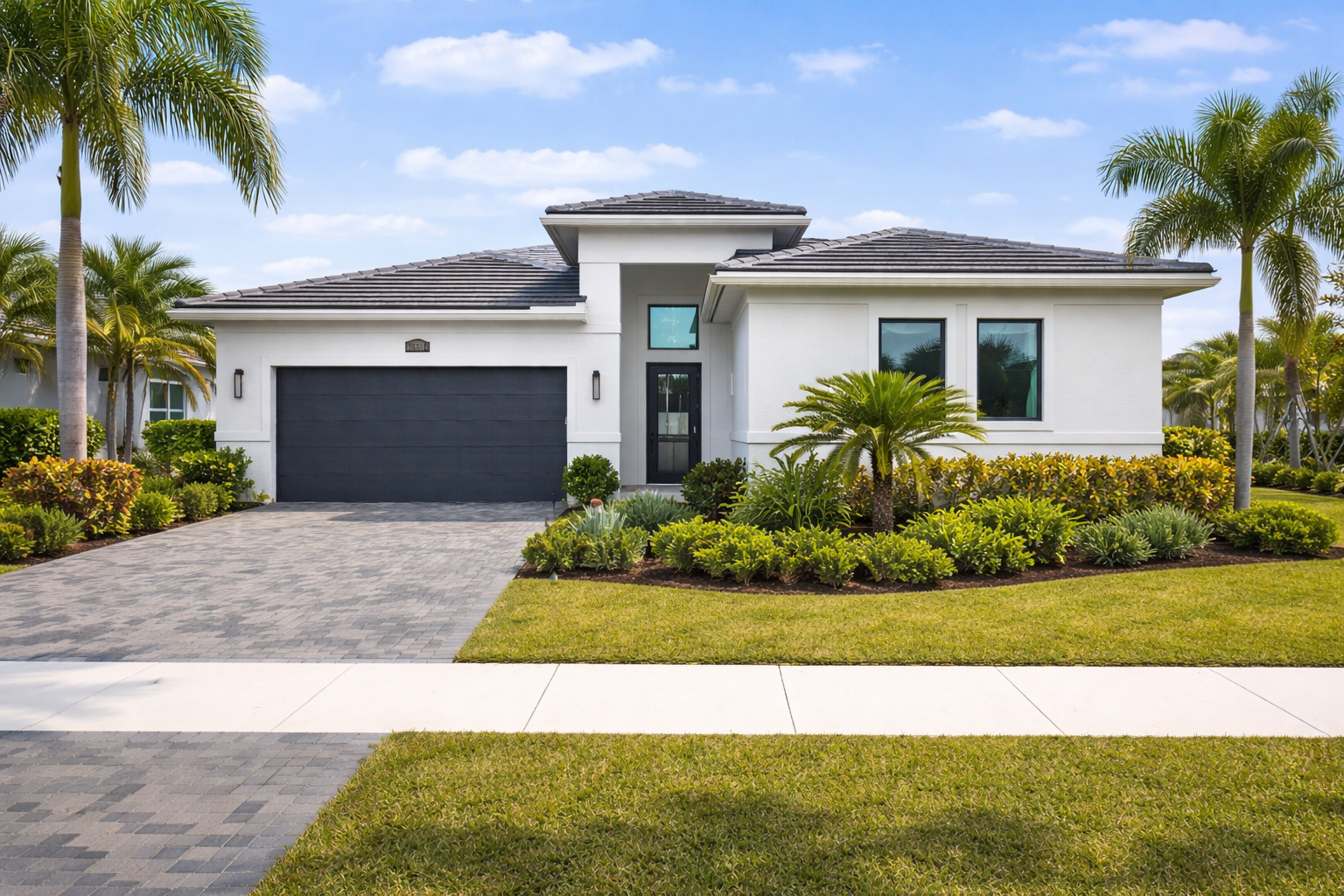
South Florida home with calm exterior representing decision to wait versus act in real estate market timing

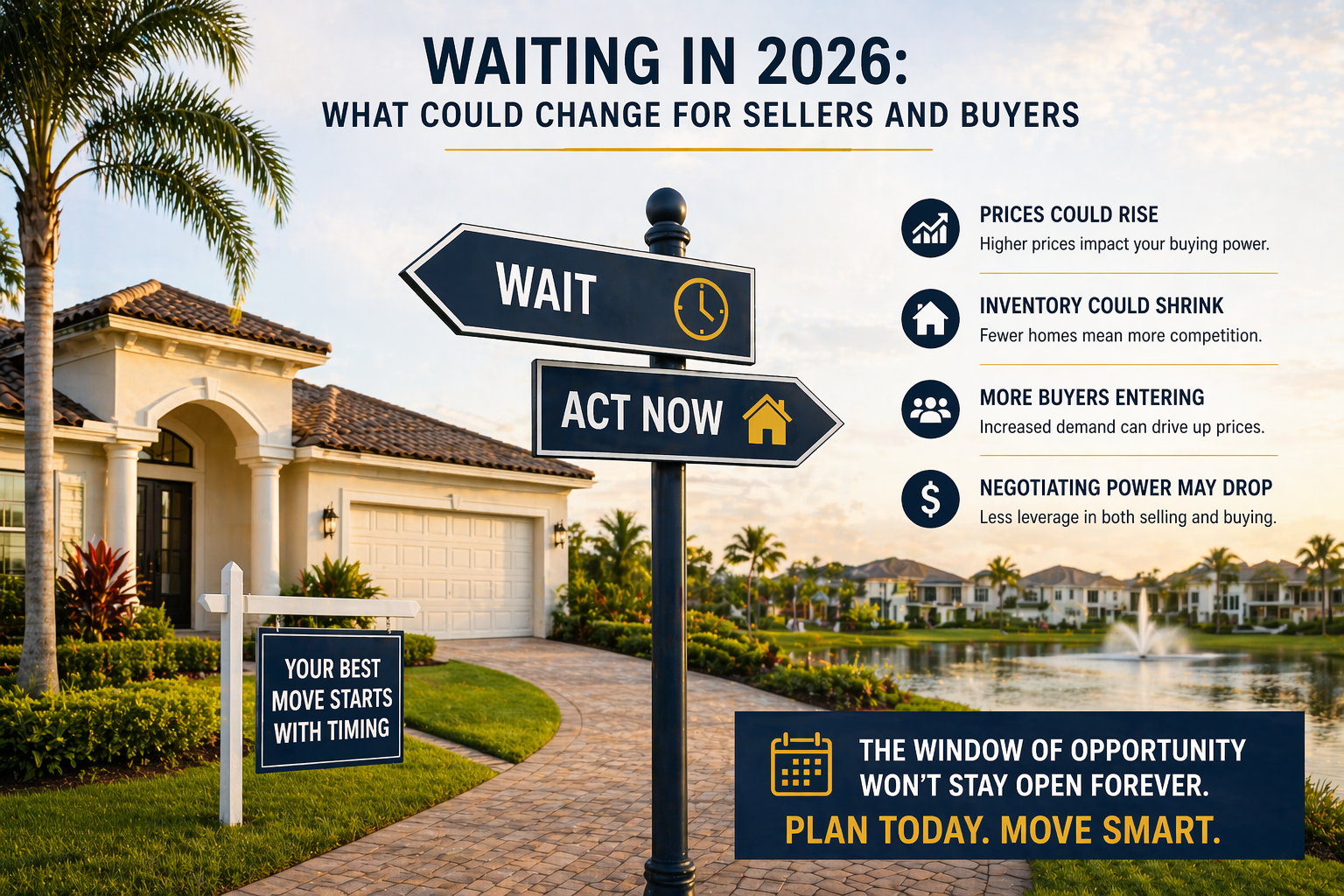
What Happens If You Wait to Sell and Buy in 2026?

Waiting can feel responsible.

It gives you time to watch the market, avoid rushing, and hold onto a position that already feels familiar. For many homeowners, delaying the move feels safer than acting while conditions are still shifting.

But markets do not pause while you wait.

The important question is not whether your home will still have value later. The question is whether the relationship between your sale and your next purchase will still work the same way.

Waiting Does Not Preserve the Same Opportunity

Many homeowners think about waiting as if it freezes their current position.

It does not.

Your current home may still appreciate or remain desirable, but the strength of your position depends on what is happening around it. If inventory increases, buyer urgency slows, or competition between sellers grows, the leverage attached to your home can begin changing even while the property itself still feels strong.

That is why understanding whether Palm Beach County sellers still have timing on their side matters before assuming later will automatically create a better outcome.

The Buy Side Often Changes Faster Than Sellers Expect

The purchase side of the move is where many homeowners underestimate risk.

Waiting to buy does not simply create more time to think. It can also reduce flexibility when you are finally ready to move.

As inventory tightens in northern markets connected to Port St. Lucie and the Treasure Coast, buyers may face:

  • Fewer desirable options
  • More selective sellers
  • Less negotiation flexibility
  • Greater competition for well-positioned homes

The danger is not usually that homes disappear entirely.

The danger is that the quality of the opportunity changes before your equity is repositioned.

The Real Risk Is the Double Shift

The most important change is not what happens to one side of the move.

It is what happens when both sides move at the same time.

Over time:

  • Your current market can become more competitive for sellers
  • Your next market can become more restrictive for buyers

That combination is what narrows flexibility.

The mechanics behind that transition become much clearer when you understand how inventory is tightening across both markets.

The numbers may still look strong later.

But what those numbers can actually accomplish may become smaller.

Why Waiting Feels Safer Than It Actually Is

Waiting often feels protective because it avoids immediate action.

But avoiding action is not the same as reducing exposure.

In some situations, waiting absolutely may still be the correct decision. The mistake is assuming waiting is neutral.

A delayed move can quietly create:

  • More seller competition
  • Fewer buying choices
  • Higher replacement costs
  • More pressure during the transition

Those changes usually happen gradually, which is why homeowners often do not recognize the shift until flexibility has already narrowed.

How This Can Affect a Market Like Greenacres

For homeowners in Greenacres, the decision often centers around how efficiently today’s equity can be converted into a stronger next position.

The home may still hold value later.

But if selling conditions soften while buying conditions tighten, the same amount of equity may create fewer useful options when the move finally happens.

That is the part many homeowners miss.

The issue is rarely whether equity still exists.

The issue is whether the market still allows that equity to work efficiently.

What Strategic Homeowners Are Actually Watching

The strongest decisions are usually not based on predicting the market perfectly.

They are based on understanding what the current timing window still allows.

That means evaluating:

  • How your current home would likely perform today
  • How much usable equity would remain after costs
  • What purchase flexibility still exists in the next market
  • How much negotiation leverage may narrow over time

The goal is not to move quickly.

The goal is to avoid confusing delay with protection.

How This Fits Into the Larger Sell High, Buy Smart Strategy

A successful move depends on both sides working together.

The broader Sell High, Buy Smart strategy is built around the current imbalance between stronger Palm Beach County selling conditions and still-flexible buying opportunities farther north.

That imbalance is the opportunity.

If the gap narrows:

  • The sale may still happen
  • The purchase may still happen
  • But the overall leverage between the two may weaken

That is why timing matters more than many homeowners initially realize.

What This Decision Really Comes Down To

The better question is not whether waiting is always wrong.

The better question is whether waiting improves your position—or simply delays the move until it becomes harder to structure efficiently.

Right now, some homeowners can still:

  • Sell from relative strength
  • Buy before northern flexibility tightens fully
  • Coordinate the transition without unnecessary pressure

That combination is what creates the current window.

Before You Decide to Wait

Every situation depends on equity, timing, financing flexibility, and the type of move you are trying to create.

Before deciding to delay the move, it helps to understand what waiting is likely to change—not in theory, but within your specific position.

The strongest decisions come from knowing how much leverage you still have, how much flexibility still exists, and whether the next version of the market is likely to improve your options or narrow them.

This Window Will Not Stay Open Forever

Right now is one of the few times where both sides of this move may still work in your favor.

  • Why Palm Beach County sellers still hold leverage
  • Where Port St. Lucie buyers still have flexibility
  • What changes could narrow the gap
  • How to avoid losing positioning during the transition

No pressure. Just clarity before you make a move.

Check the Timing

Frequently Asked Questions

Is waiting to sell always a bad decision?

No. Waiting can absolutely make sense in certain situations. The important part is understanding how delaying the move may affect both your selling leverage and your future buying flexibility before assuming the same opportunity will still exist later.

What is the biggest risk of waiting to sell and buy?

The biggest risk is the market shifting on both sides at once. Your current sale may become more competitive while your next purchase becomes less flexible, reducing the overall advantage your equity can create.

April 22, 2026

Why Port St. Lucie Still Offers Buyers an Advantage (For Now) | The Kull Group

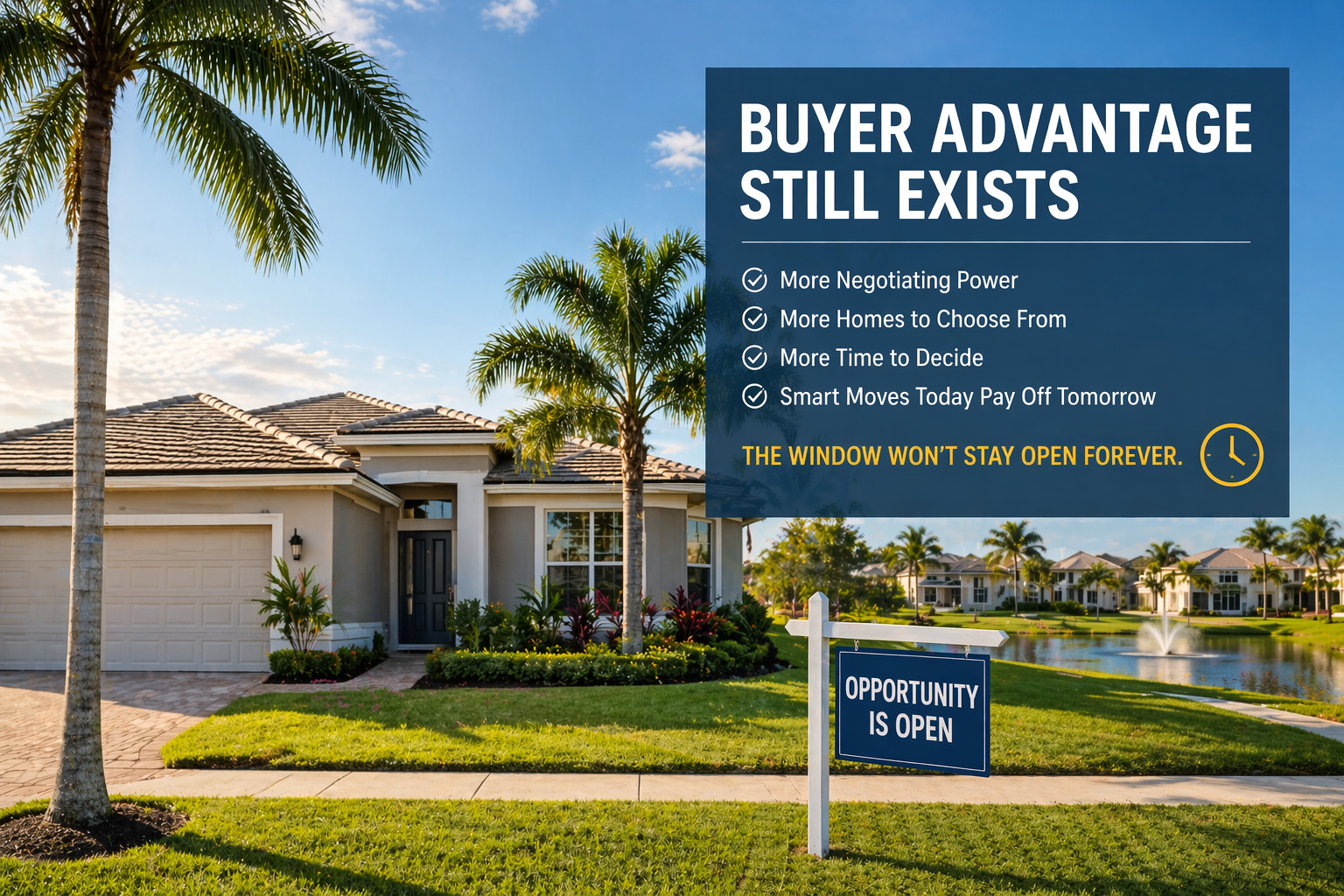
Modern Port St. Lucie home in a balanced market showing buyer opportunity before rising competition

Why Port St. Lucie Still Offers Buyers an Advantage (For Now)

Port St. Lucie still gives some buyers room to think, compare, and negotiate.

That does not mean the entire market is easy. It means the market has not fully tightened in the same way many Palm Beach County markets already have.

That difference is the opportunity.

For homeowners selling from a stronger position farther south, the advantage comes from using Palm Beach County leverage before Port St. Lucie buyer flexibility becomes harder to access.

Why Buyer Advantage Still Exists in Port St. Lucie

Buyer advantage does not show up evenly across every listing.

It appears where pricing, timing, seller motivation, days on market, or property presentation creates enough imbalance for a buyer to move with more control.

Some buyers are still finding room to negotiate. Others are running into resistance because they are looking in the most competitive parts of the market or assuming every listing carries the same flexibility.

A closer look at where buyers are still finding opportunity in Port St. Lucie helps clarify why the advantage is selective rather than universal.

The Window Exists Because the Two Markets Are Not Moving Together

The current opportunity is not based on Port St. Lucie being weak.

It exists because Palm Beach County and Port St. Lucie are moving through different parts of the market cycle at different speeds.

Palm Beach County has already tightened in many segments. Sellers in well-positioned areas may still benefit from limited supply, steady demand, and strong buyer interest.

Port St. Lucie is also tightening, but certain parts of the market still allow buyers to evaluate more carefully, negotiate more selectively, and avoid full competition in every situation.

For homeowners coming from a stronger selling position, understanding whether selling now preserves leverage becomes part of the same decision as the purchase.

What Is Already Starting to Change

The buyer advantage is narrowing quietly.

Inventory is becoming more selective. Stronger listings are drawing faster attention. Sellers with better-positioned homes are gaining confidence. Buyers waiting for obvious discounts are finding fewer clear opportunities.

None of these shifts need to be dramatic to matter.

A small reduction in inventory can reduce negotiation room. A slight increase in buyer demand can shorten decision timelines. A stronger seller response can change how much leverage remains in a deal.

That is why understanding how inventory shifts affect both markets is important before assuming today’s balance will stay available later.

Why Timing Often Matters More Than Price

Many buyers focus only on whether they are getting a lower price.

That is too narrow.

A better buying opportunity may come from timing, seller flexibility, inspection leverage, closing structure, or the ability to make a decision without competing against multiple buyers.

Price matters. But timing often determines whether the purchase can be structured in a way that actually improves the overall move.

Buying before the market fully tightens may create:

  • More room to compare options carefully
  • Better negotiation conditions in specific situations
  • Less pressure to waive important protections
  • More control over timing between sale and purchase

Those advantages are not guaranteed, but they still exist in parts of the Port St. Lucie market.

How Waiting Changes the Buyer Position

Waiting does not simply delay the purchase.

It changes the purchase environment.

As more buyers recognize the same value proposition, competition can increase around the homes that make the most sense: newer construction, strong locations, better layouts, lower-maintenance properties, and homes priced correctly from the start.

At the same time, Palm Beach County selling conditions may begin shifting in a different direction.

That is where the advantage compresses from both sides.

A deeper look at how waiting impacts both sides of the move shows why delay can reduce flexibility even when the move remains possible.

How Strategic Buyers Are Approaching This Window

The buyers benefiting most are not treating Port St. Lucie as a uniformly favorable market.

They are being selective.

They are studying where seller expectations have not fully adjusted, where listings have sat longer than expected, where pricing has softened, and where condition or presentation has caused buyers to overlook usable value.

That kind of approach changes the purchase from a simple search into a positioning strategy.

The goal is not to buy any home before competition increases. The goal is to identify a property that supports the next stage without absorbing the leverage created by the sale.

Where This Shows Up Locally

Port St. Lucie still offers a mix of resale homes, newer communities, builder inventory, and properties where pricing or timing may create room for a buyer to move strategically.

Nearby markets behave differently.

Stuart can create a more constrained buying environment in certain segments because inventory may be tighter and lifestyle-driven demand can concentrate around fewer suitable homes.

Those differences matter because the buy-side advantage is not just geographic. It is tied to inventory type, seller motivation, pricing structure, and how quickly each market is tightening.

The Risk Is Misreading the Direction

The most common mistake is assuming today’s flexibility will still exist later.

Buyers may see a few negotiable listings and assume the same conditions will be available months from now. But markets move in phases, and the best opportunities often disappear before the broader market feels fully competitive.

For homeowners managing both a sale and a purchase, coordinating both sides of the move without losing flexibility becomes critical.

The risk is not just paying more later.

The risk is having fewer useful ways to convert your current equity into a better next position.

What This Means for Your Next Move

This is not about whether Port St. Lucie is a good market.

It is about how long the current buyer-side advantage remains usable.

Right now, some buyers can still find selective negotiation, evaluate without immediate pressure, and avoid peak competition in certain situations.

But those conditions are transitional.

The advantage belongs to buyers who understand where flexibility still exists, how quickly it may narrow, and how the purchase connects to the larger move from Palm Beach County.

Before You Decide How to Approach Port St. Lucie

Every buyer enters this decision with a different starting point.

Equity, timing, financing, risk tolerance, and the strength of the current sale all shape what the right purchase strategy should look like.

Before moving forward, it helps to understand how your current position interacts with the direction of both markets—not just the home you want to buy.

Review Whether Port St. Lucie Still Gives You Buyer Advantage

If you are considering a move from Palm Beach County toward Port St. Lucie, the first step is understanding whether the purchase side still gives you enough flexibility to make the transition work.

  • Where Port St. Lucie buyers still have practical negotiation room
  • How your Palm Beach County sale may shape the next purchase
  • What happens if inventory tightens before you act
  • How to structure the move without unnecessary timing pressure

No pressure. Just clarity before you make a move.

Review Your Port St. Lucie Options

Frequently Asked Questions

Is Port St. Lucie still favorable for buyers right now?

In certain situations, yes. The risk is assuming every listing still offers the same leverage. The control principle is identifying where pricing, timing, condition, and seller motivation still create room. The execution reality is that buyer advantage is becoming more selective as inventory tightens and stronger listings attract faster attention.

Will buyers continue to have this advantage later?

Not necessarily. The risk is waiting until the best buying opportunities become more competitive. The control principle is evaluating the purchase side before flexibility narrows further. The execution reality is that as inventory declines and buyer activity increases, negotiation room can shrink even before the entire market feels fully tight.

April 22, 2026

Is Now the Right Time to Sell in Palm Beach County?

Well-maintained Palm Beach County home representing strong market conditions and optimal timing to sell before relocating to Port St. Lucie

Is Now the Right Time to Sell in Palm Beach County?

The timing question is rarely about the market alone. It is about what the market allows you to do next—and whether that outcome improves or limits your position.

Right now, many homeowners in Palm Beach County are in a position where the decision is less about whether selling is possible, and more about whether selling now creates a stronger overall result than waiting.

What This Market Is Actually Giving You

Inventory remains constrained across much of Palm Beach County, and buyer activity has not disappeared. That combination keeps sellers in a position of relative control, particularly when pricing and presentation are aligned.

But that strength only matters in context. If your next move depends on buying, then what matters is not just how your home sells—but how that sale interacts with the market you are moving into.

That interaction is what defines whether this is simply a good sale or a strategic move. Understanding how the timing between selling and buying actually affects your outcome is where that distinction becomes clear.

Why the Next Step Changes the Meaning of Timing

Selling in a strong market can create leverage. But if the purchase side becomes more competitive at the same time, part of that advantage can be lost in the transition.

That is why timing cannot be evaluated in isolation.

Right now, nearby markets such as Port St. Lucie are still offering moments where buyers have some flexibility, even as conditions begin to tighten. The way that flexibility is showing up is outlined in where buyers are still finding room to negotiate—and why that window is not expected to remain open indefinitely.

What Waiting Actually Changes

Waiting does not simply delay the decision. It changes the structure of the decision.

Over time:

  • More inventory can return to the market, increasing competition
  • Buyer behavior can shift toward more selective purchasing
  • The cost of your next purchase may rise
  • Negotiation leverage on the buy side can narrow

None of these shifts need to be dramatic to affect your outcome. Even moderate changes across both markets can reduce the advantage that currently exists. A clearer view of how waiting reshapes both sides of the move shows why this is less about urgency and more about positioning.

Where Sellers Gain—and Where They Lose It

The homeowners who benefit most from current conditions are not simply reacting to strong pricing. They are evaluating the full move before taking action.

They look at:

  • How their property is likely to perform in today’s market
  • What their equity will translate to after the sale
  • What opportunities exist on the purchase side right now
  • How to structure the move so those advantages are preserved

Where the strategy breaks down is when the sale is treated as the finish line instead of the starting point for the next decision.

How This Decision Varies Across Palm Beach County

Different areas create different versions of this decision because they produce different levels of leverage on the sell side.

For example:

  • Wellington homeowners often hold substantial equity tied to larger properties, which can expand options
  • Boca Raton sellers may benefit from higher price ceilings and consistent demand
  • Delray Beach tends to maintain steady buyer activity driven by location and lifestyle factors

These differences influence how much flexibility exists after the sale—and how much room you have to structure the next move effectively.

The Role of Sequence in the Outcome

Timing decisions are closely tied to sequencing decisions.

Choosing to sell first can preserve clarity and leverage, but introduces uncertainty on the purchase side. Choosing to buy first can secure the next home, but may limit flexibility when positioning your current property.

The correct approach depends on how these risks interact in your situation. A deeper look at how inventory changes are affecting both sides of the market helps explain why that balance is becoming more sensitive over time.

What This Decision Really Comes Down To

The question is not simply whether this is a good time to sell.

The more relevant question is whether selling now improves your next position more than waiting would.

At the moment:

You can sell into a market that still favors well-positioned properties.
You can still find purchase opportunities where flexibility has not fully disappeared.
But those conditions are not moving at the same speed.

That difference is what creates the opportunity—and what eventually closes it.

Before You Decide What to Do Next

Every homeowner approaches this decision from a different position. Equity levels, timing needs, and financial structure all shape what the right move looks like.

Before making a decision, it helps to understand how your current position translates into your next one—and whether the timing supports that transition.

Is Your Timing Working For You—Or Against You?

Most homeowners are not making the wrong move—they are making the right move at the wrong time.

  • Whether selling now puts you ahead of market shifts
  • How waiting could impact both sides of your move
  • What your timing window actually looks like right now
  • How to move without getting stuck between two markets

No pressure. Just clarity before you make a move.

Schedule a Strategy Call

Frequently Asked Questions

Is it a good time to sell in Palm Beach County right now?

Many homeowners are still in a strong position due to limited inventory and steady buyer demand, but the real answer depends on how that sale interacts with your next move.

What happens if I wait to sell?

Waiting can introduce more competition, reduce pricing leverage, and increase pressure on the purchase side as nearby markets continue to tighten.

April 22, 2026

Living in Lake Worth FL: Lifestyle, Homes, Insights

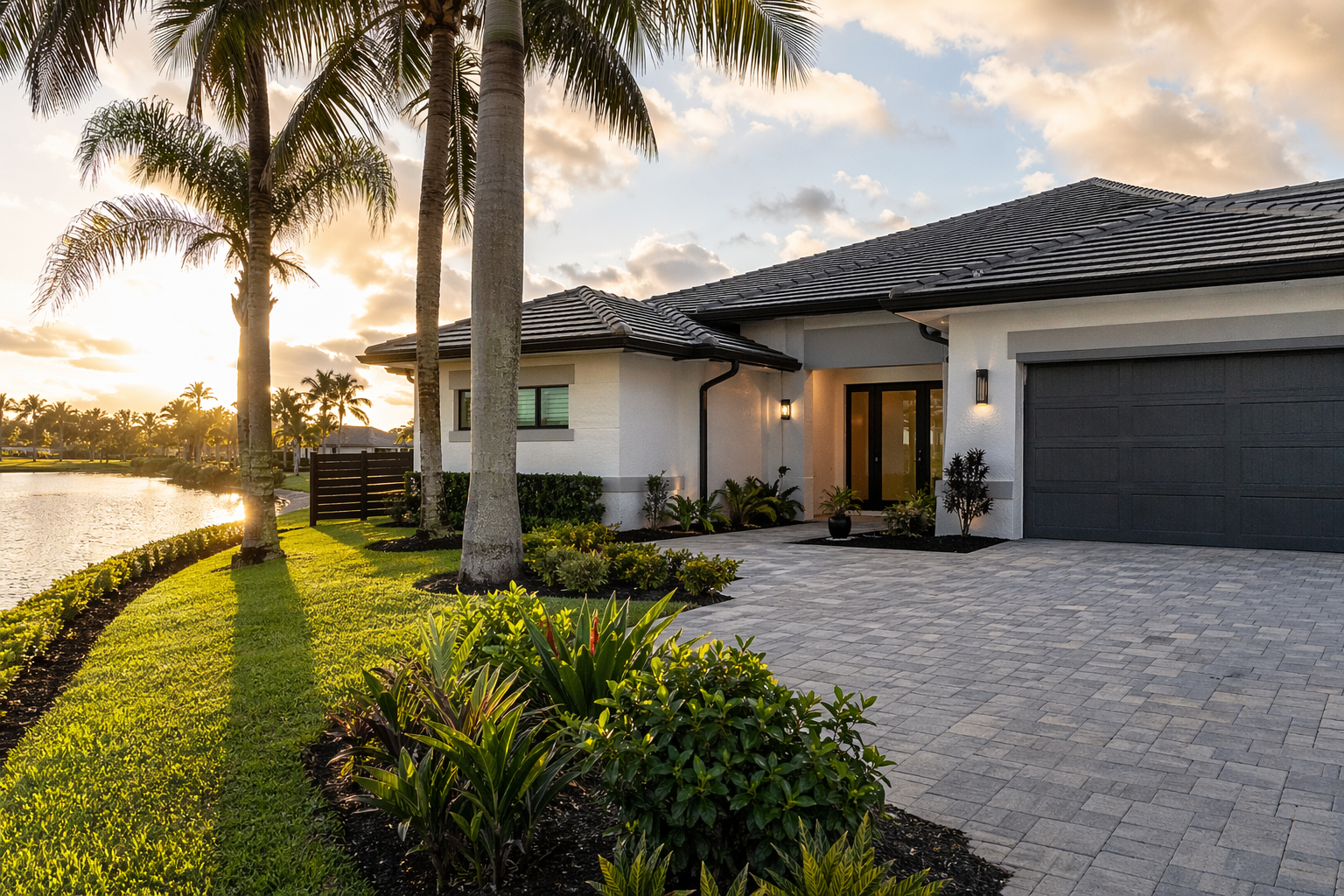
A residential street in Lake Worth Florida showing varied homes and greenery reflecting what it is like to live in Lake Worth FLWhat Is It Like to Live in Lake Worth, FL? Why Some Buyers Connect With It Faster Than Nearby Alternatives
Some cities make sense on paper. Others make sense the moment you drive through them. When people start asking what is it like to live in Lake Worth FL, the answer usually goes beyond square footage, commute times, or price ranges. For many buyers, Lake Worth creates an immediate reaction because it feels less packaged than some nearby alternatives and more personal from the start.

That difference matters. In South Florida, buyers often compare communities that are cleaner-lined, newer, or more predictable in layout. Lake Worth tends to win over a different kind of buyer: someone looking for texture, location, variety, and a lifestyle that feels lived-in rather than manufactured. It offers a blend of old Florida character, practical access, and a wider range of housing choices than many people expect when they first begin comparing cities.

For some buyers, that connection happens faster here than it does in neighboring communities. For sellers, understanding why that connection happens can be just as important. Lake Worth does not appeal to everyone in the same way, but for the right buyer, it often stands out early.

Why Lake Worth Feels Different So Quickly

Lake Worth tends to pull people in because it does not feel overly controlled. Instead of giving buyers one clean, uniform version of Florida suburbia, it offers a more layered experience. Streets can shift in feel from one section to the next. Housing styles vary. Some homes have longstanding architectural character, others have been fully modernized, and some properties still leave room for personal vision.

That variety is often what makes the city click so quickly. Buyers who feel underwhelmed by places that are too polished or too repetitive sometimes respond to Lake Worth because it has more identity. It feels less interchangeable. There is a sense that the city grew over time rather than being assembled all at once.

There is also a practical side to that appeal. Lake Worth puts buyers in a position where they can reach coastal areas, nearby retail, and surrounding employment centers without feeling disconnected from the rest of Palm Beach County. For buyers comparing communities, that can matter just as much as the home itself.

Explore Homes in This Area

If you're considering a move, browsing available homes can help you understand pricing, layouts, and what’s currently on the market in this area.

Search Homes by City

The Real Estate Mix Is Part of the Draw

One reason buyers connect with Lake Worth faster than expected is that the housing inventory opens more decision paths. Instead of being forced into one dominant product type, buyers can evaluate different lifestyles through the housing itself. Condos, townhomes, smaller homes with manageable footprints, older residences with charm, updated properties, and homes with upside potential all exist within the broader search.

That flexibility can make the search feel more productive. A buyer who wants character may find it. A buyer who wants to improve a property over time may also find it. A buyer who wants to stay closer to the coast without stepping into significantly higher pricing sometimes discovers that Lake Worth gives them a more workable path than they expected.

That is one of the key differences when compared with places like Royal Palm Beach homes for sale, where the housing experience may feel more consistent and more structured from neighborhood to neighborhood. Some buyers prefer that uniformity. Others feel more at home in a city where the inventory gives them more room to define what “fit” actually means.

Reviewing Lake Worth homes for sale early in the search process usually helps buyers understand that Lake Worth is not one-note. It is a city where the inventory itself tells a broader story about lifestyle, budget, and choice.

For homeowners trying to decide whether moving makes sense financially, getting a clearer picture of existing equity often sharpens the conversation long before a property is listed. A quick look at current home value can help frame what is realistic before the next move is planned.

What Buyers Should Notice Before They Move Too Fast

Lake Worth often earns a quick emotional yes from buyers, but the smart move is to slow down just enough to understand why it feels right. The city’s appeal comes from variation, and that same variation means neighborhood-level differences matter. One part of Lake Worth may align perfectly with a buyer’s daily routine, housing priorities, and comfort level, while another may not.

Buyers should pay attention to more than the listing photos. The way streets feel, the type of surrounding properties, the balance between renovation and original condition, and the route to everyday destinations all matter here. Lake Worth rewards buyers who compare thoughtfully rather than assuming the entire city delivers the same experience from one section to another.

That said, this is part of what makes the city compelling. Buyers are not stepping into a market that feels overly standardized. They are evaluating a city with more nuance. For the buyer who wants flexibility and does not need everything to look identical, that can be a major advantage.

Selling in Lake Worth Requires Clear Positioning

For sellers, Lake Worth can be a strong market when the property is positioned correctly. The city attracts buyers who already understand its appeal, but they are often comparing a wide range of homes at the same time. That means pricing, presentation, and expectations have to be dialed in with more discipline than in markets where the housing stock is more uniform.

A seller in Lake Worth is not just competing against homes that look exactly like theirs. They may be competing against renovated properties, homes with more visible character, or listings that offer a different version of value. Because of that, details matter. Condition matters. The way the home is introduced to the market matters.

Lake Worth also tends to attract buyers who are making emotional judgments quickly. They are often responding not only to the home, but to the setting, the feel, and the sense of possibility. Sellers who understand that and prepare accordingly usually place themselves in a stronger position.

In a city like this, strategy should not be generic. The most effective sale often comes from understanding exactly what type of buyer is most likely to connect with the property and then making sure the home is presented in a way that supports that reaction.

Understand What Your Home Might Sell For

If you're thinking about selling in this area, knowing your home’s current value is the first step toward understanding your options.

Check Your Home Value

What This Means for Buyers and Sellers in South Florida

Lake Worth fits into the South Florida conversation differently than some of the more predictable communities around it. It does not win people over through sameness. It wins them over through range, personality, and location. That makes it especially relevant for buyers who are trying to find something that feels more natural to them rather than simply choosing the neatest or newest option on a map.

For buyers, that means Lake Worth can become a front-runner quickly when lifestyle fit matters more than uniformity. For sellers, it means the market opportunity is real, but it depends heavily on knowing how to frame the home in a way that speaks to the buyer who already values what this city offers.

In the broader South Florida market, Lake Worth is often not the city people fully understand at first glance. But once they do, it can become the place that feels right faster than nearby alternatives that initially seemed more obvious.

Frequently Asked Questions About Living in Lake Worth, FL

What is it like to live in Lake Worth FL compared to nearby cities?

Lake Worth generally feels less uniform and more varied than many nearby communities. Buyers often notice a broader mix of housing styles, neighborhood personalities, and day-to-day settings. That can make the city feel more individual and less planned from block to block. For people who do not want a highly standardized environment, that difference is often part of the appeal and one reason the city stands out early in the search process.

Is Lake Worth a good choice for buyers who want character instead of a master-planned feel?

For many buyers, yes. Lake Worth tends to appeal to people who want a city with more visual and architectural variation. Instead of offering one dominant neighborhood style, it gives buyers more choices in how they want to live. That can include older homes, updated properties, smaller footprints, or homes with renovation potential. Buyers who value character often connect with that flexibility faster than they do with more uniform nearby alternatives.

Does Lake Worth offer different kinds of homes and price points?

Yes, and that is one of the reasons many buyers find it worth exploring. Lake Worth includes a wider mix of property types than some surrounding communities, which can help buyers match lifestyle goals with budget more effectively. Depending on the area, buyers may find condos, townhomes, smaller single-family homes, renovated residences, or properties with future upside. That range tends to make the search feel more open-ended and practical.

What should buyers pay attention to when searching in Lake Worth?

Buyers should look beyond the city name and focus on the specific section they are considering. Lake Worth is not a one-note market, so streets, surroundings, property condition, and access patterns can vary meaningfully from one area to another. That makes in-person evaluation especially important. Buyers who understand neighborhood-level differences usually make stronger decisions because they are judging the actual fit rather than reacting to a broad city label alone.

What should sellers understand before listing a home in Lake Worth?

Sellers should know that Lake Worth rewards thoughtful positioning. Because buyers in this market often compare very different property styles and conditions, pricing and presentation matter a great deal. A home that is introduced clearly and prepared well can connect strongly with the right buyer. Sellers benefit most when they avoid a generic approach and instead focus on what makes their property stand out within the broader mix of homes competing for attention.

Keep Exploring South Florida Real Estate

If you're comparing communities, reviewing local real estate trends, or exploring where you might want to live next, continue exploring to better understand your options.

April 21, 2026

Lower-Maintenance Homes in South Florida: Time to Move?

A modern low maintenance home in South Florida with clean landscaping and simple design reflecting an easier lifestyleIs It Time to Move Into a Lower-Maintenance Home in South Florida?

At some point, many South Florida homeowners start asking a quieter question: not “Can I move?” but “Should I keep living this way?” The house still works, but it may not feel as easy as it once did. Maintenance takes longer, repairs feel more frequent, and the idea of something simpler starts to carry more weight. If you’re wondering whether it’s time to move into a lower-maintenance home in South Florida, you’re not alone—and more importantly, you’re not early. This question usually shows up after patterns have already started shifting.

In Palm Beach County, this decision isn’t just about downsizing. It’s about rebalancing your time, your expenses, and how you want your home to function moving forward. For many homeowners, the goal isn’t less—it’s easier. And that’s a very different kind of decision.

When a Home Starts Taking More Than It Gives Back

Most people don’t wake up one day and decide their home is too much. It builds gradually. A repair here, a weekend project there, a growing list of things that need attention. Over time, what used to feel manageable begins to feel like something you have to stay on top of instead of something that simply works for you.

In communities like Wellington homes for sale, the appeal often starts with space and flexibility. Larger homes, outdoor areas, and established neighborhoods create a strong long-term living environment. But those same features can shift in meaning over time. More space means more upkeep. More systems mean more maintenance. What once felt like an advantage can quietly become a responsibility.

For some homeowners, it’s not even about the size of the home anymore—it’s the ongoing effort of keeping everything running. When that starts to feel familiar, it’s usually not a one-time frustration. It’s a pattern. If that’s where you are, understanding when your home starts feeling like too much to manage can help you recognize whether this is just a phase or a signal that something needs to change.

If You’re Thinking About Moving, It Usually Starts Here

Most homeowners don’t randomly decide to move. It builds over time. If you’re starting to think about selling and moving into something newer or easier to maintain, it usually comes down to one of these situations. Choose the one that feels closest to you.

Your home is starting to feel like too much to manage →

Maintenance, repairs, or simply keeping up with everything may be taking more time and energy than you want to keep giving.

You’re trying to make a smarter financial move →

You may be thinking about reducing expenses, using your equity differently, or moving into a home that fits your long-term plans better.

You want something newer, simpler, and easier to live in →

Many homeowners reach a point where they want less maintenance, a more efficient layout, and a home that feels easier day to day.

The Hidden Cost of Staying the Same

Choosing not to move often feels like the easiest decision. There’s no disruption, no major transition, and no need to rethink your current setup. But over time, staying put can carry its own kind of cost—one that builds slowly and often goes unnoticed until it becomes significant.

Maintenance expenses don’t usually spike all at once. They increase gradually. Systems age, repairs become more frequent, and projects that used to be optional start becoming necessary. Even when each individual cost seems manageable, the overall impact can shift your financial picture in ways that aren’t immediately obvious.

Beyond the numbers, there’s also the question of time and energy. If more of your attention is going toward maintaining your home rather than enjoying it, that tradeoff becomes harder to ignore. What once felt like a stable decision can begin to feel like a default that hasn’t been reevaluated in a while.

That’s why understanding your position matters. Looking at your home value is often the first step in turning a vague idea into something concrete. It gives you a clearer sense of what options might actually be available if you decide to make a change.

What “Easier” Looks Like in Today’s Market

Moving into a lower-maintenance home isn’t just about reducing responsibility—it’s about changing how your home supports your lifestyle. In today’s market, “easier” often shows up through design, efficiency, and long-term usability rather than just size.

Newer homes and updated properties tend to reflect how people want to live now. Open layouts, simplified outdoor spaces, and more efficient systems all contribute to reducing the daily demands of ownership. The goal isn’t to give something up—it’s to remove the friction that has built up over time.

In nearby areas like Boynton Beach homes for sale, many buyers notice this shift clearly. Properties are often designed with a focus on ease—less upkeep, more functionality, and a layout that aligns with everyday living rather than long-term maintenance commitments.

For homeowners considering a move, this isn’t about finding something smaller or less valuable. It’s about finding something that works better for where you are now.

The Turning Point Most Homeowners Recognize

There’s usually a moment when the idea of moving stops feeling abstract. It might come after a repair that feels like one too many. Or when you realize that parts of your home aren’t being used the way they once were. At that point, staying becomes a decision rather than a default.

This is where clarity starts to matter. Instead of thinking about moving in general terms, many homeowners begin to focus on what they actually want to change. Less maintenance. More efficiency. A layout that fits how they live today instead of how they lived years ago.

When that realization becomes clear, exploring a path toward moving into a simpler, lower-maintenance home can help turn that idea into something actionable. It doesn’t mean you have to move right away—but it does mean you’re starting to understand what the next step could look like.

What This Means for Buyers and Sellers in South Florida

South Florida offers a wide range of housing options, but not all of them align with the same stage of life. For homeowners considering a move, the key is understanding how your current home fits into your future plans.

Buyers who approach this decision thoughtfully tend to focus less on features and more on function. They look for homes that reduce maintenance, improve daily usability, and support a more manageable lifestyle. That shift in focus often leads to better long-term satisfaction.

For sellers, the opportunity lies in recognizing how their home fits into the current market. Buyers are increasingly drawn to properties that feel efficient, updated, and easy to maintain. Positioning your home in a way that reflects those priorities can make a meaningful difference in how it’s received.

Ultimately, this isn’t just a real estate decision. It’s a lifestyle decision. And understanding that distinction is what allows both buyers and sellers to move forward with more clarity and confidence.

Frequently Asked Questions

How do I know if it’s really time to move to a lower-maintenance home?

Most homeowners recognize the shift gradually. Maintenance becomes more frequent, costs increase, or parts of the home go unused. If your home starts to feel like it requires more effort than it gives back in comfort or usability, that’s usually the signal. It doesn’t mean you need to act immediately, but it does mean it’s worth exploring what your options might look like.

Will moving to a lower-maintenance home actually make a difference?

For many homeowners, the difference shows up in day-to-day living. Less time spent on upkeep, fewer unexpected repairs, and a layout that better fits current needs can all contribute to a more manageable lifestyle. While financial benefits vary depending on the situation, the overall shift often comes down to simplicity and predictability rather than just cost savings.

April 21, 2026

What Is It Like to Live in Wellington, FL Over Time?
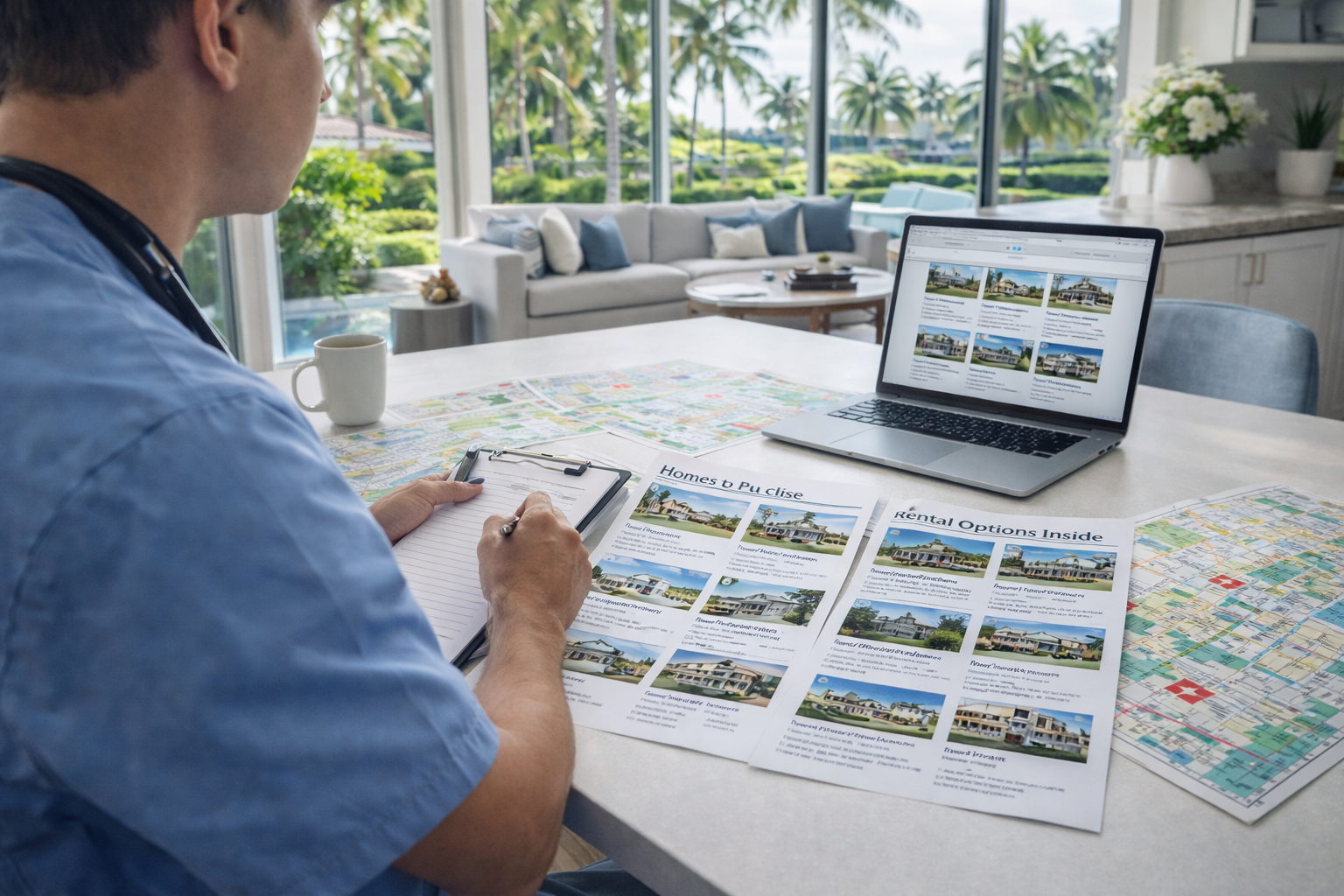

A quiet residential street in Wellington FL with well-kept homes, palm trees, and a calm suburban atmosphereWhat Is It Like to Live in Wellington, FL Over Time?
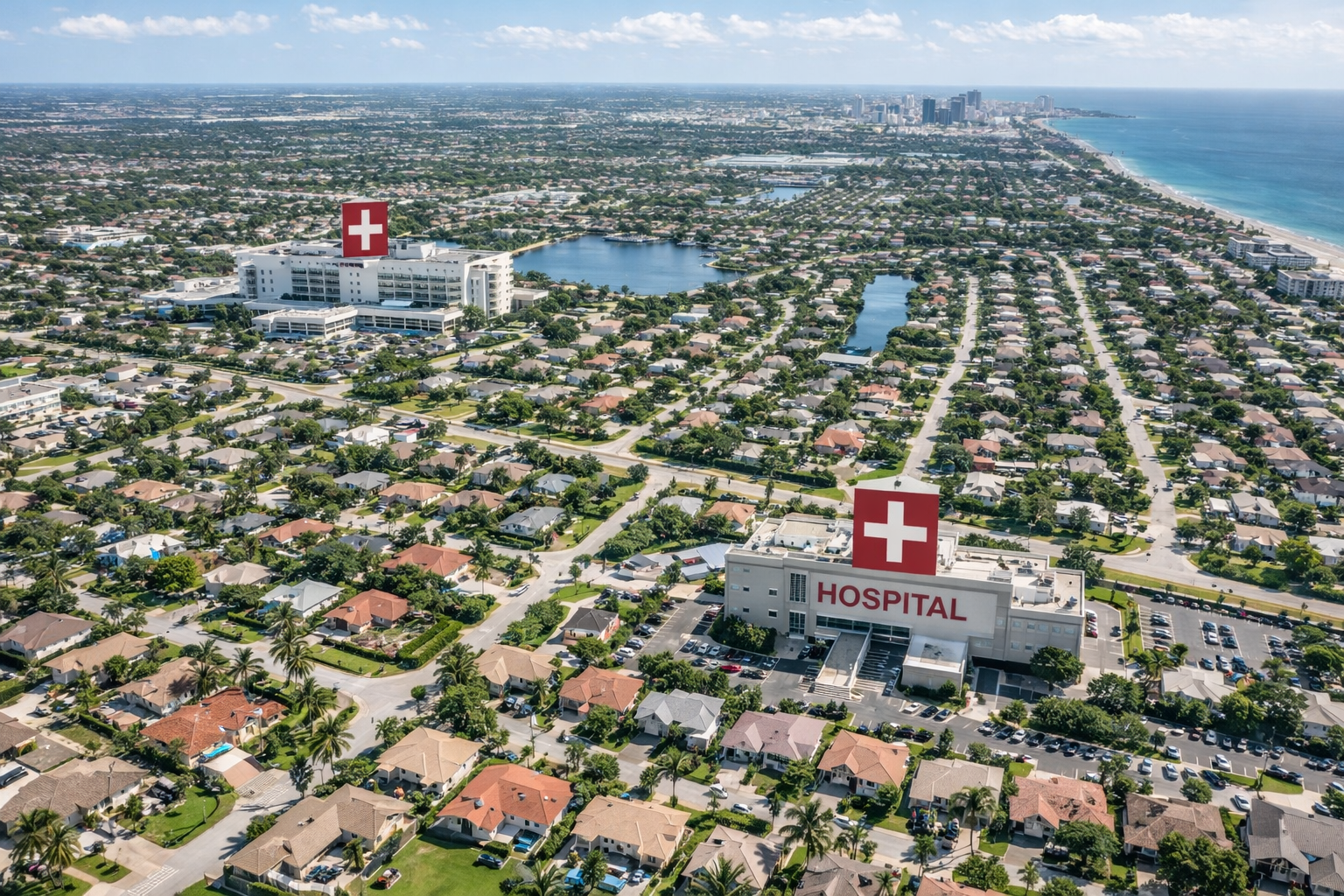
There’s a difference between visiting a place and actually living there long enough to notice its rhythms. When people ask what is it like to live in Wellington FL, they’re usually trying to picture more than just homes or neighborhoods—they’re trying to understand how daily life settles in after the first few months. Wellington has a way of feeling organized without feeling rigid, active without feeling rushed, and established without feeling outdated.

Positioned in western Palm Beach County, Wellington offers a quieter alternative to the coastal cities while still keeping everything within reach. Compared to nearby areas, it leans more residential and community-focused, with fewer tourist fluctuations and more consistency in how the area functions day to day. That consistency becomes one of its defining characteristics over time—something that’s hard to see from a quick visit but becomes clear once you live here.

The Pace and Pattern of Daily Life

Wellington doesn’t try to impress you all at once. Instead, it gradually becomes comfortable. Mornings tend to feel predictable—school traffic, neighborhood routines, people heading to work—but not overwhelming. Afternoons stretch out a bit, especially in residential areas where sidewalks, parks, and community spaces stay active without feeling crowded.

Over time, you start to notice how intentionally the area was built. Streets connect in a way that makes sense, neighborhoods have clear identities, and there’s a balance between privacy and accessibility. It’s not a place that feels chaotic or constantly changing. Instead, it offers a steady environment where routines can settle in naturally.

For many residents, that translates into a lifestyle that feels manageable. You’re not constantly navigating congestion or competing with heavy seasonal traffic. At the same time, you’re not isolated. You can still reach shopping, dining, and major roads without it becoming a daily frustration.

If you want to get a clearer picture of what’s available locally, browsing Wellington homes for sale gives a practical sense of how that lifestyle translates into actual properties—layout, pricing, and neighborhood design all play a role in shaping daily life here.

Explore Homes in This Area

If you're considering a move, browsing available homes can help you understand pricing, layouts, and what’s currently on the market in this area.

Search Homes by City

How the Housing Market Shapes the Lifestyle

Wellington’s real estate market plays a big role in how the area feels over time. Homes here tend to offer more space than many coastal counterparts, and that affects everything from how neighborhoods are laid out to how people use their homes. Backyards, garages, and larger interiors aren’t just features—they influence how residents live day to day.

Another factor is stability. Wellington doesn’t experience the same level of short-term turnover that some other South Florida areas do. That creates a sense of continuity. Neighbors tend to stay longer, communities feel more established, and the overall environment becomes more predictable.

From a market perspective, that consistency can also influence pricing behavior. Instead of rapid swings, the area often moves in steadier increments, which can appeal to buyers looking for a more measured investment approach. For homeowners, it means the value of their property is often tied closely to long-term desirability rather than short-term spikes.

Understanding where your property stands within that market is part of making informed decisions. Reviewing a home value estimate can help clarify how Wellington’s stability is reflected in actual numbers, especially if you’re evaluating timing or future plans.

What Buyers Tend to Notice After the Move

People who move to Wellington often describe a similar realization a few months in: the area becomes easier to live in than they expected. Not because it’s dramatically different, but because fewer things feel like obstacles. Commutes tend to be manageable, errands don’t require excessive planning, and neighborhoods maintain a level of order that reduces day-to-day friction.

That doesn’t mean it’s the right fit for everyone. Buyers who prefer constant activity, nightlife, or immediate beach access sometimes find Wellington quieter than expected. But for those prioritizing space, structure, and a more grounded pace, it often aligns well.

Another consideration is how Wellington compares to nearby alternatives. Looking at Boynton Beach homes for sale, for example, highlights a different lifestyle dynamic—closer to the coast, more variation in housing density, and a slightly faster overall pace. That contrast helps clarify what Wellington offers by comparison: a more contained, residential environment that prioritizes consistency over variety.

Buyers who take the time to evaluate these differences tend to make more confident decisions. It’s less about which city is “better” and more about which one fits how they want their daily life to feel.

Selling in Wellington: Timing, Presentation, and Positioning

Selling a home in Wellington isn’t just about listing it—it’s about understanding how buyers perceive the area. Because Wellington attracts people looking for stability and livability, presentation becomes especially important. Buyers aren’t just evaluating the property itself; they’re evaluating how it fits into the broader lifestyle they’re seeking.

Homes that show well in terms of condition, layout, and usability tend to stand out more clearly in this market. The expectation isn’t necessarily luxury—it’s functionality and care. Properties that feel maintained and thoughtfully presented often align better with what buyers expect from the area.

Timing can also play a role, but not always in obvious ways. While seasonal patterns exist, Wellington’s steady demand means opportunities aren’t limited to narrow windows. Instead, success often comes down to pricing strategy and how well the home is positioned relative to comparable properties.

For sellers, the key is understanding that Wellington’s appeal is rooted in long-term livability. Marketing that reflects that—rather than focusing solely on features—can resonate more effectively with the right buyers.

Understand What Your Home Might Sell For

If you're thinking about selling in this area, knowing your home’s current value is the first step toward understanding your options.

Check Your Home Value

What This Means for Buyers and Sellers in South Florida

Wellington occupies a specific position within South Florida’s broader real estate landscape. It doesn’t compete directly with high-density coastal cities, and it doesn’t try to replicate the energy of more urban environments. Instead, it offers a structured, residential alternative that appeals to a different set of priorities.

For buyers, that means clarity. If you’re looking for a place where daily life feels manageable and consistent, Wellington becomes a strong candidate. If your priorities lean toward variety and constant movement, it may feel too contained.

For sellers, the implication is equally important. Wellington attracts a defined type of buyer—someone who values stability, space, and predictability. Positioning a home effectively means aligning with those expectations rather than trying to compete on factors that matter more in other markets.

Understanding these dynamics helps both sides make better decisions. Instead of viewing Wellington in isolation, it becomes easier to see how it fits within the broader South Florida picture—and whether it aligns with specific goals.

Frequently Asked Questions About Living in Wellington, FL

Is Wellington, FL a good place to live long-term?

Wellington tends to appeal to people looking for long-term stability rather than short-term excitement. The area’s structured layout, consistent property values, and community-focused design make it well-suited for residents who want predictability. Over time, many find that the ease of daily routines and the overall organization of the area contribute to a comfortable living experience that holds up beyond the initial move.

How does Wellington compare to coastal cities in Palm Beach County?

Compared to coastal cities, Wellington offers more space and a slower pace. You’ll typically find larger homes, less density, and fewer seasonal fluctuations. However, it doesn’t provide immediate beach access or the same level of nightlife and activity. The choice often comes down to whether you prioritize residential stability or a more dynamic, coastal environment.

What types of homes are common in Wellington?

Wellington features a mix of single-family homes, gated communities, and some townhome options. Many properties are designed with functionality in mind, including larger floor plans and outdoor space. This housing style supports the area’s overall lifestyle, where comfort and usability tend to be more important than compact or high-density living arrangements.

Is Wellington a good option for buyers relocating within South Florida?

For buyers relocating from more congested areas, Wellington can feel like a shift toward simplicity. Commutes may be more predictable, neighborhoods more organized, and overall living less hectic. However, it’s important to evaluate how that change aligns with your preferences, especially if you’re used to a faster-paced environment or closer proximity to the coast.

What should sellers know before listing a home in Wellington?

Sellers should focus on how their home fits into Wellington’s broader lifestyle appeal. Presentation, pricing, and positioning all play a role, but aligning with buyer expectations is key. Buyers in this area often look for well-maintained, functional properties that support long-term living, so emphasizing those qualities can make a meaningful difference in how a home is received.

Keep Exploring South Florida Real Estate

If you're comparing communities, reviewing local real estate trends, or exploring where you might want to live next, continue exploring to better understand your options.

April 15, 2026

Relocating to Palm Beach County for a Healthcare Job

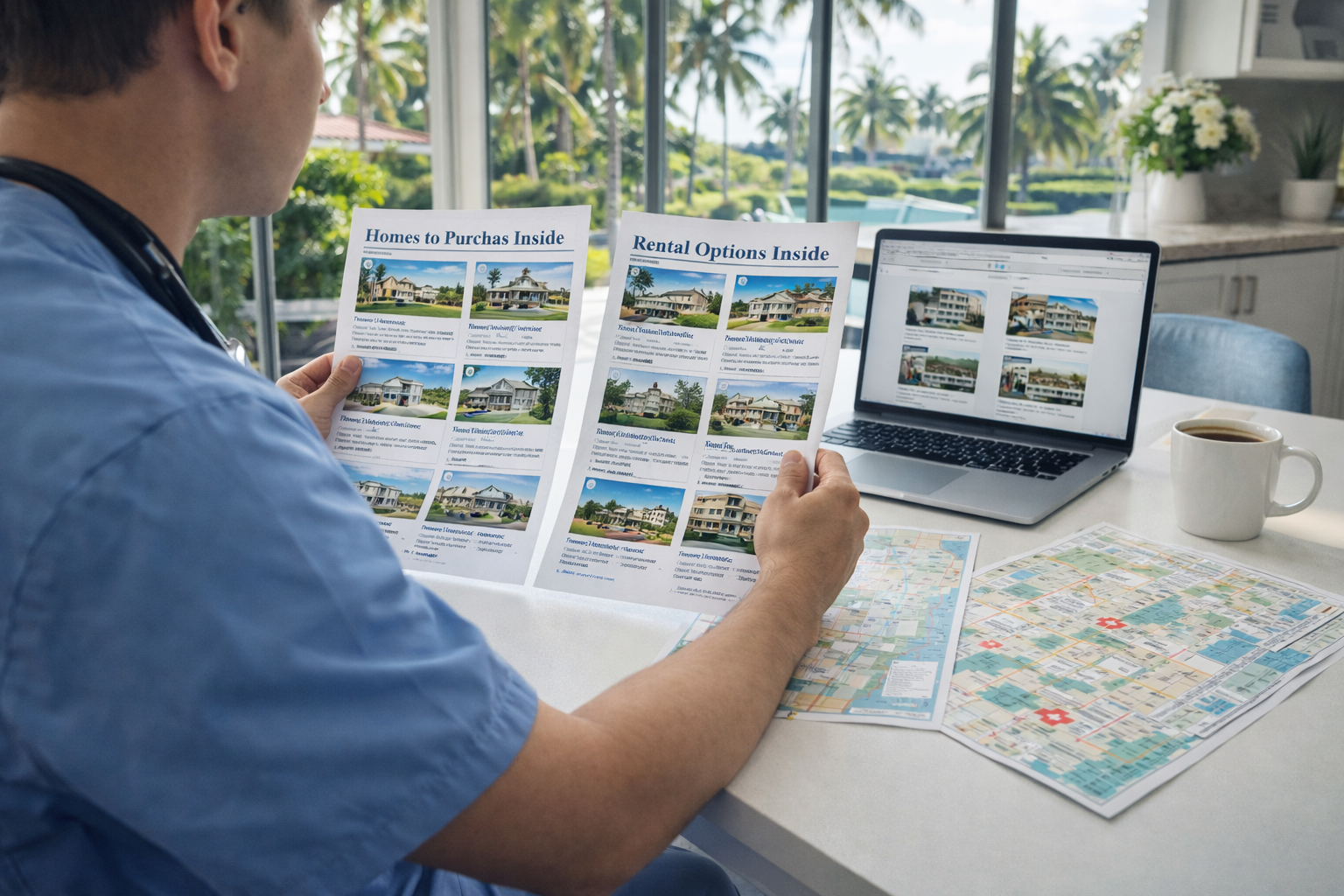
healthcare professional planning relocation to Palm Beach County reviewing homes and commute options

Relocating to Palm Beach County for a Healthcare Job: The Decision That Quietly Shapes Your Entire Life After the Move

Most healthcare relocations begin with the same assumption.

The difficult part is getting the job.

Once the offer is accepted, the move itself is supposed to fall into place: choose the right home, settle into the area, and begin building a better routine in Palm Beach County.

But for healthcare professionals, the relocation usually succeeds or fails somewhere much quieter.

It happens inside the daily structure that forms after the move is complete.

The commute. The recovery time after shifts. The emotional weight of constant travel. The difference between a home that supports the schedule and one that slowly competes against it every single day.

That is the part most people do not evaluate carefully enough before they relocate.

This Is Not Really a Home Search

On the surface, the process looks like a standard housing decision.

Price range. Neighborhoods. Commute estimates. Property types.

But healthcare schedules change how a location actually functions.

A drive that appears manageable on a map can feel entirely different after three consecutive shifts, during overnight rotations, or when the workday ends physically and emotionally depleted.

The home itself may still look right.

The problem is that the routine surrounding the home no longer works the way the buyer imagined it would.

That is why two healthcare professionals working inside the same hospital system can experience completely different quality of life depending on where they choose to live.

Why Palm Beach County Magnifies Relocation Mistakes

Palm Beach County does not operate as one consistent environment.

The county stretches across multiple residential patterns, traffic systems, commute realities, and lifestyle structures that change depending on where you live and how your schedule behaves.

That creates a hidden problem for relocating healthcare professionals.

Many buyers think they are choosing between neighborhoods when they are actually choosing between entirely different daily operating systems.

For example, living in West Palm Beach as a healthcare professional often prioritizes direct access to central medical corridors and stronger control over commute variability.

Meanwhile, Wellington real estate for healthcare professionals tends to appeal to buyers who are willing to structure the commute more carefully in exchange for a quieter and more controlled residential environment.

Neither choice is universally correct.

The right answer depends on how your schedule behaves once the move stops feeling temporary.

The Assumptions That Quietly Create Daily Friction

Most relocation problems begin with assumptions that sound harmless at first:

  • “The commute probably won’t feel that bad.”
  • “Anywhere central should work.”
  • “I’ll adjust after I move.”
  • “The house matters more than the drive.”

Those assumptions usually collapse through repetition.

Not in dramatic ways.

In cumulative ways.

A slightly longer drive. Less recovery time. More unpredictability in traffic patterns. More exhaustion after demanding shifts. Less separation between work stress and personal recovery.

Eventually the friction becomes structural.

And once the routine itself begins draining energy, the move becomes harder to enjoy regardless of how attractive the property may be.

The Move Should Start With Your Work Reality

The strongest healthcare relocations usually begin in reverse.

Instead of starting with listings, they begin with operational questions:

  • How much commute fatigue can your schedule realistically absorb?
  • What kind of environment helps you recover after work?
  • How predictable are your shift patterns?
  • How much separation do you want between work and home life?
  • Which roads and commute corridors will define your week?

Once those answers become clear, location decisions narrow naturally.

The search stops becoming emotional and starts becoming functional.

That larger decision structure becomes easier to understand through the Palm Beach County healthcare relocation guide, which breaks down how commute patterns, housing environments, and lifestyle structure interact across the county.

Why Recovery Environment Matters More Than Buyers Expect

Healthcare professionals often underestimate how much their environment affects recovery.

Not relaxation in a general sense.

Actual recovery.

The ability to decompress after emotionally demanding work. The ability to mentally disconnect from hospital intensity. The ability to sleep consistently and rebuild energy between shifts.

That is why some professionals intentionally move farther from central medical corridors. Others choose to stay as close as possible.

Neither decision is wrong.

The mistake is assuming the same environment works equally well for every healthcare schedule.

The guide to what healthcare workers look for in a home explains why routine support and recovery environment often matter more long-term than cosmetic features or surface-level excitement.

Where the Wrong Move Usually Shows Up

The signs rarely appear immediately.

The home still photographs well. The neighborhood still seems attractive. The decision may still look logical on paper.

But the daily structure starts becoming heavier.

The drive feels longer than expected. Recovery time disappears faster. Days begin feeling compressed. Small inefficiencies begin repeating often enough that they become permanent background stress.

That is why relocation dissatisfaction often feels difficult to explain.

The issue is not usually one major mistake.

It is the accumulation of small daily friction points that never fully stop repeating.

What the Right Decision Actually Changes

When location aligns correctly with work structure, the move stabilizes much faster.

The routine becomes easier to maintain. Recovery becomes more consistent. Daily logistics require less energy. Life outside of work begins functioning with less resistance.

That is what successful healthcare relocations actually solve.

Not simply where to live.

But how life will function after the excitement of the move wears off and the schedule becomes real.

For healthcare professionals still comparing environments across the region, this breakdown of the best areas for healthcare professionals helps connect schedule patterns, commute realities, and lifestyle fit more directly.

Frequently Asked Questions

How should healthcare professionals choose where to live in Palm Beach County?

Healthcare professionals should begin with their work schedule, commute tolerance, recovery needs, and daily routine rather than starting with home features alone. The best location is the one that supports how life actually functions after the move.

Why do relocation decisions fail for healthcare professionals?

Most relocation problems happen because the housing search starts before aligning location with work demands. That creates daily friction through commute strain, schedule fatigue, and an environment that does not properly support recovery outside of work.

Build the Move Around Your Schedule Before You Choose a Location

Healthcare relocations work best when commute patterns, recovery time, housing environment, and daily routine are aligned before the search becomes rushed or emotionally driven.

If you are relocating to Palm Beach County for a healthcare role, the full relocation framework helps compare how different areas function once real schedules begin.

Explore the Healthcare Relocation Guide

April 15, 2026

What Healthcare Professionals Actually Prioritize in a Home

modern florida home designed for healthcare professionals with quiet space and functional layout

What Healthcare Professionals Actually Prioritize in a Home — And Why Most Listings Completely Miss the Point

The search usually begins with features.

Updated kitchens. Open layouts. Extra bedrooms. Outdoor space. Modern finishes.

The homes look impressive online.

Then the showings begin — and something quietly stops making sense.

The properties check the boxes, but they do not feel aligned with how life actually functions outside of work.

That disconnect is where many healthcare professionals begin losing clarity during the search process.

Because the real decision is rarely about features alone.

It is about whether the home supports the physical and mental structure required by a demanding schedule.

Why the Wrong Home Can Still Look Right

Most listings are designed to appeal visually before they appeal functionally.

That works well for general buyers.

Healthcare professionals operate differently.

After overnight shifts, emotionally demanding workdays, rotating schedules, or long hours inside clinical environments, priorities begin changing in ways most listings never address.

The question stops being:

“Does this home look attractive?”

And becomes:

“How does this home behave when my schedule becomes difficult?”

That is an entirely different evaluation process.

The Priorities That Quietly Matter Most

Across different specialties, schedules, and price ranges, healthcare professionals tend to prioritize the same underlying outcomes:

  • Control over their environment
  • Reduction in daily friction
  • Recovery space after demanding shifts
  • Predictability in routine
  • Layouts that support decompression rather than overstimulation

Those priorities are rarely visible inside listing descriptions.

You will not usually see phrases like:

  • “Supports recovery after overnight shifts”
  • “Reduces environmental stress”
  • “Creates stronger separation from work intensity”

And yet those are often the exact reasons one property feels sustainable while another quietly feels wrong.

Why Location Changes the Way a Home Functions

The same property can feel completely different depending on where it sits inside Palm Beach County.

For example, living in Juno Beach as a healthcare professional often creates a quieter and more coastal recovery environment with less intensity surrounding the home itself.

Meanwhile, Delray Beach housing for healthcare professionals introduces a more active atmosphere where energy, accessibility, and lifestyle movement become part of the daily routine.

Neither environment is inherently better.

They simply support different versions of life outside of work.

That distinction becomes critical once the excitement of the move wears off and the schedule becomes permanent.

The Mistake Most Searches Make From the Beginning

Most home searches begin with surface-level filters:

  • Price range
  • Square footage
  • Bedroom count
  • Property type
  • Visual upgrades

Those filters matter.

But they are not usually what determines long-term satisfaction for healthcare professionals.

The bigger issue is whether the property supports how life actually unfolds between shifts.

That includes:

  • How quickly you mentally decompress after work
  • How controlled the environment feels during recovery time
  • How easily the layout supports routine
  • How much outside noise or activity follows you home

When those pieces do not align, the house may still look impressive while daily life quietly becomes harder to maintain.

Where This Connects Back to Palm Beach County Itself

Palm Beach County creates unique pressure on healthcare relocation decisions because the county operates through multiple completely different living environments.

Some areas prioritize proximity.

Others prioritize quiet.

Some prioritize structure.

Others prioritize flexibility, space, coastal access, or affordability.

That is why healthcare professionals often feel overwhelmed during the search process. They are not simply choosing homes.

They are choosing the environment their schedule will operate inside every day.

This breakdown of the best areas for healthcare professionals in Palm Beach County helps clarify how different locations support different work and lifestyle patterns.

For the broader framework behind those decisions, the Palm Beach County healthcare relocation guide explains how commute structure, housing environment, and recovery space should work together before choosing a property.

Why Confidence Changes Once the Right Environment Appears

Healthcare professionals often describe the right home differently.

Not as the “nicest” property.

Not even as the “best value.”

Usually the language becomes simpler:

“This feels easier.”

Because when a property aligns correctly with routine, the search stops feeling forced.

The decision becomes clearer.

The environment feels supportive rather than performative.

That clarity usually appears before buyers can fully explain why.

Why Listings Fail to Capture Any of This

Listings are built to attract broad attention.

Healthcare schedules are highly specific.

That mismatch is why many healthcare professionals feel strangely disconnected from homes that look perfect online.

The listing captures aesthetics.

It does not capture:

  • Recovery quality
  • Environmental pressure
  • Mental decompression
  • Commute fatigue
  • Routine sustainability

And those are often the variables that matter most after the move is complete.

The Real Decision Behind the Search

You are not only choosing a property.

You are choosing the environment your nervous system returns to after difficult workdays.

You are choosing how sustainable your routine feels six months after the move.

You are choosing how much friction exists between work, recovery, commute, and daily life.

Once that becomes the lens, the wrong homes eliminate themselves much faster.

And the right environments become easier to recognize before the schedule begins exposing the difference.

The guide to buying a home as a healthcare professional in Florida explains how these lifestyle patterns ultimately shape purchase decisions far more than most buyers expect.

Frequently Asked Questions

What do healthcare professionals prioritize most in a home?

Healthcare professionals usually prioritize recovery environment, daily functionality, commute sustainability, and separation from work intensity more than cosmetic upgrades or surface-level features.

Why do homes sometimes feel wrong even when the listing looks perfect?

Because listings focus heavily on visual presentation while healthcare professionals often make decisions based on how the home supports routine, decompression, recovery time, and overall daily function after demanding work schedules.

Find a Home That Actually Supports Your Schedule and Recovery

Healthcare professionals usually need more than attractive listings. The right property should support commute structure, recovery time, daily routine, and long-term sustainability after the move is complete.

If you want to compare which Palm Beach County environments align best with your work schedule and lifestyle priorities, the full healthcare relocation framework breaks the process down clearly.

Explore the Healthcare Home Guide

April 15, 2026

Hospital Growth Is Quietly Reshaping Home Prices in Palm Beach County

palm beach county healthcare expansion influencing local home prices and buyer demand

Hospital Growth Is Quietly Reshaping Home Prices in Palm Beach County — And Most Buyers Don’t Realize It Until They’re Already Behind

Most people think home prices move because the market gets “hot.”

That explanation misses what is actually happening underneath the surface.

Across Palm Beach County, healthcare expansion is quietly restructuring housing demand in ways many buyers do not recognize until competition tightens around them. New facilities, expanding hospital systems, specialty care growth, and increased healthcare hiring are not just changing employment patterns — they are changing where buyers concentrate, how quickly certain areas compress, and which locations begin losing flexibility first.

The shift does not announce itself all at once. It builds gradually through movement patterns, commute decisions, and repeated housing demand surrounding medical corridors.

This Is Not Just a Housing Story

Hospital growth affects housing because healthcare jobs behave differently from many other industries.

Schedules are demanding. Shift timing matters. Recovery time matters. Daily reliability matters.

That changes how healthcare professionals evaluate where they live.

Instead of spreading evenly across the county, demand begins clustering around locations that reduce commute friction, simplify routines, or create stronger long-term stability outside of work.

Once those patterns establish themselves, they tend to strengthen instead of reversing.

Why Certain Areas Tighten First

Healthcare-related housing pressure rarely builds randomly.

Areas connected to central medical corridors usually experience the earliest compression because they solve operational problems that healthcare professionals deal with every week.

For example, West Palm Beach real estate for healthcare professionals continues attracting strong interest because proximity reduces commute exposure and simplifies access to major hospital systems.

As those areas become more competitive, buyers begin expanding outward into alternatives that still preserve enough practicality to support demanding schedules.

That is part of why Royal Palm Beach housing options for healthcare professionals and Wellington real estate for healthcare professionals continue entering more healthcare relocation conversations despite requiring more commute planning.

The movement is not emotional. It is structural.

The Market Usually Looks “Normal” Until It Doesn’t

This is where many buyers misread the situation.

Housing demand tied to healthcare growth often develops quietly at first because inventory still exists and pricing changes appear gradual. The market can look stable on the surface while pressure builds underneath.

Then the behavioral shift starts showing up:

  • Homes near major corridors move faster
  • Buyers become less flexible on location
  • Competition increases around practical commute patterns
  • The margin for hesitation narrows

By the time those signals become obvious publicly, the underlying demand pattern has usually been building for a while.

Why Commute Reality Is Now Driving More Decisions

As healthcare systems expand, proximity becomes more valuable because time becomes more valuable.

A commute that once felt manageable can become exhausting when repeated through overnight shifts, early-morning arrivals, staffing shortages, or unpredictable scheduling.

That is why healthcare professionals increasingly evaluate housing through operational sustainability rather than pure home preference.

The commute analysis for healthcare professionals explains why repeated drive patterns affect long-term satisfaction more than buyers initially expect.

What looks acceptable on paper often feels completely different after months of repetition.

Why Some Buyers Move Farther Out Anyway

Not every healthcare professional chooses proximity first.

As pricing pressure builds around central corridors, some buyers prioritize space, newer homes, or long-term affordability instead.

That is part of why areas like Port St. Lucie housing for healthcare professionals continue attracting attention from buyers willing to exchange convenience for buying power.

The important part is understanding the tradeoff clearly before making the move.

When buyers understand exactly what they are gaining — and exactly what daily friction they are accepting — the decision becomes far more stable long term.

What This Means If You’re Relocating for a Healthcare Role

If your career is connected to healthcare expansion in Palm Beach County, this trend becomes part of your housing decision whether you actively plan for it or not.

Demand growth influences:

  • How quickly inventory tightens
  • How flexible your search remains
  • How pricing behaves near major corridors
  • Which locations remain sustainable for your routine

This analysis of why healthcare professionals are moving into Palm Beach County explains how employment growth, relocation patterns, and housing demand are becoming increasingly connected.

For the broader countywide perspective, the Palm Beach County healthcare relocation guide shows how commute structure, lifestyle, housing type, and long-term planning should align before choosing where to live.

Why Waiting Without a Strategy Becomes Riskier

This does not mean every healthcare professional should rush into buying.

It means waiting without understanding how demand is shifting can quietly reduce future flexibility.

As hospital expansion continues, certain areas may become harder to access at the same pricing levels or with the same amount of inventory choice.

That matters because healthcare relocation decisions are rarely just financial. They are operational decisions tied directly to time, stress, and sustainability.

The rent versus buy analysis for healthcare professionals helps explain when waiting creates clarity — and when it simply creates delay while the market continues tightening around key locations.

The Real Shift Happening Underneath the Market

Hospital growth is not just influencing home prices.

It is reshaping where healthcare professionals compete, how housing decisions are evaluated, and which parts of Palm Beach County become more difficult to enter over time.

The buyers who understand that early usually make calmer, clearer decisions because they recognize the market is no longer moving randomly.

It is moving around where healthcare demand is growing strongest.

Frequently Asked Questions

How does hospital growth affect home prices in Palm Beach County?

Hospital growth increases demand from healthcare professionals relocating into the area, especially near major medical corridors. That demand can tighten inventory, increase competition, and place upward pressure on pricing in locations tied closely to healthcare infrastructure.

Should healthcare professionals buy sooner if healthcare expansion is increasing demand?

Not automatically. The better approach is understanding how growth is affecting specific locations connected to your schedule and routine. Expansion can reduce future flexibility in certain areas, but the right decision still depends on commute sustainability, financial positioning, and long-term fit.

Trying to understand how healthcare growth is changing housing decisions across Palm Beach County?

Explore how commute patterns, hospital expansion, pricing pressure, and relocation strategy connect before choosing where to live.

Explore the Full Healthcare Relocation Guide

April 15, 2026

Rent vs Buy in Palm Beach County for Healthcare Professionals

healthcare professional comparing renting and buying options in palm beach county

Rent vs Buy in Palm Beach County: The Decision Most Healthcare Professionals Miscalculate at the Beginning

From the outside, the rent-versus-buy decision looks financial.

Mortgage rates. Monthly payments. Down payment size. Market timing. Future appreciation.

Those numbers matter — but for healthcare professionals relocating into Palm Beach County, they usually are not the part that creates long-term clarity.

The real variable is whether your life here has become predictable enough to support permanence.

Without that stability, even the “right” financial decision can quietly become the wrong lifestyle decision after the move.

The Decision Changes Once the Routine Becomes Real

Before relocating, most healthcare professionals evaluate housing through projection.

They estimate commute times. Assume schedules will stabilize. Imagine how the week will function once everything settles down.

Then the actual routine begins.

The drive feels longer after consecutive shifts. Certain routes become exhausting. Recovery time matters more than expected. Some locations feel supportive while others slowly create friction that never appeared during the search.

That is why the rent-versus-buy decision cannot be separated from how daily life actually behaves after the move.

Why Palm Beach County Makes the Decision More Complex

Palm Beach County does not operate like one unified housing market.

Different areas solve different problems for healthcare professionals.

For some buyers, Greenacres housing for healthcare professionals may create the right balance between affordability, central access, and manageable commute patterns.

Others begin exploring Lake Worth real estate for healthcare professionals because it offers flexibility between renting, buying, and staying connected to multiple hospital corridors.

Meanwhile, professionals prioritizing long-term residential stability may lean toward entirely different environments such as Wellington, Jupiter, or Palm Beach Gardens.

The answer changes depending on how your work schedule interacts with where you live.

The Question Most Buyers Never Ask Themselves

Most people ask whether they can afford to buy.

The more important question is whether they understand their routine well enough to commit to it.

That includes:

  • Your actual commute after difficult shifts
  • The routes you repeatedly rely on
  • How much recovery time your schedule requires
  • What kind of environment helps you reset outside of work
  • Whether your current role is stable long term

When those answers are still unclear, renting can preserve flexibility while you learn how life here actually functions.

When those answers become predictable, buying often becomes far easier to evaluate confidently.

Why Commute Changes the Financial Equation

Healthcare professionals often underestimate how strongly commute behavior affects housing satisfaction.

A home can feel financially “smart” while creating daily exhaustion that slowly changes the entire experience of living there.

Likewise, a rental that initially feels temporary can become valuable because it allows you to test your actual routine before locking into a long-term decision.

This is why commute evaluation belongs inside the financial discussion instead of outside of it.

The commute analysis for healthcare professionals explains why repeated drive patterns affect long-term sustainability more than most buyers initially expect.

The numbers on paper rarely capture how the routine actually feels.

When Buying Starts Becoming the Better Decision

Buying tends to make more sense once uncertainty begins disappearing from the routine.

You know which routes you rely on. Your work environment feels stable. Your shift structure is consistent enough to plan around. The area no longer feels experimental because you understand how your life operates inside it.

At that point, ownership often stops feeling risky and starts feeling stabilizing.

The decision becomes less about guessing and more about execution.

The home buying guide for healthcare professionals in Florida explains how that transition usually happens once routine clarity replaces uncertainty.

Why Renting Is Sometimes the More Strategic Move

Renting is not automatically hesitation.

For many healthcare professionals entering Palm Beach County, renting creates an adjustment period that protects against making a premature long-term decision.

That flexibility can be especially valuable when:

  • You are new to the hospital system
  • Your shifts are still changing
  • You have not tested commute routes consistently
  • You are still learning how different parts of the county feel after work

The mistake is not renting.

The mistake is treating flexibility as failure instead of strategy.

Where This Fits Inside the Larger Relocation Decision

Renting versus buying should never be evaluated in isolation.

The decision belongs inside the larger relocation framework:

  • Work location
  • Commute sustainability
  • Housing environment
  • Recovery space
  • Long-term career plans
  • Lifestyle stability

The Palm Beach County healthcare relocation guide connects those pieces so the housing decision supports the routine instead of creating pressure against it.

What Usually Causes the Wrong Decision

Most rent-versus-buy mistakes come from trying to force certainty too early.

Buying before the routine is tested can lock you into a pattern that slowly becomes exhausting.

Waiting too long after stability is already clear can keep you sidelined while the right opportunities become harder to access.

Both mistakes usually come from the same issue:

The decision was made before fully understanding how daily life actually functions in Palm Beach County.

The Real Answer

There is no universal formula that tells every healthcare professional whether to rent or buy.

There is only the answer that matches your current level of routine certainty.

When life here still feels transitional, flexibility often has more value than permanence.

When your schedule, commute, and lifestyle patterns become predictable, ownership usually becomes much easier to evaluate with confidence.

The housing decision becomes clearer once the routine becomes real.

Frequently Asked Questions

Should healthcare professionals rent or buy when moving to Palm Beach County?

The decision should depend on how stable your work location, commute, schedule, and daily routine are. Renting can preserve flexibility during transition periods, while buying often makes more sense once the routine becomes predictable and sustainable.

What is the biggest mistake healthcare professionals make when deciding whether to rent or buy?

The biggest mistake is committing to a long-term housing decision before understanding how life actually functions after the move. A routine that looks manageable during the search can feel very different after repeated shifts and real commute patterns begin.

Trying to decide whether renting or buying fits your healthcare relocation?

See how commute structure, schedule stability, housing location, and long-term planning connect before making a permanent decision in Palm Beach County.

Explore the Full Healthcare Relocation Guide