Insights, strategy, and real estate guidance across Palm Beach County.

April 7, 2026

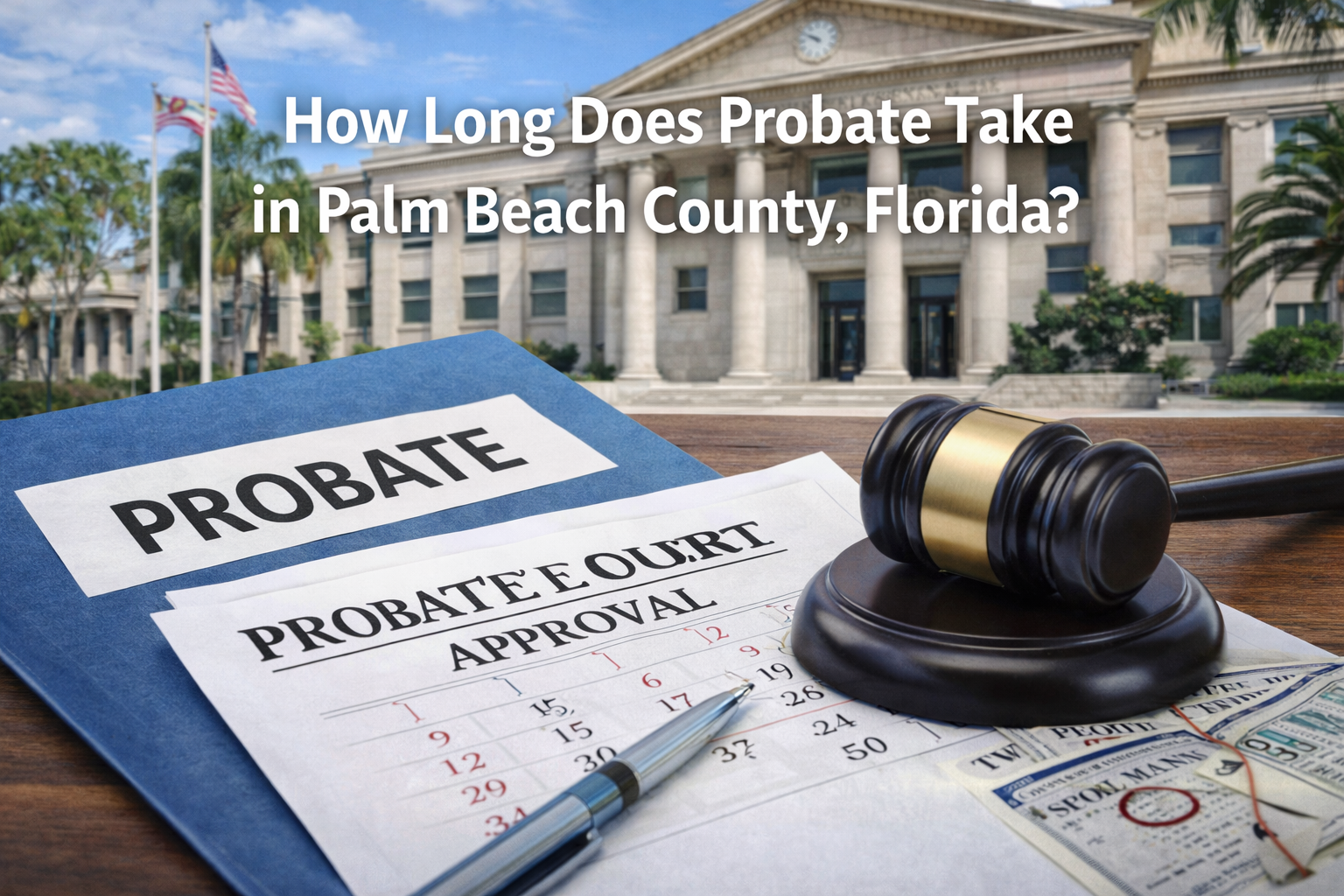
How Long Does Probate Take in Palm Beach County, Florida?

thekullgroup/how-long-does-probate-take-in-palm-beach-county-florida

How Long Does Probate Take in Palm Beach County, Florida?

If you’re dealing with an inherited property, one of the first questions that usually comes up is how long the probate process will take. It’s a reasonable concern—especially if the home is sitting vacant, requires maintenance, or multiple family members are involved in decisions. The timeline can affect everything from financial planning to when you can take action with the property.

The challenge is that probate doesn’t follow a single, predictable schedule. Some estates move through the process relatively smoothly, while others take longer due to factors that aren’t always obvious at the beginning. Understanding what influences the timeline can help you set realistic expectations and avoid unnecessary frustration.

Direct Answer to the Question

Short answer: Probate in Palm Beach County often takes several months, but the exact timeline depends on the complexity of the estate, court processing times, and whether any issues arise during the process.

While some cases move more quickly, others can take longer if there are complications, multiple heirs, or additional steps required before the estate can be finalized.

Why This Situation Happens

Probate is a legal process designed to ensure that a person’s assets are properly distributed and that any outstanding obligations are addressed. This includes verifying a will (if one exists), appointing a personal representative, identifying assets, and resolving debts before anything is transferred to heirs.

Each of these steps takes time. The court must review documentation, approve filings, and ensure that everything is handled correctly. Even in straightforward cases, there are required procedures that cannot be skipped.

In Palm Beach County, timelines can also be influenced by court volume and administrative processing. That means even well-prepared cases may take time to move through each stage.

What Most People Don’t Realize

Many people assume they need to wait for probate to be fully completed before doing anything related to the property. In reality, that’s not always the case.

While you may not be able to finalize a sale immediately, there are often steps you can take early in the process. This can include evaluating the property’s condition, organizing the home, and preparing for future decisions.

Another common misconception is that delays are always caused by legal problems. In many cases, timelines are affected by practical issues—such as incomplete documentation, difficulty coordinating between heirs, or simply not knowing what steps to take next.

If you're wondering what can be done before probate is finalized, you may find this helpful: can you sell a probate home before probate is complete in Florida?.

It’s also important to understand how timing affects costs. Holding a property during probate can lead to ongoing expenses. For more on that, see: costs of selling an inherited property in Florida.

Your Options

Even though probate follows a legal process, you still have choices in how you approach the situation:

  • Prepare early: Begin evaluating the property, handling basic maintenance, and understanding its condition so you are ready when probate allows you to move forward.
  • Wait for full authority: Some families prefer to hold off on decisions until everything is finalized, keeping the process simple but potentially extending timelines.
  • Plan ahead with coordination: If multiple heirs are involved, early communication and alignment can help prevent delays later in the process.

The right approach depends on the specifics of the estate and how quickly you want or need to move once probate is complete.

What We Typically See in Palm Beach County

In this area, probate timelines often vary based on how organized the estate is from the beginning. When documentation is clear and communication among heirs is strong, the process tends to move more smoothly.

However, we frequently see situations where heirs live in different states or have different expectations about what should happen with the property. That can slow down decision-making, even if the legal process itself is moving forward. If that applies to your situation, you may also want to review: selling an inherited property from out of state.

We also see cases where the property requires attention—whether it’s maintenance, cleanup, or general upkeep—which adds another layer of responsibility during the waiting period.

If you're dealing with property in areas like West Palm Beach, Boca Raton, or surrounding Palm Beach County communities, local property type and condition can also influence how you approach the timeline.

In most situations, the families who navigate probate more efficiently are the ones who take time early to understand both the legal process and the condition of the property.

Next Steps

If you’re trying to understand how long probate will take, the most helpful next step is to look at your specific situation. That includes the structure of the estate, the number of people involved, and whether there are any factors that could slow things down.

While the timeline itself may not be entirely within your control, how you prepare during that time can make a significant difference. Taking early steps to understand the property and your options can help you move forward more confidently once probate allows it.

If you want a broader overview of how probate and inherited property situations work, you can start here: Probate and inherited property in Palm Beach County.

Every probate situation is different, but clarity early in the process often leads to better outcomes and fewer delays.

If you’re dealing with this situation and want help understanding your options, we’re happy to walk you through it.

Learn more about probate and inherited property in Palm Beach County
April 7, 2026

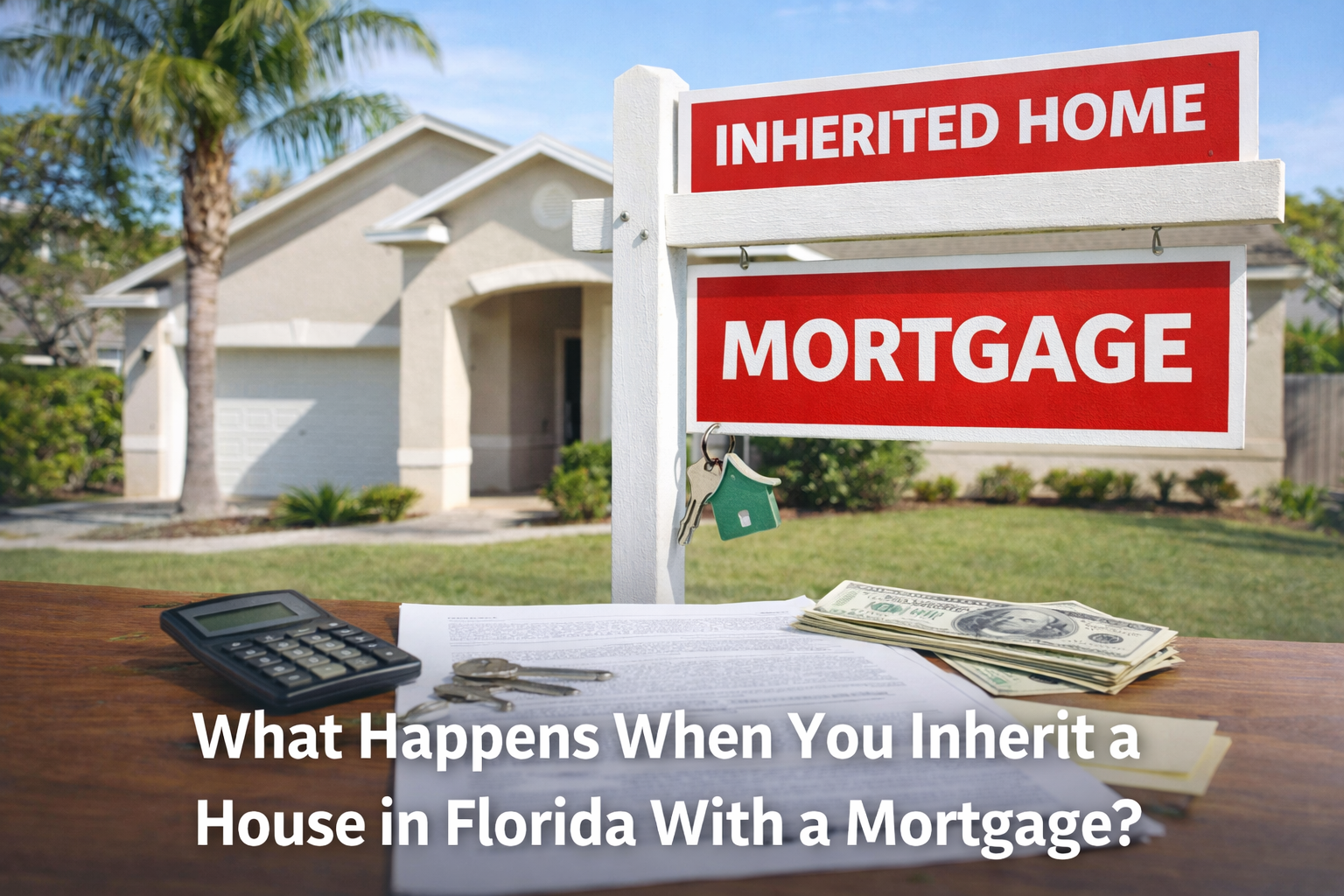
What Happens to a Mortgage on an Inherited House in Florida?

Inherited house with mortgage and probate property responsibilities in Florida

What Happens When You Inherit a House in Florida With a Mortgage?

Inheriting a property can initially feel like receiving an asset.

A mortgage changes the situation immediately because the property may now represent both value and ongoing obligation at the same time.

The loan does not disappear when ownership changes through inheritance.

Mortgage payments, insurance requirements, maintenance responsibilities, and property-related expenses continue moving forward whether the family feels fully organized yet or not.

That is why inherited-property situations involving mortgages often become stressful faster than families expect.

The property is no longer just an emotional decision. It becomes a timing, financial, and operational decision all at once.


The Mortgage Stays Attached to the Property

When someone passes away, the mortgage itself generally remains connected to the home.

The lender’s position does not automatically pause simply because probate is still unfolding.

That means the property may still require:

  • ongoing mortgage payments
  • active insurance coverage
  • utility management
  • maintenance and upkeep
  • attention to vacant-property concerns

Responsibility usually transfers faster than clarity does.

Families are often still trying to understand authority, timing, and long-term plans while the property itself continues creating financial obligations in the background.


Why Mortgage Pressure Feels Different From Other Probate Issues

Many probate-related decisions allow time for discussion and coordination.

A mortgage introduces a more immediate form of pressure because the payment schedule continues regardless of whether the family has fully aligned yet.

That changes the emotional dynamic quickly.

One heir may want to keep the property long-term. Another may worry about the monthly obligation. Someone else may not fully understand the loan terms, repair exposure, or holding costs attached to keeping the home.

Meanwhile:

  • payments continue
  • insurance premiums remain active
  • maintenance issues still need attention
  • vacancy concerns can increase risk

In many inherited-property situations, the mortgage itself is not the biggest problem.

The combination of uncertainty and delay is.


The Property Can Become Both an Asset and a Liability

This is the part many families do not expect initially.

An inherited property may have substantial value, but once a mortgage is combined with taxes, insurance, upkeep, deferred maintenance, and possible repairs, the situation can become more complicated very quickly.

That is why the decision eventually shifts away from the loan alone and toward a broader question:

Is this property realistic to carry long-term, or does resolving the obligation create a cleaner outcome?

The answer depends on:

  • loan balance
  • monthly payment amount
  • property condition
  • repair exposure
  • holding costs
  • family goals
  • market timing
  • whether heirs remain aligned

In some situations, keeping the home makes sense. In others, the financial pressure attached to carrying the property starts outweighing the benefit of holding it.

Review the ongoing costs connected to inherited property in Florida


The Three Directions Most Families Eventually Consider

Once the full financial picture becomes clearer, inherited-property situations with mortgages usually begin moving toward one of three general paths.

1. Continue carrying the property

This may make sense if the heirs plan to keep the home long-term and the financial structure remains sustainable.

2. Refinance or restructure the loan

Some families explore refinancing in order to create clearer ownership or long-term control. This can reduce uncertainty in some situations while creating a new financial obligation in others.

3. Sell the property

In many probate situations, selling resolves the mortgage, reduces ongoing carrying costs, and removes the pressure attached to maintaining the home over time.

The strongest direction is rarely determined by emotion alone. It usually comes from understanding the entire operational picture attached to the property.


Condition Problems Can Intensify Mortgage Pressure

Inherited homes with mortgages often involve deferred maintenance or aging systems that become more noticeable once the family begins evaluating the property realistically.

The home may need:

  • clean-outs
  • junk removal
  • roof work
  • insurance-related repairs
  • plumbing or electrical updates
  • contractor coordination
  • landscaping or exterior maintenance
  • pre-listing inspections

Those costs matter because every month spent delaying decisions may also include ongoing mortgage payments.

That is why preparation decisions become critical relatively quickly.

Some inherited properties benefit from selective preparation before sale. Others are better suited for a simpler as-is strategy that limits additional spending and coordination pressure.

Should the inherited property be sold as-is or prepared first?


Heir Coordination Often Becomes More Difficult When a Mortgage Exists

Mortgage pressure tends to amplify disagreements between heirs because every delay now has a visible financial cost attached to it.

One person may want to keep the property. Another may feel uncomfortable continuing the payment obligations. Someone else may believe the home should be sold before additional carrying costs accumulate further.

Those disagreements often become more complicated when:

  • heirs live in different states
  • the property needs repairs
  • one person is handling most responsibilities alone
  • there is uncertainty around authority or timing

The longer the situation remains unresolved, the harder those conversations often become.

How do disagreements between heirs affect inherited-property decisions?


How Mortgage Situations Commonly Play Out in Palm Beach County

In Palm Beach County, inherited homes with mortgages often involve long ownership histories, older loan structures, deferred maintenance, or properties that have not been updated in years.

In areas like Jupiter or West Palm Beach, the relationship between loan balance, insurance requirements, property condition, and buyer expectations can quickly determine which options remain realistic.

Out-of-state ownership can increase the pressure even further because managing vendors, repairs, inspections, and ongoing property responsibilities remotely becomes significantly harder.

In many cases, the mortgage itself becomes manageable once the family creates a clearer plan for the property as a whole.

If the inherited property is being handled remotely, this guide may help explain the coordination challenges involved.

Managing inherited property in Florida from out of state

These local inherited-property guides may also help explain how buyer expectations and preparation considerations vary across Palm Beach County markets.

Jupiter inherited property guidance

West Palm Beach inherited property guidance


Understand the Mortgage Pressure Before the Situation Becomes Harder to Carry

If your family is trying to determine whether the inherited property should be kept, refinanced, prepared, or sold, a structured review can help clarify the financial obligations, property condition concerns, and realistic options attached to the home.

  • Review mortgage obligations alongside holding costs clearly
  • Evaluate repair exposure and property-condition concerns
  • Compare keeping, preparing, refinancing, or selling options
  • Coordinate property planning alongside the probate attorney

The goal is to understand the property and obligations clearly before pressure forces rushed decisions.

Review the Property Obligations


Continue With the Questions That Shape the Process

Inherited-property situations involving mortgages are closely connected to timing, carrying costs, preparation decisions, and heir coordination. These guides explain how those issues often affect the process together.

For a broader overview of inherited-property guidance, preparation strategy, attorney coordination, and local market considerations, you can also return to the main inherited-property hub.

Back to the Inherited Property Guidance Hub


Frequently Asked Questions

What happens to the mortgage when a house is inherited in Florida?

The mortgage generally remains attached to the property after inheritance. Payments, insurance obligations, maintenance responsibilities, and holding costs usually continue while the family determines whether the home should be kept, refinanced, prepared, or sold.

Can an inherited property still face foreclosure during probate?

Yes. If mortgage obligations are not maintained, lenders may still begin foreclosure-related actions even while probate is continuing. That is why inherited-property situations involving mortgages often require earlier financial clarity and faster coordination than families initially expect.

April 7, 2026

Do All Heirs Have to Agree to Sell Inherited Property in Florida?

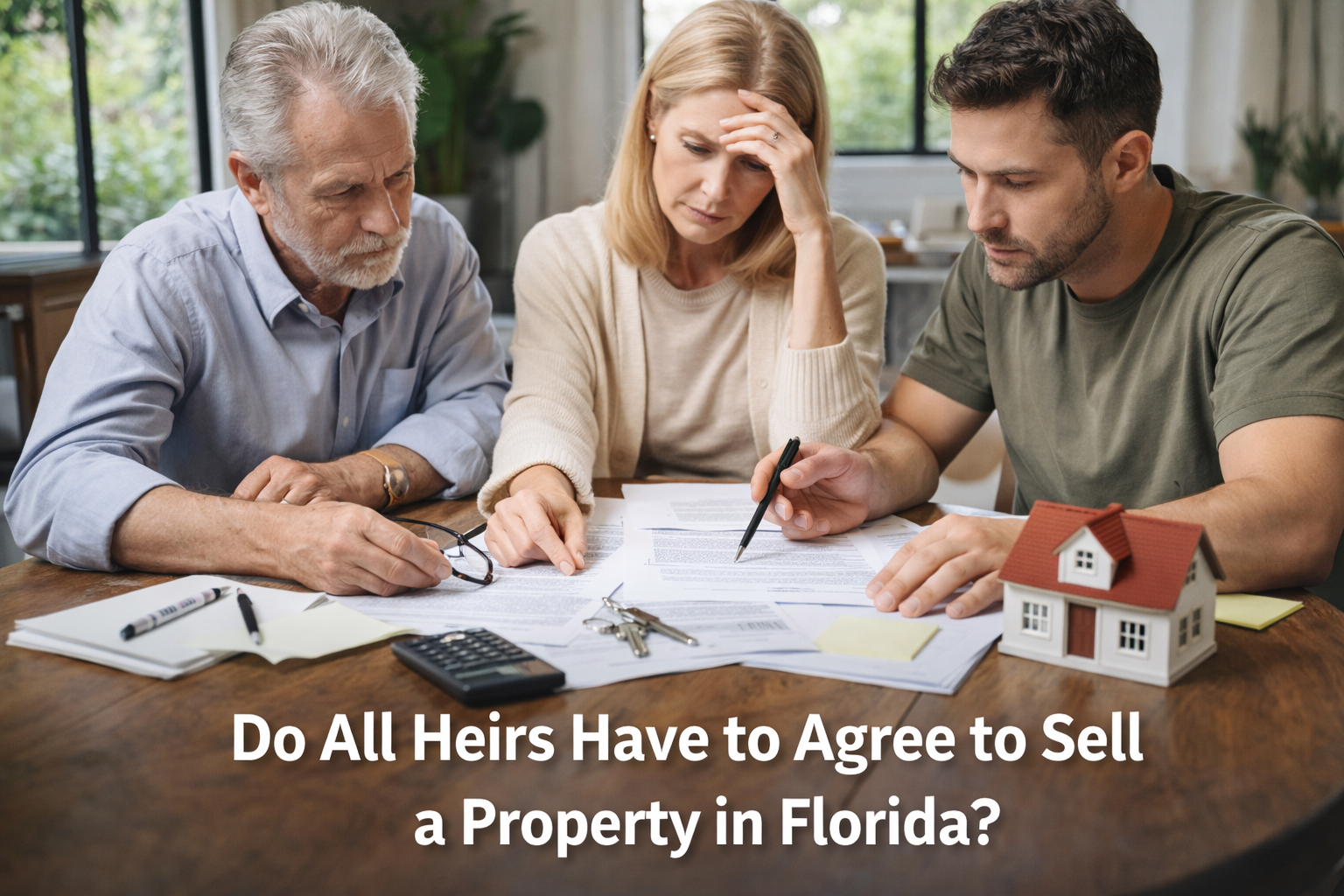
Multiple heirs discussing inherited property decisions and probate real estate in Florida

Do All Heirs Have to Agree to Sell a Property in Florida?

When several people inherit the same property, the difficulty usually is not the house itself.

It is the fact that everyone attached to the property may see the situation differently.

One heir may want to sell immediately to reduce stress and carrying costs. Another may believe the property should be kept. Someone else may still be emotionally attached to the home, uncertain about timing, or worried the family will make the wrong decision too quickly.

Meanwhile, the property continues existing in the background — with insurance, taxes, maintenance, utilities, repairs, and unresolved decisions quietly building pressure over time.

That is why one of the most common inherited-property questions in Florida is this:

Do all heirs have to agree before the property can be sold?

The legal answer depends on the structure of the estate and who has authority through probate. But from a practical standpoint, disagreement between heirs can still affect timing, communication, preparation, and how smoothly the process unfolds.


Why Inherited Property Disagreements Become So Complicated

Inherited-property decisions are rarely just financial.

They involve responsibility, memory, fairness, pressure, timing, and family dynamics all at once.

One person may be focused on reducing ongoing costs. Another may feel like selling the property closes a chapter they are not emotionally ready to close. Someone else may worry the family is moving too slowly while maintenance problems continue growing.

That is why these situations often become difficult before anyone formally argues.

The tension usually starts more quietly:

  • one person stops responding consistently
  • someone asks for “more time” without a clear plan
  • family members avoid difficult conversations entirely
  • repairs get delayed because no one agrees on spending money
  • the home continues sitting while uncertainty grows

Eventually, delay becomes its own decision.


Agreement and Legal Authority Are Not Always the Same Thing

Many families assume that if multiple heirs exist, every person must approve every step before anything can happen.

In reality, probate authority and family agreement are not always identical.

In many Florida probate cases, a court-appointed personal representative may hold authority to act on behalf of the estate. That authority matters because someone ultimately needs the ability to move the process forward legally.

At the same time, even when authority exists, unresolved disagreement between heirs can still affect communication, timing, preparation decisions, and how difficult the process becomes operationally.

That is why understanding who actually controls inherited-property decisions becomes critical early.

Who has the authority to sell a probate property in Florida?


Why Waiting Often Makes the Situation Harder

Many inherited-property disagreements grow worse simply because the property remains unresolved for too long.

While the family struggles to align, the home itself usually continues creating responsibilities:

  • taxes continue accumulating
  • insurance must remain active
  • maintenance issues continue worsening
  • vacant-home risks increase
  • utilities and upkeep continue costing money
  • buyer conditions and market timing can change

In some cases, the property may also need:

  • clean-outs or junk removal
  • estate sale coordination
  • handyman work
  • roof or insurance review
  • contractor estimates
  • landscaping or exterior maintenance
  • pre-listing inspections
  • valuation clarification

Once preparation discussions enter the picture, disagreements between heirs often become more noticeable because everyone may have a different opinion regarding what the property actually needs.


The Best Outcomes Usually Start With Clarity, Not Pressure

The strongest inherited-property outcomes rarely come from forcing agreement.

They usually begin with clearer information.

Once the family understands:

  • who has authority
  • what the property may realistically be worth
  • what condition issues exist
  • what carrying costs are continuing
  • what preparation would realistically accomplish
  • what as-is versus prepared outcomes may look like

the conversation usually becomes more productive.

Not always easier. But clearer.

That clarity helps families separate emotional reactions from operational realities before pressure starts forcing rushed decisions later.


What Happens If Heirs Still Cannot Agree?

That is where the difference between family preference and probate structure becomes especially important.

Some situations remain manageable once the authority structure is clarified and communication improves. Others may continue slowing down because disagreement affects preparation, access, repairs, occupancy, or willingness to move forward.

Either way, uncertainty with no property plan is usually the most unstable position.

If timing is already becoming a concern, it also helps to understand how probate-property timelines commonly unfold once the process begins moving toward sale.

Review the probate property sale timeline in Florida


Preparation Decisions Often Intensify Heir Disagreements

Condition issues tend to increase disagreement because they force the family to decide whether the home should be sold exactly as it sits or prepared more carefully before listing.

One heir may want simplicity and speed through an as-is sale. Another may believe repairs or preparation could improve the outcome enough to justify the additional work, coordination, and expense.

That conversation becomes even more difficult when the property needs:

  • major clean-outs
  • deferred maintenance repairs
  • contractor coordination
  • estate sale planning
  • vendor access management
  • roof, plumbing, or insurance-related work

The important part is not assuming either path is automatically correct.

The important part is understanding what each option realistically changes before the family commits to a direction.

Should a probate property be sold as-is or prepared first?


How Heir Disagreements Commonly Appear in Palm Beach County

In Palm Beach County, inherited-property disagreements often become more difficult when heirs live in different states or when one person quietly ends up managing most of the responsibility alone.

A property in Boynton Beach or West Palm Beach may involve older systems, insurance concerns, deferred maintenance, or preparation questions that become more stressful when no one agrees on timing or budget.

In larger homes, the cost of waiting can also become significant. Landscaping, vacant-home upkeep, utilities, maintenance, and repair issues rarely pause simply because the family has not fully aligned yet.

Local buyer expectations matter too. Some inherited homes benefit from preparation before listing, while others are better positioned through a simpler as-is strategy depending on condition, timing, and location.

If the property is local, these city-specific inherited-property guides may help explain how market expectations vary across the area.

Boynton Beach inherited property guidance

West Palm Beach inherited property guidance


Organize the Property Side Before Disagreement Creates Delays

If multiple heirs are involved and the inherited-property situation is becoming harder to navigate, a structured property review can help clarify authority, condition concerns, preparation options, and realistic next steps before pressure builds further.

  • Review the property’s current condition and likely buyer response
  • Compare as-is, preparation, and timing considerations clearly
  • Identify costs, maintenance issues, or delays affecting the situation
  • Coordinate property questions alongside the probate attorney

Start with clarity before choosing a direction.

Review the Property Situation


Continue With the Questions That Shape the Process

Heir agreement is only one part of inherited-property planning. These guides explain how authority, timing, costs, and preparation decisions often affect probate-property situations together.

For a broader overview of inherited-property guidance, attorney coordination, preparation strategy, and local market considerations, you can also return to the main inherited-property hub.

Back to the Inherited Property Guidance Hub


Frequently Asked Questions

Do all heirs automatically have equal authority over inherited property?

Not always. In many Florida probate situations, authority may be connected to the court-appointed personal representative rather than every heir having equal decision-making power. However, disagreement between heirs can still affect communication, timing, preparation, and how smoothly the process unfolds.

What usually happens when heirs cannot agree about selling the property?

When heirs remain misaligned, inherited-property situations often become delayed while maintenance costs, taxes, insurance obligations, and condition issues continue building in the background. The outcome depends on the estate structure, who has authority, and whether clearer property planning helps reduce the disagreement.

April 7, 2026

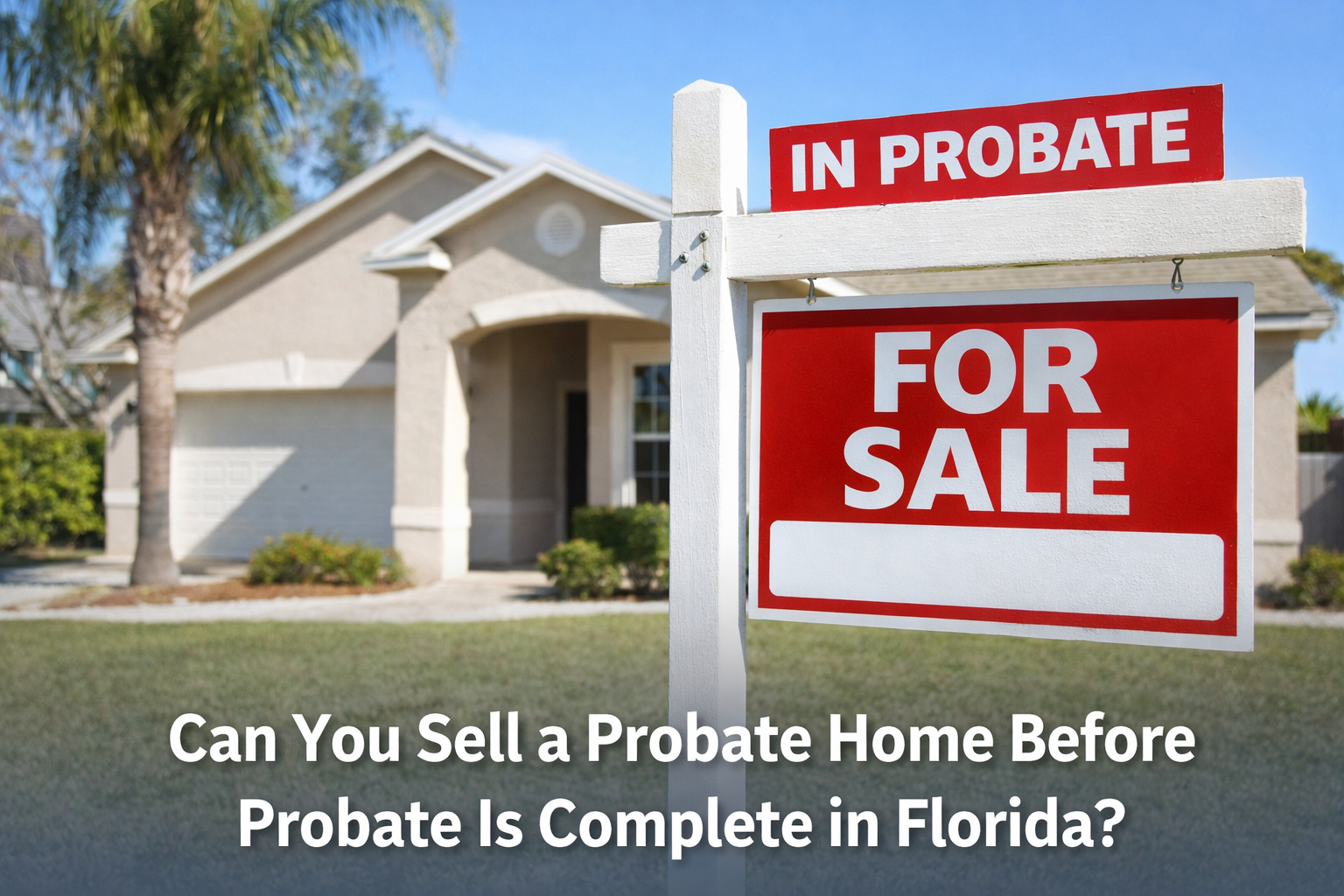
Can You Sell a Probate Home Before Probate Is Complete in Florida?

Inherited property timing and probate sale preparation in Florida

Can You Sell a Probate Home Before Probate Is Complete in Florida?

One of the first questions families ask after inheriting a property is whether the home can be sold immediately or whether everything has to wait until probate is fully finished.

That question usually appears long before the family feels organized.

The home may still contain personal belongings. Insurance, utilities, taxes, or maintenance costs may still be active. Heirs may be in different states. Someone may already be asking whether the property should be cleaned out, repaired, sold as-is, or held temporarily.

At the same time, the probate process is still establishing legal authority.

That creates a situation where families often feel caught between two timelines — the legal process and the practical reality of managing the property itself.


The Short Answer Is More Nuanced Than Most Families Expect

In most Florida probate situations, a property sale generally cannot fully close until a personal representative has been formally appointed and granted authority through the probate process.

That authority is what allows contracts, negotiations, and closing decisions to move forward properly.

But that does not mean families should wait passively until probate is completely finished before addressing the property.

In many inherited-property situations, the most important operational decisions happen before final probate authority is fully completed.


Why Waiting Too Long Creates Problems Later

Many families assume nothing should happen with the property until probate is finalized.

The result is often the same:

  • the property sits untouched
  • maintenance issues continue growing
  • vacant-home concerns increase
  • family communication becomes more strained
  • decisions pile up all at once later

Once probate allows movement, the family suddenly has to make fast decisions regarding pricing, repairs, clean-outs, inspections, preparation, vendor coordination, and sale timing.

That is when inherited-property decisions begin feeling rushed.

The strongest probate outcomes are usually not the fastest ones. They are the ones where the family used the waiting period to reduce uncertainty before pressure started building.


What Families Can Often Begin Doing Early

Even if the property cannot immediately close, many inherited-property situations still allow important preparation steps to begin early.

That may include:

  • evaluating the condition of the property
  • reviewing insurance or maintenance concerns
  • coordinating clean-outs or estate sales
  • arranging handyman or contractor walkthroughs
  • understanding likely buyer expectations
  • reviewing valuation and pricing considerations
  • comparing as-is versus preparation strategies
  • organizing communication between heirs

Those steps are not about rushing the process.

They are about preventing the property from becoming more difficult to manage later.


The Real Decision Usually Isn’t “Can We Sell Yet?”

Families often frame this as a yes-or-no timing question:

“Can we sell now, or do we have to wait?”

But the more useful question is usually:

“What should we organize now so the property does not become more stressful once probate allows movement?”

That shift changes the entire process.

Instead of waiting passively, the family can begin understanding:

  • what the home may realistically need
  • which repairs matter and which do not
  • whether preparation would improve the outcome
  • what buyer response may look like
  • whether a simpler as-is path makes more sense
  • how timing may affect costs and leverage

The goal is not to force action too early. The goal is to reduce confusion before decisions become urgent.


Preparation and Legal Authority Are Not the Same Thing

This is where many inherited-property situations become misunderstood.

Probate authority determines when certain legal actions can happen.

Preparation determines whether the family is ready once those actions can move forward.

Those are two separate things.

For example, families often use this period to:

  • coordinate vendor access
  • remove personal belongings
  • review inspection concerns
  • compare investor and traditional sale options
  • identify deferred maintenance
  • evaluate contractor estimates
  • review whether selective preparation may improve the final outcome

Some homes benefit from preparation. Others are better suited for a cleaner as-is strategy. The important part is understanding the difference before pressure forces a rushed decision later.

Should you sell a probate property as-is or prepare it first?


How Timing Pressure Commonly Appears in Palm Beach County

In Palm Beach County, inherited-property timing issues often become more noticeable when the property is vacant, outdated, carrying substantial expenses, or owned by heirs living in different locations.

A larger home in Wellington or Boca Raton may involve landscaping obligations, insurance concerns, roof issues, or deferred maintenance that continue becoming more expensive while decisions are delayed.

In other cases, the home may still contain decades of personal belongings, unresolved repairs, or preparation needs that cannot realistically be solved in a single weekend once probate is complete.

Local market expectations matter as well. Some buyers expect updated condition before paying premium pricing, while other situations may support a simpler as-is approach depending on location, timing, and property condition.

If the property is located locally, these city-specific inherited-property guides may help explain how buyer expectations and preparation strategies differ across markets.

Wellington inherited property guidance

West Palm Beach inherited property guidance


Authority and Timing Usually Work Together

Understanding probate timing becomes much easier once the family understands who is actually responsible for making decisions as the process moves forward.

That authority structure often determines:

  • who can coordinate preparation
  • who can approve repairs
  • who can review offers
  • who communicates with vendors
  • how disagreements between heirs are handled
  • when the property can formally move toward closing

If authority is still unclear, it may help to review how probate sale authority usually works in Florida.

Who has the authority to sell a probate property in Florida?


Understand the Property Timeline Before Pressure Builds

If your family is trying to determine what can happen now, what should wait, and how to avoid rushed inherited-property decisions later, a structured conversation can help separate legal timing from property preparation.

  • Review property condition and preparation considerations
  • Compare as-is, preparation, and timing strategies
  • Identify issues that could create delays later
  • Coordinate real estate questions alongside the probate attorney

A calm review can help separate what needs attention now from what can wait.

Review the Property Timing


Continue With the Questions That Shape the Process

Timing is only one part of inherited-property planning. These guides explain how authority, family coordination, costs, and preparation decisions often connect together during probate real estate situations.

For a broader overview of inherited-property guidance, attorney coordination, preparation strategy, and local market considerations, you can also return to the main inherited-property hub.

Back to the Inherited Property Guidance Hub


Frequently Asked Questions

Can a probate property be listed before probate is fully complete?

Some probate situations allow certain marketing or preparation steps before final probate completion, but the ability to fully execute and close a sale depends on the authority granted through the estate process. Families often benefit from organizing the property side early so fewer decisions become rushed later.

What should families do while probate is still in progress?

Many families use this time to evaluate property condition, coordinate clean-outs, review inspection concerns, compare repair versus as-is strategies, organize communication between heirs, and understand likely buyer expectations before the property formally moves toward sale.

April 5, 2026

Why Curb Appeal Isn’t Just Cosmetic — How First Impressions Shape Home Sales in South Florida

thekullgroup/south-florida-home-curb-appeal-tips

Why Curb Appeal Isn’t Just Cosmetic — How First Impressions Shape Home Sales in South Florida

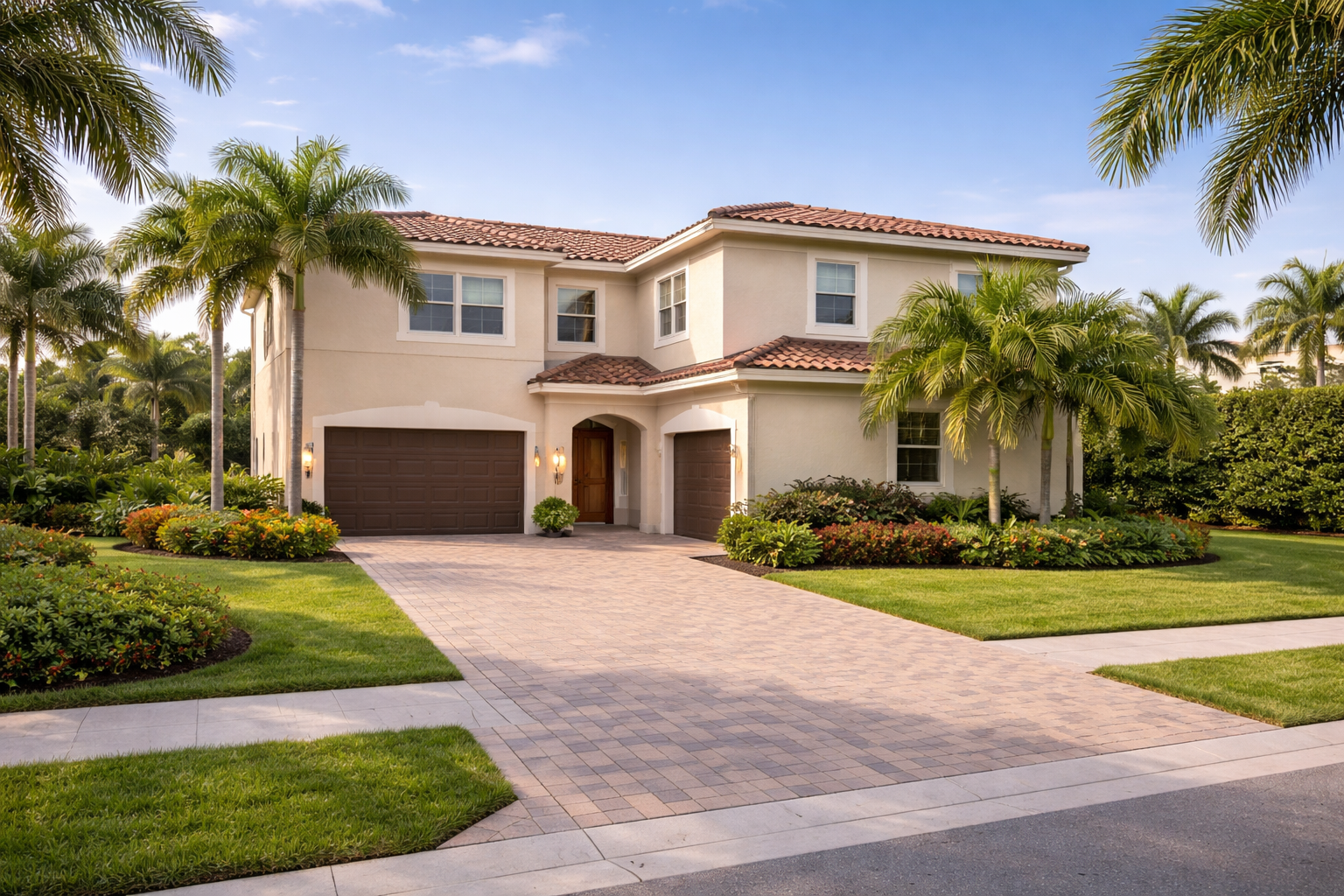
In a market like Palm Beach County, where buyers are constantly comparing homes online before ever stepping foot inside, curb appeal has become more than just a nice-to-have—it’s a deciding factor. The exterior of your home is often the first and sometimes only chance to make a strong impression. In communities like Wellington and throughout South Florida, where landscaping, light, and architectural style all play a role, the difference between “just another listing” and “must-see” often starts at the curb. Sellers who overlook this are unknowingly limiting their pool of buyers, while those who get it right create momentum before a showing even begins. Understanding how curb appeal actually impacts buyer psychology and pricing is key if you want to position your home effectively in today’s market.

The Real Role of Curb Appeal in Today’s Market

Curb appeal isn’t about impressing people for the sake of aesthetics—it’s about setting expectations. When a buyer pulls up to a home, they’re subconsciously deciding how the rest of the property will feel before they even open the front door. In South Florida, where outdoor presentation is part of the lifestyle, this effect is even stronger.

A clean, well-maintained exterior suggests that the home has been cared for overall. On the other hand, overgrown landscaping, faded paint, or a worn driveway can immediately create doubt. Buyers begin to wonder what else hasn’t been maintained, even if the interior is in great condition.

This matters because hesitation at the front door often translates into lower offers—or no offers at all. Strong curb appeal doesn’t just attract attention; it reduces resistance.

Start Comparing Homes That Actually Fit Your Criteria

If you're evaluating options in Palm Beach County or South Florida, browsing homes by city can help you quickly understand pricing, condition, and location tradeoffs.

Explore Homes by City

What Buyers Actually Notice (And What They Ignore)

Many sellers assume curb appeal means expensive upgrades, but that’s rarely what moves the needle. Buyers are paying attention to condition and consistency, not luxury.

What stands out immediately

Fresh landscaping, trimmed hedges, clean walkways, and a well-maintained entryway signal care. Lighting, front doors, and paint condition also play a major role in how inviting the home feels.

What matters less than you think

High-end plants, elaborate water features, or overly customized exterior elements often don’t deliver a return. In fact, they can limit appeal if they feel too specific to one taste.

The goal is not to impress—it’s to remove doubt. A clean, neutral, well-kept exterior allows buyers to focus on the home itself rather than distractions.

Common Mistakes Sellers Make With Curb Appeal

This is where most opportunities are lost. Sellers either overinvest in the wrong areas or underestimate how much small details matter.

Over-improving before listing

Spending heavily on new landscaping or exterior renovations rarely produces a full return. Buyers don’t pay dollar-for-dollar for upgrades—they respond to overall presentation.

Ignoring maintenance issues

Things like cracked driveways, dirty roofs, faded paint, or broken fixtures send a message that the home hasn’t been properly cared for. These are often more damaging than outdated design.

Forgetting the approach to the home

The path from the street to the front door is critical. If that experience feels neglected, buyers carry that impression inside with them.

Before making any major changes, it’s often smarter to step back and evaluate how the home feels from the street rather than focusing on individual upgrades.

Misconceptions About Curb Appeal That Cost Sellers Money

There are a few persistent myths that lead sellers in the wrong direction.

“More upgrades mean a higher price”

Not necessarily. Buyers compare homes within a range. If your home looks clean and well-kept, it competes. Over-upgrading can push your costs up without increasing perceived value.

“Buyers can look past the exterior”

In reality, many buyers decide not to even schedule a showing based on exterior photos alone. If curb appeal isn’t there, the home may never get the chance to impress.

“It’s just about landscaping”

Curb appeal is the full package—paint, lighting, entryway, driveway, roof condition, and overall symmetry all contribute to how the home is perceived.

Understanding these misconceptions helps sellers focus on what actually influences buyer decisions instead of chasing unnecessary upgrades.

What Actually Happens During Real Showings

There’s a difference between theory and what happens in real transactions. In practice, curb appeal directly impacts how buyers behave during showings.

When a home presents well from the outside, buyers enter with a positive mindset. They’re more forgiving of minor interior imperfections and more likely to see the home as “move-in ready.”

When curb appeal is lacking, the opposite happens. Buyers start looking for problems. They question condition, value, and maintenance. Even small issues feel bigger because the initial impression wasn’t strong.

This shift in mindset can influence everything from how long buyers stay in the home to how aggressive their offer is.

Pricing Strategy and Exterior Presentation

Curb appeal and pricing are directly connected. A home that looks strong from the outside supports its price point. A home that doesn’t often has to compensate with price reductions.

In competitive South Florida markets, where buyers are comparing multiple properties quickly, presentation becomes part of pricing strategy. If your home looks better than others in its range, it can justify stronger offers. If it looks worse, buyers expect a discount.

If you’re unsure where your home stands in today’s market, it’s worth taking a moment to check your home’s current value and see how it compares to similar properties in your area.

Get a Better Sense of What Your Home Could Command

If you’re starting to think about selling, checking your home’s current value can help you understand pricing expectations and how your property may fit today’s market.

Check Your Home Value

What This Means for Buyers and Sellers in South Florida

For sellers, curb appeal is one of the simplest ways to strengthen your position in the market without overinvesting. It’s about preparation, not renovation. Clean, consistent presentation creates confidence, which translates into stronger offers.

For buyers, curb appeal can be a signal—but it shouldn’t be the only factor. A well-presented home may still need interior updates, and a less impressive exterior may hide strong fundamentals. The key is knowing when curb appeal reflects true condition and when it’s simply surface-level.

In Palm Beach County and surrounding areas, where lifestyle and presentation play a major role in home values, understanding this balance gives both buyers and sellers a meaningful advantage.

Frequently Asked Questions

Does curb appeal really affect home value?

Yes, but indirectly. It influences buyer perception, which impacts demand and ultimately the price buyers are willing to offer.

What’s the most important curb appeal improvement?

Cleanliness and maintenance. A tidy yard, clean driveway, and well-kept exterior matter more than expensive upgrades.

Should I repaint the exterior before selling?

Only if it’s noticeably worn or outdated. Minor touch-ups often provide better return than full repainting.

How important is landscaping in South Florida?

Very important. Tropical landscaping is part of the lifestyle, but it should feel clean and manageable—not overgrown or overly customized.

Can poor curb appeal prevent my home from selling?

It can reduce showings and buyer interest, which can lead to longer time on market and lower offers.

Do buyers judge a home before entering?

Almost always. First impressions set the tone for how they experience the rest of the home.

Is it worth hiring professionals for curb appeal?

In many cases, yes—especially for landscaping, pressure washing, and minor repairs that improve overall presentation.

Keep Exploring South Florida Real Estate

If you're comparing communities, researching home values, or trying to better understand the South Florida market, reviewing local resources can help put each city and neighborhood into context.


About the Authors

Chris and Sue Kull are South Florida real estate professionals with more than three decades of experience helping buyers, sellers, and property owners navigate real estate decisions throughout Palm Beach County and surrounding communities.

April 5, 2026

Selling a Tenant-Occupied Property in South Florida: What Actually Happens and What Most Owners Get Wrong

thekullgroup/tenant-occupied-home-sale-south-florida

Selling a Tenant-Occupied Property in South Florida: What Actually Happens and What Most Owners Get Wrong

For many South Florida property owners, selling a tenant-occupied home sounds straightforward on paper—but in reality, it’s one of the more complex situations you can navigate. Whether you own an investment property in Palm Beach County or a former primary residence now being rented out, the process involves legal considerations, timing challenges, and strategic decisions that can directly impact your bottom line. In today’s market, where buyers expect flexibility and clean presentation, having a tenant in place can either work in your favor—or create unexpected friction. Understanding how this actually plays out in real transactions is the difference between a smooth sale and a frustrating experience.

The Reality of Selling a Tenant-Occupied Home

On the surface, having a tenant in place can seem like a benefit—especially for investors looking for immediate rental income. However, the reality is more nuanced. Most buyers in South Florida fall into two categories: end users (primary residence buyers) and investors. Each group views a tenant very differently.

End users typically want a clean, vacant property they can move into without complications. A tenant can create hesitation, especially if lease terms extend beyond closing. Investors, on the other hand, may see value in an occupied property—but only if the rent, condition, and lease structure make sense.

This creates a narrower buyer pool compared to vacant homes. That doesn’t mean you can’t sell successfully—but it does mean strategy matters more.

Start Comparing Homes That Actually Fit Your Criteria

If you're evaluating options in Palm Beach County or South Florida, browsing homes by city can help you quickly understand pricing, condition, and location tradeoffs.

Explore Homes by City

Common Mistakes Sellers Make With Tenant-Occupied Properties

One of the biggest mistakes sellers make is assuming the process will mirror a traditional home sale. It won’t. Tenant-occupied homes require coordination, communication, and often compromise.

Another common misstep is failing to align with the tenant early. If tenants are not cooperative, showing access becomes difficult, which directly impacts buyer interest. Limited showing availability often leads to fewer offers and longer time on market.

Pricing is another area where sellers go wrong. Many owners price based on emotional value or previous market highs without accounting for the reduced buyer pool. A tenant-occupied home may need to be positioned differently to generate traction.

Lastly, overlooking lease terms can create legal and logistical issues. Buyers will scrutinize lease agreements, and unclear or unfavorable terms can derail deals late in the process.

Misconceptions About Selling With Tenants in Place

There’s a widespread belief that having a tenant automatically makes a property more attractive to investors. That’s only partially true. Investors are highly numbers-driven. If the rent is below market value, the tenant becomes a liability—not an asset.

Another misconception is that tenants will naturally cooperate during the sale. In reality, tenants may feel inconvenienced or uncertain about their future, which can lead to resistance.

Some sellers also assume they can easily remove a tenant if needed. In Florida, lease agreements and tenant rights must be respected. You can’t simply ask a tenant to leave without following proper procedures.

Understanding these realities upfront helps avoid surprises once the property hits the market.

What Actually Happens During Real Transactions

In real-world South Florida transactions, tenant-occupied sales often involve negotiation layers beyond price. Buyers may request lease modifications, credits, or delayed occupancy terms. Some may want the tenant to remain, while others require the property to be vacant before closing.

Showings tend to be more structured, often requiring advance notice and limited time windows. This can slow down buyer activity compared to vacant homes.

Inspections also take on added complexity. Tenants may still be living in the property during inspections, which can impact access and condition presentation.

If you're unsure where your property stands in today’s market, it’s worth taking a moment to check your home’s current value so you can align pricing and expectations before going live.

Ultimately, successful transactions in these scenarios come down to preparation, communication, and having a clear plan before listing.

Pricing and Strategy Considerations for Sellers

Pricing a tenant-occupied home requires a different lens. You’re not just selling the property—you’re selling the situation that comes with it.

If the tenant is paying strong rent and maintaining the property well, that can be positioned as a benefit to investors. If not, the pricing may need to reflect the added friction.

Presentation also plays a role. While you can’t control everything, setting expectations with tenants and coordinating basic upkeep can make a noticeable difference.

Timing is another strategic decision. Some sellers choose to wait until a lease ends to maximize appeal, while others move forward immediately depending on their goals.

Get a Better Sense of What Your Home Could Command

If you’re starting to think about selling, checking your home’s current value can help you understand pricing expectations and how your property may fit today’s market.

Check Your Home Value

What This Means for Buyers and Sellers in South Florida

For buyers, tenant-occupied properties can present both opportunity and risk. Investors may find income-producing properties, while end users need to evaluate timing and flexibility.

For sellers, the key is understanding that this is not a standard transaction. The more you prepare upfront—legally, financially, and strategically—the smoother the process will be.

In Palm Beach County and surrounding areas, where demand remains strong but buyers are selective, positioning your property correctly from day one is critical.

Frequently Asked Questions

Can I sell my home with a tenant still living in it?

Yes, but the lease must be honored unless otherwise negotiated. Buyers will review the lease carefully before proceeding.

Do tenants have to allow showings?

Typically yes, but reasonable notice is required. Cooperation levels can vary and impact the sale.

Will having a tenant lower my home’s value?

Not always, but it can limit your buyer pool, which may influence pricing strategy.

Should I wait until the lease ends before selling?

It depends on your goals. Waiting can open the property to more buyers, but timing the market also matters.

Can I ask the tenant to leave early?

Only if both parties agree or if lease terms allow it. Otherwise, legal requirements must be followed.

Are tenant-occupied homes harder to sell?

They can be, primarily due to showing limitations and buyer preferences.

Do investors prefer tenant-occupied properties?

Only if the numbers make sense—rent amount, lease terms, and condition all matter.

What’s the biggest risk in selling with a tenant?

Misalignment between seller expectations, tenant cooperation, and buyer requirements.

Selling a tenant-occupied property isn’t inherently difficult—but it is different. With the right preparation and strategy, it can be handled smoothly while still achieving strong results.

Keep Exploring South Florida Real Estate

If you're comparing communities, researching home values, or trying to better understand the South Florida market, reviewing local resources can help put each city and neighborhood into context.


About the Authors

Chris and Sue Kull are South Florida real estate professionals with more than three decades of experience helping buyers, sellers, and property owners navigate real estate decisions throughout Palm Beach County and surrounding communities.

April 5, 2026

The Unwritten Rules of Buying a Home in South Florida (And Why They Matter More Than You Think)

hekullgroup/south-florida-gated-community-home

The Unwritten Rules of Buying a Home in South Florida (And Why They Matter More Than You Think)

Buying a home in South Florida isn’t just about finding the right property—it’s about understanding how to navigate the process in a way that actually positions you to win. In markets like Palm Beach County, where competition, timing, and perception all play a role, how you behave as a buyer can directly impact your outcome. Many buyers focus heavily on price and features but overlook the small decisions and interactions that influence sellers, agents, and negotiations. These subtle factors often determine whether you secure the home you want or lose it to someone else. Understanding the “unwritten rules” of buying isn’t about being perfect—it’s about being prepared, strategic, and aware of how the process really works in today’s market.

Why Buyer Behavior Matters More Than Ever

In a competitive real estate environment like South Florida, sellers aren’t just evaluating offers—they’re evaluating buyers. While price and terms are critical, the overall strength and reliability of the buyer often carry just as much weight. Sellers want certainty. They want a smooth transaction, minimal risk, and confidence that the deal will actually close.

This is where many buyers unintentionally lose leverage. Delayed responses, unclear financing, or inconsistent communication can make even a strong offer feel uncertain. On the flip side, buyers who present themselves as organized, decisive, and easy to work with often gain an edge—even if their offer isn’t the absolute highest.

In areas like Wellington and throughout Palm Beach County, where desirable homes attract multiple interested parties, the difference between winning and losing can come down to how you show up during the process—not just what you offer.

Start Comparing Homes That Actually Fit Your Criteria

If you're evaluating options in Palm Beach County or South Florida, browsing homes by city can help you quickly understand pricing, condition, and location tradeoffs.

Explore Homes by City

Common Mistakes Buyers Make Without Realizing It

One of the biggest issues buyers face isn’t lack of effort—it’s misunderstanding how their actions are perceived. Small missteps can create unnecessary friction or weaken your position.

Waiting Too Long to Make Decisions

Hesitation is one of the fastest ways to lose a property. In South Florida’s active markets, desirable homes don’t sit long. Taking too much time to decide can mean someone else steps in with a stronger, faster offer.

Touring Homes Without a Clear Plan

Looking at properties without defined criteria often leads to confusion and missed opportunities. The most effective buyers know exactly what they want—and what they’re willing to compromise on.

Overanalyzing Minor Details

It’s easy to get caught up in cosmetic issues or small imperfections. But focusing too much on minor details can cause buyers to overlook the bigger picture, including location, layout, and long-term value.

Poor Communication

Delayed responses or unclear expectations can slow down the process and frustrate everyone involved. Strong communication keeps momentum moving and builds confidence with sellers.

Misconceptions That Can Cost You the Deal

There are several common beliefs buyers carry into the process that simply don’t hold up in real-world transactions.

“The Highest Offer Always Wins”

Price matters—but it’s not everything. Sellers often choose offers that feel more secure, even if they’re slightly lower. Clean terms, strong financing, and a reliable timeline can outweigh a higher number.

“You Can Always Negotiate Later”

Many buyers assume they can start low and work their way up. In reality, a weak initial offer can eliminate you entirely, especially in competitive situations.

“Inspections Are Just a Formality”

Inspections are critical, but how you approach them matters. Overly aggressive negotiation after an inspection can derail a deal quickly if not handled properly.

Before reaching the negotiation stage, many buyers benefit from understanding where they stand financially. If you want a clearer picture, you can check your home’s current value to better understand your position if you’re also selling.

What Actually Happens in Real Transactions

The reality of buying a home is often different from what buyers expect. Behind the scenes, there are multiple moving parts that influence the outcome.

Agents are constantly communicating, comparing offers, and advising their clients. Sellers are weighing risk versus reward. Lenders are evaluating timelines. And small details—like how quickly documents are submitted—can impact the perception of your offer.

In many cases, the “best” offer isn’t just about numbers—it’s about confidence. Sellers gravitate toward buyers who appear ready, organized, and serious. That confidence is often built through consistent actions throughout the process.

How to Position Yourself as a Strong Buyer

If you want to stand out in Palm Beach County’s market, the goal isn’t to be perfect—it’s to be prepared.

Be Financially Ready

Pre-approval isn’t optional—it’s essential. It signals that you’re serious and capable of closing.

Act Decisively

When the right property appears, being ready to act can make all the difference.

Stay Flexible

Flexibility with timelines, minor repairs, or closing dates can make your offer more attractive.

Trust the Process

Working with experienced professionals helps you avoid missteps and make smarter decisions along the way.

Get a Better Sense of What Your Home Could Command

If you’re starting to think about selling, checking your home’s current value can help you understand pricing expectations and how your property may fit today’s market.

Check Your Home Value

What This Means for Buyers and Sellers in South Florida

For buyers, understanding these dynamics can dramatically improve your chances of securing the right home. It’s not just about budget—it’s about strategy, timing, and presentation.

For sellers, recognizing how buyers behave can help you evaluate offers more effectively and identify which ones are most likely to close.

In Palm Beach County, where market conditions can shift quickly, both sides benefit from clarity and preparation. Buyers who approach the process with awareness tend to move more efficiently and with less stress, while sellers gain confidence in the decisions they make.

Frequently Asked Questions

How quickly should I make an offer on a home?

If the property fits your criteria, acting quickly is often necessary. Waiting can result in losing the opportunity.

Do sellers care about anything besides price?

Yes. Terms, timing, and reliability often influence decisions just as much as price.

Is it okay to make a low offer?

It depends on the market. In competitive areas, low offers can eliminate you from consideration entirely.

How important is pre-approval?

Extremely important. It shows you’re financially ready and serious about buying.

Can I negotiate after inspections?

Yes, but it must be done strategically. Over-negotiating can risk losing the deal.

What makes a buyer stand out?

Strong communication, clear financing, and flexibility often make the biggest difference.

Keep Exploring South Florida Real Estate

If you're comparing communities, researching home values, or trying to better understand the South Florida market, reviewing local resources can help put each city and neighborhood into context.


About the Authors

Chris and Sue Kull are South Florida real estate professionals with more than three decades of experience helping buyers, sellers, and property owners navigate real estate decisions throughout Palm Beach County and surrounding communities.

April 5, 2026

What Buyers and Sellers in South Florida Misunderstand About Gated Communities

thekullgroup/south-florida-gated-community-home

What Buyers and Sellers in South Florida Misunderstand About Gated Communities

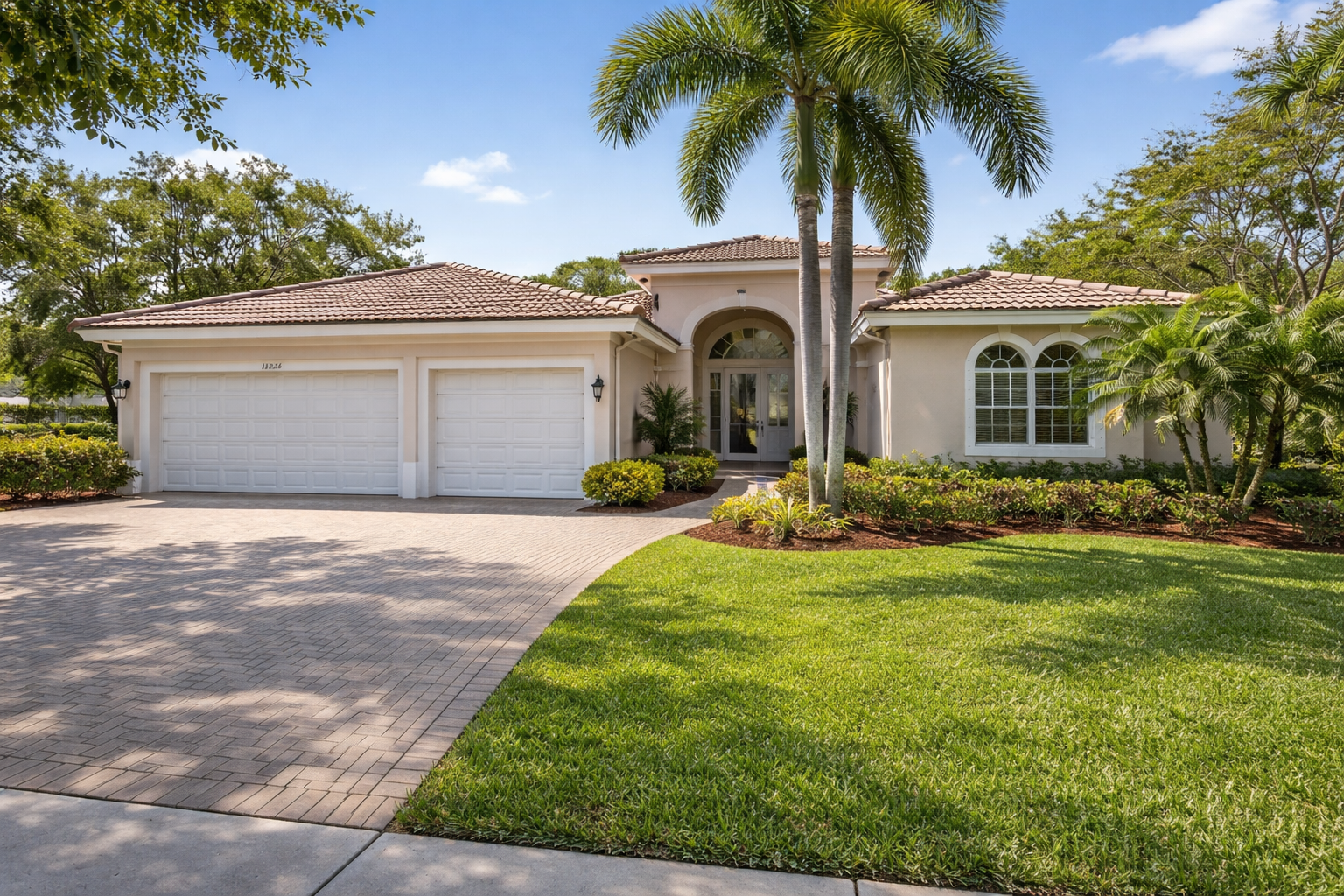
Gated communities are often viewed as one of the most desirable housing options in Palm Beach County. From Wellington to surrounding areas, buyers are drawn to the promise of security, privacy, and a more controlled living environment. Sellers, on the other hand, frequently assume that being inside a gated community automatically adds value and makes a home easier to sell. The reality is more nuanced. In today’s South Florida market, gated communities come with both advantages and limitations that directly affect pricing, buyer demand, and transaction dynamics. Whether you are considering buying or selling, understanding how these communities actually perform in the real market can help you avoid costly assumptions and make more informed decisions.

Why Gated Communities Attract So Much Attention

There is a strong psychological appeal tied to gated communities. Buyers often associate them with safety, exclusivity, and a higher standard of living. In many parts of Palm Beach County, especially in areas like Wellington, gated neighborhoods also offer amenities such as clubhouses, golf courses, and maintained common areas that enhance the lifestyle experience.

However, what draws buyers in is not always what ultimately drives their decision. While gates can create a sense of security, they do not eliminate concerns about pricing, condition, or long-term costs. Buyers still evaluate homes inside gated communities just as critically as they would anywhere else.

The initial attraction is emotional—but the final decision is practical.

Start Comparing Homes That Actually Fit Your Criteria

If you're evaluating options in Palm Beach County or South Florida, browsing homes by city can help you quickly understand pricing, condition, and location tradeoffs.

Explore Homes by City

The Hidden Tradeoffs Buyers Often Overlook

While gated communities offer appeal, they also introduce tradeoffs that buyers don’t always consider upfront. One of the most common is homeowners association (HOA) fees. These fees can significantly impact monthly affordability, especially in communities with extensive amenities.

There are also restrictions that come with living in these neighborhoods. Rules governing exterior changes, landscaping, parking, and even leasing can affect how flexible the property is for the owner. For some buyers, this structure is a benefit. For others, it becomes a limitation.

Additionally, resale dynamics inside gated communities can be more competitive. When multiple similar homes are available within the same neighborhood, buyers tend to compare them closely, which can put pressure on pricing and presentation.

Common Mistakes Sellers Make in Gated Communities

One of the biggest mistakes sellers make is assuming that the gate itself does the selling. While it helps attract interest, it does not replace proper pricing or preparation.

Another frequent issue is overlooking the competition within the community. Buyers are often comparing multiple homes in the same neighborhood, meaning that condition, upgrades, and pricing must stand out even more.

Sellers also sometimes underestimate how HOA rules and fees influence buyer decisions. A higher monthly fee or strict regulations can narrow the buyer pool, which needs to be factored into pricing strategy from the start.

Misconceptions That Impact Pricing and Demand

There is a widespread belief that homes in gated communities always command a premium. While this can be true in certain cases, it is not guaranteed. Value is driven by a combination of location, condition, upgrades, and market demand—not just the presence of a gate.

Another misconception is that gated communities attract only serious buyers. In reality, they often attract a wide range of interest, including buyers who are exploring options and may not be ready to commit. This can affect showing activity and conversion rates.

Understanding these dynamics is critical for setting realistic expectations and avoiding overpricing, which can lead to longer time on market and eventual price reductions.

What Actually Happens During Real Transactions

In real-world transactions, buyers evaluate gated community homes with a combination of emotional interest and practical analysis. They consider not only the home itself, but also the overall cost of ownership, including HOA fees, maintenance, and potential restrictions.

Negotiations often reflect these factors. Buyers may factor HOA costs into their offers or request concessions if they perceive limitations tied to the community.

Sellers who approach the process strategically—by pricing correctly, preparing the home, and understanding buyer concerns—tend to experience smoother transactions. Those who rely solely on the perceived value of the community often face more resistance.

Get a Better Sense of What Your Home Could Command

If you’re starting to think about selling, checking your home’s current value can help you understand pricing expectations and how your property may fit today’s market.

Check Your Home Value

What This Means for Buyers and Sellers in South Florida

For buyers, gated communities can offer lifestyle benefits, but it is important to look beyond the surface. Understanding fees, restrictions, and resale dynamics will help you make a more informed decision.

For sellers, success comes from positioning the property correctly within the context of the community. Pricing, presentation, and awareness of competition are key factors that influence outcomes.

If you want to see what your home may be worth, it is important to evaluate not just the community, but how your specific property compares within it.

Frequently Asked Questions About Gated Communities

Do gated communities increase home value?

They can, but value depends on multiple factors including location, condition, and demand within the specific community.

Are HOA fees worth it?

It depends on the amenities and services provided, as well as your personal preferences for maintenance and lifestyle.

Are gated communities safer?

They can offer a sense of security, but they are not immune to issues. Buyers should still evaluate overall safety and location.

Can I rent out a home in a gated community?

Some communities allow rentals, while others have restrictions. It is important to review HOA rules before purchasing.

Do gated communities sell faster?

Not necessarily. Sales speed depends on pricing, condition, and market demand.

Are there restrictions on home improvements?

Yes, most gated communities have guidelines that require approval for exterior changes.

Is it harder to sell in a gated community?

It can be more competitive due to similar homes within the same neighborhood.

Keep Exploring South Florida Real Estate

If you're comparing communities, researching home values, or trying to better understand the South Florida market, reviewing local resources can help put each city and neighborhood into context.


About the Authors

Chris and Sue Kull are South Florida real estate professionals with more than three decades of experience helping buyers, sellers, and property owners navigate real estate decisions throughout Palm Beach County and surrounding communities.

April 5, 2026

The Truth About Home Inspections in South Florida—And What Buyers and Sellers Often Get Wrong

thekullgroup/south-florida-home-inspection-tips

The Truth About Home Inspections in South Florida—And What Buyers and Sellers Often Get Wrong

In today’s Palm Beach County real estate market, home inspections carry more weight than many buyers and sellers expect. With shifting conditions, rising insurance concerns, and increased scrutiny on property condition, inspections are no longer a routine checkbox—they’re a major turning point in a transaction. What surprises many homeowners is not just what inspectors find, but how those findings influence negotiations, pricing, and even whether a deal moves forward at all. In South Florida, where humidity, storms, and aging systems all play a role, inspections can uncover issues that change the entire direction of a sale. Understanding how this process really works is critical if you want to avoid costly mistakes and unnecessary stress.

Why Home Inspections Carry More Weight Than Ever

Buyers today are more cautious, more informed, and often more risk-sensitive than in previous years. Between insurance challenges and rising ownership costs, they are not looking to inherit unknown problems. That means the inspection report is not just informational—it becomes a negotiating tool.

In South Florida, inspections often go deeper than surface-level concerns. Roof age, electrical panels, plumbing systems, HVAC condition, and even signs of moisture intrusion can quickly become focal points. Buyers are not just asking, “Does it work?”—they’re asking, “How long will it last, and what will it cost me?”

For sellers, this creates a shift in control. Once the inspection is completed, the buyer has leverage. If the home was not properly prepared or priced with condition in mind, the seller is often forced into reactive decisions.

Start Comparing Homes That Actually Fit Your Criteria

If you're evaluating options in Palm Beach County or South Florida, browsing homes by city can help you quickly understand pricing, condition, and location tradeoffs.

Explore Homes by City

What Inspectors Actually Do (and Don’t Do)

One of the biggest misconceptions in real estate is that home inspectors determine whether a home is “good” or “bad.” That’s not their role. Inspectors are there to document condition—not to assign value or make decisions for the buyer.

An inspector will identify visible issues, note potential concerns, and provide a report that outlines findings. However, they do not open walls, predict future failures with certainty, or guarantee that every issue has been uncovered.

This distinction matters because buyers sometimes treat inspection reports as a final verdict, when in reality they are simply a starting point for discussion. Likewise, sellers often feel blindsided by reports that highlight issues they didn’t realize were significant—even if those issues are common for homes in the area.

Common Mistakes Sellers Make Before an Inspection

Many sellers unintentionally weaken their position before the inspection even begins. The most common mistake is assuming that cosmetic improvements are enough. Fresh paint and staging may attract buyers, but they do not address underlying condition.

Another major mistake is waiting until the inspection report to deal with known issues. If a seller is aware of an aging roof, outdated electrical panel, or minor leaks, addressing these proactively can prevent negotiations from spiraling later.

Some sellers also underestimate how inspection findings impact buyer psychology. Even small issues, when presented in a formal report, can feel overwhelming to a buyer. What might seem minor to the seller can feel like a red flag to someone already making a major financial decision.

Misconceptions That Lead to Bad Negotiations

There’s a persistent belief that buyers will “expect issues” and move forward regardless. While that was sometimes true in more aggressive markets, today’s environment is different. Buyers are more selective and less willing to absorb unknown costs.

Another misconception is that inspection findings must always be fixed. In reality, most negotiations revolve around credits, price adjustments, or compromises—not full repairs. The goal is not perfection, but alignment.

Buyers also misunderstand inspections when they expect a home—especially an older one—to be flawless. Every property has imperfections. The key is understanding which issues are normal and which are deal-impacting.

What Actually Happens After the Inspection

Once the inspection report is delivered, the transaction enters one of its most critical phases. Buyers typically review the findings and submit a request for repairs, credits, or concessions. This is where deals are often strengthened—or fall apart.

Sellers then have options: agree, negotiate, offer alternatives, or decline. The outcome depends on how the property was priced, how competitive the situation is, and how both parties interpret the findings.

In many Palm Beach County transactions, the resolution is not about fixing everything—it’s about finding a path forward that makes sense for both sides. Deals that collapse at this stage usually do so because expectations were misaligned from the start.

Get a Better Sense of What Your Home Could Command

If you’re starting to think about selling, checking your home’s current value can help you understand pricing expectations and how your property may fit today’s market.

Check Your Home Value

What This Means for Buyers and Sellers in South Florida

For buyers, inspections are a tool—not a reason to panic. The goal is to understand the home, not eliminate every imperfection. Working with professionals who can help interpret reports is key to making informed decisions.

For sellers, preparation is everything. The more you understand your property’s condition before listing, the more control you maintain during negotiations. Being proactive often leads to smoother transactions and stronger outcomes.

If you want to find your home value in today’s market, it’s not just about comparable sales—it’s about how your home will perform under inspection scrutiny.

Frequently Asked Questions About Home Inspections

Are home inspectors always right?

Inspectors provide professional opinions based on visible conditions, but their reports are not absolute. Findings should be interpreted, not blindly accepted.

Can a deal fall apart after an inspection?

Yes, especially if major issues are discovered or if expectations were not aligned before the inspection.

Should sellers get a pre-listing inspection?

In many cases, yes. It allows sellers to identify and address issues early, reducing surprises during the transaction.

Do buyers have to request repairs?

No. Buyers can request repairs, credits, or choose to move forward without changes.

What are the biggest red flags in South Florida inspections?

Roof condition, electrical panels, plumbing issues, and signs of moisture or mold tend to be the most impactful.

How long does the inspection process take?

Typically a few hours for the inspection and a few days for report review and negotiation.

Can sellers refuse all repair requests?

Yes, but it increases the risk of the buyer walking away from the deal.

Keep Exploring South Florida Real Estate

If you're comparing communities, researching home values, or trying to better understand the South Florida market, reviewing local resources can help put each city and neighborhood into context.


About the Authors

Chris and Sue Kull are South Florida real estate professionals with more than three decades of experience helping buyers, sellers, and property owners navigate real estate decisions throughout Palm Beach County and surrounding communities.

April 5, 2026

When a Wellington Seller Gets Multiple Offers, the Best Offer Is Not Always the Highest One

thekullgroup/seller-receives-multiple-offers-wellington-fl

When a Wellington Seller Gets Multiple Offers, the Best Offer Is Not Always the Highest One

Multiple-offer situations sound simple from the outside. Sellers often assume more offers automatically mean a higher sale price and an easier transaction. Buyers often assume the highest number wins. In Palm Beach County and throughout South Florida, the reality is more complicated. When a home attracts several offers at once, the seller is not just choosing a price. They are choosing a risk profile, a timeline, and a level of certainty.

That is why multiple-offer situations matter so much. A seller can gain leverage quickly, but that leverage can also be mishandled. The strongest decision is usually the one that balances price with terms, financing strength, inspection exposure, appraisal risk, and the likelihood of actually reaching the closing table. In places like Wellington, where buyers can move fast and market conditions can intensify competition, understanding how multiple offers really work can help sellers avoid costly assumptions.

What Multiple Offers Really Mean for a Seller

Receiving multiple offers does not automatically mean a seller should accept the highest price on the page. It means the market is signaling that the home is desirable at its current positioning. That can happen because the price was attractive, the property showed well, inventory was tight, or buyer demand was concentrated in that segment of the market.

For sellers, this creates opportunity, but it also changes the decision framework. Instead of asking, “Which buyer is paying the most?” the better question is, “Which offer gives me the strongest overall chance of closing on favorable terms?” In many South Florida transactions, those two questions do not lead to the same answer.

A financed buyer offering more money may still create more uncertainty than a slightly lower offer with stronger underwriting, fewer contingencies, or more flexibility around timing. Sellers often discover very quickly that multiple offers are less about celebrating volume and more about sorting through competing versions of risk.

Start Comparing Homes That Actually Fit Your Criteria

If you're evaluating options in Palm Beach County or South Florida, browsing homes by city can help you quickly understand pricing, condition, and location tradeoffs.

Explore Homes by City

What Sellers Often Miss When Comparing Competing Offers

The easiest mistake is treating all offers as if they are mostly the same except for price. They rarely are. In a multiple-offer scenario, the supporting terms often matter just as much as the number itself. Financing type, appraisal exposure, inspection terms, deposit strength, occupancy flexibility, and closing date can all reshape what looks like the “best” choice.

For example, a buyer offering more but relying on aggressive financing and a minimal deposit may not be as attractive as a buyer offering slightly less with a stronger down payment and cleaner contract terms. A seller who needs time after closing may prefer flexibility over a marginal increase in price. A seller worried about appraisal issues may place more value on a buyer with extra cash reserves than on a buyer who simply stretched higher on paper.

That is why multiple offers are not really about selecting a number. They are about evaluating which path creates the strongest result with the fewest opportunities for the deal to weaken later.

Common Mistakes Sellers Make in Multiple-Offer Situations

Chasing the highest headline number

A higher purchase price can look strong at first glance, but if the offer carries more appraisal risk, financing uncertainty, or post-inspection exposure, the seller may end up giving back the difference later.

Assuming every buyer will stay engaged

Some sellers think they can push every party into repeated bidding rounds without consequence. In reality, buyers can withdraw, lose confidence, or become less cooperative if the process feels unstable.

Ignoring timing and logistics

Not every seller wants the same thing. A fast close, leaseback flexibility, or certainty around occupancy may outweigh a small price difference. Sellers who overlook their own priorities can select an offer that looks strong but feels burdensome later.

Failing to measure the full contract

Escrow amount, contingency periods, repair expectations, and financing detail all matter. Sellers who focus only on price often realize too late that they chose the most fragile contract, not the strongest one.

Misconceptions About “Highest and Best”

One of the biggest misconceptions is that every multiple-offer situation must lead to a highest-and-best round. That is one option, but not the only one. Some sellers choose to request improved terms from all buyers. Others negotiate with one buyer they believe is already closest to their goals. In some cases, a seller may simply accept one offer as written because it already fits what they want.

Another misconception is that buyers should only improve price in response to competition. In real transactions, better terms can be just as persuasive. A shorter inspection period, stronger deposit, or cleaner financing structure can make a meaningful difference.

Sellers also sometimes assume that broadcasting multiple offers automatically improves their position. Sometimes it does. Other times it causes weaker buyers to disappear and stronger buyers to harden their stance. The right approach depends on the offer mix, the property, and what the seller values most.

Before a seller decides how aggressive to be, it can help to see what your home may be worth relative to buyer demand and likely contract strength, not just list-price momentum.

What Actually Happens Once a Seller Starts Responding to Multiple Offers

This is where the situation becomes more tactical. A seller may respond in one of several ways. They may ask everyone for revised terms by a set deadline. They may counter a single offer they view as the strongest overall candidate. Or they may accept one offer without opening another round of negotiation. Each option sends a different signal to the market and to the buyers involved.

If the seller requests improved offers from all parties, the process becomes broader but less predictable. Some buyers improve meaningfully. Some barely move. Some step aside. If the seller counters one offer only, they gain focus but risk losing leverage with the rest of the field if the first negotiation fails. If they accept immediately, they reduce delay but may leave room on the table.

What matters most is that sellers understand the tradeoff. Multiple offers create leverage, but leverage is only useful when it is applied toward a clear goal. Without that clarity, the process can become emotional, improvised, and less effective than it appears from the outside.

The Seller and Pricing Section That Determines the Outcome

Price still matters, of course, but in multiple-offer situations, pricing and value start interacting with contract confidence. Sellers often receive clustered offers that are relatively close in number. That is usually where the non-price terms become decisive. If one offer is slightly higher but obviously more fragile, the seller may be choosing between a stronger-looking number and a stronger chance of closing.

This becomes especially relevant in Wellington and the broader Palm Beach County market, where appraisal support and financing structure can affect how much of the agreed price is actually attainable. A buyer who offers more than the market is likely to support may not truly be offering more if renegotiation is likely later. Likewise, a buyer with fewer contingencies may effectively be worth more to a seller than a buyer who offers a little extra but creates several reopening points in the contract.

Sellers who navigate multiple offers well usually think in terms of net strength, not just gross price. They look at how much certainty each offer brings, how much room exists for the contract to unravel, and which buyer seems best positioned to perform all the way through closing.

Get a Better Sense of What Your Home Could Command

If you’re starting to think about selling, checking your home’s current value can help you understand pricing expectations and how your property may fit today’s market.

Check Your Home Value

What This Means for Buyers and Sellers in South Florida

For sellers, multiple offers are a strong position to be in, but they still require disciplined decision-making. The best outcome usually comes from evaluating the entire contract, not just reacting to the biggest number. Price matters, but certainty, timeline, flexibility, and risk exposure matter too.

For buyers, this is a reminder that competing effectively often means strengthening the offer beyond price. Buyers who understand seller priorities, reduce uncertainty, and present clean terms often outperform those who simply add money and hope for the best.

In South Florida, where competitive conditions can intensify quickly, multiple-offer situations reward clarity more than excitement. The seller who knows what matters most usually makes the strongest decision.

Frequently Asked Questions About Multiple Offers

Does the seller have to disclose there are multiple offers?

Not necessarily. A seller can choose how much to disclose depending on strategy, local practice, and how they want to manage the negotiations.

Does the highest offer always win?

No. The strongest overall terms often matter just as much as price, especially when financing, inspections, and timing create different levels of risk.

Can a seller counter only one offer?

Yes. A seller may choose to negotiate with the offer they believe gives them the best overall chance of success.

Should sellers always ask for highest and best?

No. It can work well in some situations, but it is not always the right approach. Sometimes accepting or negotiating one strong offer is the better decision.

Why would a seller choose a lower offer?

A lower offer may come with better financing, fewer contingencies, a stronger deposit, or timing that better fits the seller’s needs.

Can buyers walk away during a multiple-offer process?

Yes. Some buyers do not want extended bidding or uncertainty and may decide not to continue if the process becomes too competitive or unclear.

Conclusion

When a Wellington seller receives multiple offers, the real question is not which offer looks best at a glance. It is which one delivers the strongest overall result with the clearest path to closing. That often means balancing price with certainty, flexibility, and contract quality.

In Palm Beach County and across South Florida, the sellers who handle multiple offers best are usually the ones who stay focused on the whole picture. Multiple offers can create excitement, but the most effective decisions are usually the most disciplined ones. A strong sale is not just about getting an offer accepted. It is about choosing the right buyer, on the right terms, for the right reasons.

Keep Exploring South Florida Real Estate

If you're comparing communities, researching home values, or trying to better understand the South Florida market, reviewing local resources can help put each city and neighborhood into context.


About the Authors

Chris and Sue Kull are South Florida real estate professionals with more than three decades of experience helping buyers, sellers, and property owners navigate real estate decisions throughout Palm Beach County and surrounding communities.